


Hungarian Grey
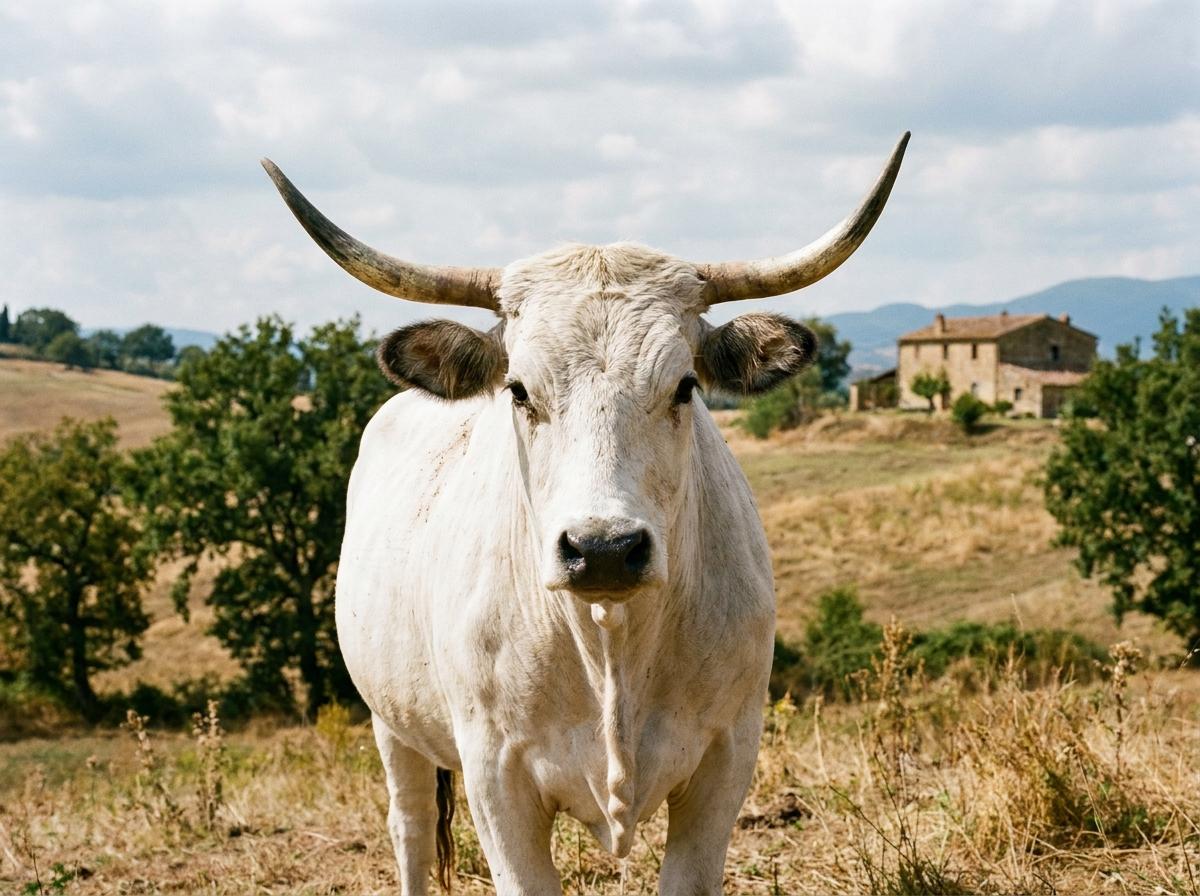
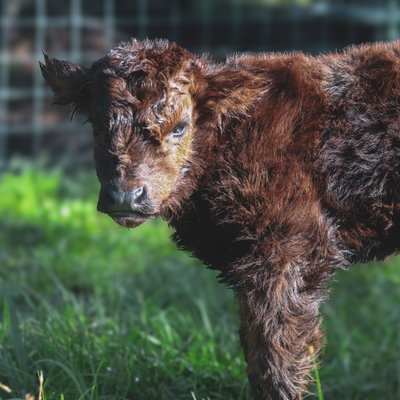
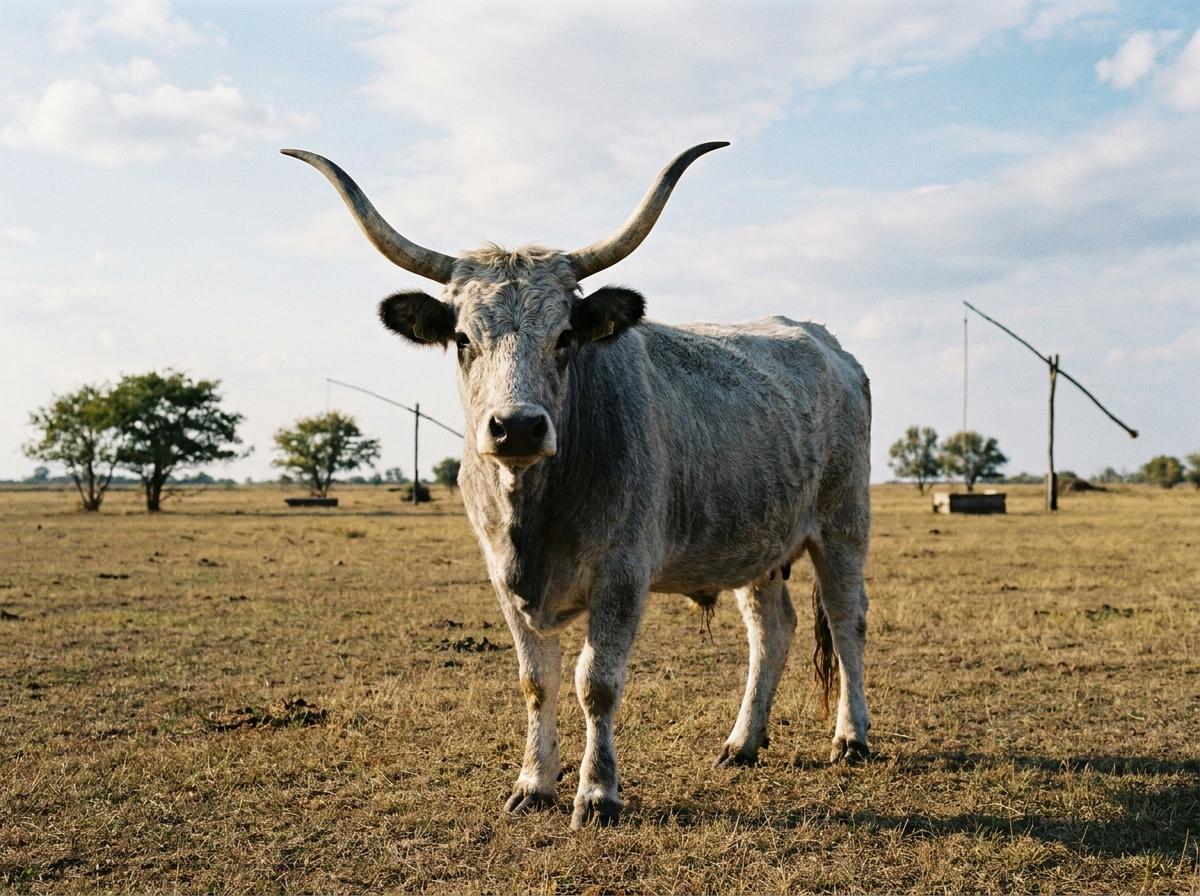
The Hungarian Grey, or Magyar Szürke, is a traditional cattle breed of the Carpathian Basin and the Hungarian Great Plain. It is a large, long-legged grey or silver-white animal with dark skin, a dark muzzle, and long lyre-shaped horns that sweep outward and upward. Calves are often born fawn or reddish and lighten as they mature. Historically the breed supplied draught power and beef for long-distance trade from the puszta grasslands, and its hard feet and efficient grazing helped it survive in extensive steppe conditions.
Today Hungarian Grey cattle are kept by conservation herds, national parks, private graziers, and breeders producing slow-grown beef. They suit open pasture and rough grazing, but their size and horn spread require handling races, feeders, and trailers built with clearance and quiet stockmanship in mind. The breed is valued for maintaining grassland habitats and for preserving a native genetic resource, so breeding choices usually balance production with genetic diversity and traditional type. Cows can calve outside in suitable weather, yet calves, water points, mineral access, and winter forage still need regular oversight.
Colors: Belted, Black, Black and White, Blaze Faced, Blue Roan, Brindle, Brockle Faced, Brown, Brown and White, Dun, Gray, Grey, Highbelt, Highpark, Lineback, Mottled, Pied, Red, Red and White, Red Roan, Riggit, Roan, Silver, Solid Black, Solid Red, Solid White, Speckled, Spotted, White, White Faced, Yellow