

Icelandic
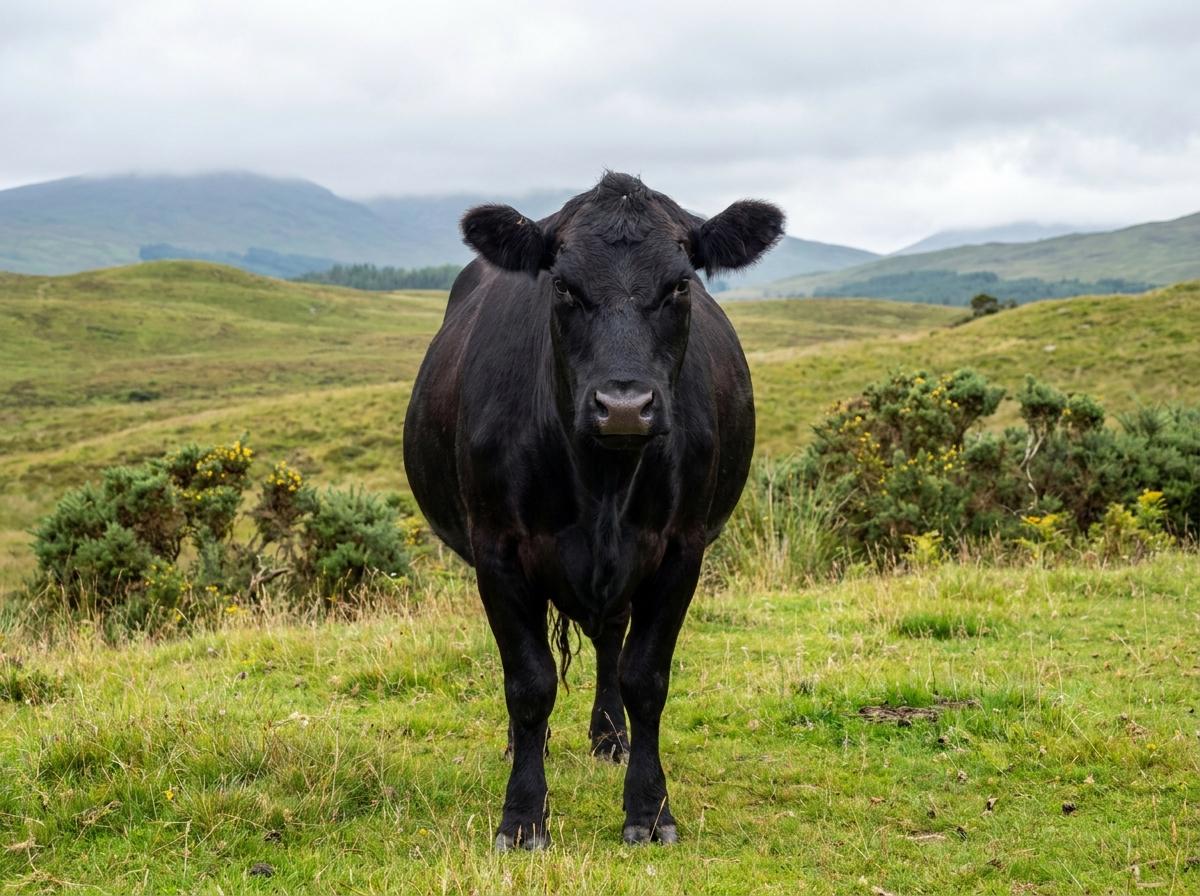
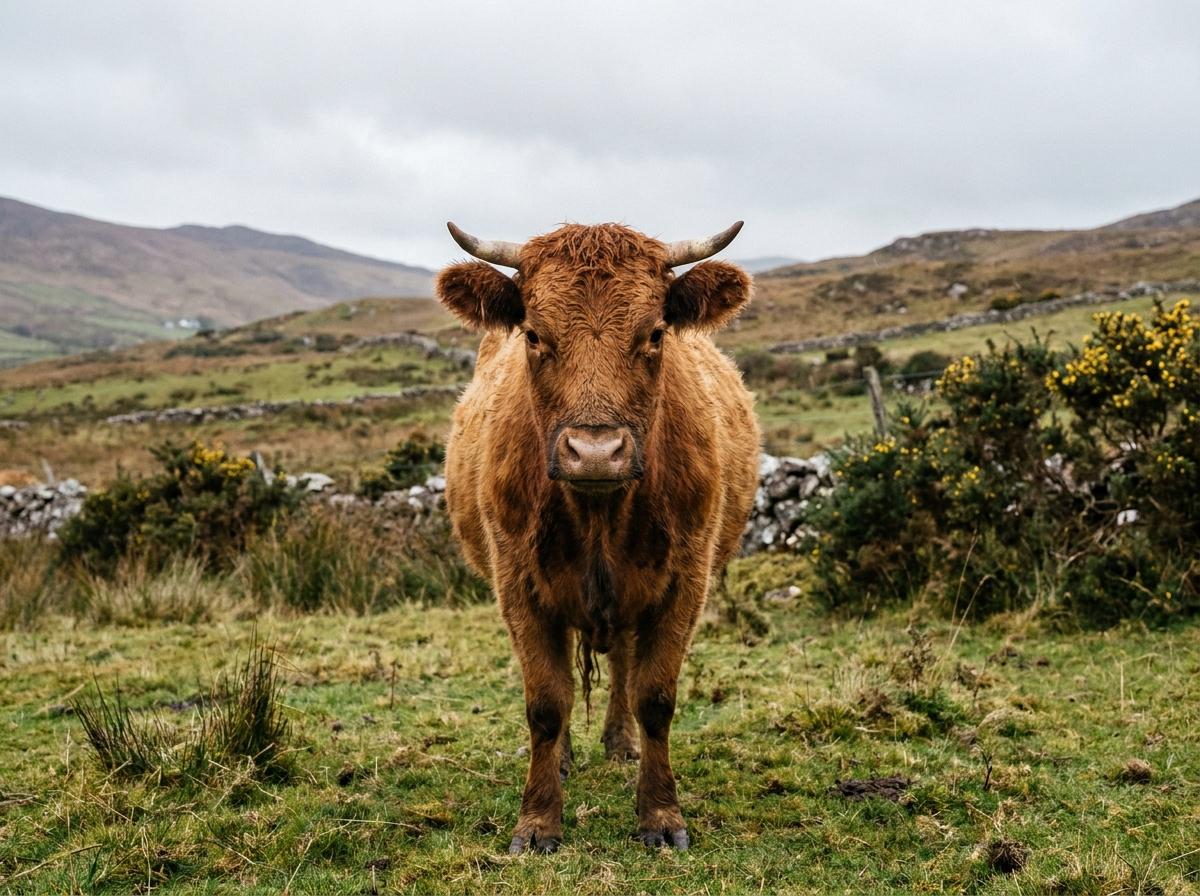
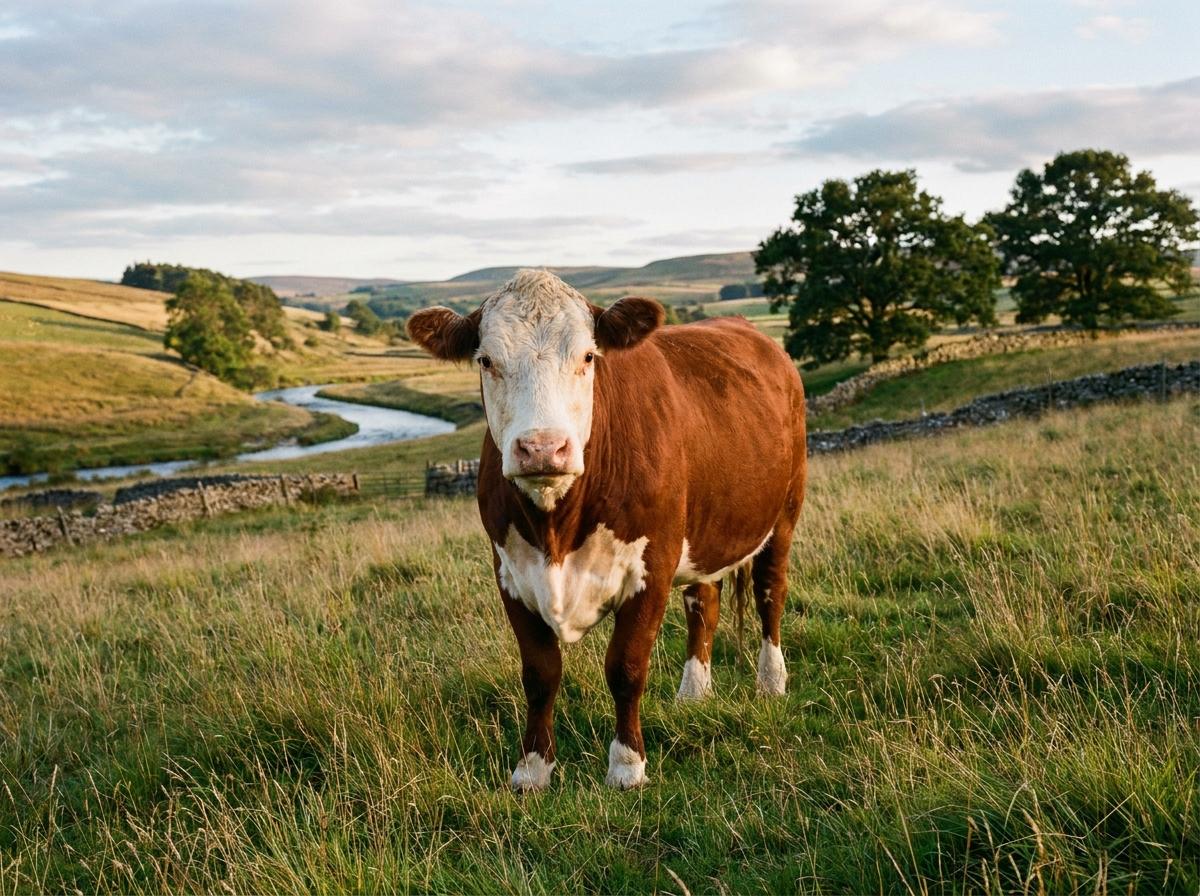
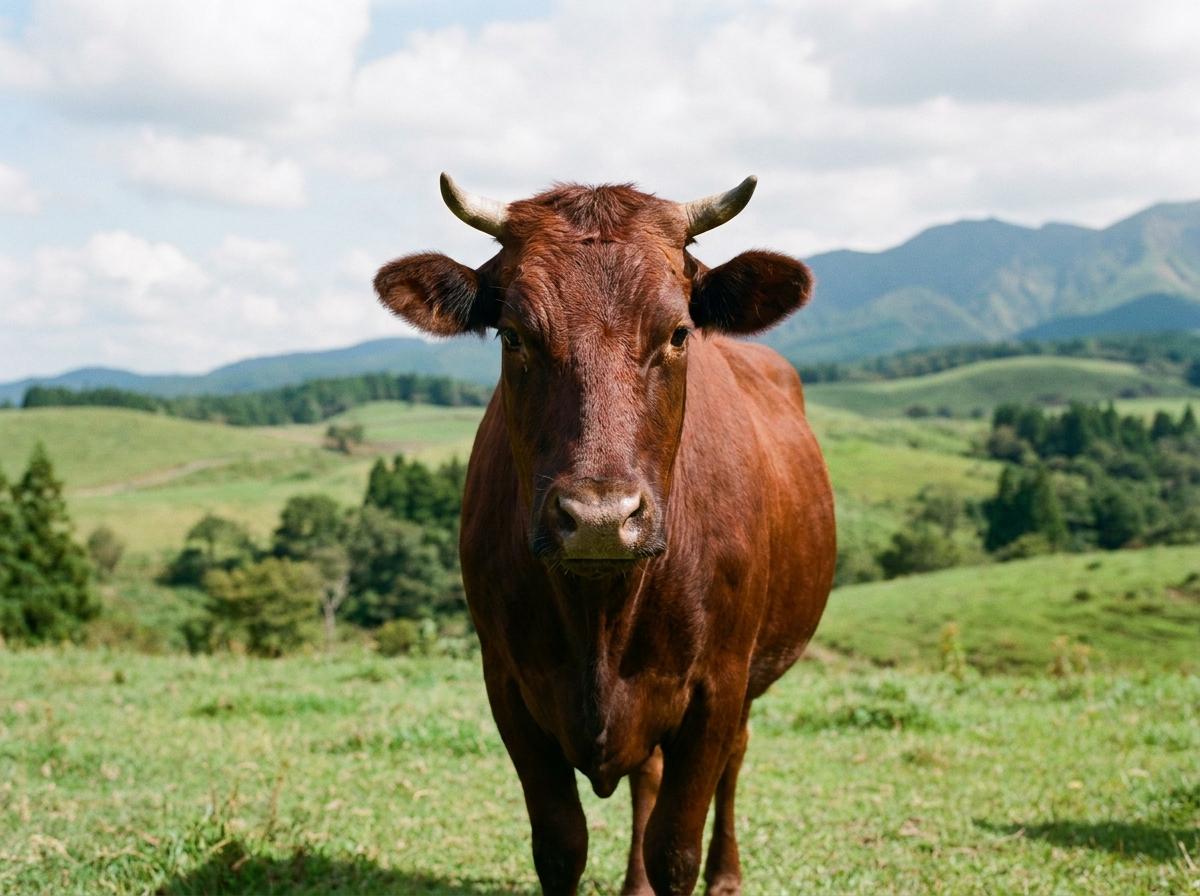
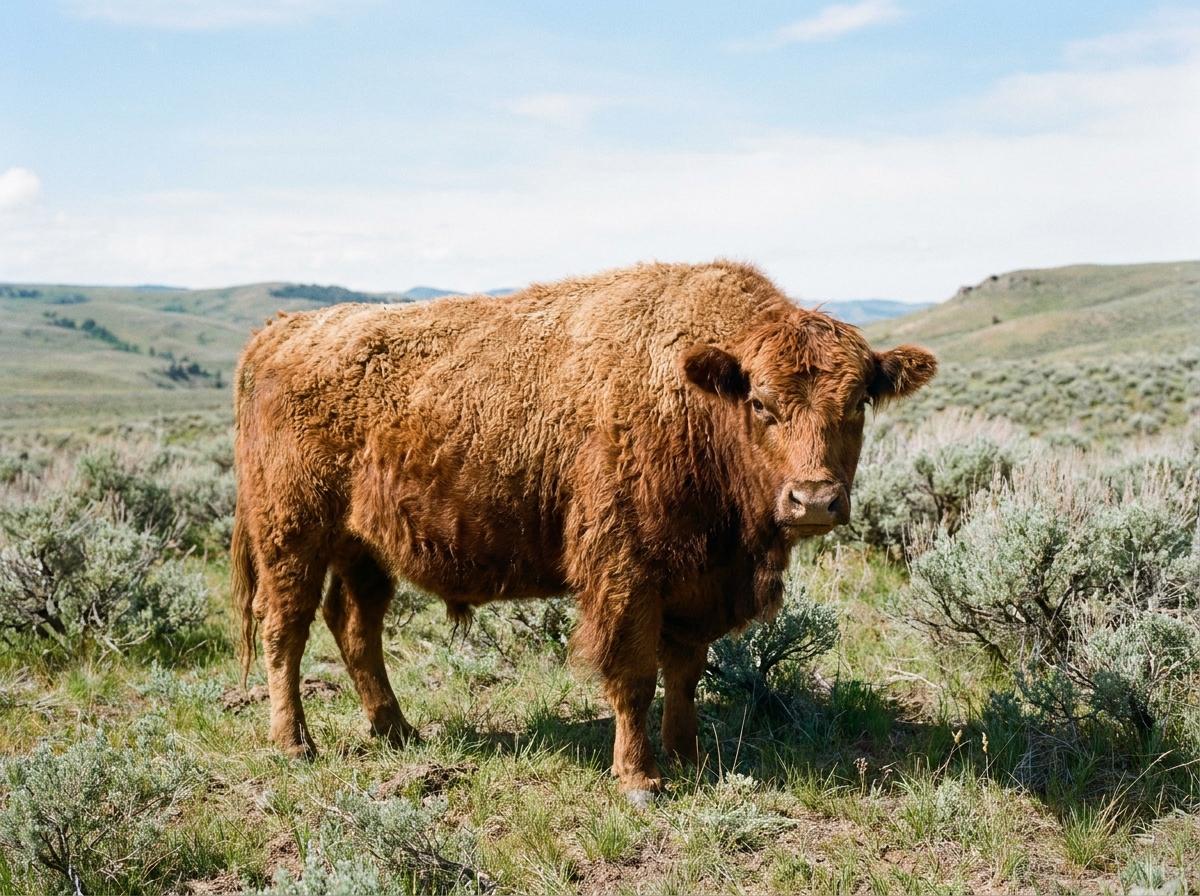
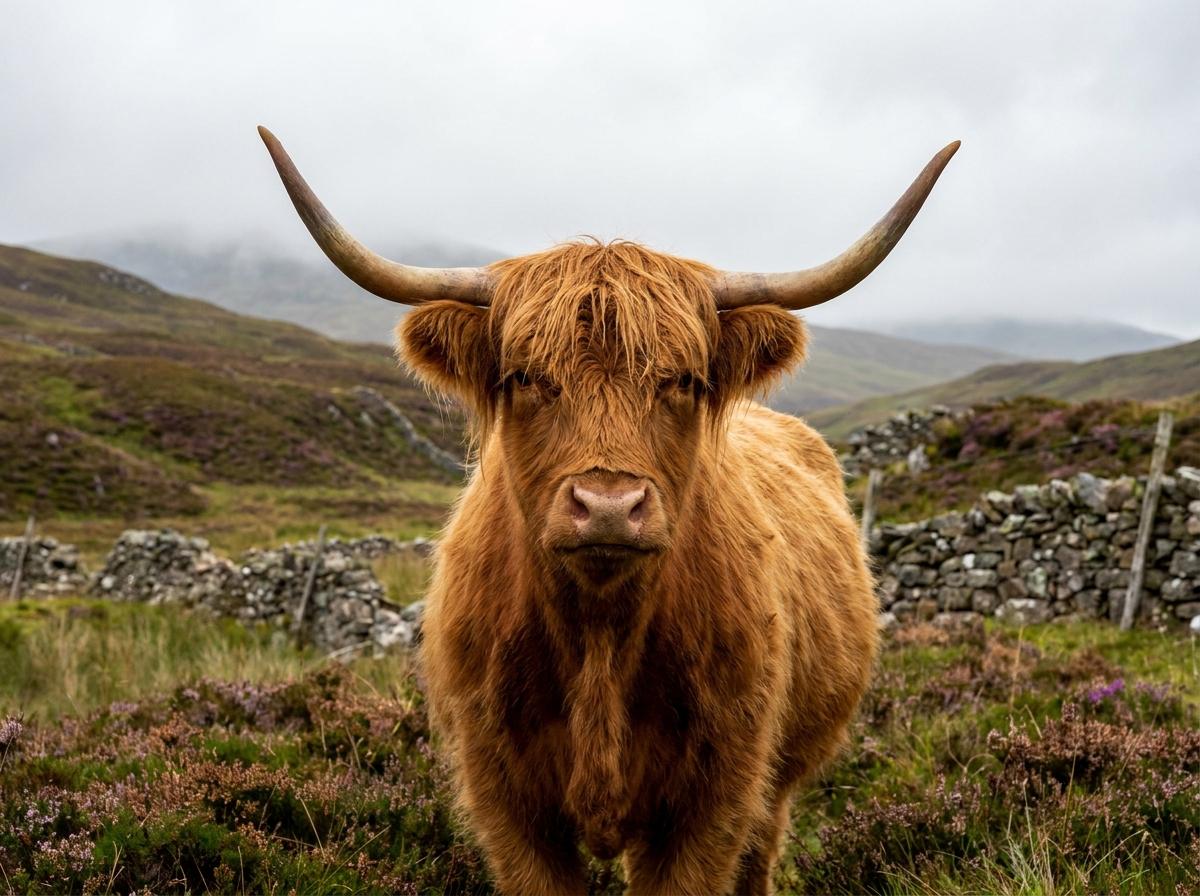
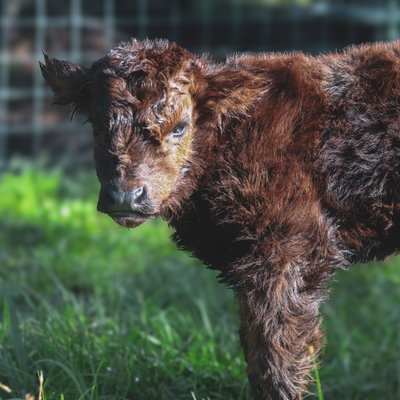
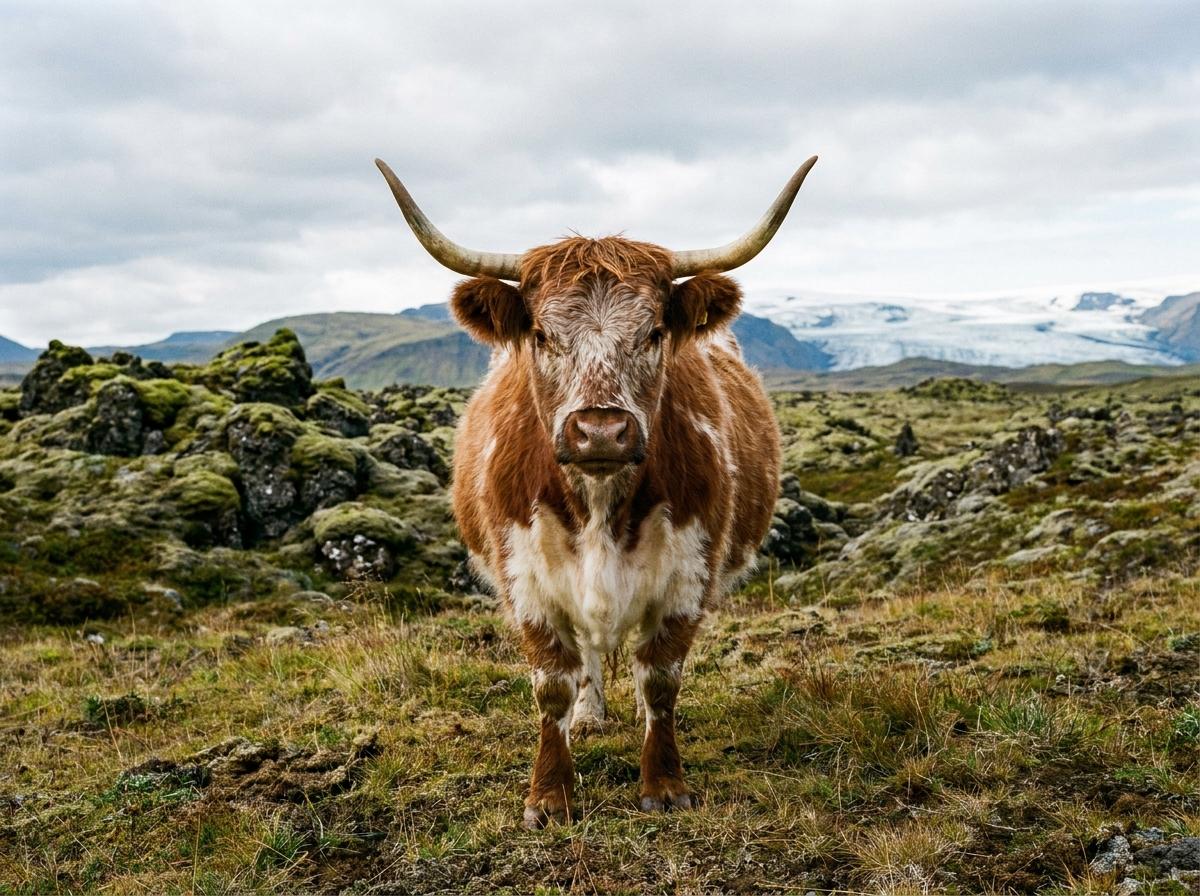
Icelandic cattle are an old Nordic dairy landrace descended largely from cattle brought to Iceland by early settlers. Long isolation and strict import controls have left them genetically distinct from most modern European dairy breeds. They are small to medium-sized cows, many of them naturally polled, and they appear in a wide range of colors and patterns, including red, black, dun, brindle, spotted, and lineback. The breed is used chiefly for milk rather than beef, with attention to fertility, longevity, and milk components as well as volume.
The Icelandic system shapes the cattle as much as their ancestry does. Cows are commonly housed through long winters on conserved forage, then turned out to pasture during the growing season; good feet, appetite, and winter management matter. Production is usually lower than in high-input Holstein herds, but Icelandic cows fit local farms where biosecurity, adaptation, and a closed national population are central concerns. Breeding programs must watch inbreeding because the population is limited. Outside Iceland, live animals are uncommon, so anyone interested in the breed is usually dealing with conservation, research, or carefully controlled genetics rather than ordinary commercial purchasing.
Colors: Belted, Black, Black and White, Blaze Faced, Blue Roan, Brindle, Brockle Faced, Brown, Brown and White, Dun, Gray, Grey, Highbelt, Highpark, Lineback, Mottled, Pied, Red, Red and White, Red Roan, Riggit, Roan, Silver, Solid Black, Solid Red, Solid White, Speckled, Spotted, White, White Faced, Yellow