

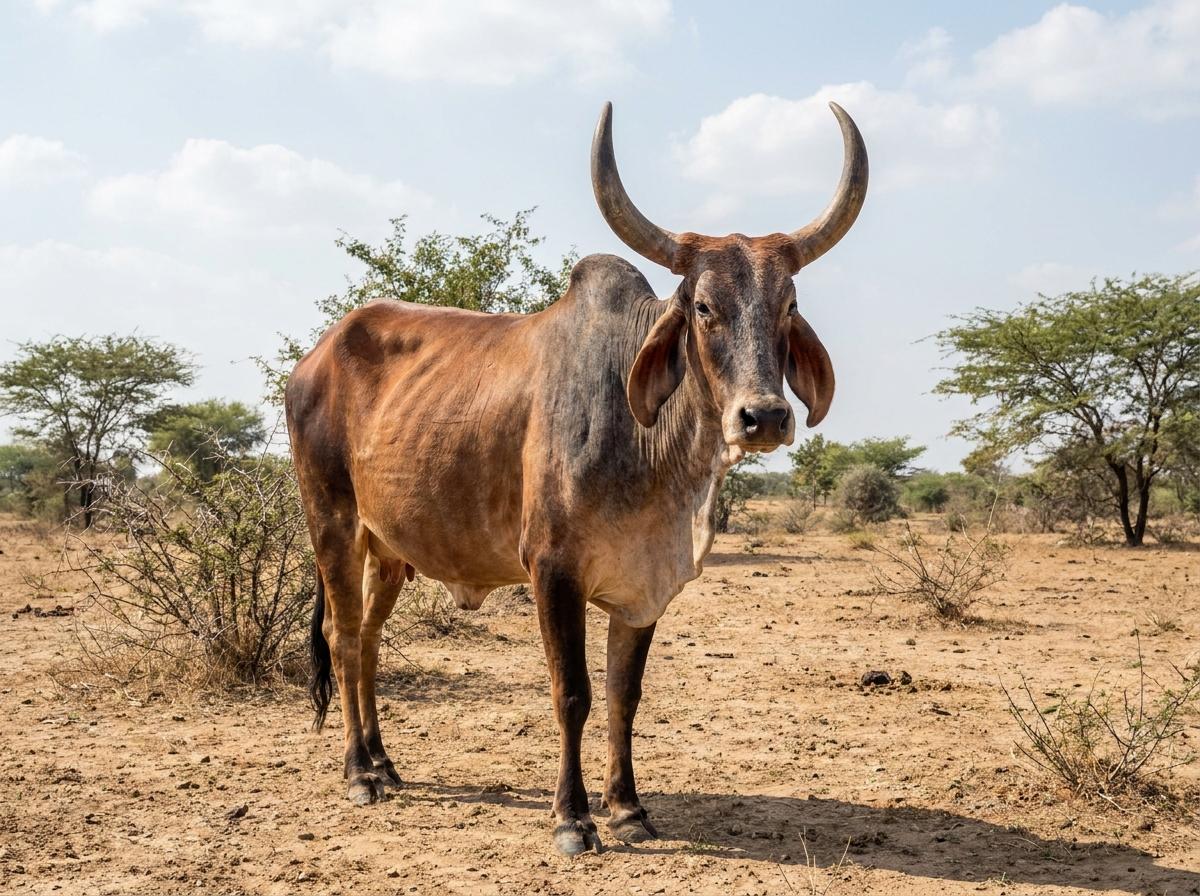
Kathiawadi
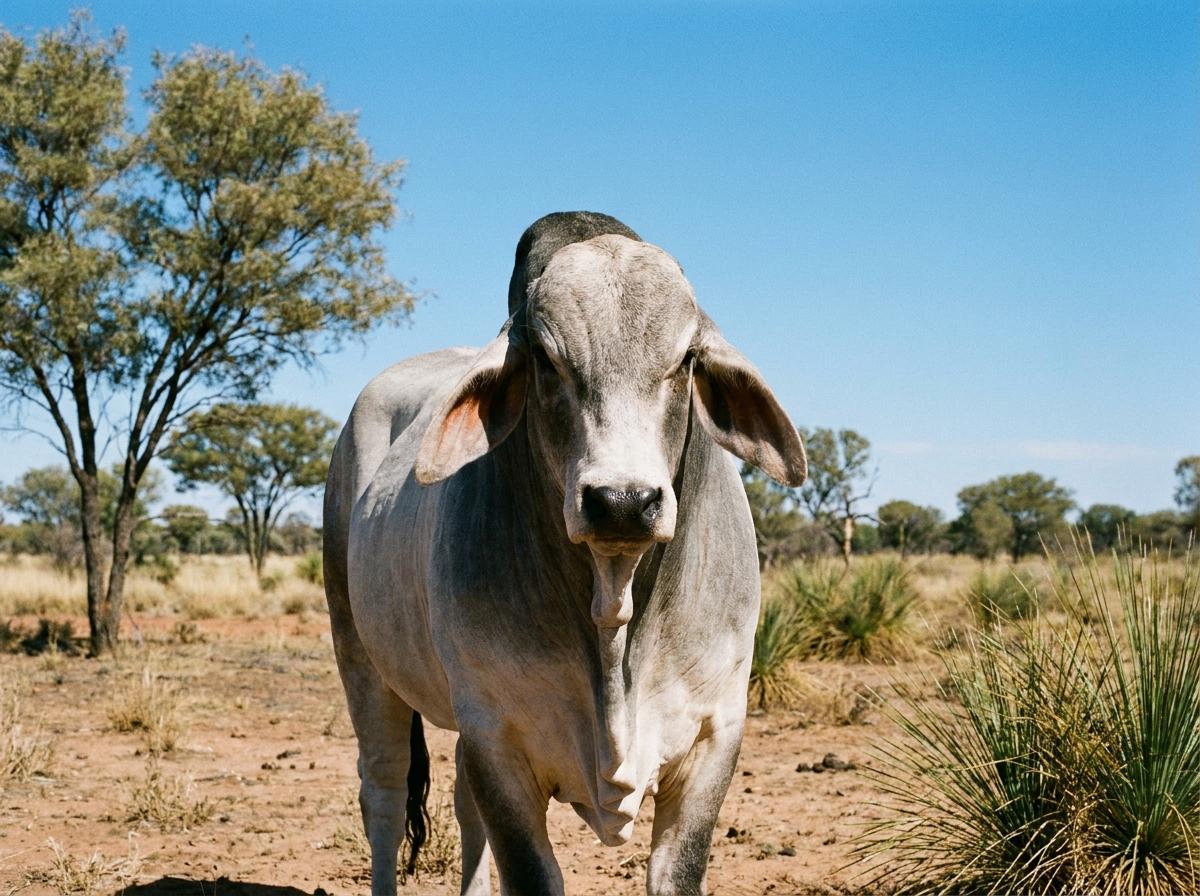
The Kathiawadi name is used for regional zebu-type cattle associated with the Kathiawar or Saurashtra peninsula of Gujarat in western India. In some references it describes a local landrace more than a tightly standardized breed. Animals are typically humped, long-dewlapped and heat tolerant, with coats that may be grey, dun, brown, black or patched depending on the village line and past breeding. Cows are kept as family milk animals, while bullocks have traditionally been used for carting, light cultivation and travel over hard, dry ground.
On low-input farms, Kathiawadi cattle fit systems based on native grazing, crop residues and seasonal fodder. They still need dependable water, shade in hot months and mineral support, and work animals benefit from good yoke fit and regular hoof checks. Because the label can overlap with nearby Gujarati cattle such as Gir or Kankrej in some markets, buyers should ask about home tract, dam performance and the purpose for which the line has been selected. Local conservation efforts tend to value their adapted indicine traits as much as milk yield.
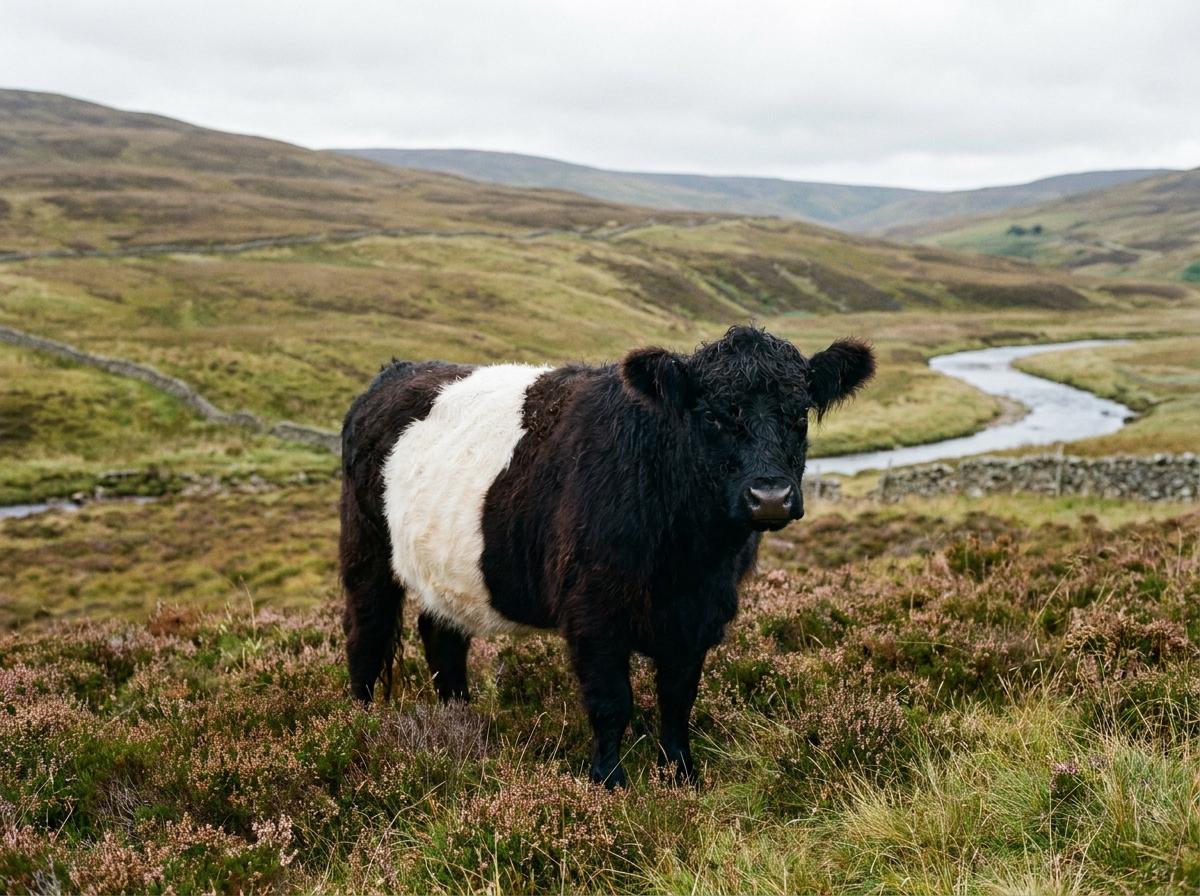
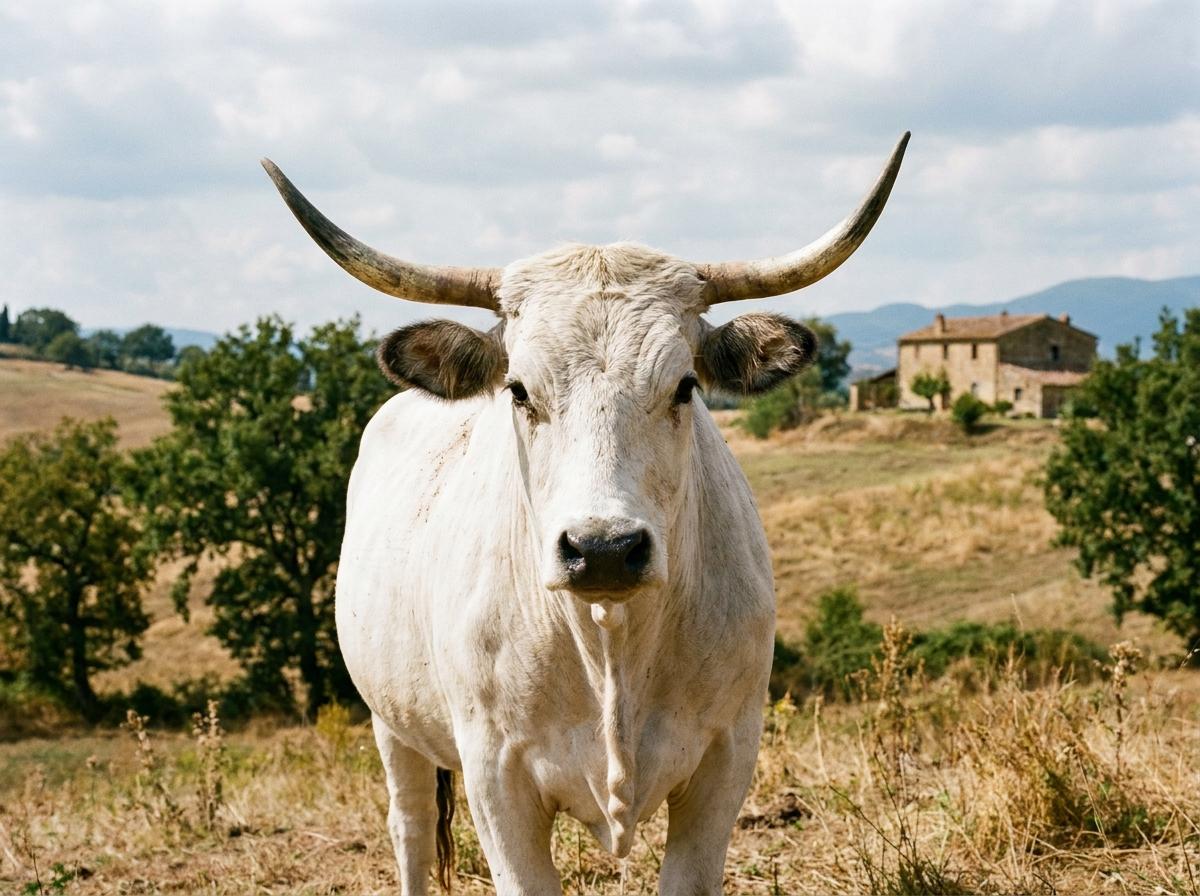
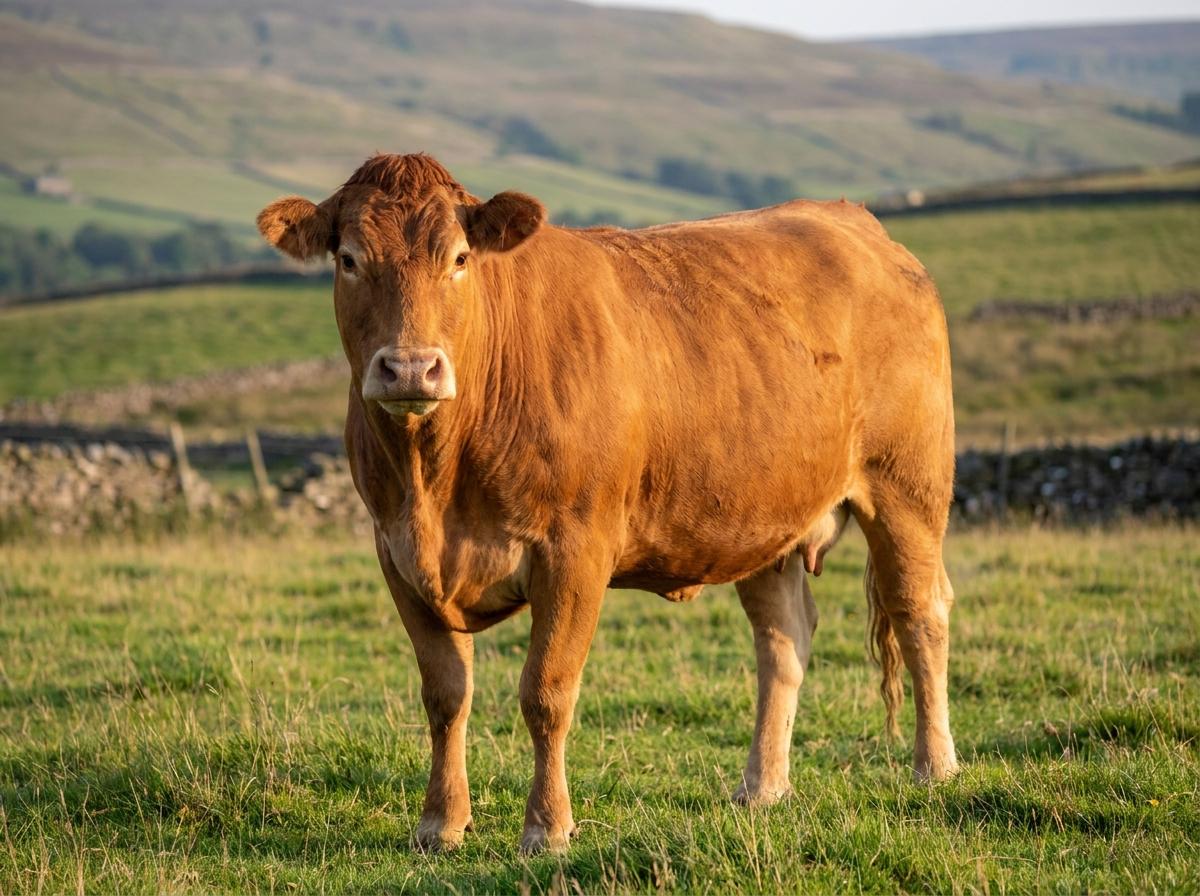
Colors: Belted, Black, Black and White, Blaze Faced, Blue Roan, Brindle, Brockle Faced, Brown, Brown and White, Dun, Gray, Grey, Highbelt, Highpark, Lineback, Mottled, Pied, Red, Red and White, Red Roan, Riggit, Roan, Silver, Solid Black, Solid Red, Solid White, Speckled, Spotted, White, White Faced, Yellow