

Kherigarh
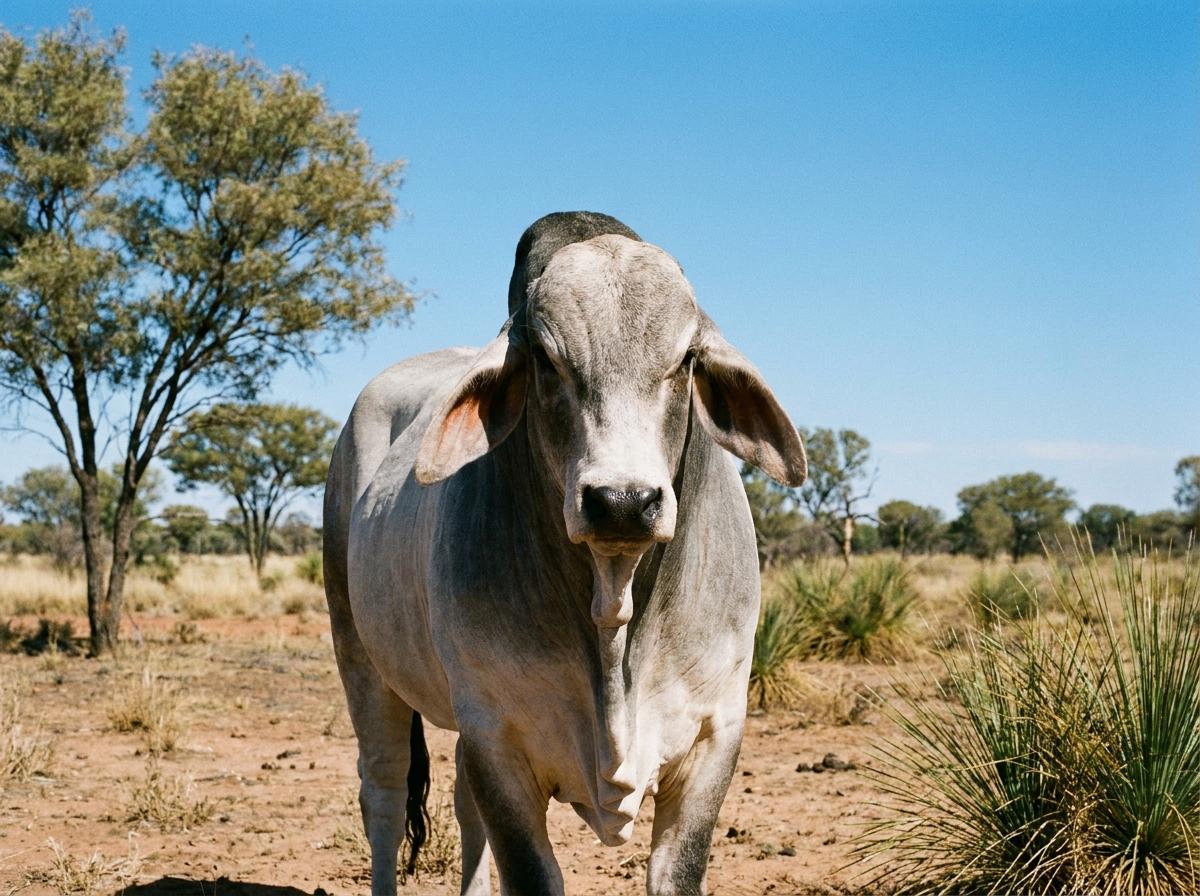
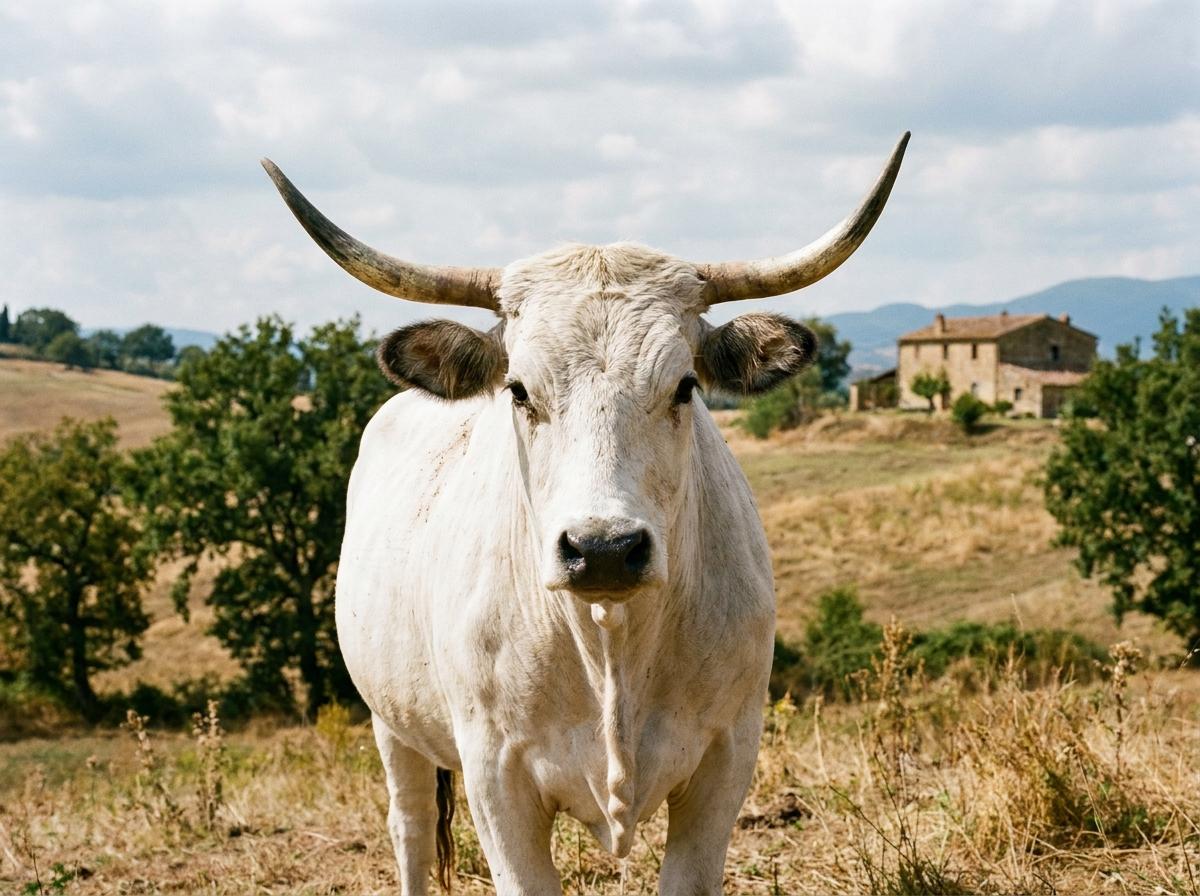
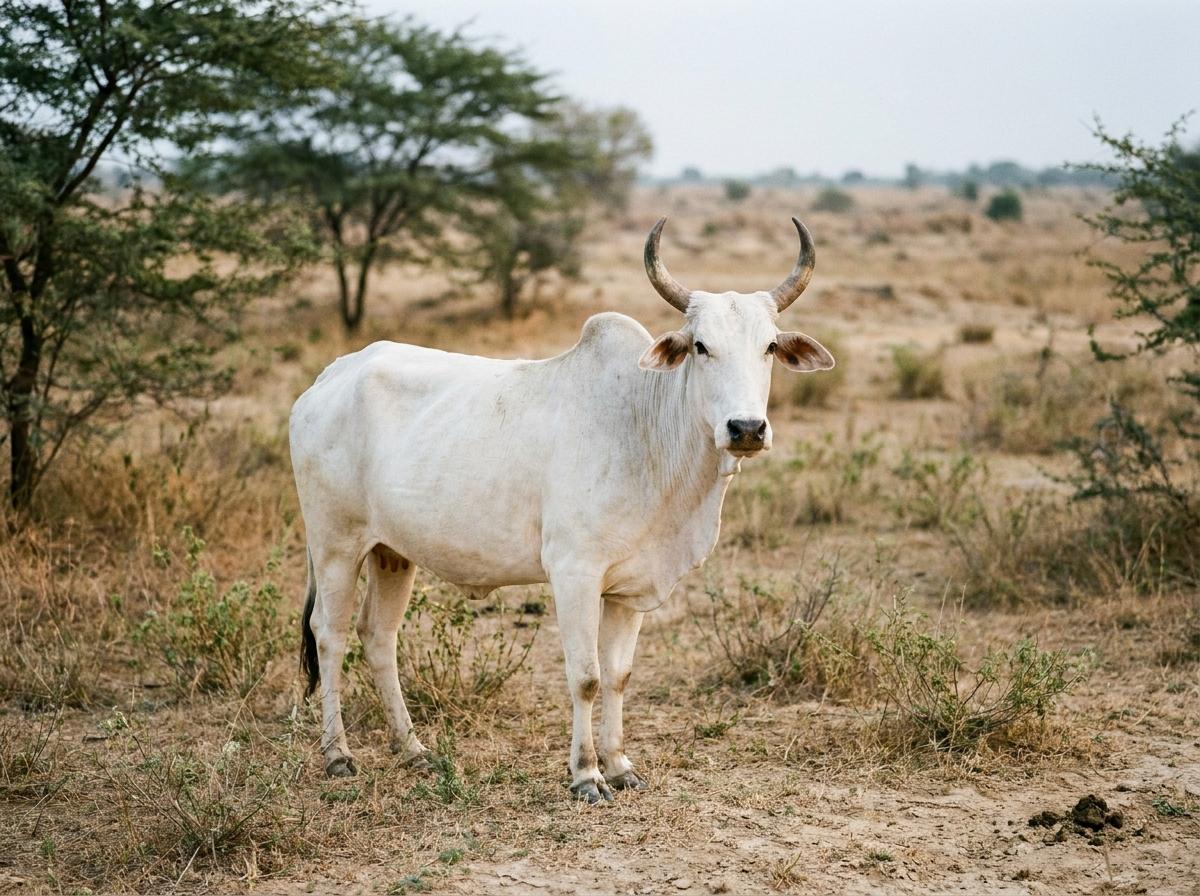
Kherigarh cattle, also called Kheri or Kheri Garh cattle, come from the tarai and alluvial plains around Lakhimpur Kheri, Pilibhit and neighboring districts of Uttar Pradesh, India. They are light, active zebu cattle, typically white or light grey, with a compact body, prominent hump and horns that often curve outward and upward. The breed is best known as a fast draught type rather than as a heavy milk producer. Bullocks have traditionally been used for light ploughing, carting and quick road work on village routes where speed and endurance mattered.
In their home tract, Kherigarh cattle are managed with grazing, rice and wheat straw, crop residues and seasonal green fodder. Their lighter build is useful on softer soils, but foot care becomes important during the monsoon and in poorly drained yards. Cows may provide household milk, though buyers should not expect dairy-breed yields without crossbreeding or extra feed. For farmers and conservation programs, the main value of Kherigarh cattle is their adaptation to local climate, disease pressure and work patterns; maintaining pure breeding animals helps preserve a type easily lost when draught cattle are replaced by machines.
Colors: Belted, Black, Black and White, Blaze Faced, Blue Roan, Brindle, Brockle Faced, Brown, Brown and White, Dun, Gray, Grey, Highbelt, Highpark, Lineback, Mottled, Pied, Red, Red and White, Red Roan, Riggit, Roan, Silver, Solid Black, Solid Red, Solid White, Speckled, Spotted, White, White Faced, Yellow