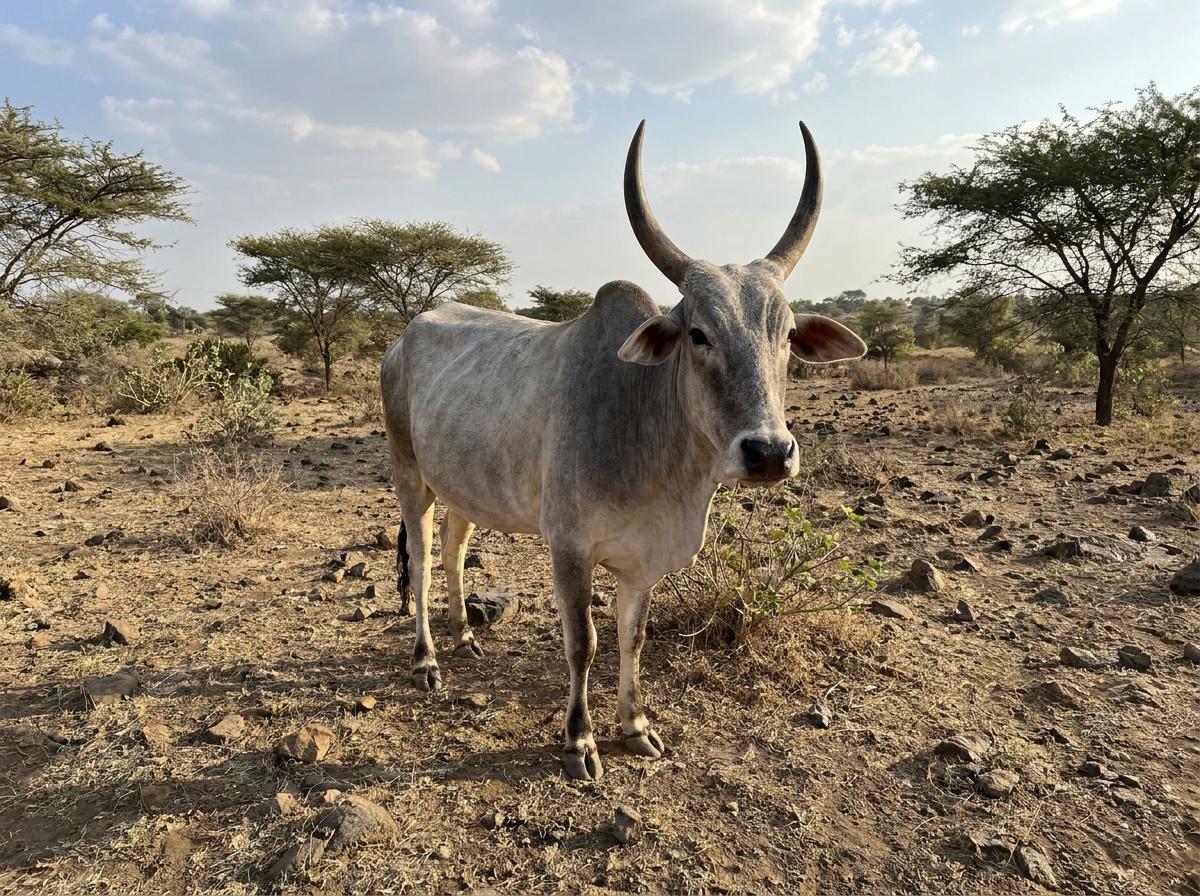
Khillari
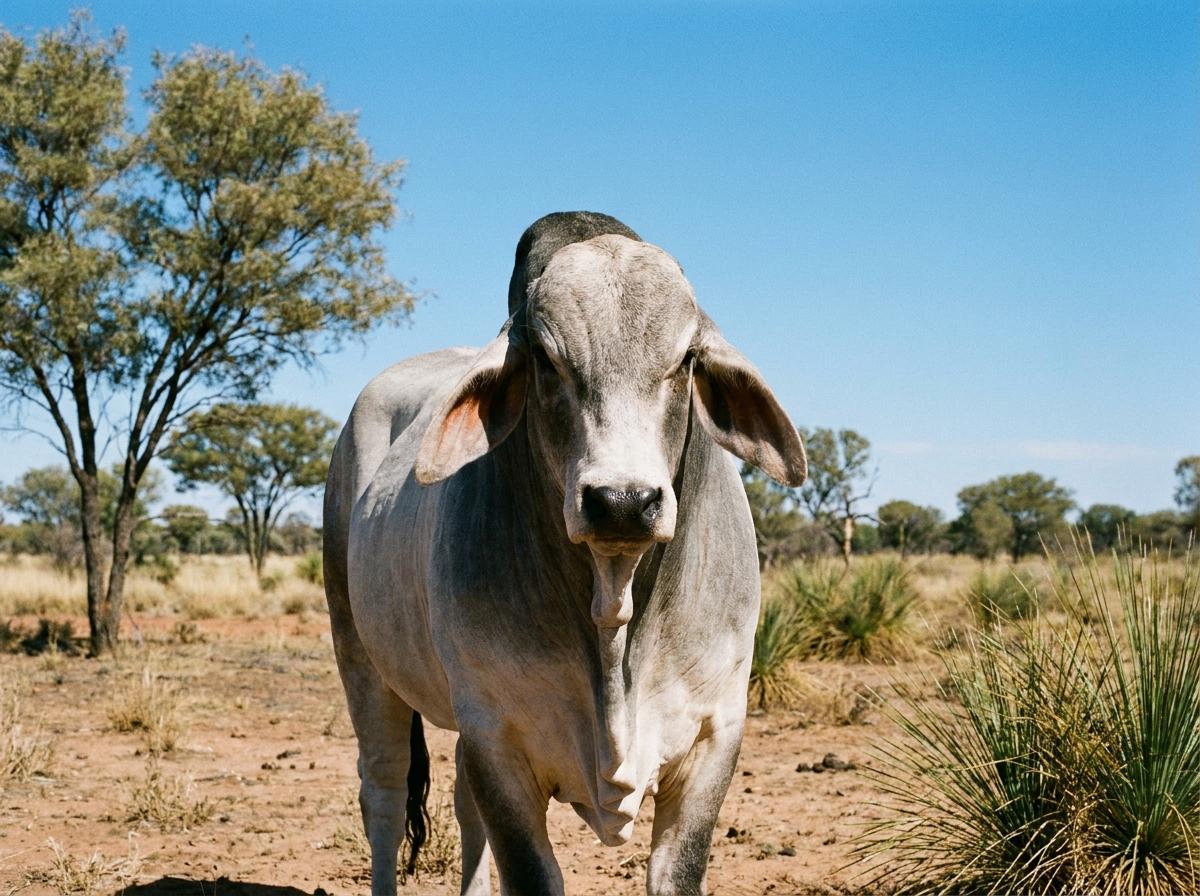
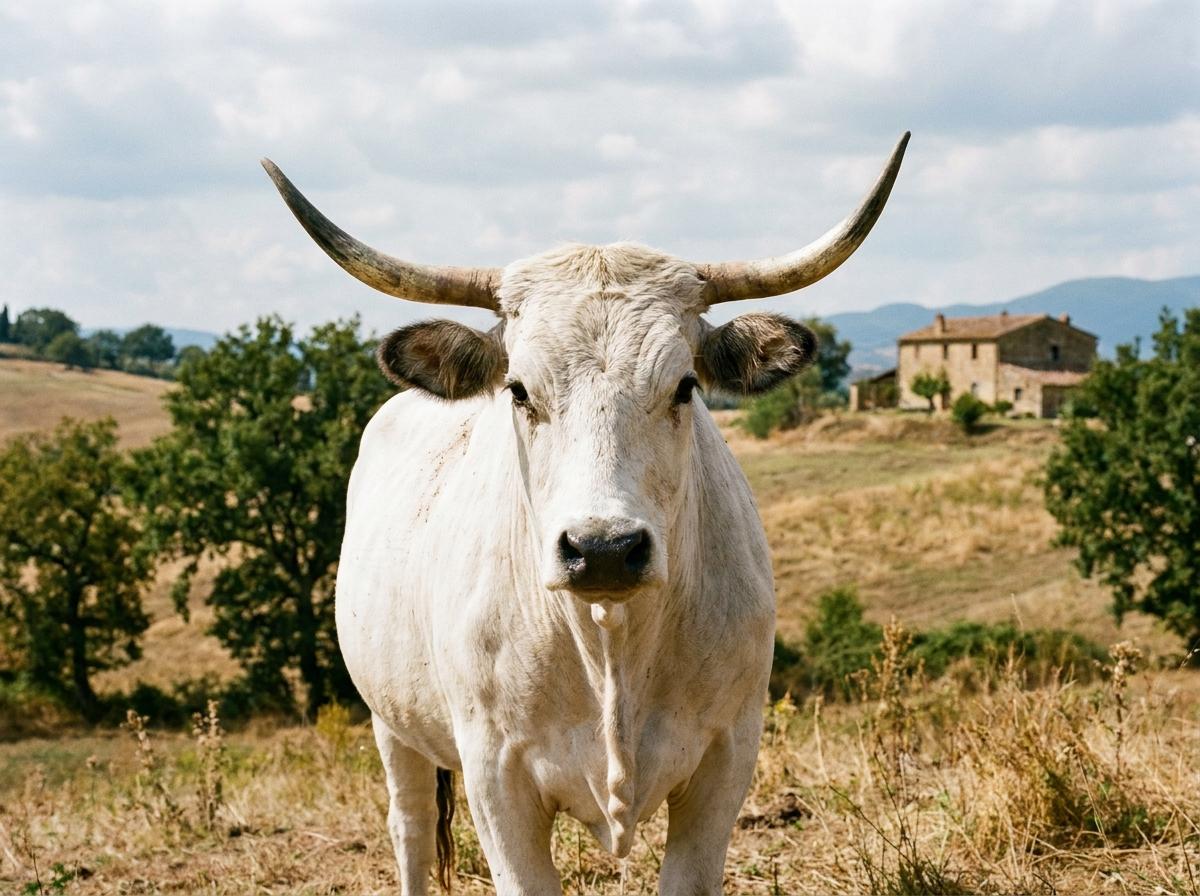
Across the dry Deccan Plateau, Khillari cattle are associated especially with Maharashtra and parts of northern Karnataka. They are an Indian zebu draught breed with several local strains, including lines linked to breeding tracts such as Mhaswad and Atpadi. Khillaris are usually grey or white, often darker on the neck and shoulders in mature males, and they have a tight body, strong legs, a well-marked hump and long horns that may sweep backward or upward depending on the strain. The breed developed for speed, heat tolerance and field work in dry farming country.
Where Khillari cattle are still used, management is tied to seasonal cropping, grazing on village commons and feeding sorghum stover, straw and other dryland fodders. Working bullocks need careful shoeing or hoof attention on hard roads, plus rest and water during hot weather. Cows are not high-volume milk animals, but they contribute calves and household milk in low-input systems. Mechanization has reduced the economic role of the breed in some districts, so breeders and local institutions increasingly focus on conserving identifiable strains and selecting animals that retain sound feet, vigor and drought tolerance.
Colors: Belted, Black, Black and White, Blaze Faced, Blue Roan, Brindle, Brockle Faced, Brown, Brown and White, Dun, Gray, Grey, Highbelt, Highpark, Lineback, Mottled, Pied, Red, Red and White, Red Roan, Riggit, Roan, Silver, Solid Black, Solid Red, Solid White, Speckled, Spotted, White, White Faced, Yellow