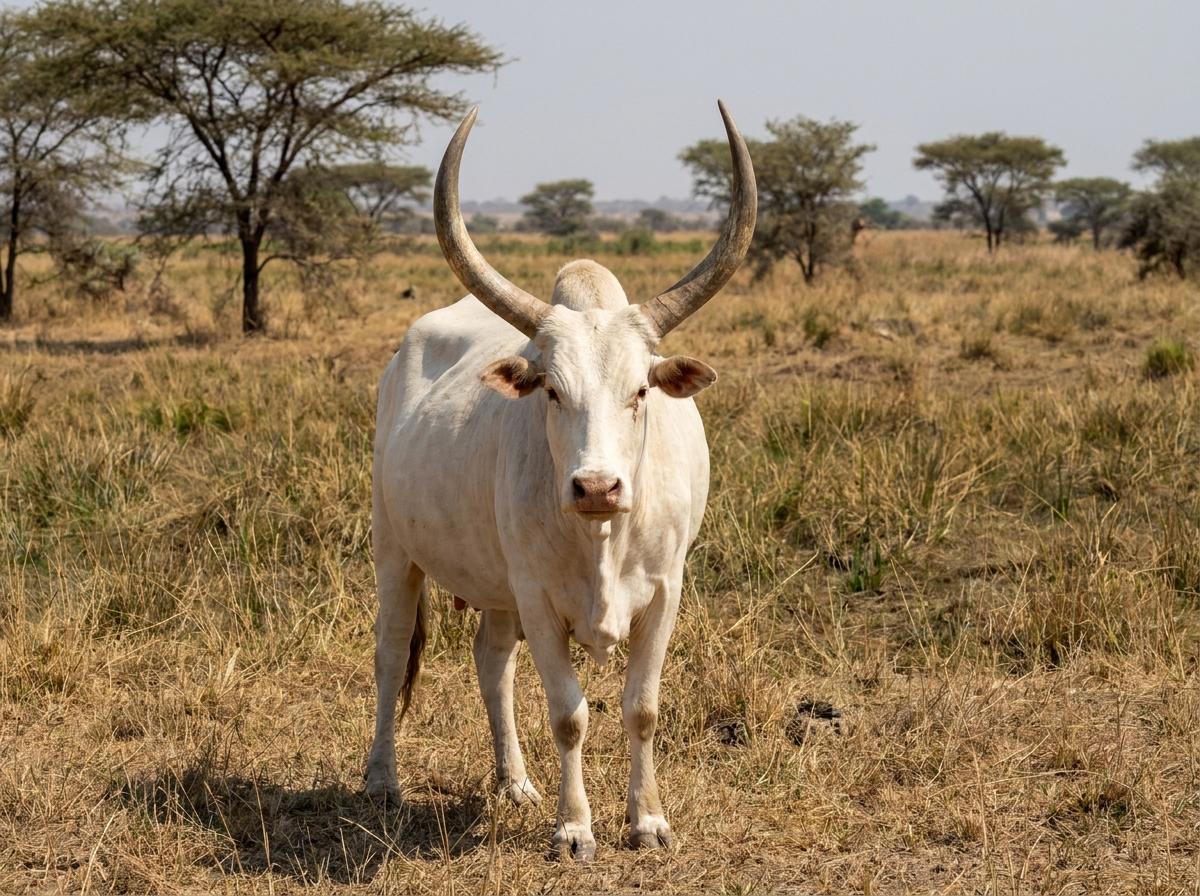
Kuri
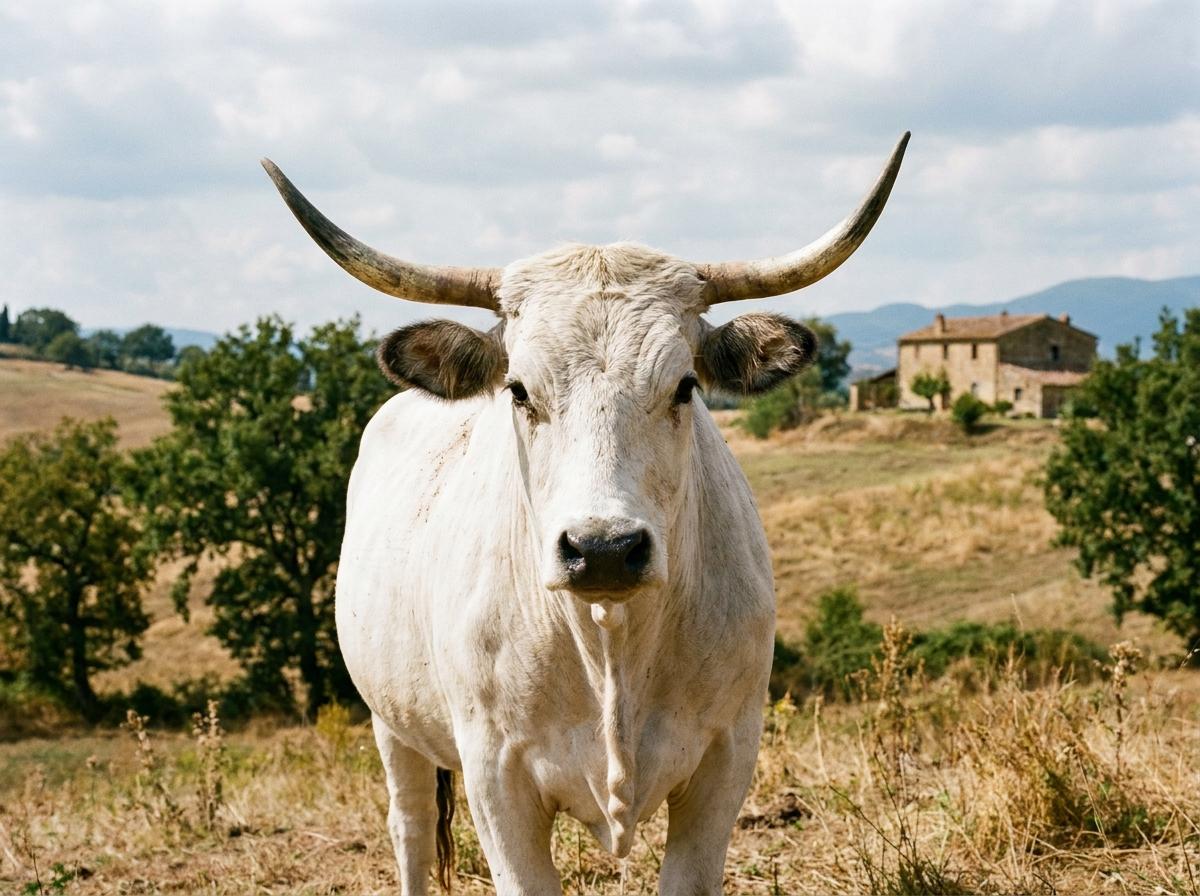
Kuri cattle, also spelled Kouri, are humpless taurine cattle native to the Lake Chad basin of Chad, Nigeria, Niger, and Cameroon. Their enormous hollow or spongy horns can spread widely from a white or pale-coated head and make mature animals instantly recognizable. Kuri developed around islands, marshes, and lakeshore pastures, where herders selected cattle that could graze wetland vegetation, swim or wade between grazing areas, and produce milk and meat under local conditions.
Keeping Kuri cattle requires space and handling systems that respect the horn span; narrow races, low doors, and crowded yards can cause injuries. They are tied closely to Lake Chad pastoral systems, so changes in water levels, grazing access, and security directly affect their future. Crossbreeding with zebu cattle may improve some traits for dryland production, but it also dilutes the large-horned Lake Chad type. Conservation-minded herds focus on documented breeding, functional cows, and preserving adaptation to humid, marshy grazing rather than selecting only for the most extreme horns.
Colors: Belted, Black, Black and White, Blaze Faced, Blue Roan, Brindle, Brockle Faced, Brown, Brown and White, Dun, Gray, Grey, Highbelt, Highpark, Lineback, Mottled, Pied, Red, Red and White, Red Roan, Riggit, Roan, Silver, Solid Black, Solid Red, Solid White, Speckled, Spotted, White, White Faced, Yellow