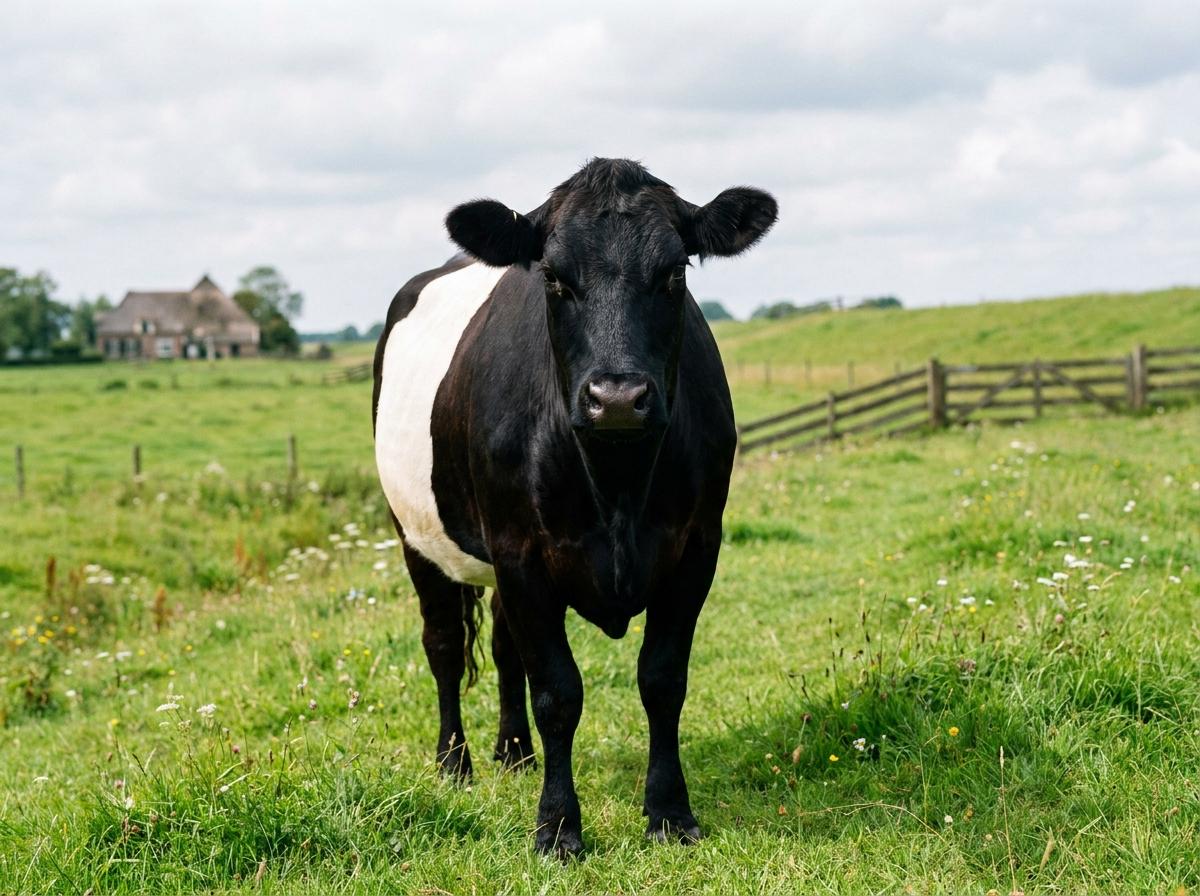
Lakenvelder (Dutch Belted)
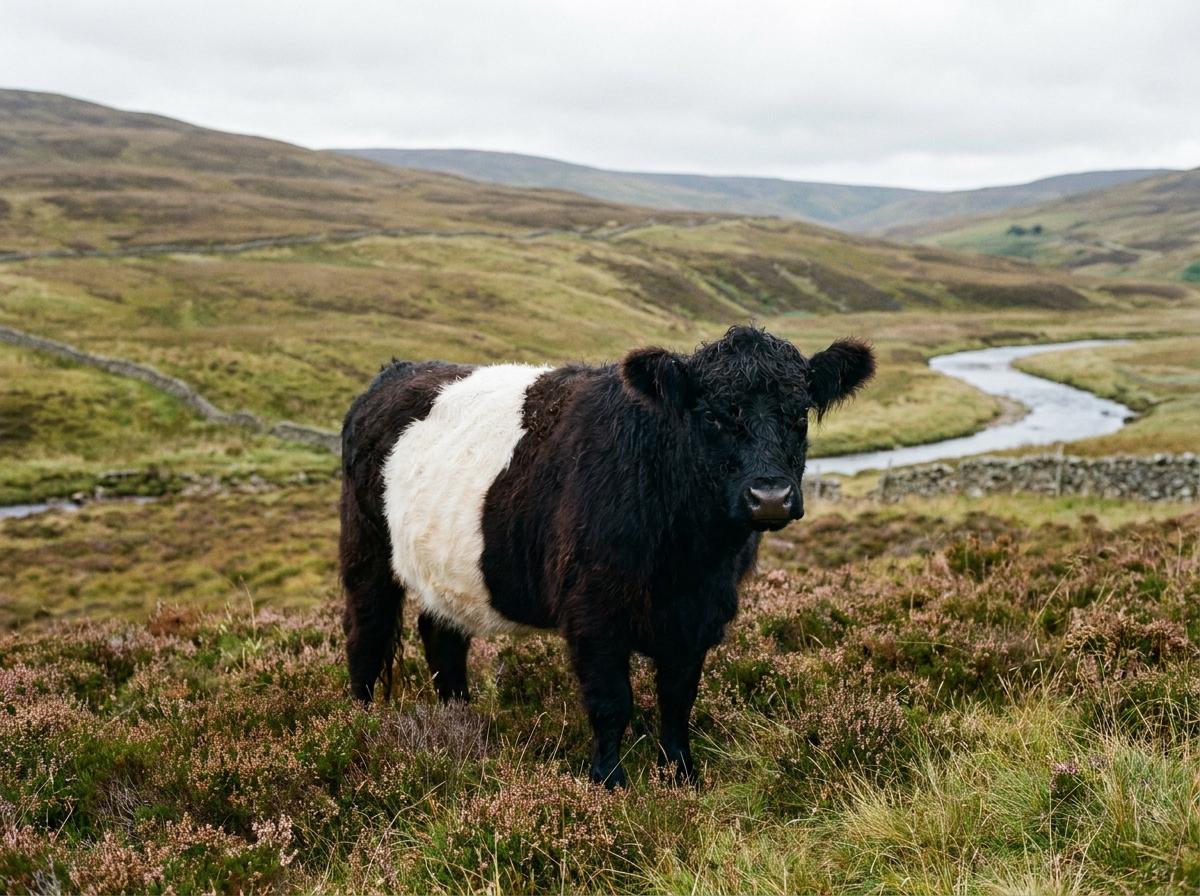
Lakenvelder cattle, better known in English as Dutch Belted cattle, are an old dairy breed from the Netherlands. Their defining mark is a broad white belt around the middle of the body, usually set against a black or occasionally red coat; the Dutch word laken refers to a sheet or blanket, which suits the pattern. These are dairy cattle rather than the shaggy beef-type Belted Galloway. Traditional Dutch Belted animals are medium-sized, refined, and efficient, with good dairy character and milk suited to household, farmstead, and small commercial use.
Modern herds are often small, so the breed is seen in rare-breed conservation, grass-based dairying, homesteads, and educational farms as much as in large dairy systems. They need the same basic management as other dairy cattle: regular milking if in production, balanced forage, hoof care, safe fencing, and breeding attention to udders and calving. The belt is important to registry identity, but mating decisions should not be based on color alone. Sound cows with correct structure, fertility, and useful milk records are the animals that keep the Dutch Belted type viable.
Colors: Belted, Black, Black and White, Black with White Belt, Blaze Faced, Blue Roan, Brindle, Brockle Faced, Brown, Brown and White, Dun, Gray, Lineback, Mottled, Red, Red and White, Red Roan, Red with White Belt, Roan, Silver, Solid Black, Solid Red, Speckled, Spotted, White, White Faced, Yellow