

Limpurger
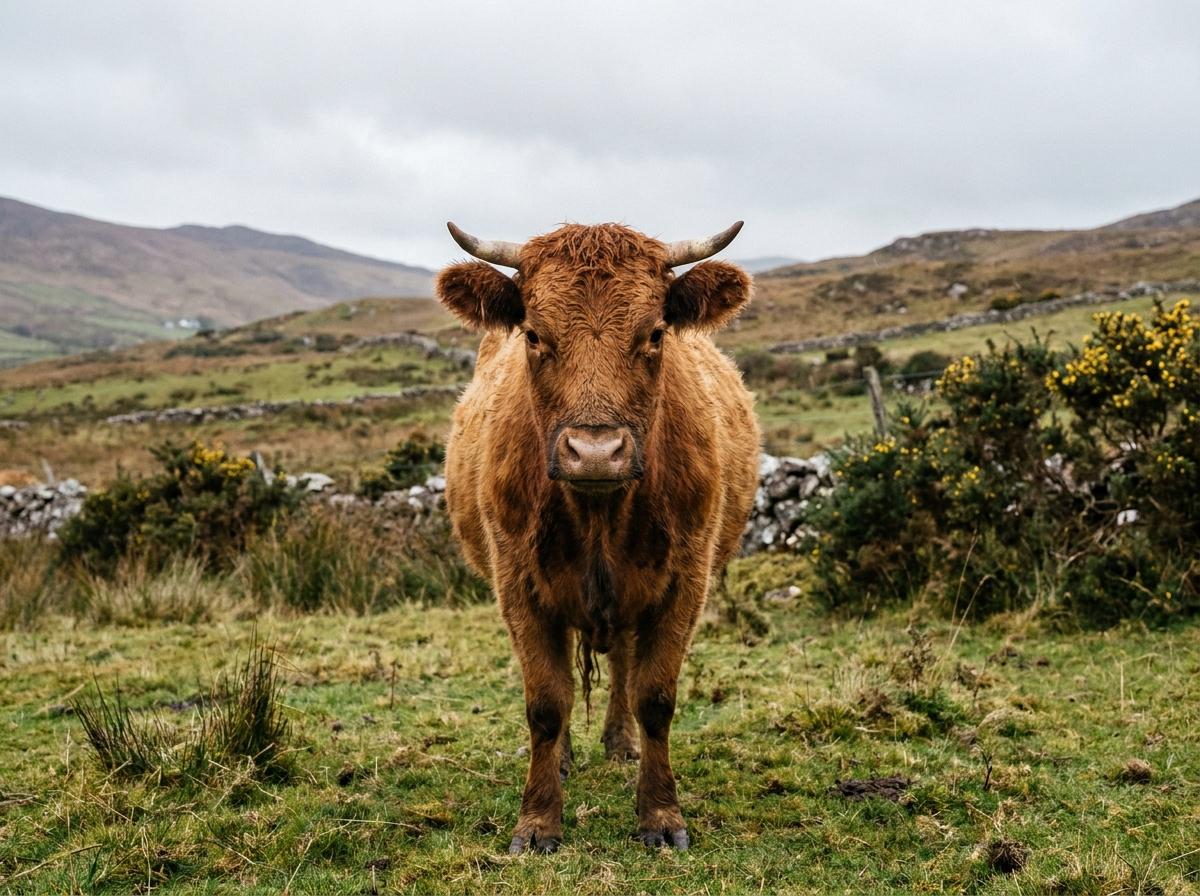
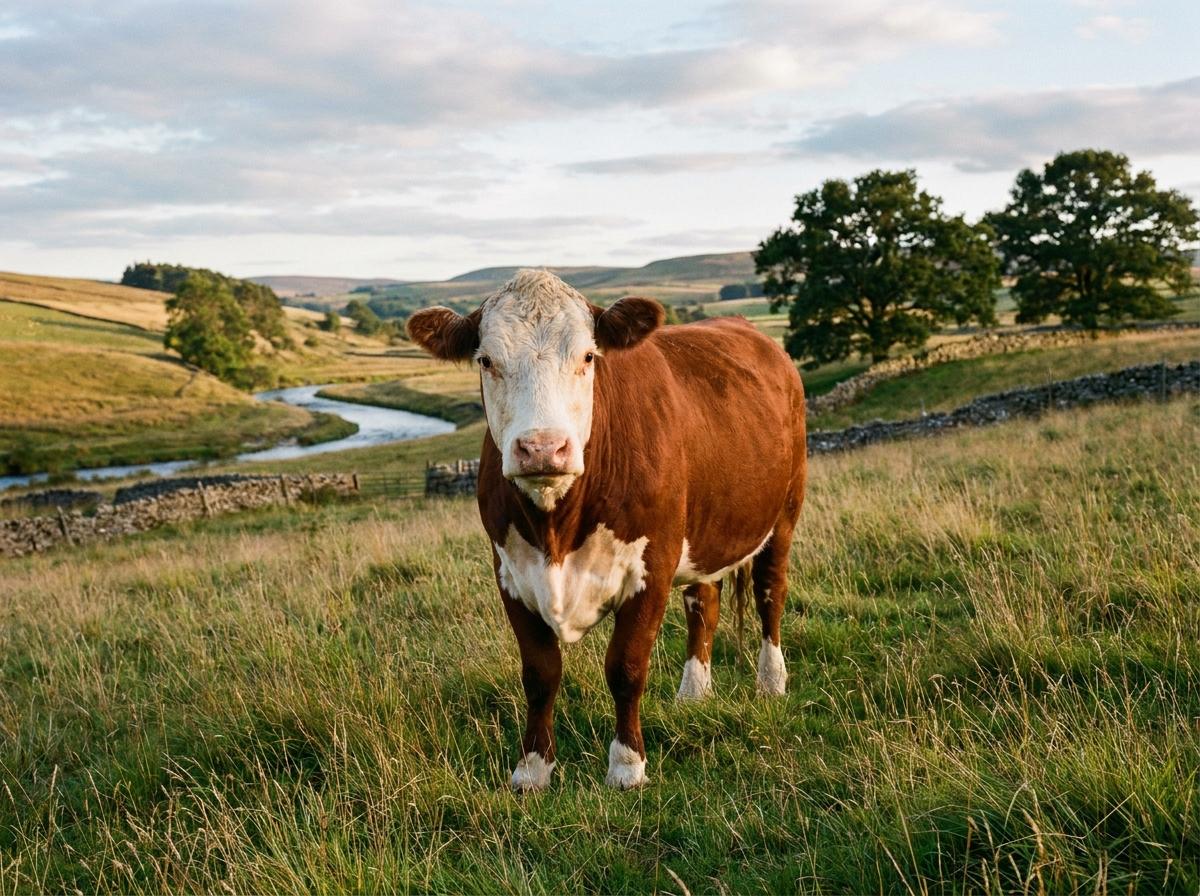
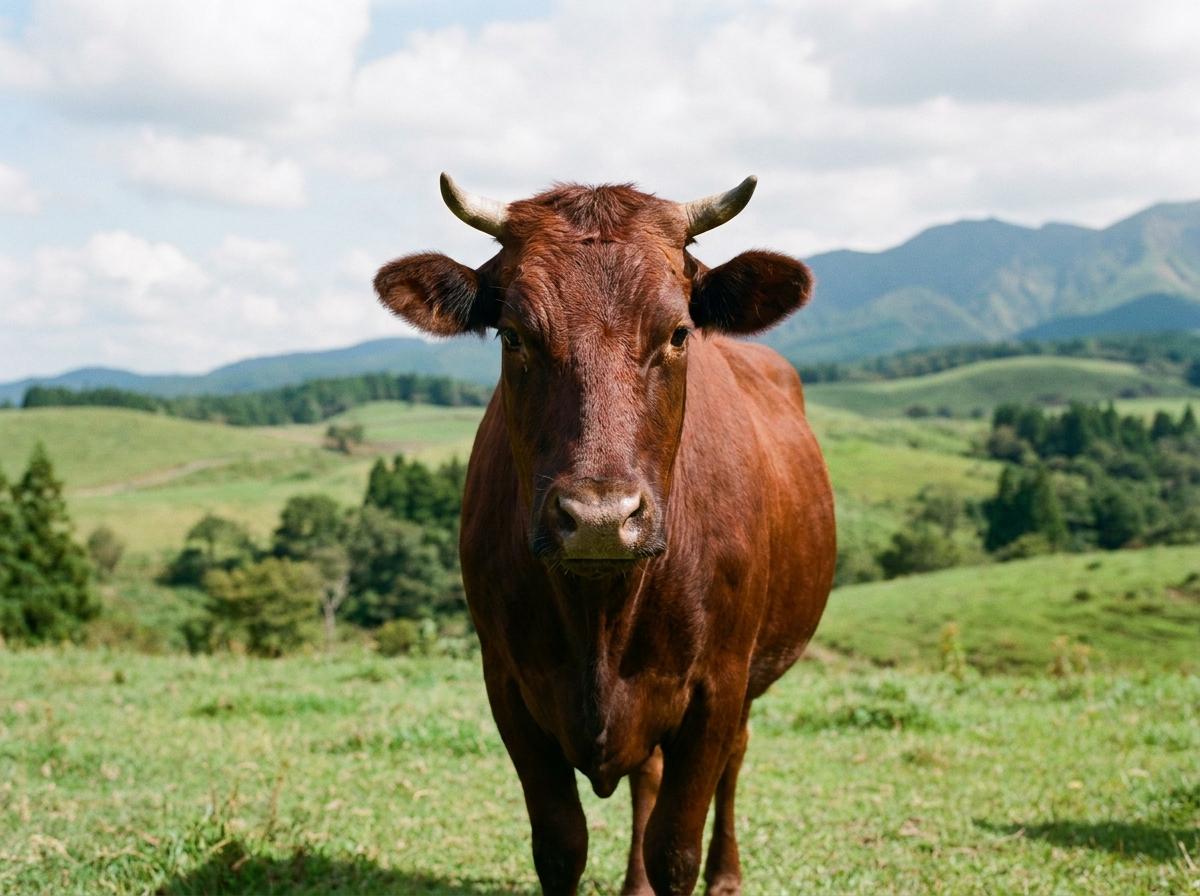
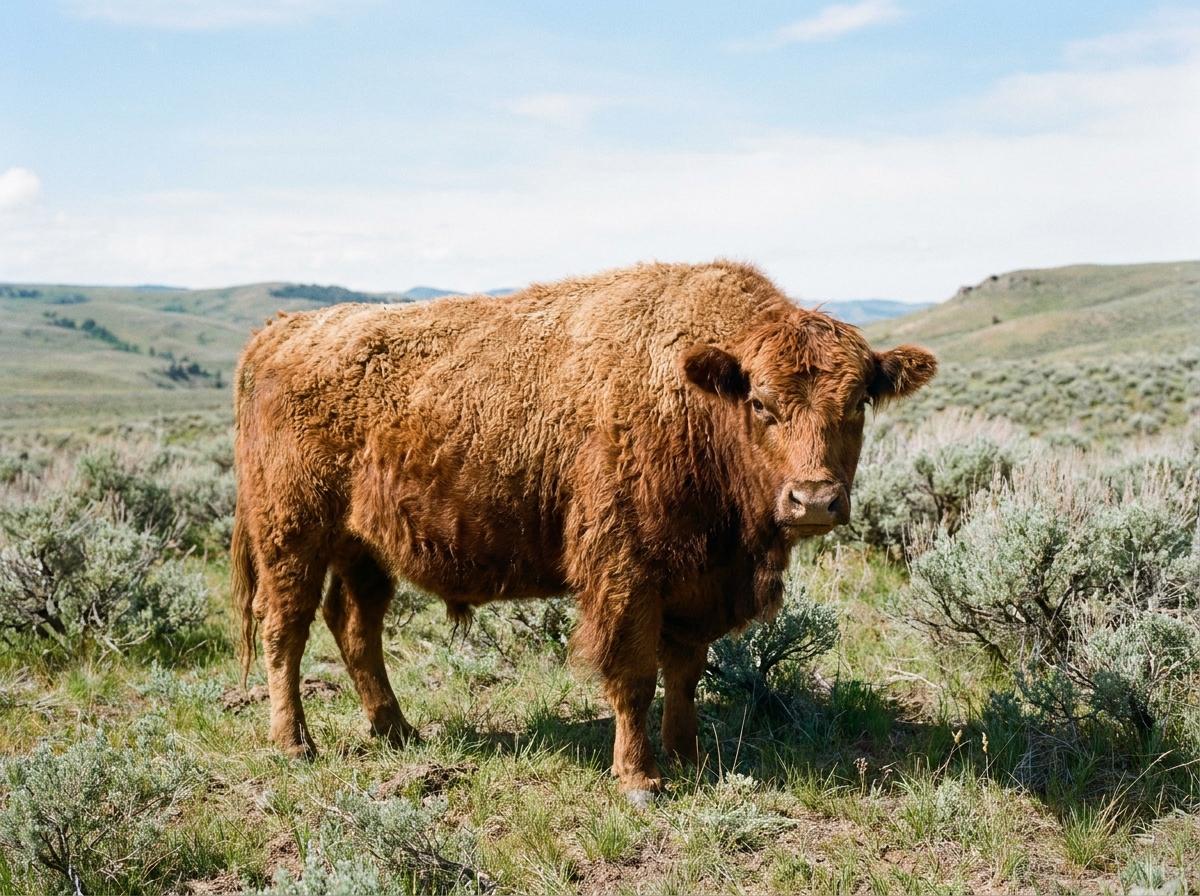
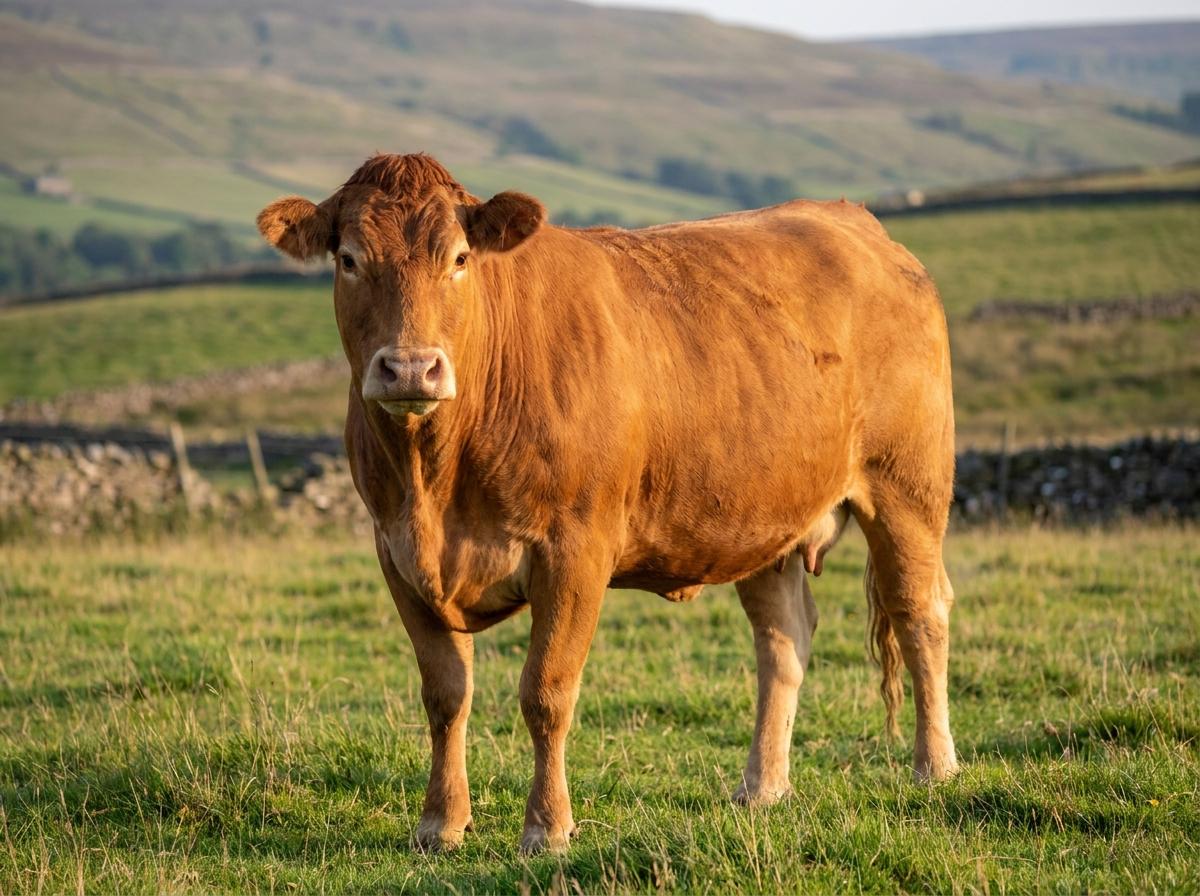
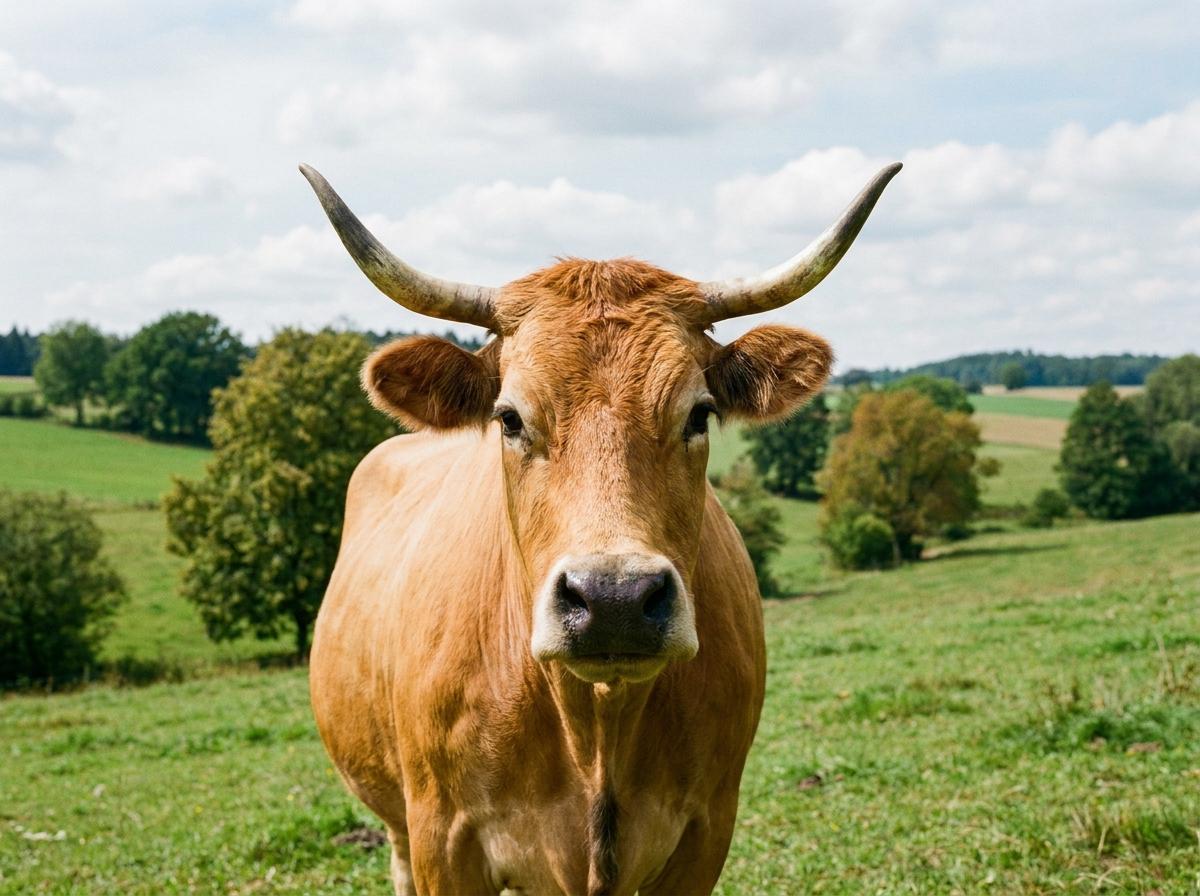
Limpurger cattle are an old German breed from the former Limpurg area of Baden-Württemberg, especially the Swabian-Franconian hill country. They are usually light yellow to reddish yellow, with bulls often darker than cows, and were traditionally horned. Limpurgers were once valued as triple-purpose farm cattle, providing milk, meat, and reliable draft power on mixed farms. Their moderate size, strong legs, and ability to use pasture made them well suited to small landscapes rather than intensive specialized production.
Today the Limpurger is a rare heritage cattle breed kept by conservation-minded breeders, small farms, and pasture-beef producers. Slow-grown oxen and suckler cows are a common modern use, and the breed's local identity is part of its appeal in southern Germany. Management is much like other hardy beef or dual-purpose cattle: grass, good hay or silage in winter, sound fencing, and calm handling. Because numbers are limited, breeders need to avoid close inbreeding and usually work through herdbook or regional conservation networks when choosing bulls.
Colors: Belted, Black, Black and White, Blaze Faced, Blue Roan, Brindle, Brockle Faced, Brown, Brown and White, Dun, Gray, Grey, Highbelt, Highpark, Lineback, Mottled, Pied, Red, Red and White, Red Roan, Riggit, Roan, Silver, Solid Black, Solid Red, Solid White, Speckled, Spotted, White, White Faced, Yellow