Lithuanian Black-And-White
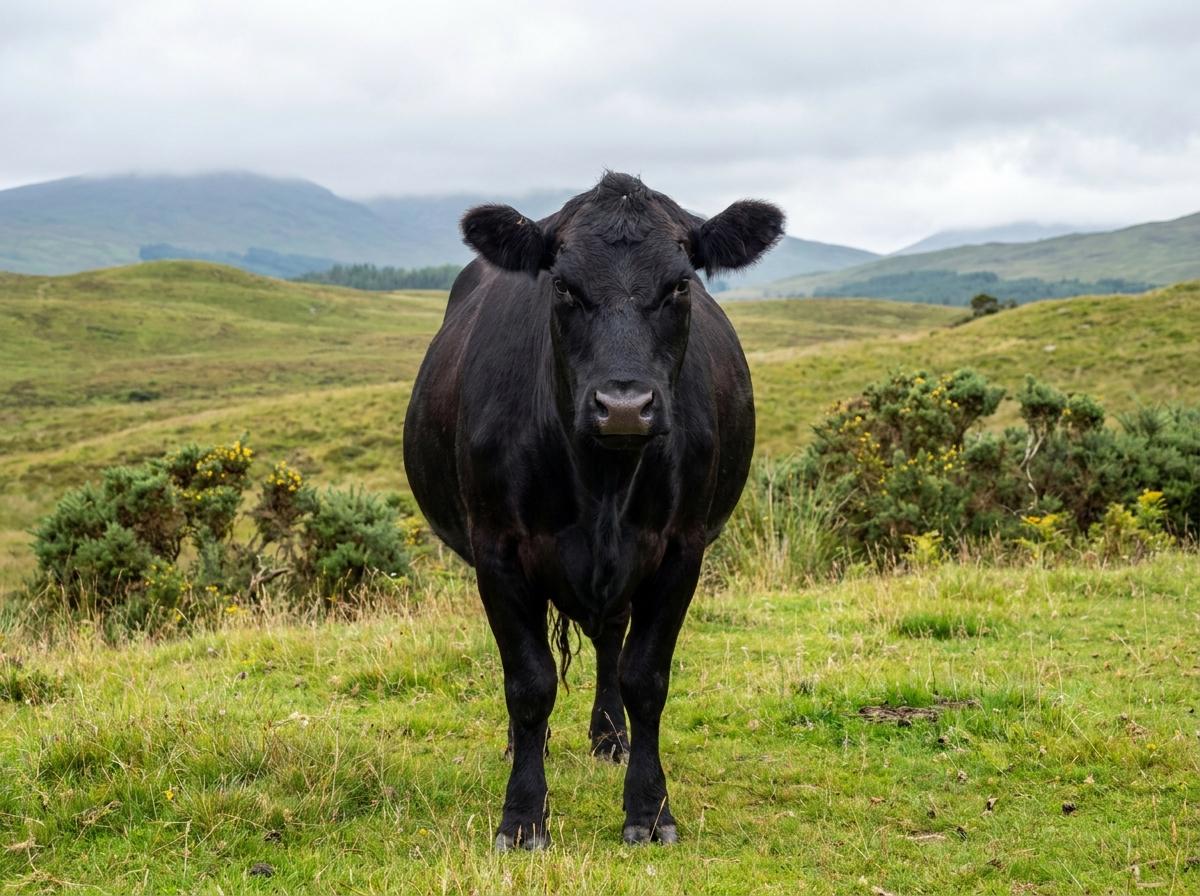
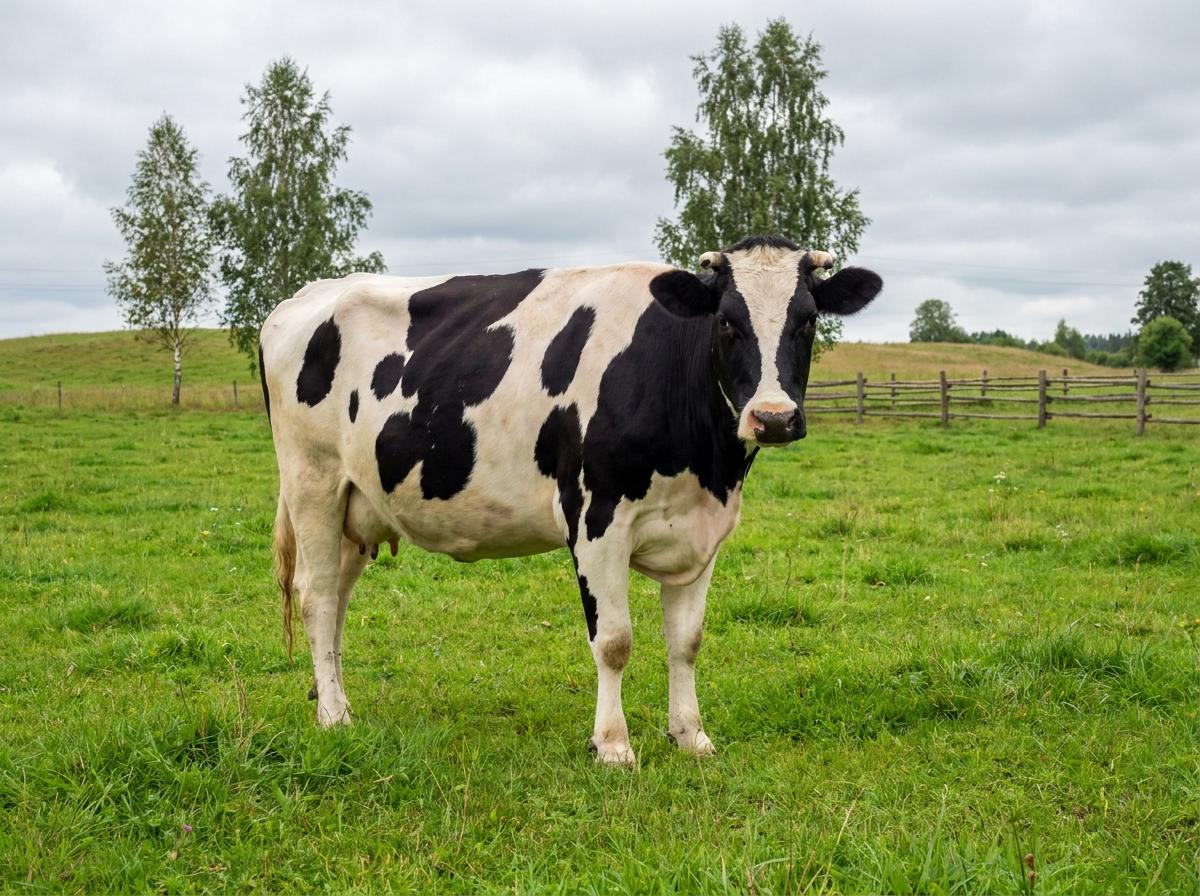
Lithuanian black-and-white cattle are a dairy breed developed in Lithuania from local cattle crossed with black-pied European dairy breeds, later including Holstein-Friesian influence in many herds. They have the familiar black-and-white dairy coat, a medium to large frame, and a build selected for milk production rather than beef muscling. In Lithuania, the breed has long been an important commercial dairy animal, with some lines representing local adaptation and others showing heavier Holstein breeding.
Practical management centers on ordinary dairy-herd needs: balanced forage and concentrate rations, regular milking, hoof care, udder health, and comfortable winter housing. Cows can be productive on mixed pasture and barn systems, but high-yielding animals require consistent nutrition and monitoring around calving. For breeders, the main question is whether the goal is maximum milk yield, preservation of older Lithuanian Black-and-White type, or a crossbred dairy program. Clear breeding records help distinguish local genetic-resource animals from general black-and-white Holstein-type cattle.
Colors: Belted, Black, Black and White, Blaze Faced, Blue Roan, Brindle, Brockle Faced, Brown, Brown and White, Dun, Gray, Grey, Highbelt, Highpark, Lineback, Mottled, Pied, Red, Red and White, Red Roan, Riggit, Roan, Silver, Solid Black, Solid Red, Solid White, Speckled, Spotted, White, White Faced, Yellow