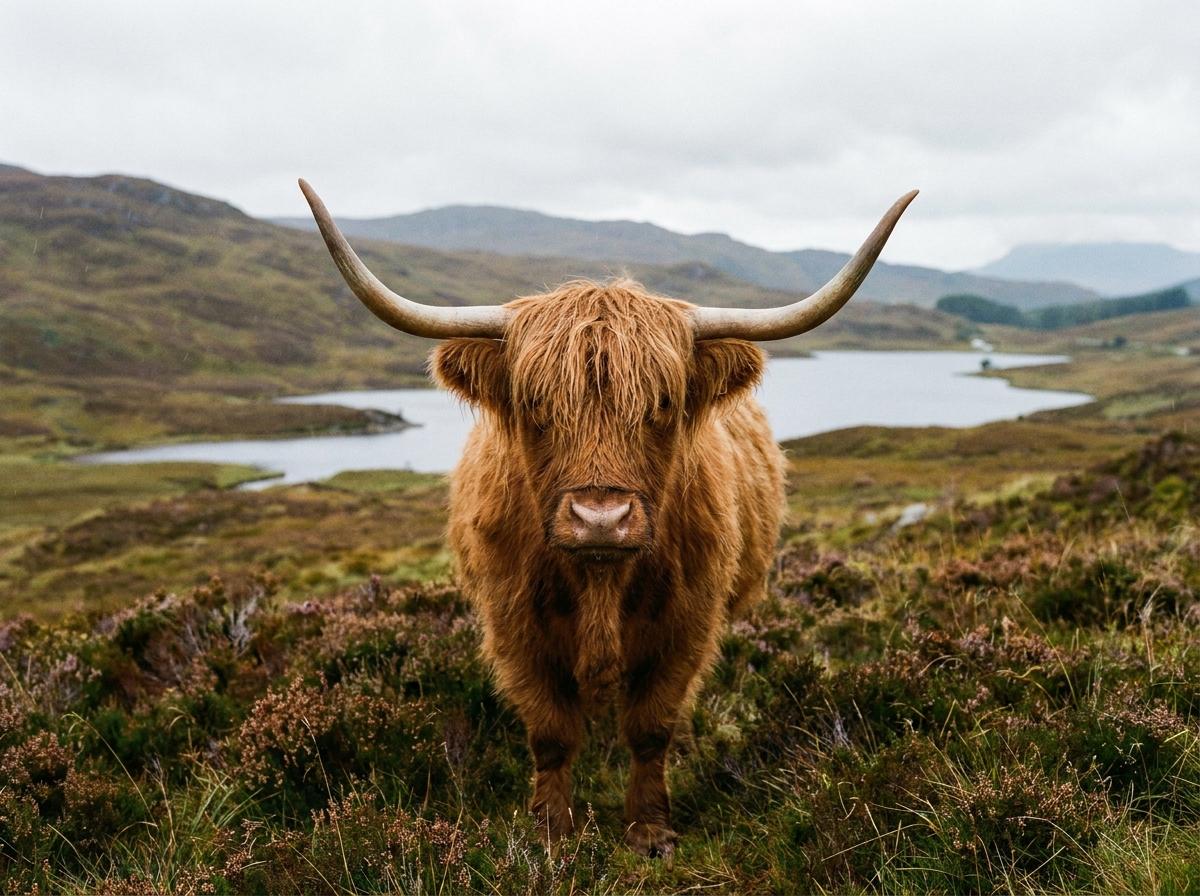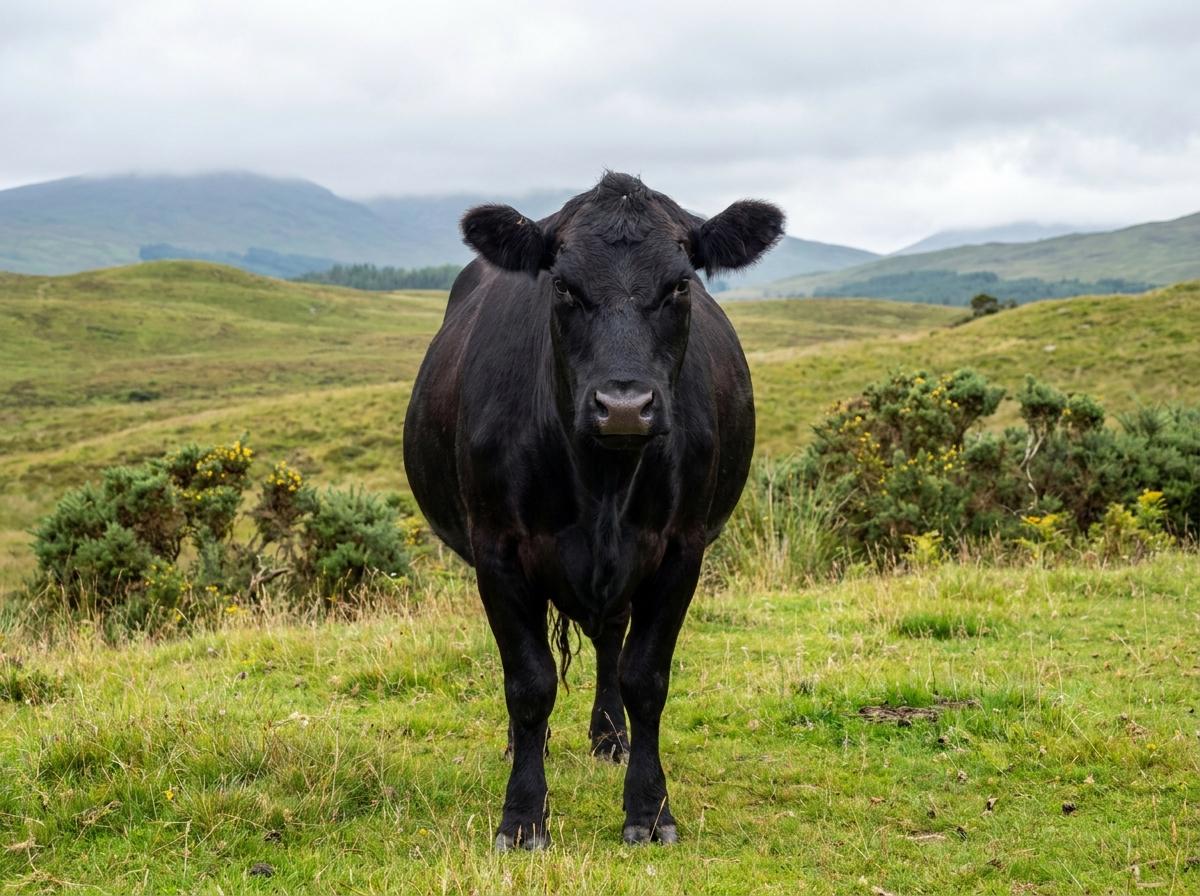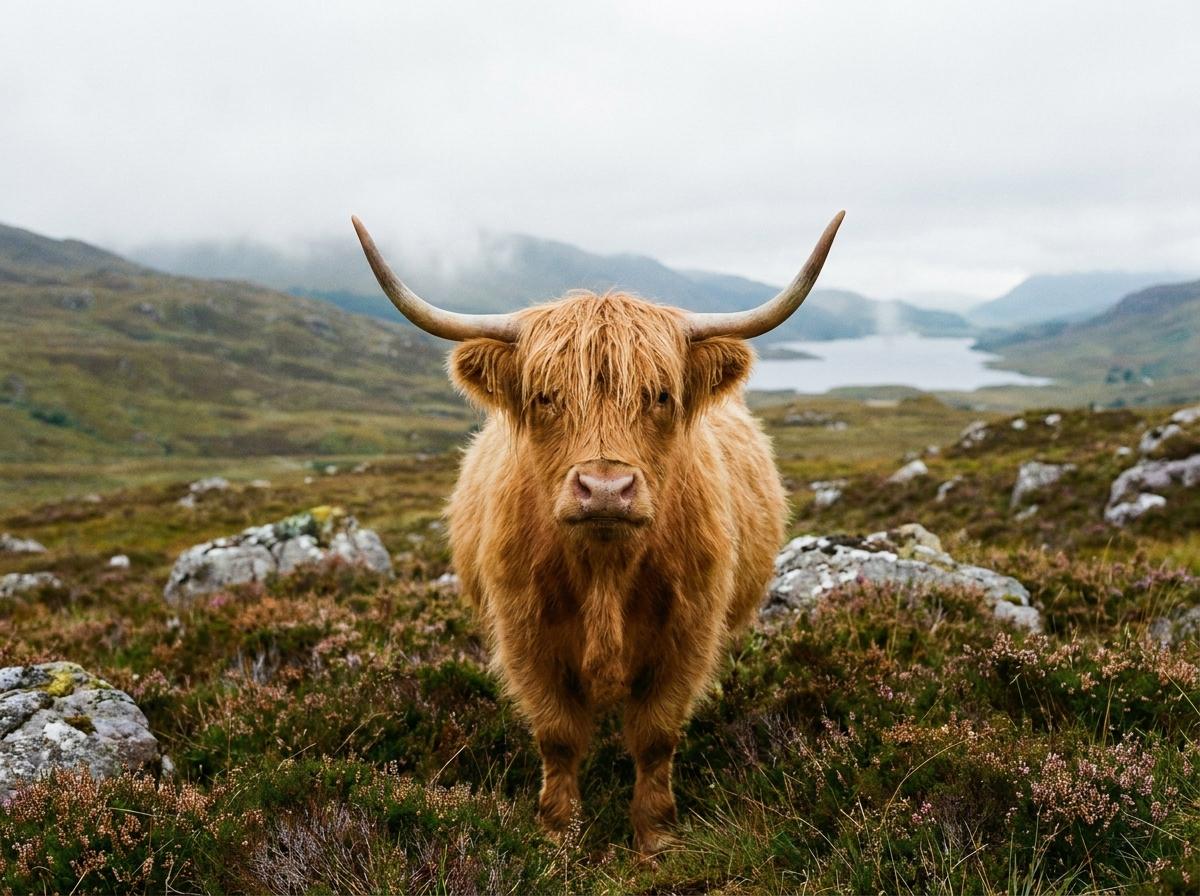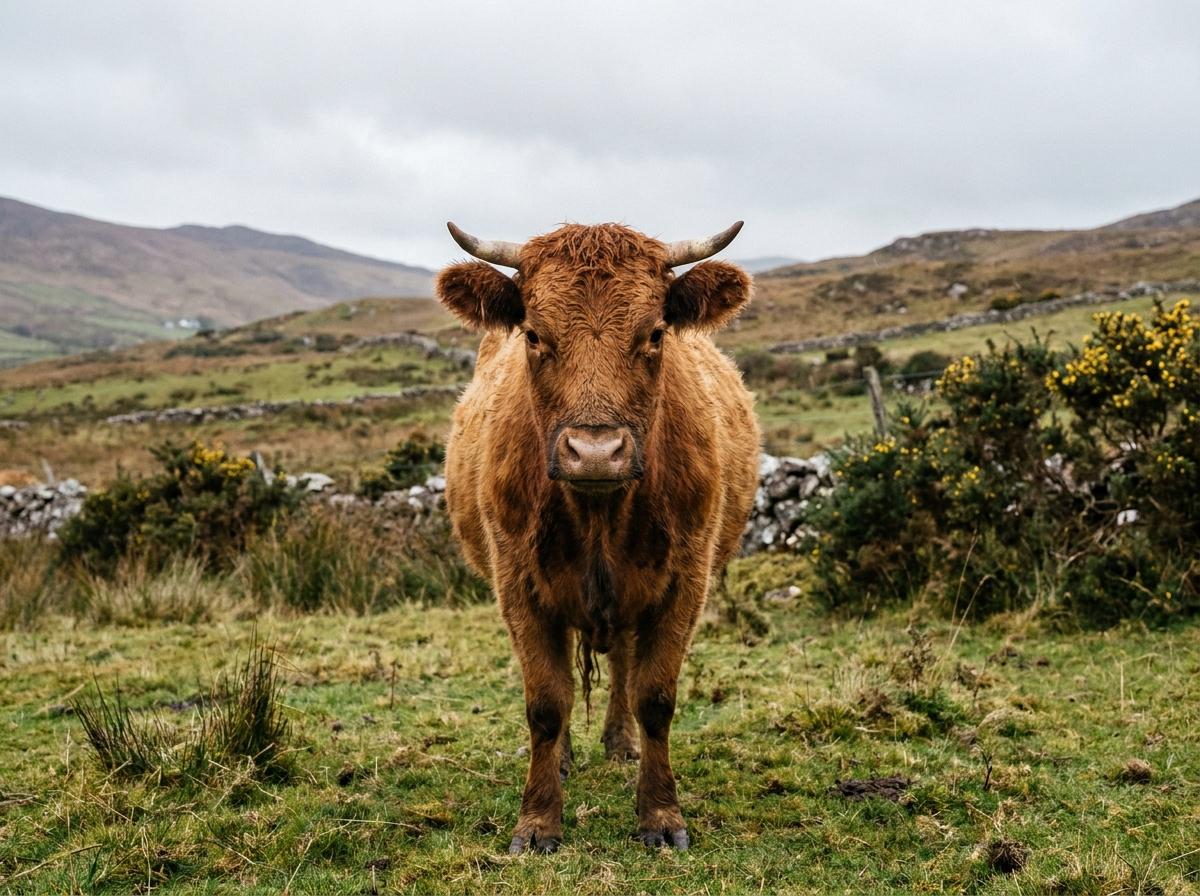
Lithuanian Light Grey
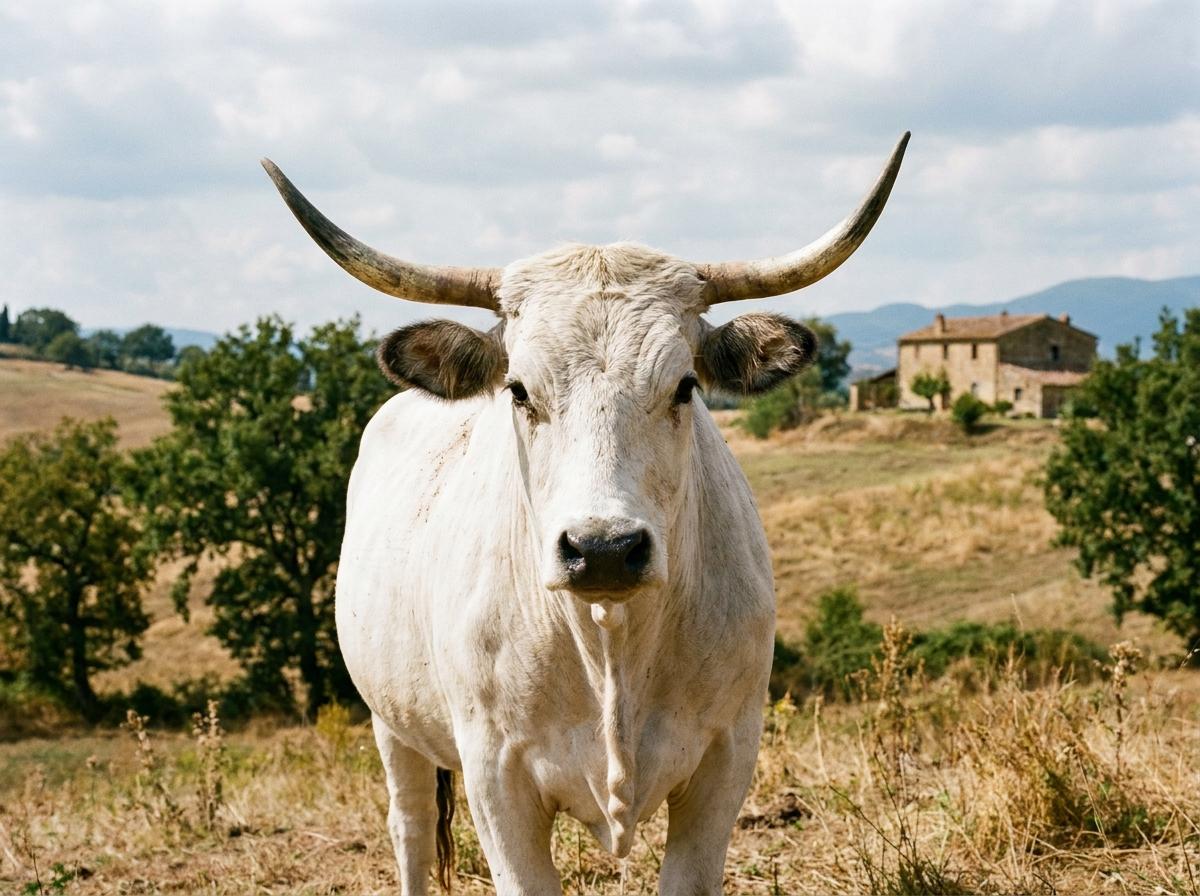
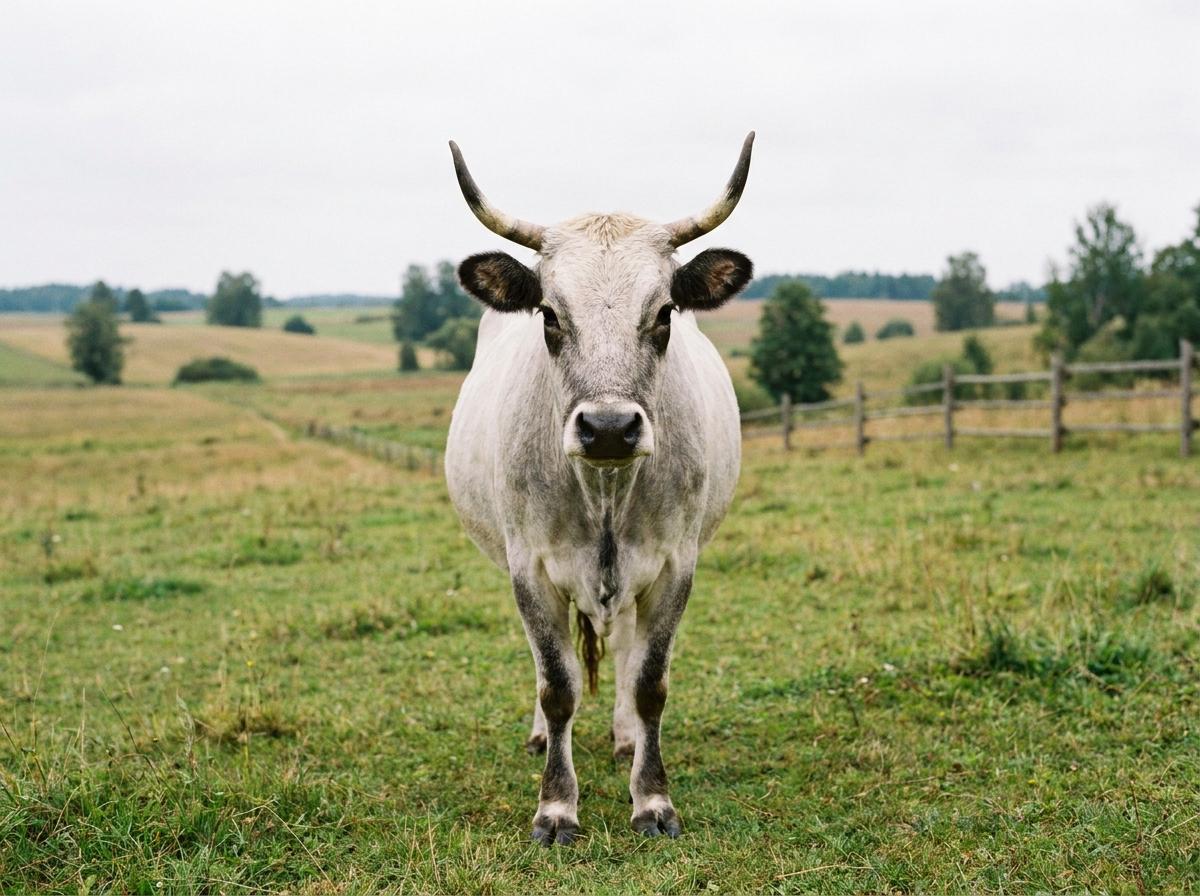
Lithuanian light grey cattle, often associated with the Lithuanian ash-grey or šėmieji native cattle, are a rare local cattle population from Lithuania. Their coat ranges from pale grey to darker ash or grey-brown, sometimes with darker shading on the head, neck, and legs. They are generally medium-sized, hardy, and less specialized than modern dairy breeds. Historically these cattle were kept on family farms for milk, calves, and household meat, with their color and local adaptation passed through small rural herds.
Most Lithuanian light grey cattle are now kept in conservation or small-farm settings rather than large commercial dairies. They can make practical use of pasture and stored forage, but milk yield is usually moderate compared with intensive dairy breeds. Breeding choices are especially important because rare native populations can lose diversity quickly when only a few bulls are used. Keepers interested in the breed should work with recognized conservation sources, maintain accurate parentage information, and select for sound udders, fertility, calm temperament, and the traditional grey coloring.
Colors: Belted, Black, Black and White, Blaze Faced, Blue Roan, Brindle, Brockle Faced, Brown, Brown and White, Dun, Gray, Grey, Highbelt, Highpark, Lineback, Mottled, Pied, Red, Red and White, Red Roan, Riggit, Roan, Silver, Solid Black, Solid Red, Solid White, Speckled, Spotted, White, White Faced, Yellow