

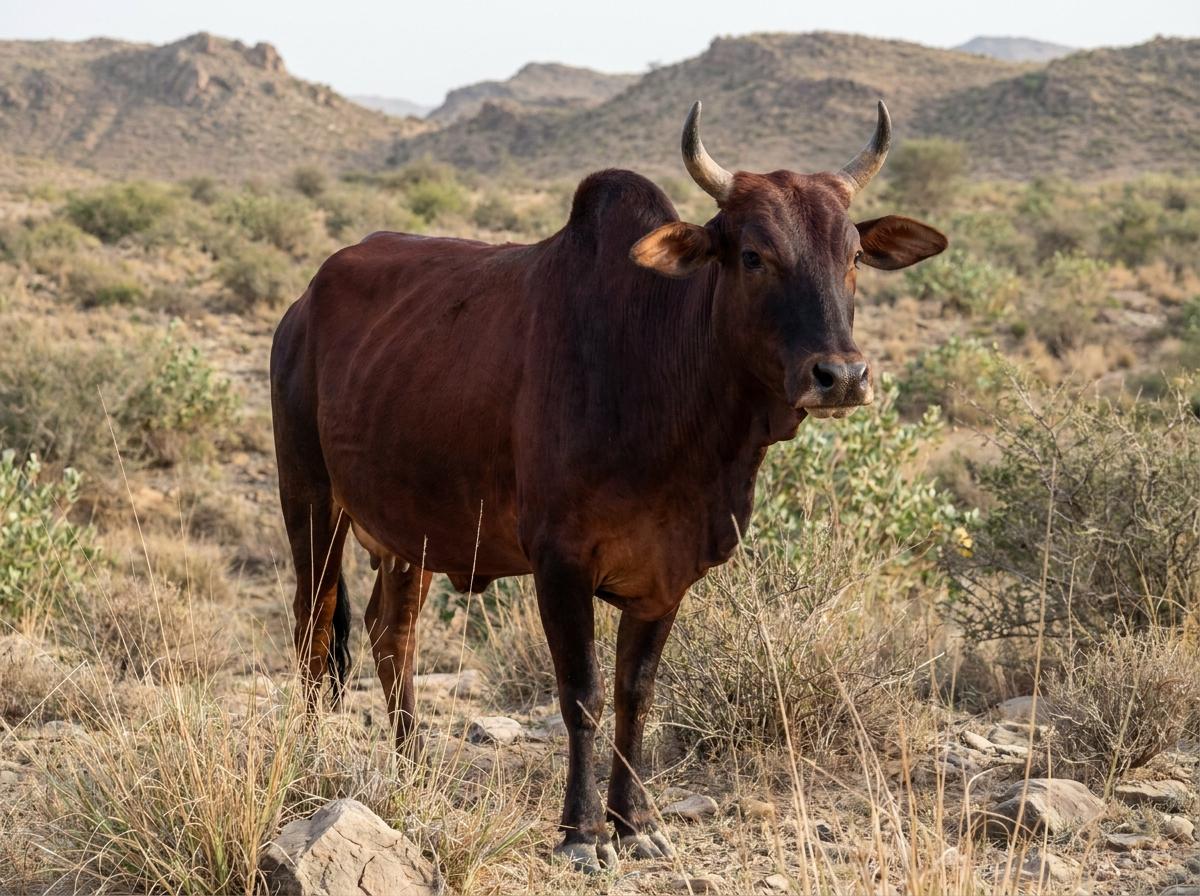
Lohani
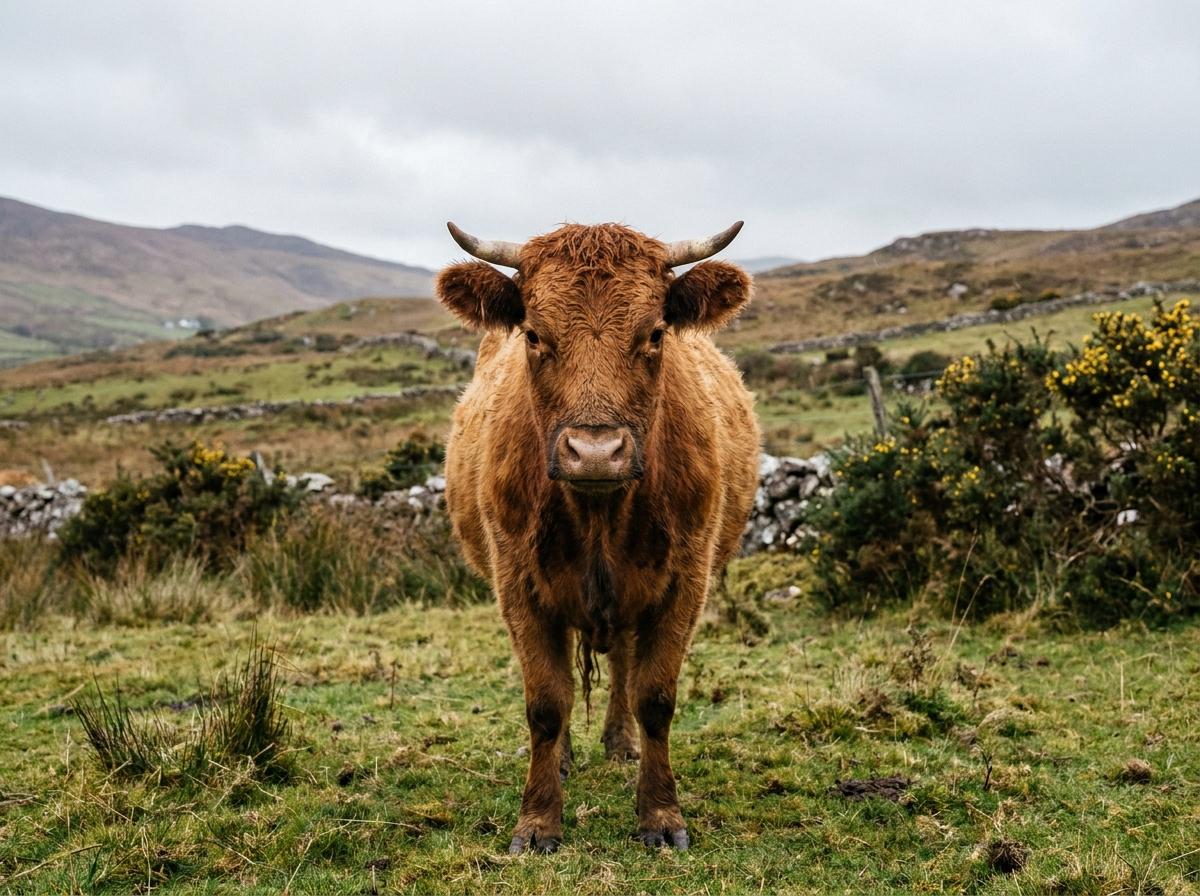
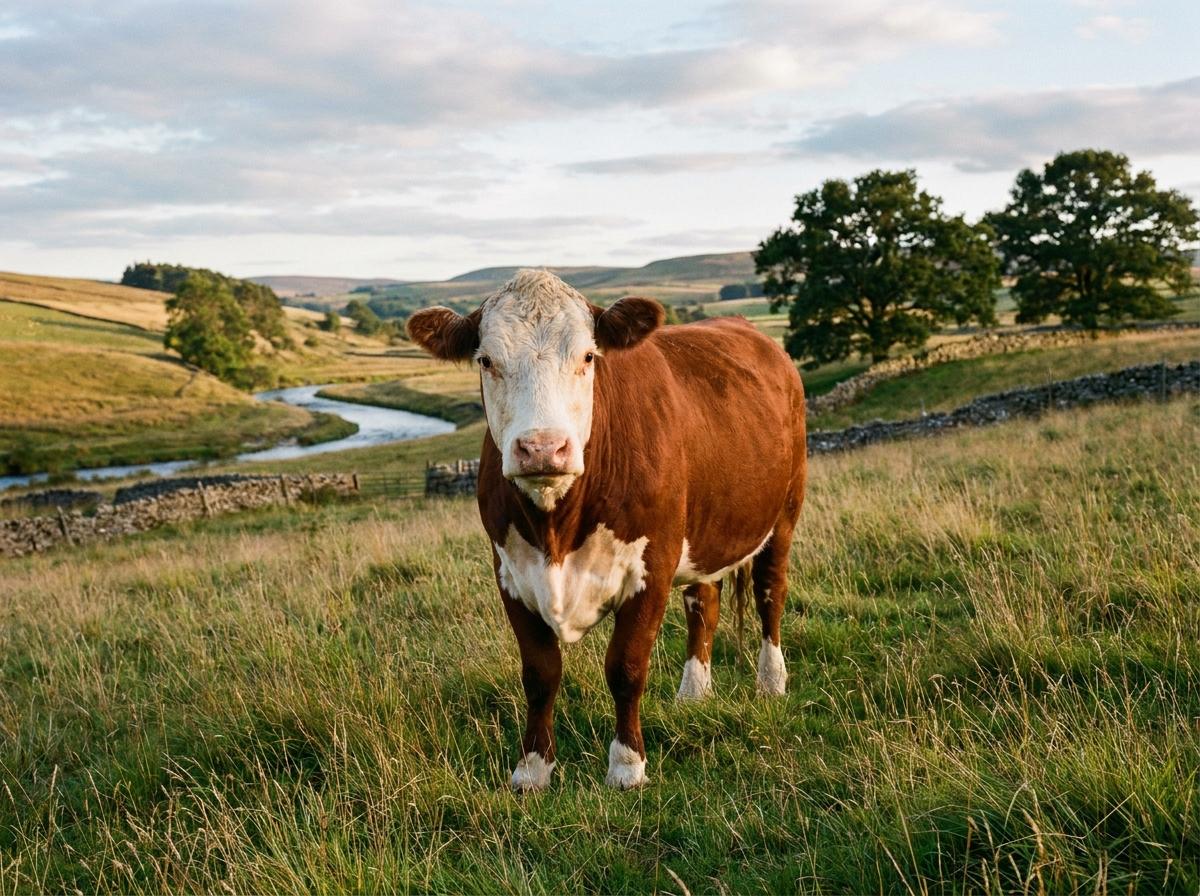
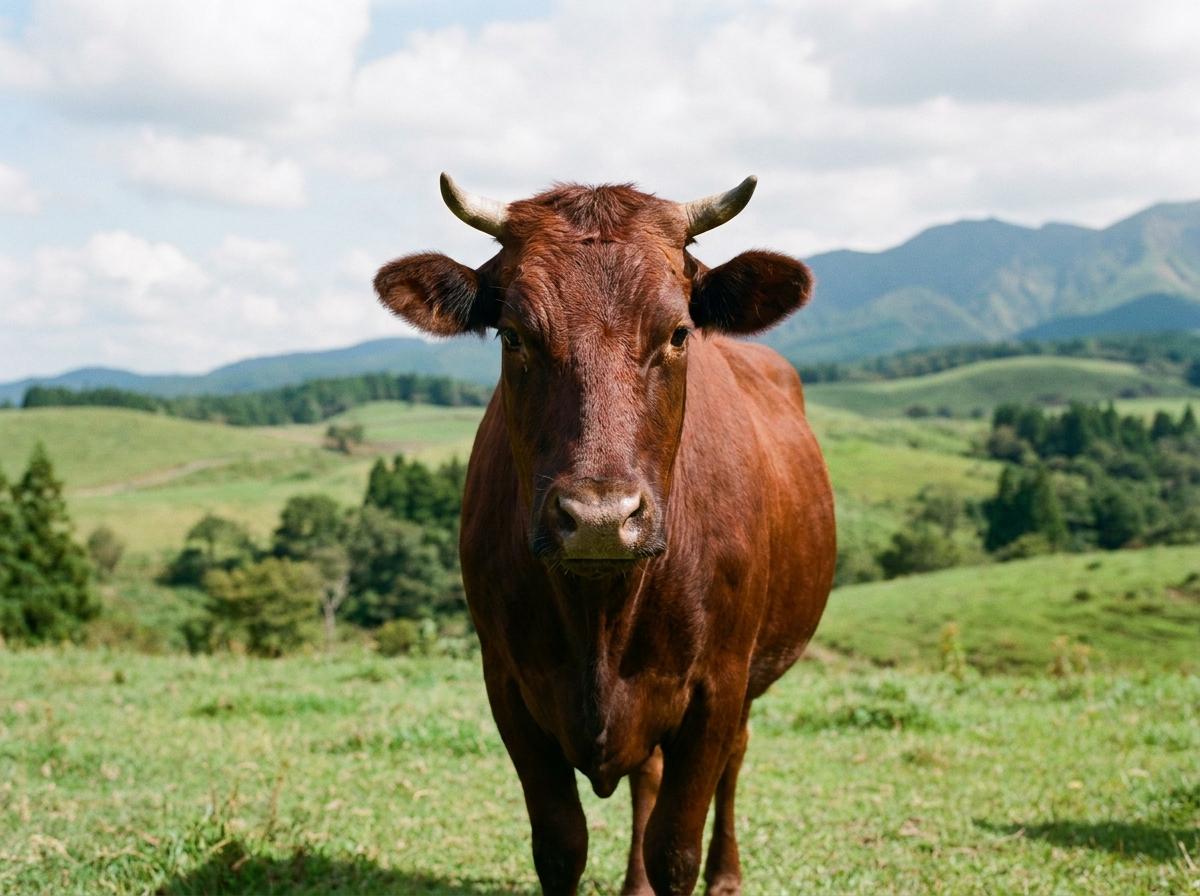
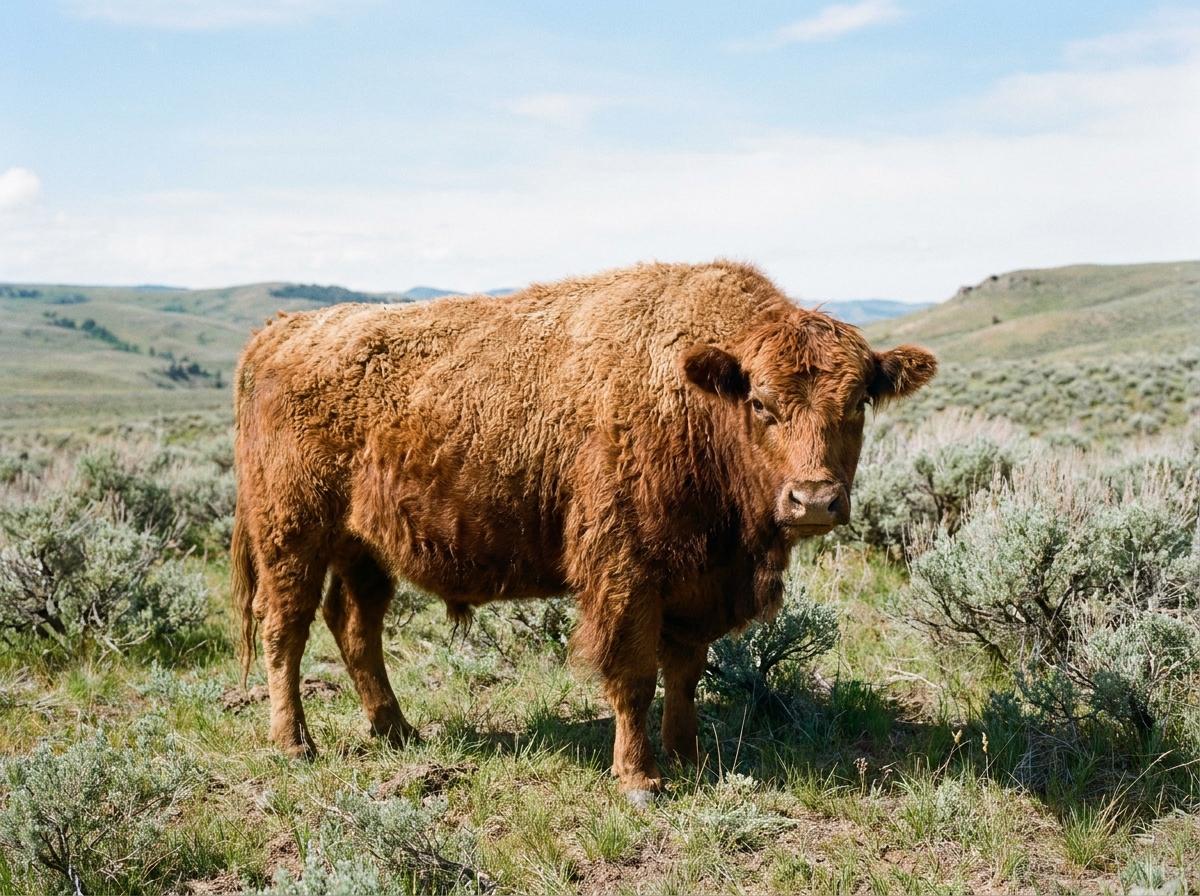
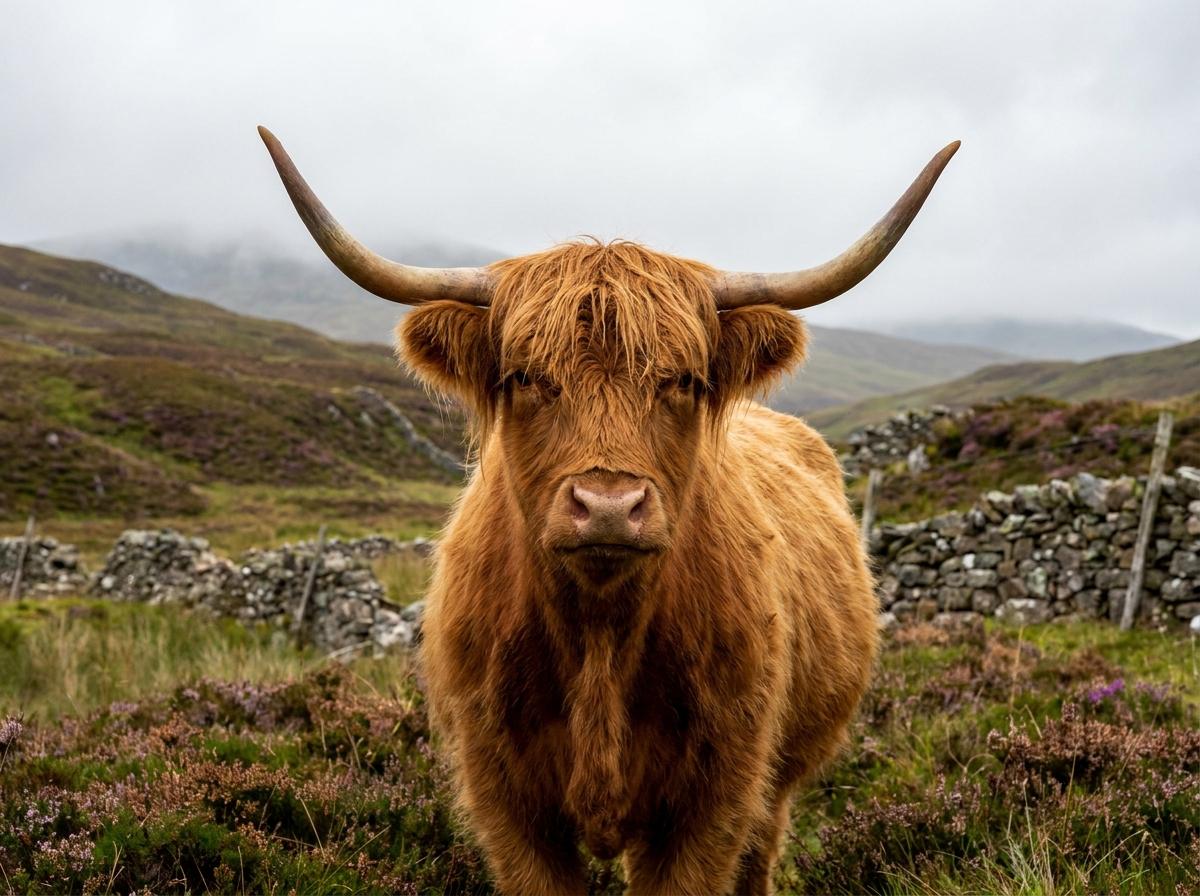
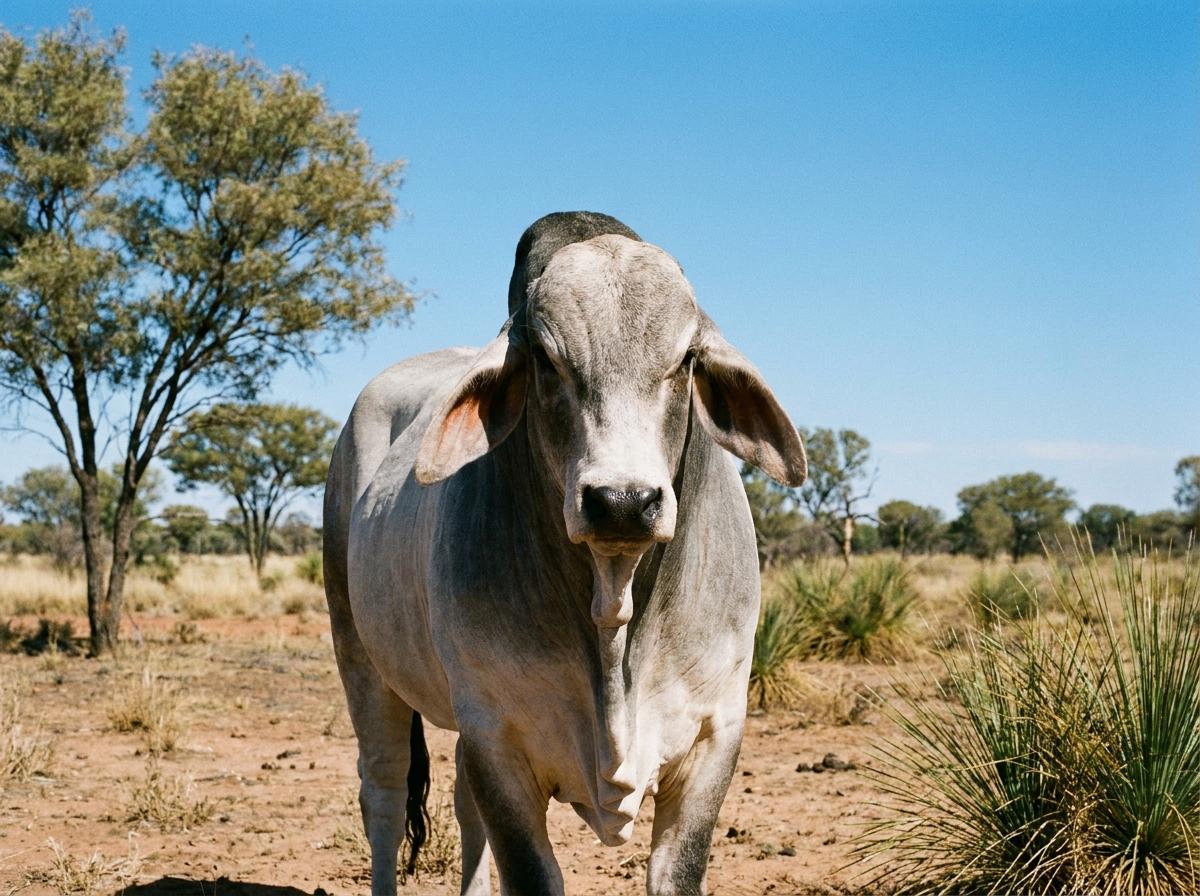
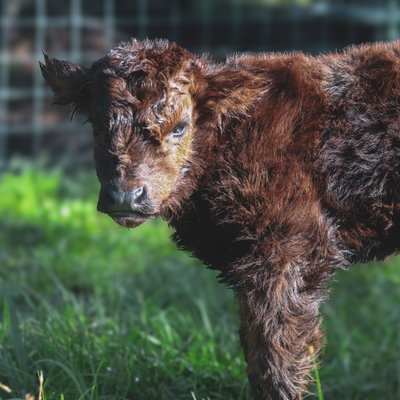
Lohani cattle are small humped cattle from the dry hill and mountain regions of Pakistan and Afghanistan, especially areas historically linked with Loralai and neighboring highlands. They are compact, short-legged, and built for walking over rough country rather than for high milk yield. Coat color is commonly red, brown, or dark with white patches or mottling, and the animals usually have a noticeable hump, small horns, and a hardy zebu-type appearance. Traditional households used them for light draft, packing, milk for home use, and meat when animals were culled.
Lohani cattle are best understood as low-input hill cattle adapted to heat, sparse grazing, and seasonal feed shortages. They still need dependable water, shade in hot periods, mineral supplementation where soils are deficient, and protection from parasites and infectious disease. Milk production is modest, so calf rearing and household use are more realistic goals than commercial dairying. Outside their home region they are uncommon, and anyone seeking breeding stock should verify origin, health status, and import rules. Conservation interest centers on keeping their rugged local adaptation from being lost through indiscriminate crossing.
Colors: Belted, Black, Black and White, Blaze Faced, Blue Roan, Brindle, Brockle Faced, Brown, Brown and White, Dun, Gray, Grey, Highbelt, Highpark, Lineback, Mottled, Pied, Red, Red and White, Red Roan, Riggit, Roan, Silver, Solid Black, Solid Red, Solid White, Speckled, Spotted, White, White Faced, Yellow