

Madagascar Zebu
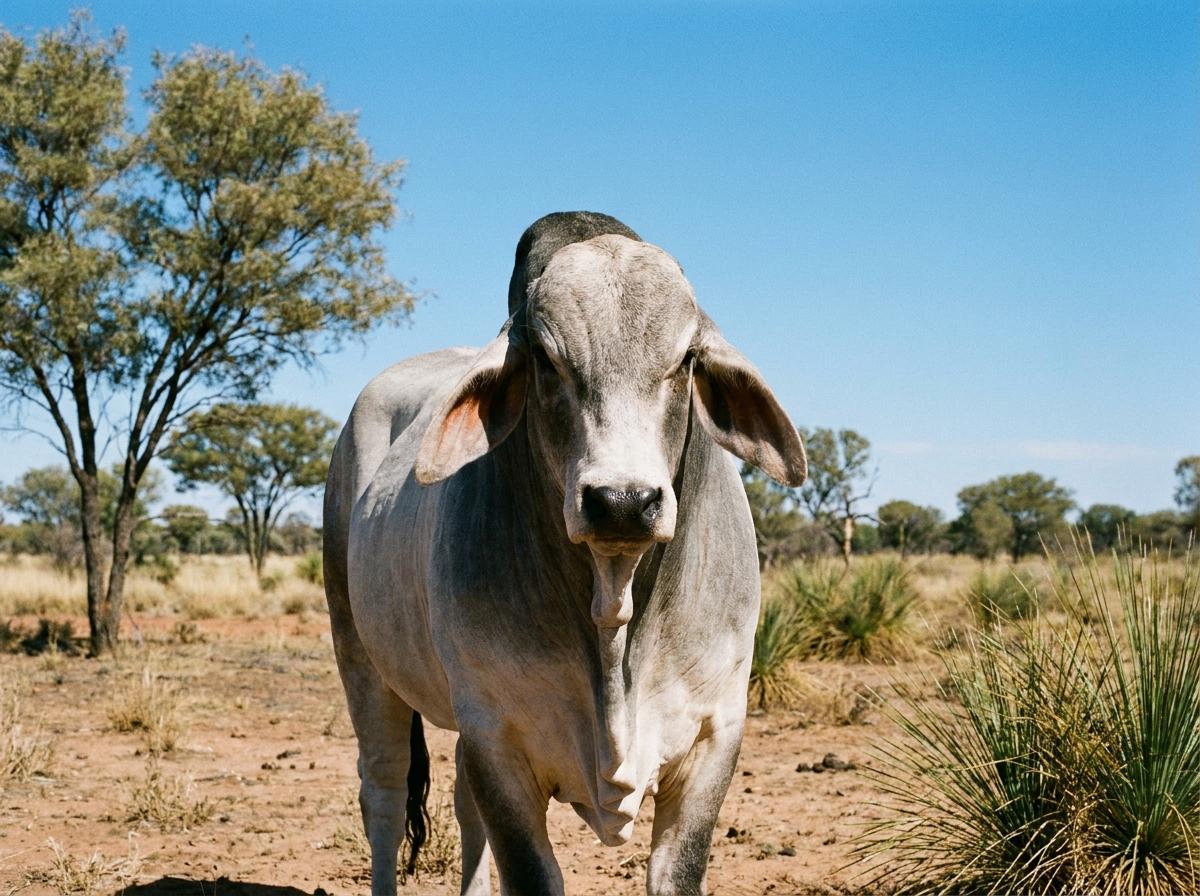
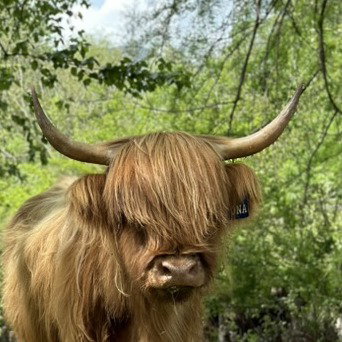
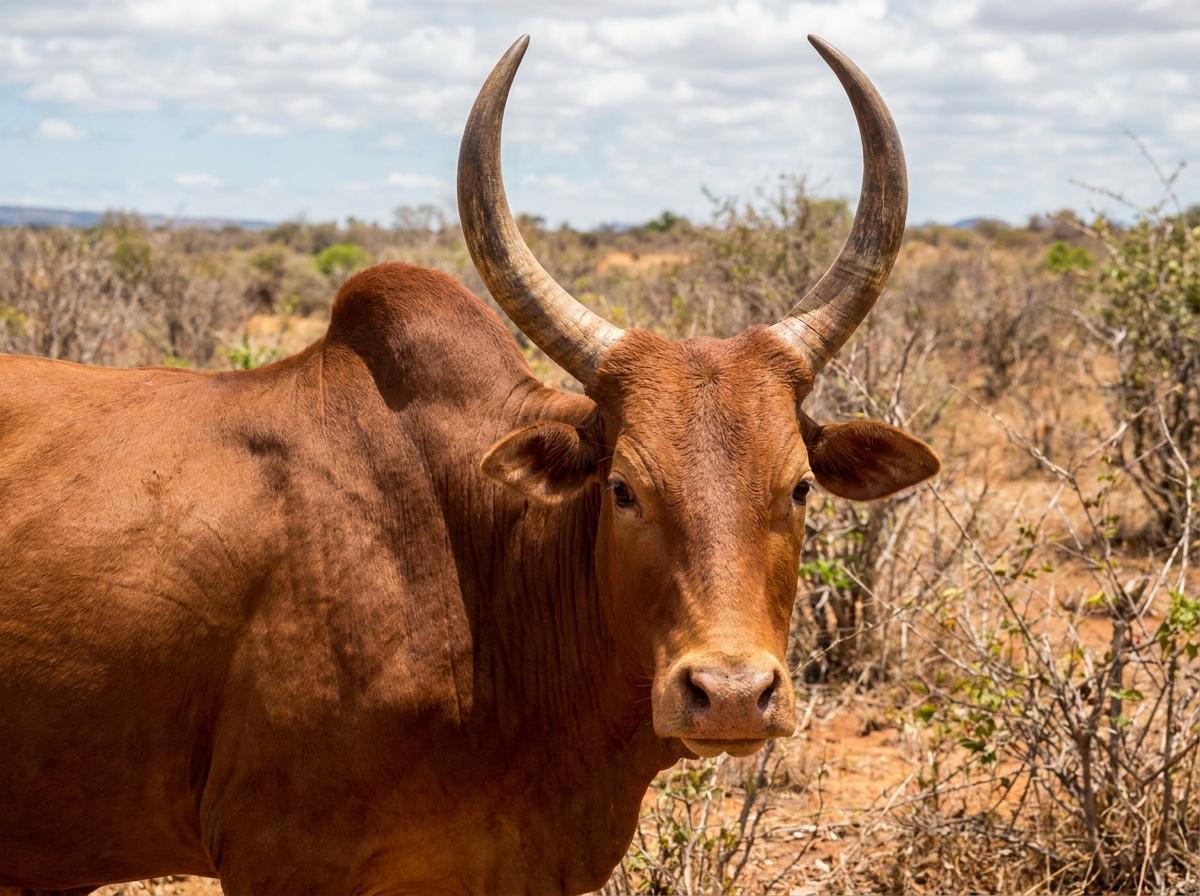
The Madagascar zebu, or Malagasy zebu, is the humped domestic cattle population closely associated with Madagascar. These cattle have zebu ancestry, often described as Bos taurus indicus, and are recognized by the shoulder hump, loose dewlap, heat tolerance, and variable horns and coat colors. Centuries of island husbandry shaped them into cattle used for meat, draught power, transport, manure, savings, bridewealth, funerary customs, and public status, so the animal has agricultural and cultural meaning beyond beef production.
Management is commonly extensive or semi-extensive, with cattle grazing native pasture, crop aftermath, and roadside or communal land depending on region. Their resilience does not remove the need for water access, parasite control, vaccination where available, and dry-season feed planning. For development projects, veterinary teams, and conservation researchers, the Madagascar zebu is important for food security and for studying Indian Ocean livestock history. Outside Madagascar, ownership may be limited by import rules and the rarity of verified breeding stock.
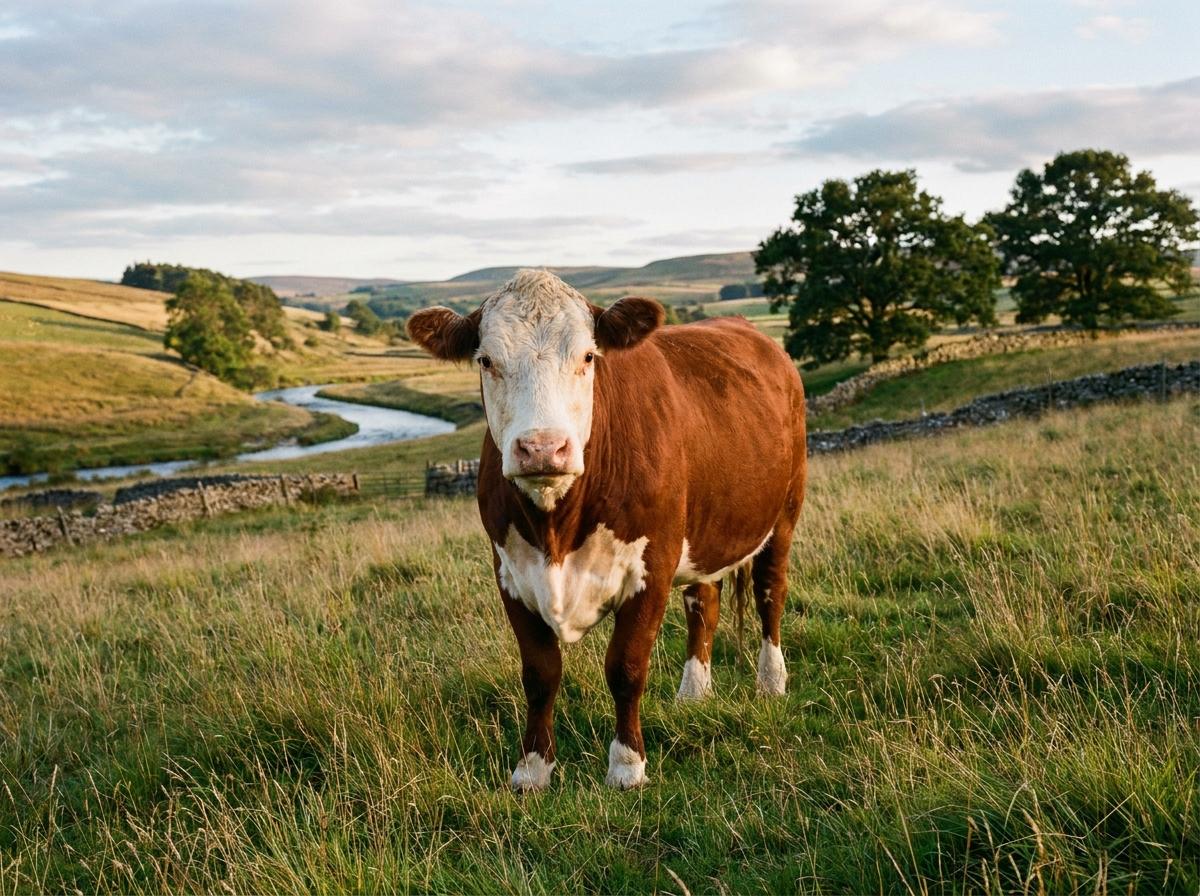
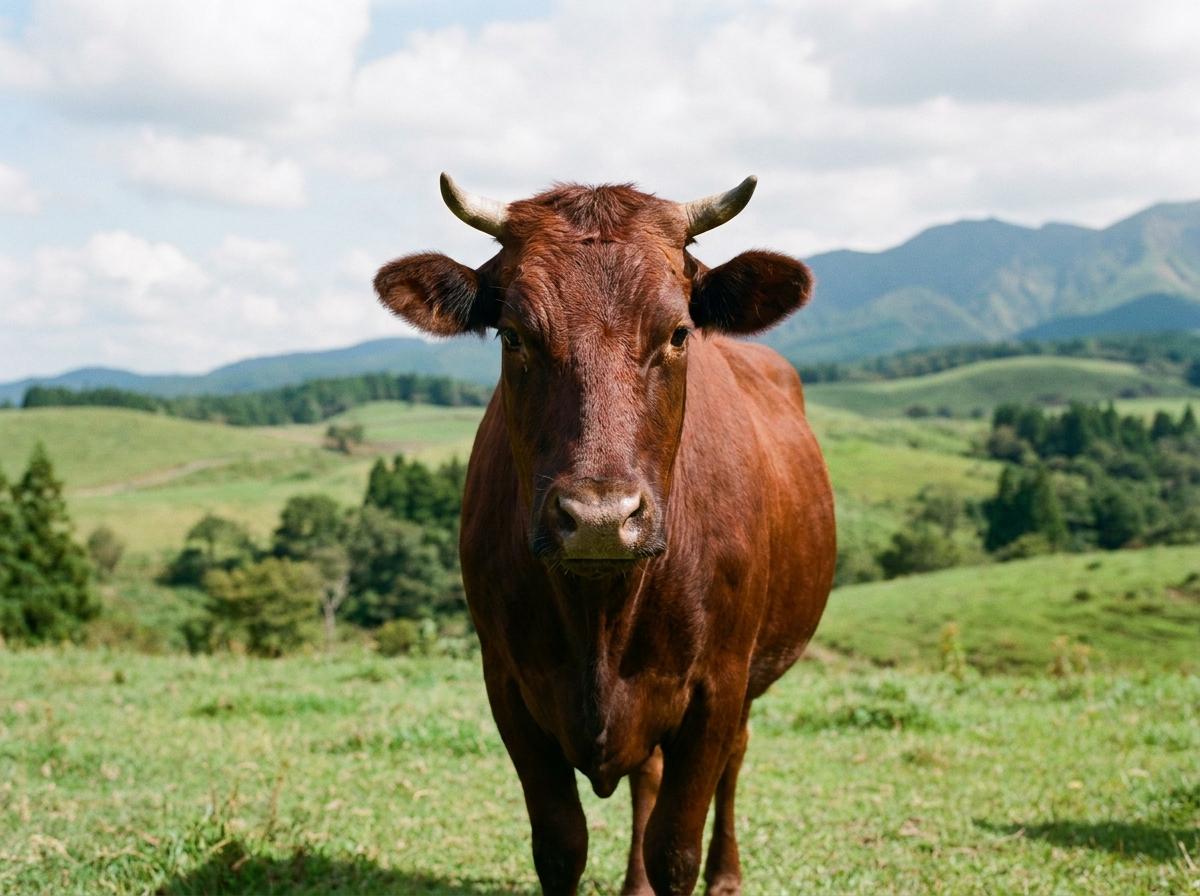
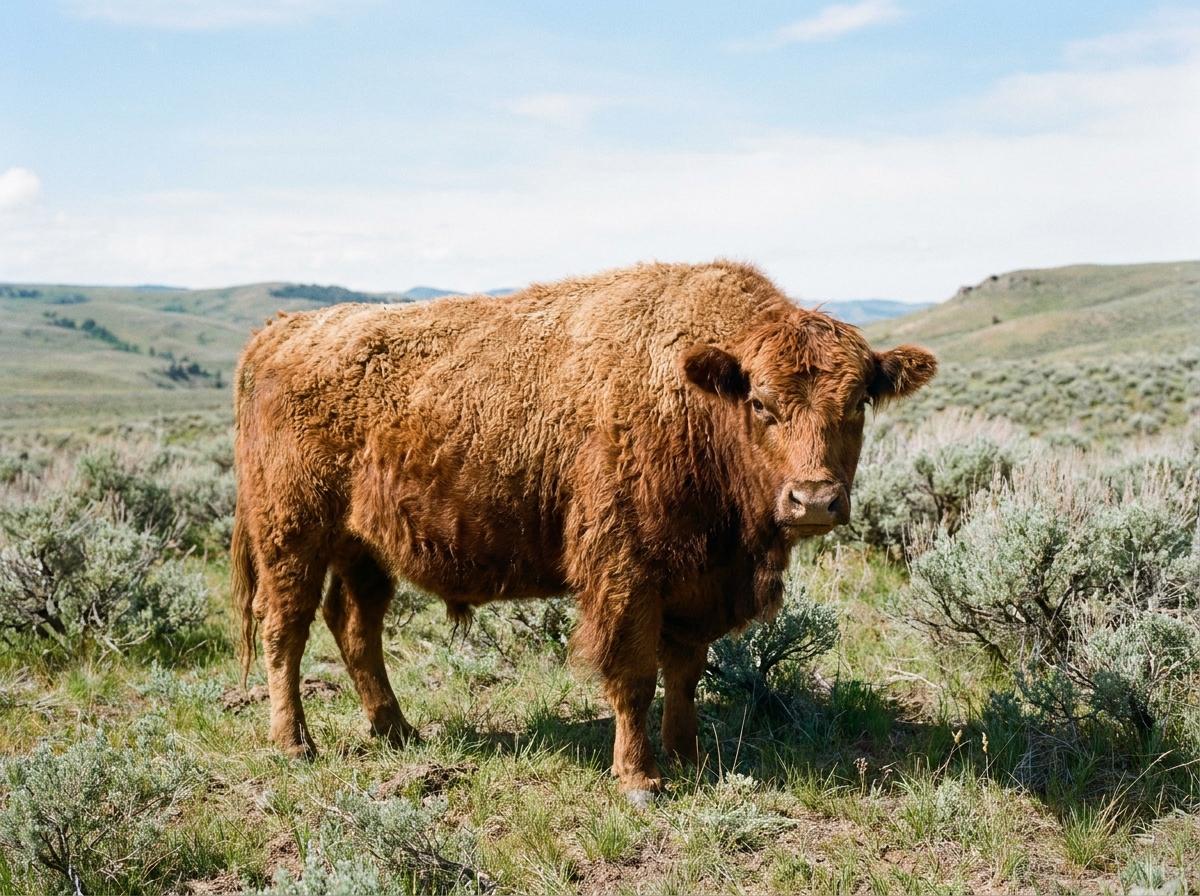
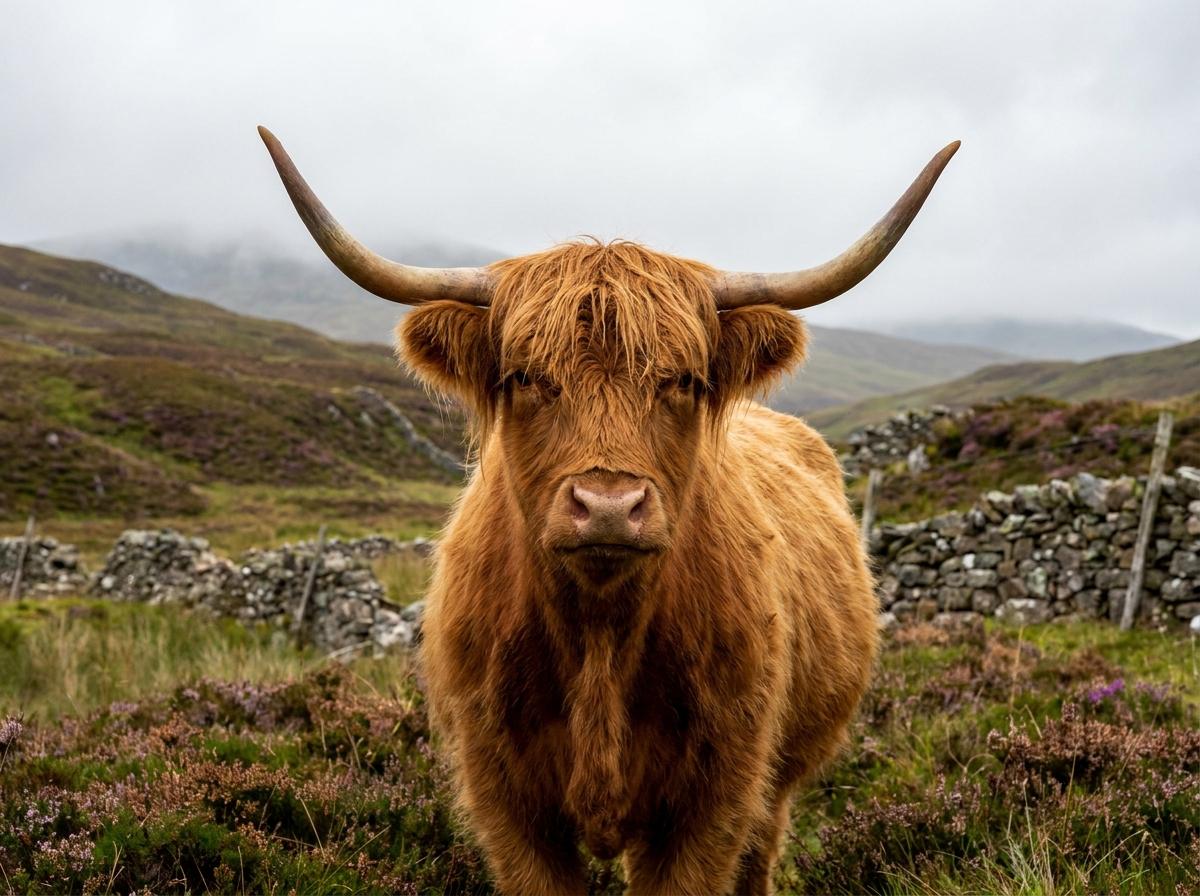
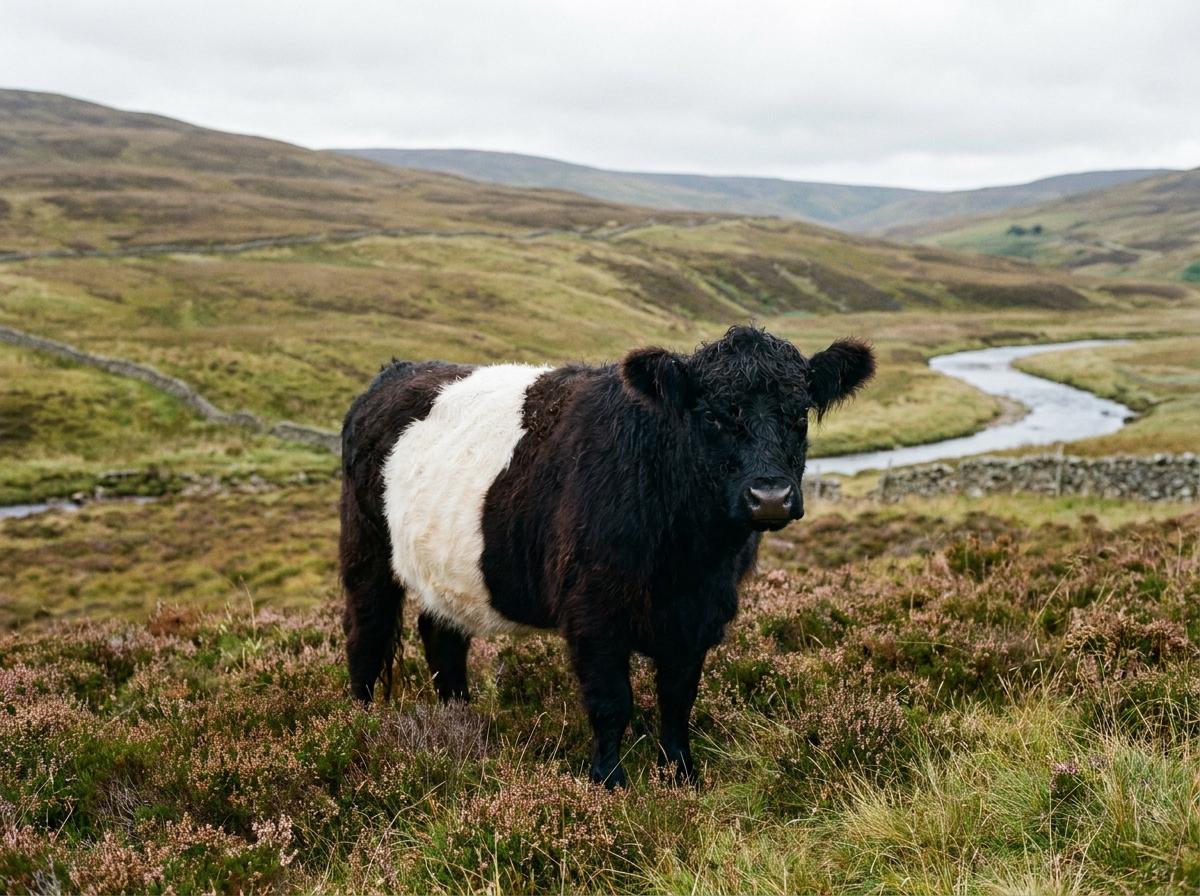
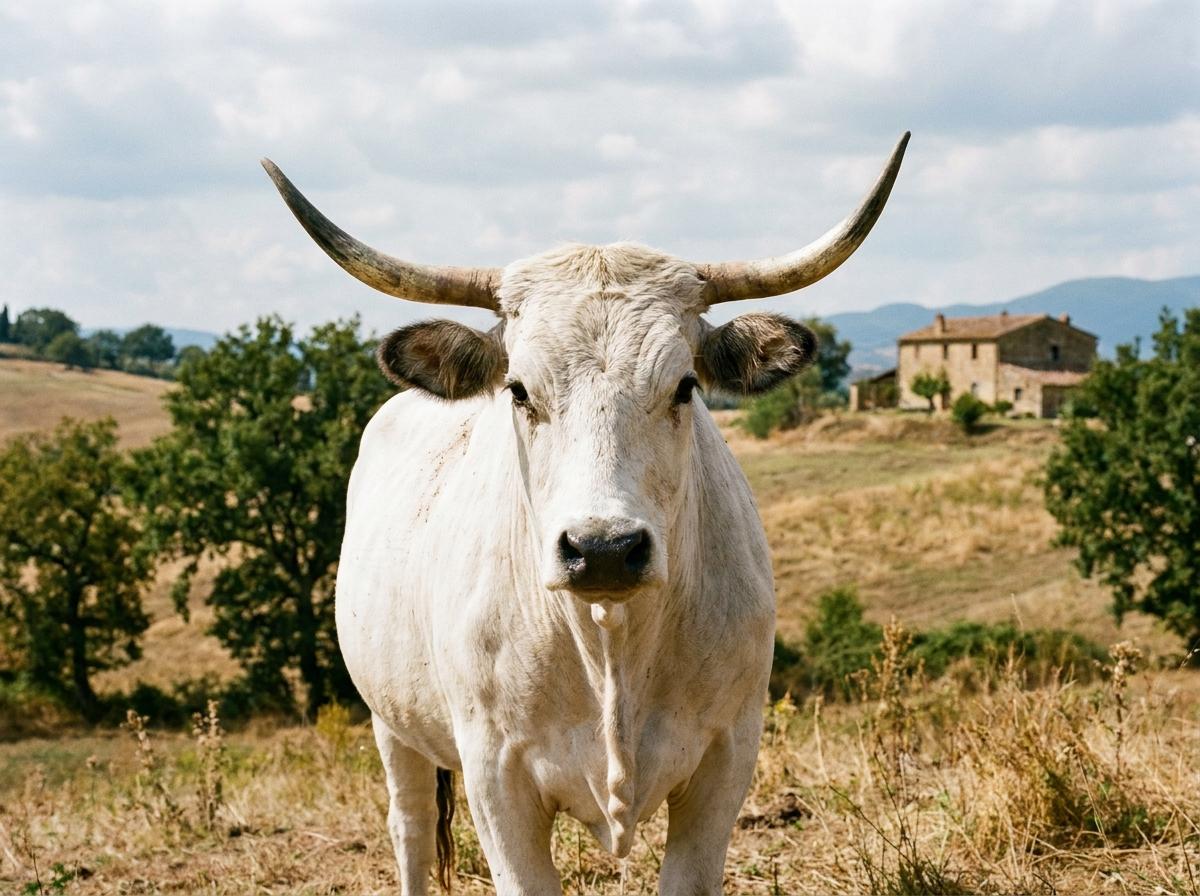
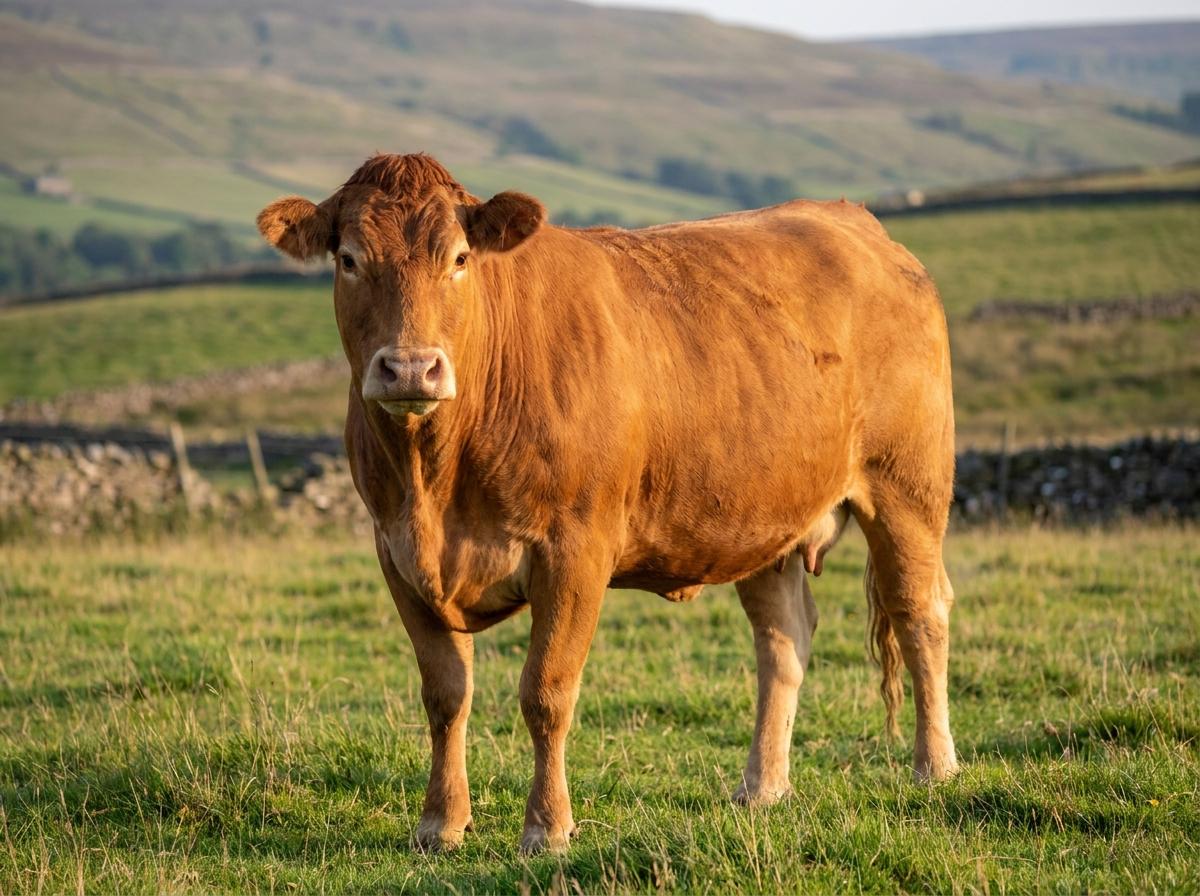
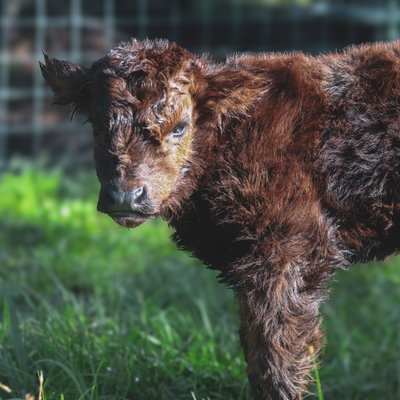
Colors: Belted, Black, Black and White, Blaze Faced, Blue Roan, Brindle, Brockle Faced, Brown, Brown and White, Dun, Gray, Grey, Highbelt, Highpark, Lineback, Mottled, Pied, Red, Red and White, Red Roan, Riggit, Roan, Silver, Solid Black, Solid Red, Solid White, Speckled, Spotted, White, White Faced, Yellow