

Masai
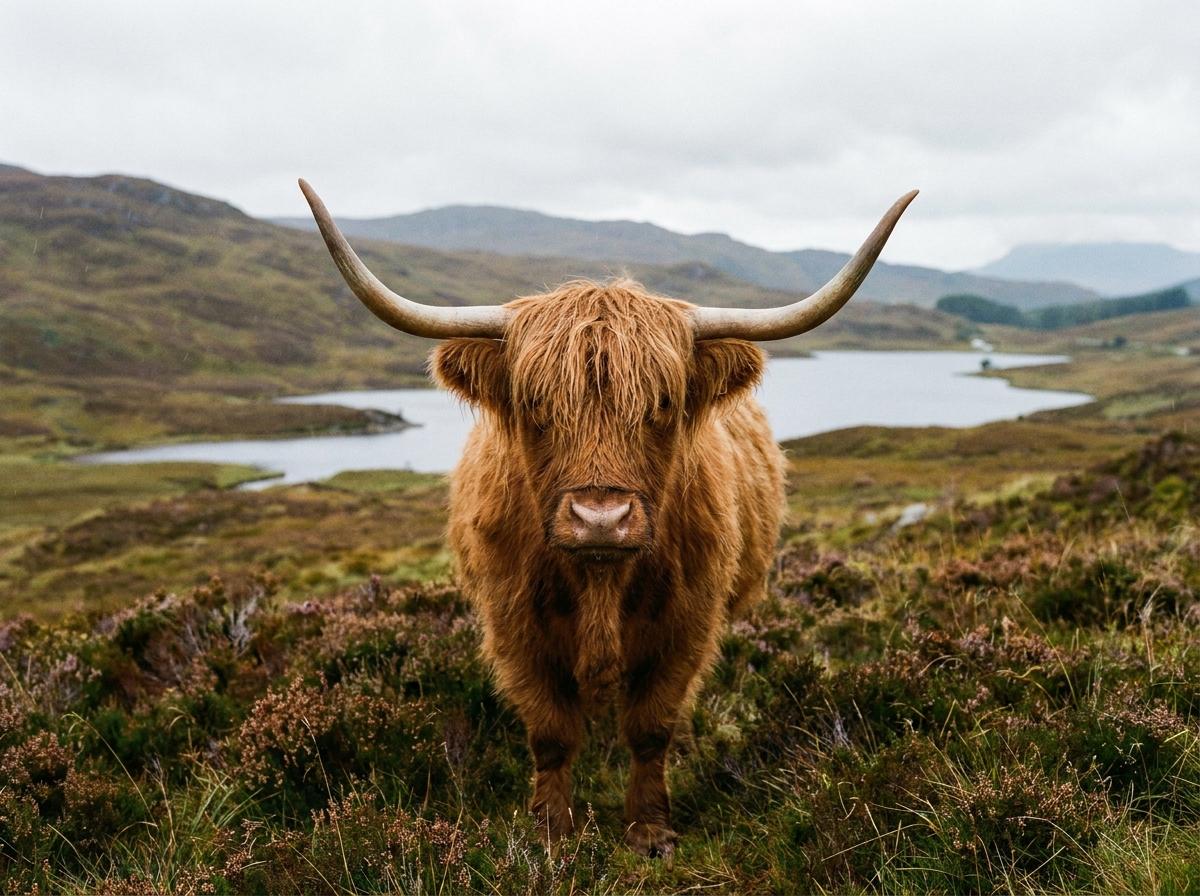
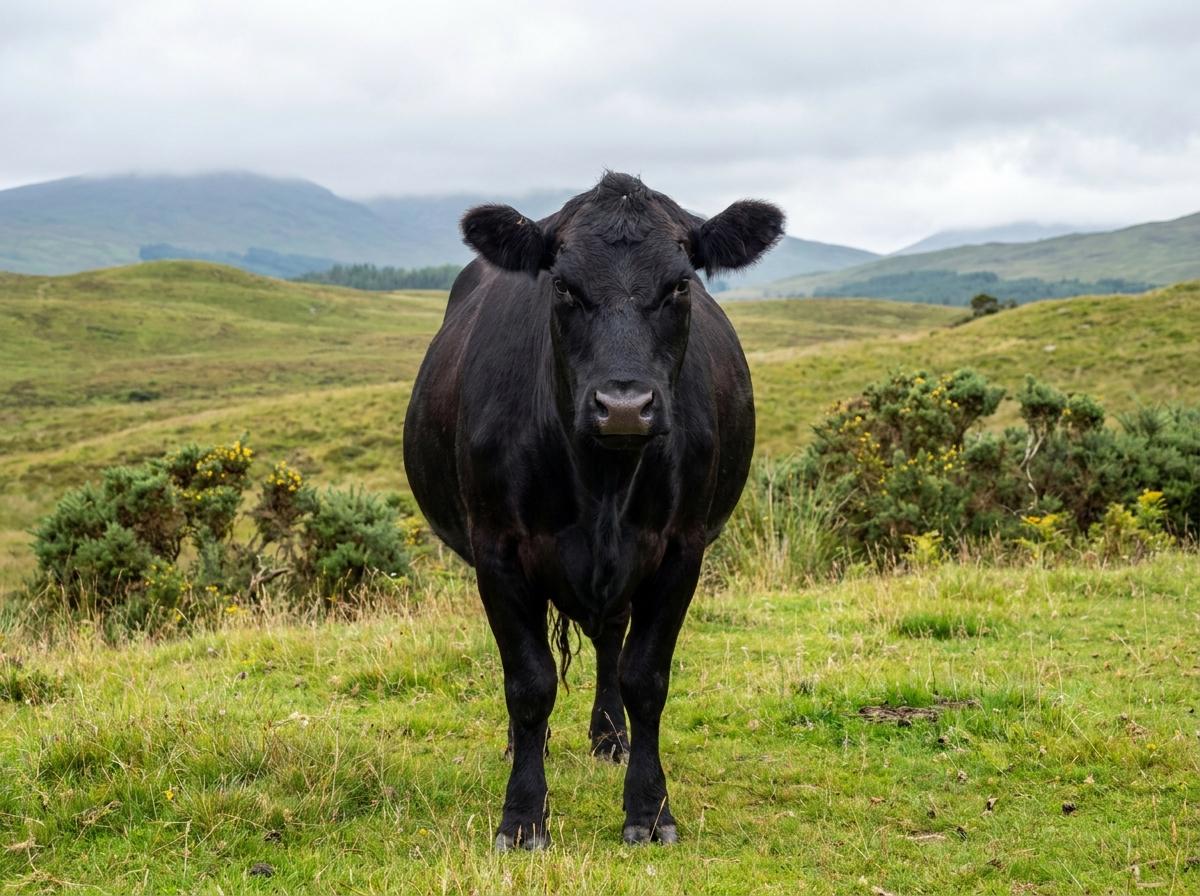
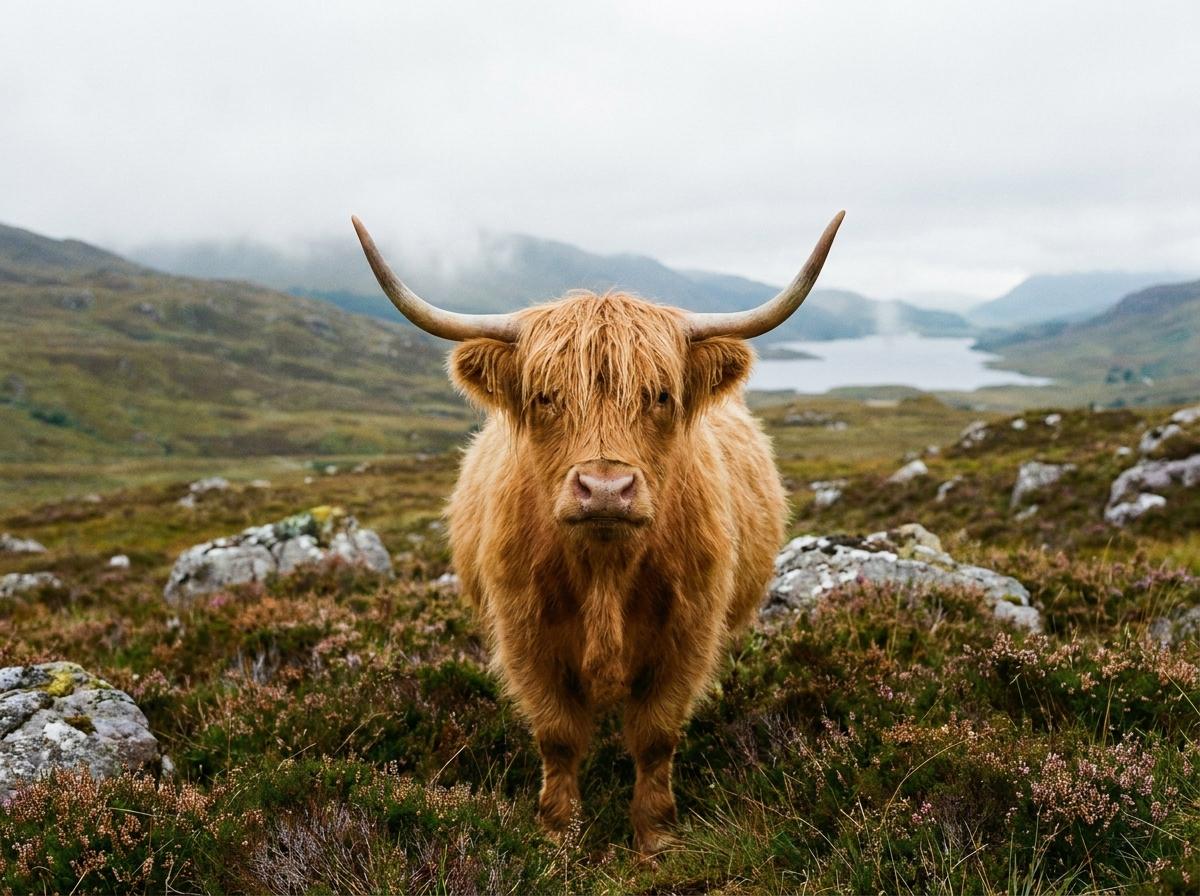
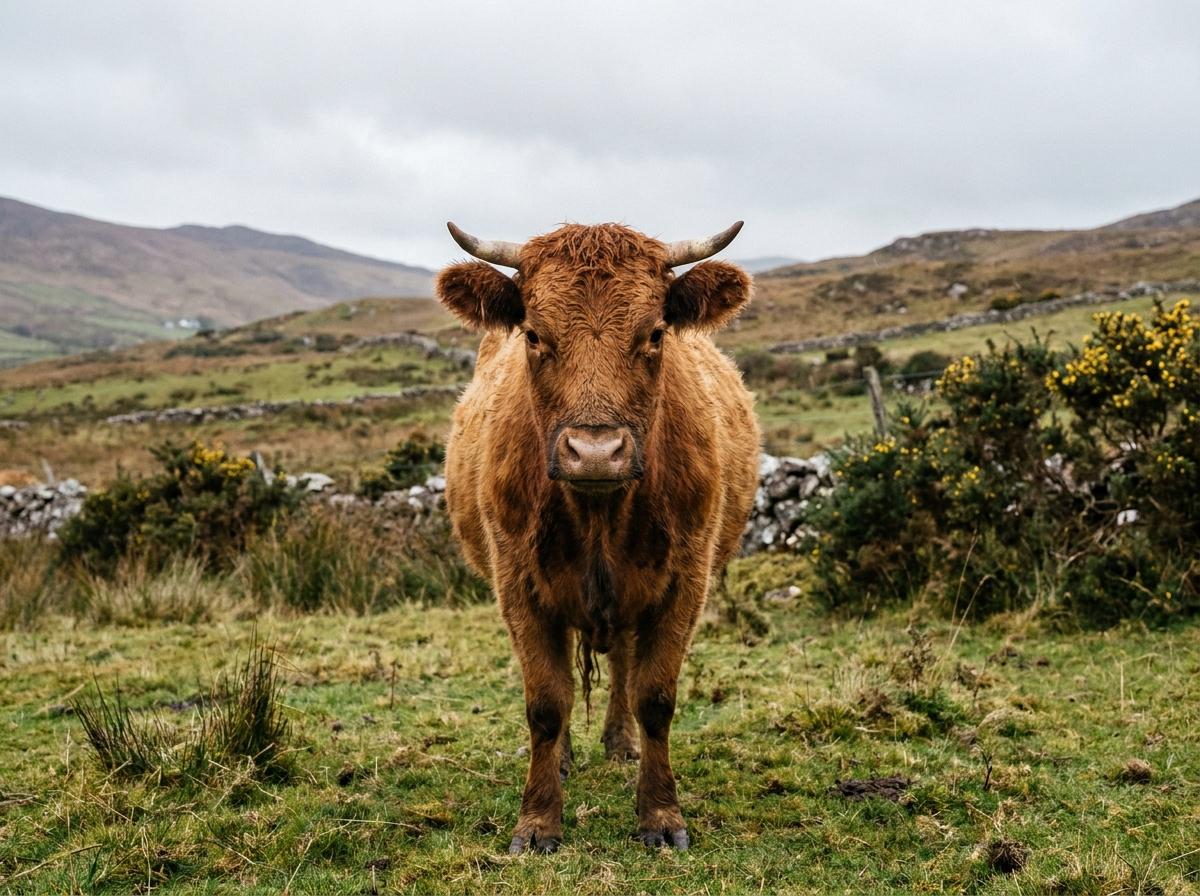
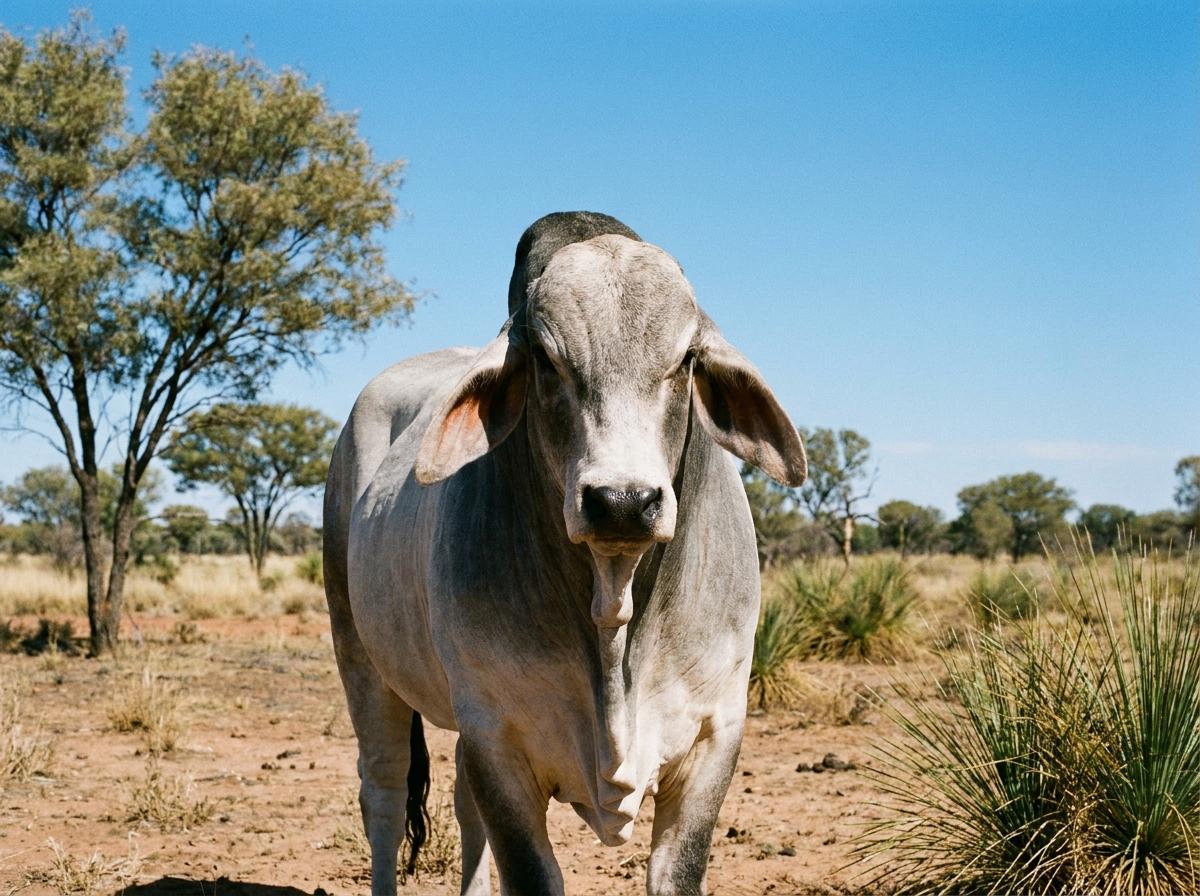
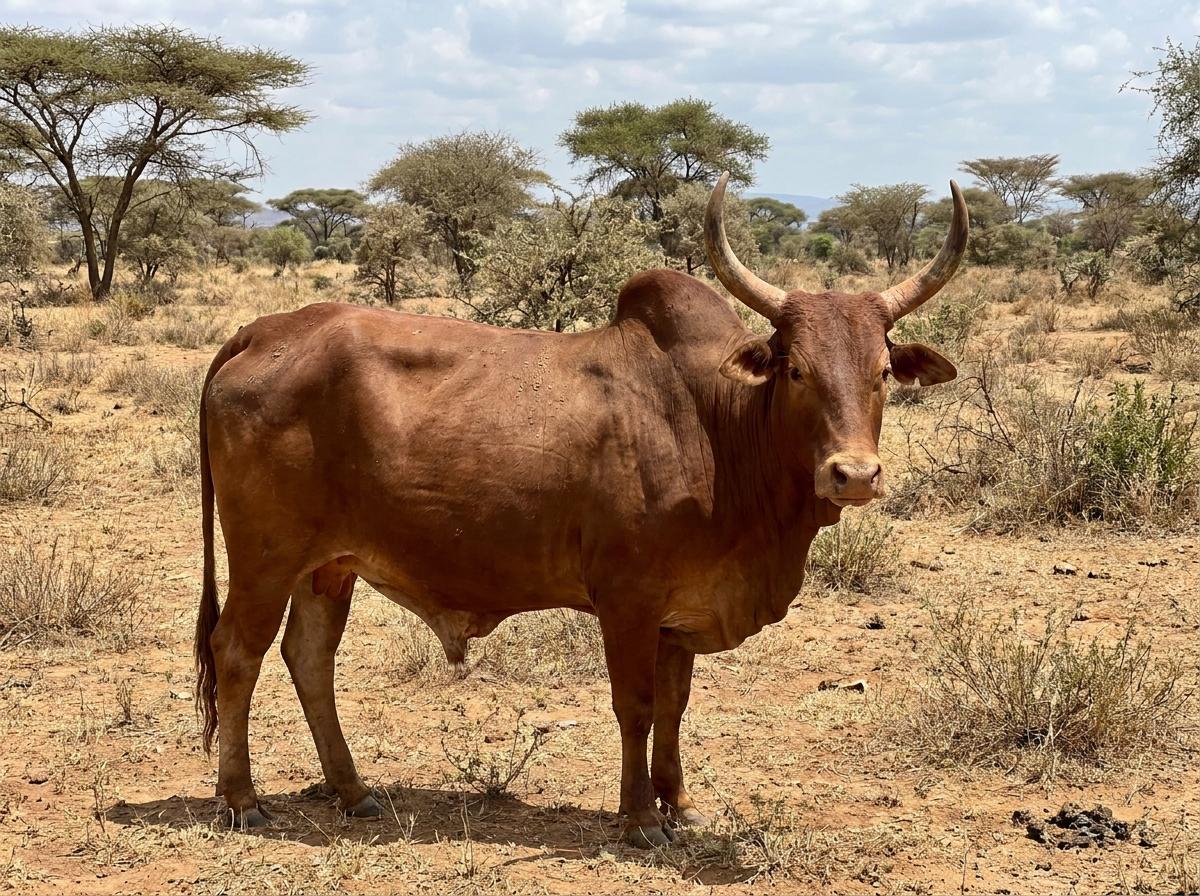
Masai, more often spelled Maasai in East African contexts, refers to the cattle kept by Maasai pastoralists of Kenya and Tanzania rather than to a tightly standardized Western breed. These herds are usually East African zebu or sanga-type cattle, with varying mixtures of indicine and African taurine ancestry. They are small to medium compared with European beef cattle, often humped, long-legged and horned, and coat colors vary widely. Selection has been shaped by semi-arid savanna, long walks to water, seasonal grazing and the need for cows that can produce milk under difficult conditions.
Human context is inseparable from pastoral management and Maasai culture: cattle provide milk, blood, meat, hides, bridewealth and social identity, and herd decisions are made around mobility as well as production. Practical care emphasizes access to grazing routes, water points, salt, calf protection and control of ticks and endemic diseases. Crossbreeding with exotic dairy or beef breeds can raise output in favorable areas, but it may reduce drought tolerance, walking ability and disease resilience if used indiscriminately. Researchers and development projects working with Maasai cattle need to respect local breeding knowledge and land-use pressures rather than measuring only individual animal yield.
Colors: Belted, Black, Black and White, Blaze Faced, Blue Roan, Brindle, Brockle Faced, Brown, Brown and White, Dun, Gray, Grey, Highbelt, Highpark, Lineback, Mottled, Pied, Red, Red and White, Red Roan, Riggit, Roan, Silver, Solid Black, Solid Red, Solid White, Speckled, Spotted, White, White Faced, Yellow