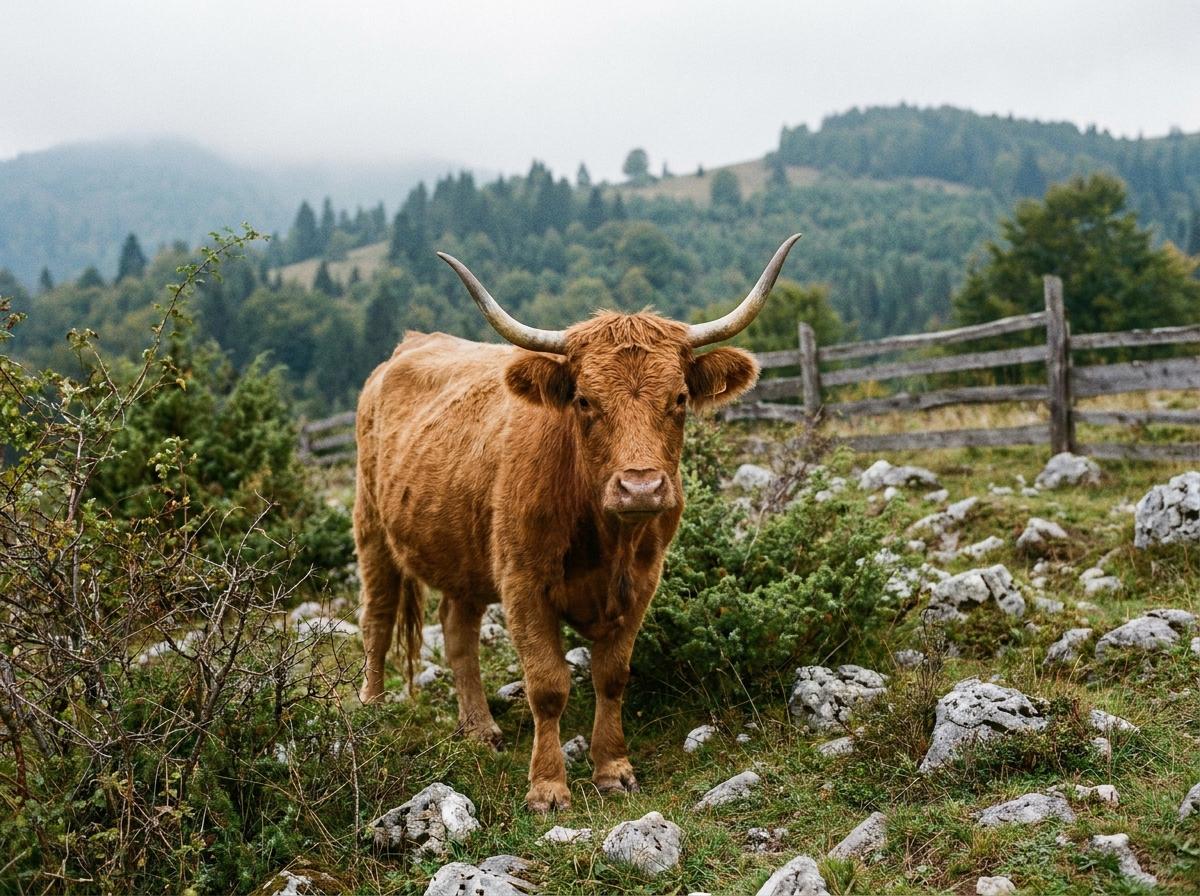
Mocăniţă
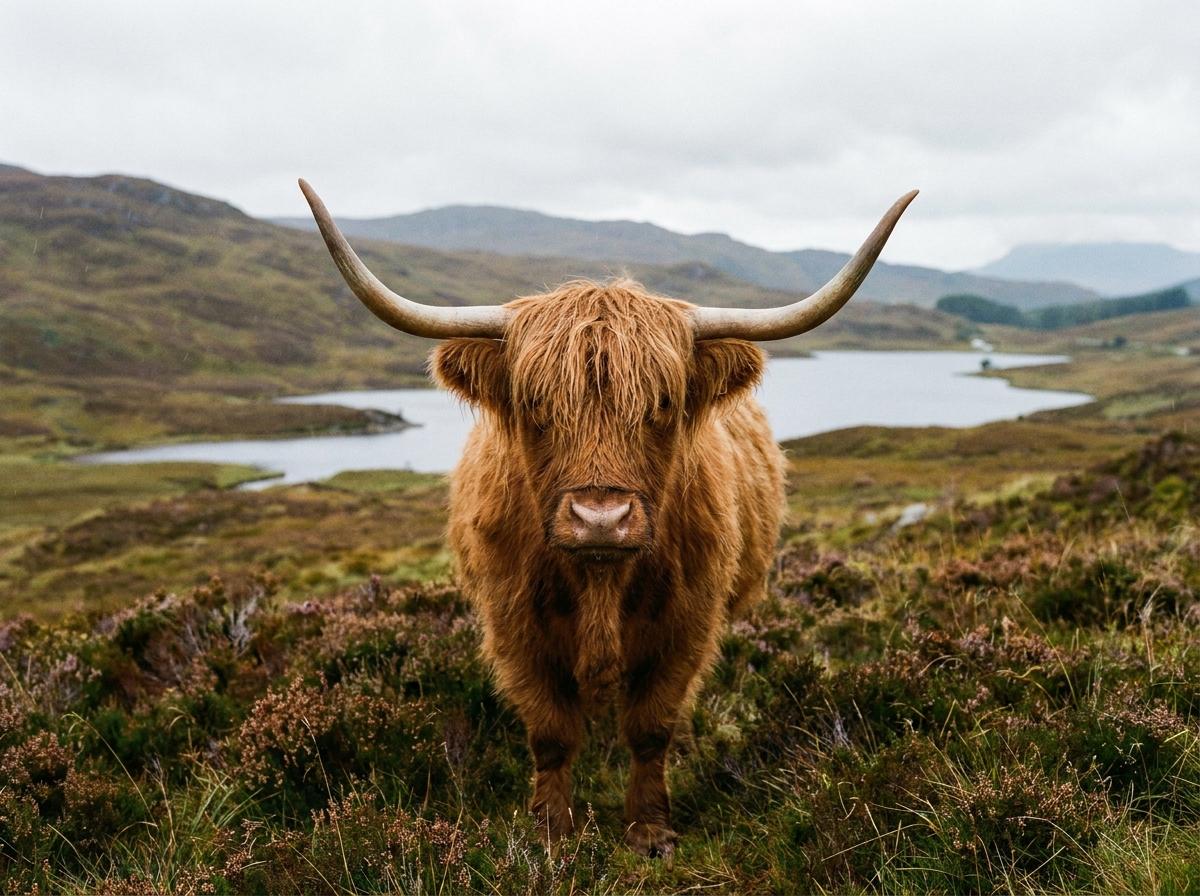
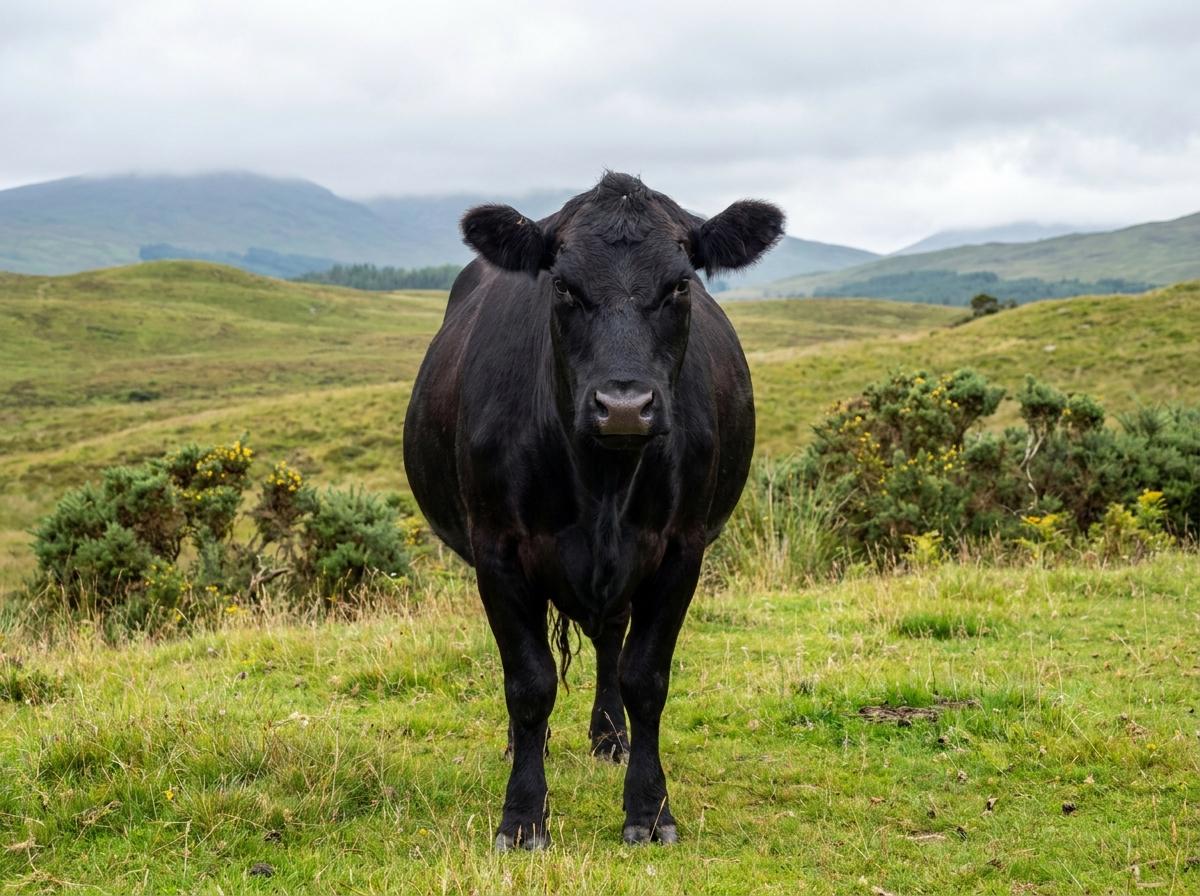
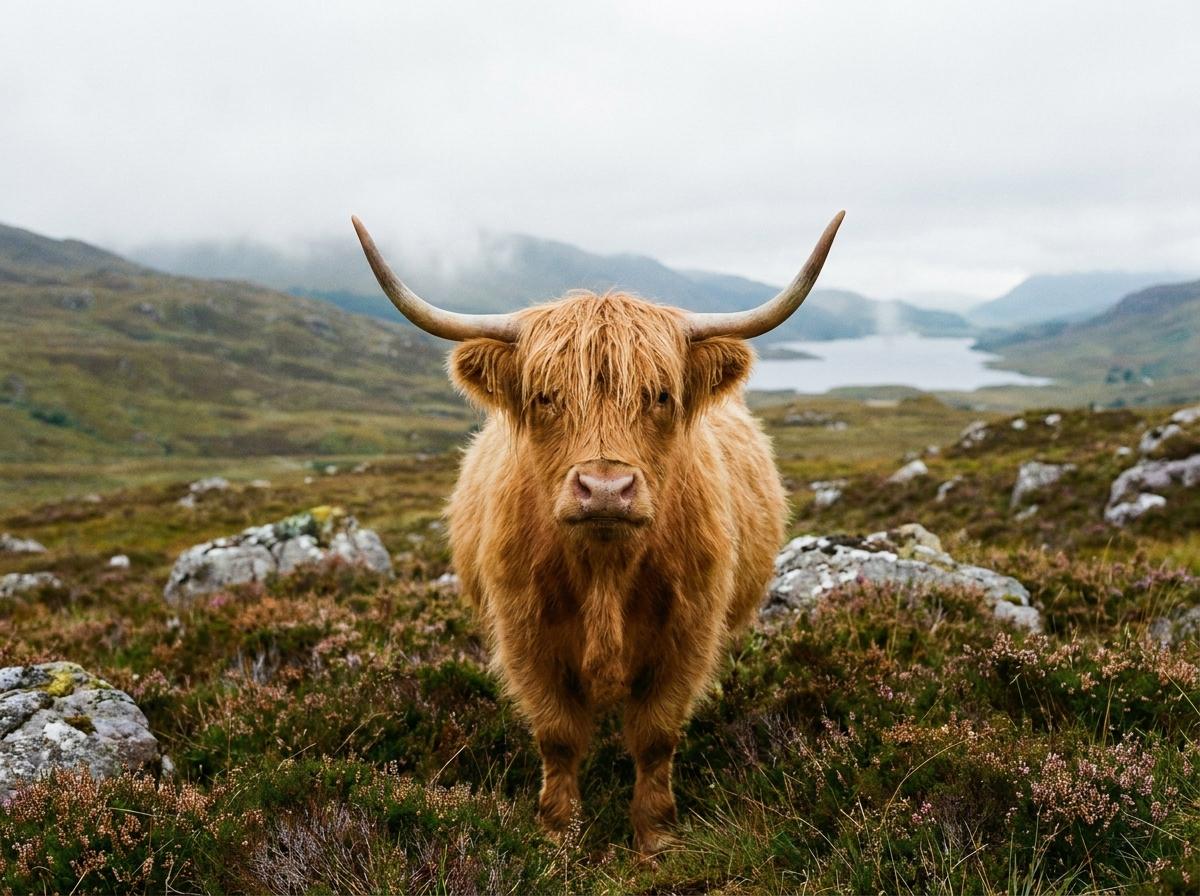
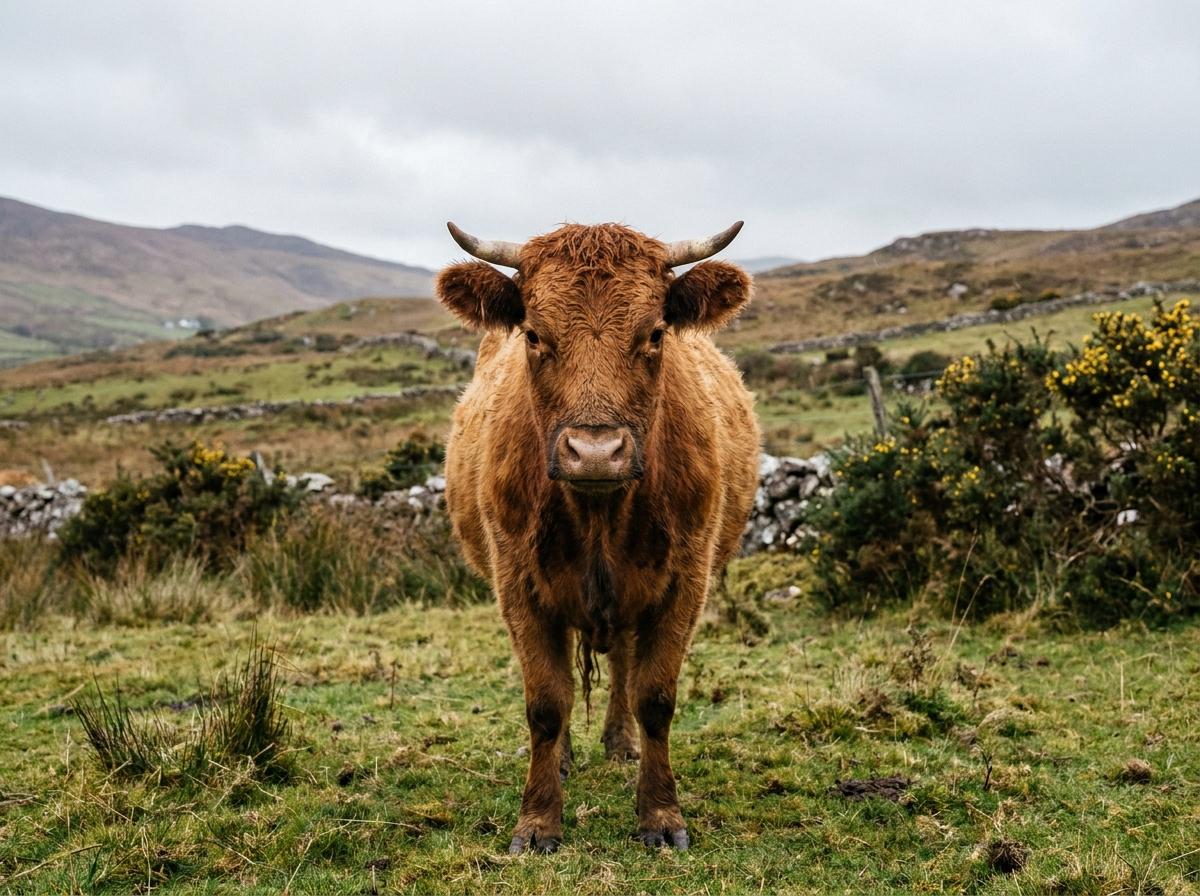
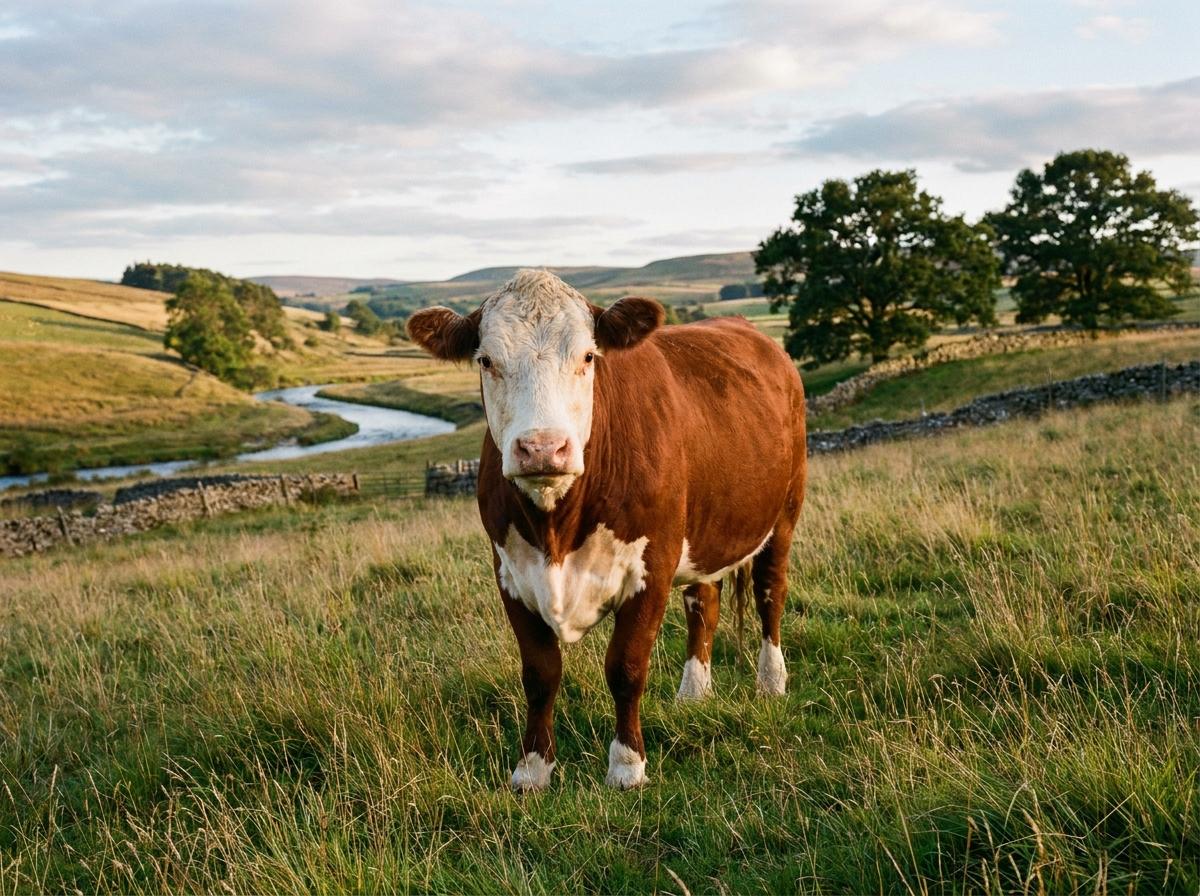
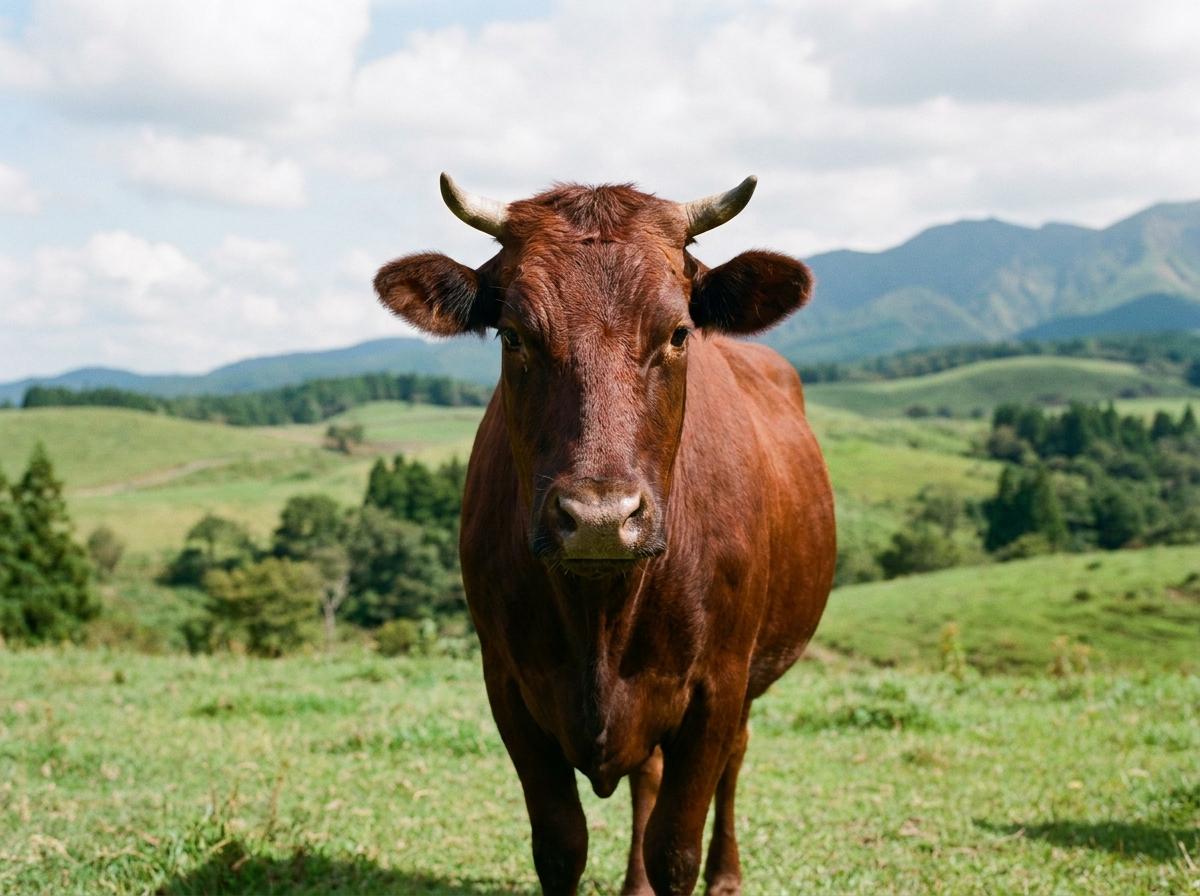
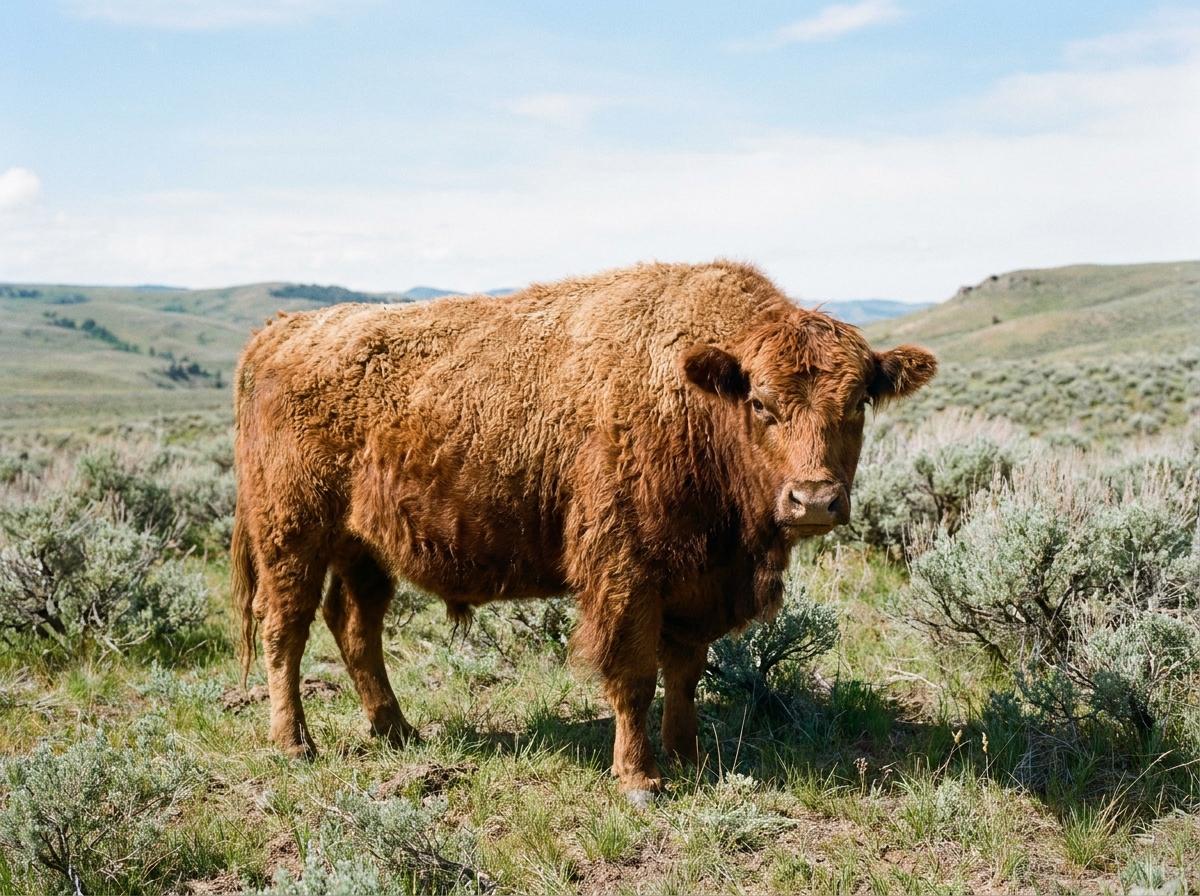
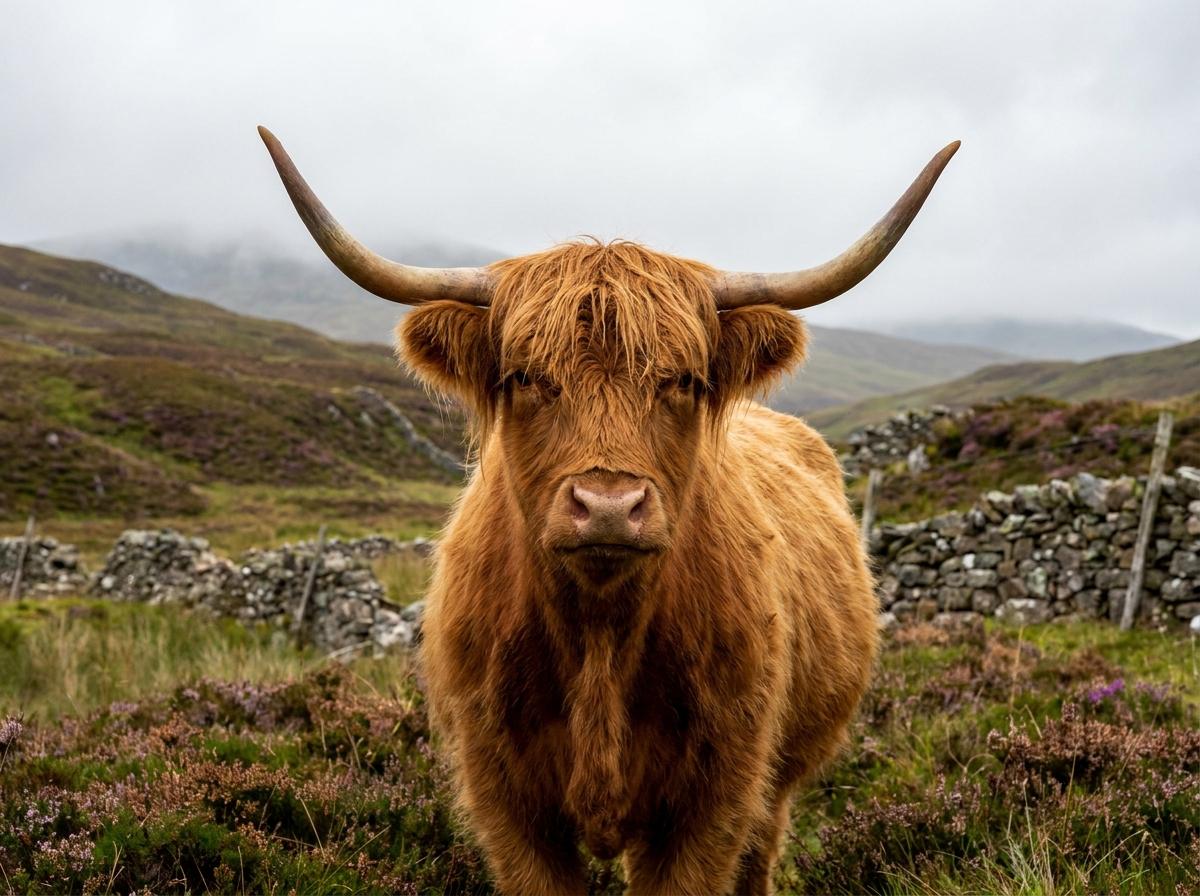
Mocăniţă cattle are a Romanian mountain landrace associated with small farms and transhumant pastoral communities of the Carpathians. The name is used for hardy, modestly sized local cattle rather than a widely exported commercial breed. Traditional animals were kept for milk, calves, manure, and sometimes light draught work, with coat colors and horn shape varying by valley and family herd. Like many Balkan and Carpathian cattle populations, the type is best understood as part of a regional farming system shaped by steep pastures, long winters, and limited purchased feed.
Practical interest in Mocăniţă cattle is mainly conservation, local food production, and low-input mountain management. They need secure winter housing, hay made during the grazing season, salt or mineral supplementation, and careful control of breeding so the remaining type is not diluted by casual crossing. Production expectations should be modest compared with specialized dairy or beef breeds, but fertility, sure-footedness, and survival on rough forage are the traits worth protecting. Anyone sourcing animals should rely on local breed groups or agricultural records, since names and spellings can vary.
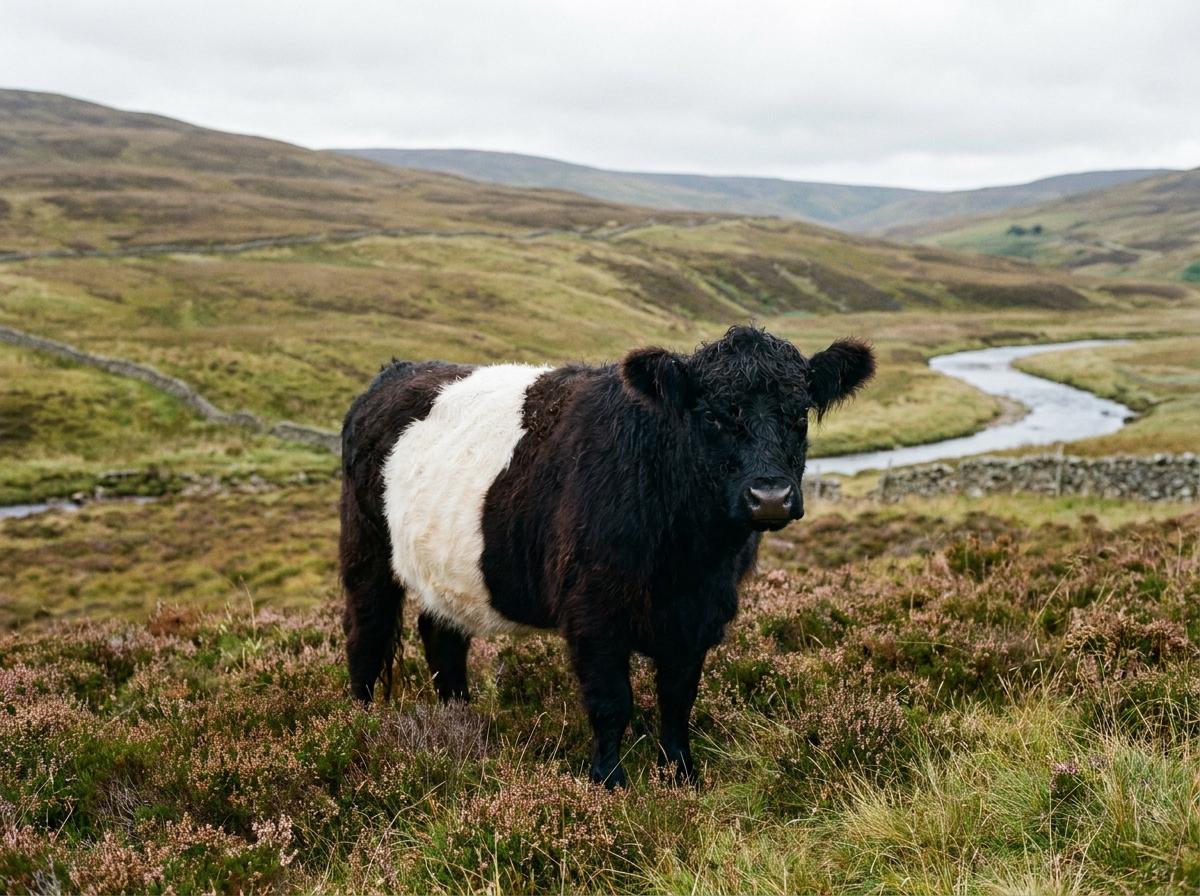
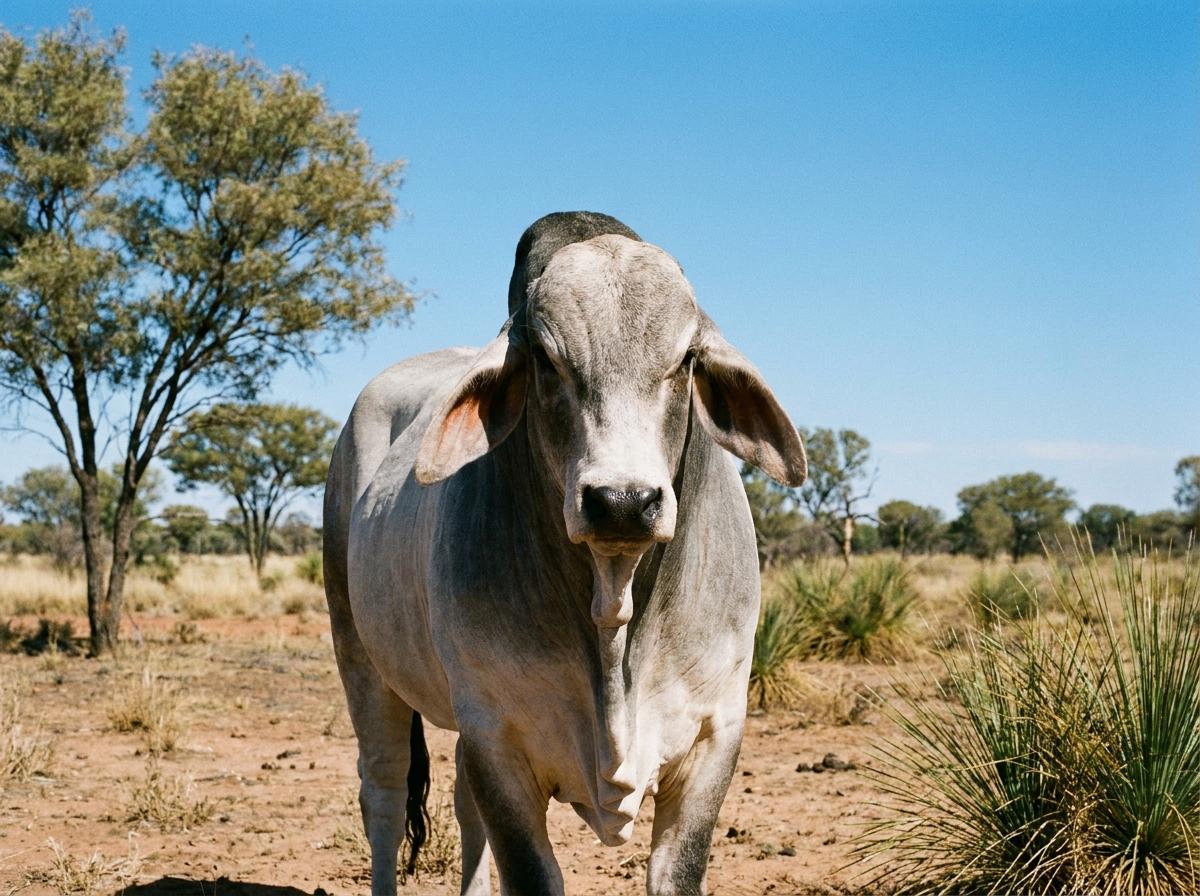
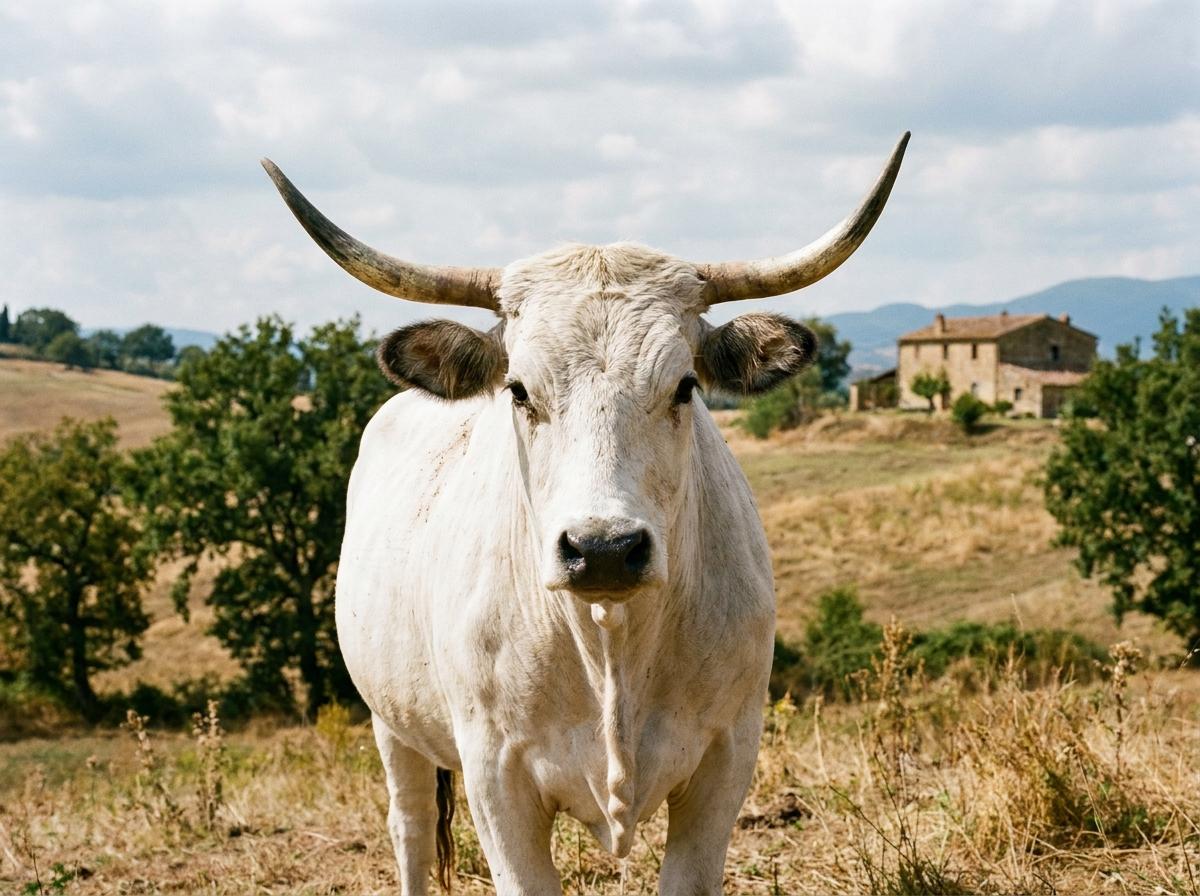
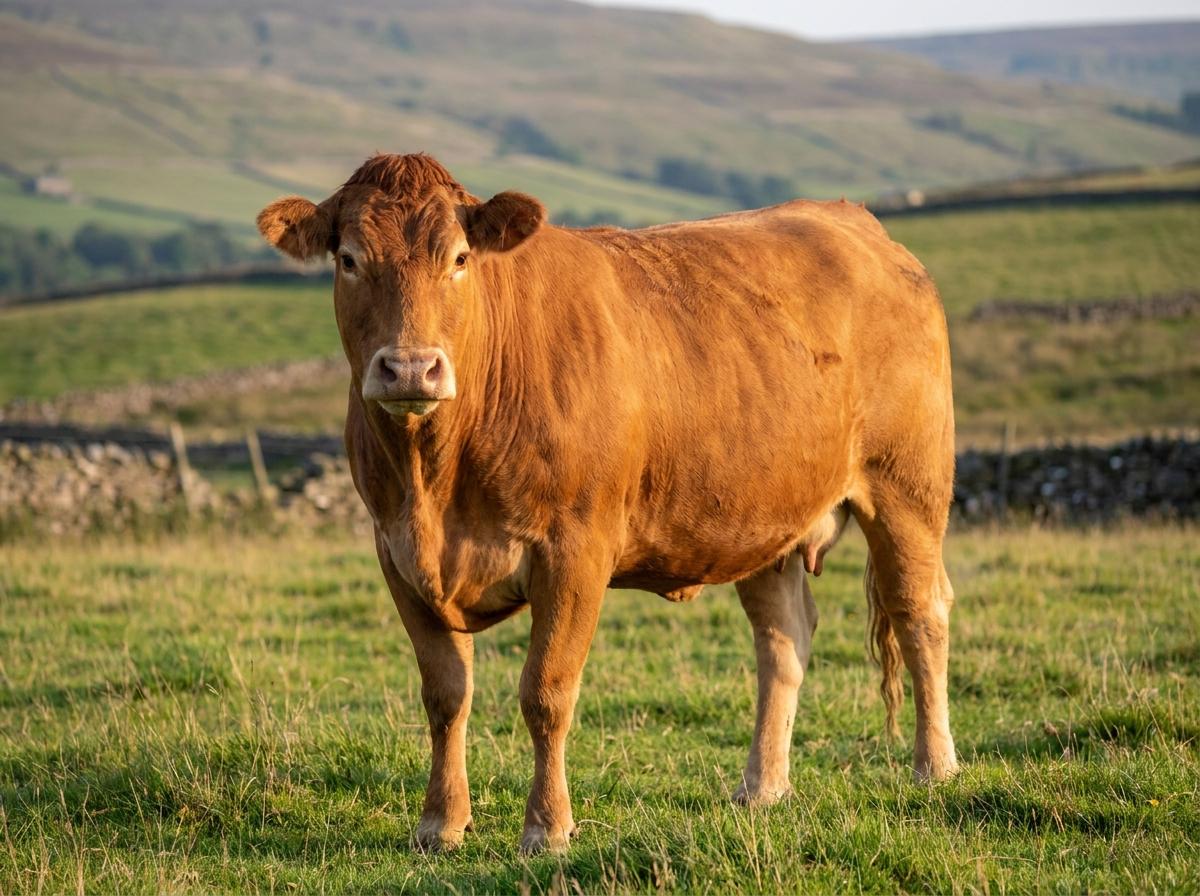
Colors: Belted, Black, Black and White, Blaze Faced, Blue Roan, Brindle, Brockle Faced, Brown, Brown and White, Dun, Gray, Grey, Highbelt, Highpark, Lineback, Mottled, Pied, Red, Red and White, Red Roan, Riggit, Roan, Silver, Solid Black, Solid Red, Solid White, Speckled, Spotted, White, White Faced, Yellow