

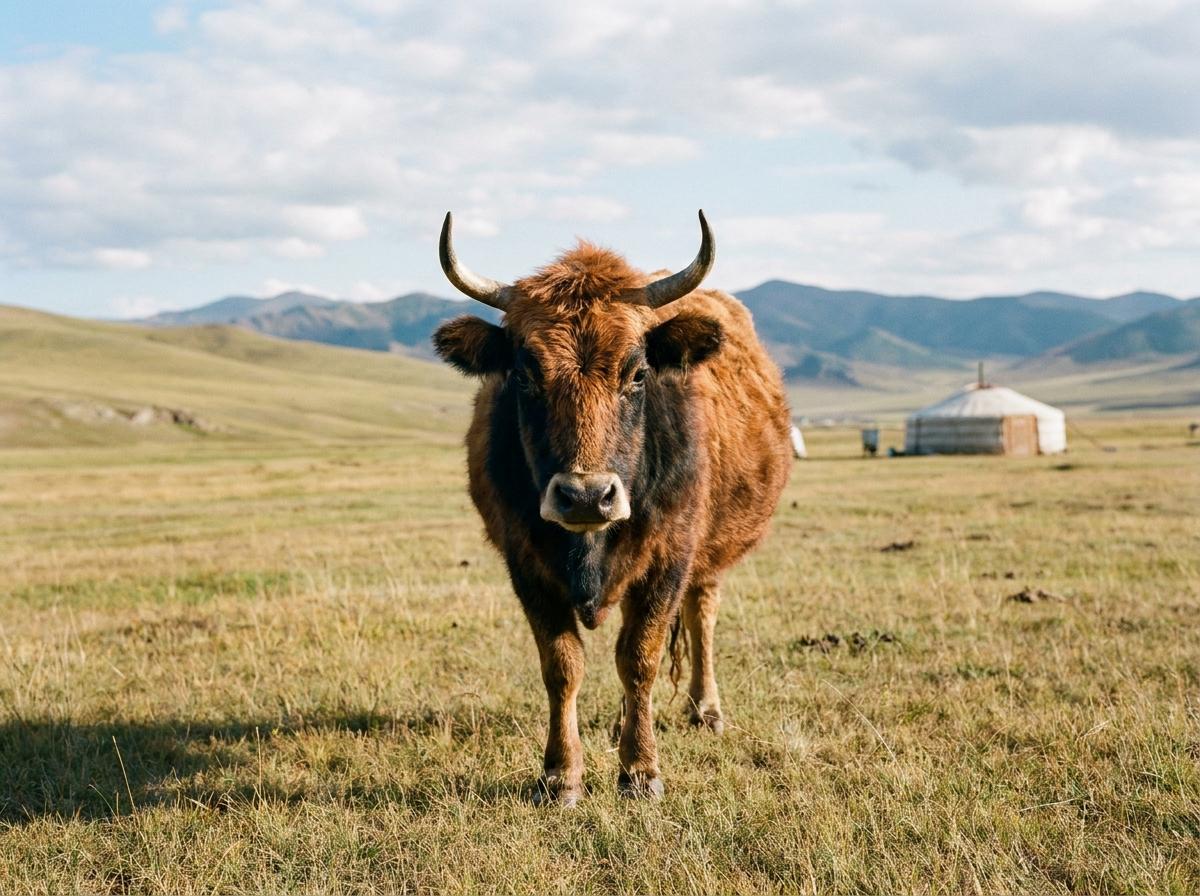
Mongolian
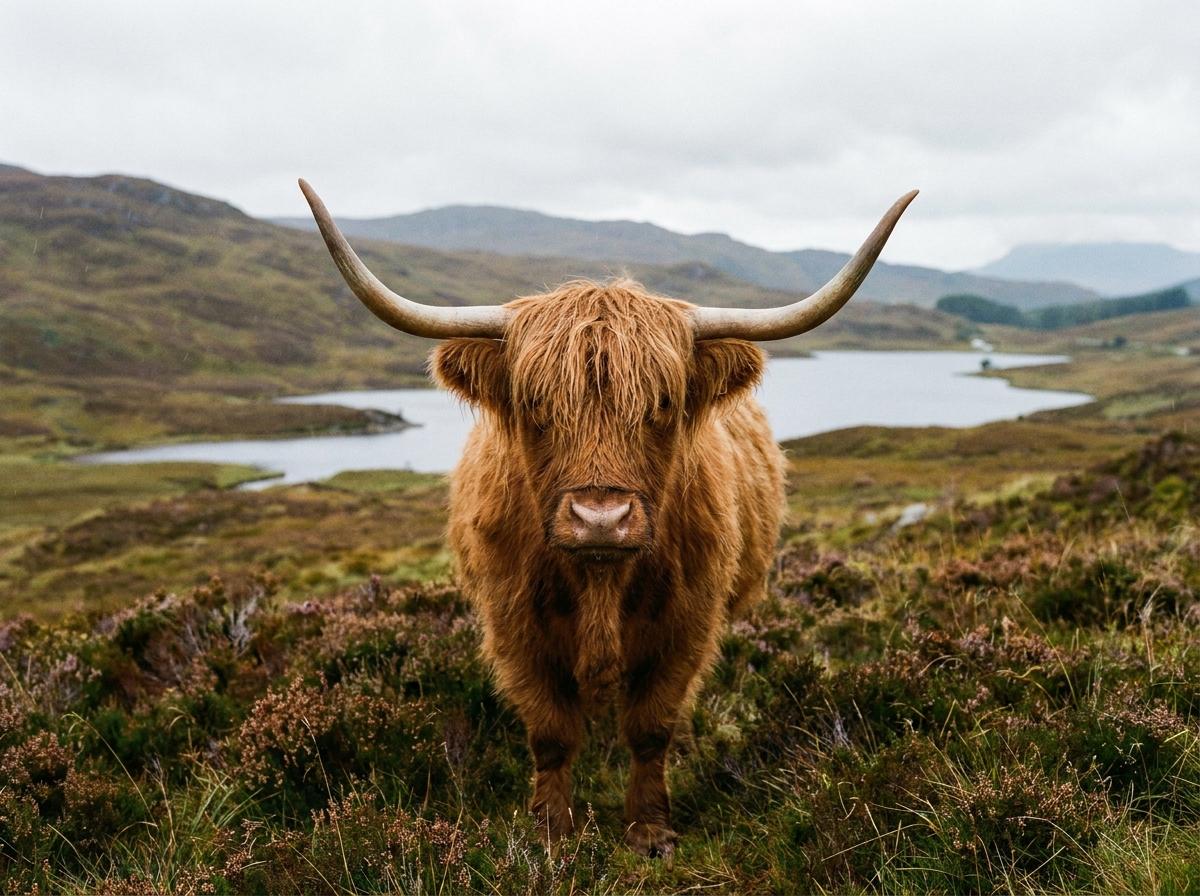
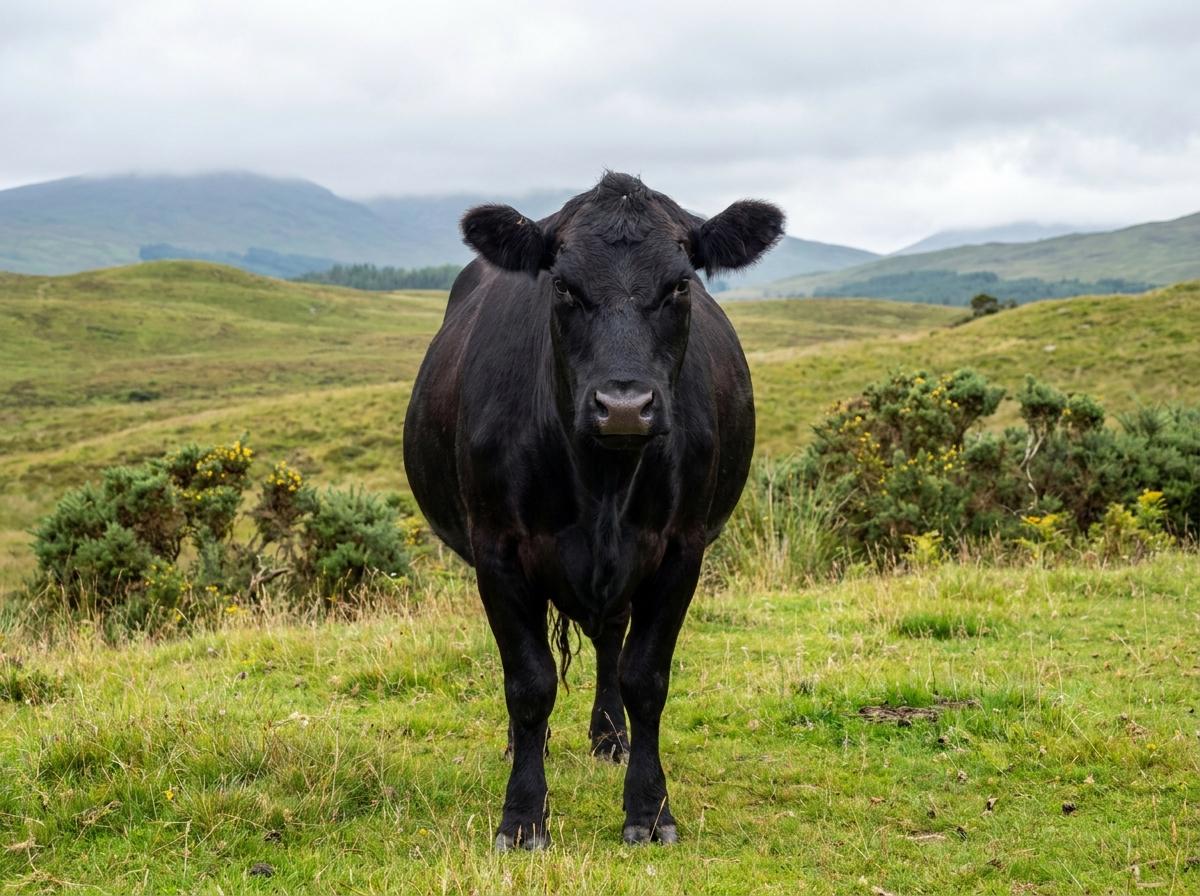
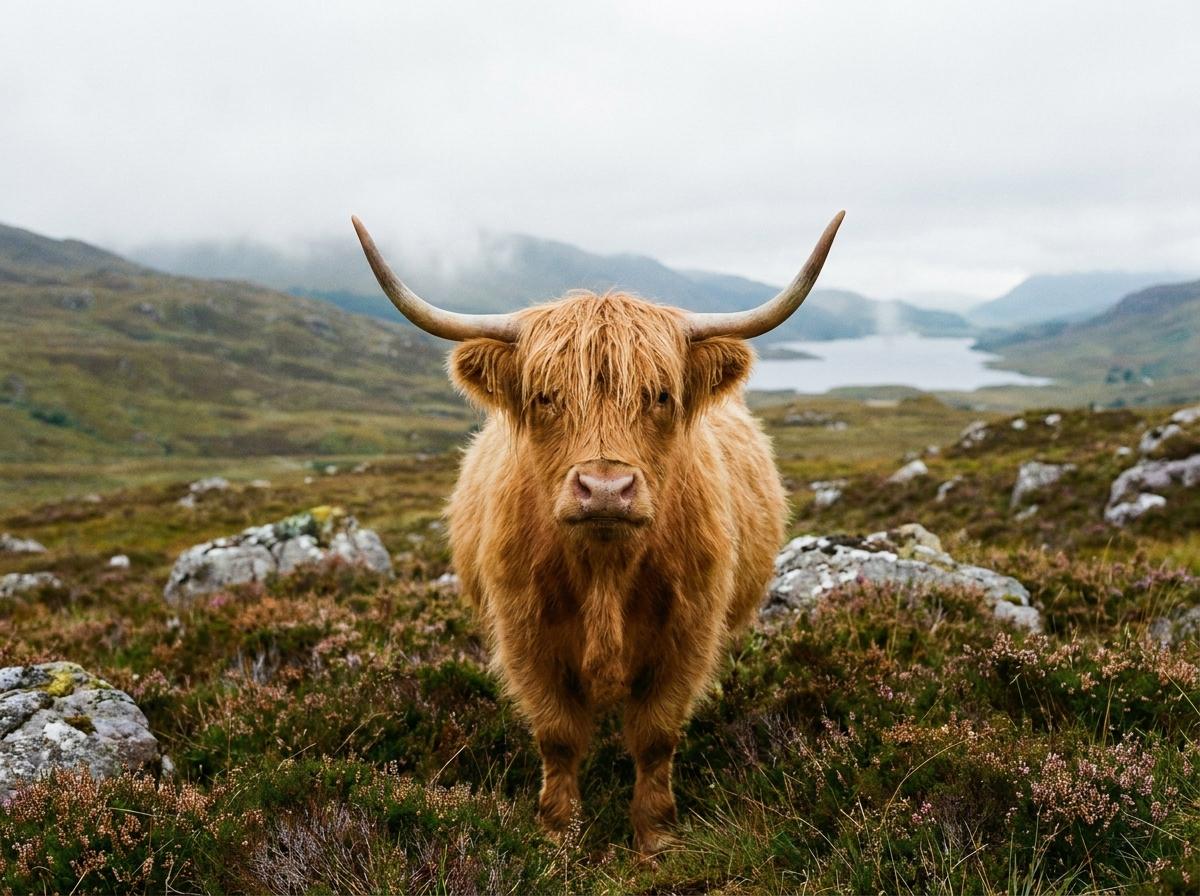
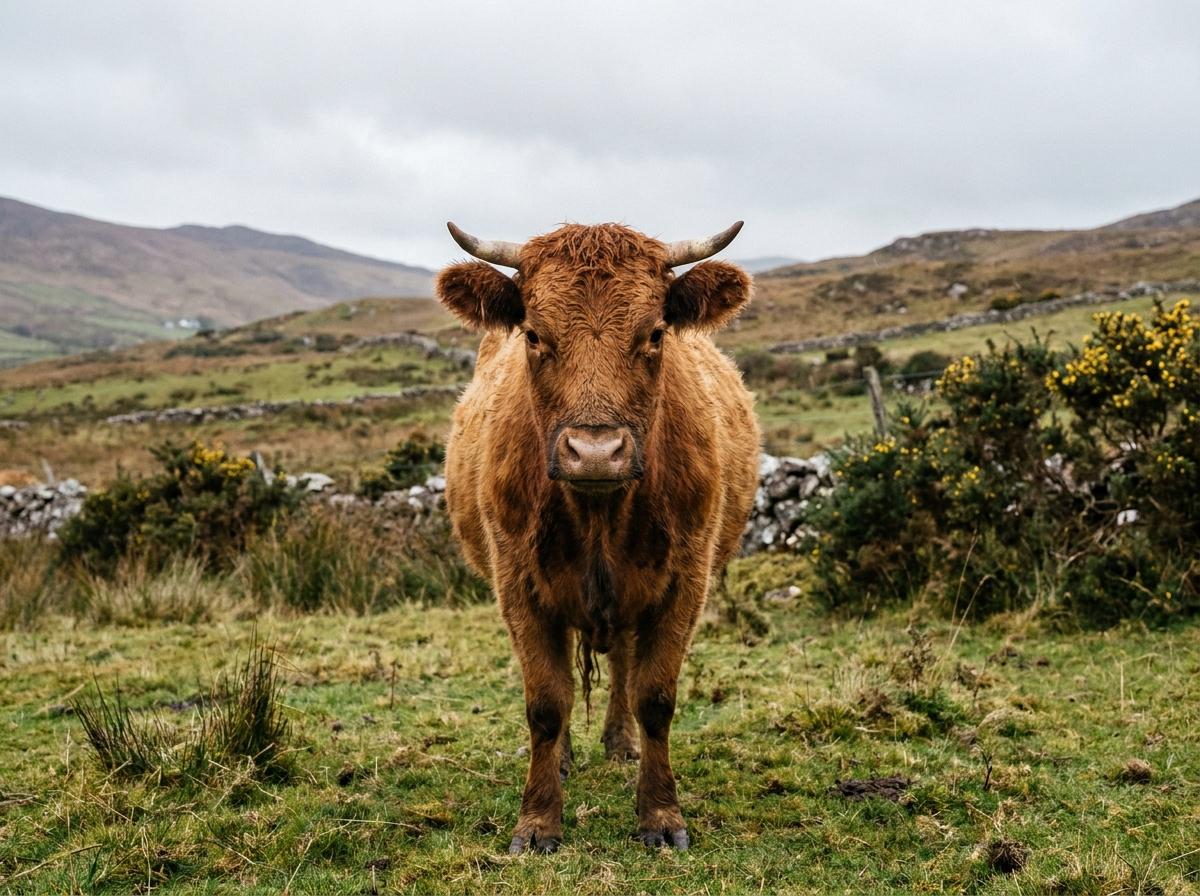
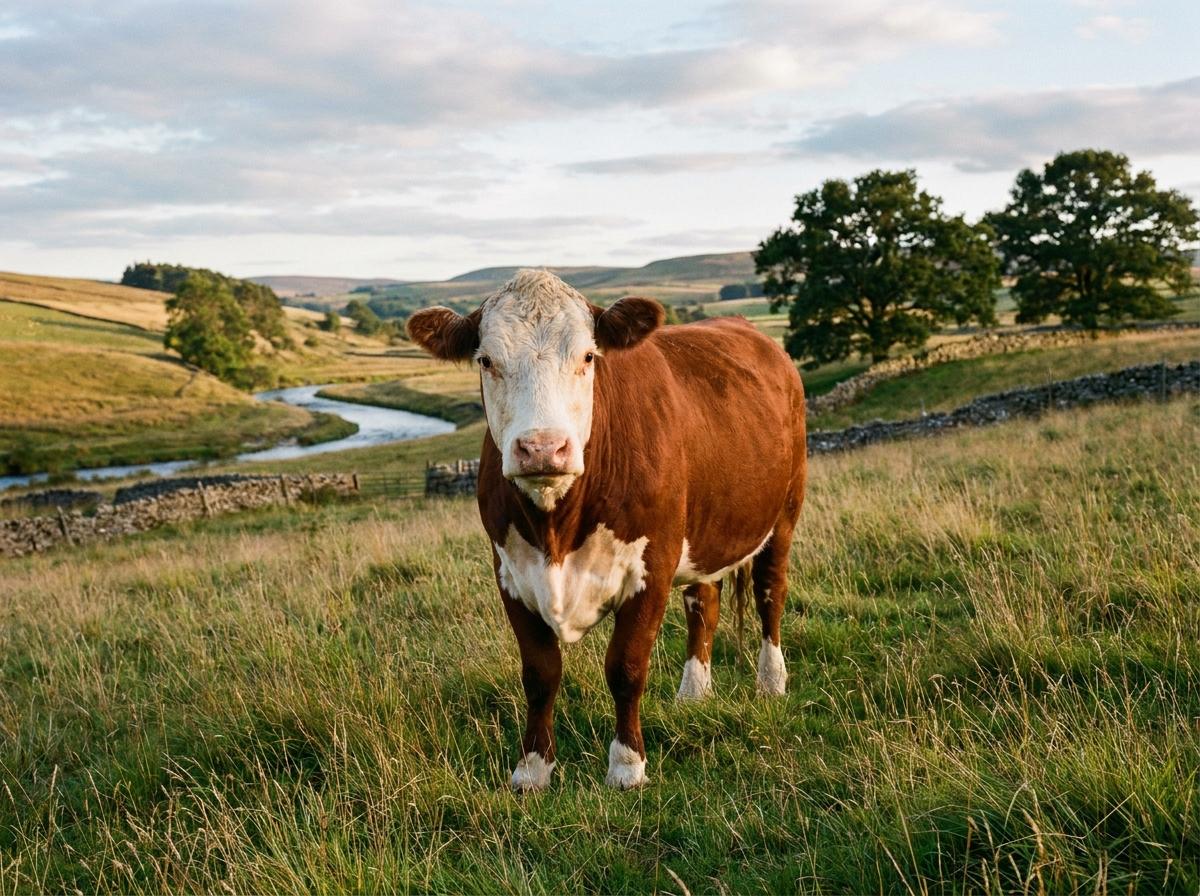
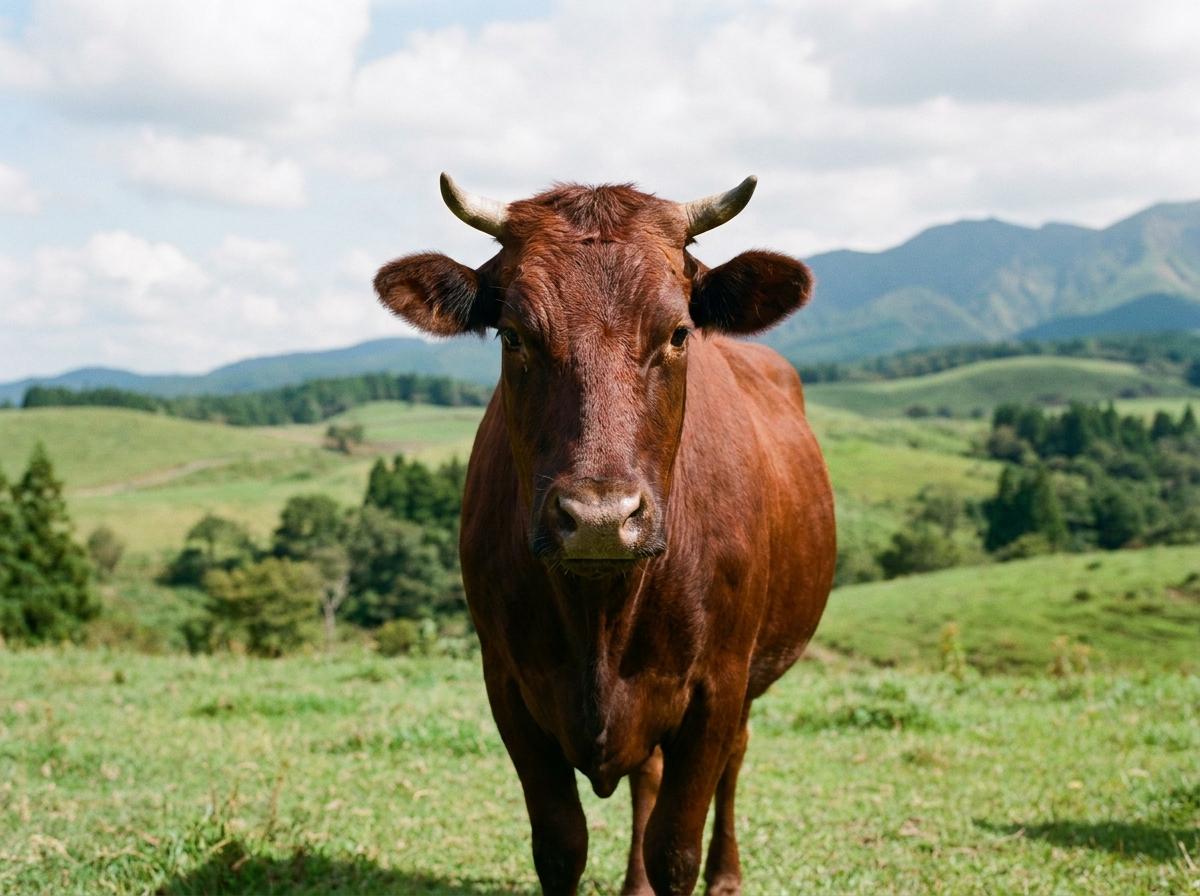
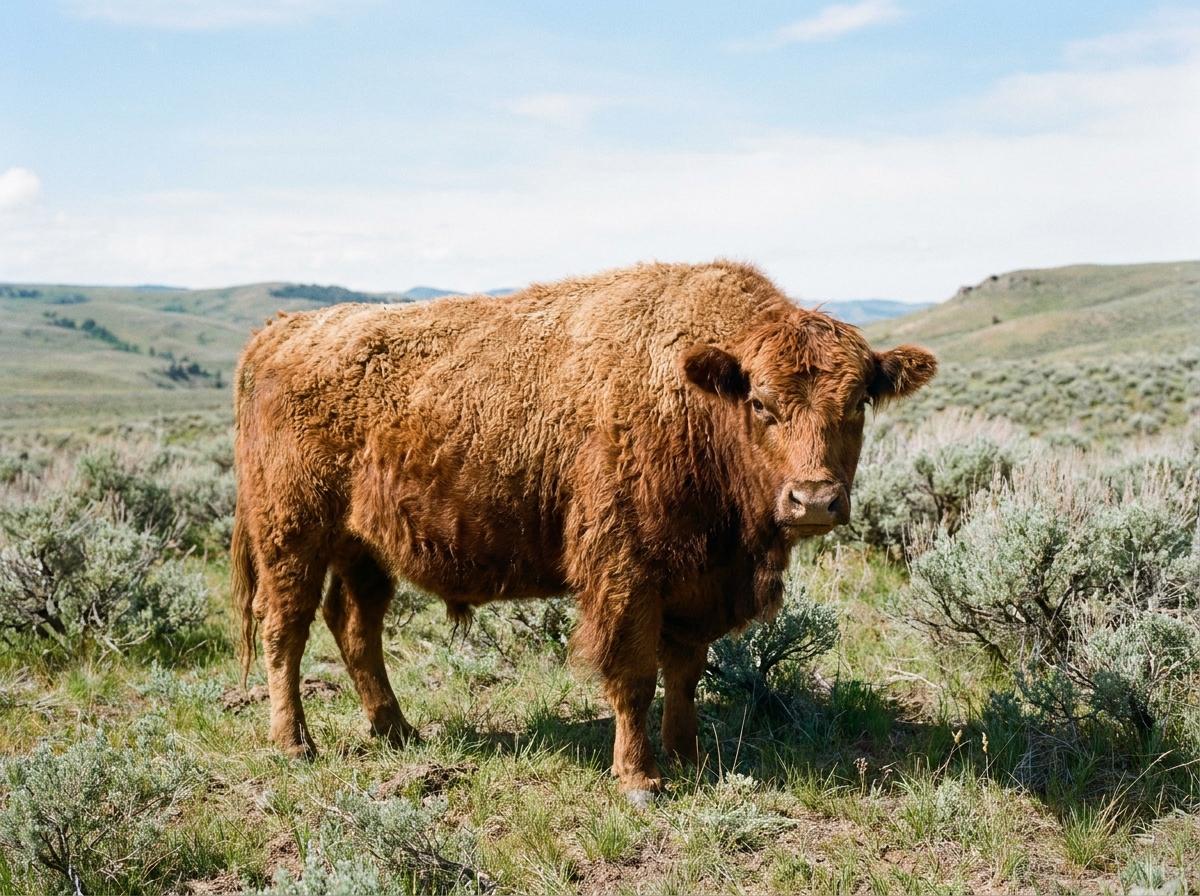
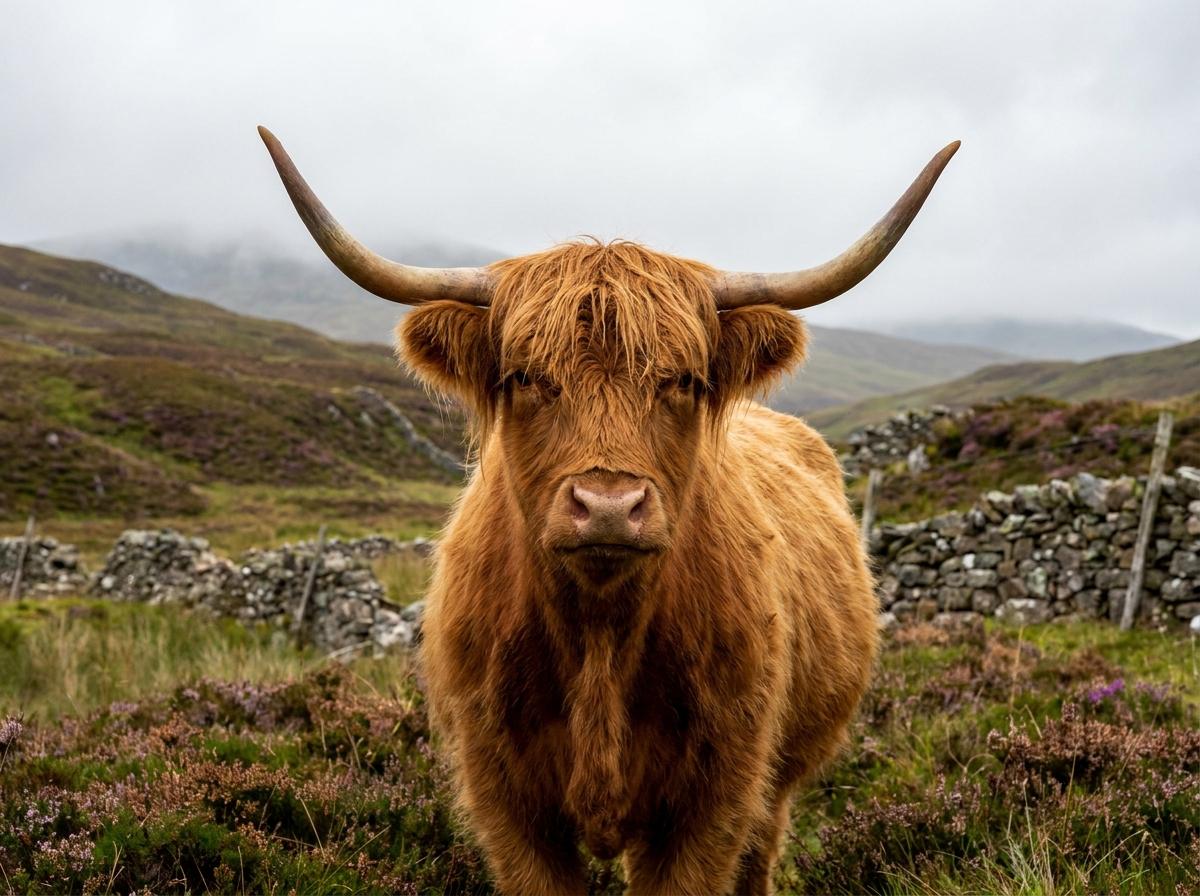
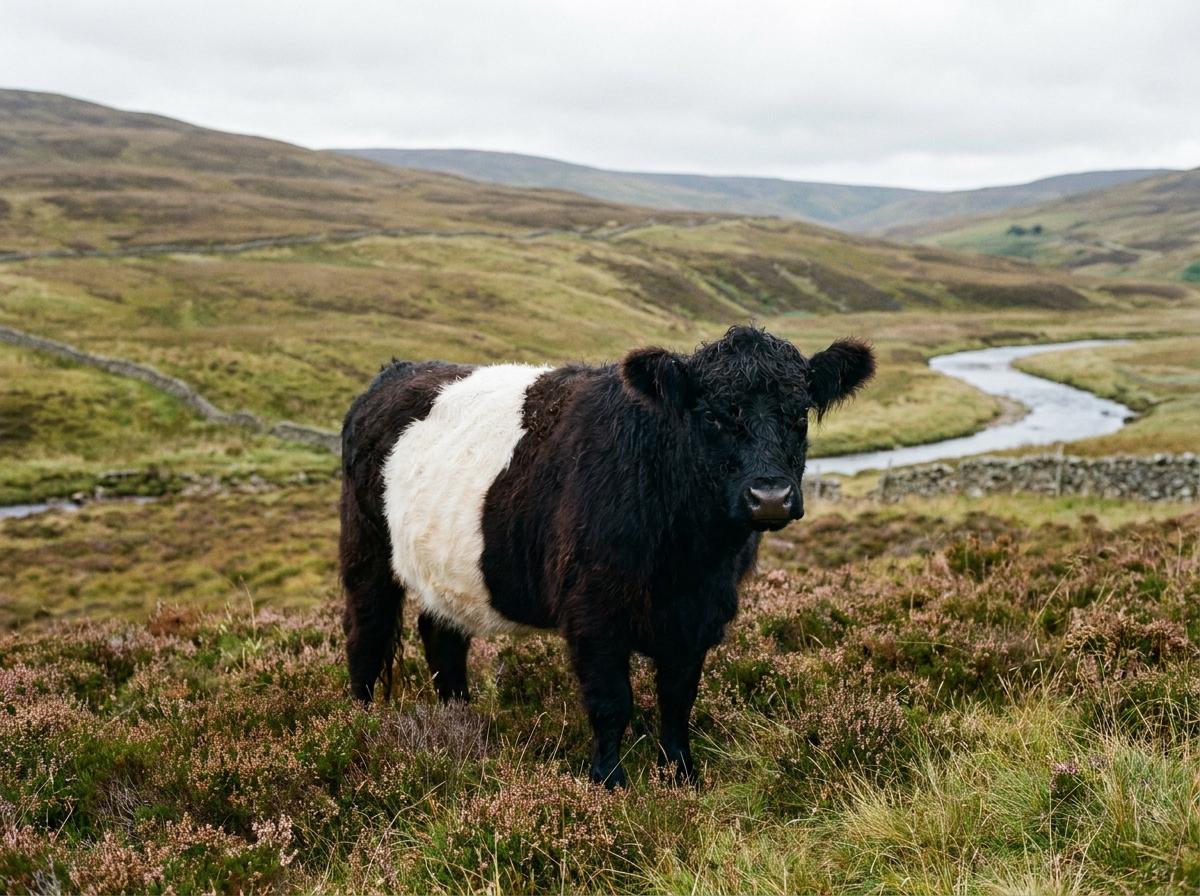
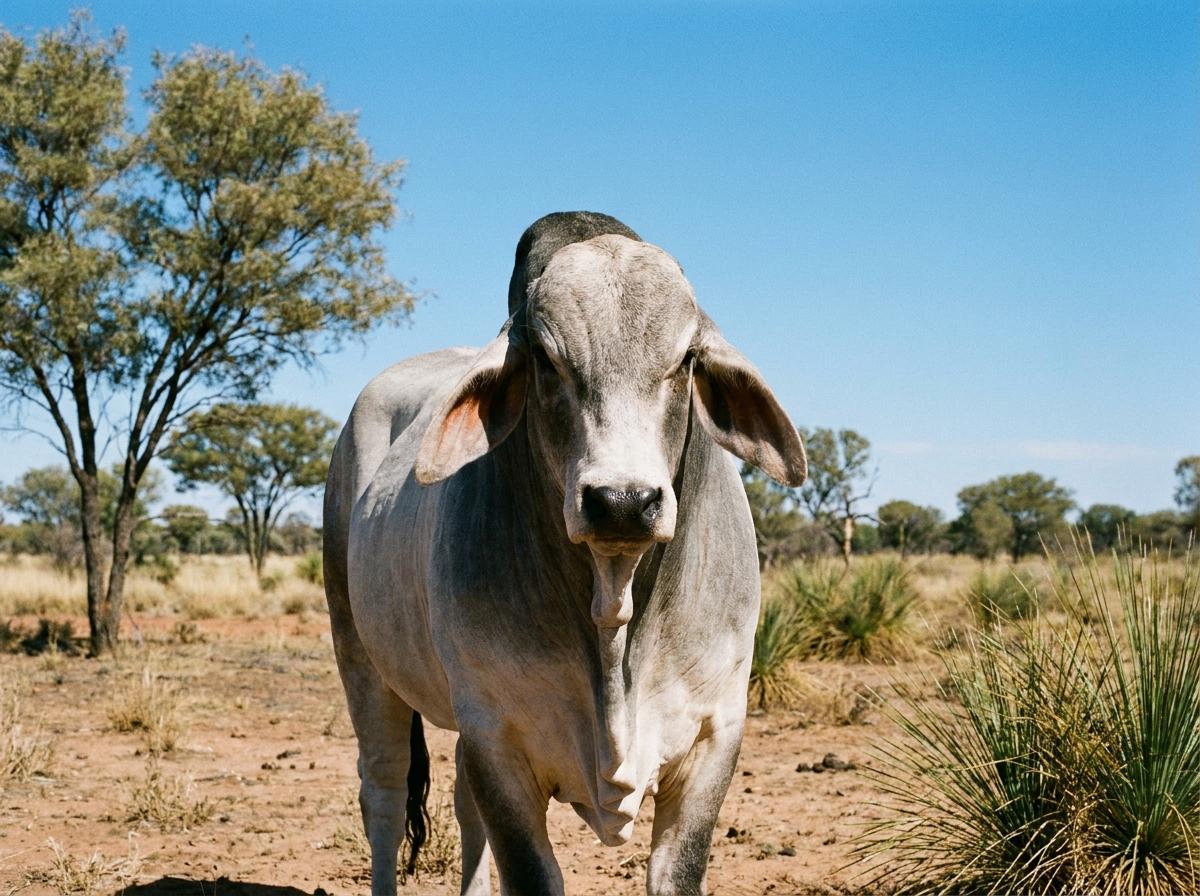
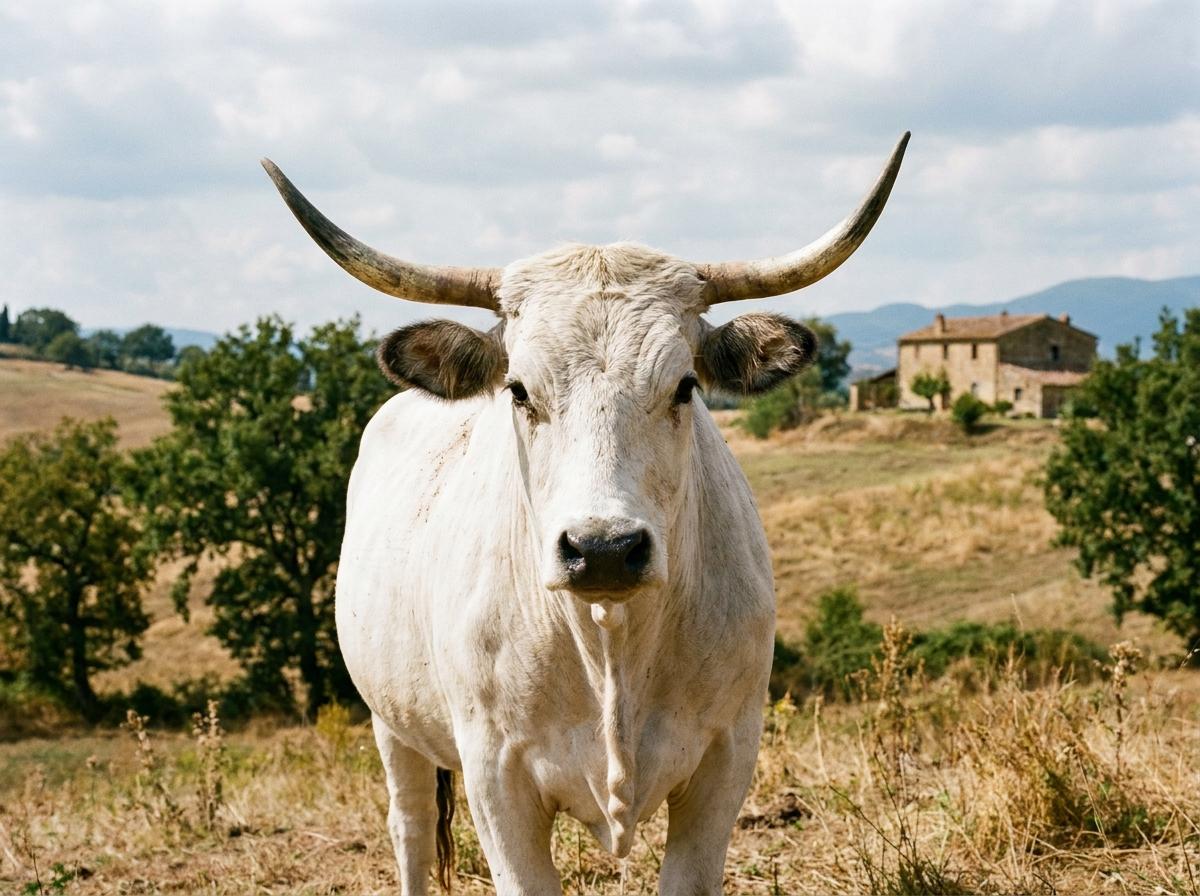
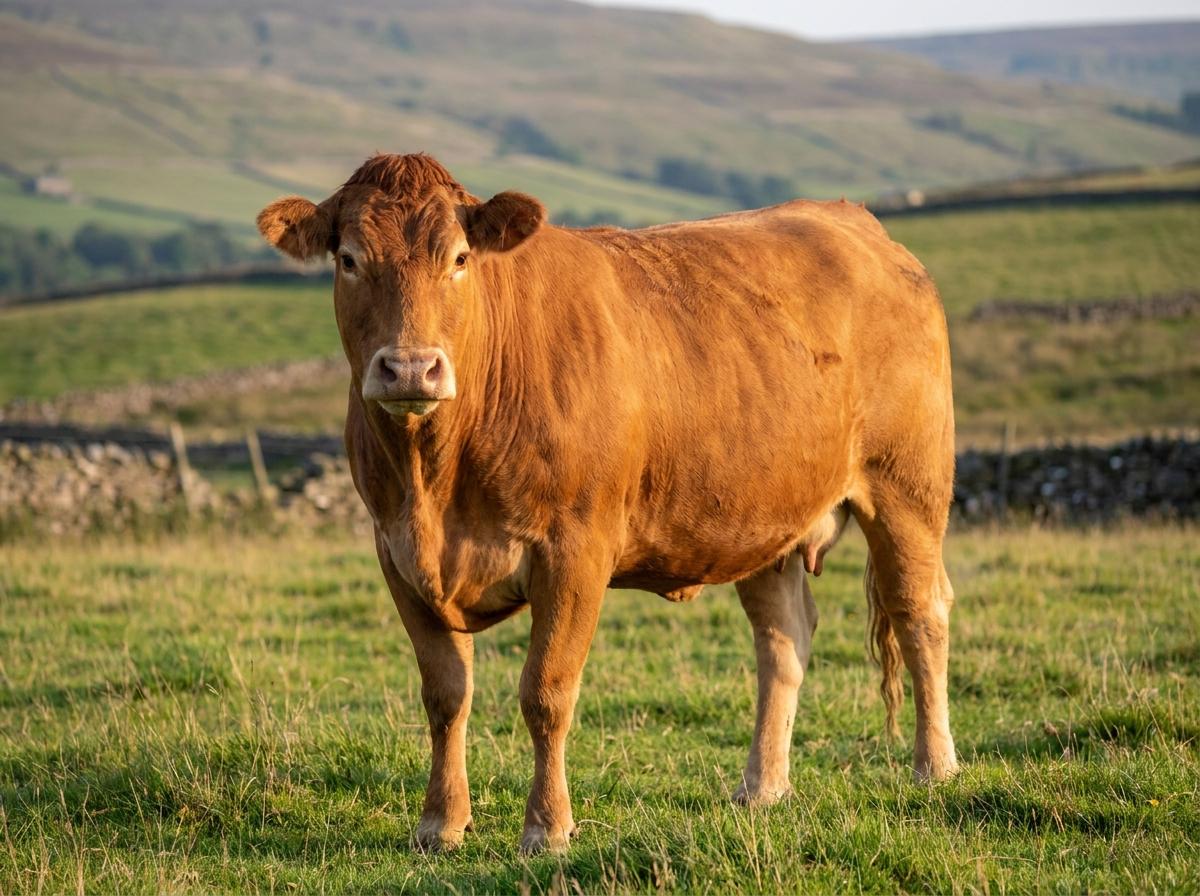
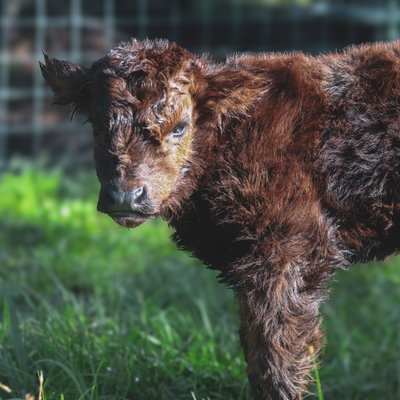
Mongolian cattle are the native cattle of Mongolia's steppe and forest-steppe pastoral systems. They are small to medium-sized taurine cattle, often with mixed colors, strong legs, a dense winter coat, and the ability to maintain themselves through severe cold, summer heat, and long seasonal movements. Herds have been shaped less by formal show standards than by nomadic selection for survival, fertility, milk for household use, meat, hides, and the ability to graze sparse native pasture. In some regions they are kept alongside yaks or crossed with them, but Mongolian cattle are domestic cattle in their own right.
Management is usually extensive and seasonal. Families move herds to follow grass and water, make hay where possible, and may provide emergency feed during dzud winters when ice or deep snow blocks grazing. The breed's value lies in adaptation, so crossbreeding with larger dairy or beef cattle can improve production only when feed, shelter, and veterinary support are also improved. Conservation programs and researchers track these cattle as genetic resources for cold tolerance and low-input pastoralism. Anyone keeping them outside their home range should plan for sturdy handling, mineral supplementation, parasite control, and enough space for active grazing.
Colors: Belted, Black, Black and White, Blaze Faced, Blue Roan, Brindle, Brockle Faced, Brown, Brown and White, Dun, Gray, Grey, Highbelt, Highpark, Lineback, Mottled, Pied, Red, Red and White, Red Roan, Riggit, Roan, Silver, Solid Black, Solid Red, Solid White, Speckled, Spotted, White, White Faced, Yellow