

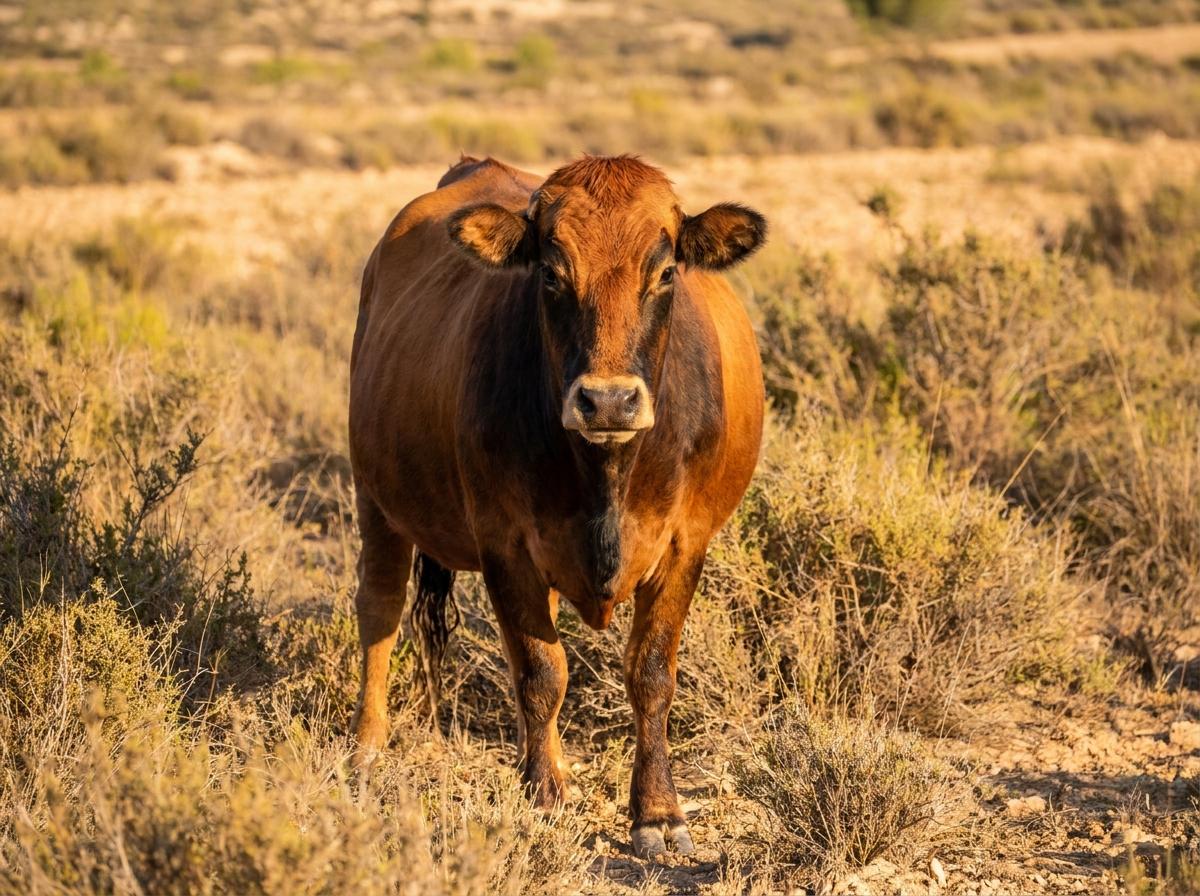
Murciana-Levantina
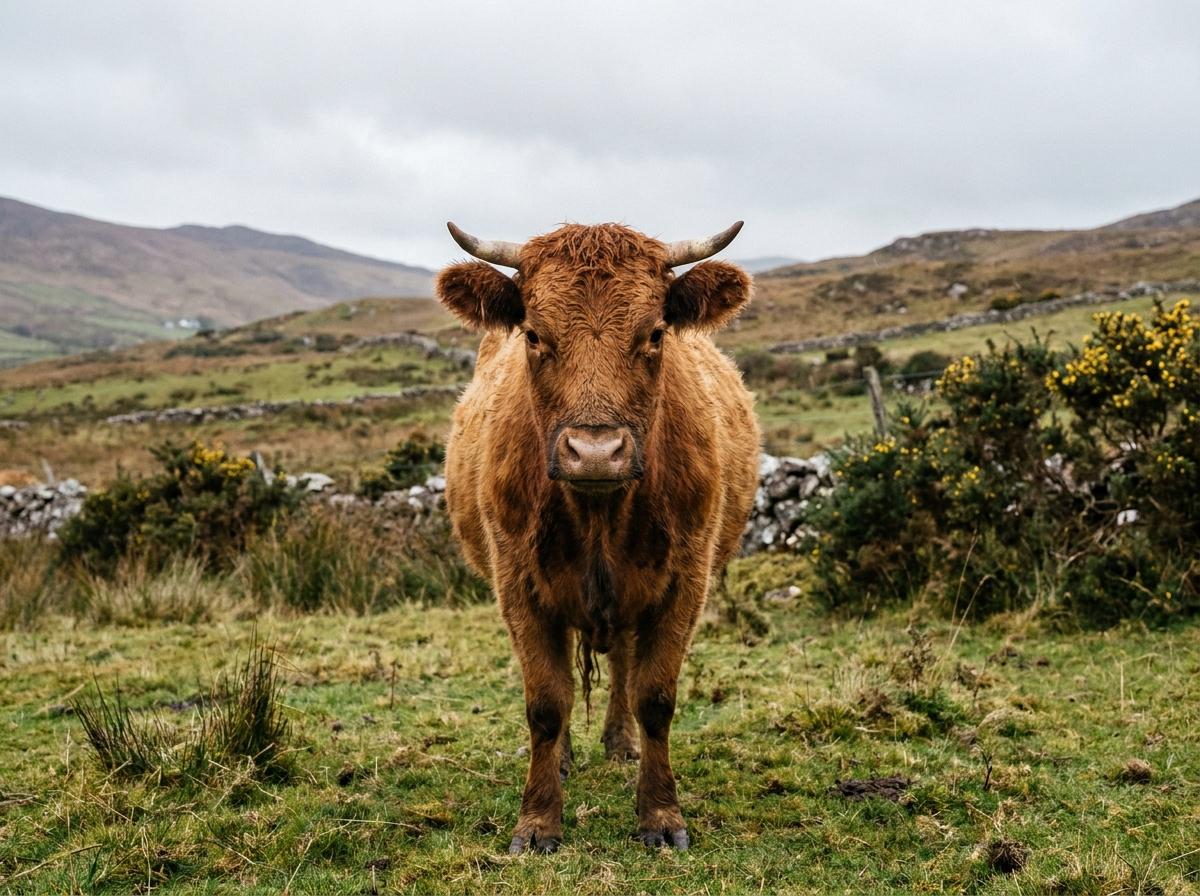
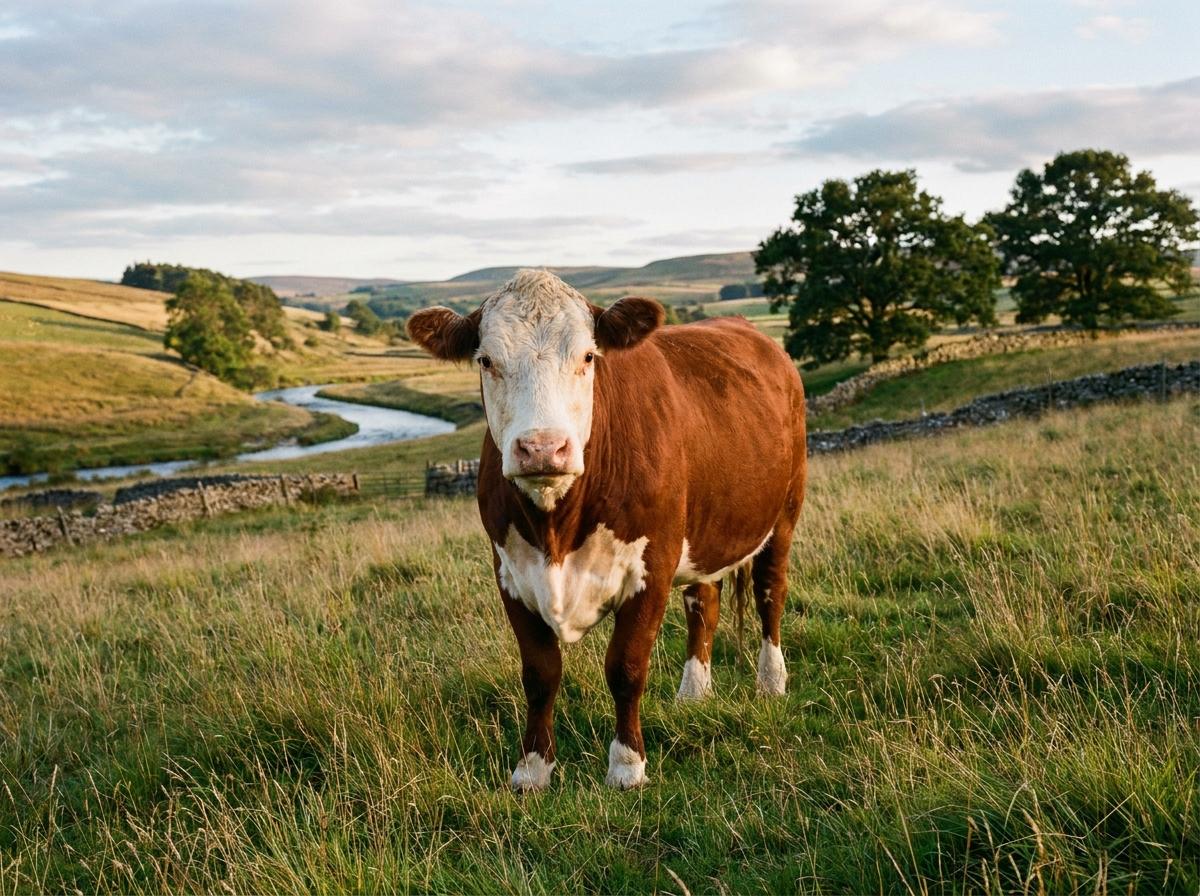
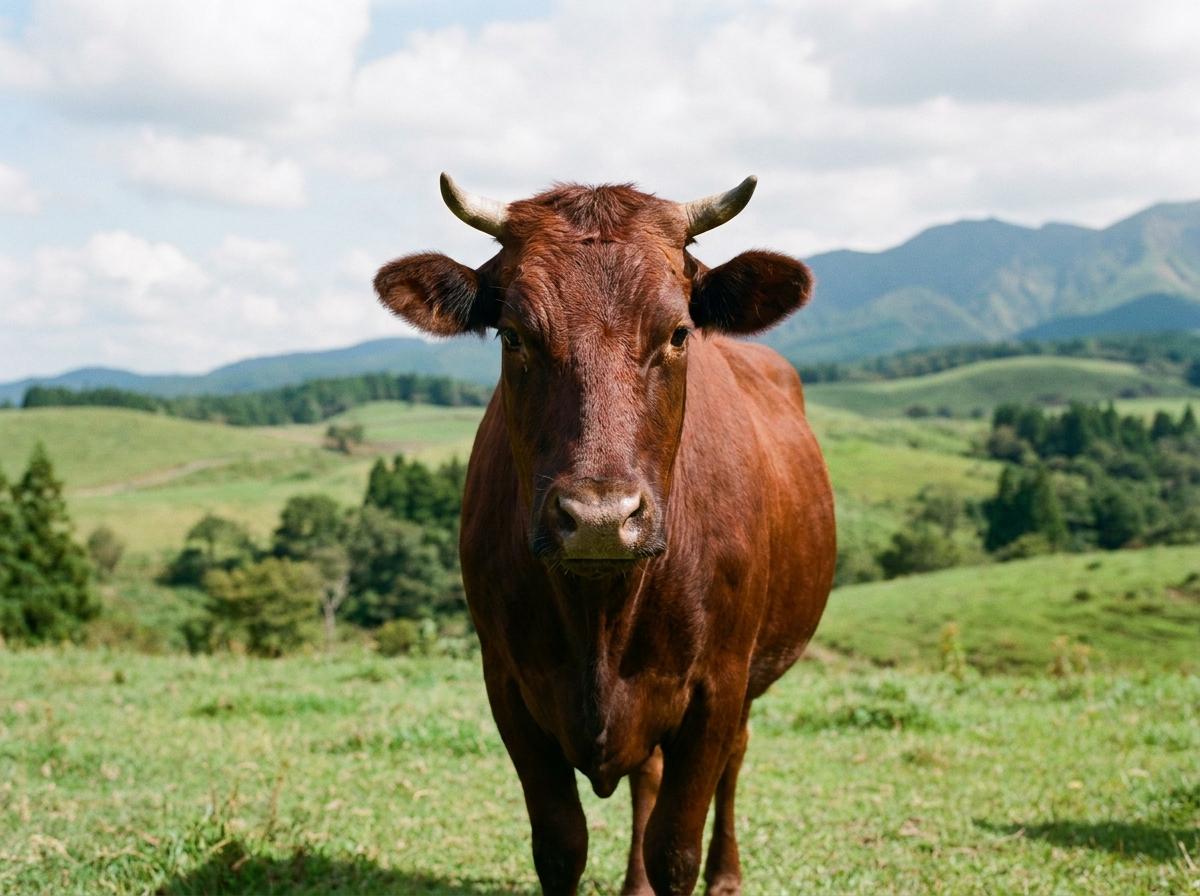
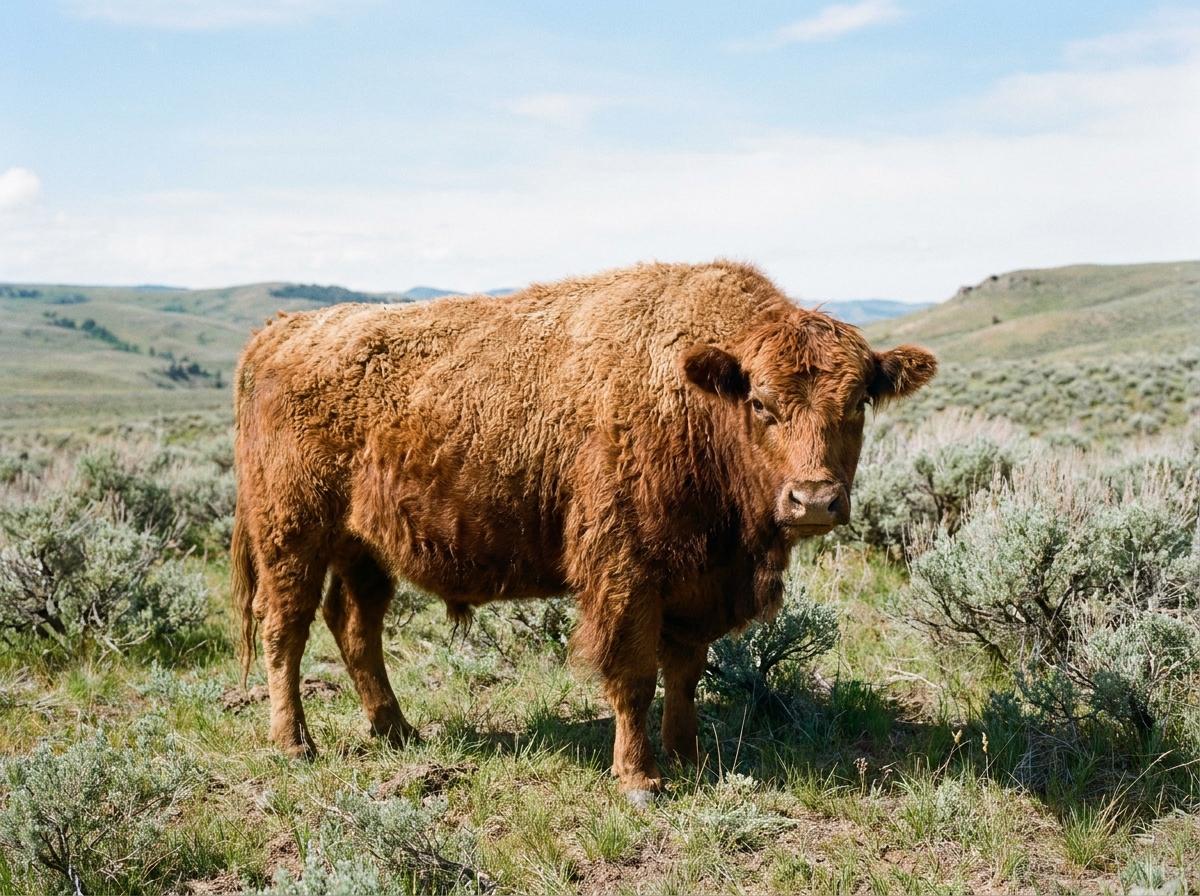
Murciana-Levantina cattle are a traditional Spanish cattle breed from Murcia and the Levante, the dry Mediterranean southeast of the Iberian Peninsula. Older accounts describe them as useful, heat-adapted working cattle for orchards, irrigated fields, carts, and small farms, with meat becoming the main purpose as animal draft disappeared. Rather than a widely standardized international breed, Murciana-Levantina is best understood as a regional population shaped by local climate, sparse grazing, and the mixed agriculture of southeastern Spain.
Practical interest in the breed is mainly conservation, local beef production, and preservation of Spanish livestock history. Remaining herds need management suited to hot summers: shade, reliable water, and grazing plans that match drought-prone pasture. Because numbers are limited and documentation can vary, breeding stock should be traced through recognized local conservation programs or breed associations when possible. The breed is unlikely to suit farms seeking maximum milk yield or rapid finishing, but it may be valuable where hardiness, cultural continuity, and low-input cattle management are priorities.
Colors: Belted, Black, Black and White, Blaze Faced, Blue Roan, Brindle, Brockle Faced, Brown, Brown and White, Dun, Gray, Grey, Highbelt, Highpark, Lineback, Mottled, Pied, Red, Red and White, Red Roan, Riggit, Roan, Silver, Solid Black, Solid Red, Solid White, Speckled, Spotted, White, White Faced, Yellow