



Muturu
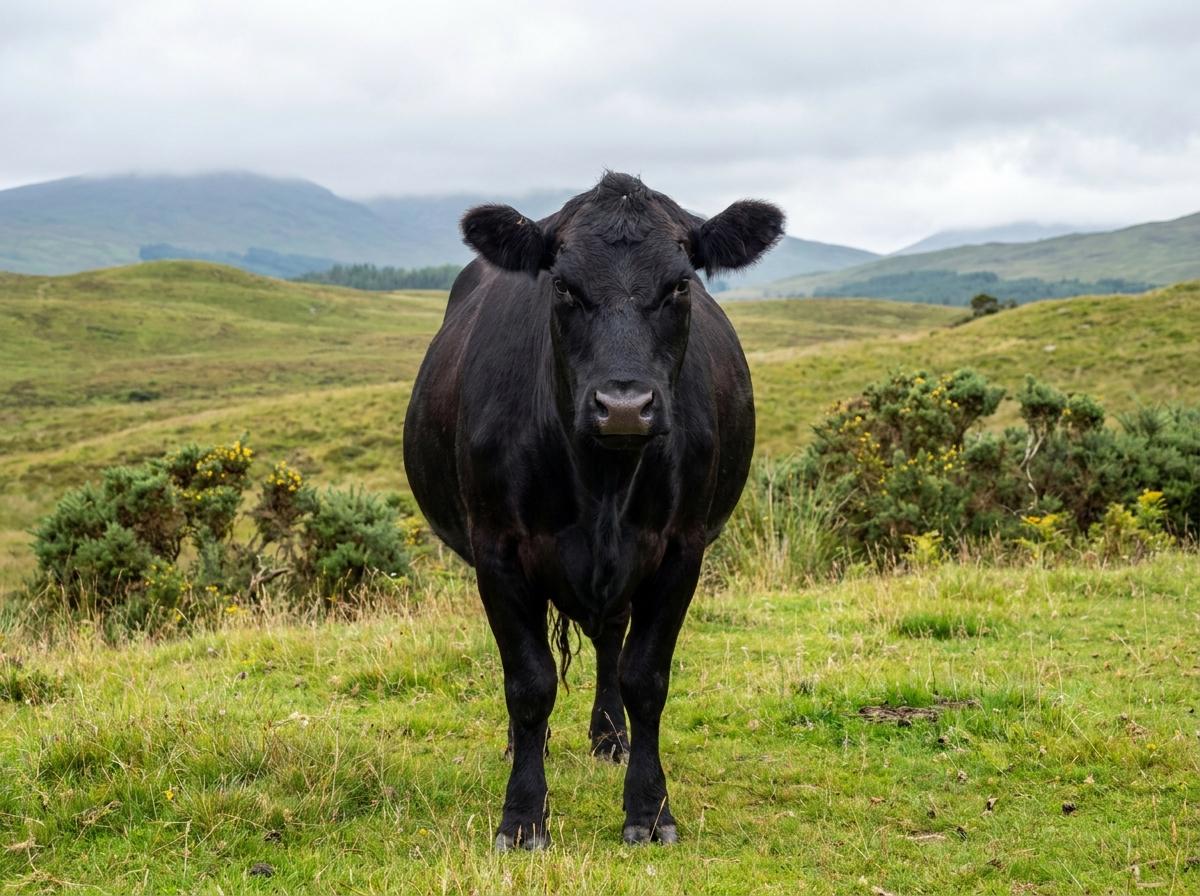
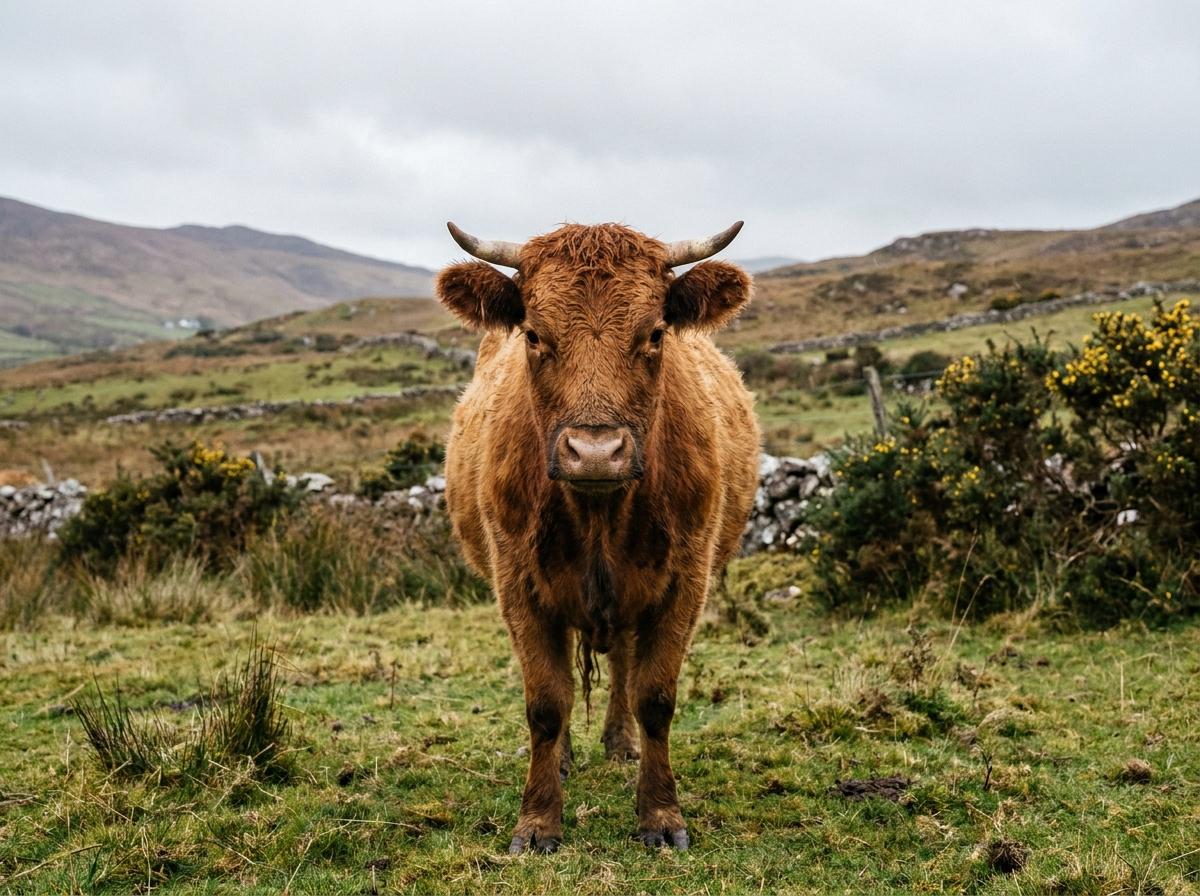
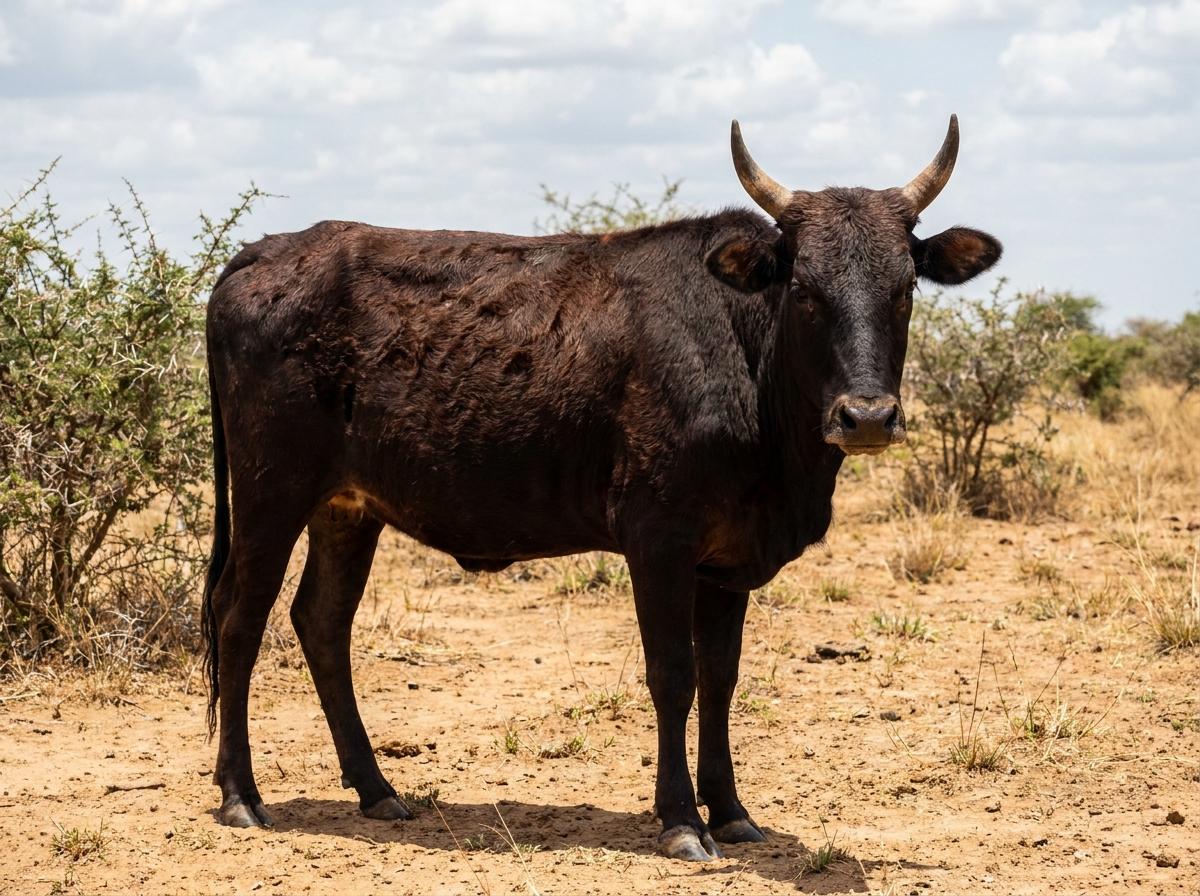
Muturu cattle are a small West African taurine cattle type associated especially with southern Nigeria and neighboring humid forest and derived-savanna zones. They are humpless, compact, often short-legged cattle, with small horns and coats that may be black, brown, red, or pied depending on the local population. Muturu are valued less for high output than for survival where heat, humidity, parasites, and tsetse challenge make many larger cattle difficult to keep. Their trypanotolerance and adaptation to low-input village systems make them an important genetic resource as well as a source of meat, manure, and cultural value.
Management is usually smallholder based, with grazing, browsing, tethering, or night housing used according to village practice and crop pressure. Even hardy Muturu cattle benefit from tick control, clean water, dry resting places, and better feed for cows raising calves. Milk yield is typically modest, and growth is slower than in larger zebu or European beef breeds, so expectations should match the breed's size. Conservation is a real concern because indiscriminate crossbreeding can reduce the pure population; breeding plans that keep adapted family lines are useful in regions where disease pressure remains high.
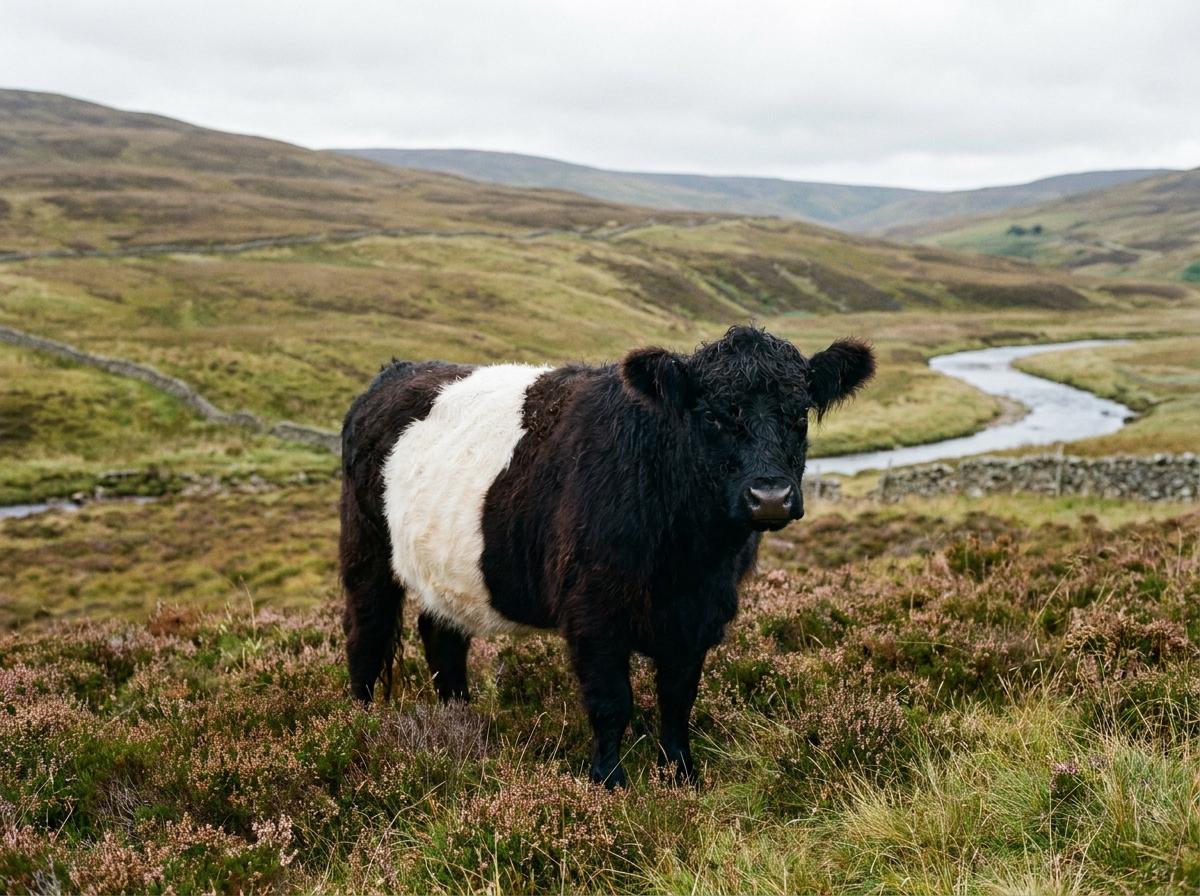
Colors: Belted, Black, Black and White, Blaze Faced, Blue Roan, Brindle, Brockle Faced, Brown, Brown and White, Dun, Gray, Grey, Highbelt, Highpark, Lineback, Mottled, Pied, Red, Red and White, Red Roan, Riggit, Roan, Silver, Solid Black, Solid Red, Solid White, Speckled, Spotted, White, White Faced, Yellow