N'dama
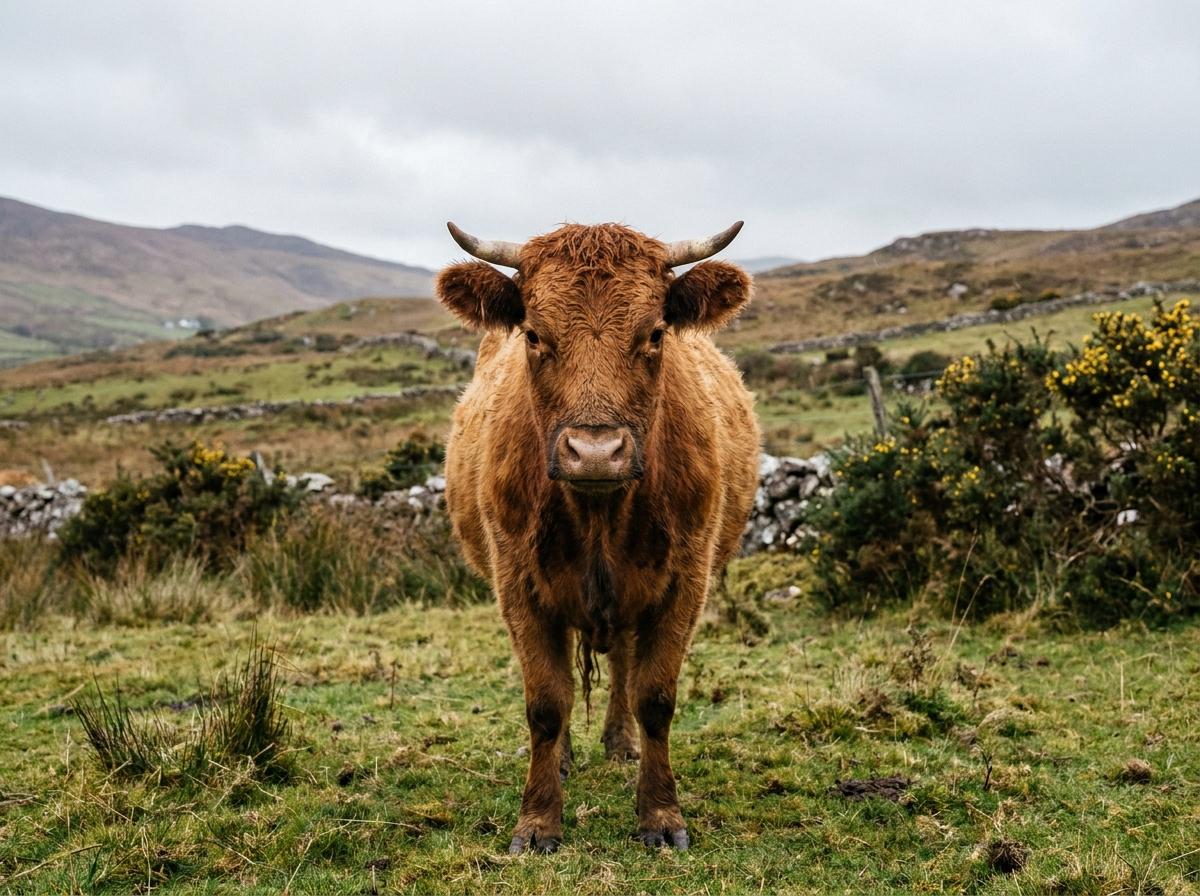
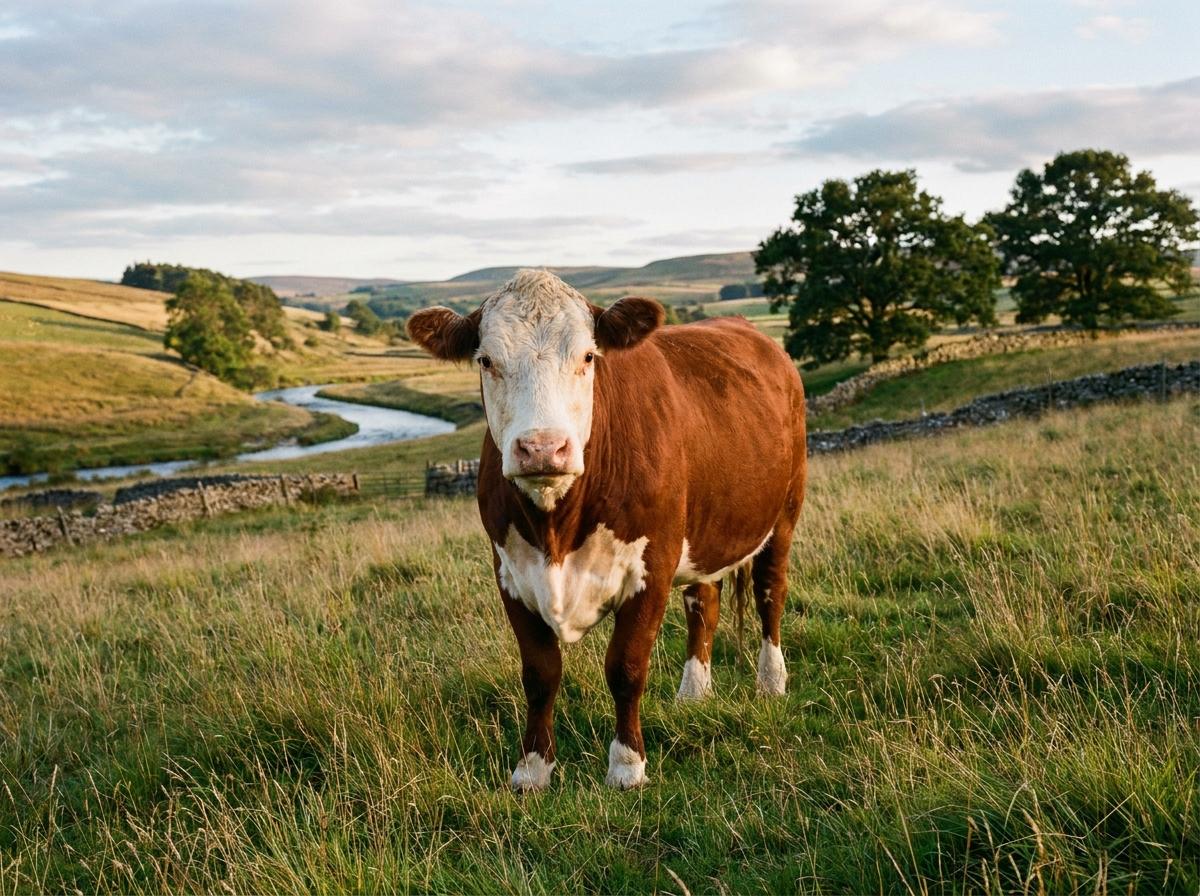
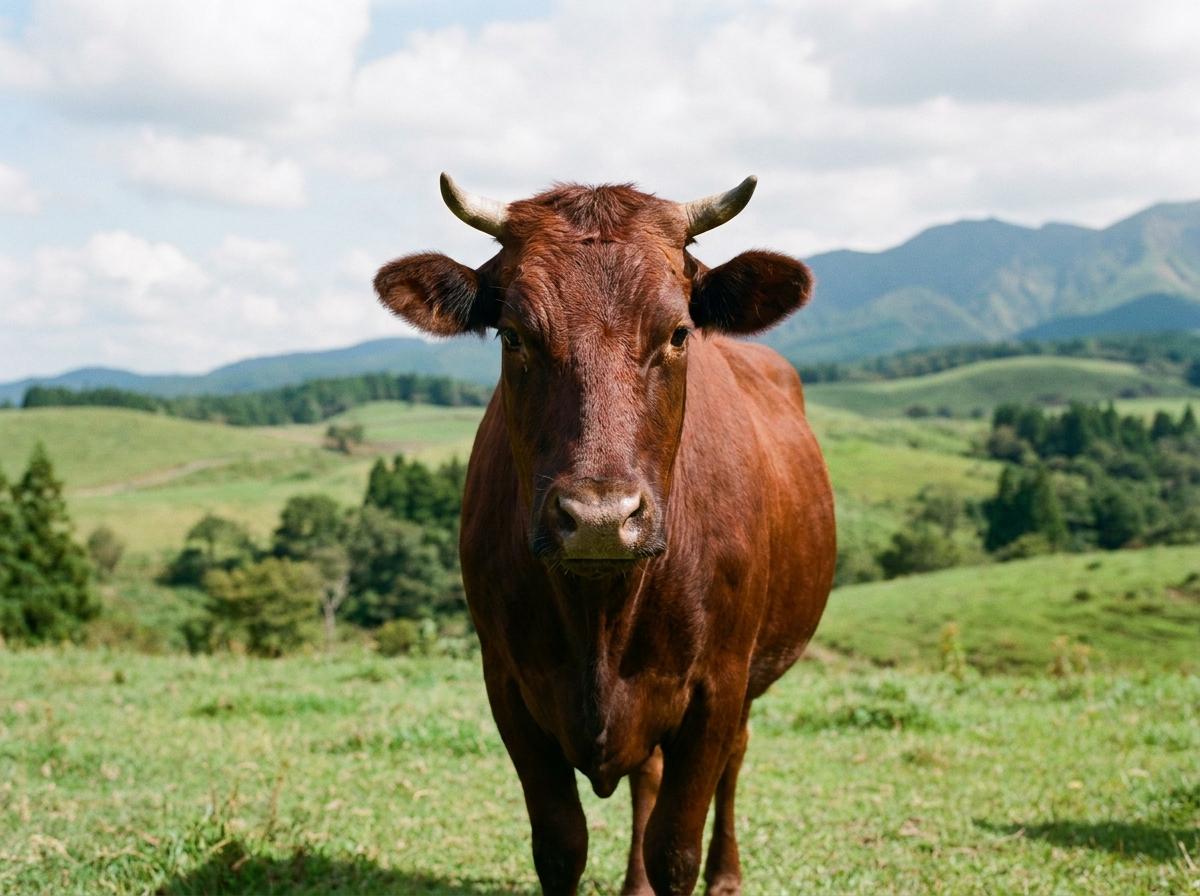
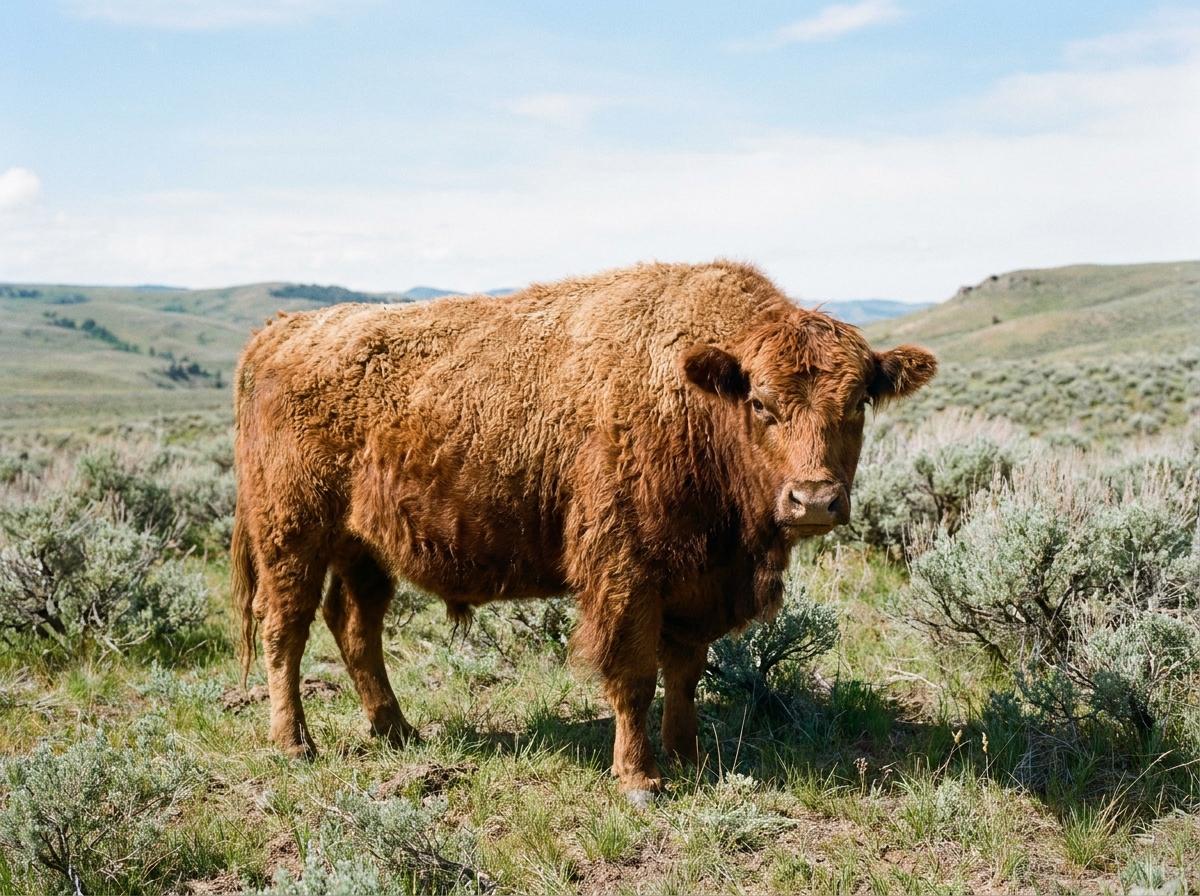
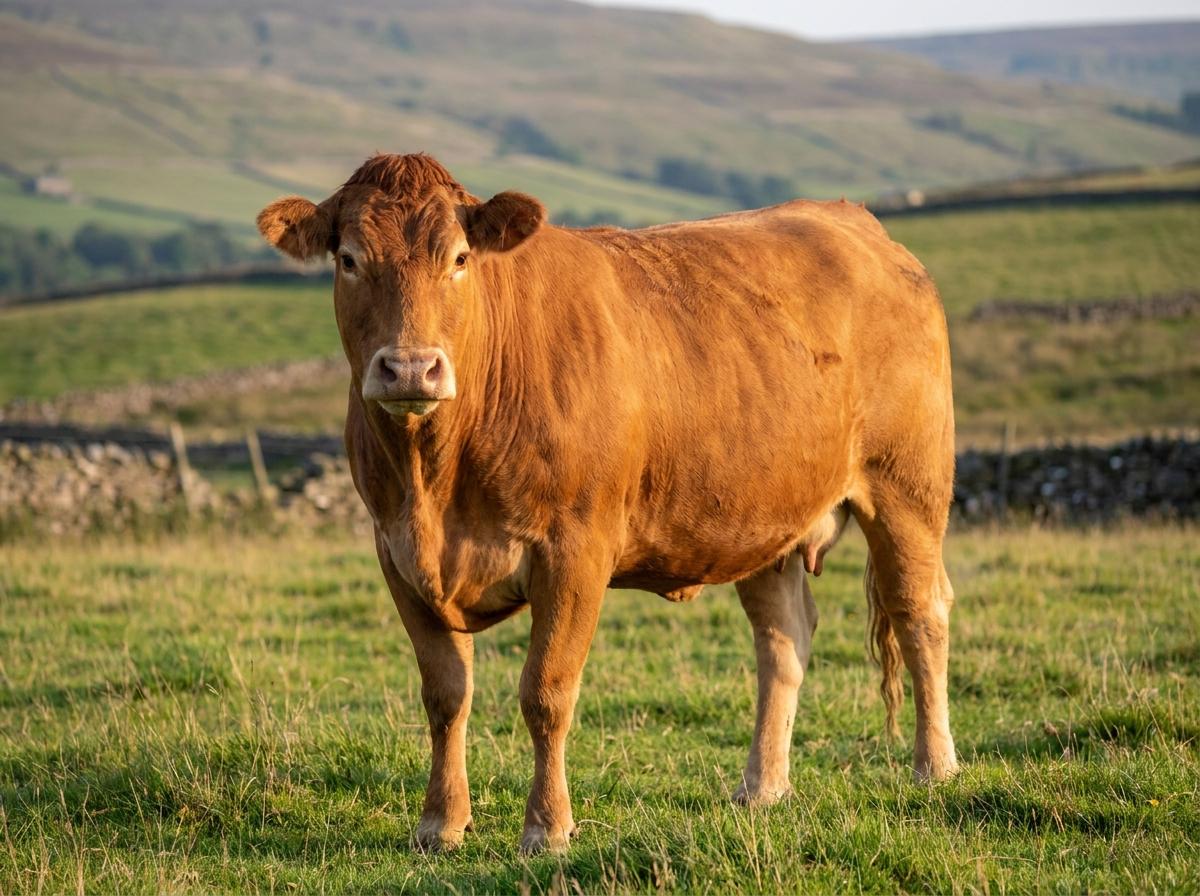
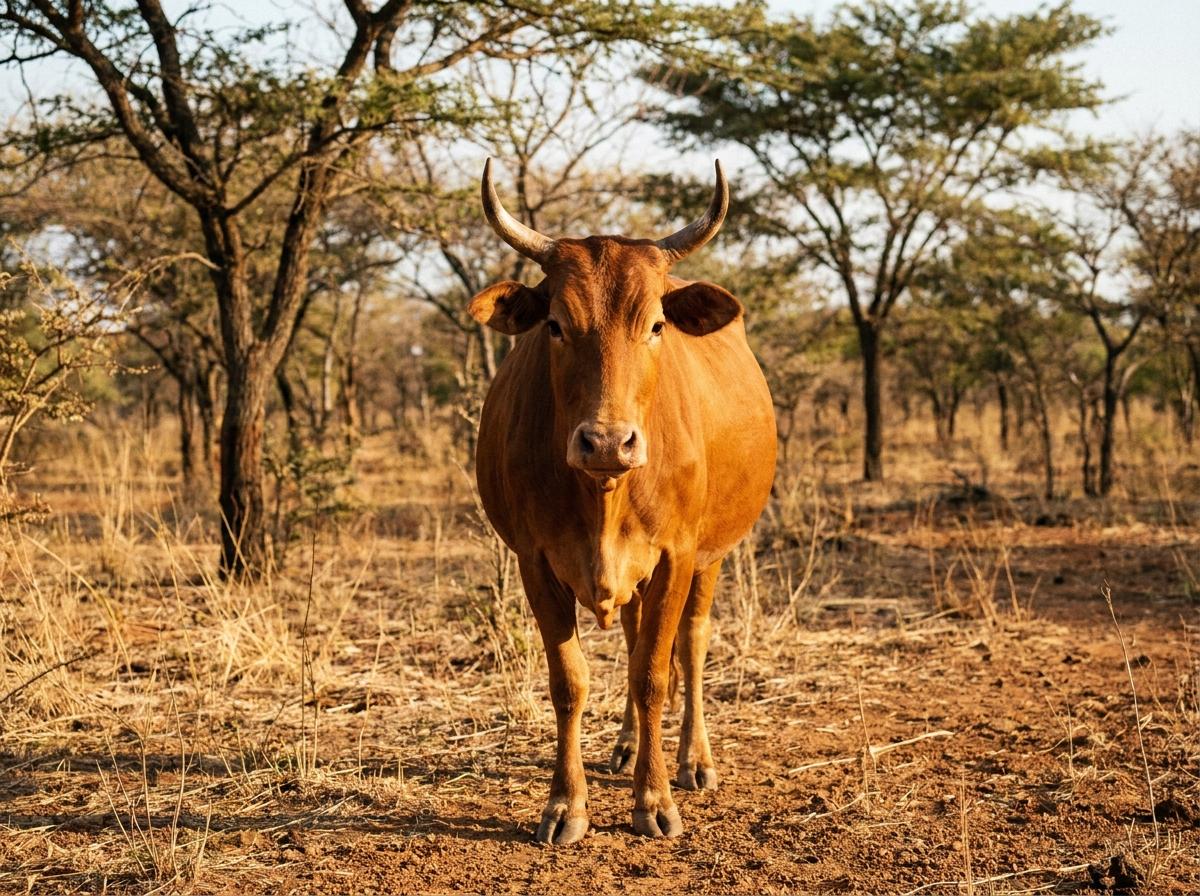
N'dama cattle are a West African taurine breed that originated in the Fouta Djallon highlands of Guinea and spread through countries such as Senegal, The Gambia, Sierra Leone, Mali, and Côte d'Ivoire. They are humpless, compact cattle, most often fawn, wheaten, red, or light brown, with short horns and a hardy constitution. Their key adaptation is trypanotolerance, which allows them to live and reproduce in tsetse-infested areas where many less-adapted cattle suffer severe disease. N'dama are used mainly for beef, with some milk for household use and draft work in certain production systems.
Farmers and development programs value N'dama cattle because they combine disease tolerance with maternal ability and use of rough tropical forage. They are still not immune to all parasites or poor nutrition, so practical management includes grazing control, water access, vaccination where appropriate, and treatment of sick animals. Growth and milk yield are lower than in many larger imported breeds, which is why crossbreeding is common; pure N'dama lines remain important for maintaining adaptation. Buyers or projects sourcing animals should pay attention to local strain, health status, and whether the goal is purebred conservation or a planned tropical cross.
Colors: Belted, Black, Black and White, Blaze Faced, Blue Roan, Brindle, Brockle Faced, Brown, Brown and White, Dun, Gray, Grey, Highbelt, Highpark, Lineback, Mottled, Pied, Red, Red and White, Red Roan, Riggit, Roan, Silver, Solid Black, Solid Red, Solid White, Speckled, Spotted, White, White Faced, Yellow