

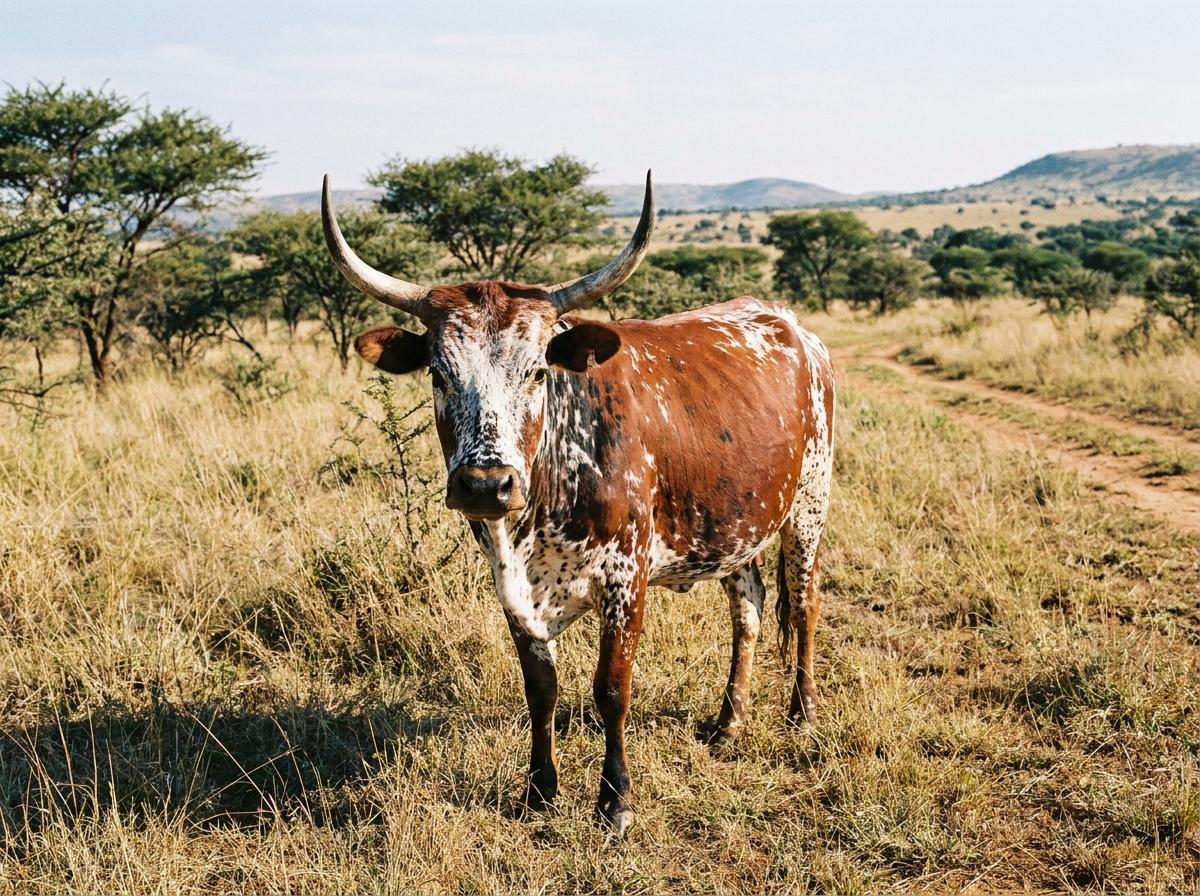
Nguni
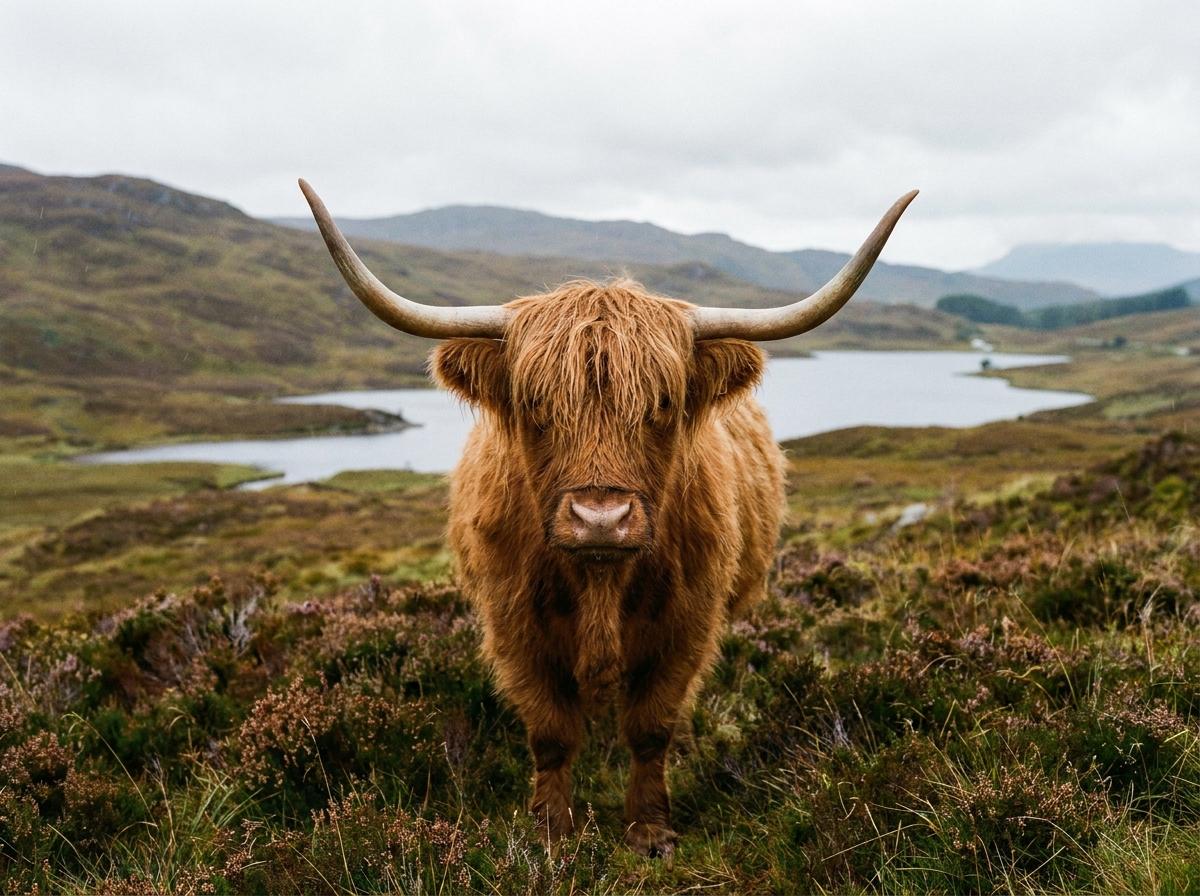
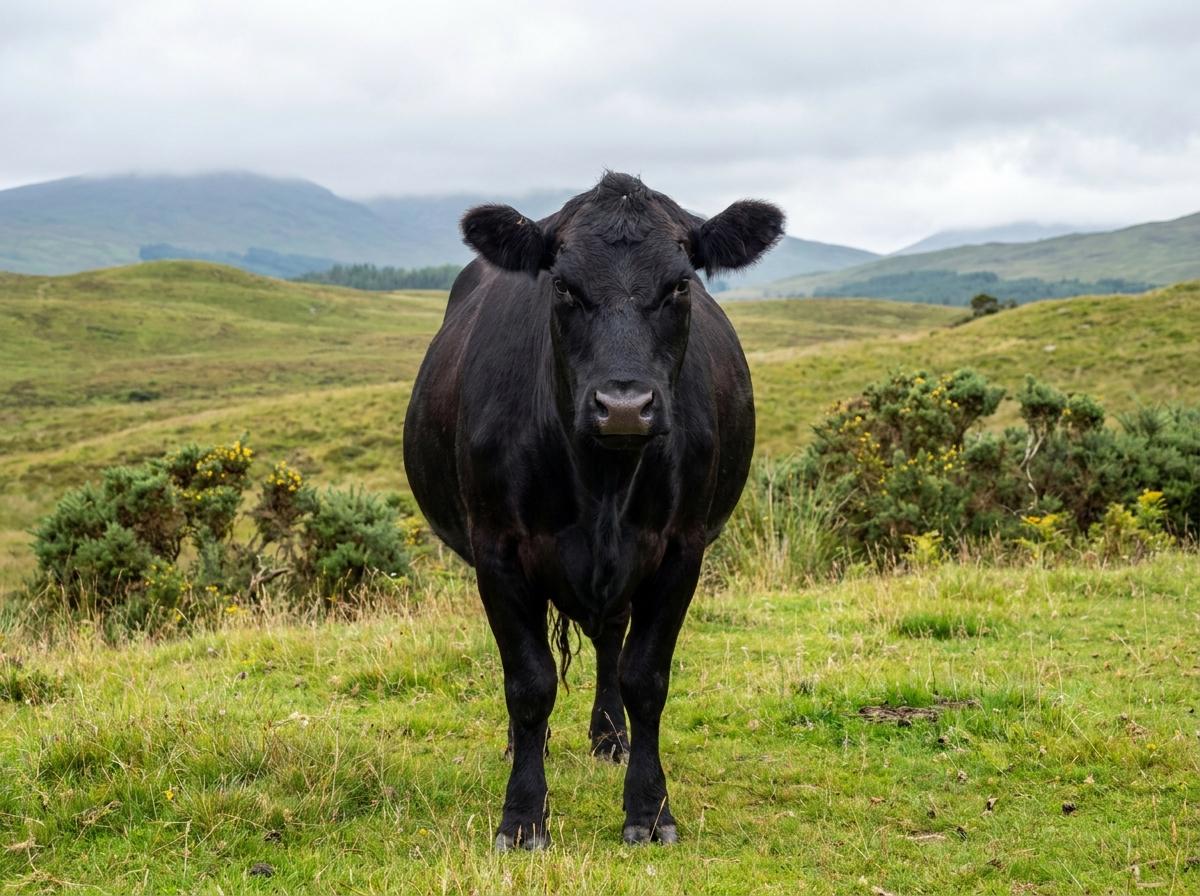
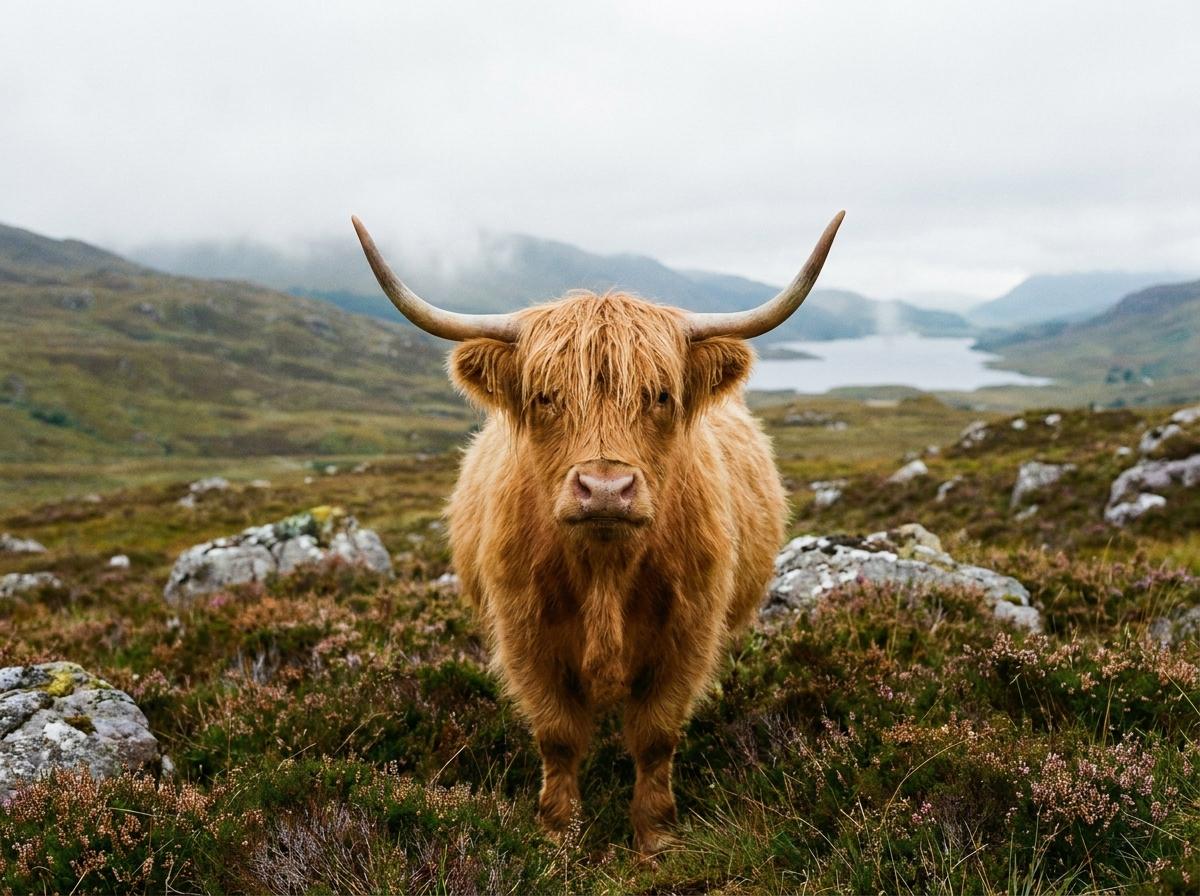
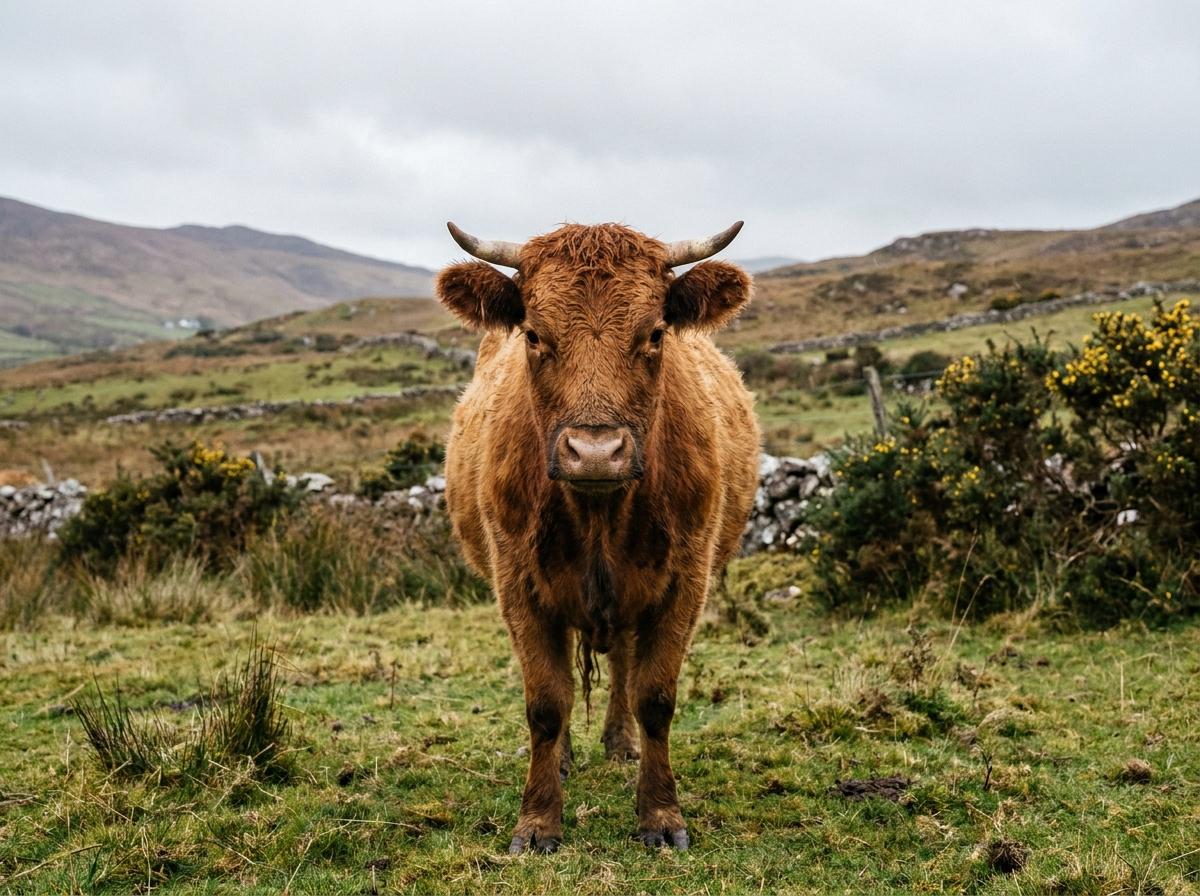
Nguni cattle are indigenous Sanga-type cattle of southern Africa, especially associated with Zulu, Xhosa, Swazi, and other Nguni-speaking communities. They are compact to medium-framed animals with a huge range of coat patterns, including speckled, spotted, brindle, dun, red, black, and pied hides. Horns vary from short to sweeping and lyre-shaped. Their mixed African taurine and zebu background is reflected in a modest hump, strong fertility, heat tolerance, and ability to stay productive on sparse grazing.
In practice, Nguni cattle are kept in communal herds, smallholder systems, conservation projects, and commercial ranches that value low-input cows. They are used for beef, household milk, cultural livestock wealth, and sometimes patterned hides. Their smaller mature size can mean lighter carcasses than large imported beef breeds, but feed efficiency and calf survival are major strengths. Herds benefit from calm handling, tick monitoring, and breeding plans that preserve the broad color and genetic diversity of local strains.
Colors: Belted, Black, Black and White, Blaze Faced, Blue Roan, Brindle, Brockle Faced, Brown, Brown and White, Dun, Gray, Grey, Highbelt, Highpark, Lineback, Mottled, Pied, Red, Red and White, Red Roan, Riggit, Roan, Silver, Solid Black, Solid Red, Solid White, Speckled, Spotted, White, White Faced, Yellow