

Podolica
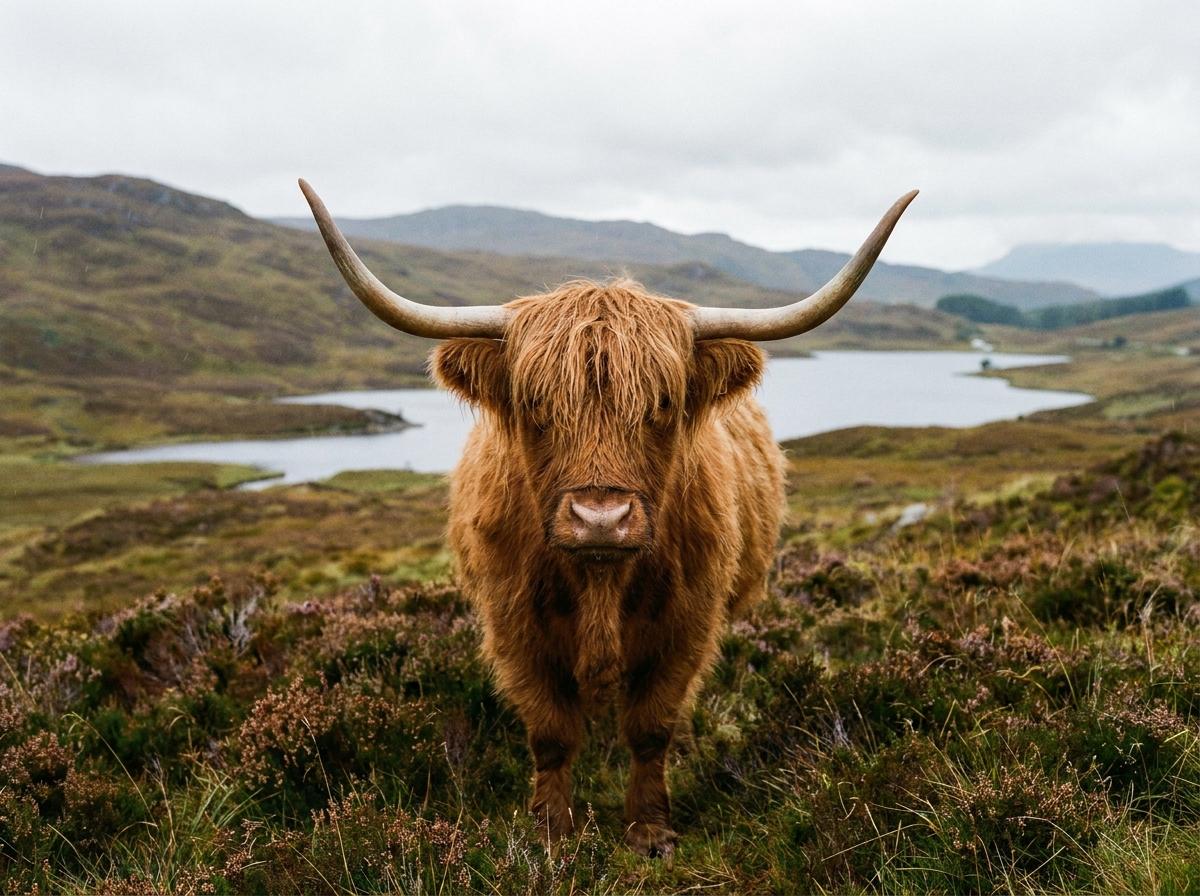
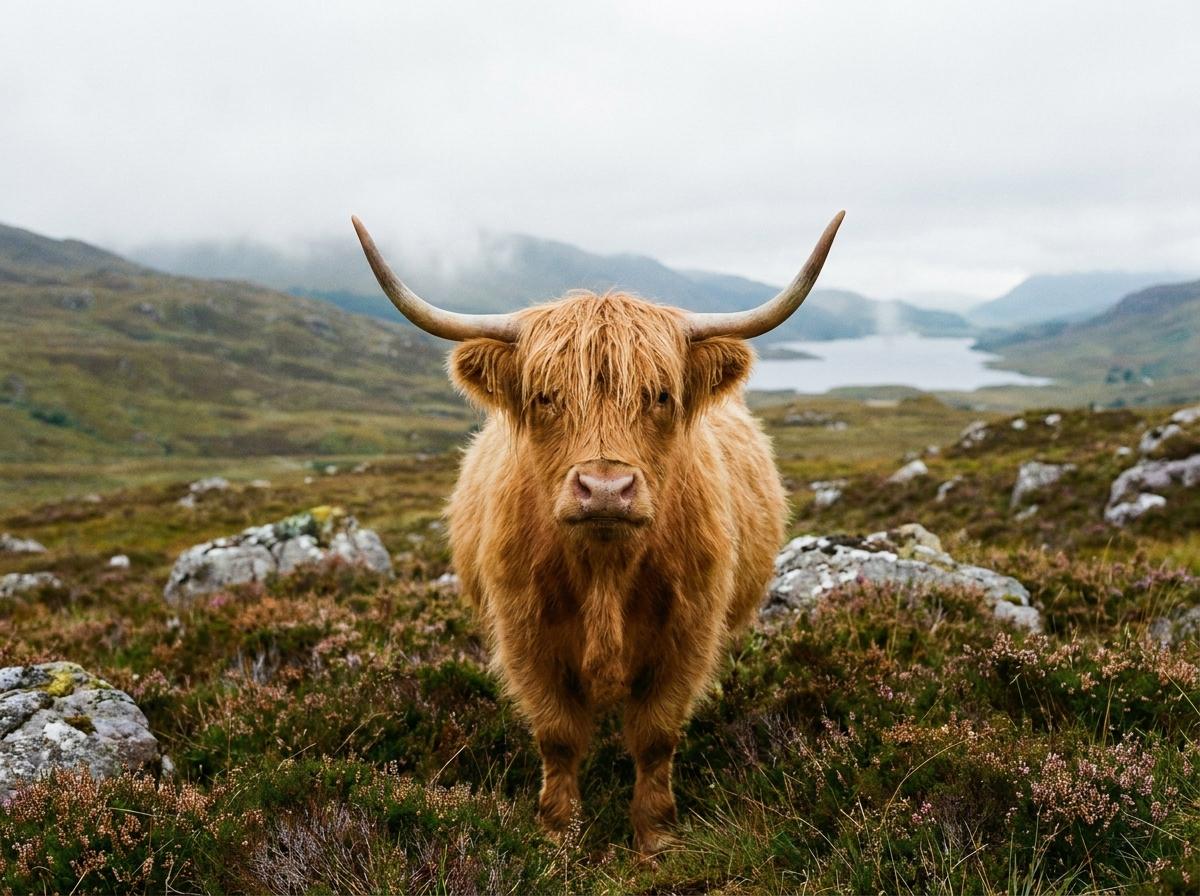
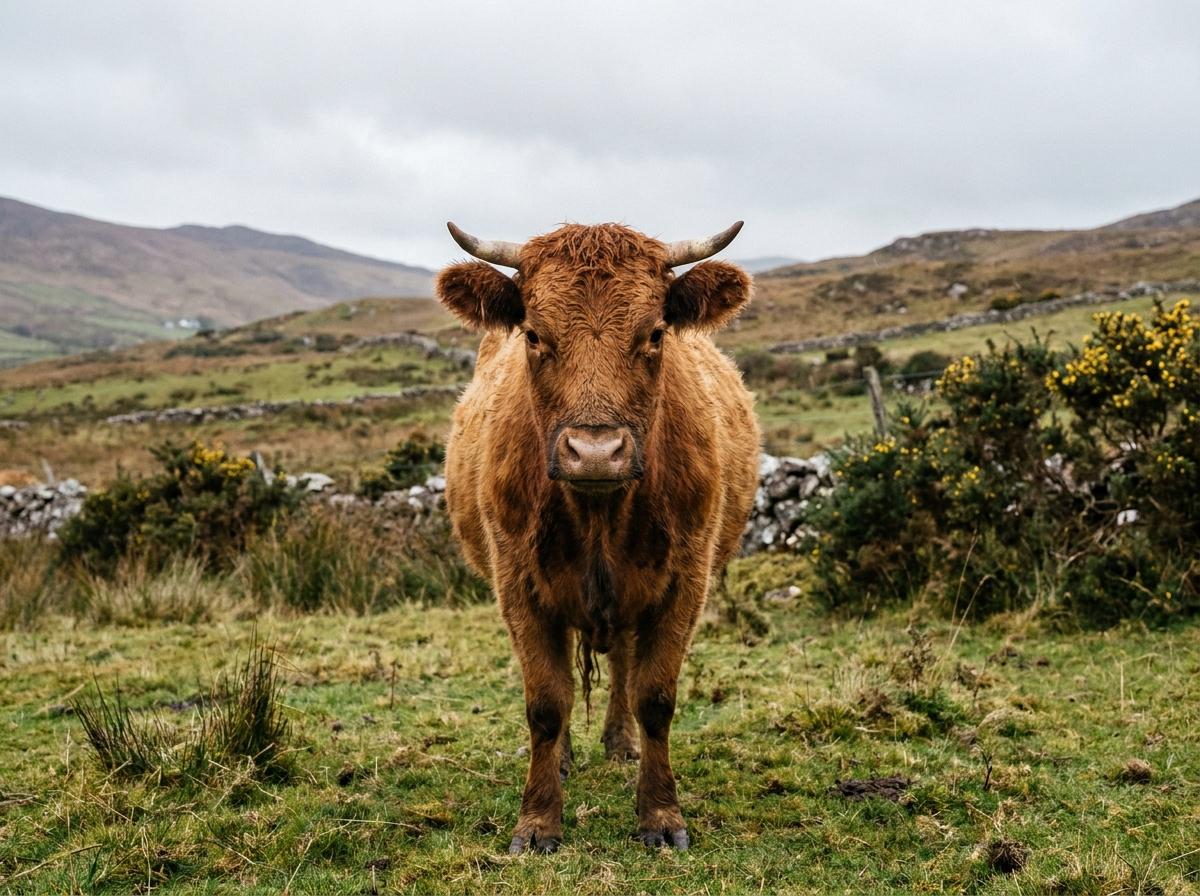
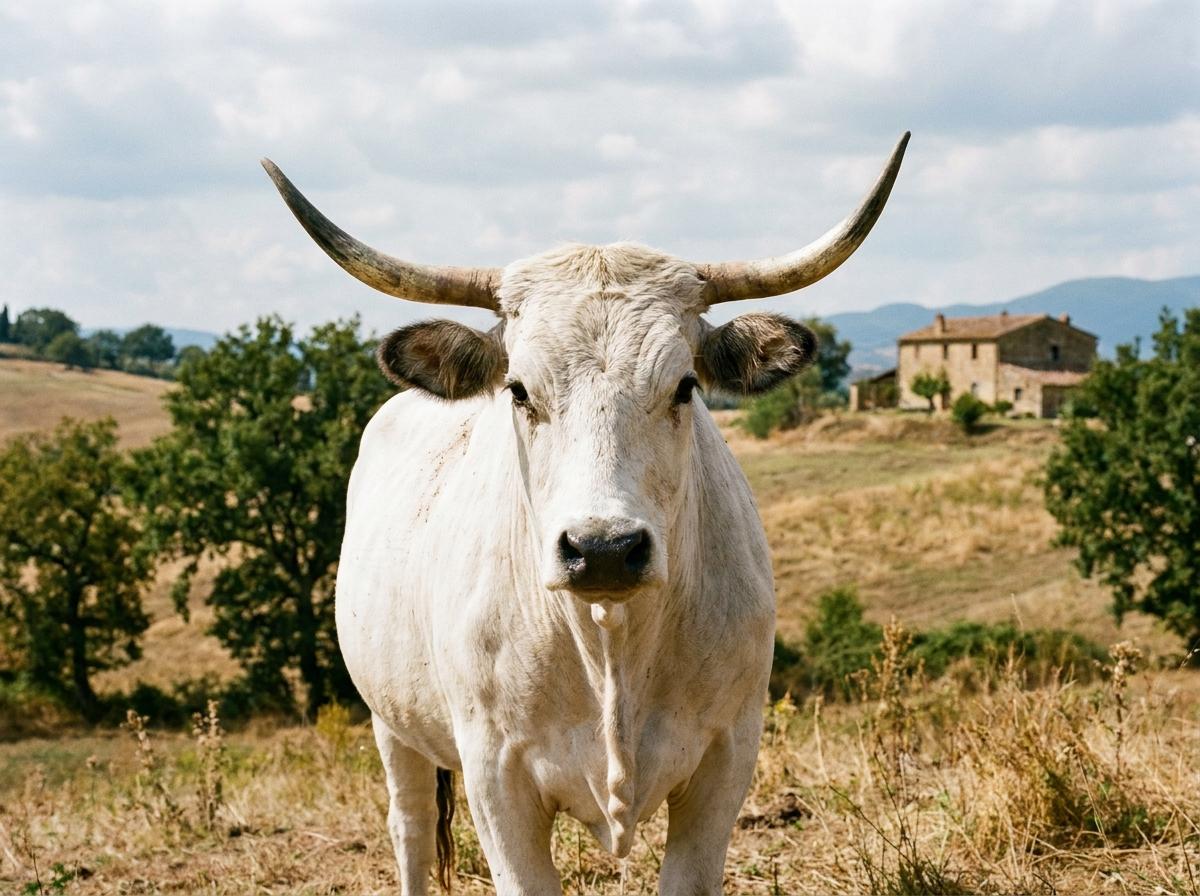
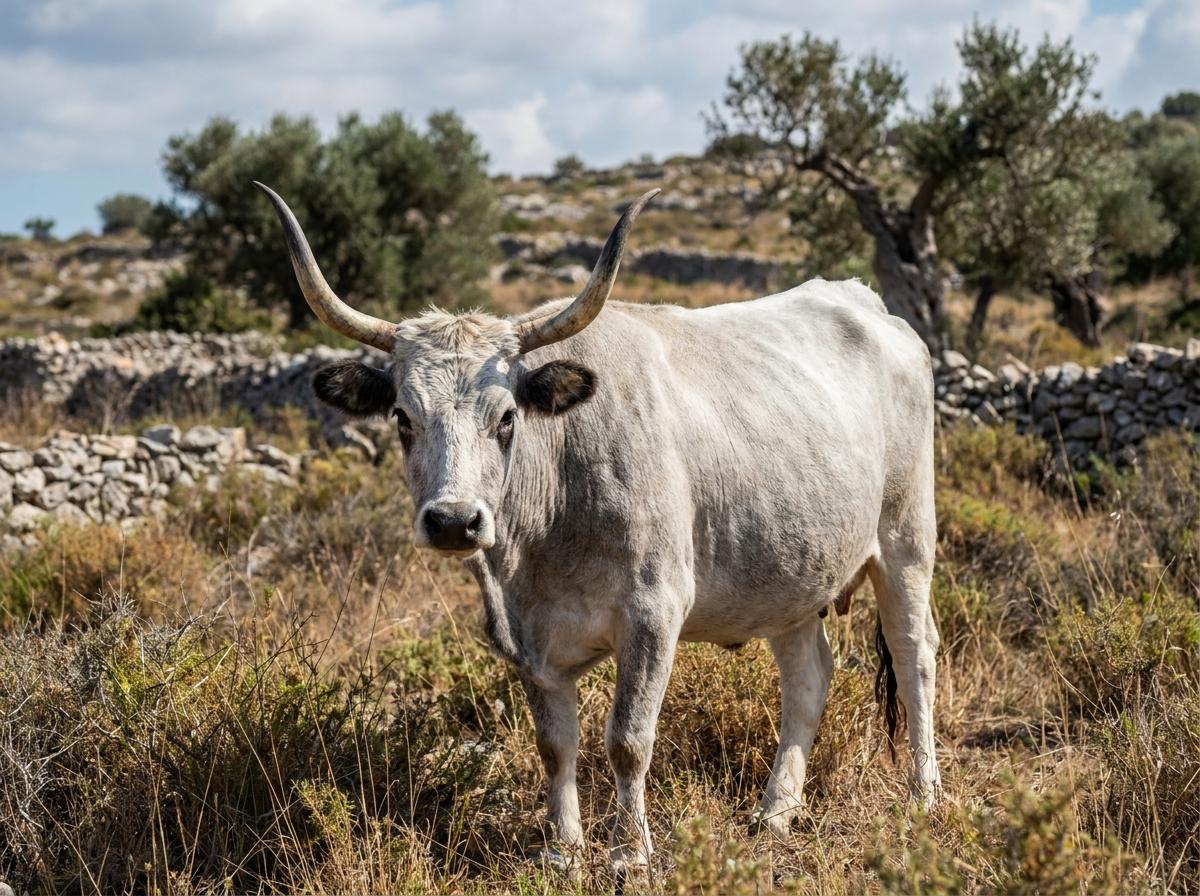
Podolica cattle are an Italian member of the Podolian gray cattle group, found especially in southern regions such as Puglia, Basilicata, Calabria, Campania, and Molise. They are rangy, slow-maturing cattle with light gray cows, darker bulls, black skin and points, and long upward-curving horns. Historically Podolica oxen worked fields and carts, while cows supplied small quantities of rich milk and calves for meat. The breed is closely tied to extensive Mediterranean grazing and Caciocavallo Podolico cheese.
Podolica herds are usually managed outdoors on scrub, woodland, stubble, and rough pasture, where walking ability and thriftiness are useful. Production is seasonal and moderate, so farmers often rely on premium marketing, agritourism, conservation payments, or regional identity rather than volume alone. Horned cattle need patient handling and well-designed yards, and drought years may require stored forage. Breeding should protect maternal ability, feet, horn safety, and adaptation while avoiding loss of type through unplanned crossing.
Colors: Belted, Black, Black and White, Blaze Faced, Blue Roan, Brindle, Brockle Faced, Brown, Brown and White, Dun, Gray, Grey, Highbelt, Highpark, Lineback, Mottled, Pied, Red, Red and White, Red Roan, Riggit, Roan, Silver, Solid Black, Solid Red, Solid White, Speckled, Spotted, White, White Faced, Yellow