

Polish Black-And-White
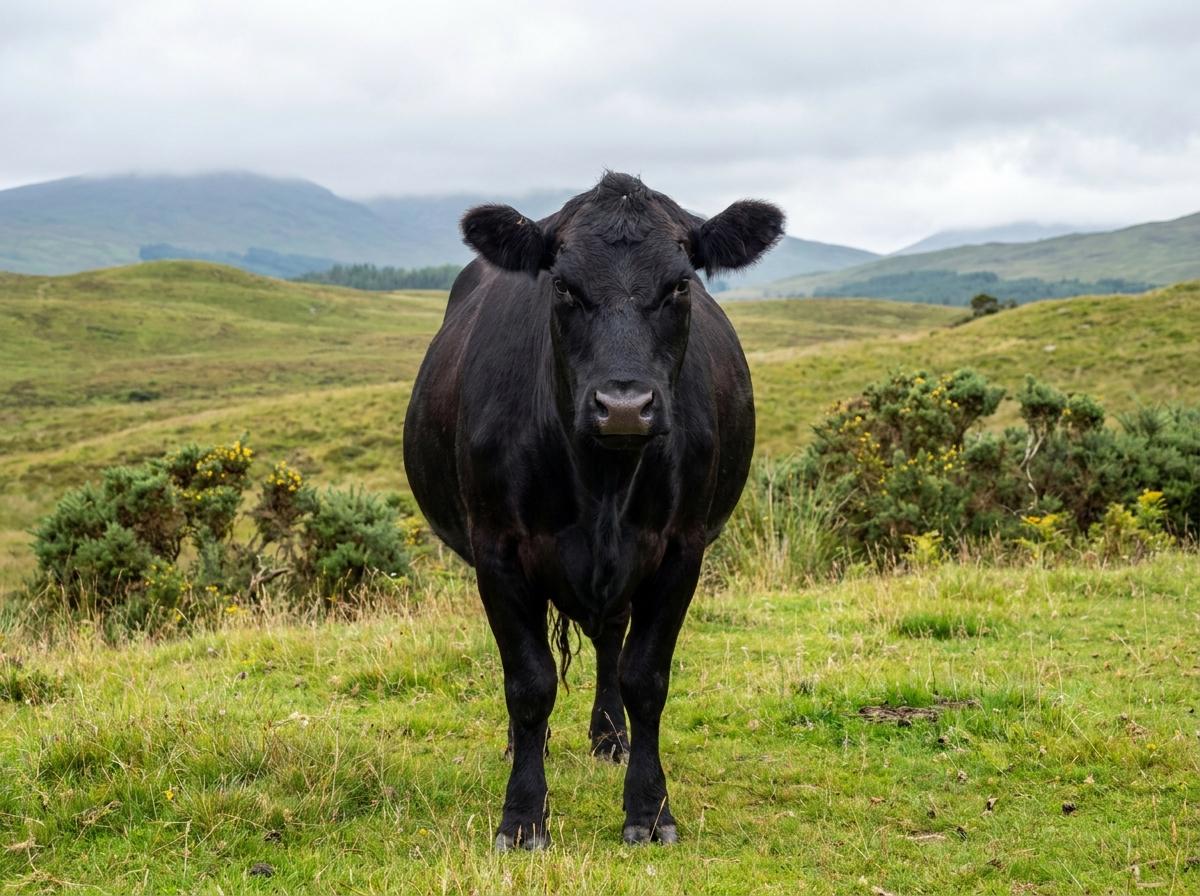
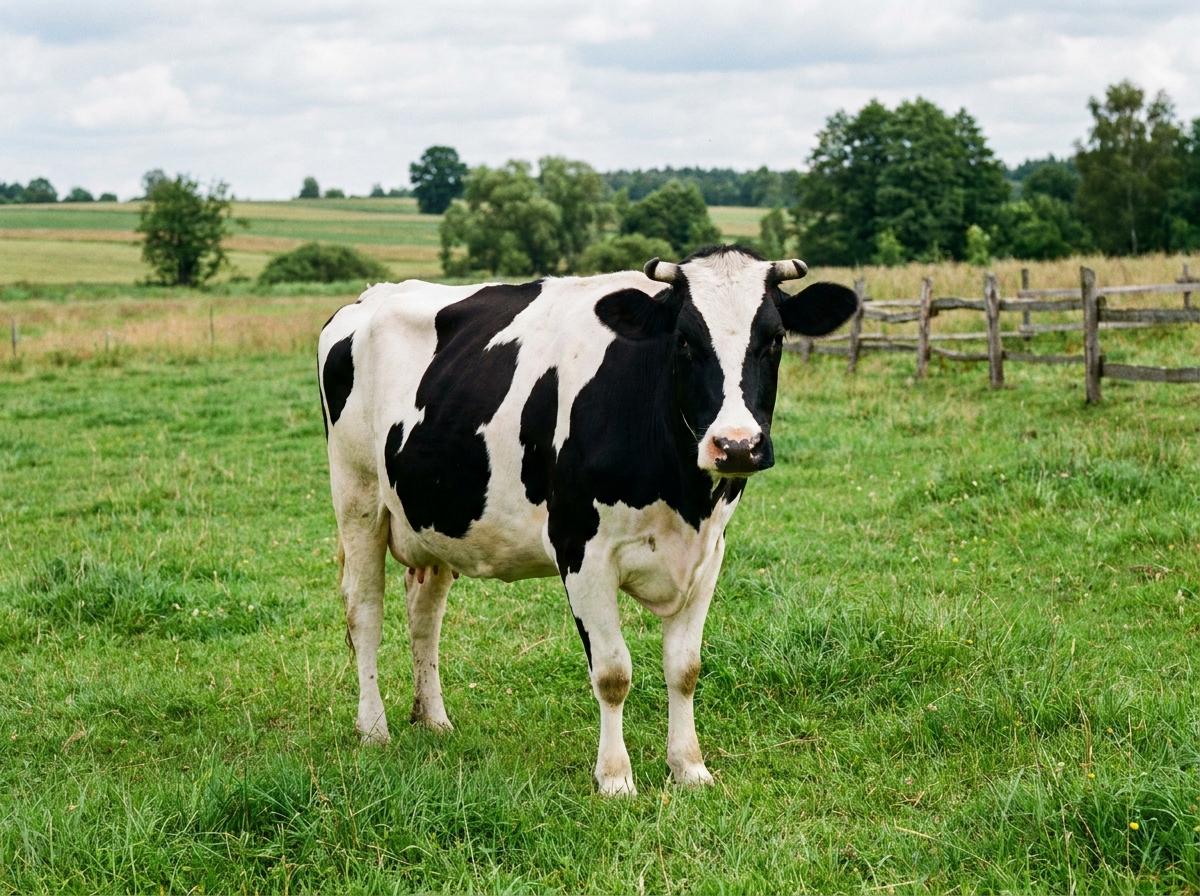
Polish black-and-white cattle are the black-and-white dairy cattle type developed in Poland from local lowland cattle, Dutch and German Friesian influence, and later Holstein-Friesian breeding. In modern usage the name may refer to older Polish Black-and-White stock or to black-and-white Polish Holstein-Friesian cattle, so context matters. Animals are typically piebald black and white, medium to large, and bred primarily for milk. The older type tends to be less extreme than high-Holstein lines, with attention to fertility, longevity, and usefulness on family farms.
Dairy management depends on which population is being discussed. High-producing herds need well-balanced rations and comfortable housing. Udder health and hoof care require routine attention, especially around calving. Conserved old-type Polish black-and-white cattle may suit grass-based or lower-input systems, but they still require consistent milking and reproductive management. Buyers should ask about herd-book classification, Holstein percentage, milk records, and health testing rather than relying on color alone. For breeders in conservation programs, maintaining the old genetic background is as important as selecting for usable udders and sound legs.
Colors: Belted, Black, Black and White, Blaze Faced, Blue Roan, Brindle, Brockle Faced, Brown, Brown and White, Dun, Gray, Grey, Highbelt, Highpark, Lineback, Mottled, Pied, Red, Red and White, Red Roan, Riggit, Roan, Silver, Solid Black, Solid Red, Solid White, Speckled, Spotted, White, White Faced, Yellow