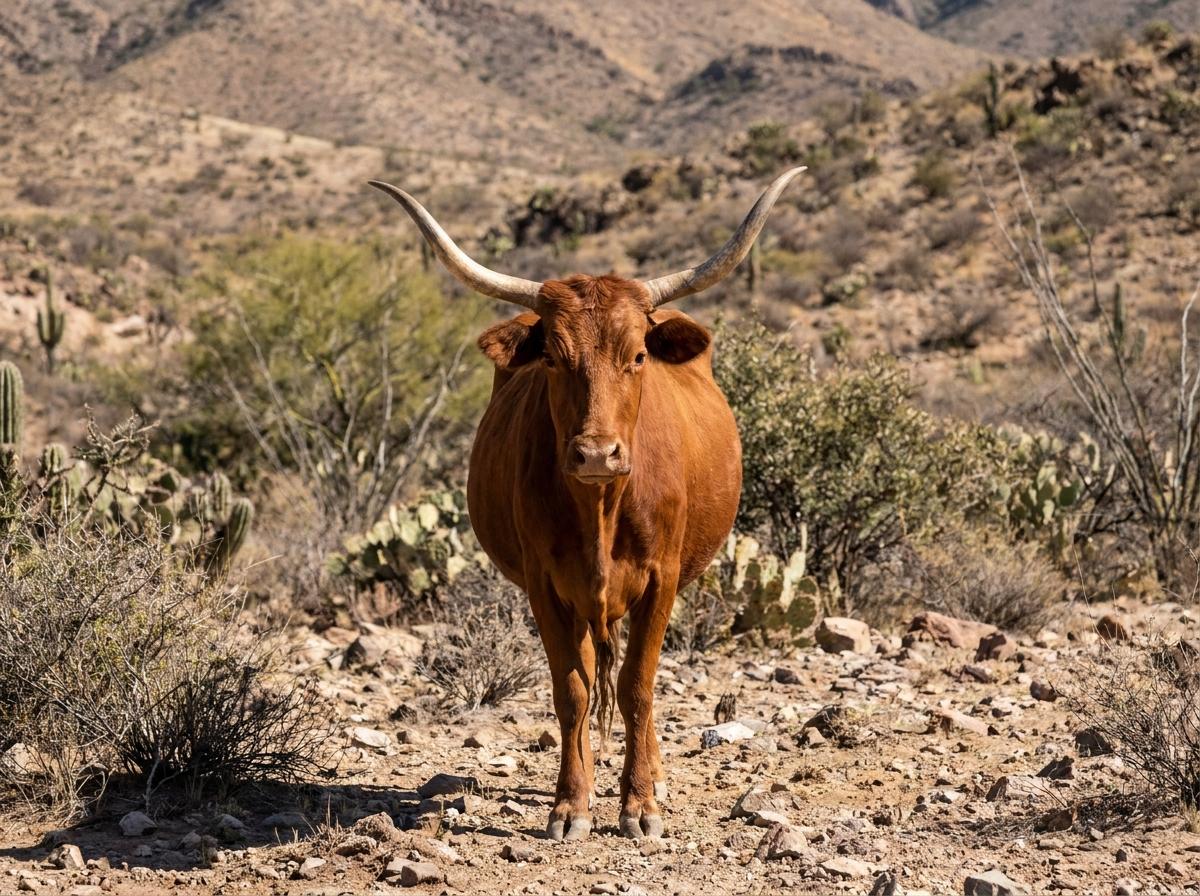
Raramuri Criollo
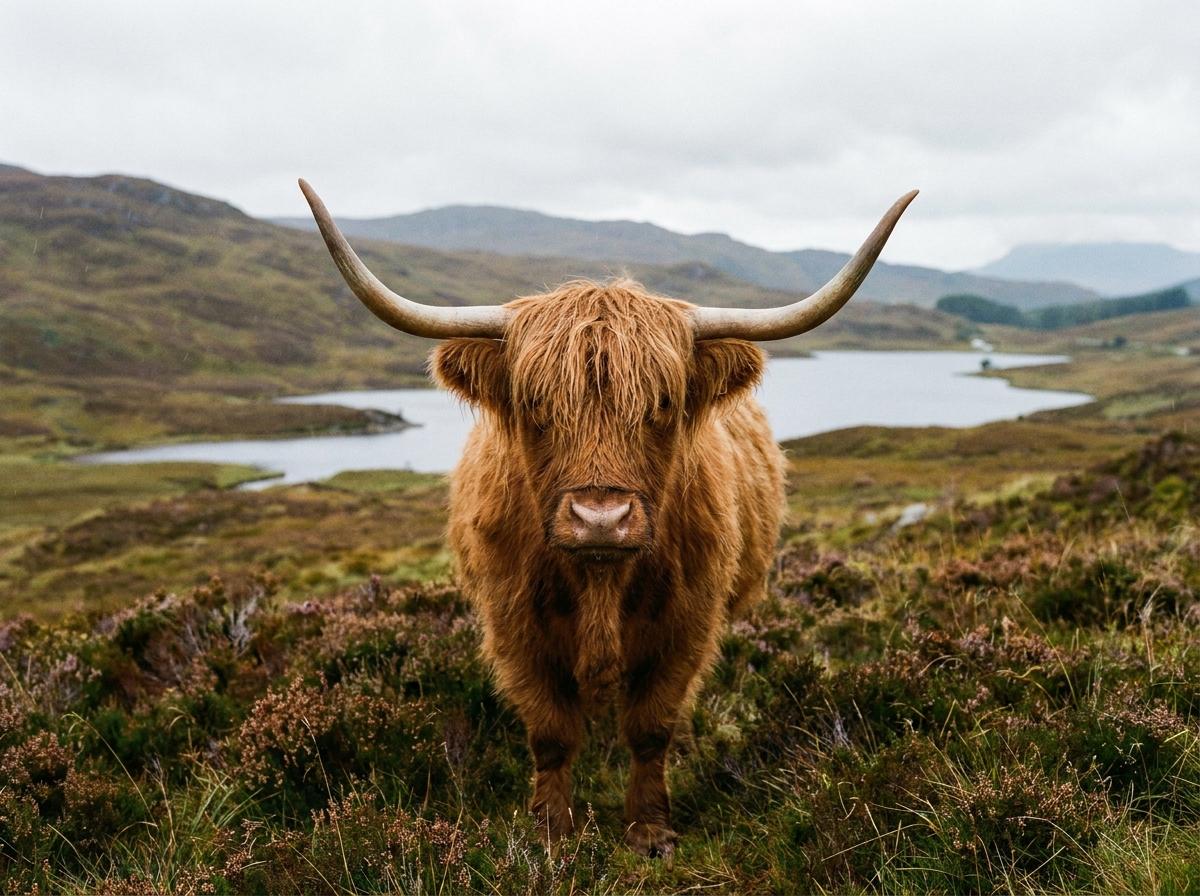
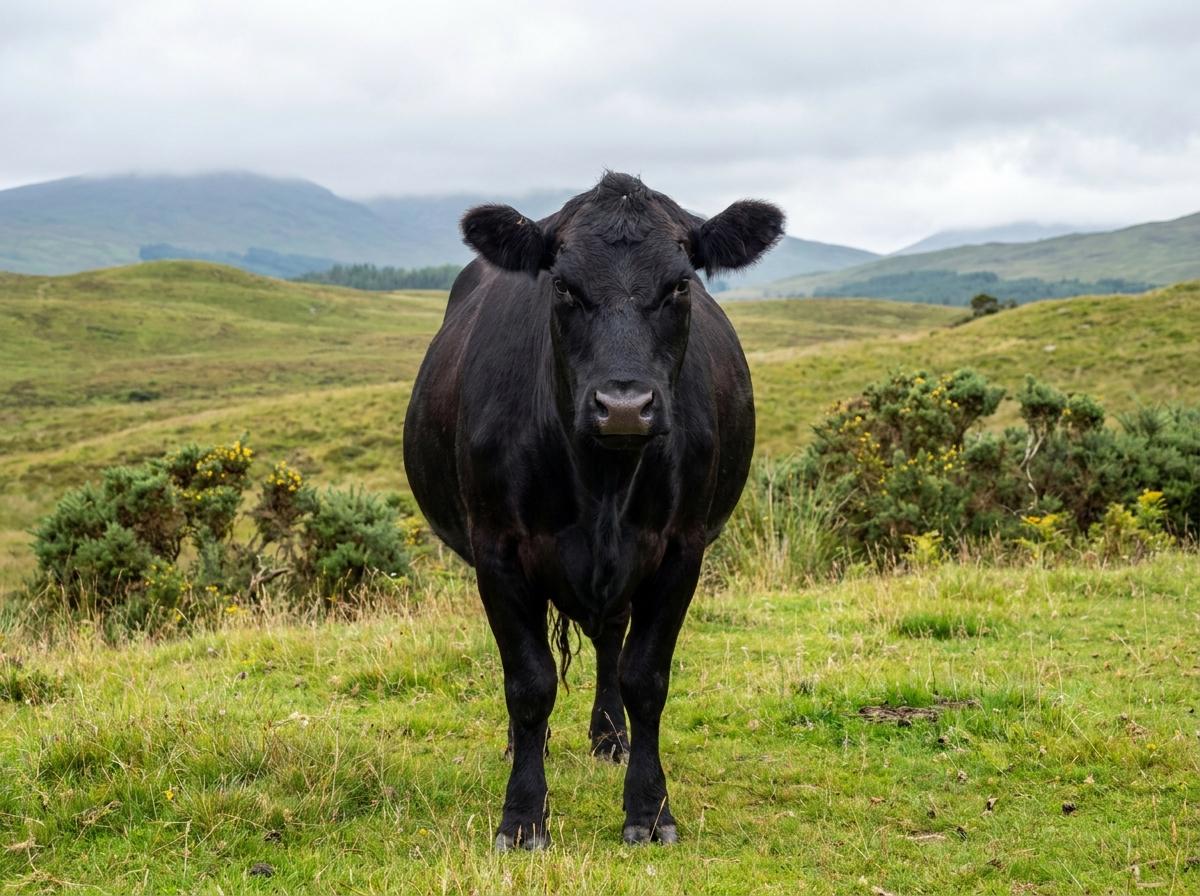
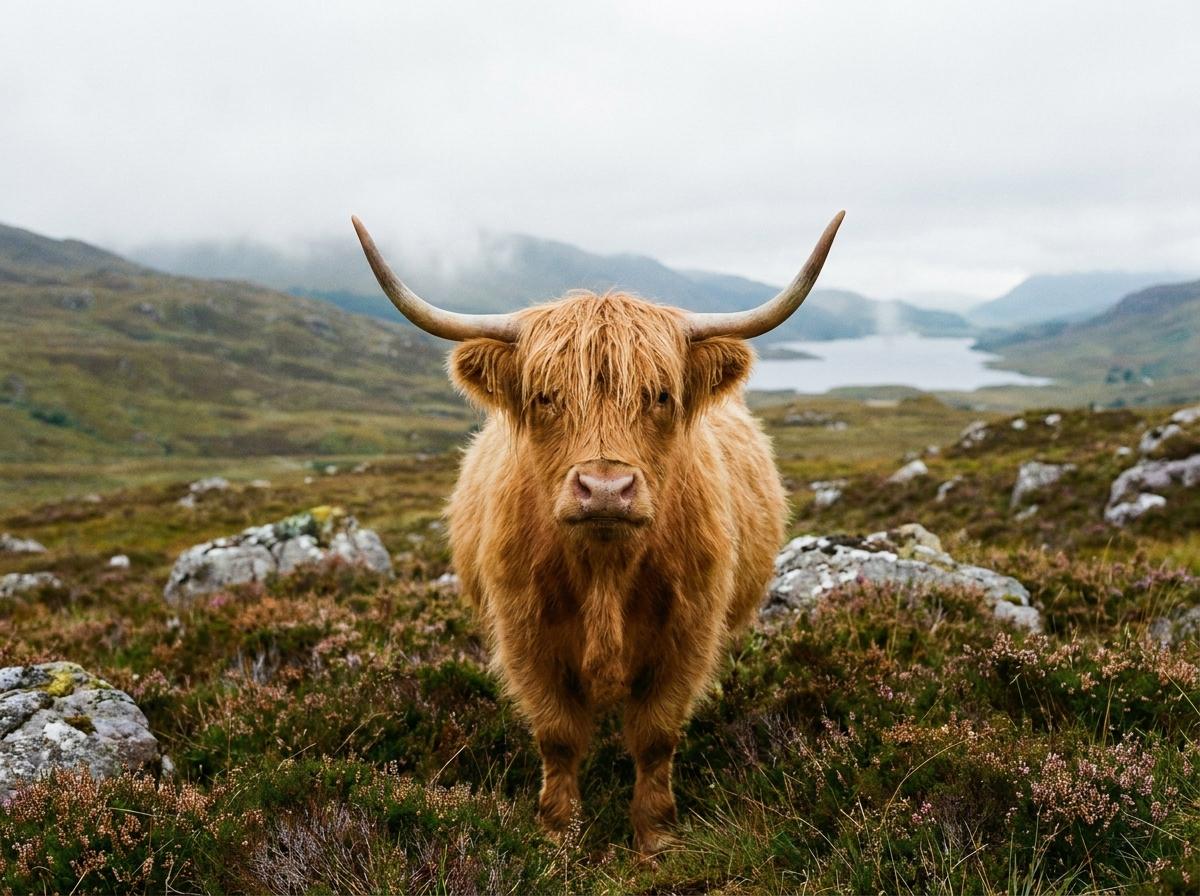
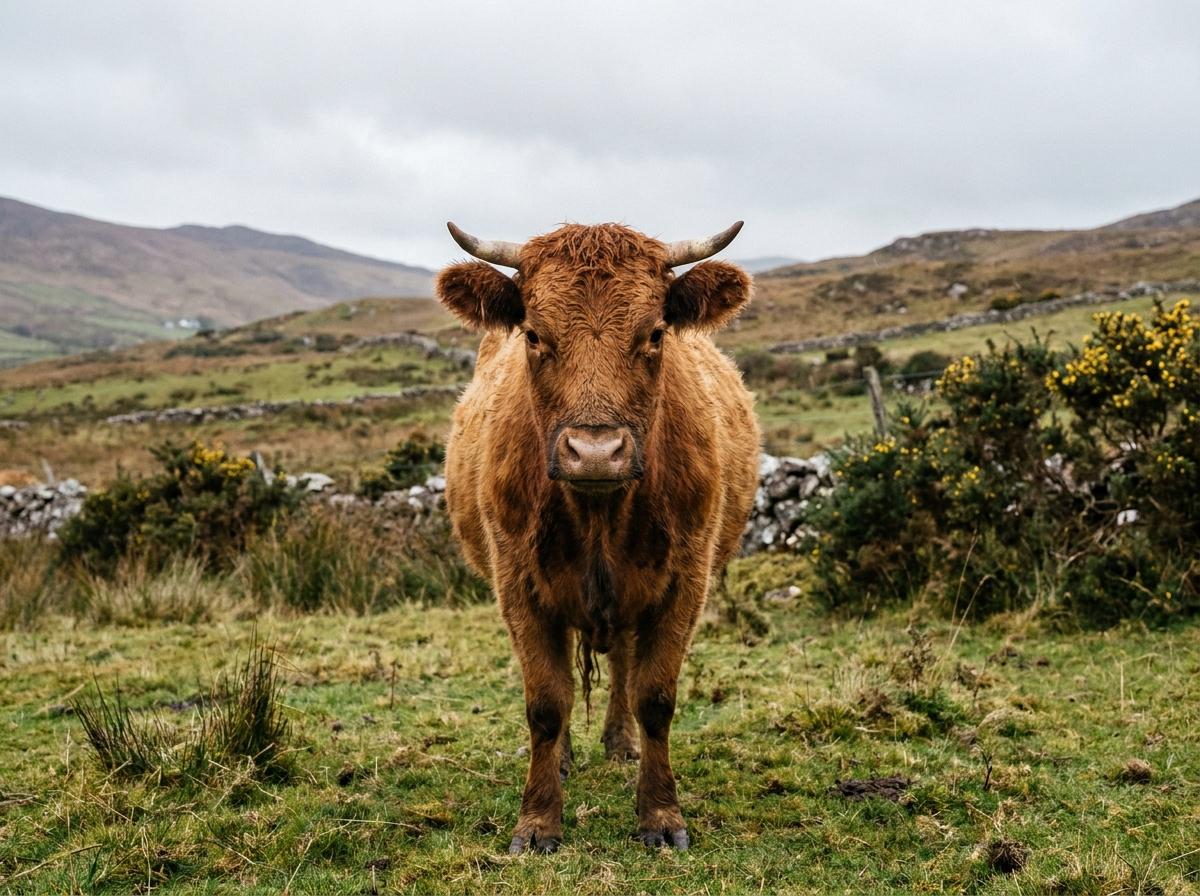
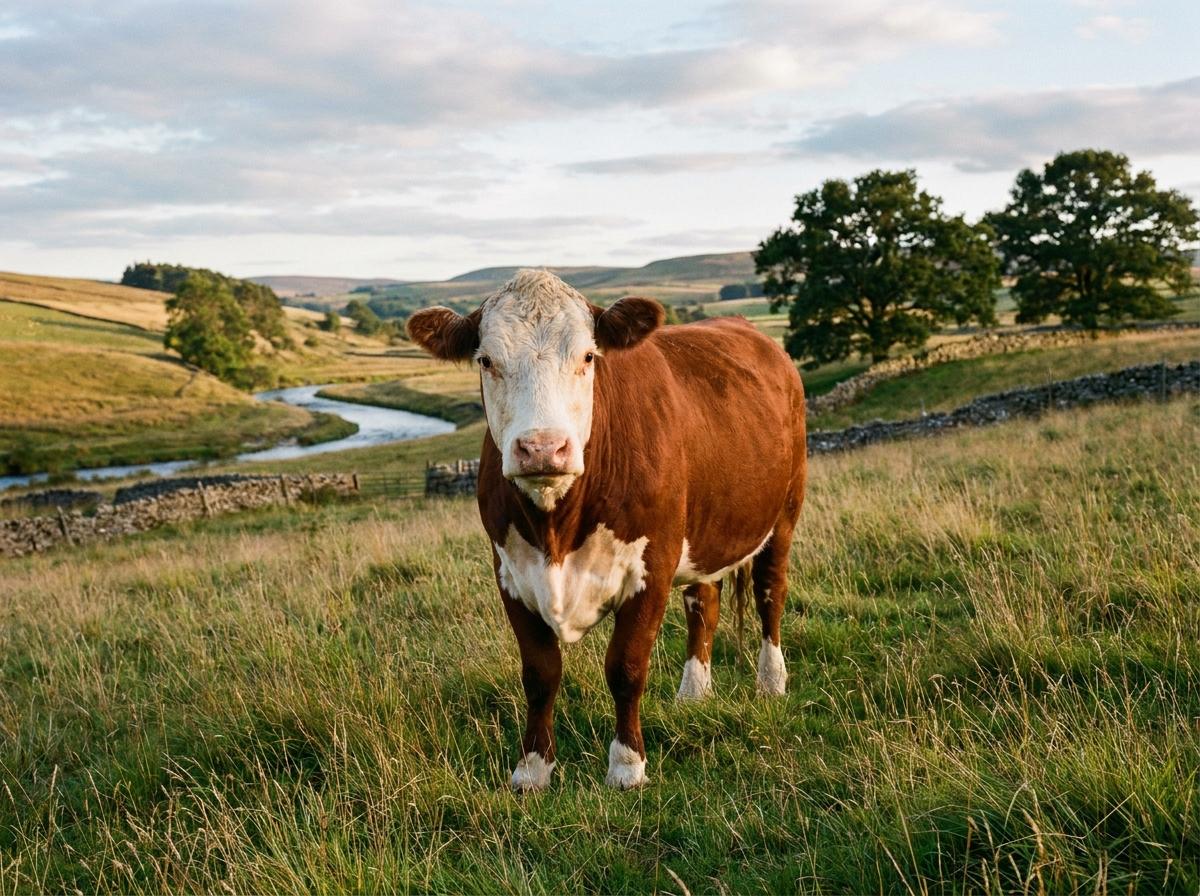
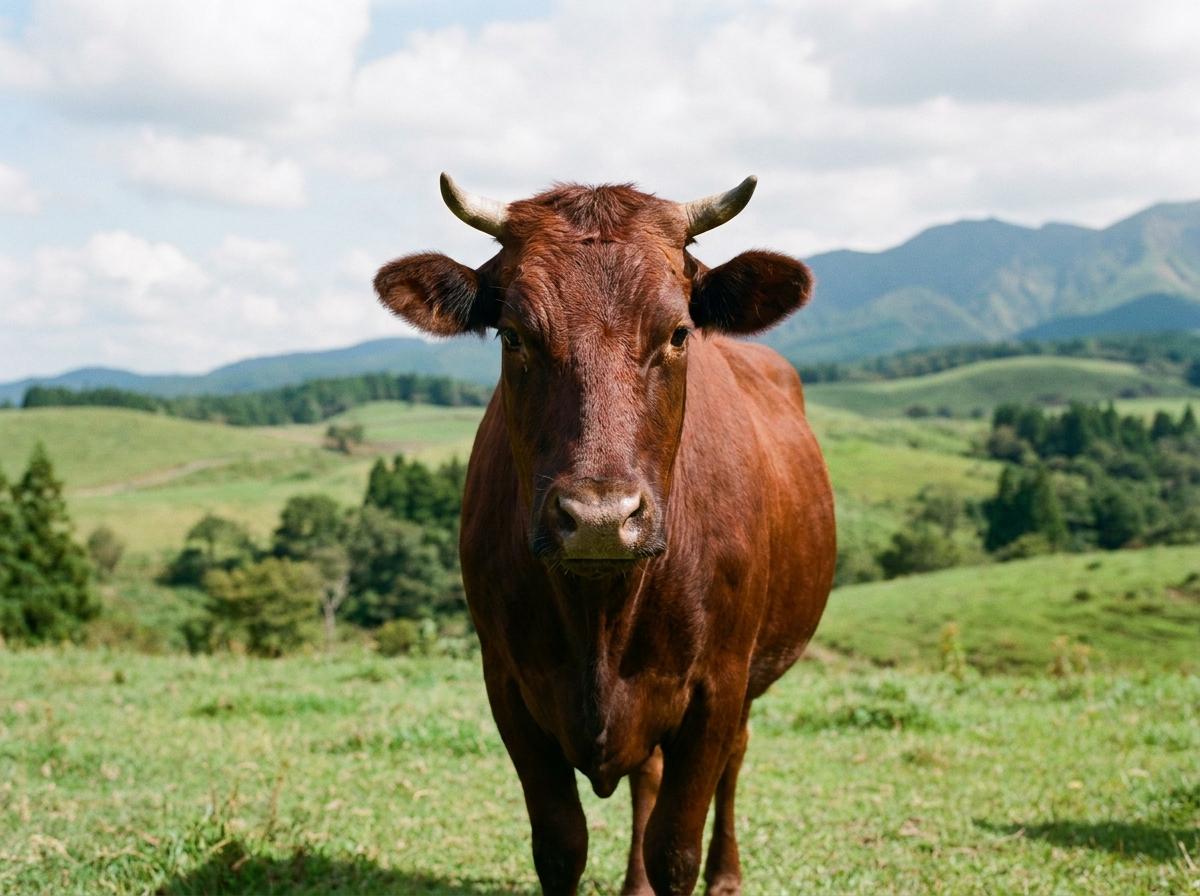
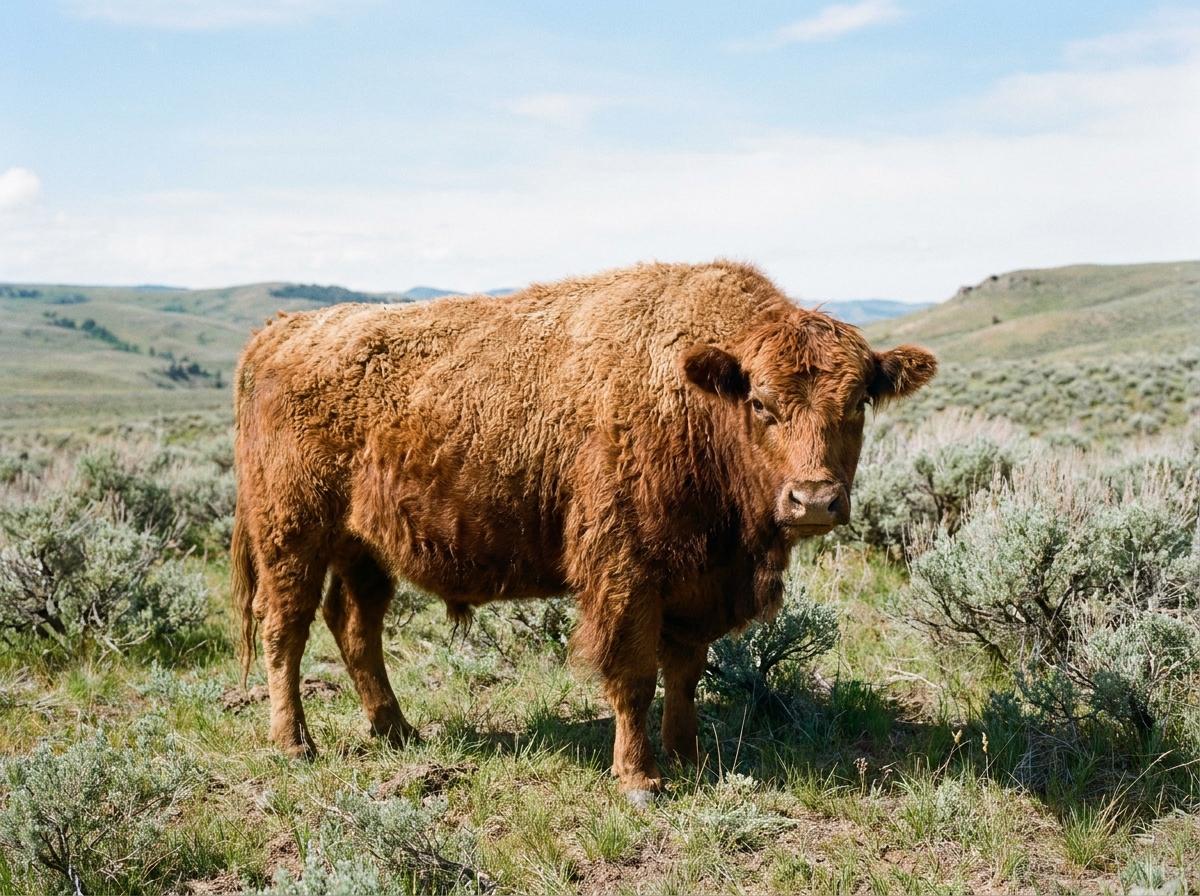
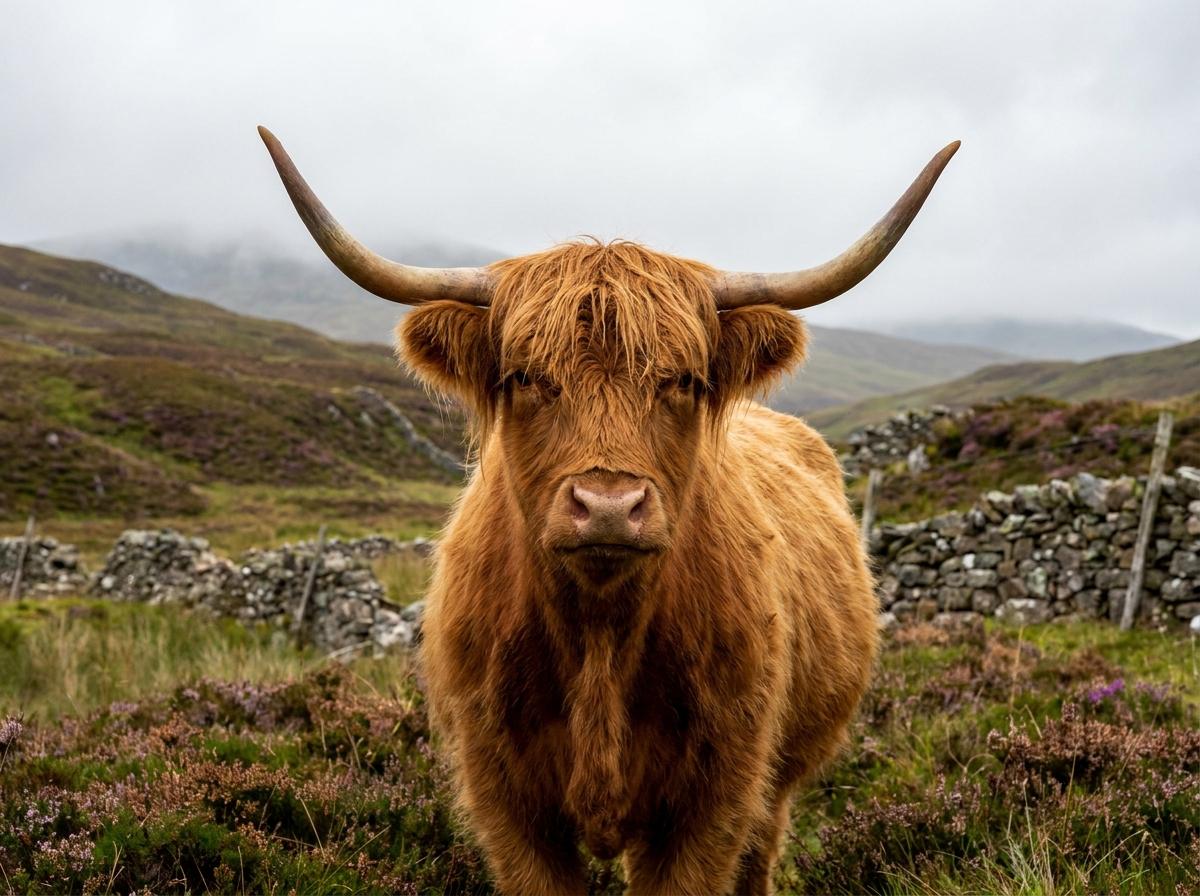
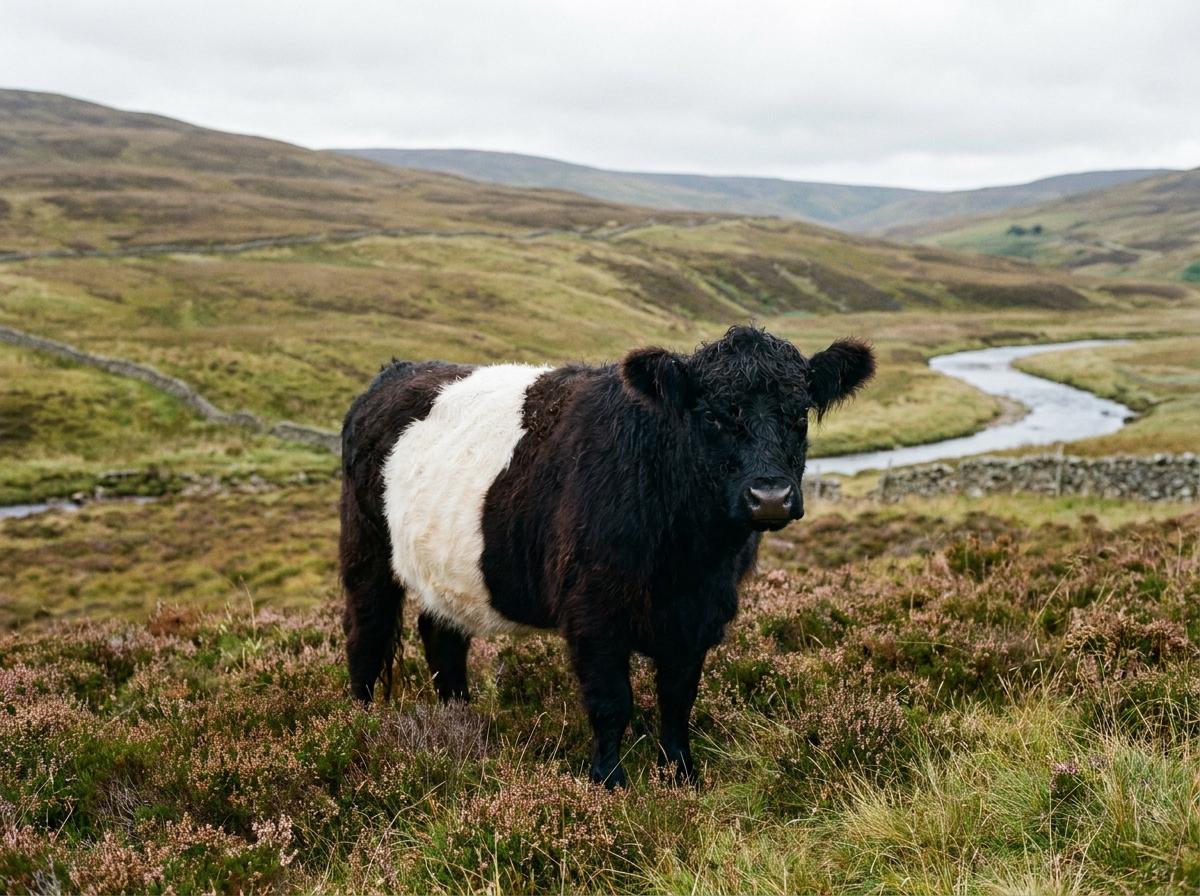
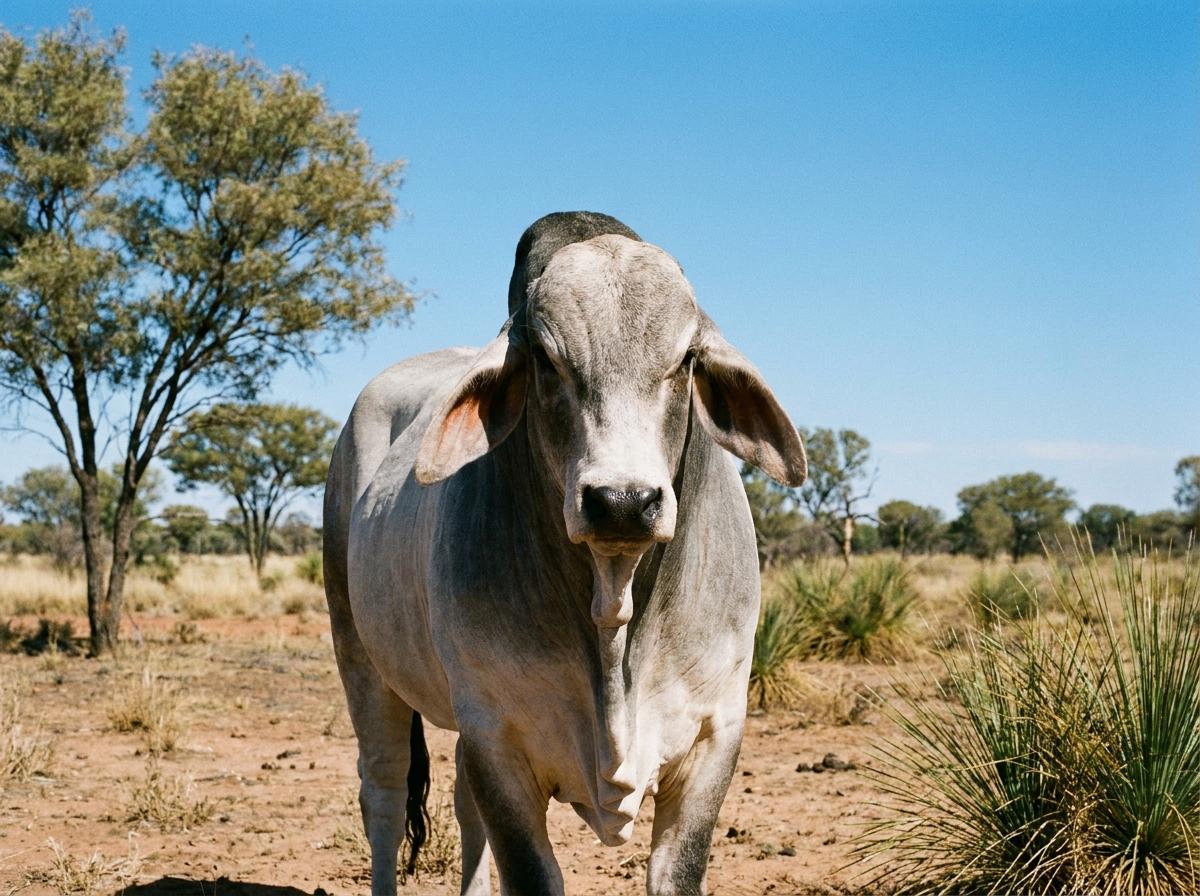
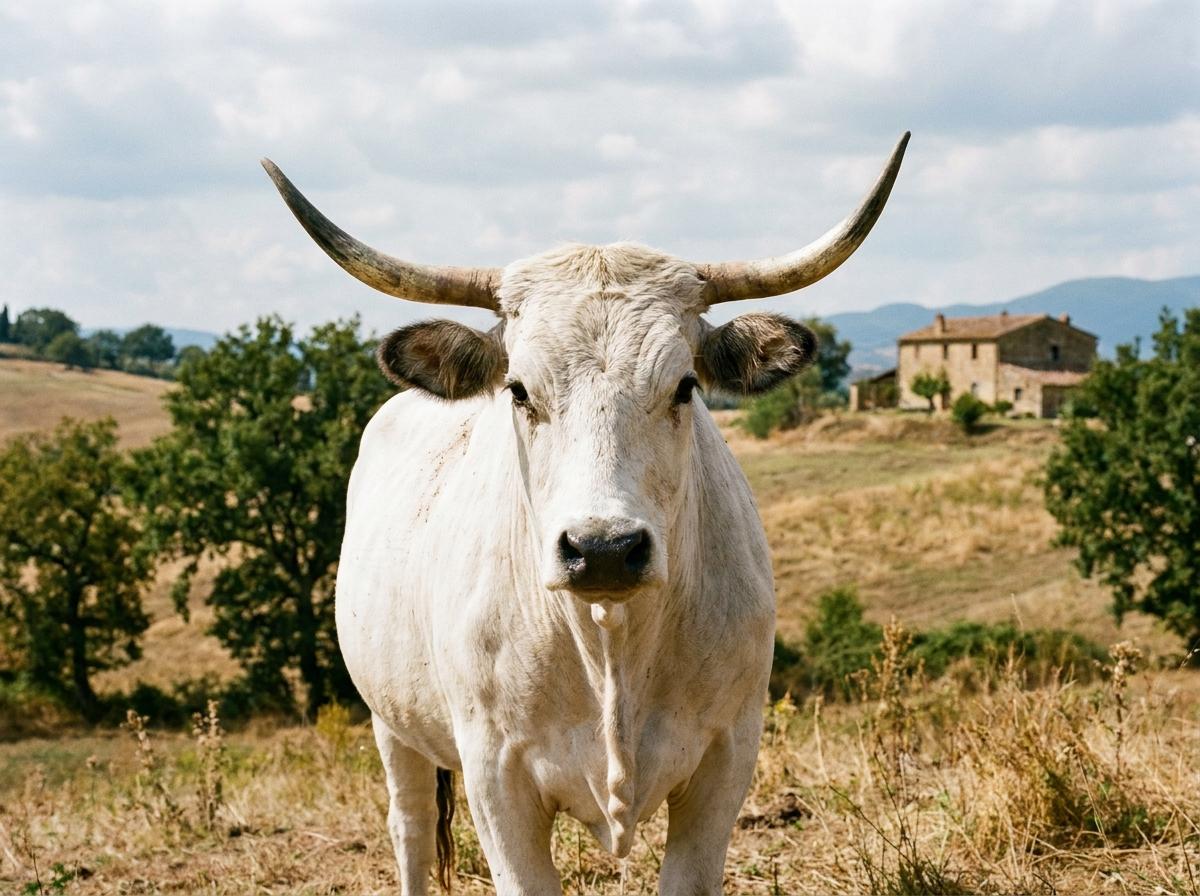
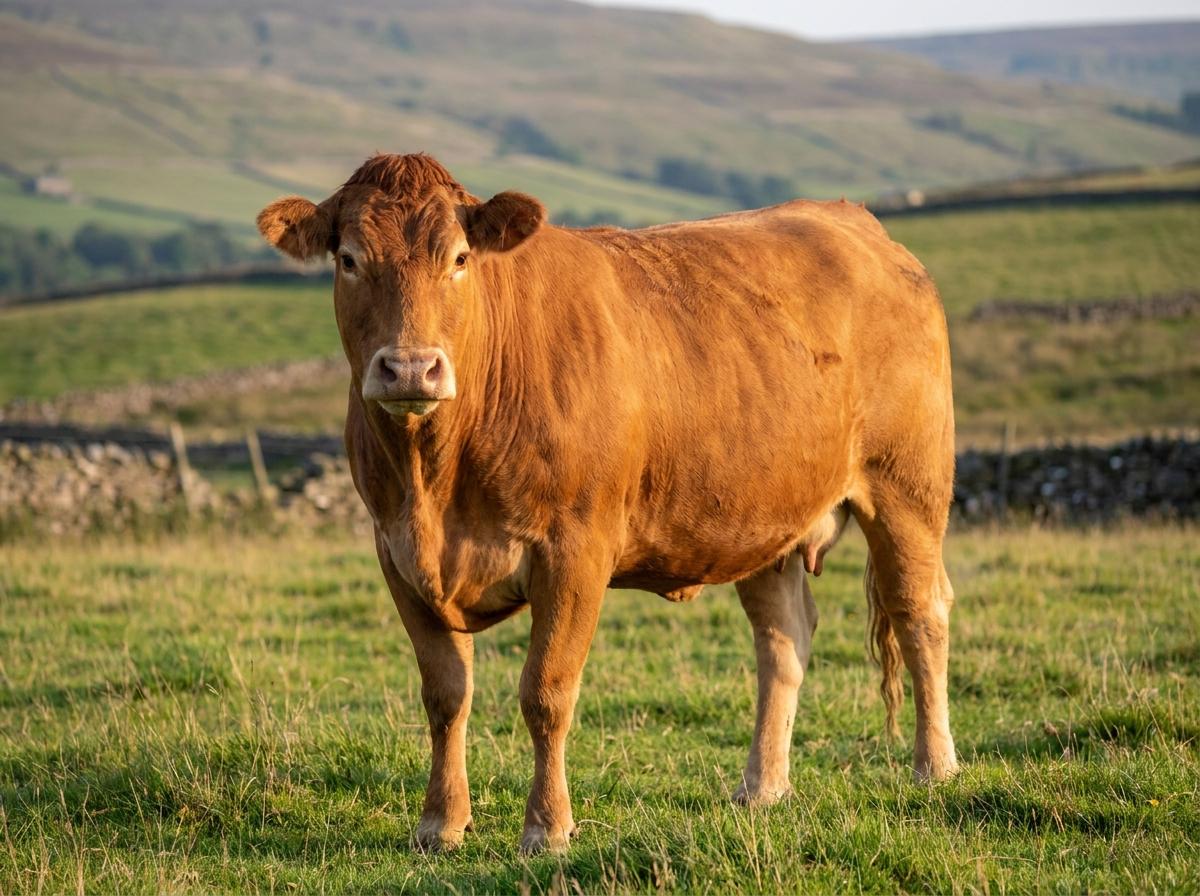
Raramuri Criollo cattle are a regional Criollo type associated with the Raramuri, or Tarahumara, people of the Copper Canyon and Sierra Madre country of Chihuahua, Mexico. Like other American Criollo cattle, they descend largely from Iberian cattle brought to the Americas and then shaped by centuries of low-input ranching. They are usually small to moderate framed, athletic, horned, and highly variable in color, with brindle, dun, roan, brockle-faced, black, brown, gray, and spotted animals all seen in herds. Their main distinction is not uniform appearance but adaptation to rough, dry rangeland and long daily travel.
Ranchers and researchers value Raramuri Criollo for heat tolerance, grazing behavior, calving ease, and ability to use sparse forage with less dependence on grain or heavy supplementation. They suit extensive beef systems, brushy pastures, and conservation grazing projects better than high-input production built around maximum size. Good fencing, dependable water, mineral access, and calm handling still matter, since their range instincts can make them more mobile than many conventional beef breeds. Breeding programs usually focus on preserving the functional Criollo type while selecting cattle that fit local markets and mother well under arid conditions.
Colors: Belted, Black, Black and White, Blaze Faced, Blue Roan, Brindle, Brockle Faced, Brown, Brown and White, Dun, Gray, Grey, Highbelt, Highpark, Lineback, Mottled, Pied, Red, Red and White, Red Roan, Riggit, Roan, Silver, Solid Black, Solid Red, Solid White, Speckled, Spotted, White, White Faced, Yellow