

Rathi
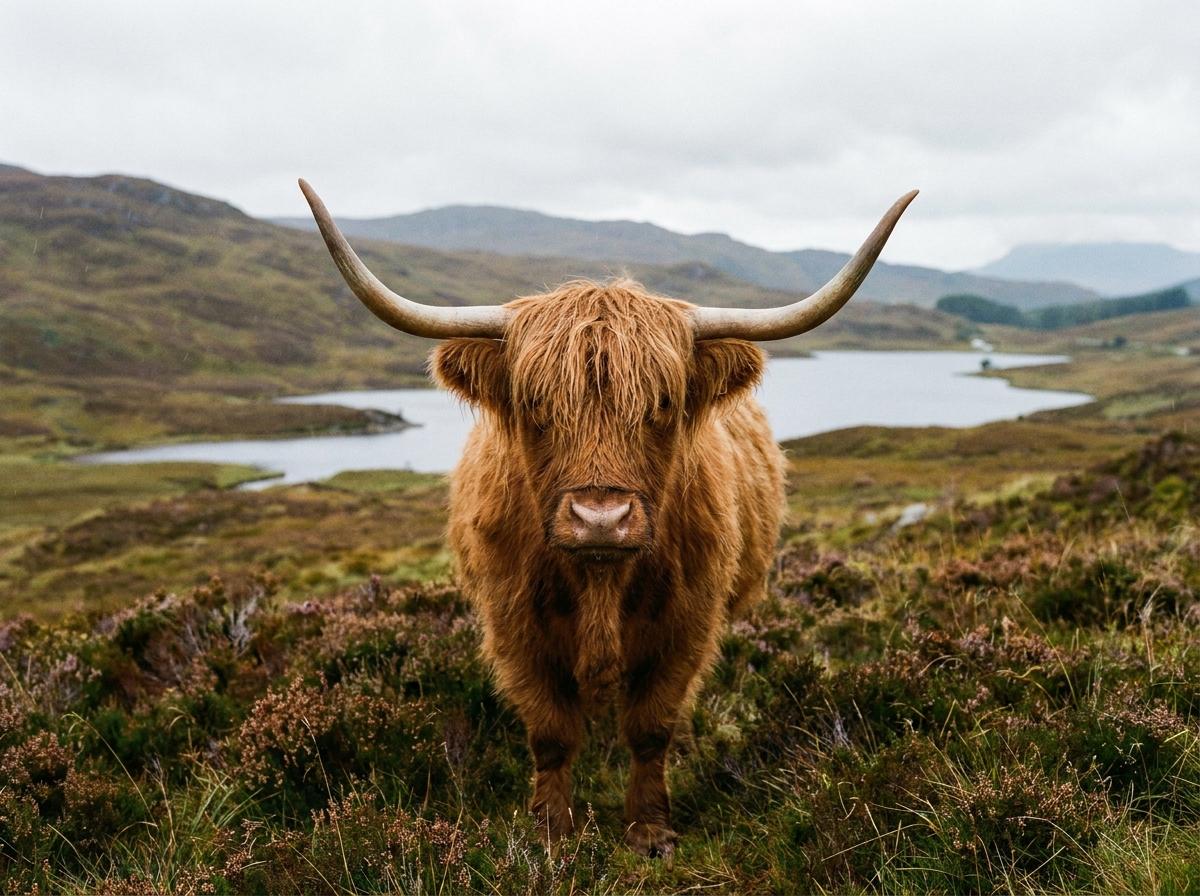
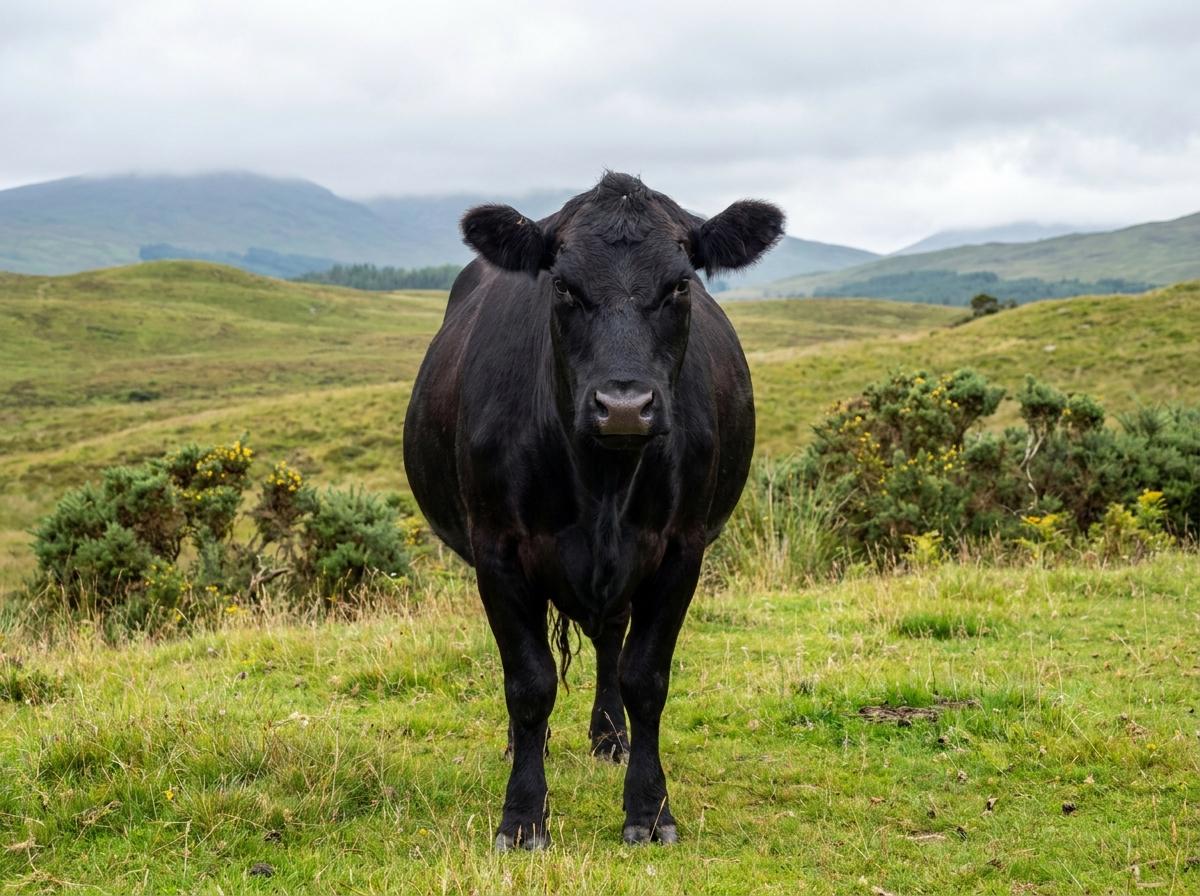
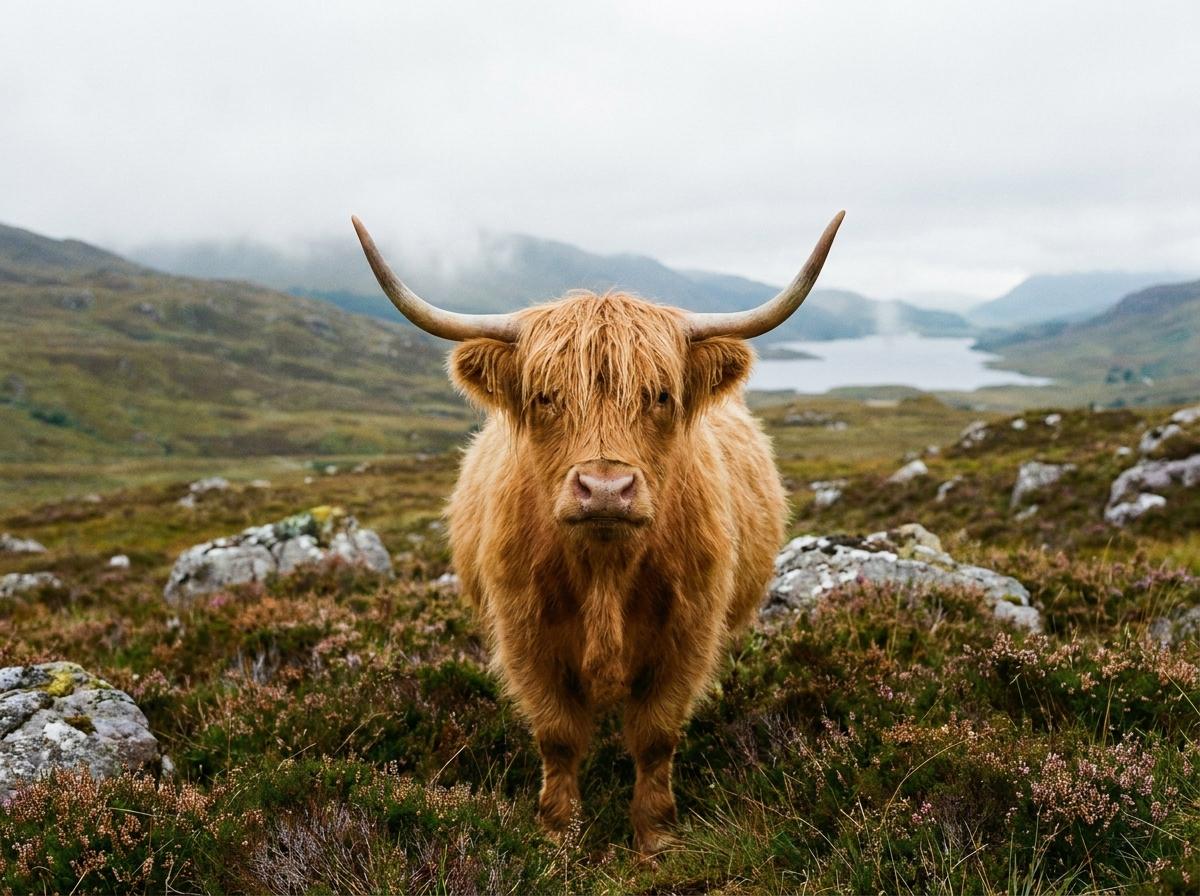
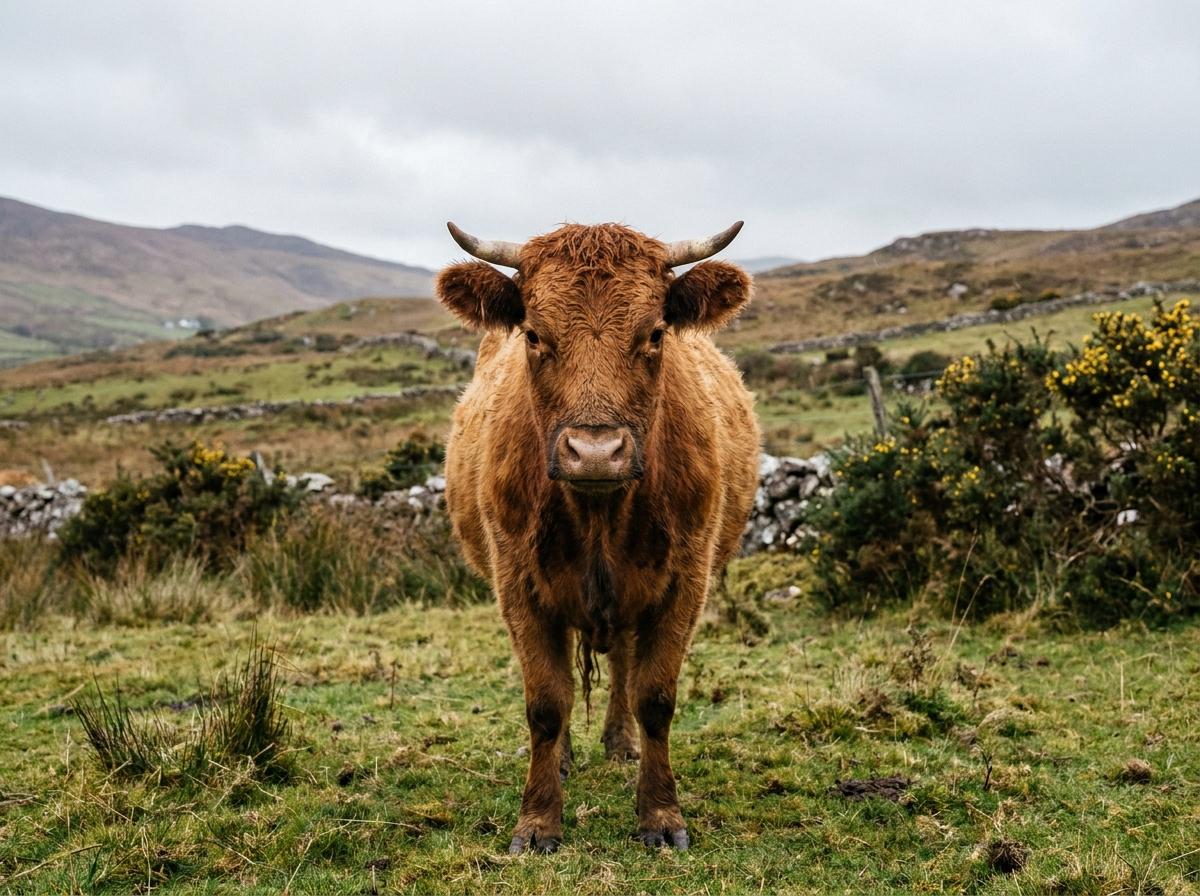
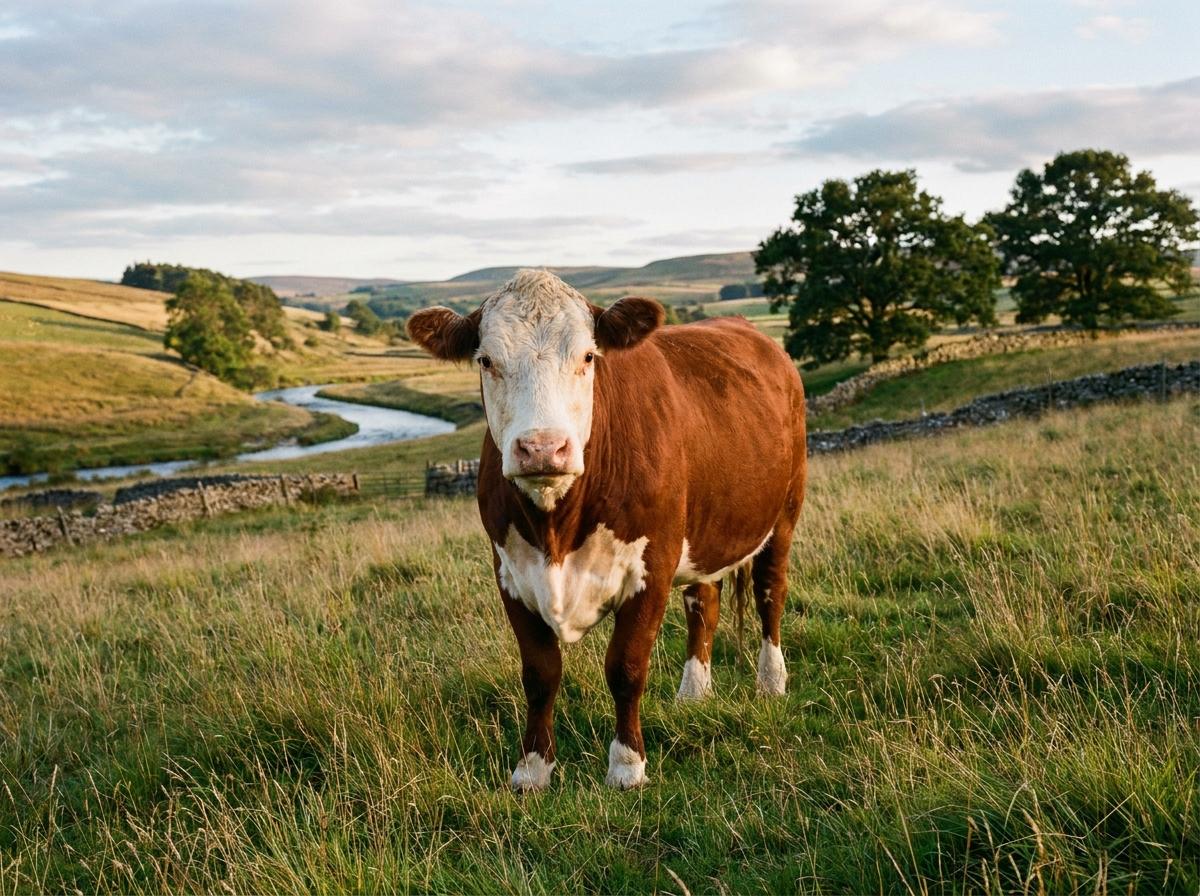
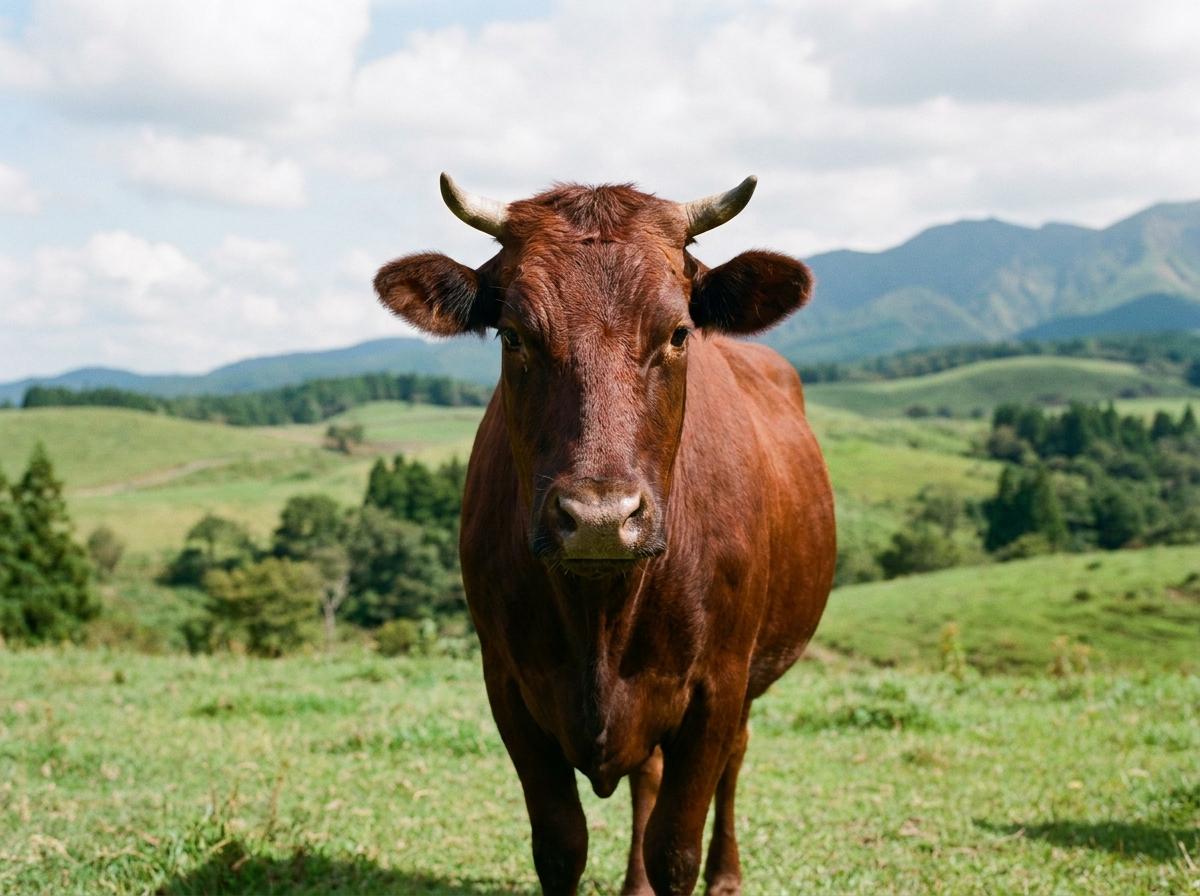
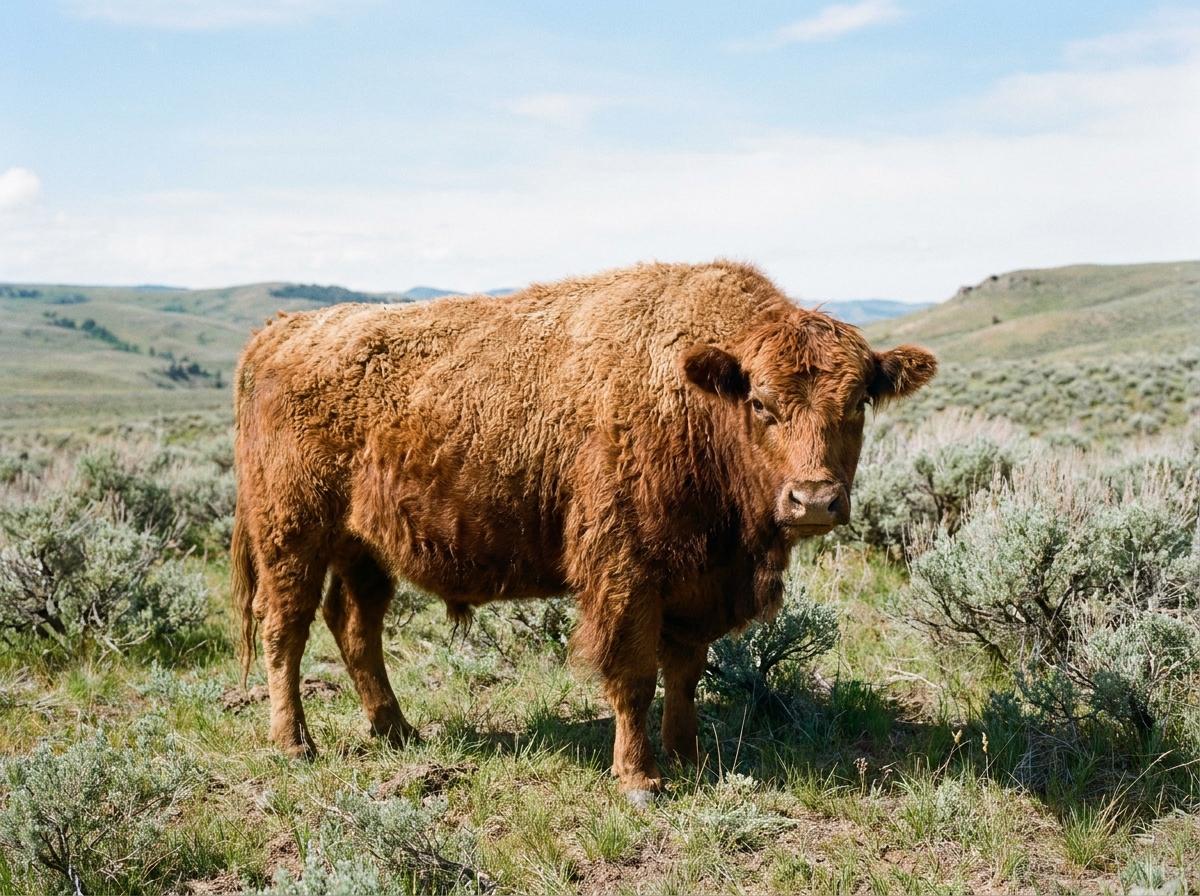
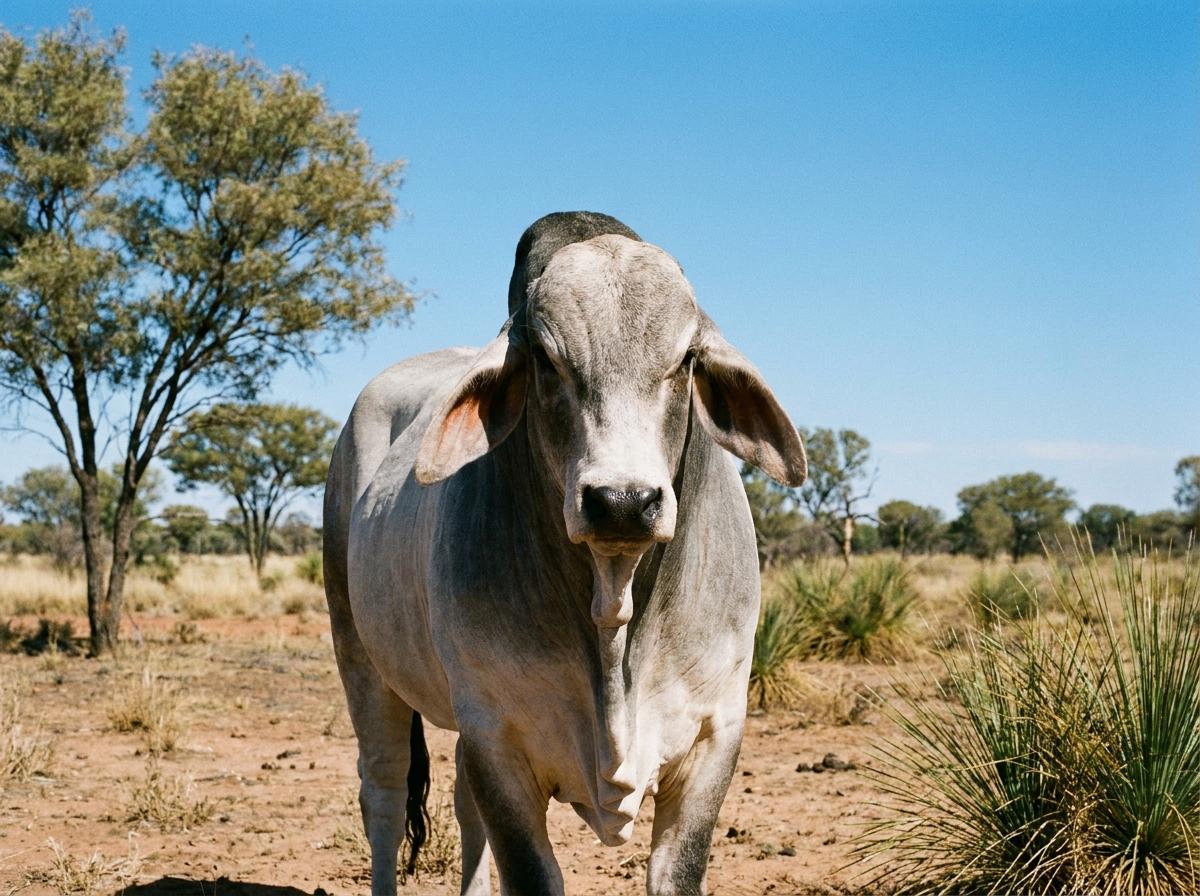
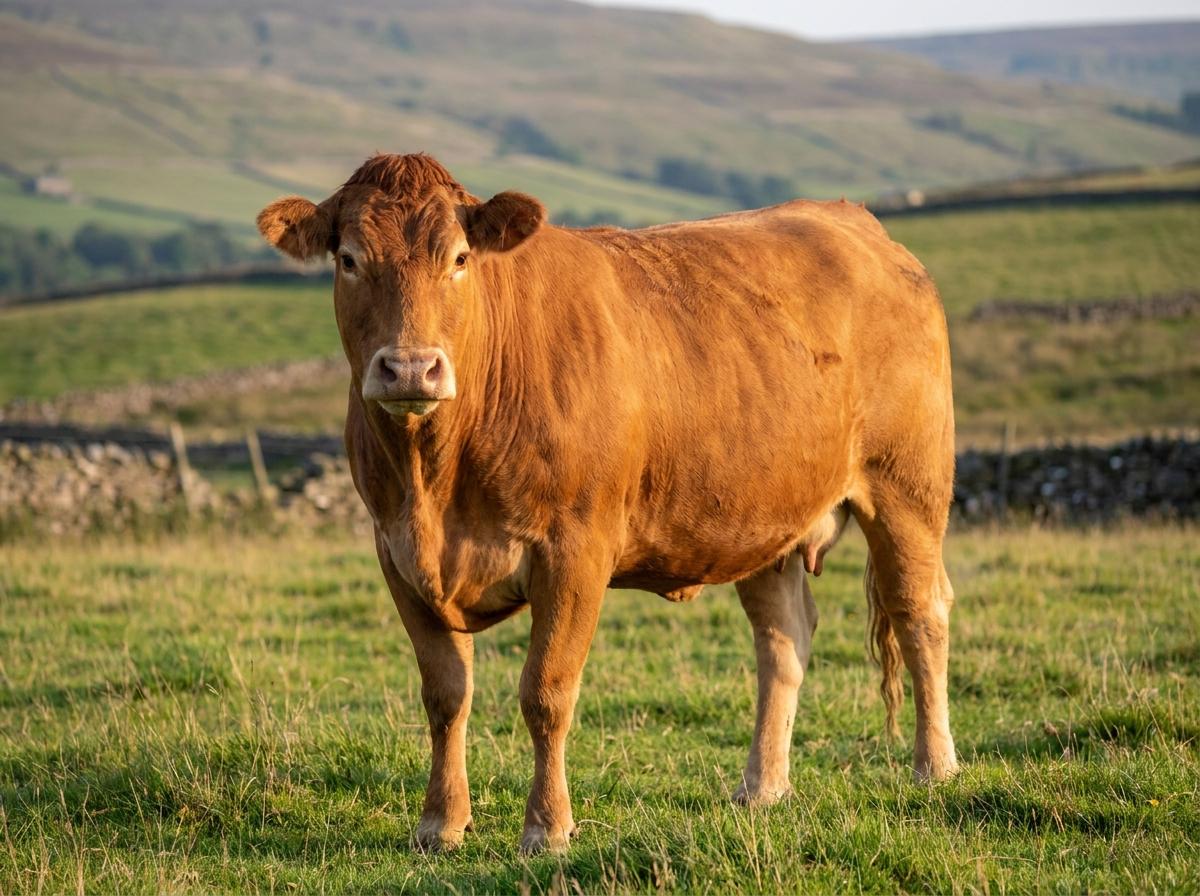
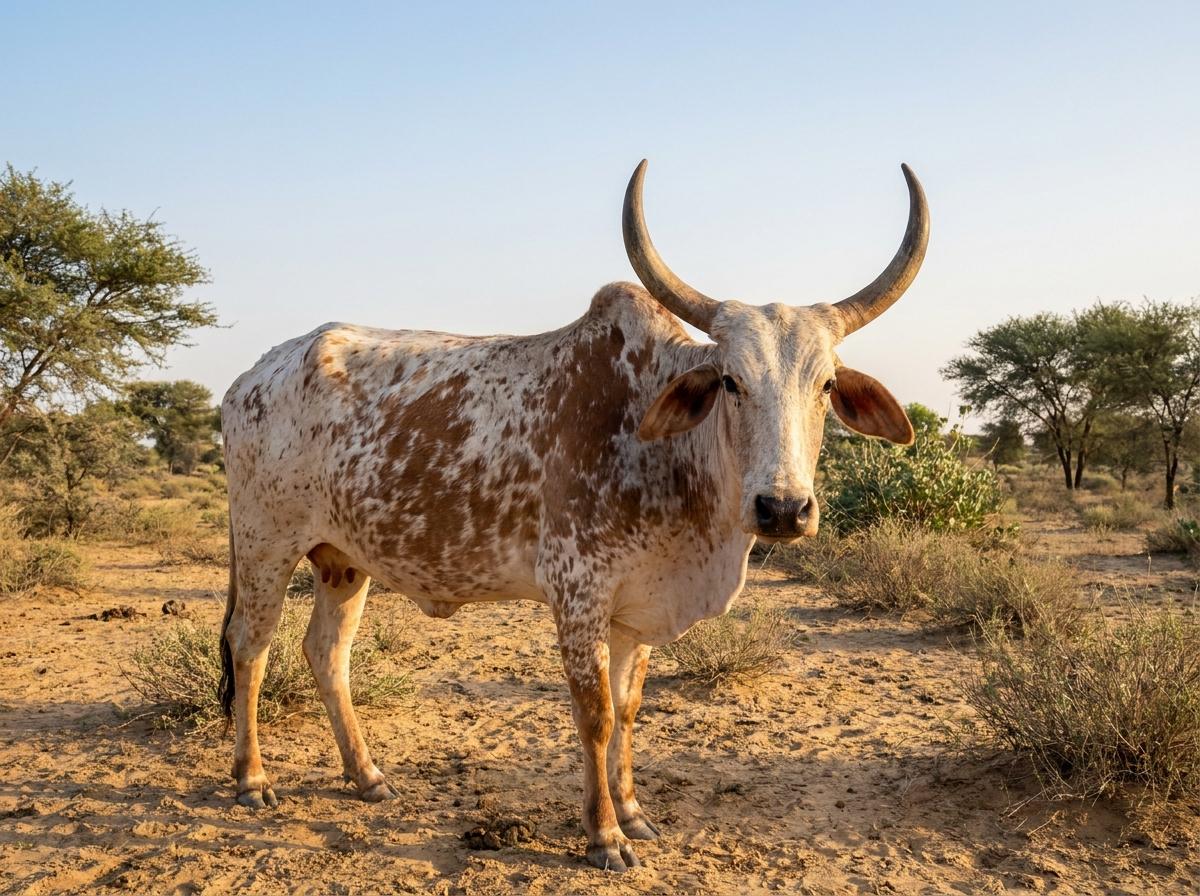
Rathi cattle are an Indian zebu dairy breed from the dry northwestern districts of Rajasthan, especially the Bikaner, Ganganagar, Hanumangarh, and Churu region. The breed is medium sized, humped, and usually brown, red-brown, or blackish with white patches, though local herds vary. Rathi cattle developed in a harsh desert-edge environment where milk production had to be balanced with heat tolerance, walking ability, and use of rough forage. They are often grouped with important indigenous milch breeds of India rather than with heavy draft or specialized beef cattle.
Smallholders keep Rathi cows for household milk, saleable surplus, manure, and calves that can be used in mixed farming systems. They respond to better feeding but are valued because they can keep producing under hot, semi-arid conditions when supported with crop residues, dry fodder, green forage when available, and clean water. Breeding decisions may involve government farms, artificial insemination, or village bulls, so buyers should look for animals from known milking families rather than relying on color alone. Hoof care, tick control, shade, and practical heat management are central to maintaining useful lactation and fertility.
Colors: Belted, Black, Black and White, Blaze Faced, Blue Roan, Brindle, Brockle Faced, Brown, Brown and White, Dun, Gray, Grey, Highbelt, Highpark, Lineback, Mottled, Pied, Red, Red and White, Red Roan, Riggit, Roan, Silver, Solid Black, Solid Red, Solid White, Speckled, Spotted, White, White Faced, Yellow