

Ringamåla
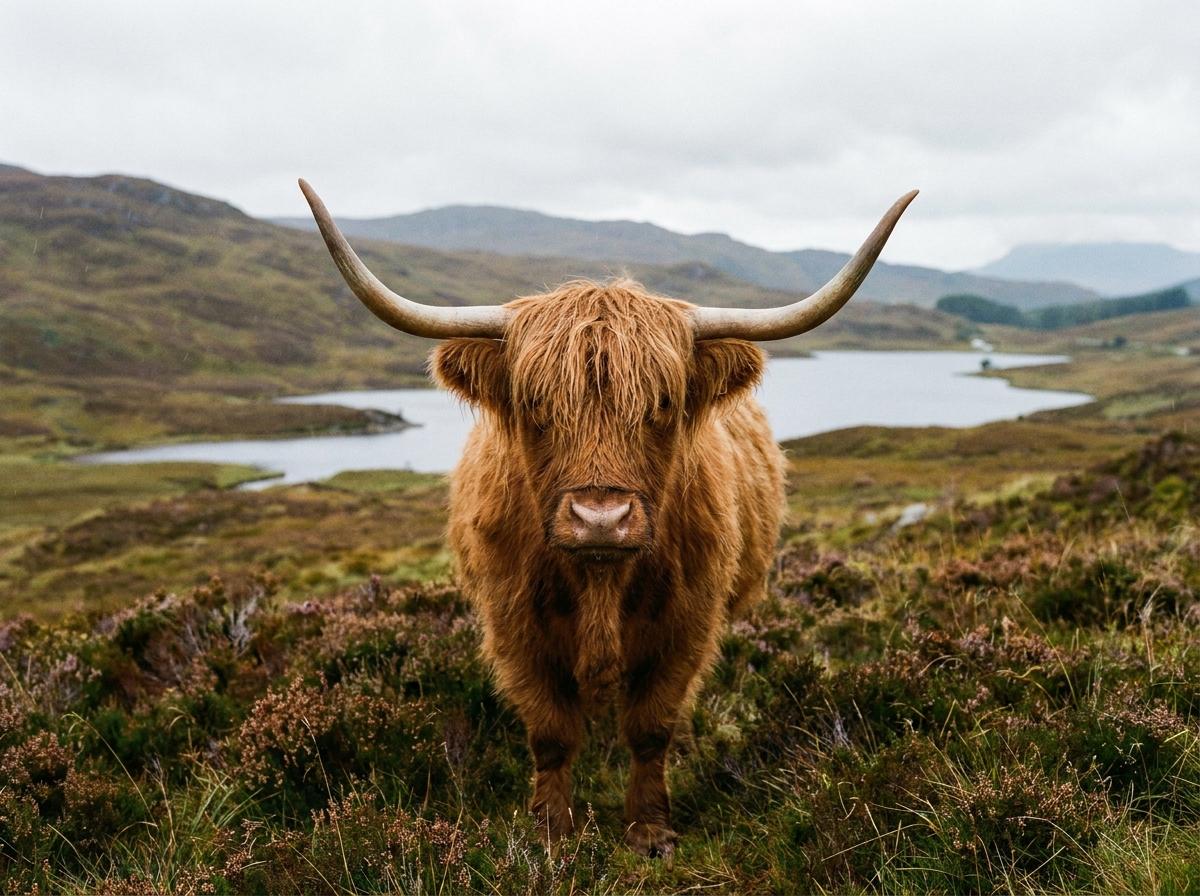
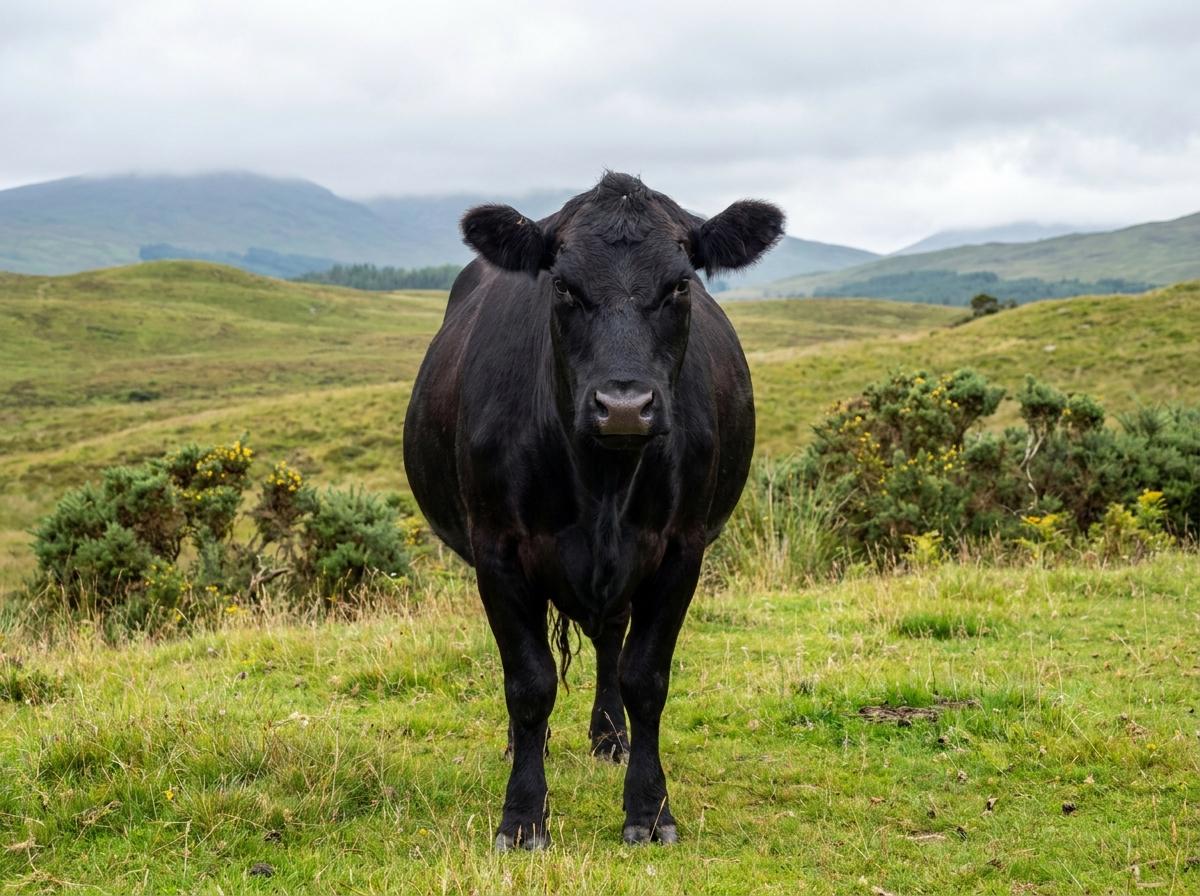
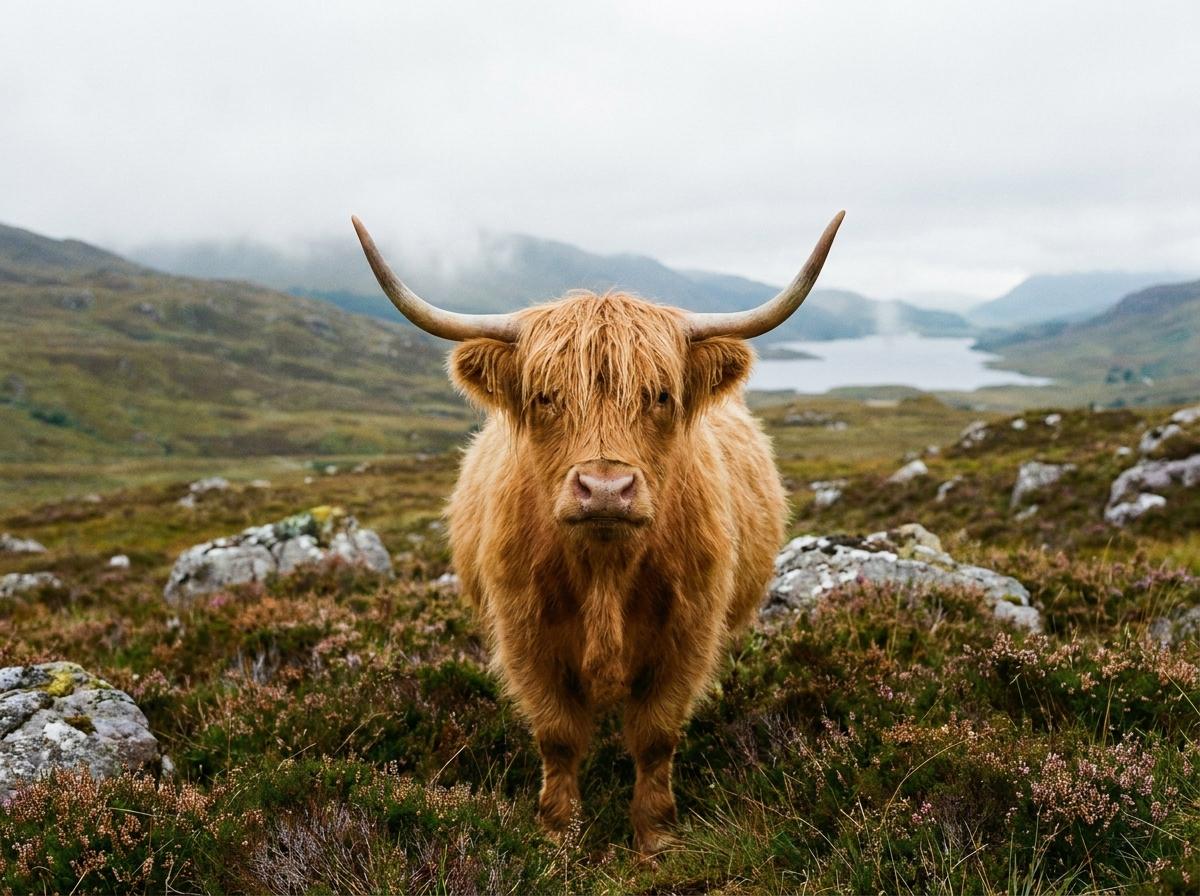
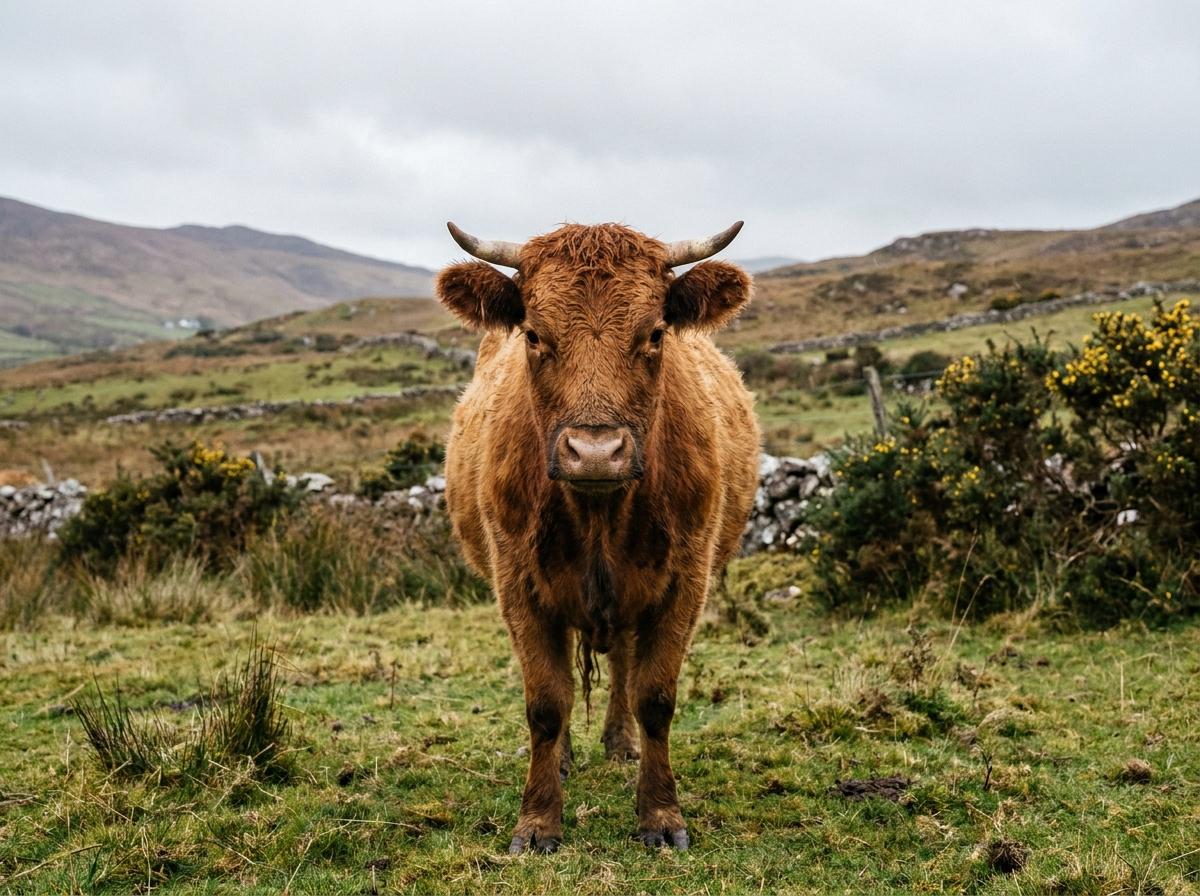
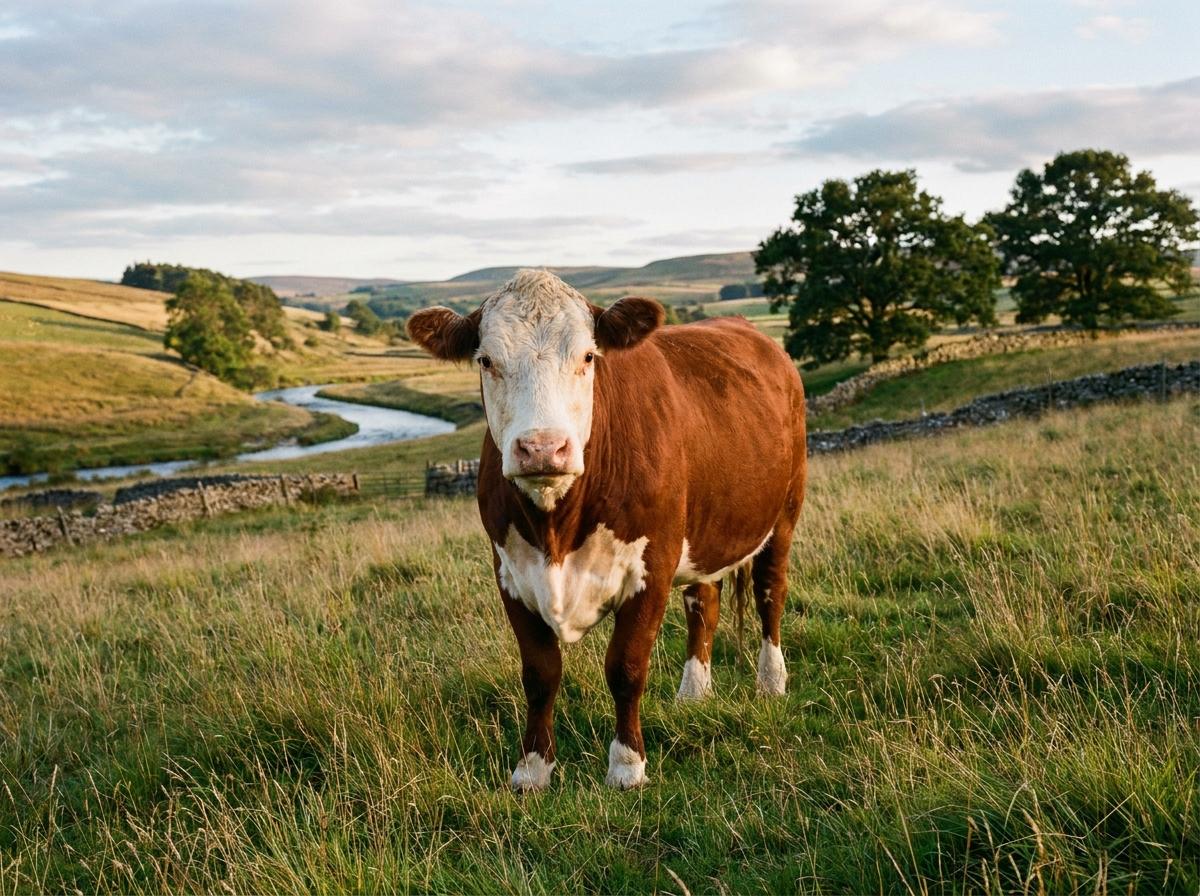
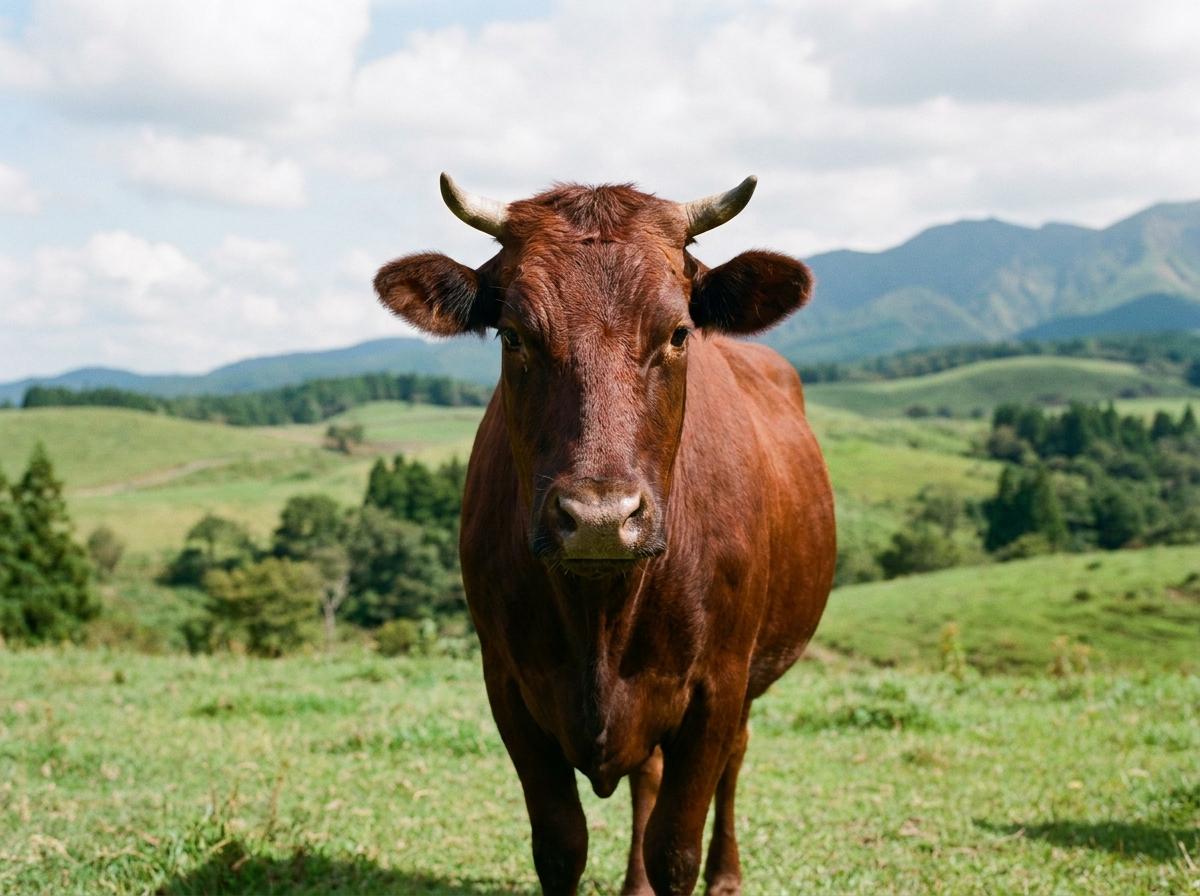
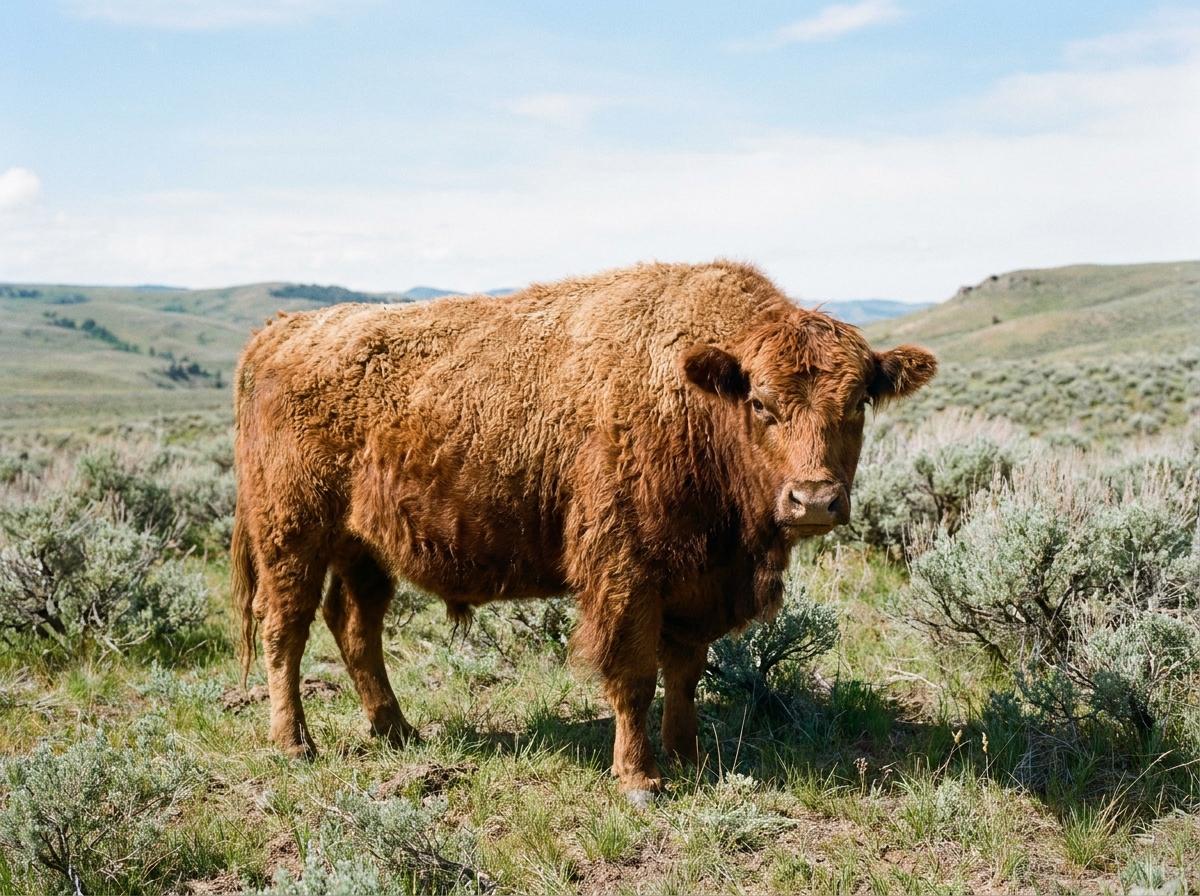
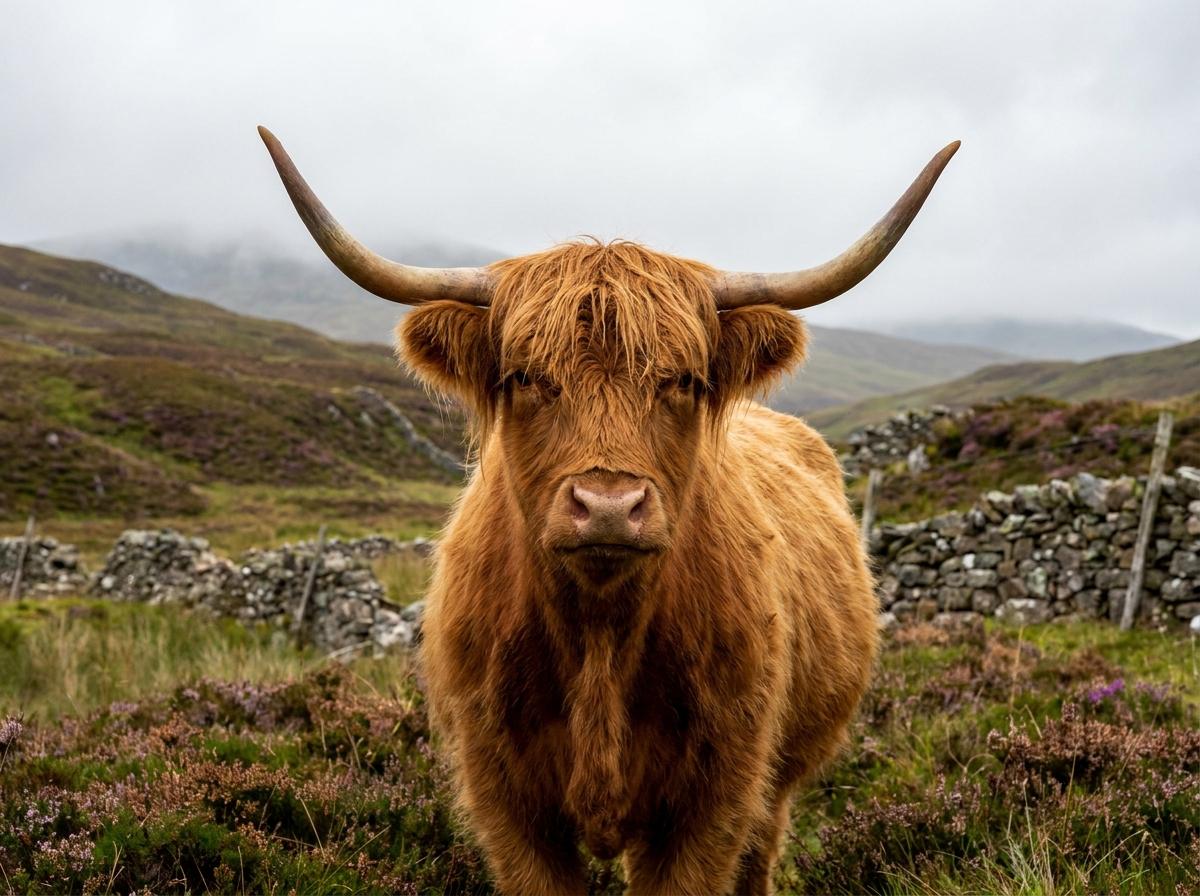
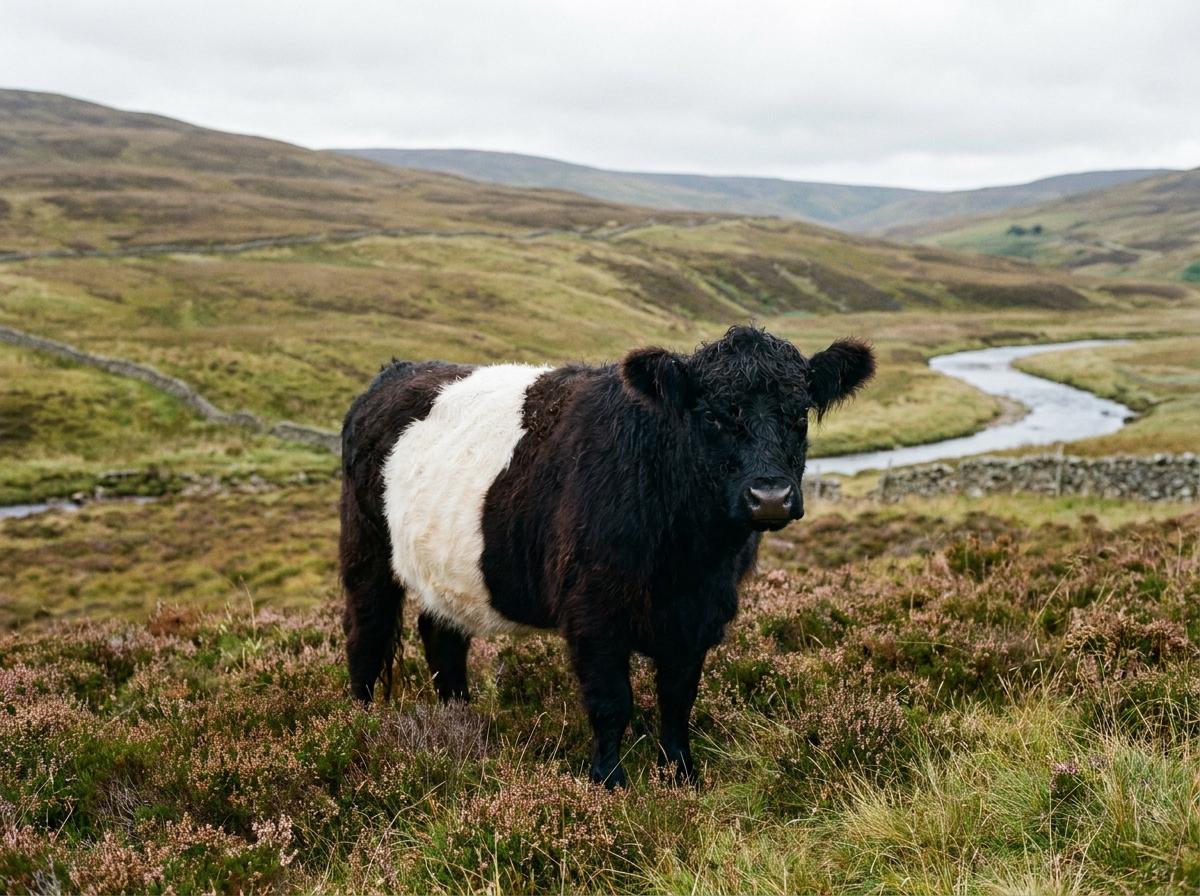
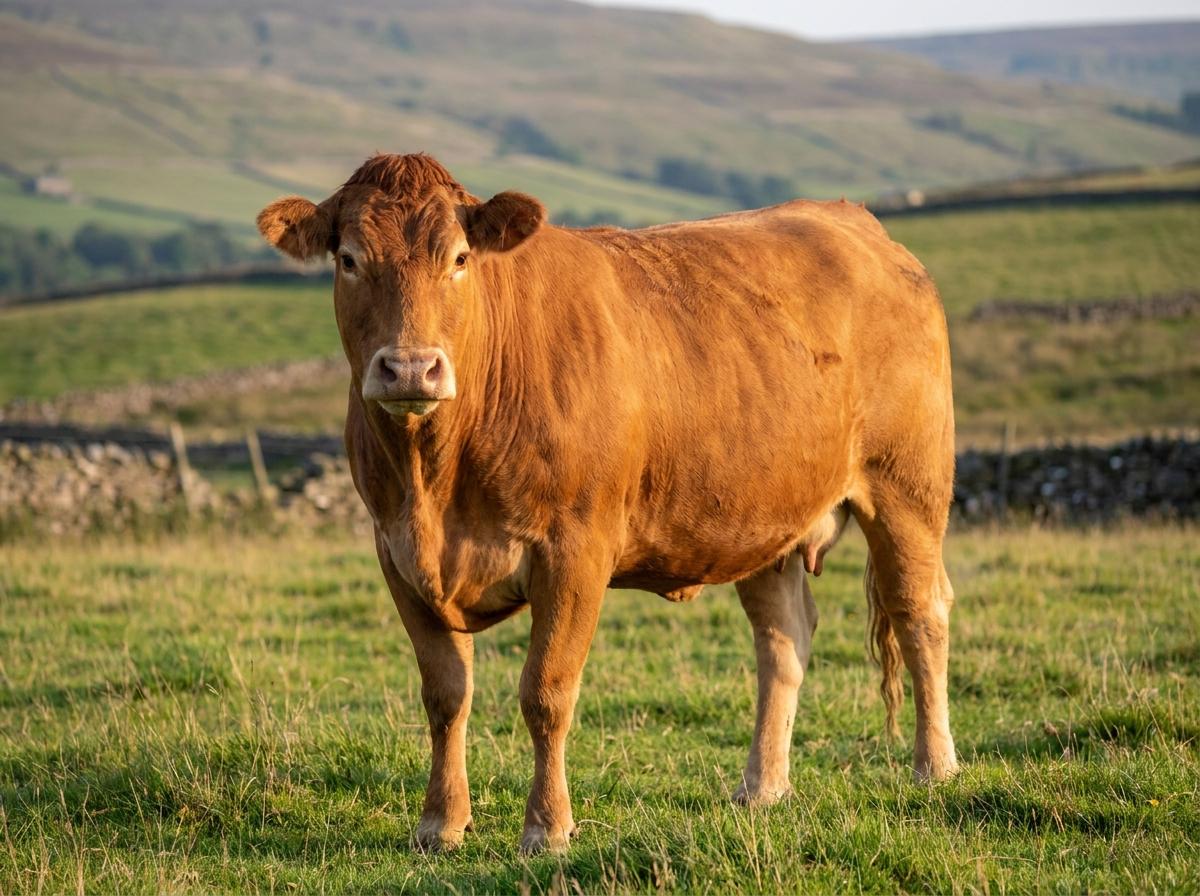
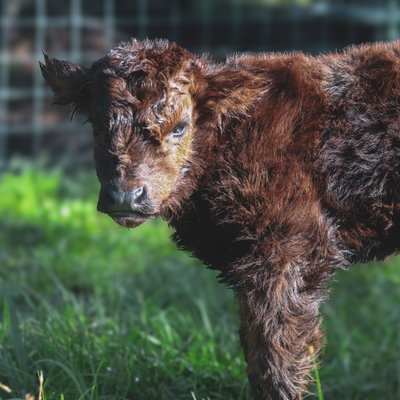
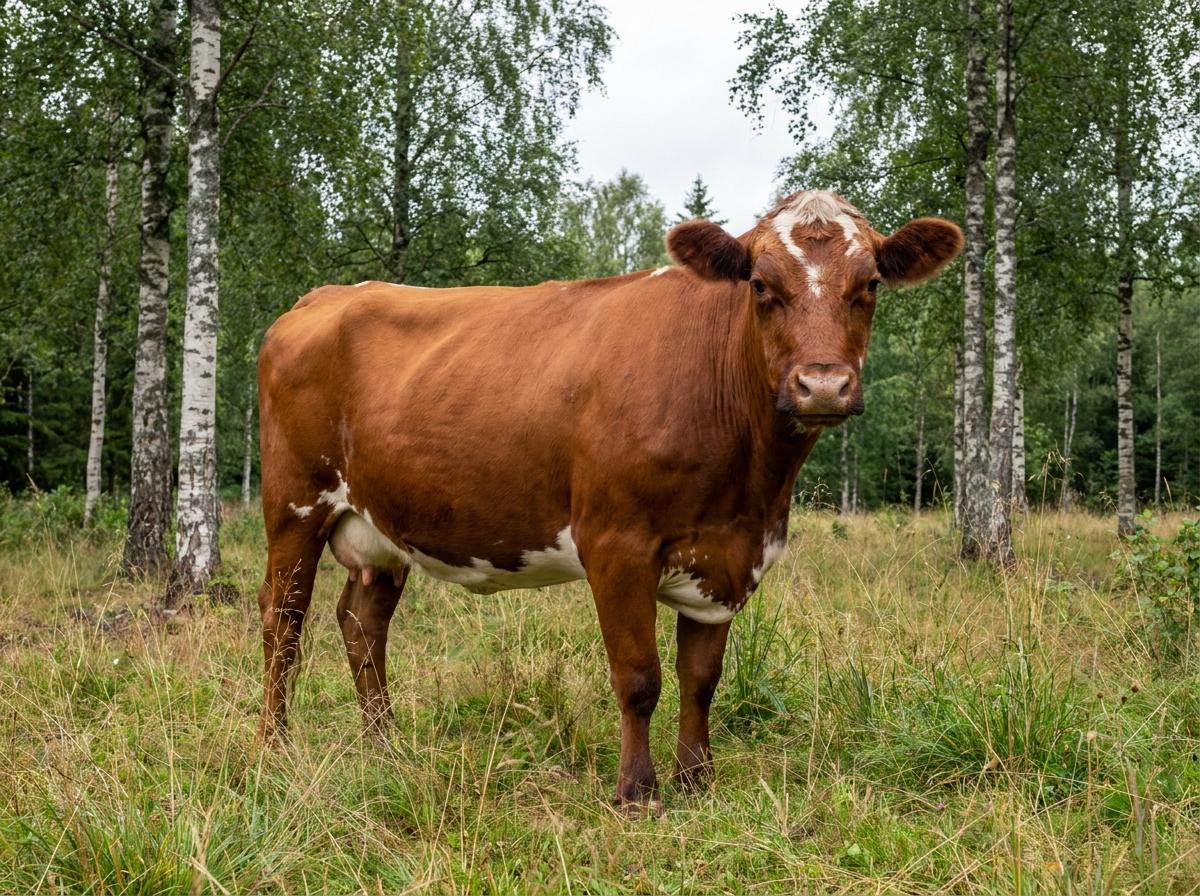
Ringamåla cattle, or Ringamålako, are a rare Swedish landrace named for Ringamåla in Blekinge. The cattle descend from old southern Swedish farm stock that survived outside intensive dairy breeding and are grouped with Sweden's native allmoge cattle. They are small to medium, usually hardy and thrifty, with variable red, red-and-white, black, or brindled coats and both horned and polled individuals reported depending on line. Rather than a uniform production breed, Ringamåla represents a living remnant of local multipurpose cattle.
Keepers generally maintain Ringamåla cattle for genetic conservation, small-scale milk, calves, grazing, and cultural heritage. They suit grass and hay-based management but need the same attention to minerals, winter shelter, udder health, and safe handling as any dairy-type cattle in a cold climate. Because the population is limited, mating choices should be planned to avoid close inbreeding while retaining identifiable Ringamåla ancestry. Prospective buyers in Sweden typically work with native-breed associations or conservation herdbooks; outside the region, animals and semen may be difficult to obtain.
Colors: Belted, Black, Black and White, Blaze Faced, Blue Roan, Brindle, Brockle Faced, Brown, Brown and White, Dun, Gray, Grey, Highbelt, Highpark, Lineback, Mottled, Pied, Red, Red and White, Red Roan, Riggit, Roan, Silver, Solid Black, Solid Red, Solid White, Speckled, Spotted, White, White Faced, Yellow