

Romanian Grey
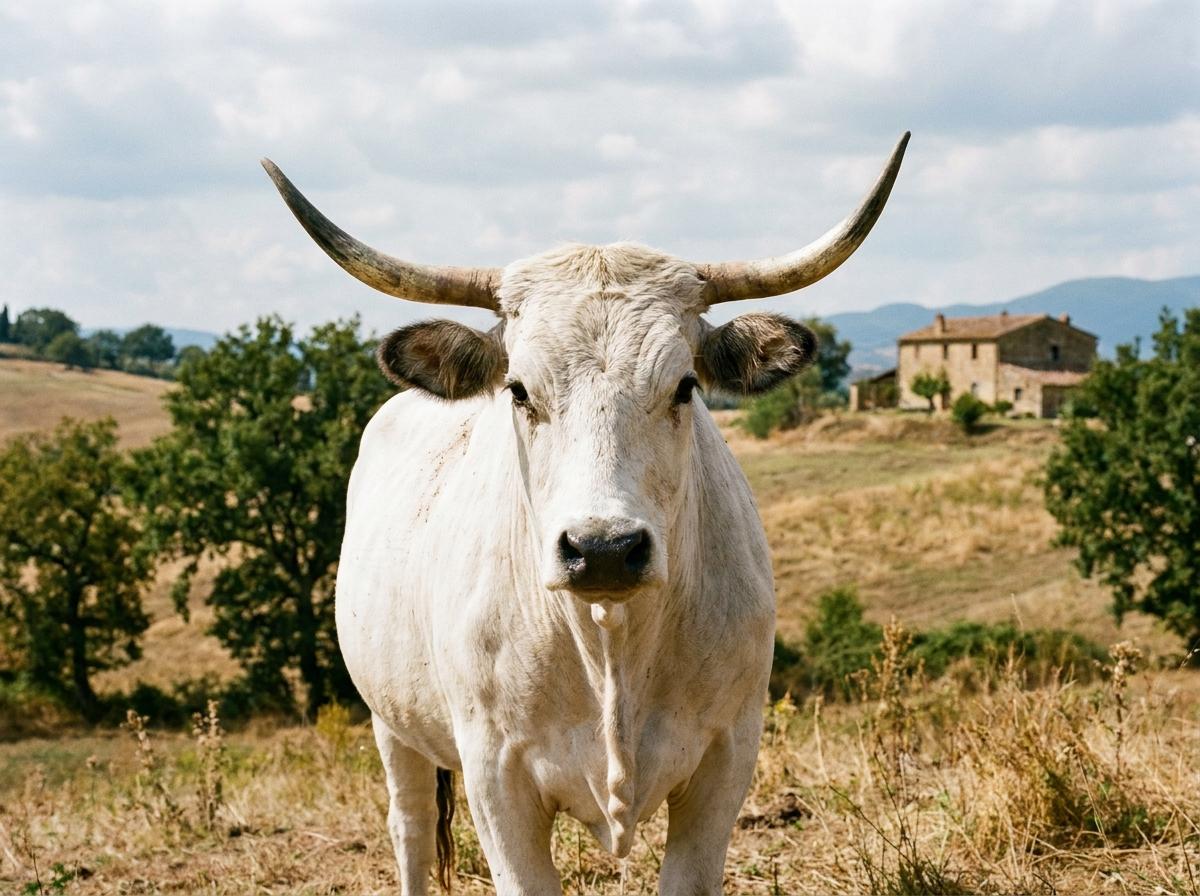
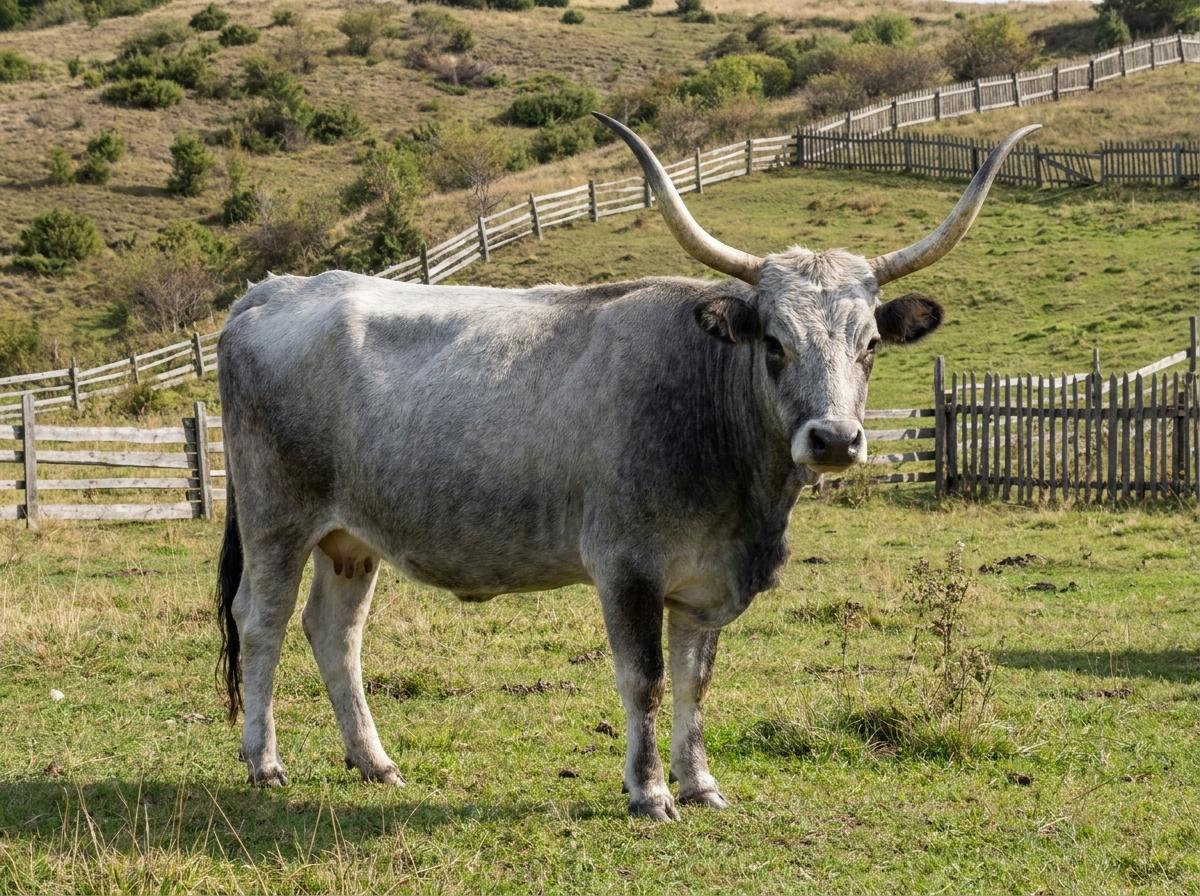
Romanian grey cattle belong to the Podolian or Grey Steppe group and were shaped on Romania's Danube plains and adjoining lowland farms before modern specialized breeds became common. They are usually pale silver to darker grey, with darker shading on bulls, black points, a strong frame, and long lyre-shaped horns. Historically they were multipurpose cattle: oxen for work, cows for household milk, and animals that could finish as beef when forage was limited.
Today the breed is mostly important as a hardy local genetic resource and as a practical low-input animal where terrain, weather, or feed quality would punish high-production dairy cattle. Herds need ordinary cattle care, but their horns and strong working-cattle build call for safe handling facilities. Breeding programs tend to emphasize purebred females, calving ability, longevity, and adaptation rather than maximum milk yield, since much of the value of Romanian grey cattle lies in traits that were nearly lost as farms shifted to Holstein, Simmental, and Brown Swiss types.
Colors: Belted, Black, Black and White, Blaze Faced, Blue Roan, Brindle, Brockle Faced, Brown, Brown and White, Dun, Gray, Grey, Highbelt, Highpark, Lineback, Mottled, Pied, Red, Red and White, Red Roan, Riggit, Roan, Silver, Solid Black, Solid Red, Solid White, Speckled, Spotted, White, White Faced, Yellow