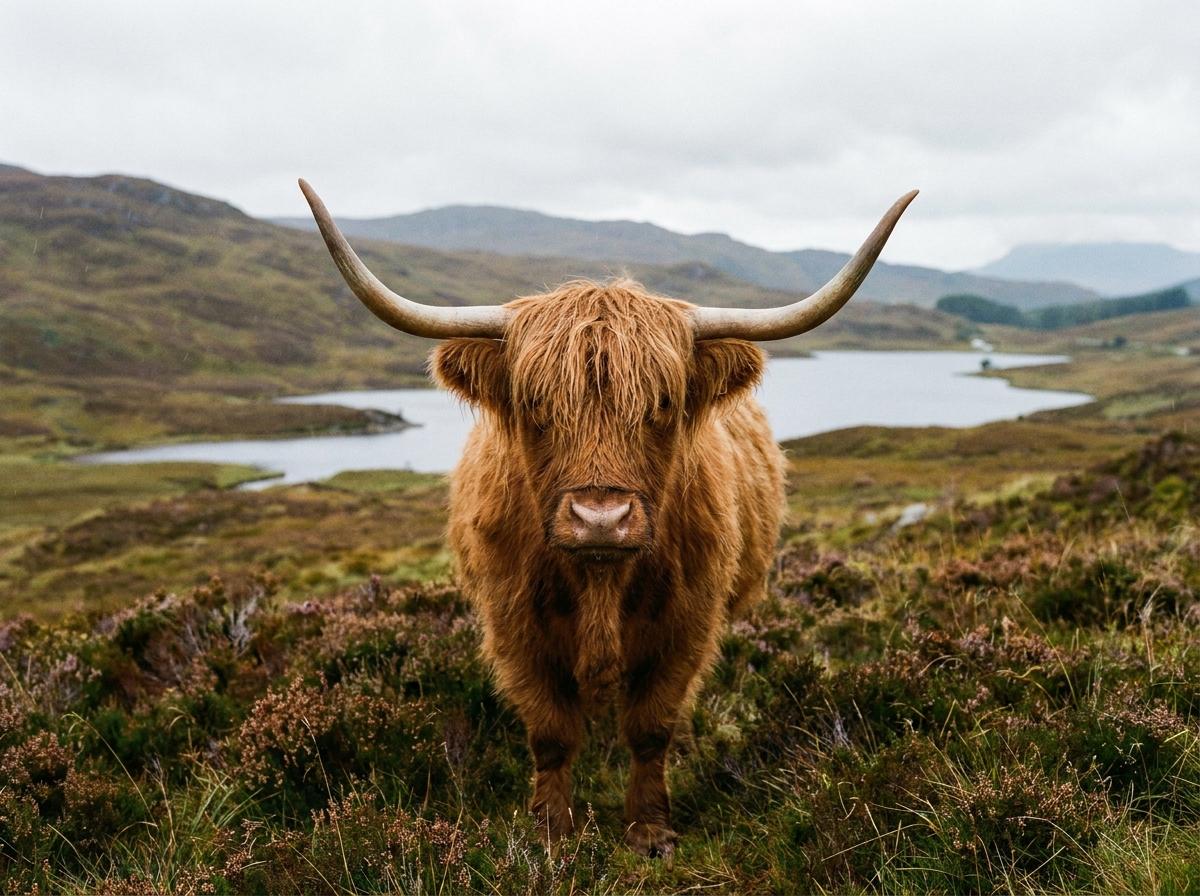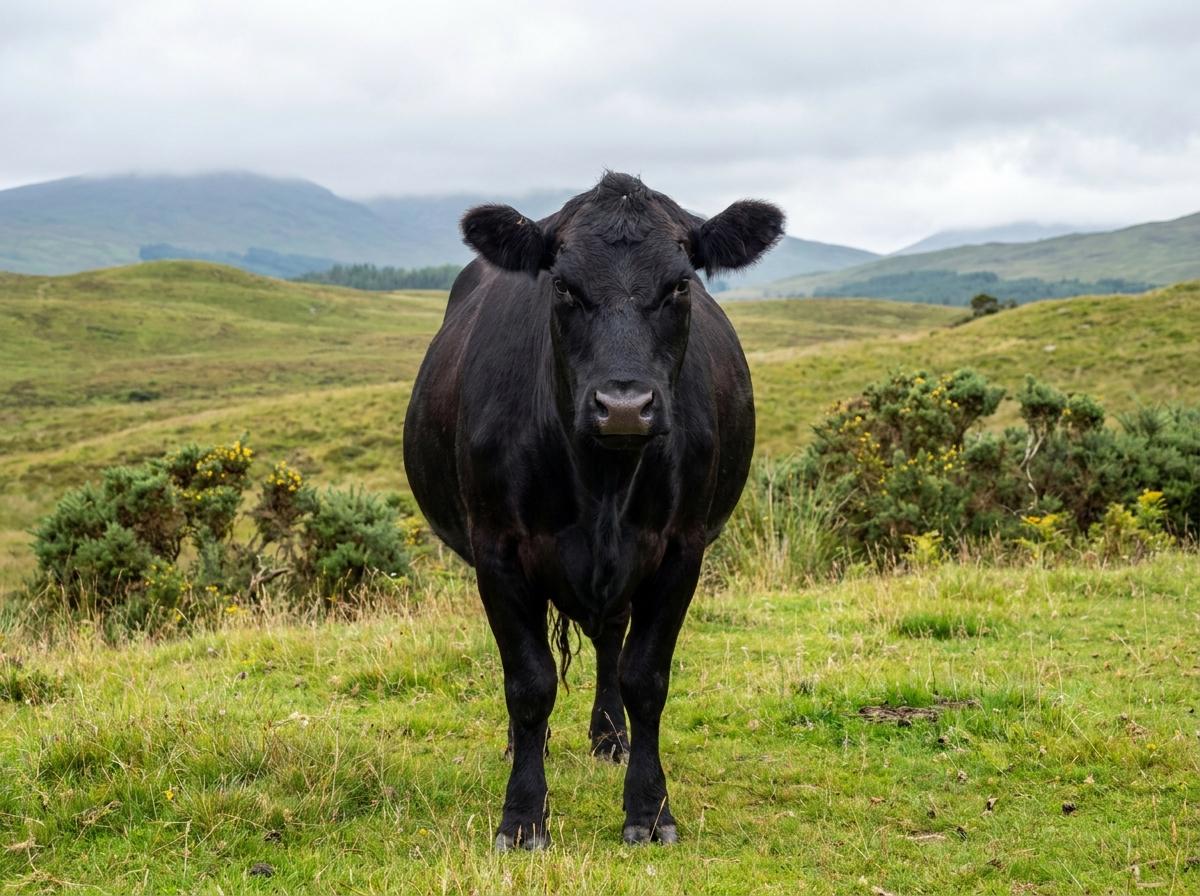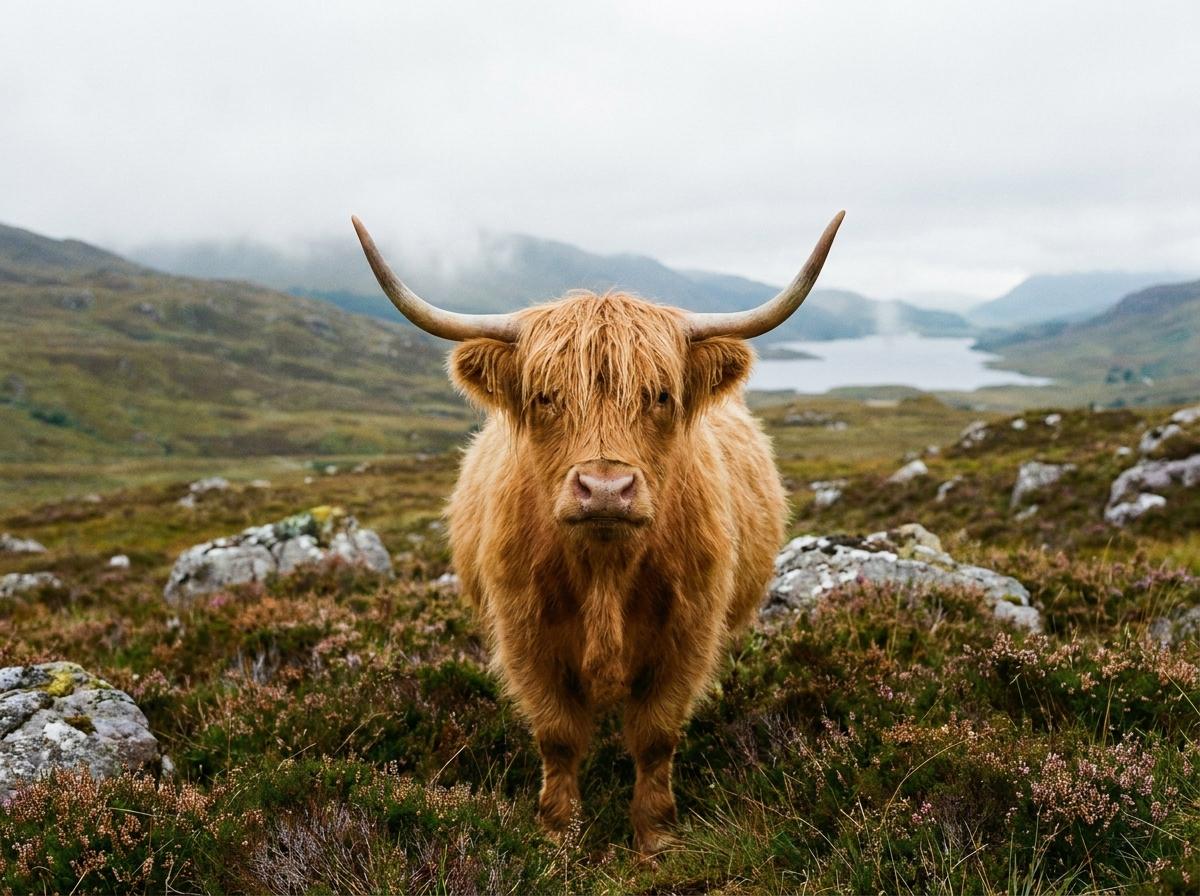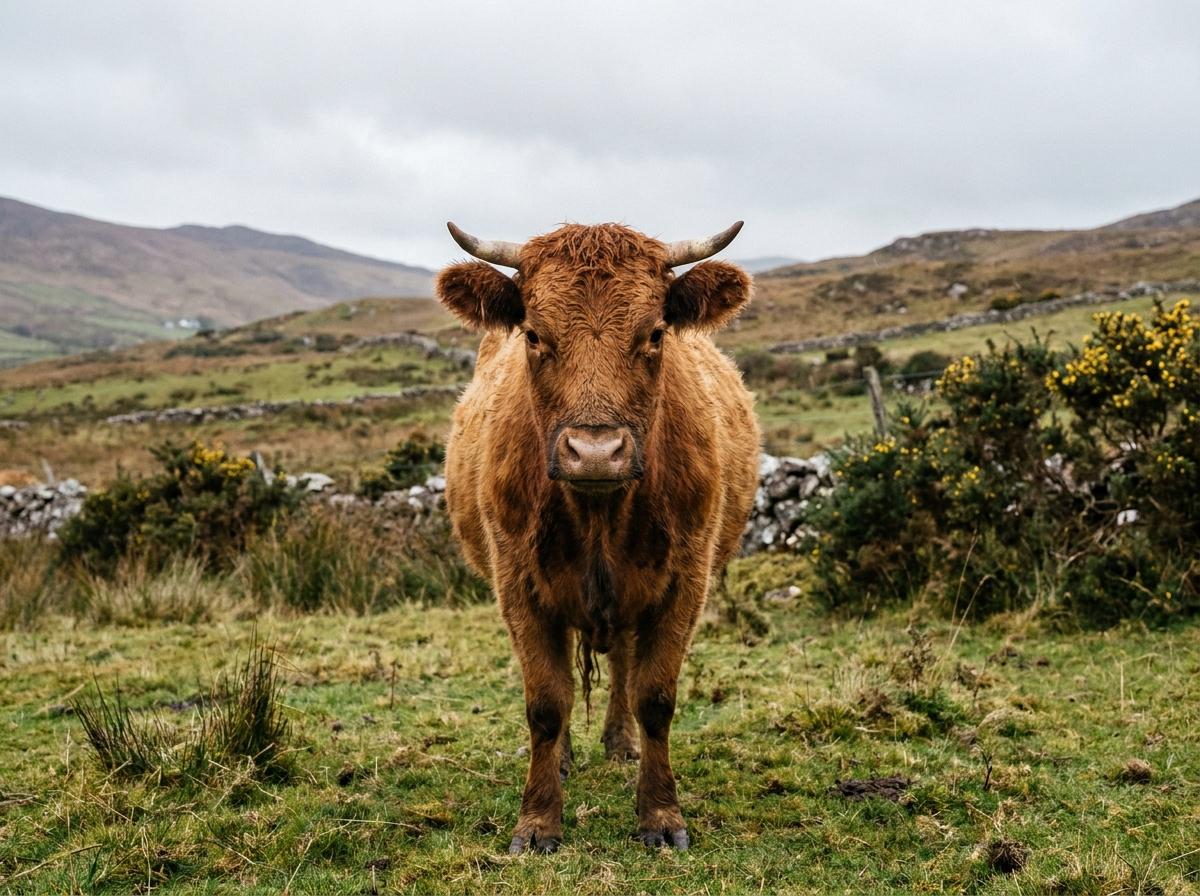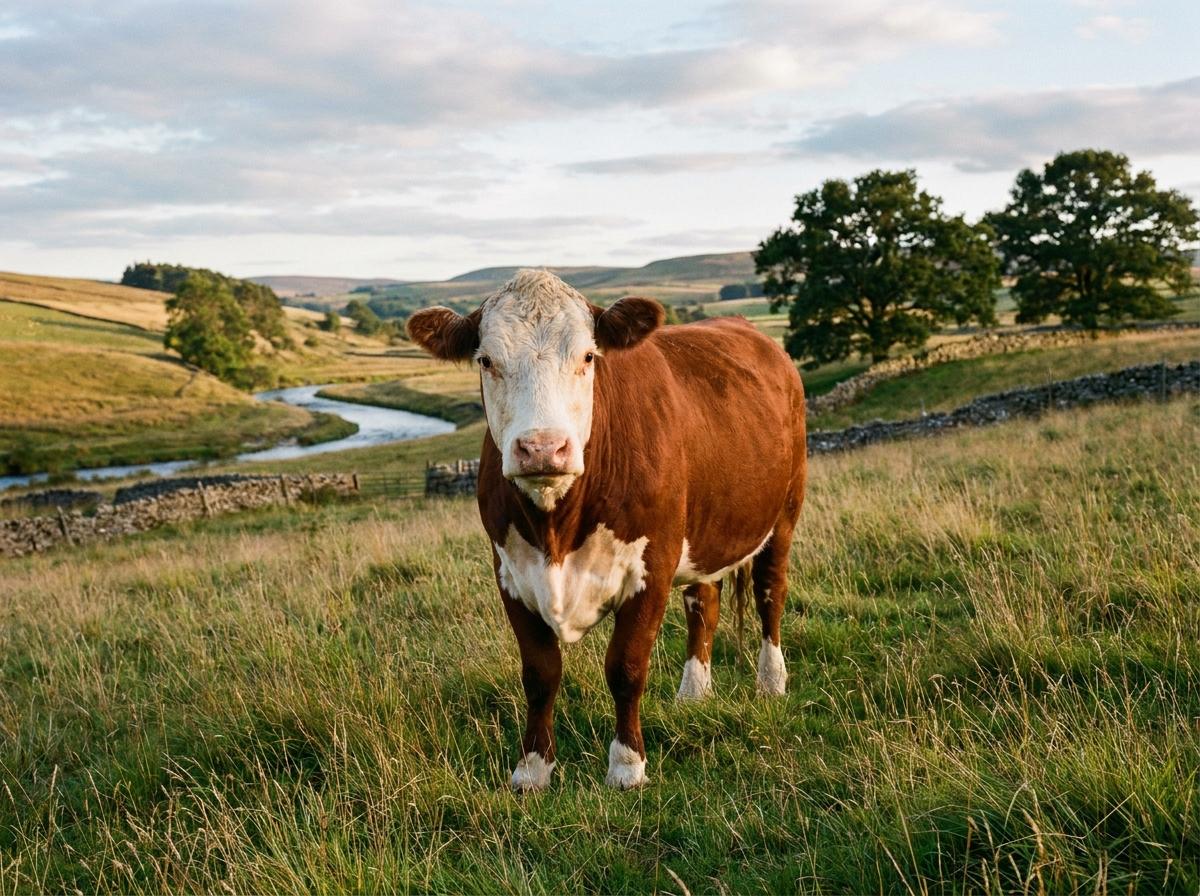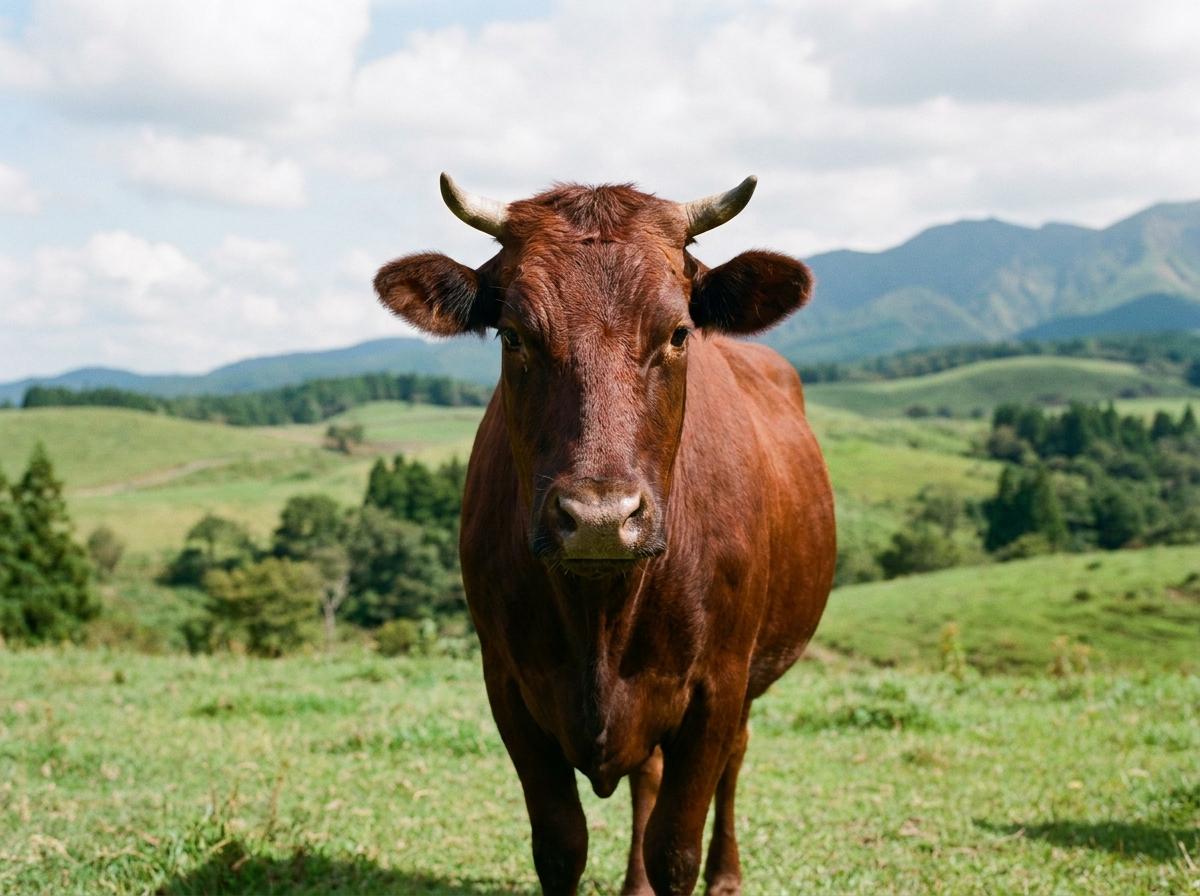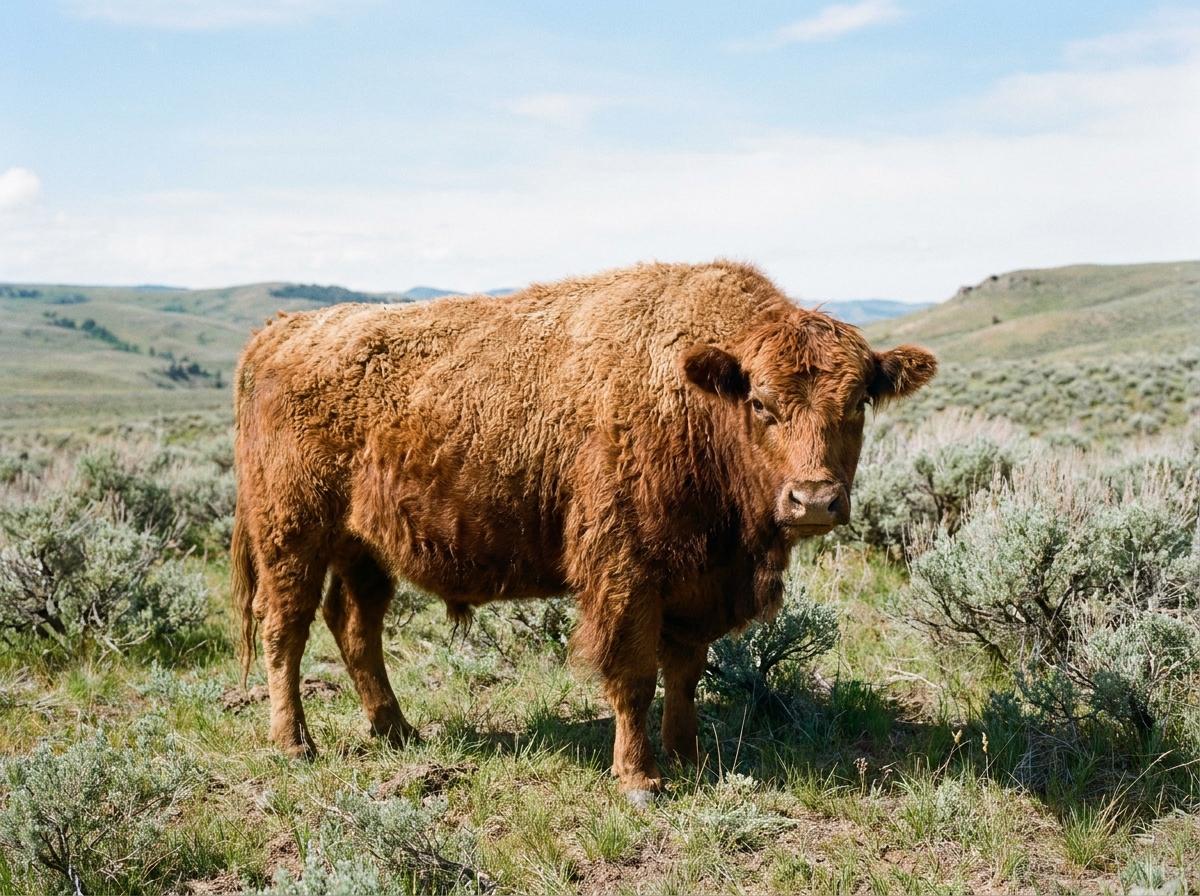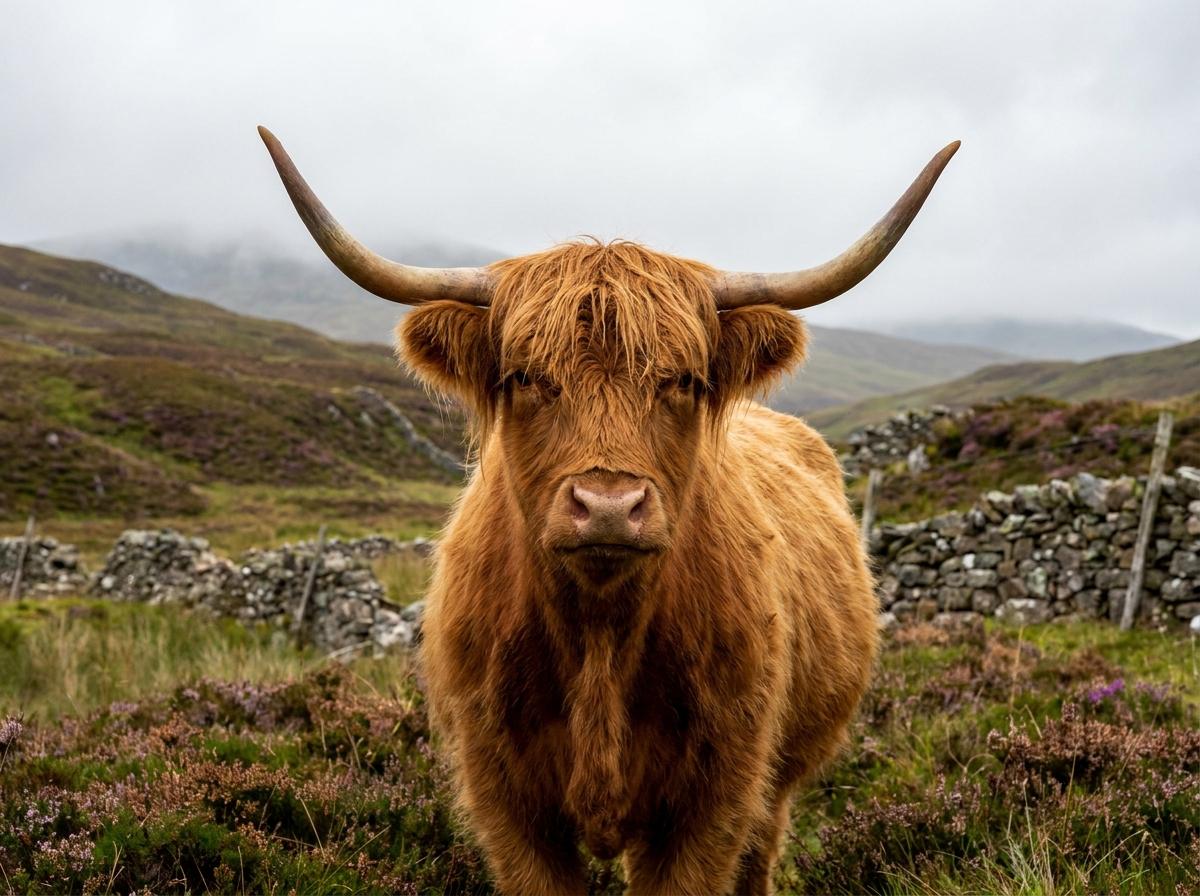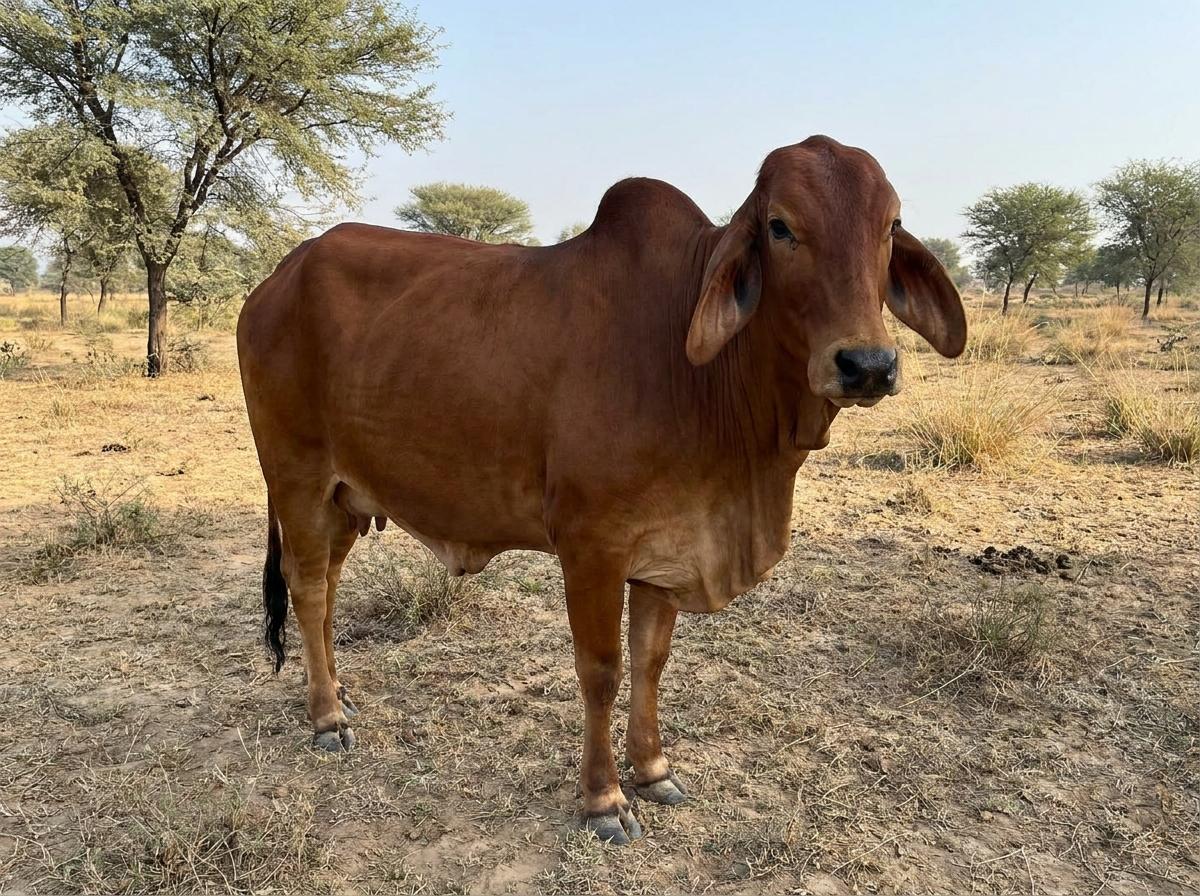
Sahiwal
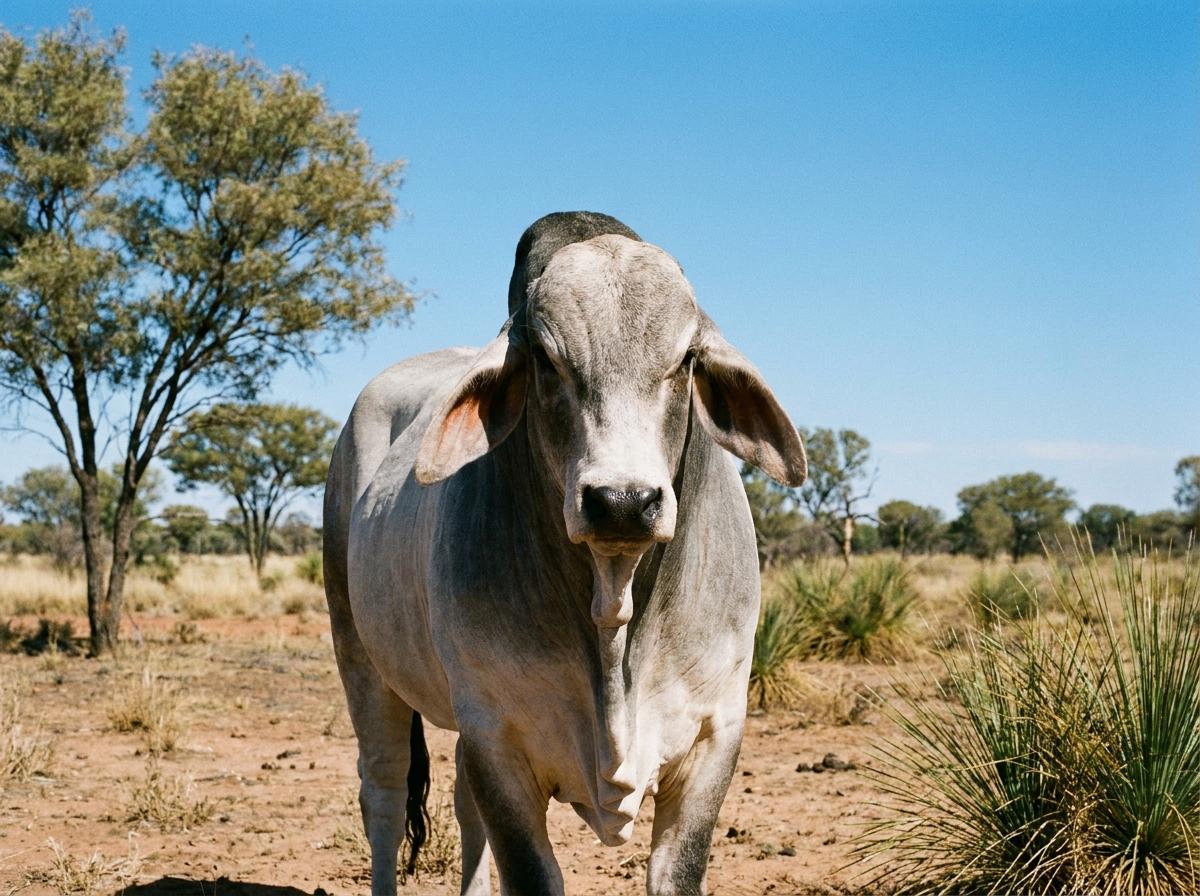
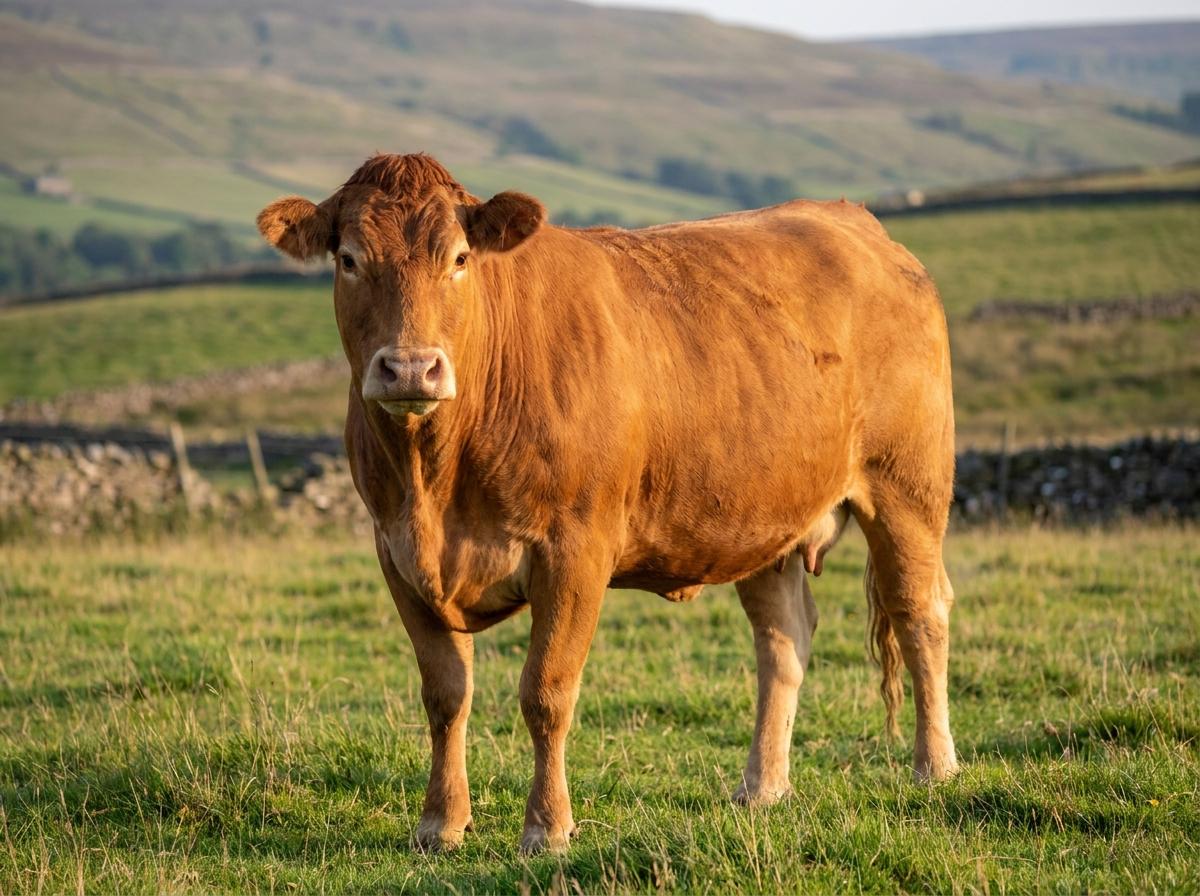
Sahiwal cattle are one of the best-known zebu dairy breeds, originating in the Punjab region around Sahiwal, formerly Montgomery, in present-day Pakistan and northwestern India. They are red, reddish brown, or sometimes lighter fawn, with a pronounced hump, loose skin, a large dewlap, and drooping ears. Unlike many tropical cattle kept mainly for beef or draft, Sahiwal cows were selected for useful milk yield under heat, seasonal feed shortages, and parasite pressure. Their genetics have influenced tropical dairy programs in Africa, Australia, the Caribbean, and South Asia.
In villages and larger dairies, Sahiwal cattle are valued for heat tolerance, steady lactation, and generally manageable temperaments, although mature bulls still require experienced handling. Milk production rises sharply when cows receive quality forage and some concentrate, so their hardiness should not be mistaken for the ability to produce well on poor feed alone. Crossbreeding with Holstein, Jersey, or local cattle can improve tropical dairying, but pure Sahiwal herds remain important for conserving adaptation, udder soundness, fertility, and disease resilience.
Colors: Belted, Black, Black and White, Blaze Faced, Blue Roan, Brindle, Brockle Faced, Brown, Brown and White, Dun, Gray, Grey, Highbelt, Highpark, Lineback, Mottled, Pied, Red, Red and White, Red Roan, Riggit, Roan, Silver, Solid Black, Solid Red, Solid White, Speckled, Spotted, White, White Faced, Yellow