

Sanga
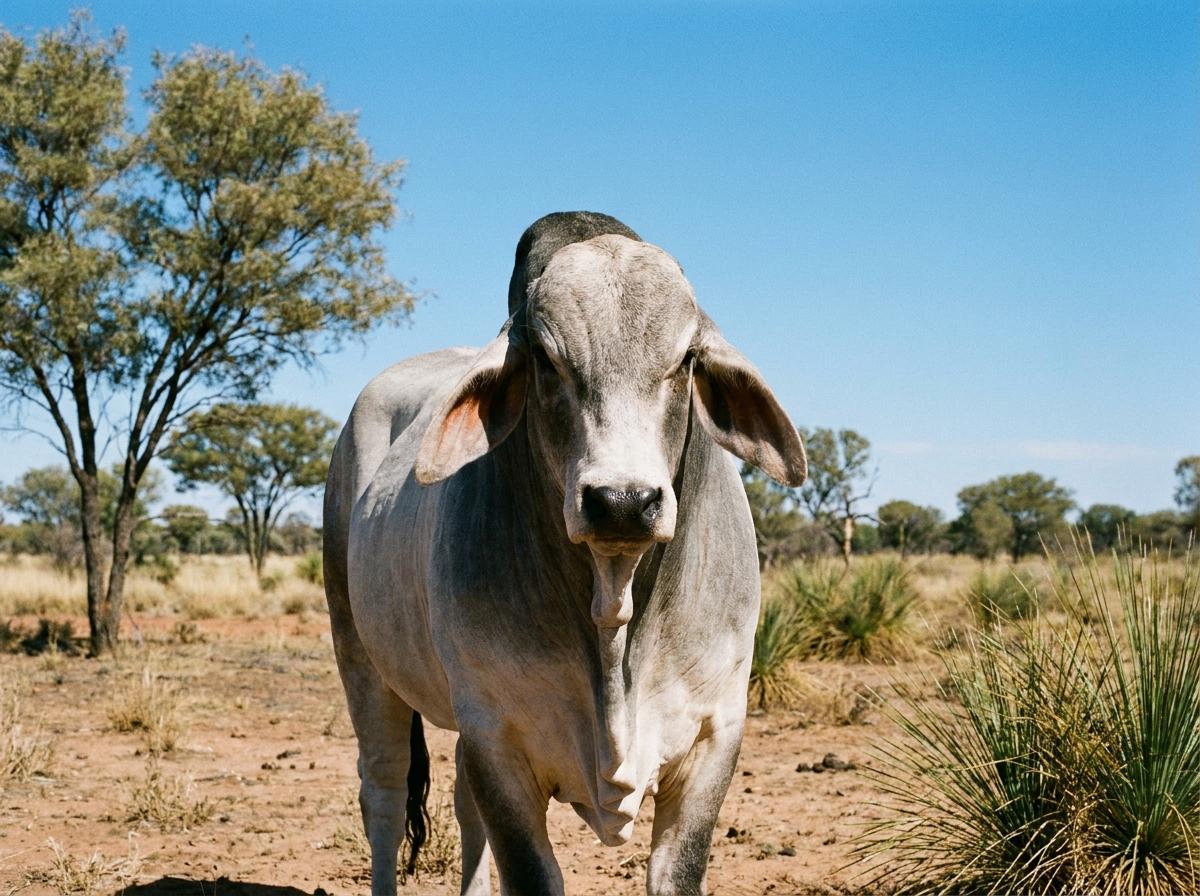
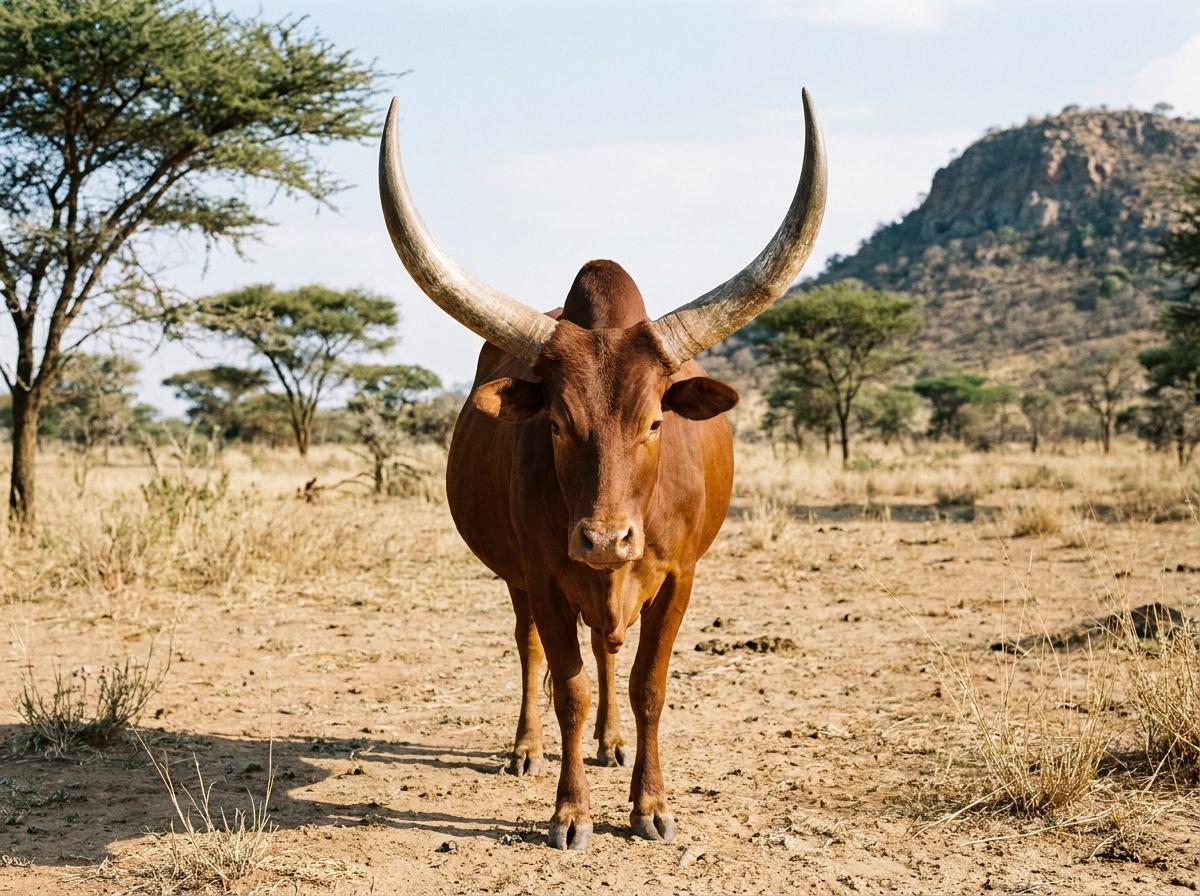
Sanga cattle are best understood as an African cattle group, not one uniform international breed. They arose from ancient mixing of humpless African taurine cattle with humped zebu cattle, producing animals with a small to moderate hump set forward over the shoulders, strong heat tolerance, and wide variation in horn shape, coat color, and size. Classifications differ, but Sanga or Sanga-derived breeds often include Nguni, Afrikaner, Tuli, Tswana, and Ankole-Watusi types. Their value lies in adaptation to African rangelands as much as in any fixed show-ring appearance.
They are kept by pastoralists, smallholders, and ranches for milk, meat, hides, draft work, and cultural wealth, with management shaped by seasonal grazing and water access. Local disease pressure, ticks, drought, and long walking distances are central to selection in many herds. Outside Africa, Sanga-derived cattle may be kept by breeders, parks, or heritage herds, especially the long-horned Watusi type. Anyone acquiring Sanga cattle should identify the actual breed or strain, because mature size, temperament, horn spread, and climate tolerance vary widely.
Colors: Belted, Black, Black and White, Blaze Faced, Blue Roan, Brindle, Brockle Faced, Brown, Brown and White, Dun, Gray, Grey, Highbelt, Highpark, Lineback, Mottled, Pied, Red, Red and White, Red Roan, Riggit, Roan, Silver, Solid Black, Solid Red, Solid White, Speckled, Spotted, White, White Faced, Yellow