

Serbian Steppe
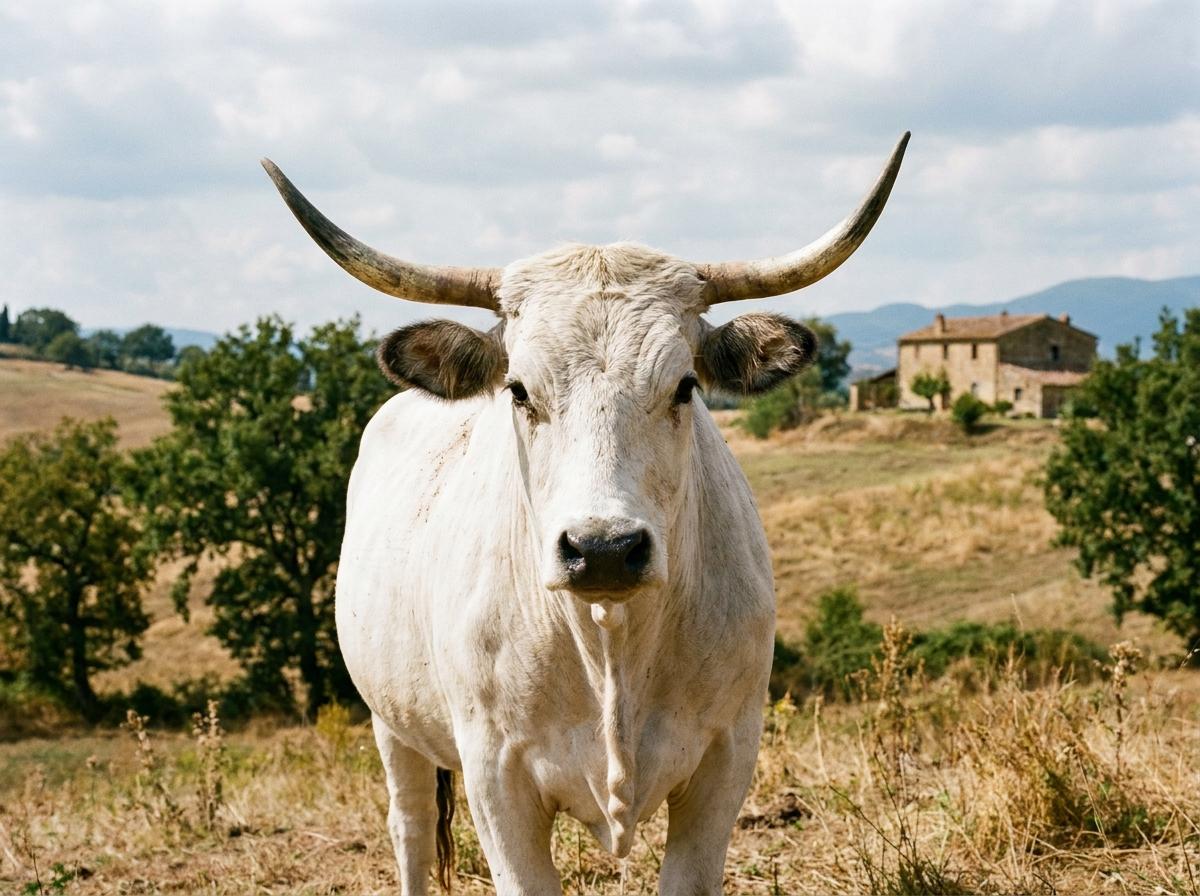
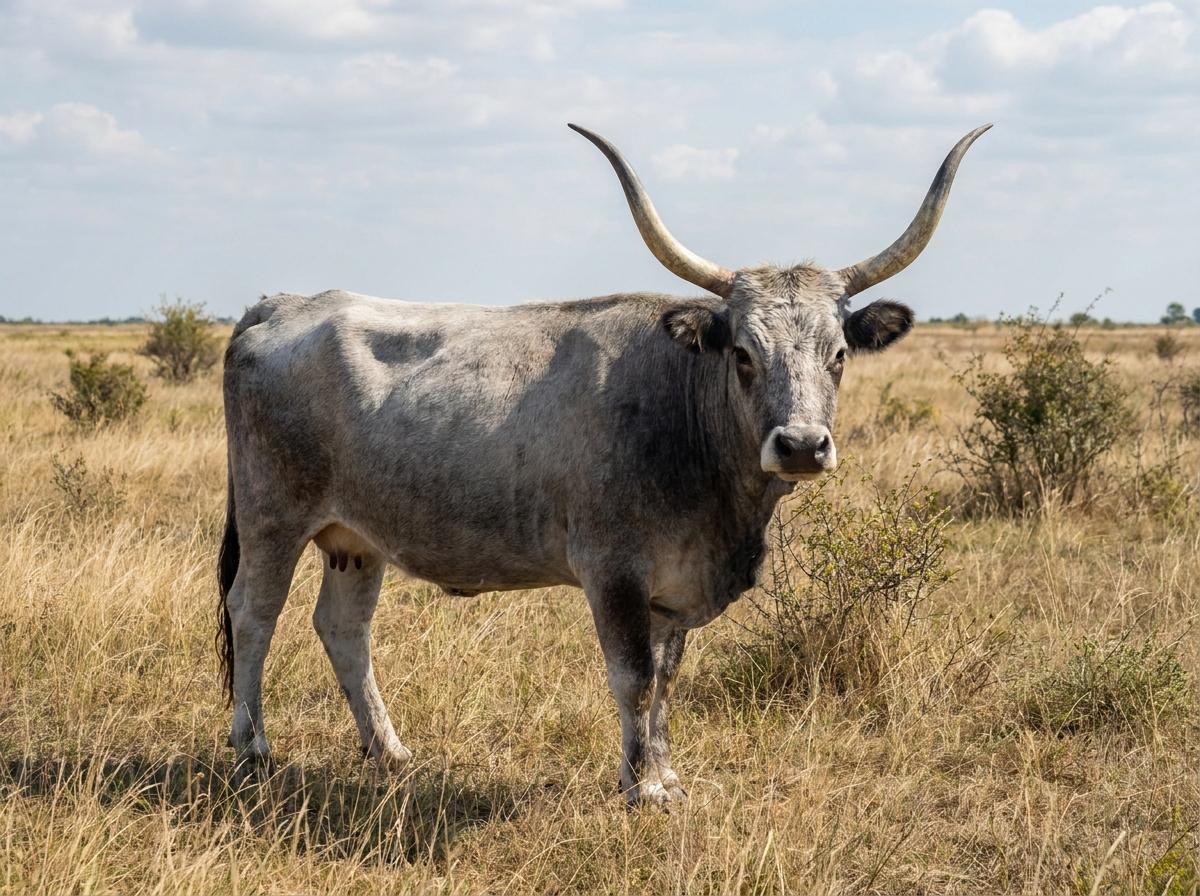
Serbian Steppe cattle generally refers to the Serbian form of the old grey steppe or Podolian-type cattle of the Balkans. These cattle are typically light grey to darker grey, long horned, slow maturing, and strongly built for walking and work. Their ancestors were valued as draft oxen as well as sources of meat and modest milk, especially in landscapes where hardy cattle could use coarse forage and tolerate exposed seasonal conditions better than more intensive dairy breeds.
Modern Serbian Steppe cattle are kept mostly for conservation, cultural heritage, extensive grazing, and occasional niche beef production. They are not high-output commercial cattle, but they can be useful in rough pasture systems where longevity, thriftiness, and weather resistance are important. Herds need secure handling facilities because mature animals are large and horned, even when quiet. Conservation breeding should avoid narrowing the gene pool and should preserve the traits that made the cattle useful in the first place: strong legs, easy calving, grazing ability, and resilience on marginal land.
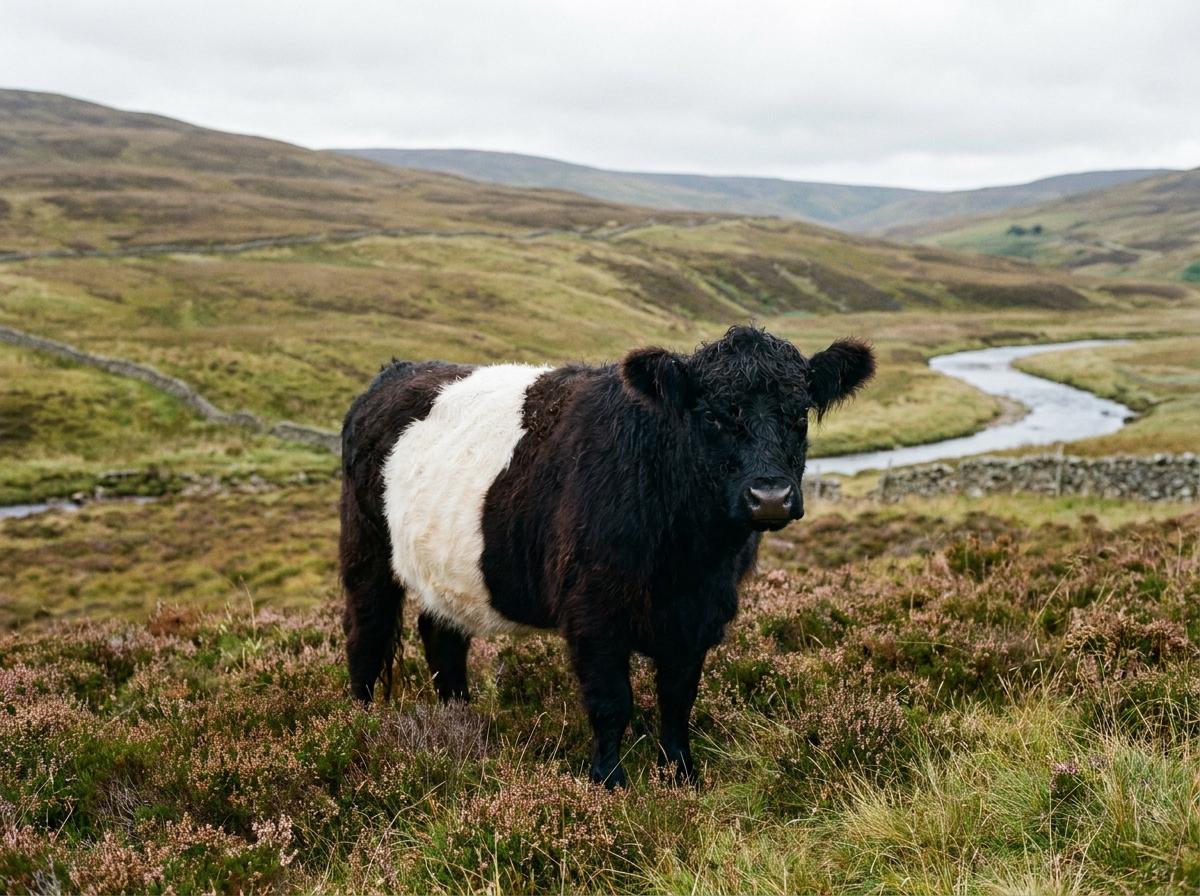
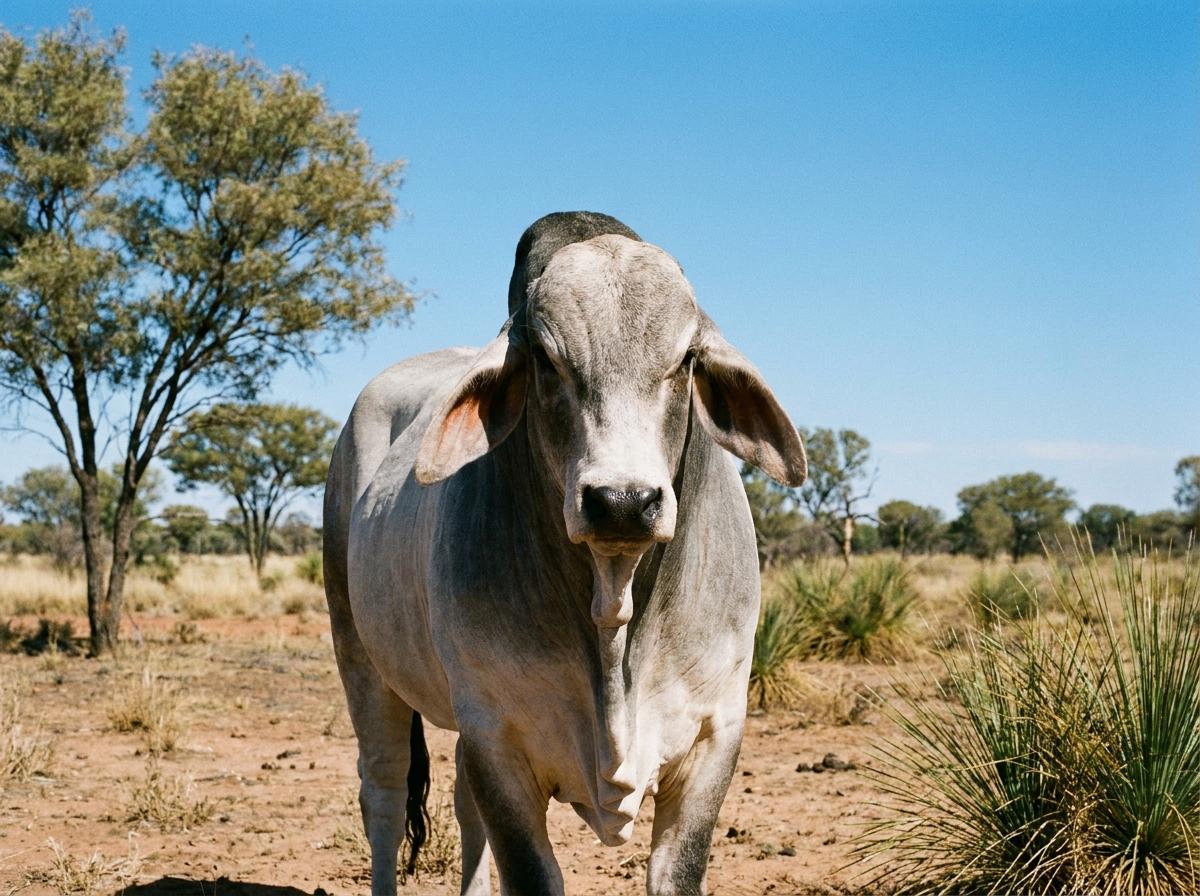
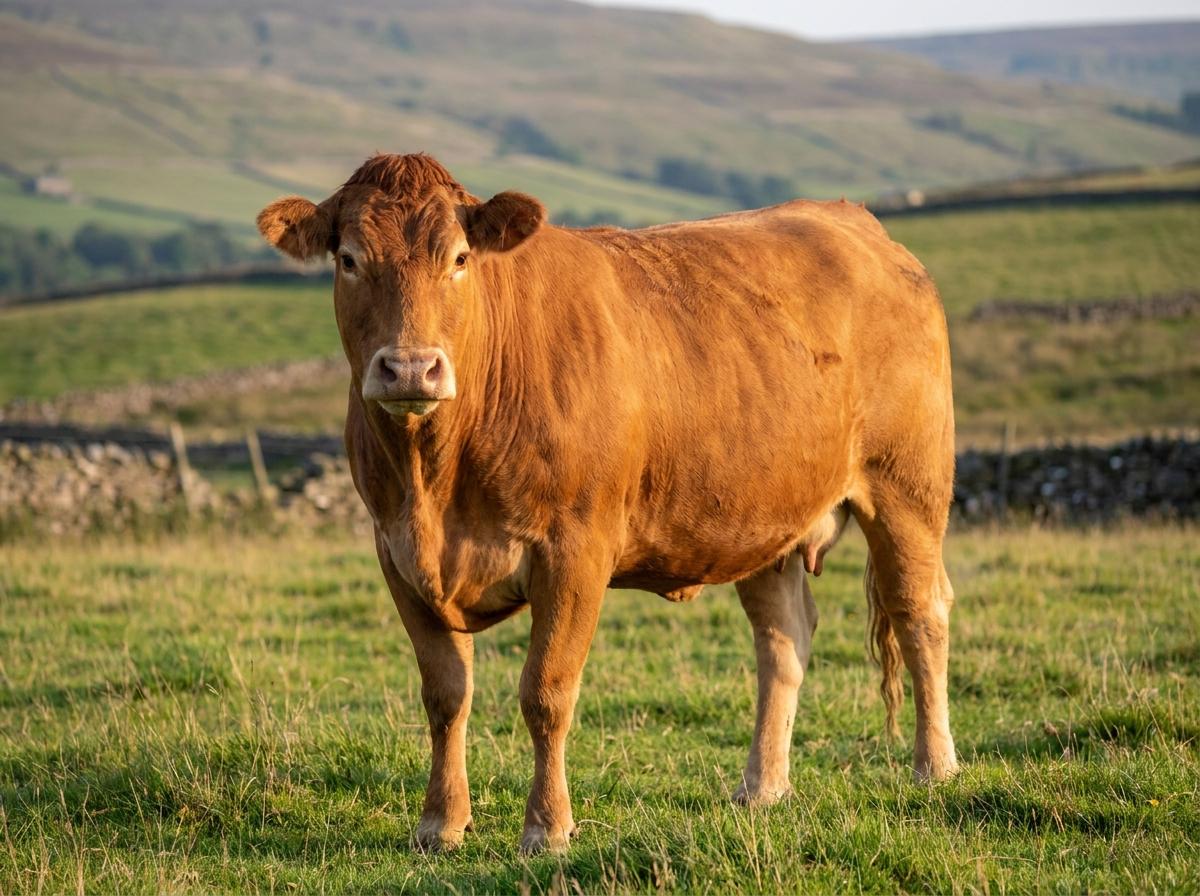
Colors: Belted, Black, Black and White, Blaze Faced, Blue Roan, Brindle, Brockle Faced, Brown, Brown and White, Dun, Gray, Grey, Highbelt, Highpark, Lineback, Mottled, Pied, Red, Red and White, Red Roan, Riggit, Roan, Silver, Solid Black, Solid Red, Solid White, Speckled, Spotted, White, White Faced, Yellow