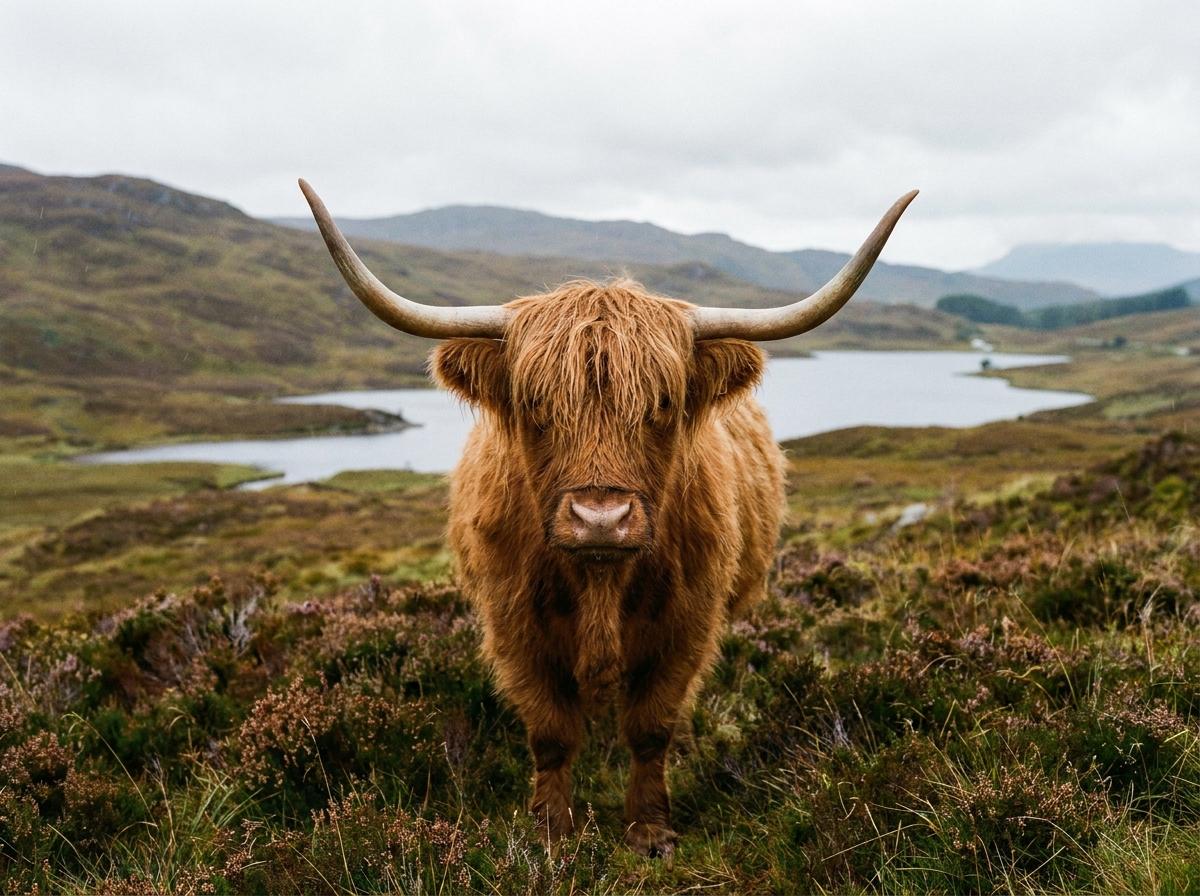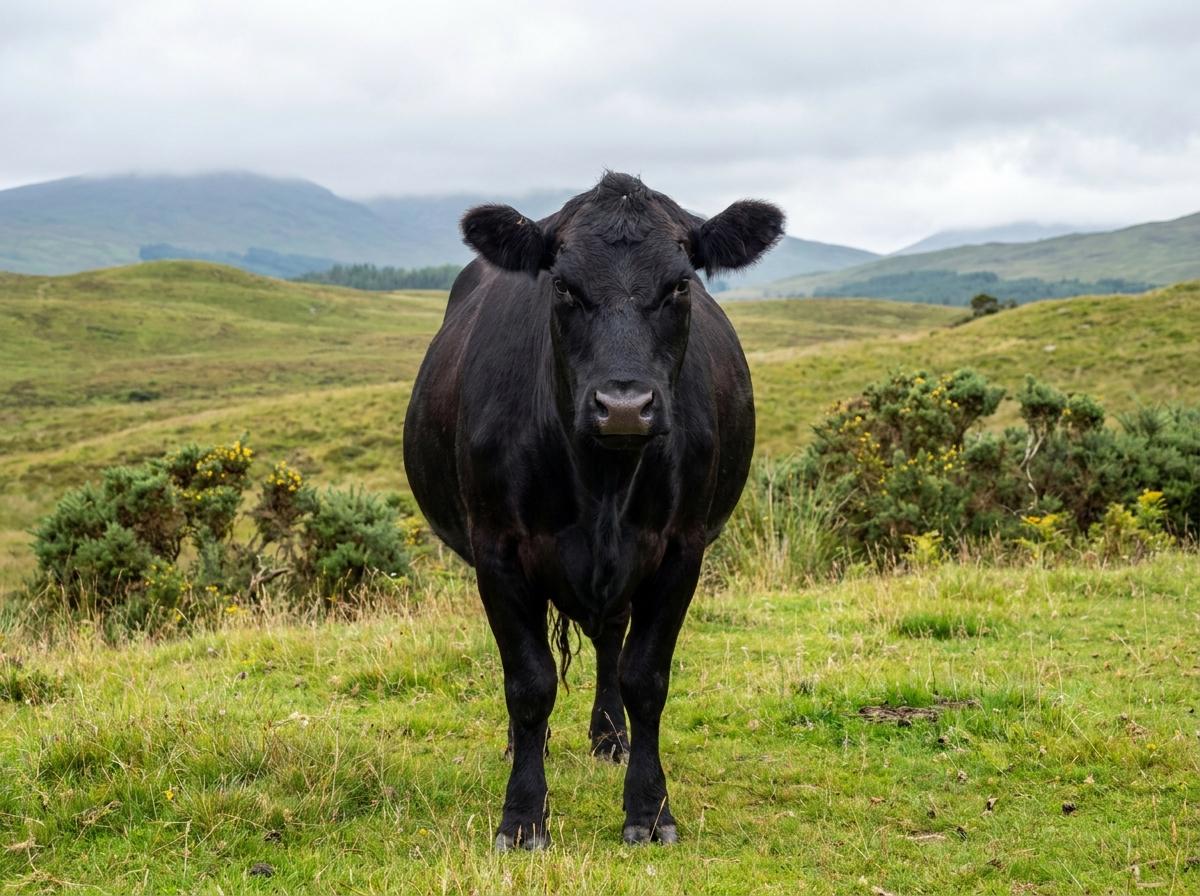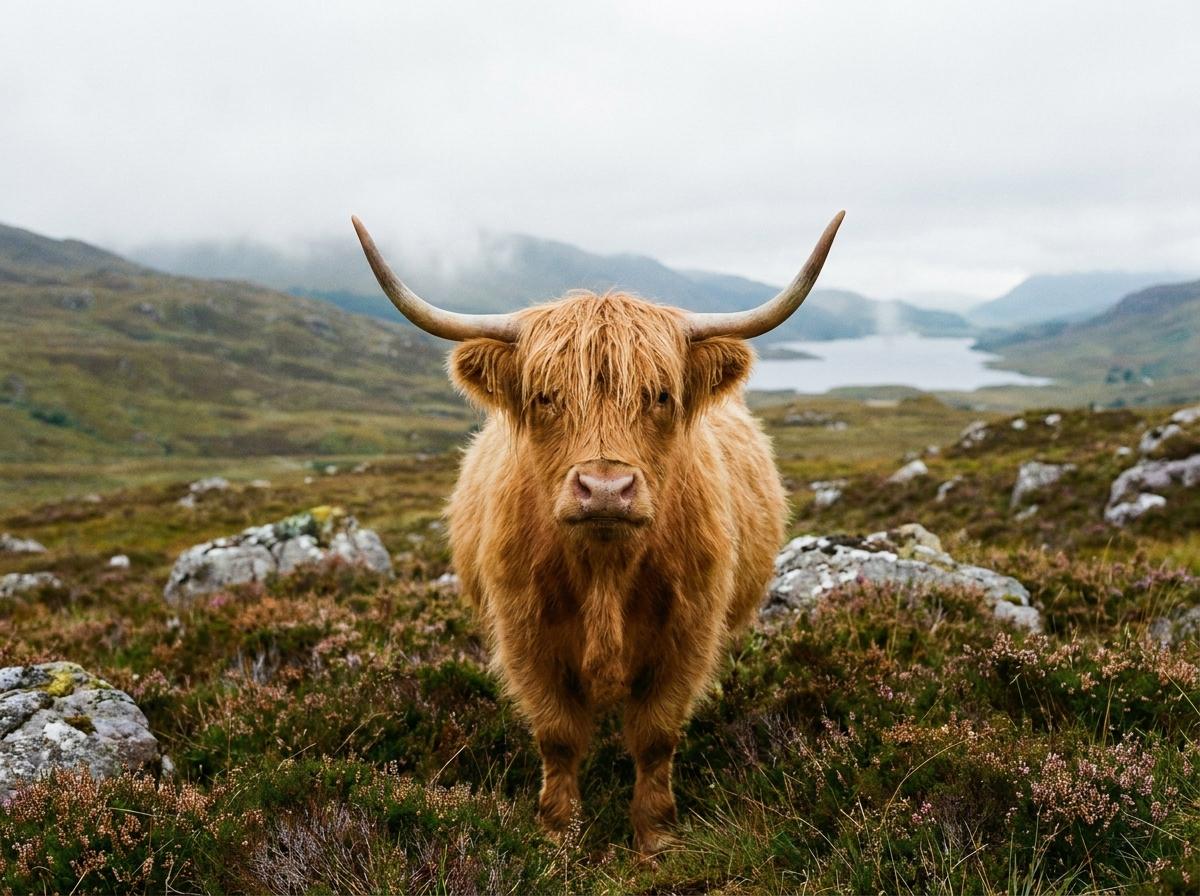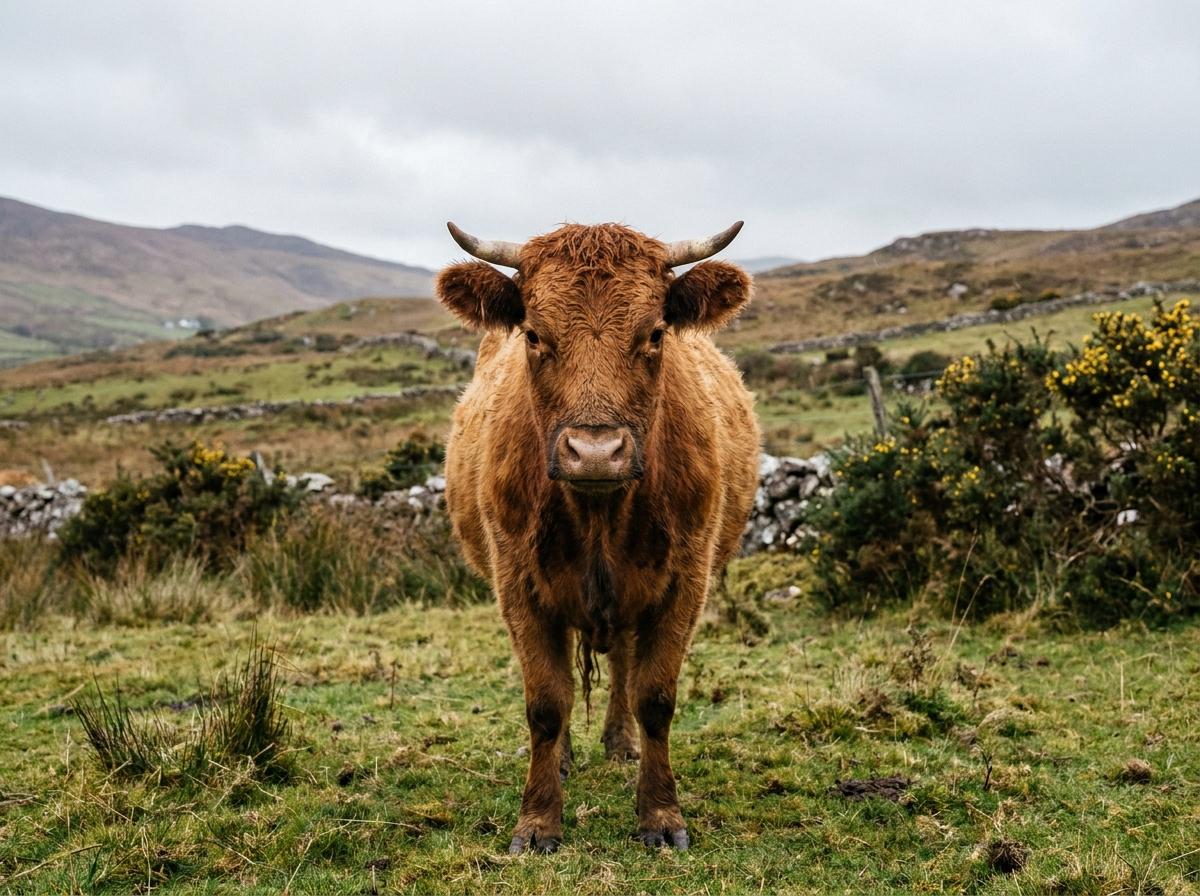


Sheko
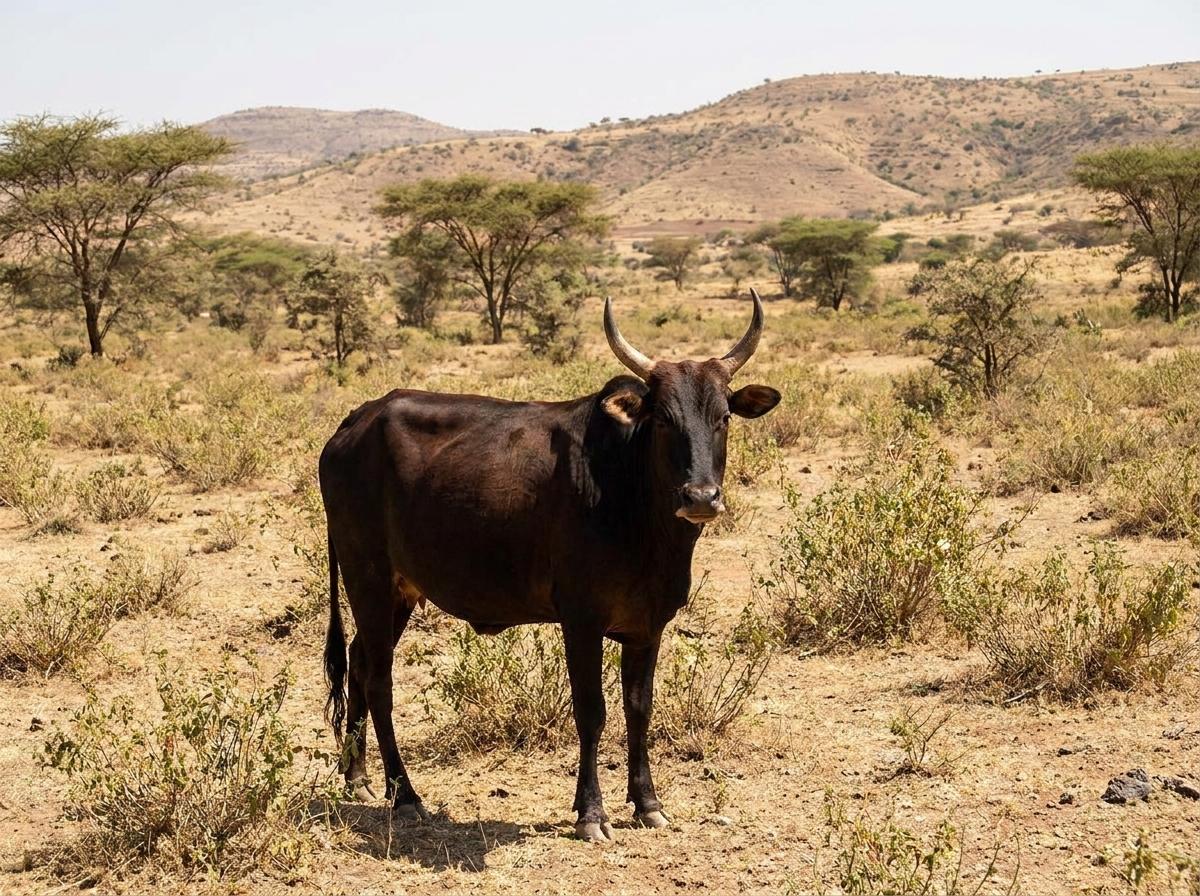
Sheko cattle are an indigenous Ethiopian breed from the humid southwest, especially the Sheko and Bench areas. They are important because they represent one of the few remaining taurine or taurine-influenced cattle populations in Ethiopia, in contrast to the zebu cattle common across much of the region. Sheko cattle are usually small to medium sized, often humpless or only slightly humped, and have been shaped by tsetse-affected environments where trypanosomiasis pressure influences livestock choices.
Smallholder farmers keep Sheko cattle for milk, calves, meat, manure, and sometimes light work within mixed farming systems. Their practical value is tied to survival and reproduction under local disease and forage conditions, not to maximum output in intensive systems. Crossbreeding with zebu and other cattle can improve some production traits, but it also risks losing disease tolerance and local identity. Conservation herds and village breeding programs usually focus on identifying true Sheko animals, maintaining enough breeding males, and selecting for fertility, soundness, and adaptation.
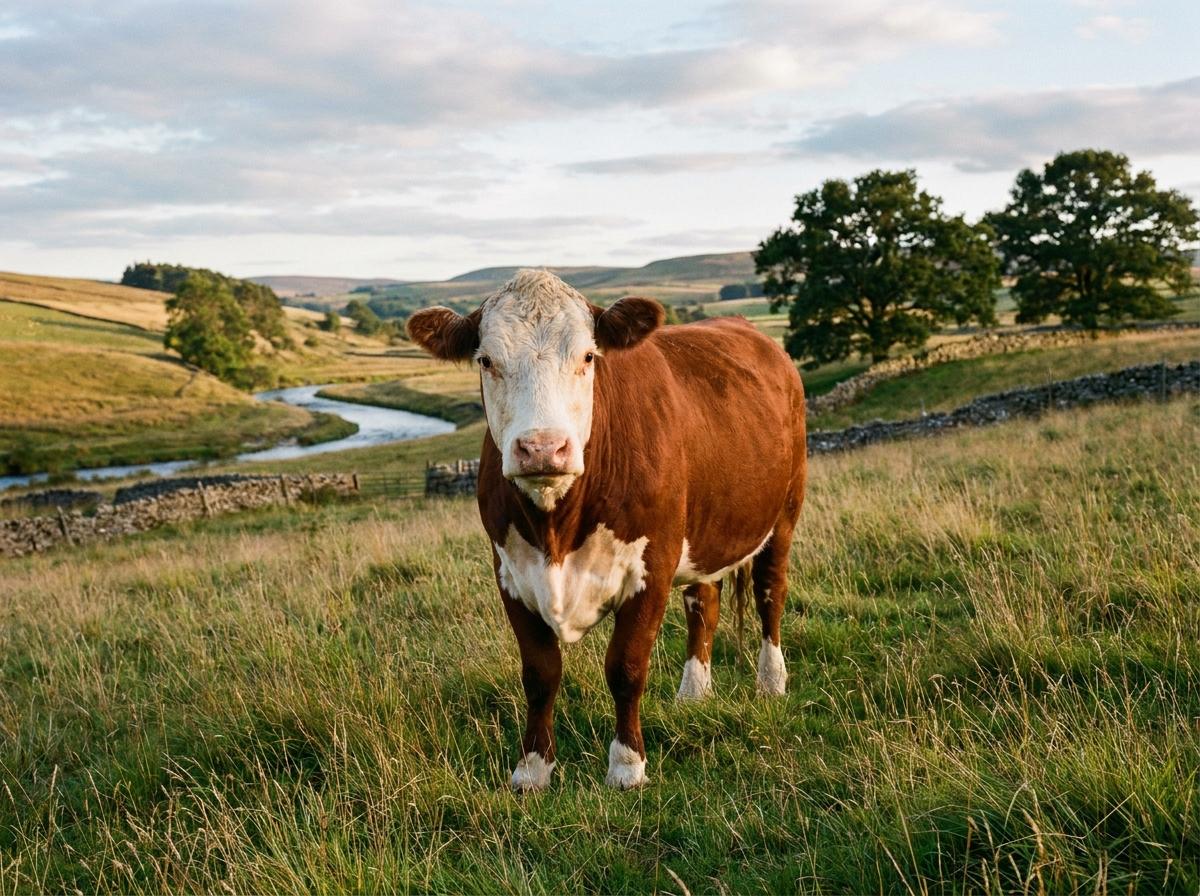
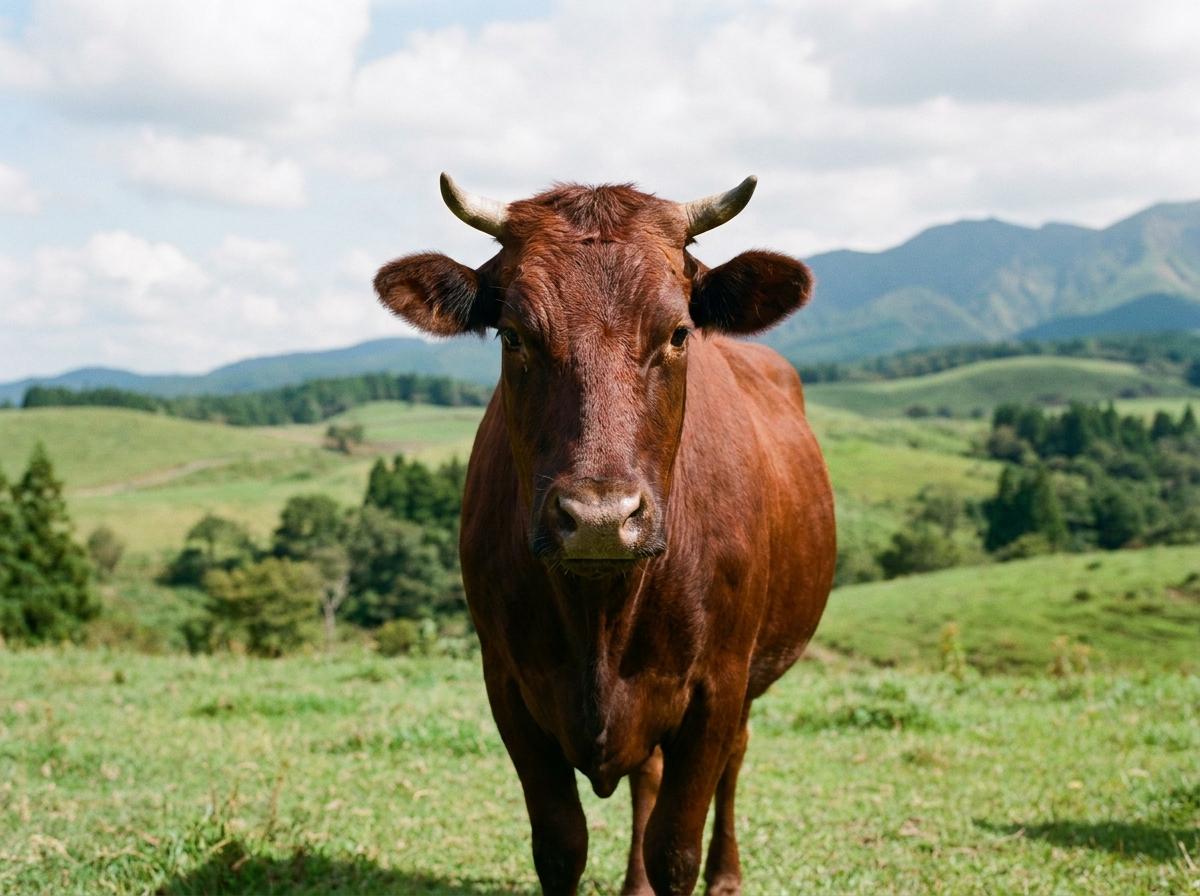
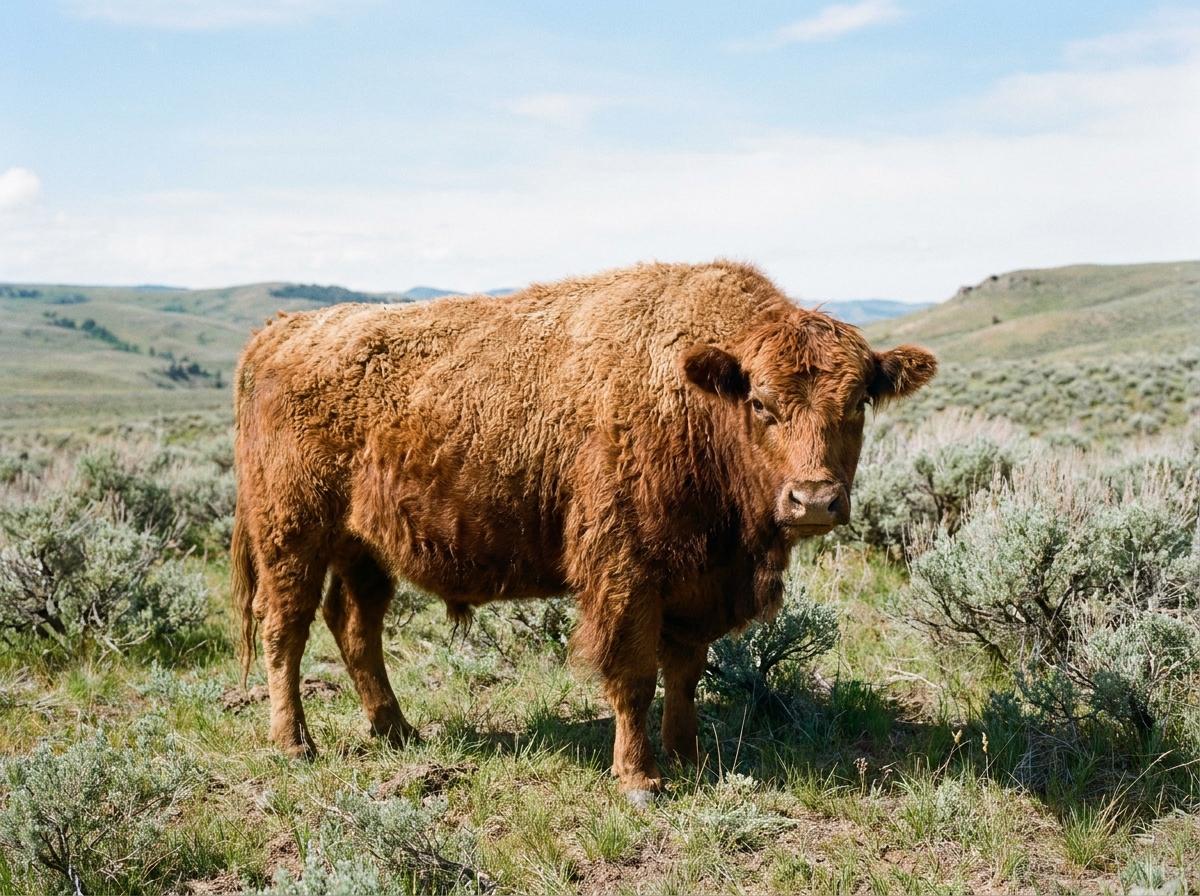
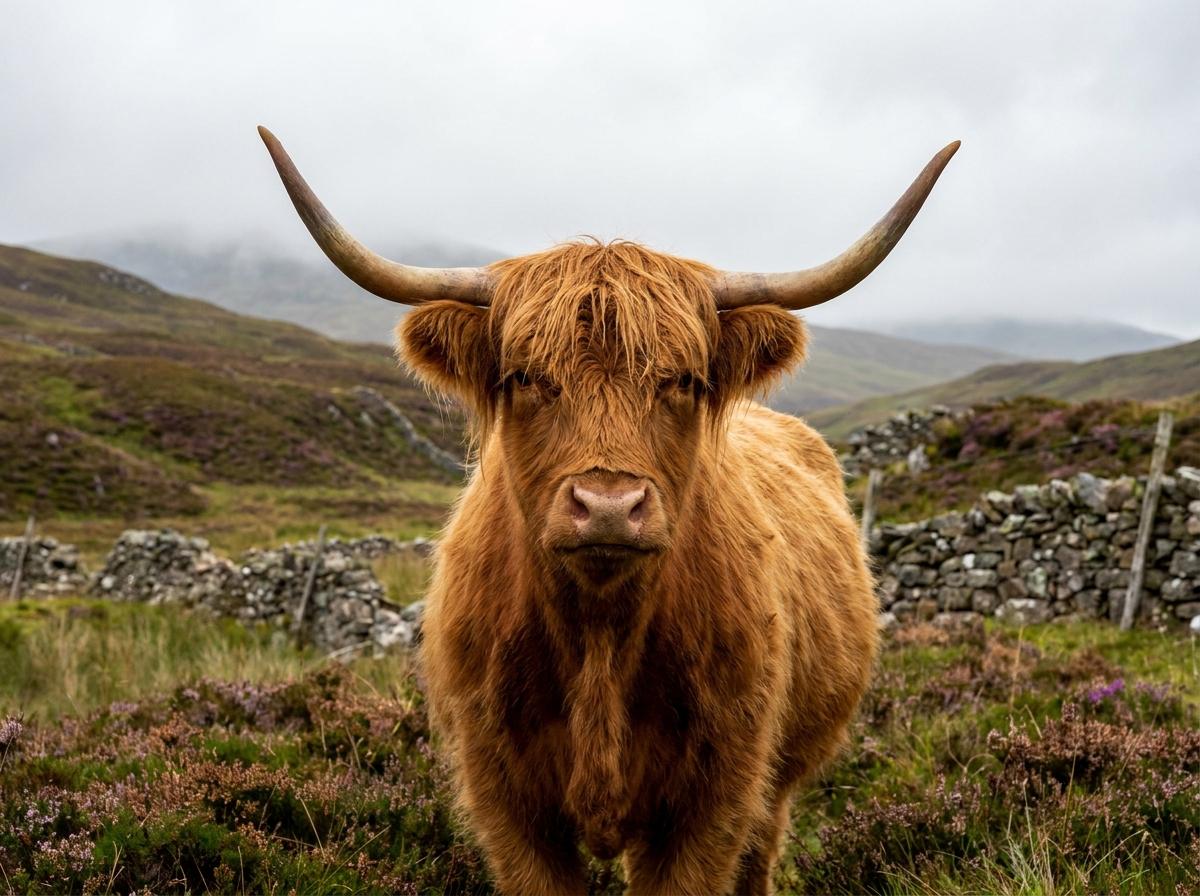
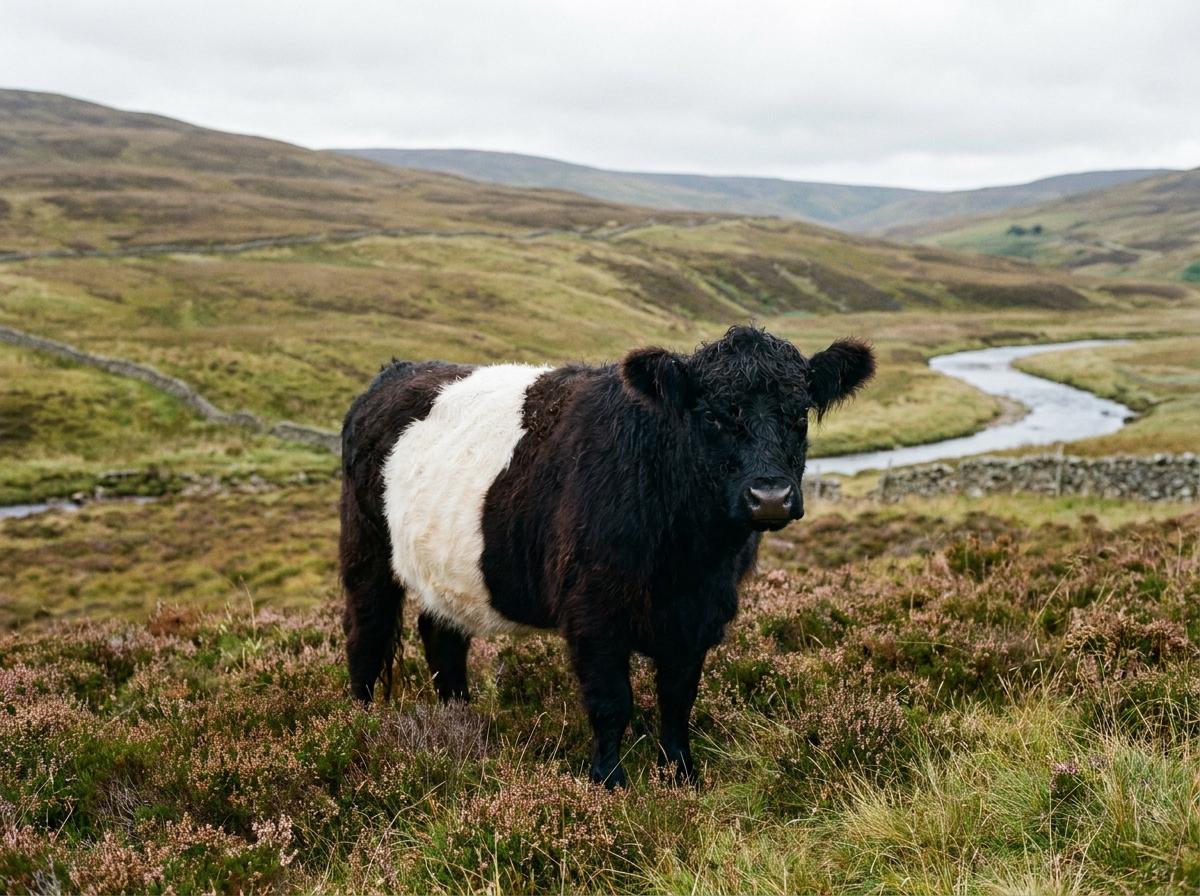
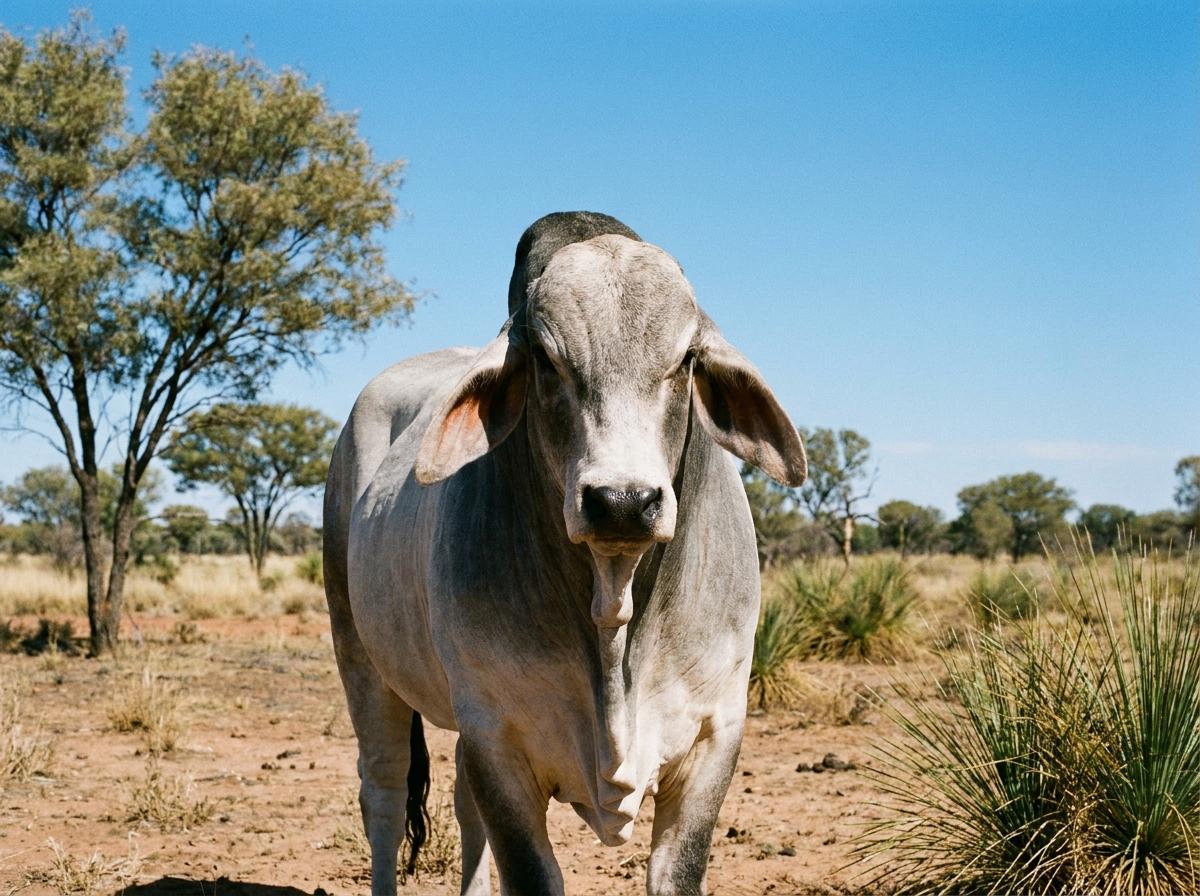
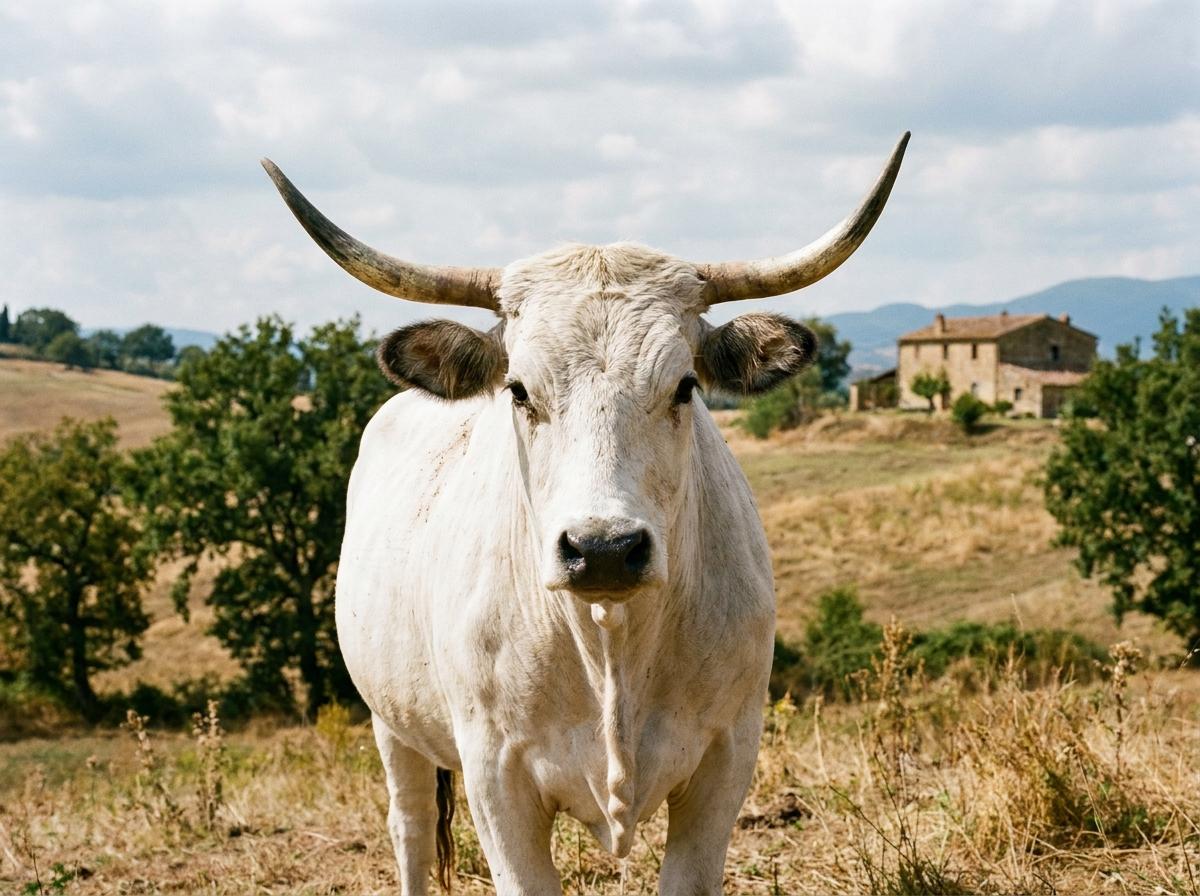
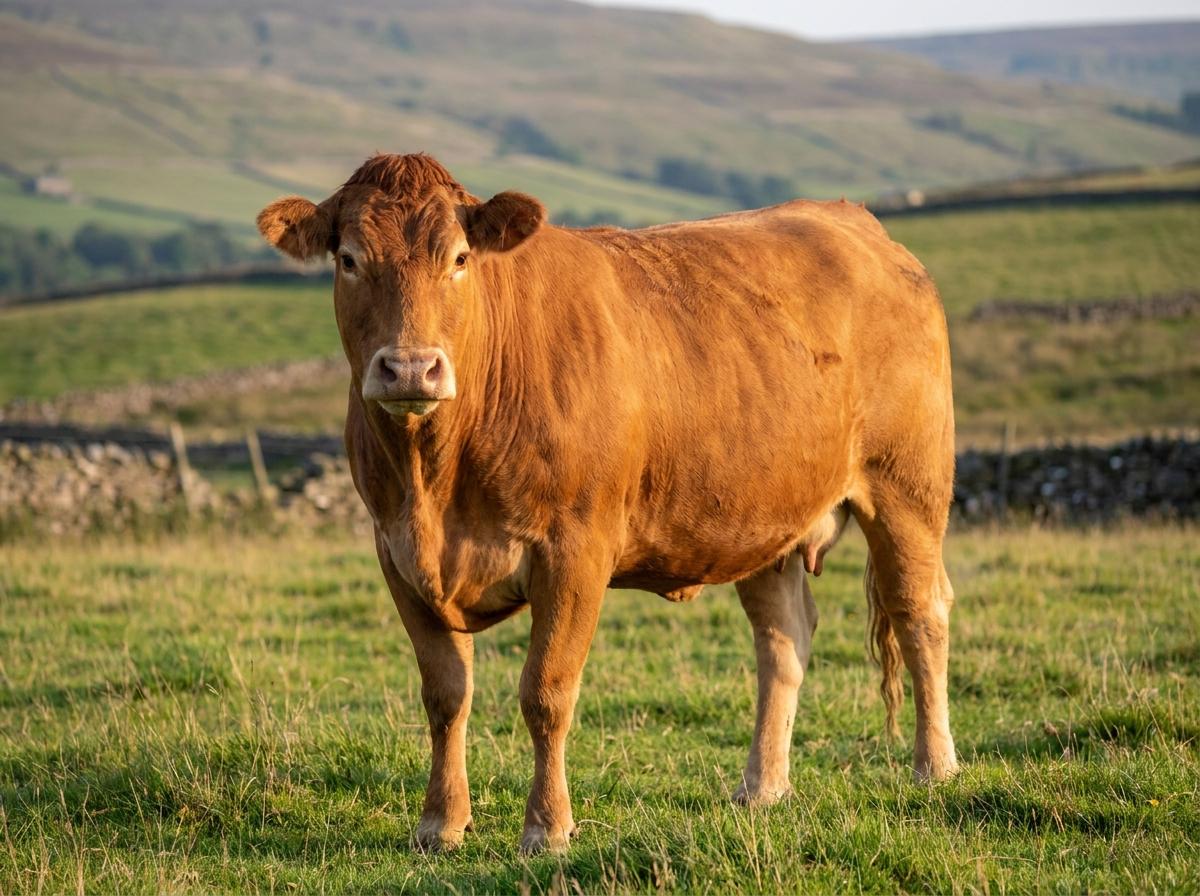
Colors: Belted, Black, Black and White, Blaze Faced, Blue Roan, Brindle, Brockle Faced, Brown, Brown and White, Dun, Gray, Grey, Highbelt, Highpark, Lineback, Mottled, Pied, Red, Red and White, Red Roan, Riggit, Roan, Silver, Solid Black, Solid Red, Solid White, Speckled, Spotted, White, White Faced, Yellow