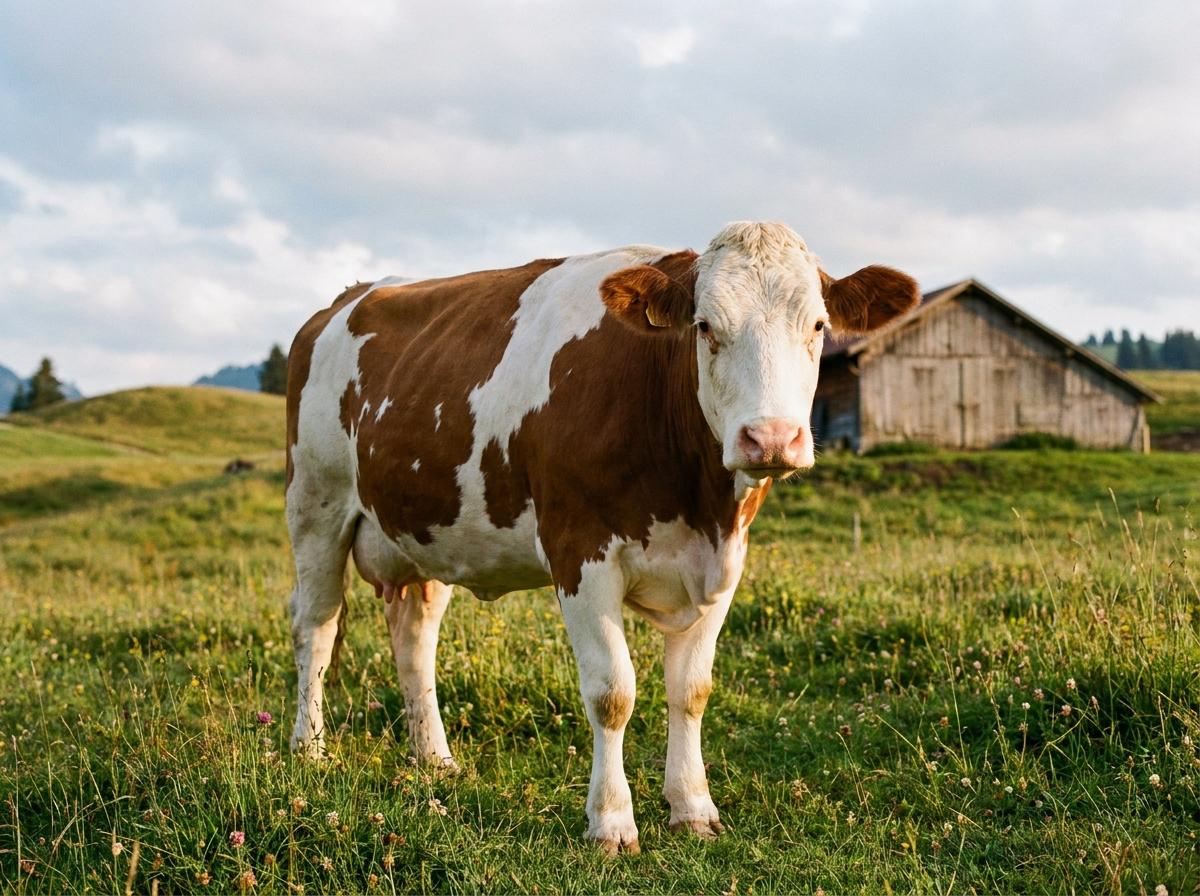
Simmental
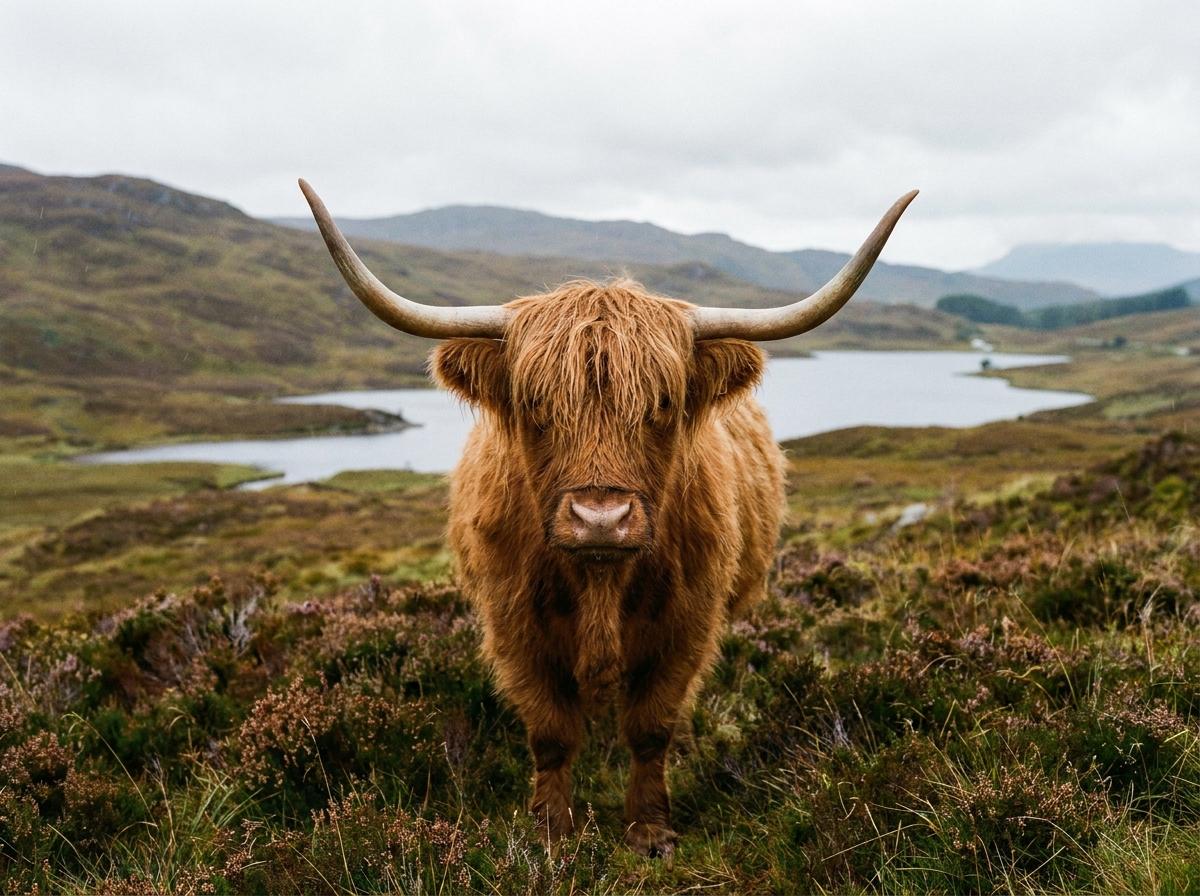
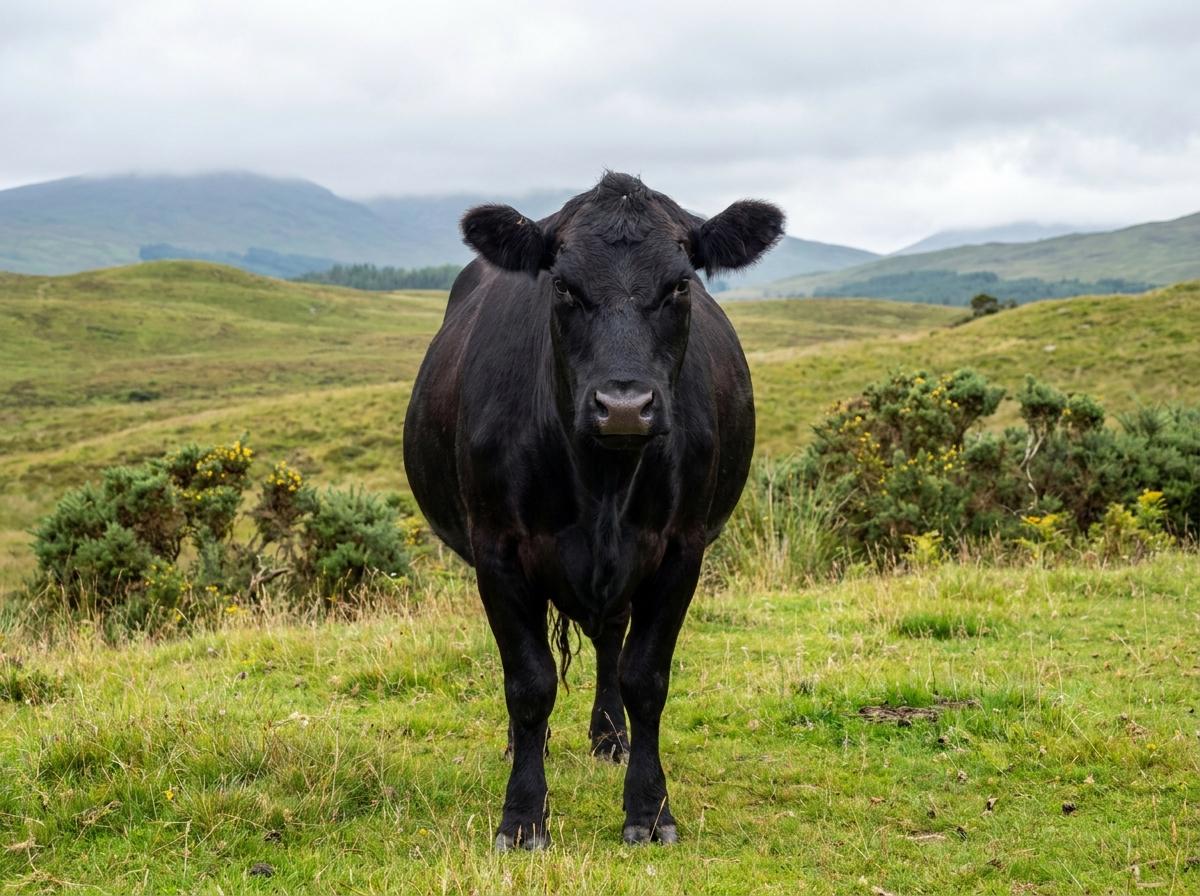
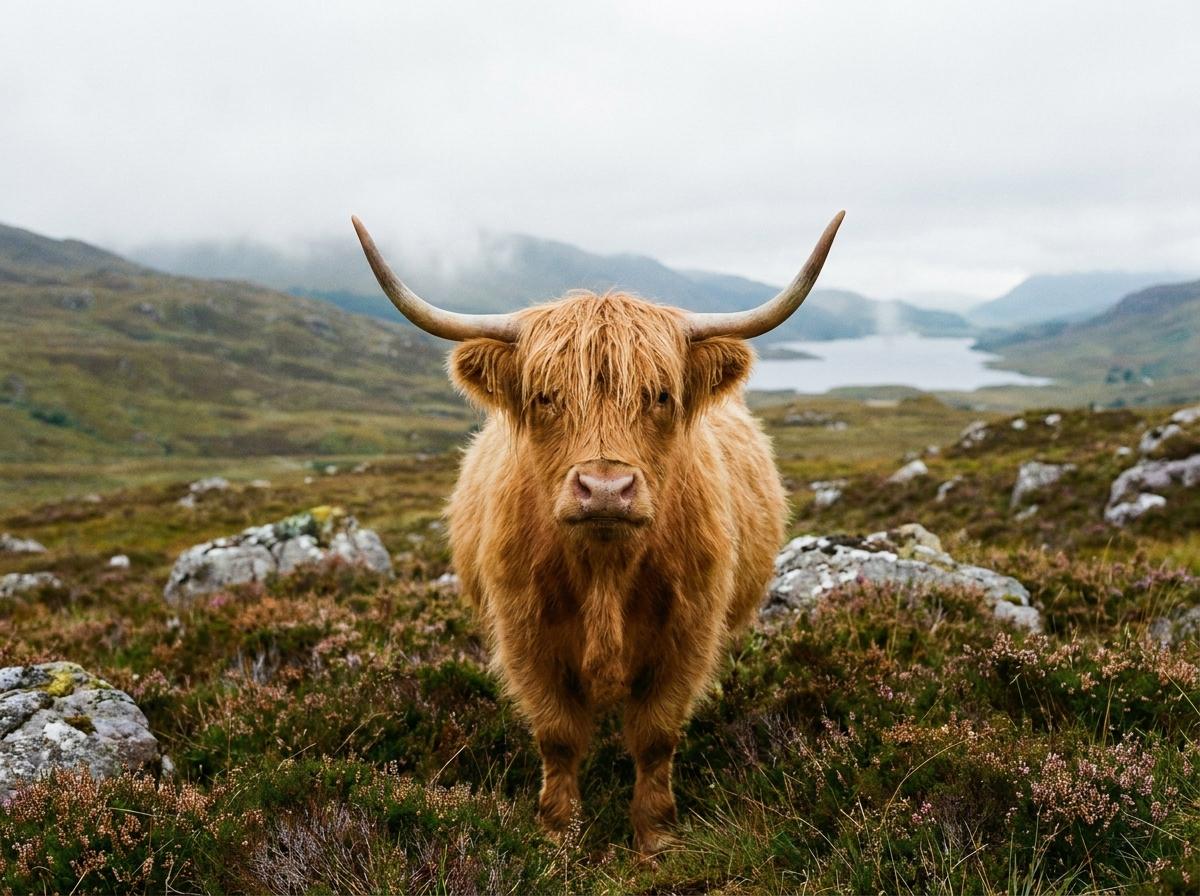
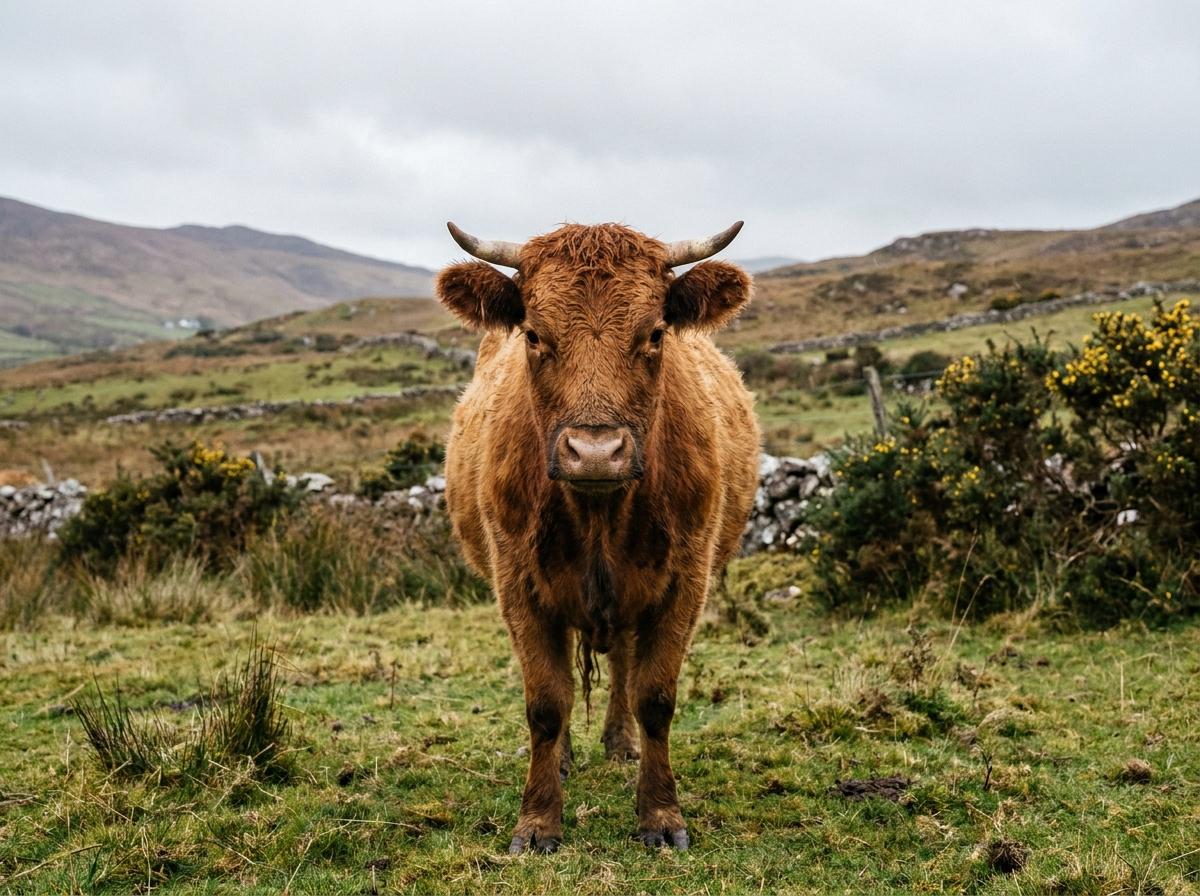
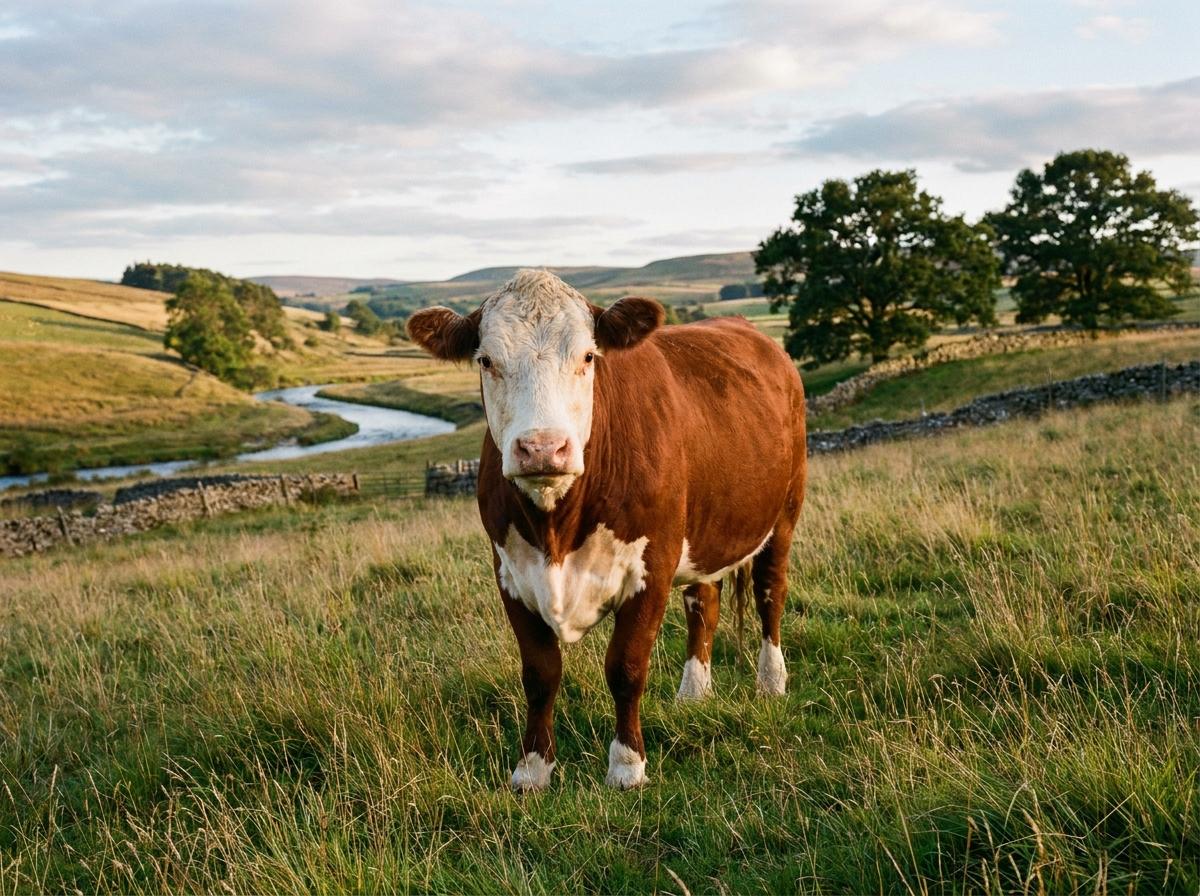
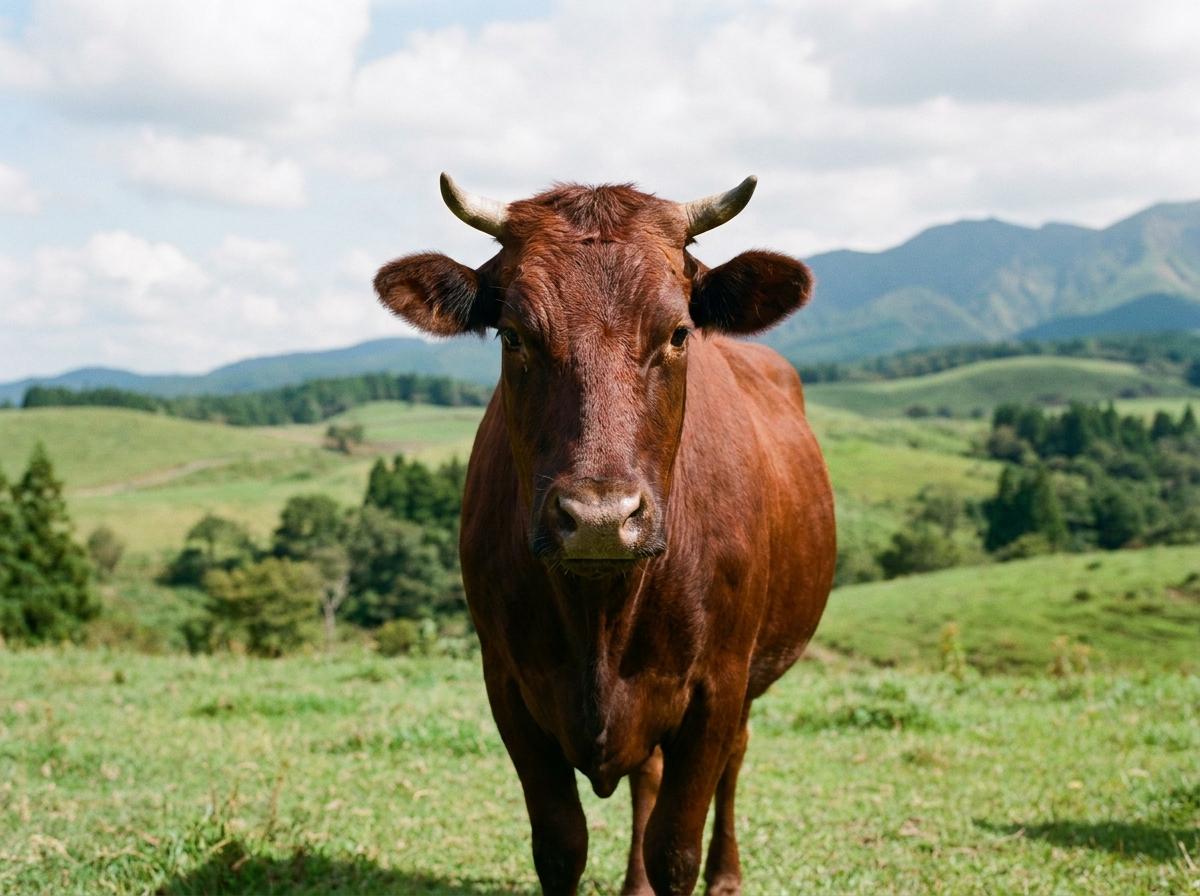
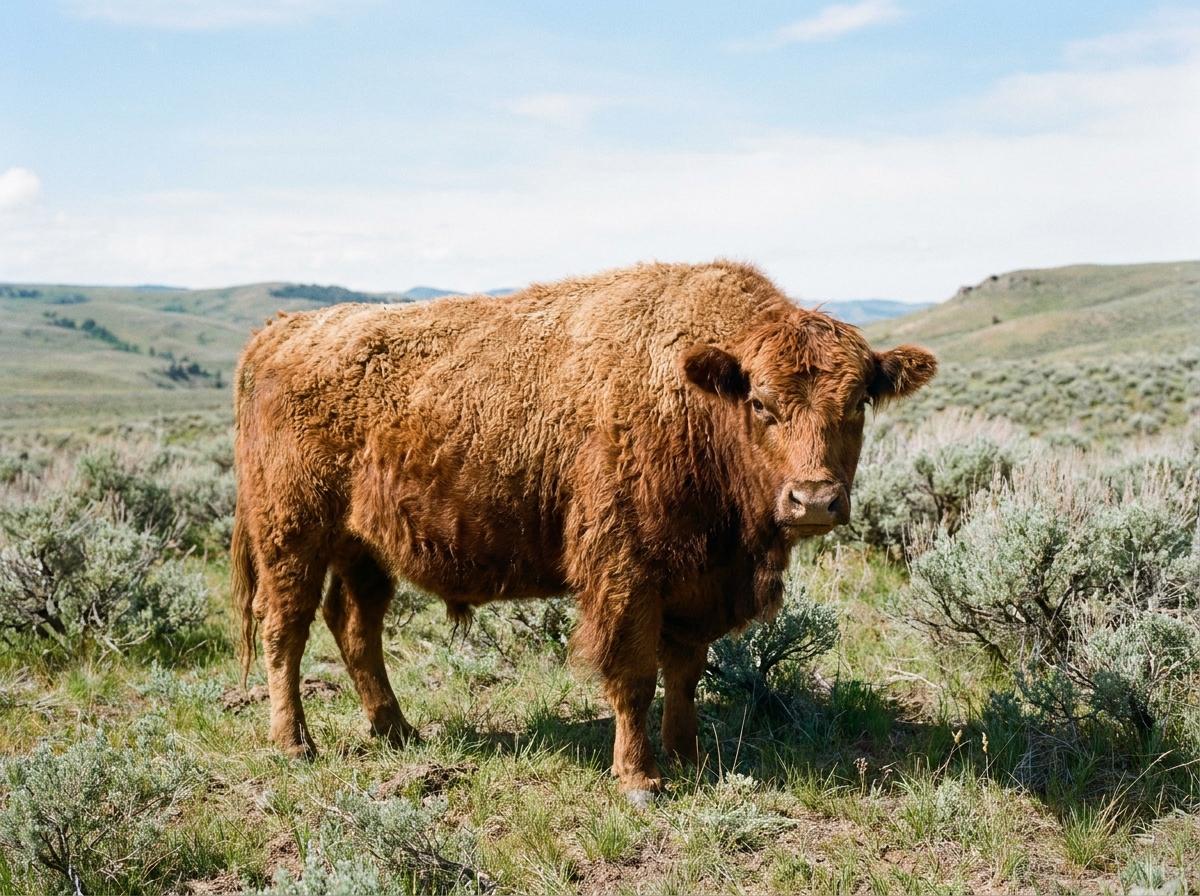
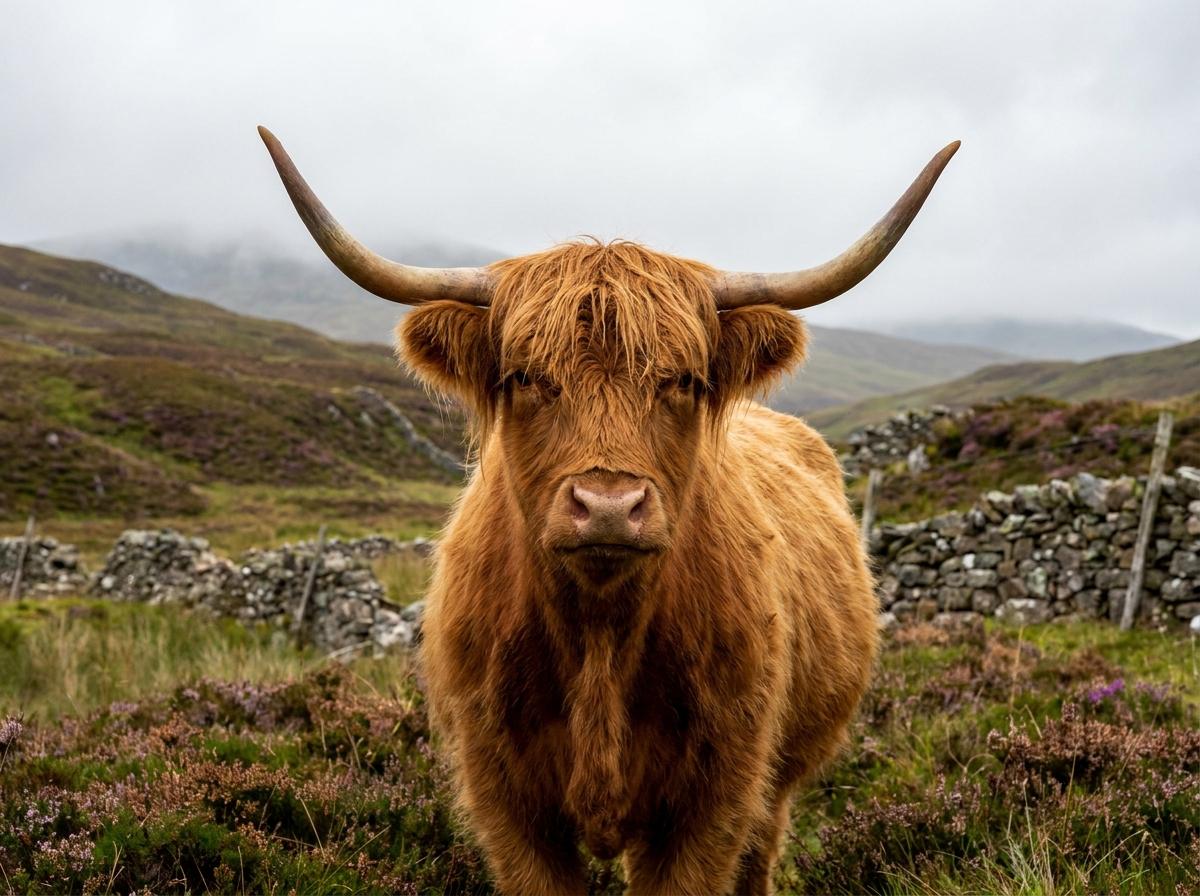
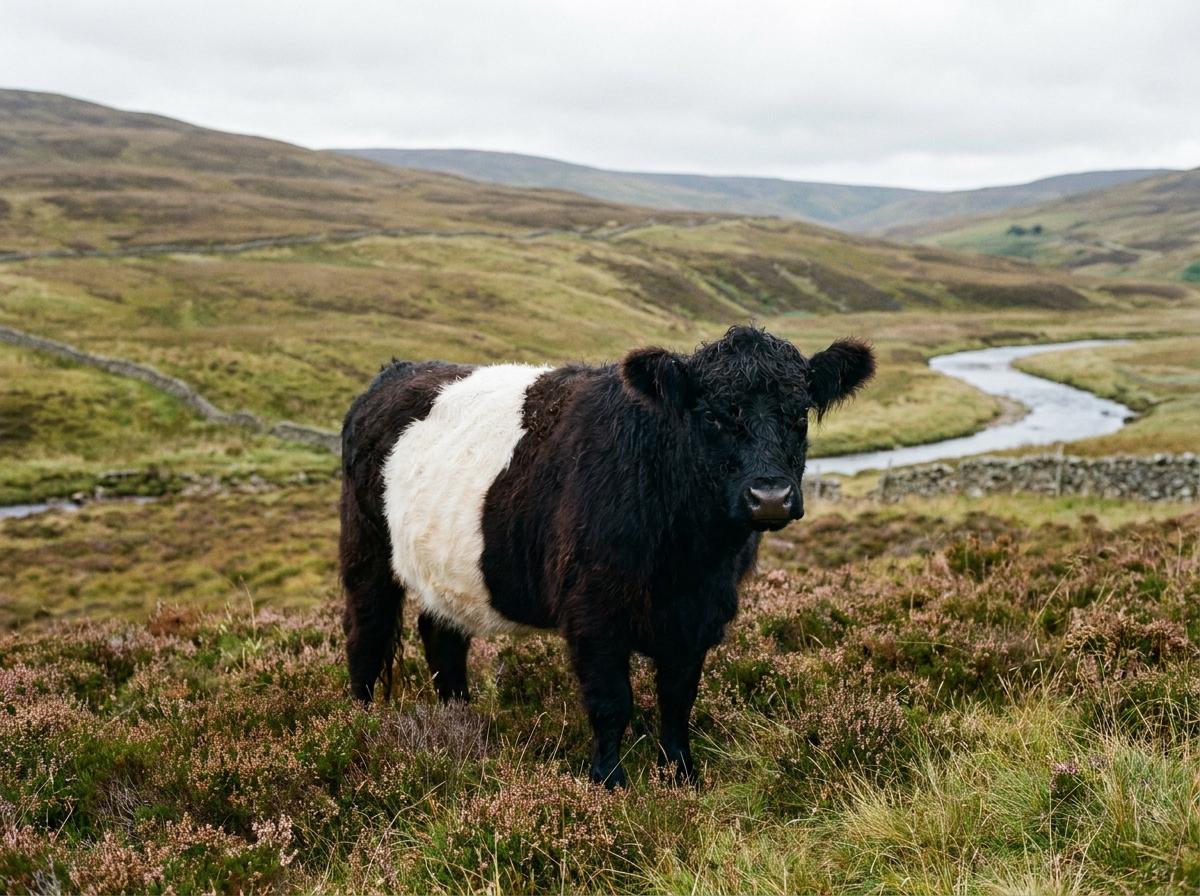
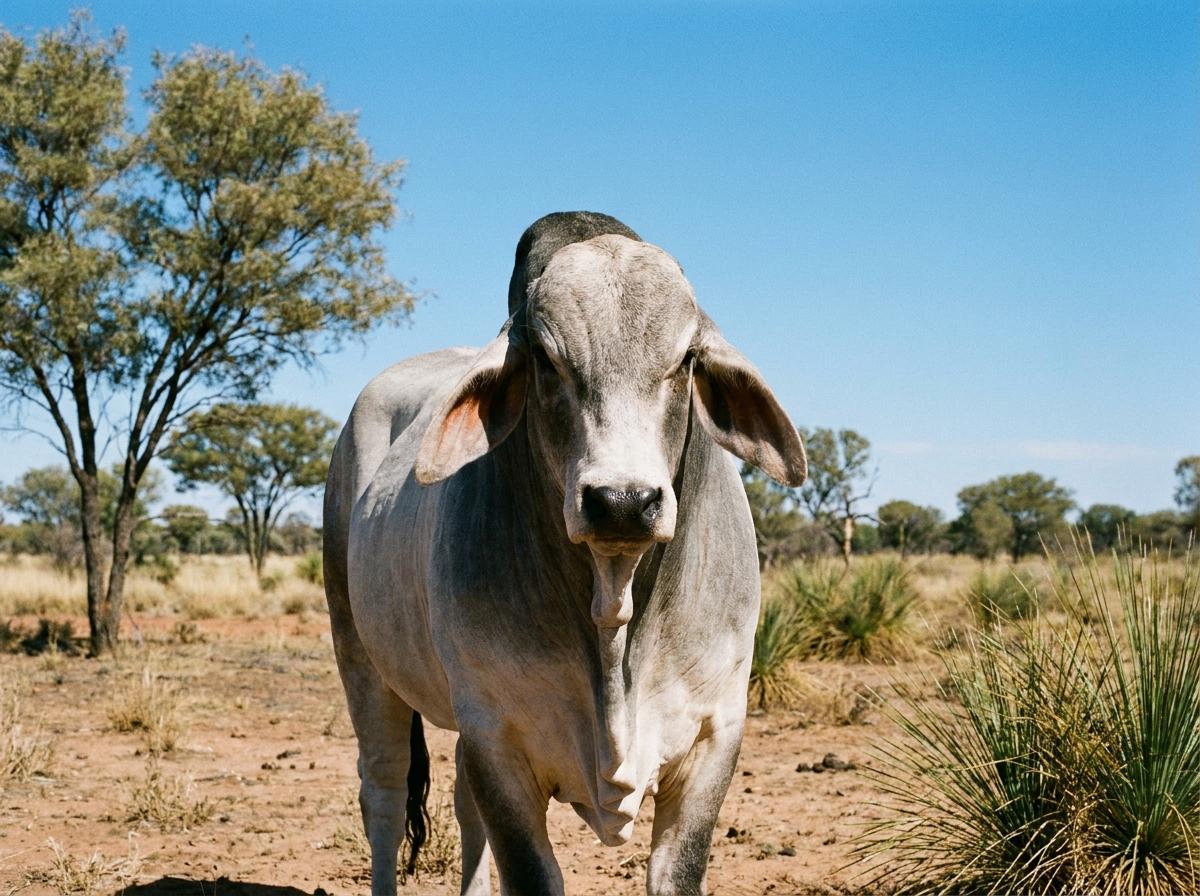
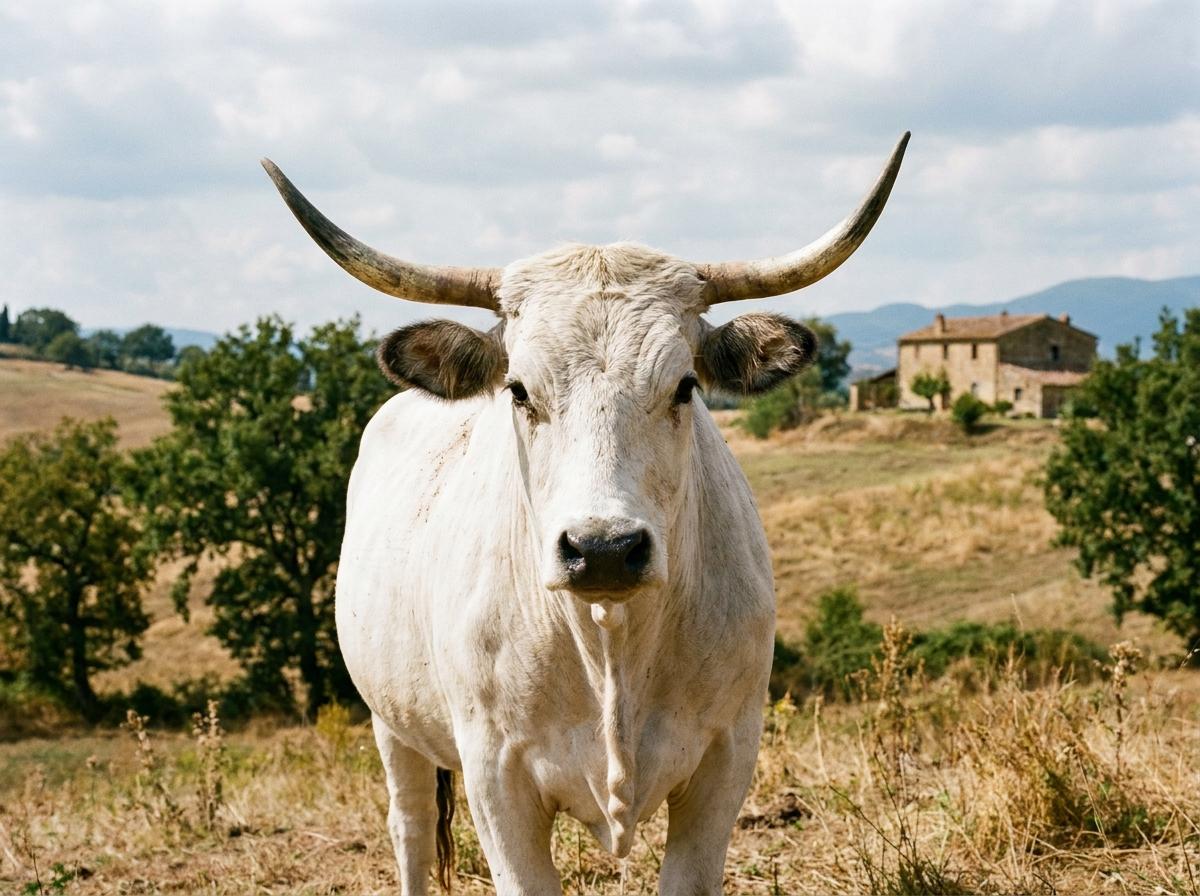
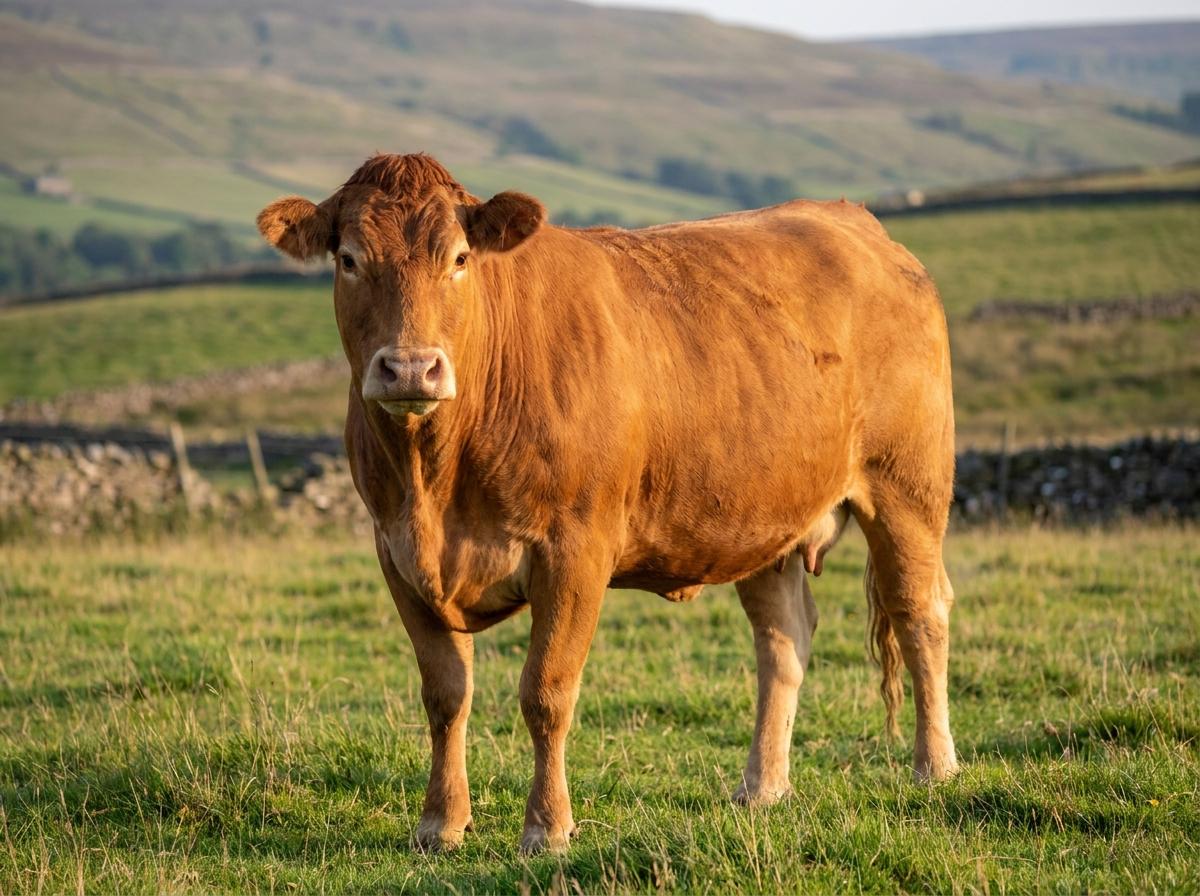
Simmental cattle originated in the Simme Valley of Switzerland and became one of the world's major dual-purpose cattle populations, historically valued for milk, beef, and draft work. In German-speaking Europe many closely related animals are called Fleckvieh, while beef-selected Simmental lines in North America, Australia, and elsewhere may look quite different from the traditional red-and-white or gold-and-white pattern. Modern cattle may be red, black, spotted, blaze-faced, horned, or polled. The breed is widely selected for growth, muscling, strong maternal milk, and a large frame, with some lines aimed more toward carcass quality or dairy use.
Simmental are common in commercial crossbreeding because they add weaning weight and productive females to Angus, Hereford, and other beef herds. Their size and milk yield make feed planning important: thin cows may rebreed poorly, while overfed heifers can create calving trouble. Calving-ease figures and mature cow size deserve attention in heifer matings. Udder quality, foot structure, and temperament matter just as much in replacement females. Fleckvieh-type herds may need dairy-style attention to milking capacity and udder health. In registered programs, performance records and expected progeny differences help match bulls to cow size, climate, and market goals.
Colors: Belted, Black, Black and White, Blaze Faced, Blue Roan, Brindle, Brockle Faced, Brown, Brown and White, Dun, Gold and White, Gray, Lineback, Mottled, Red, Red and White, Red Roan, Roan, Silver, Solid Black, Solid Red, Speckled, Spotted, White, White Faced, Yellow