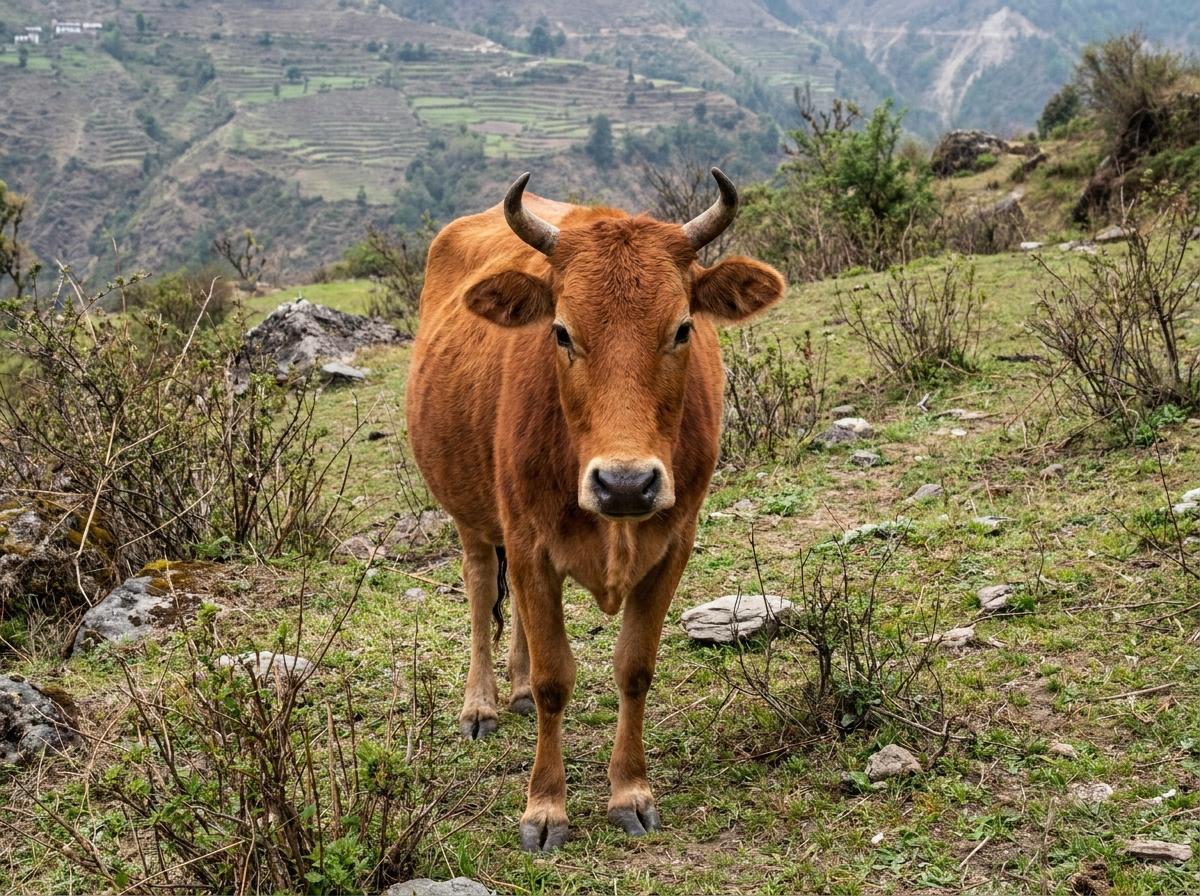
Siri
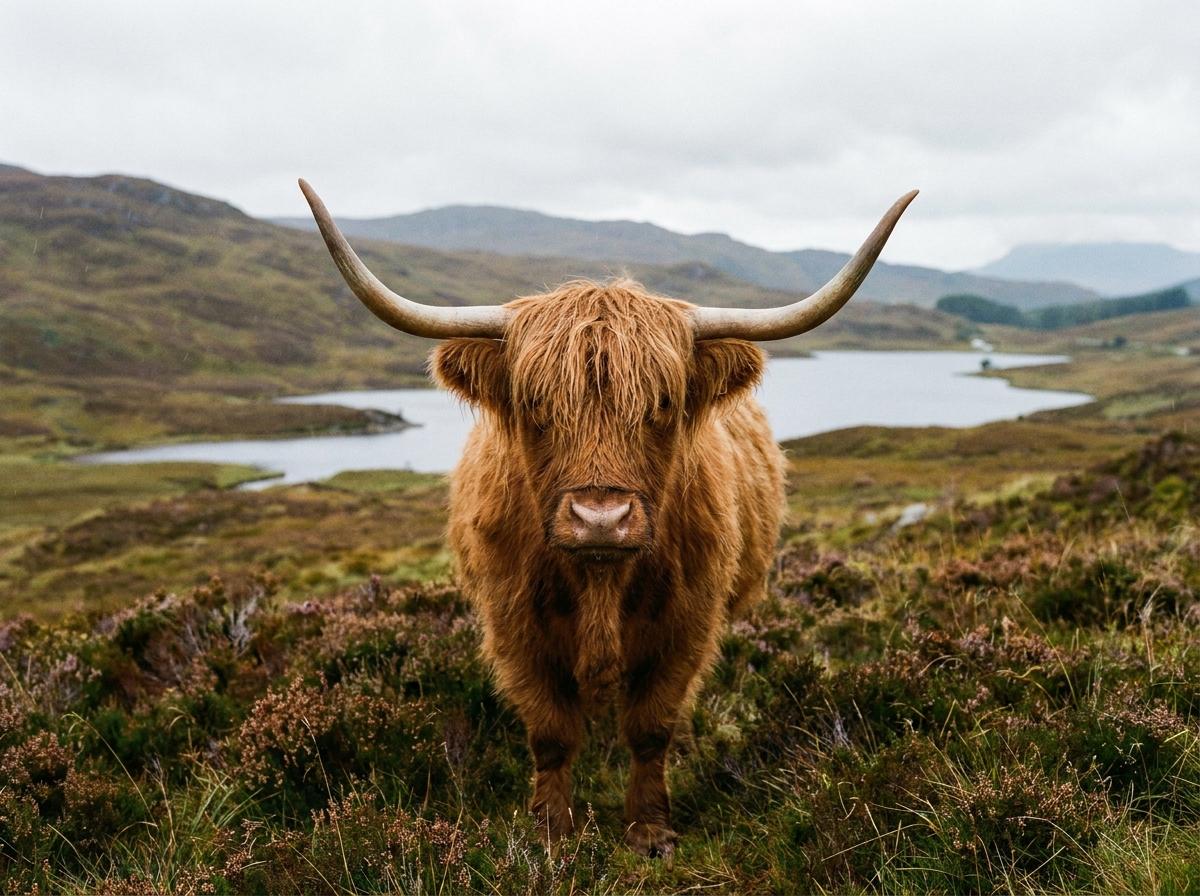
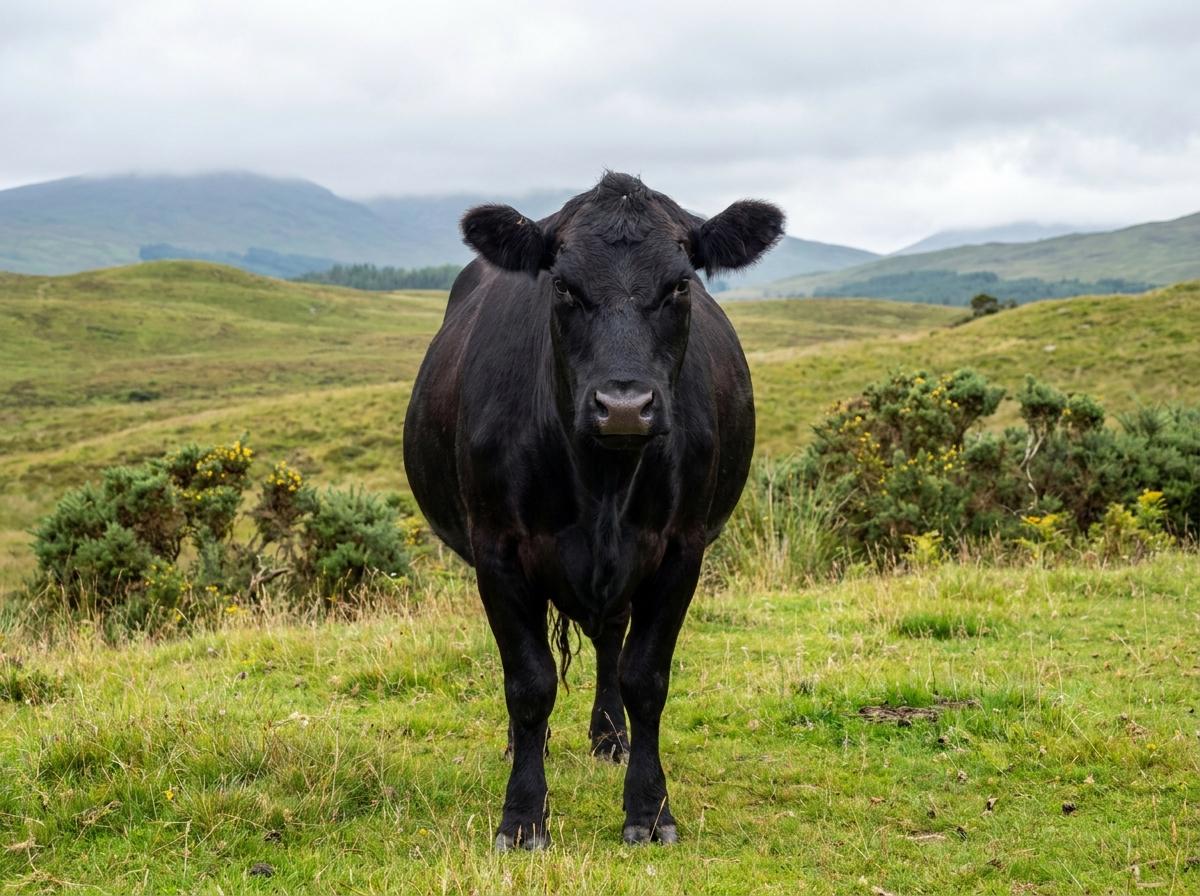
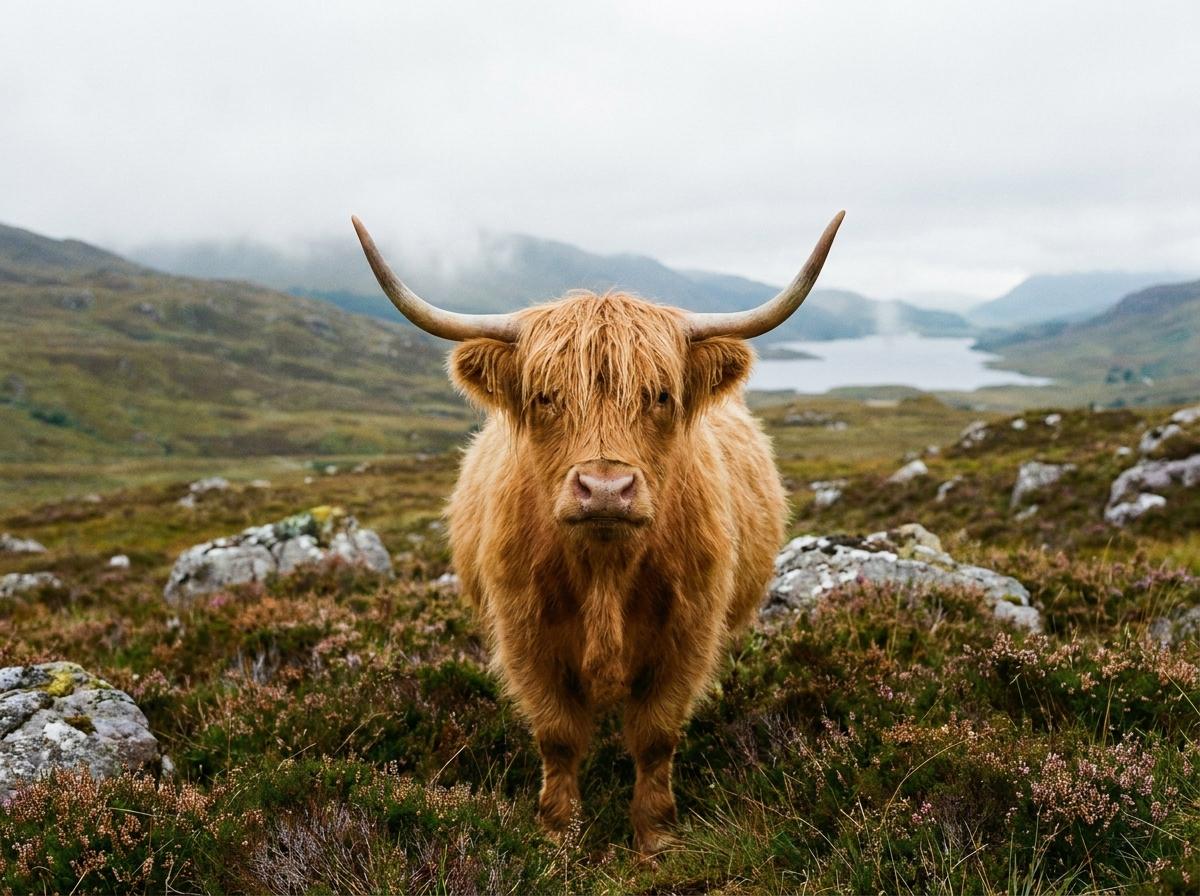
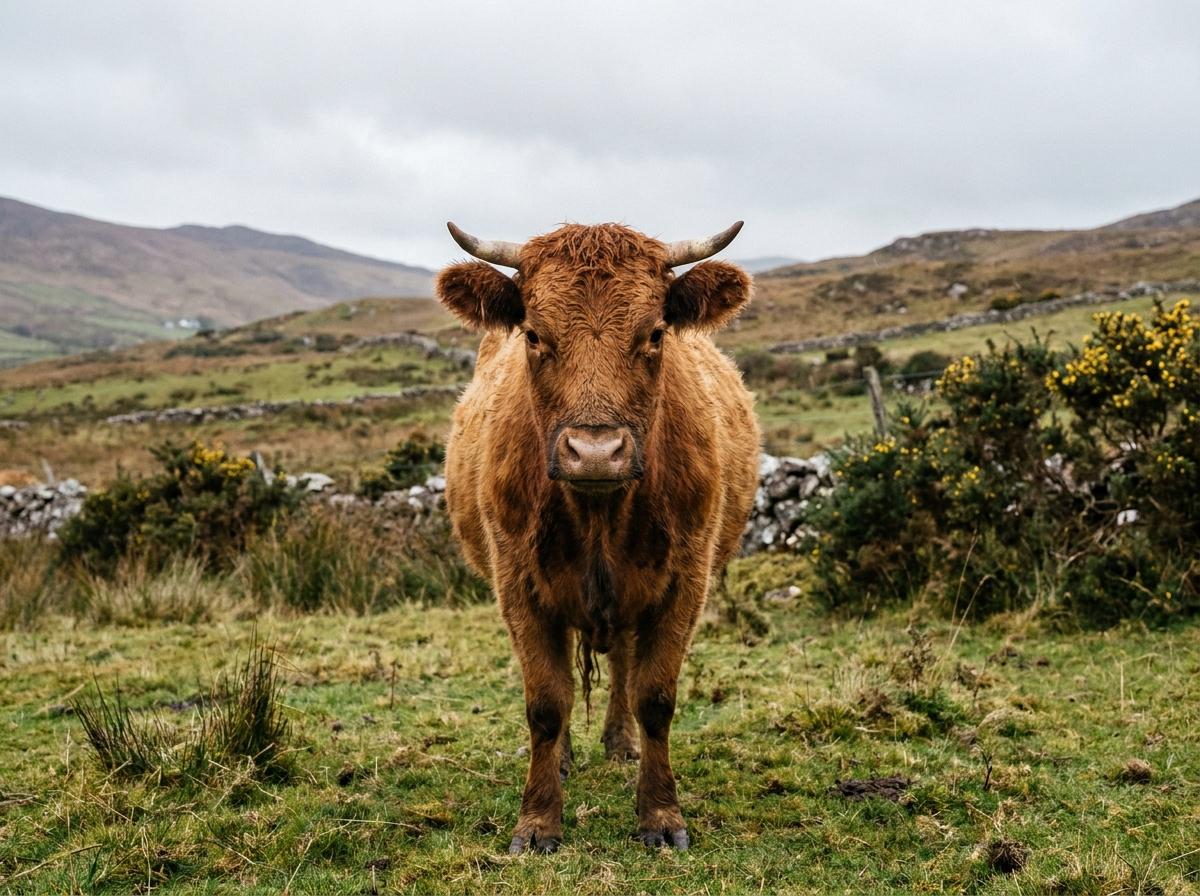
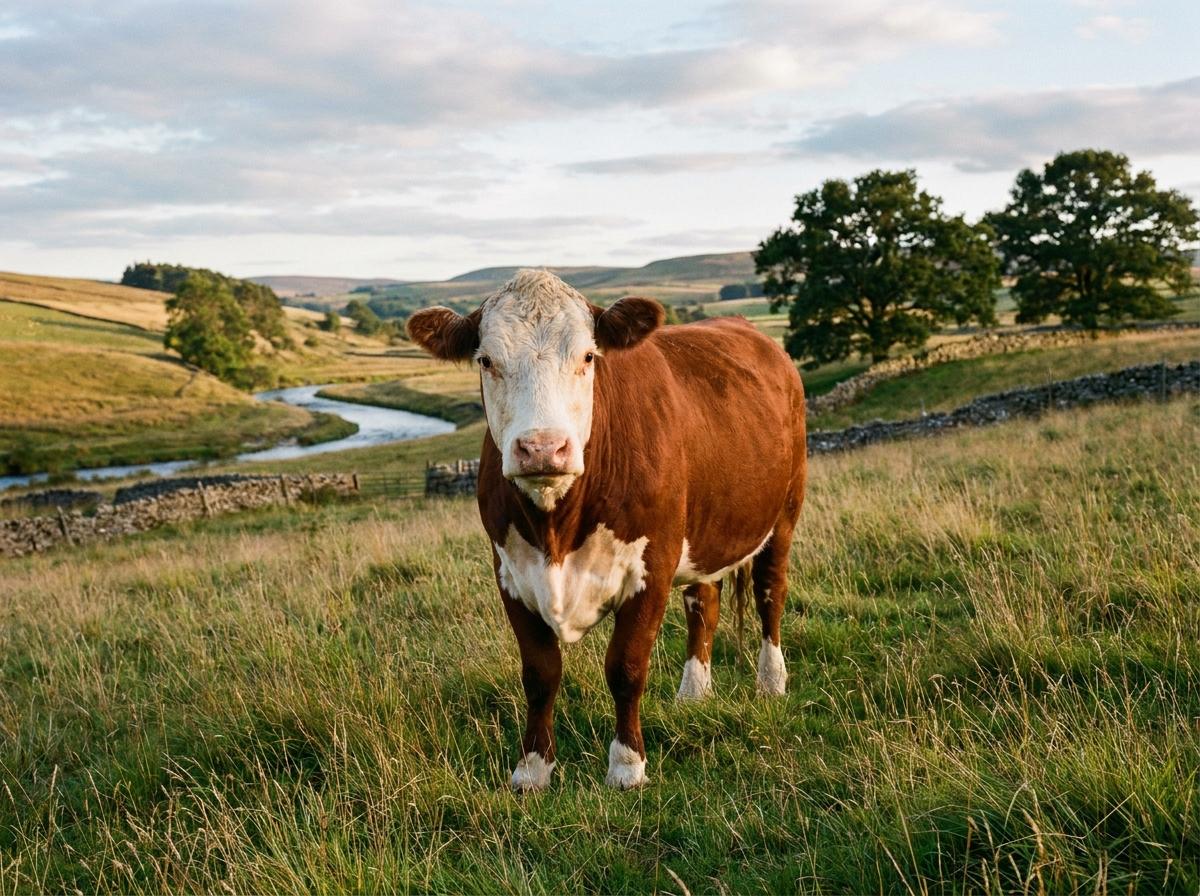
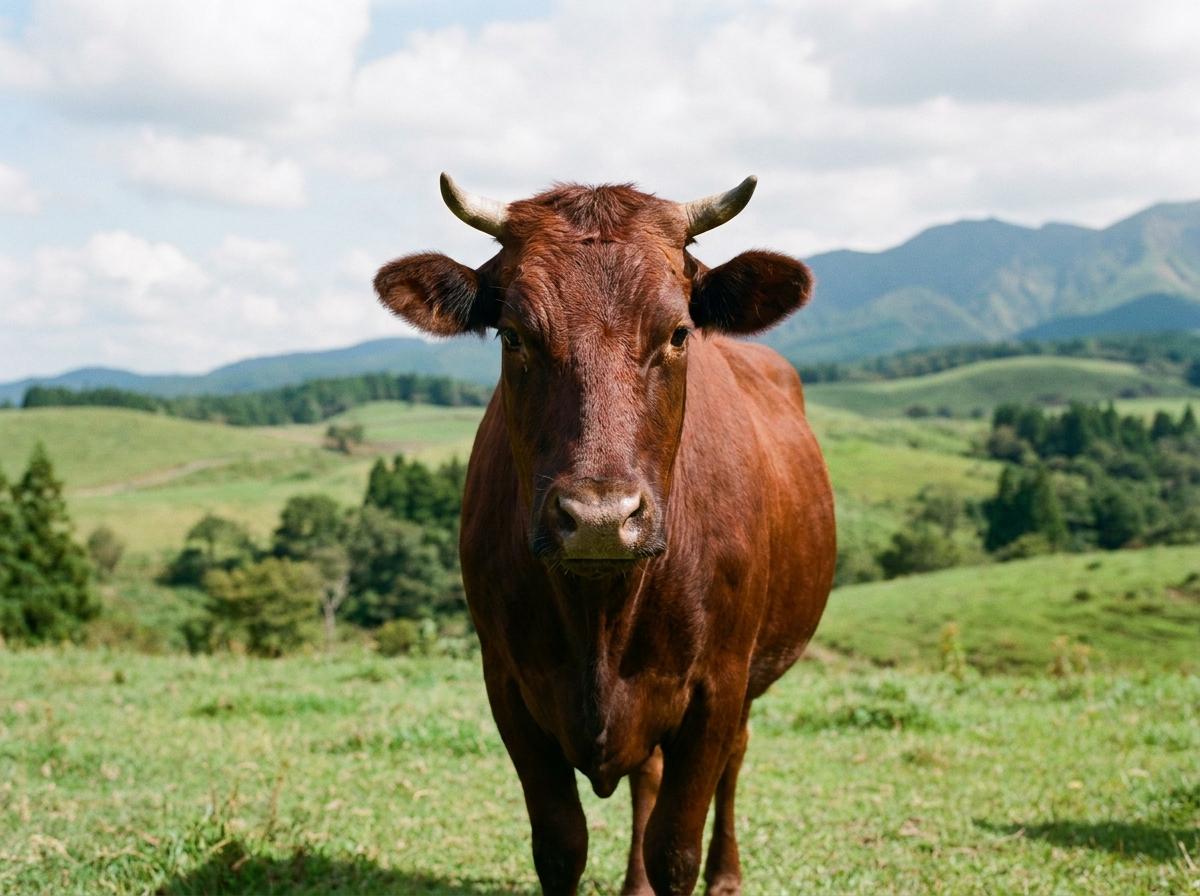
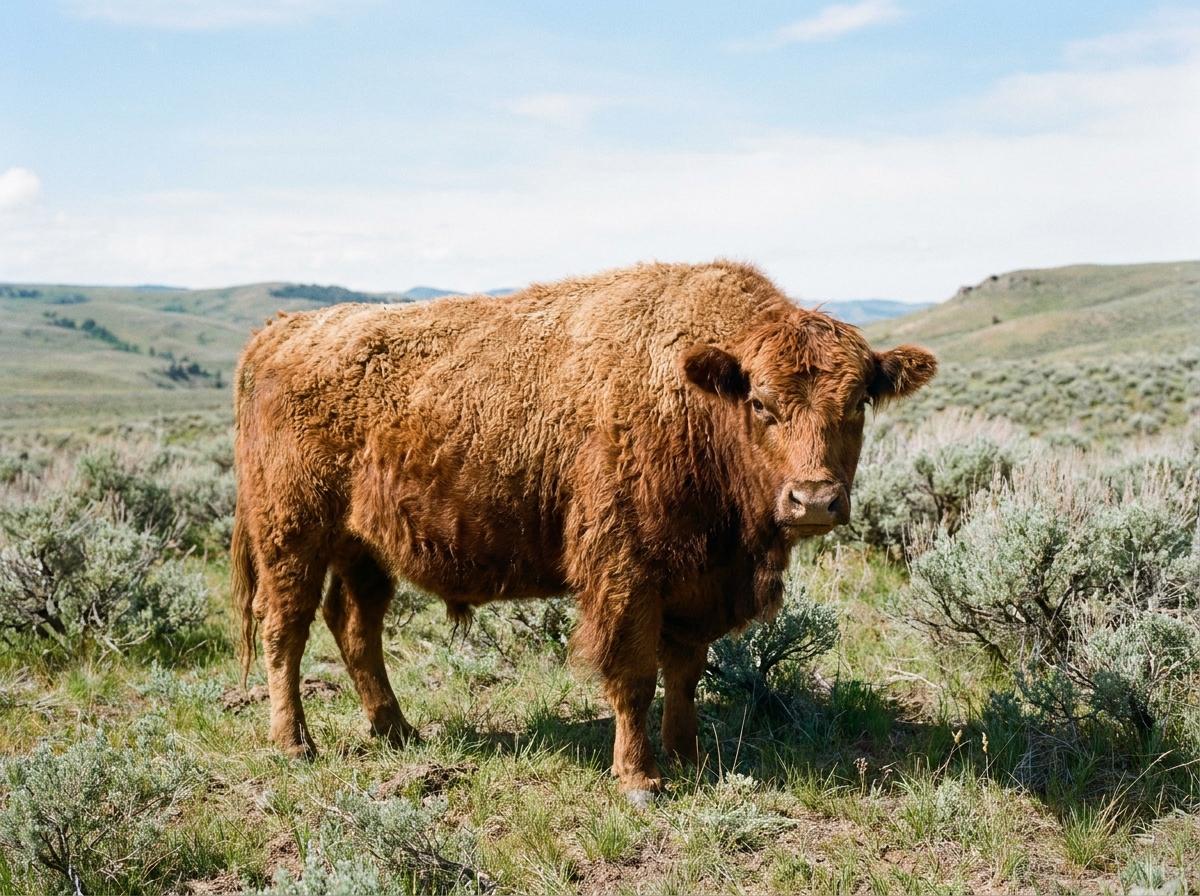
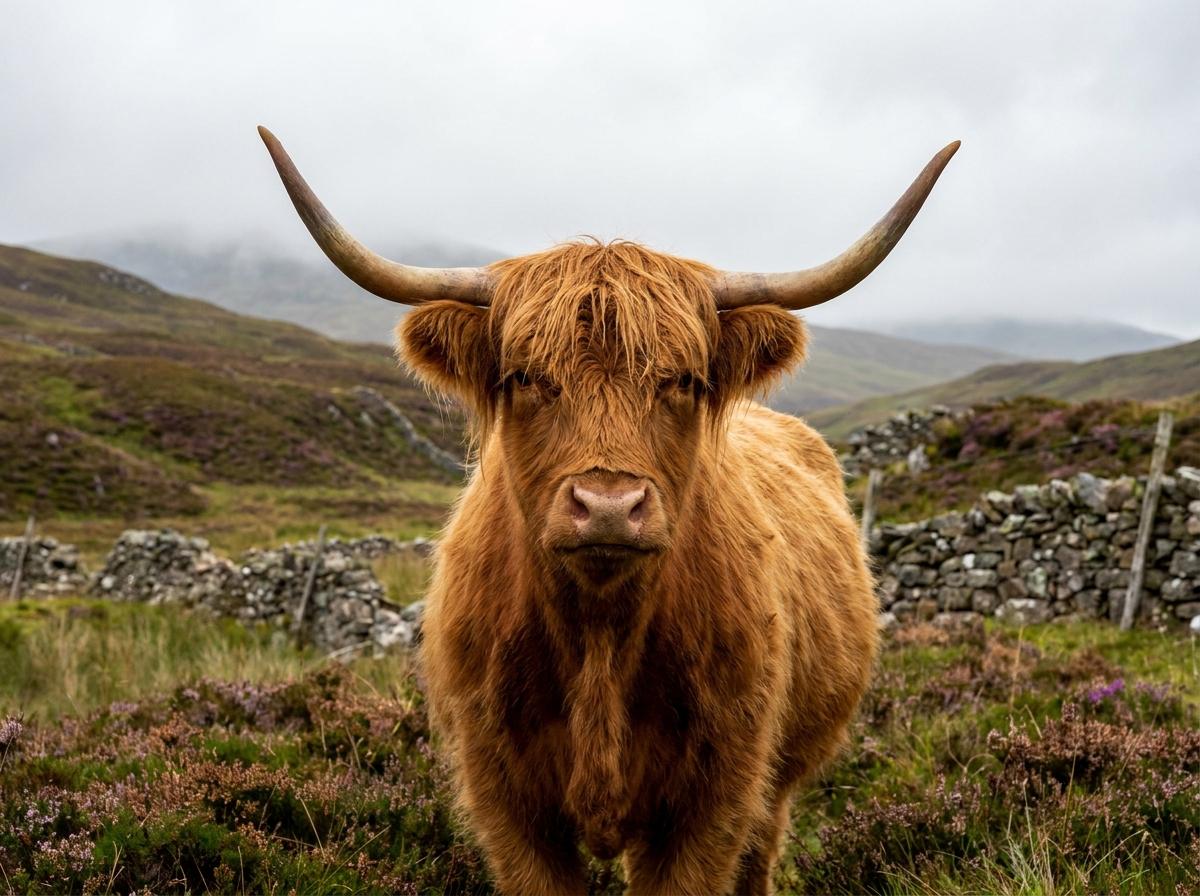
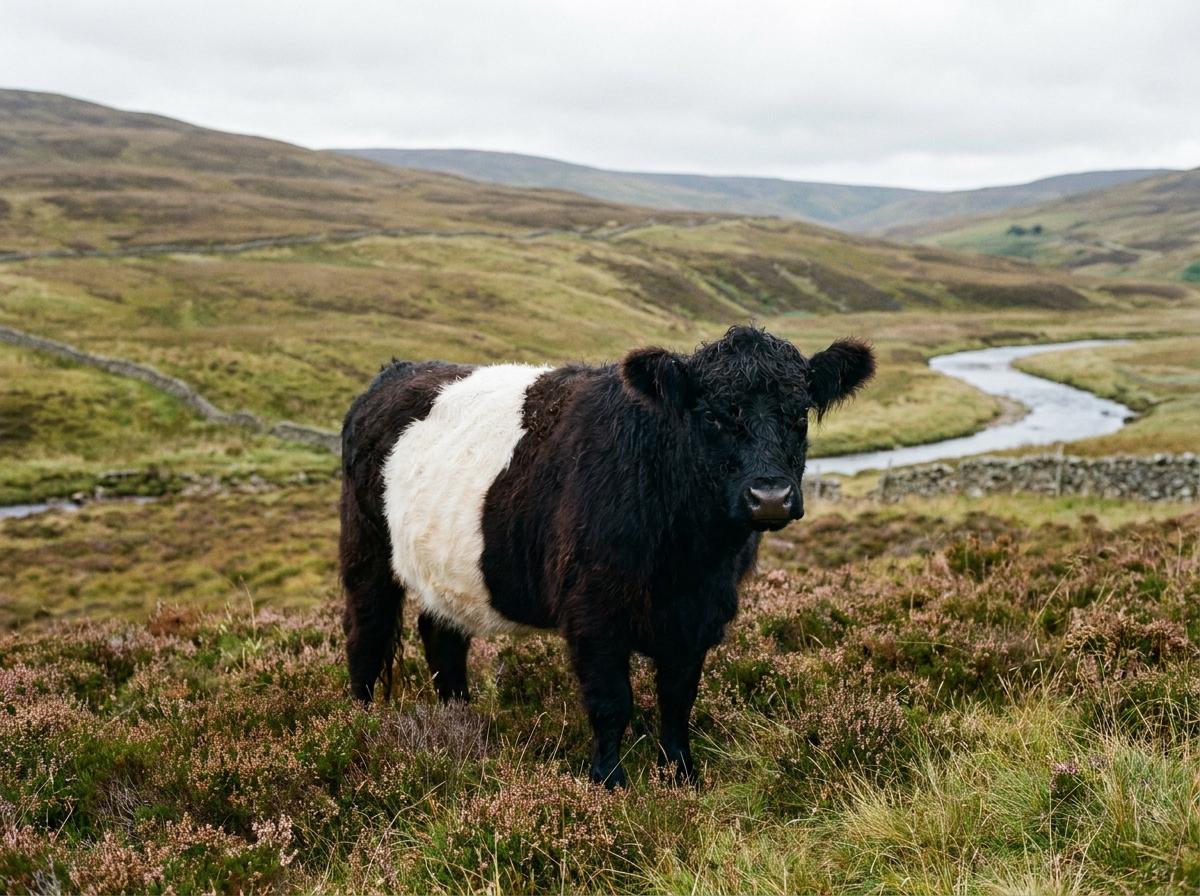
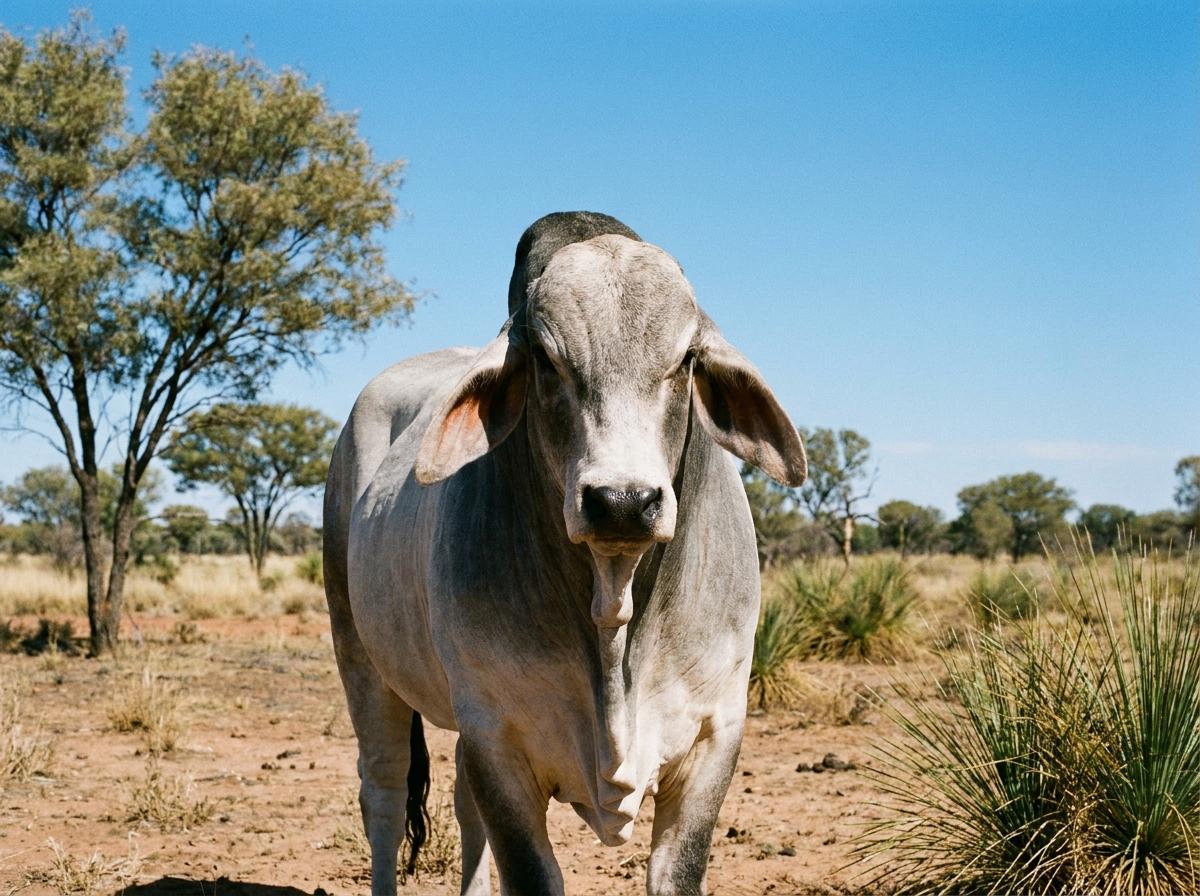
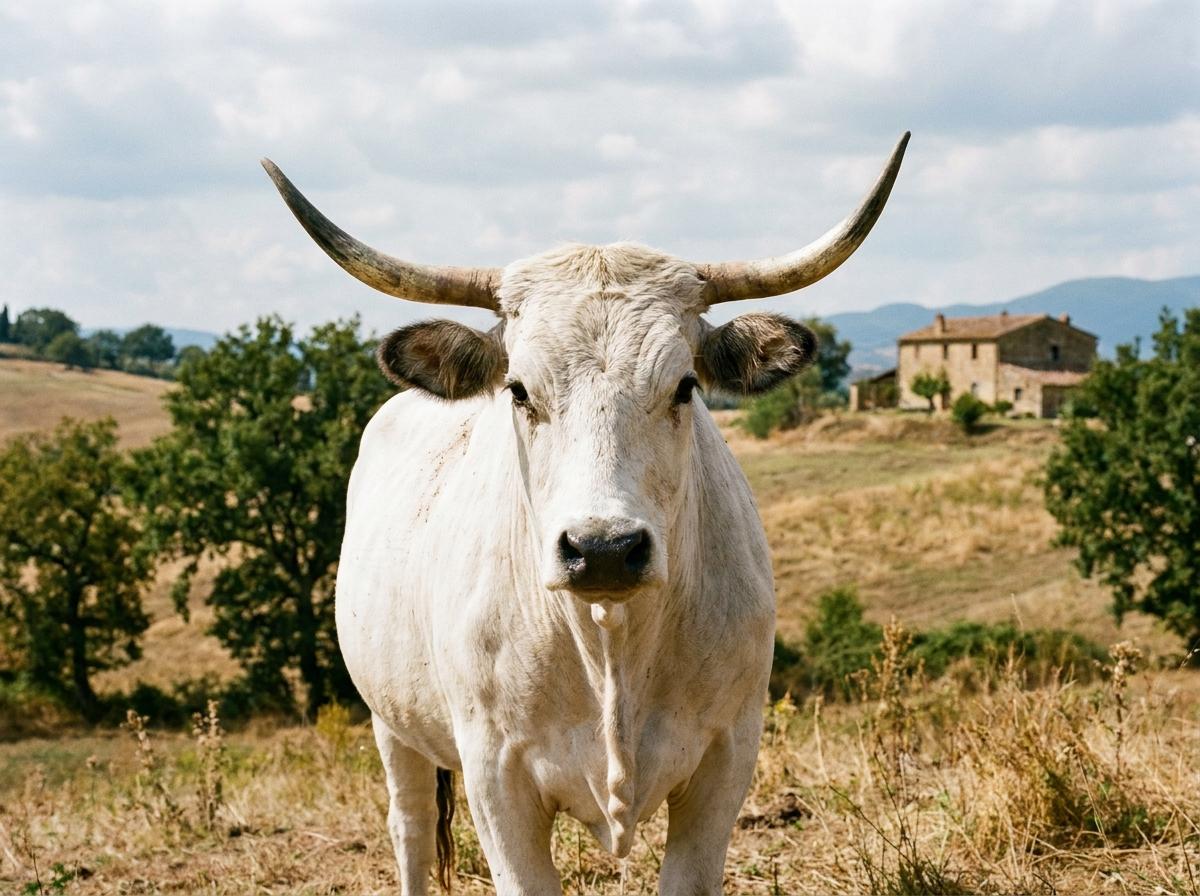
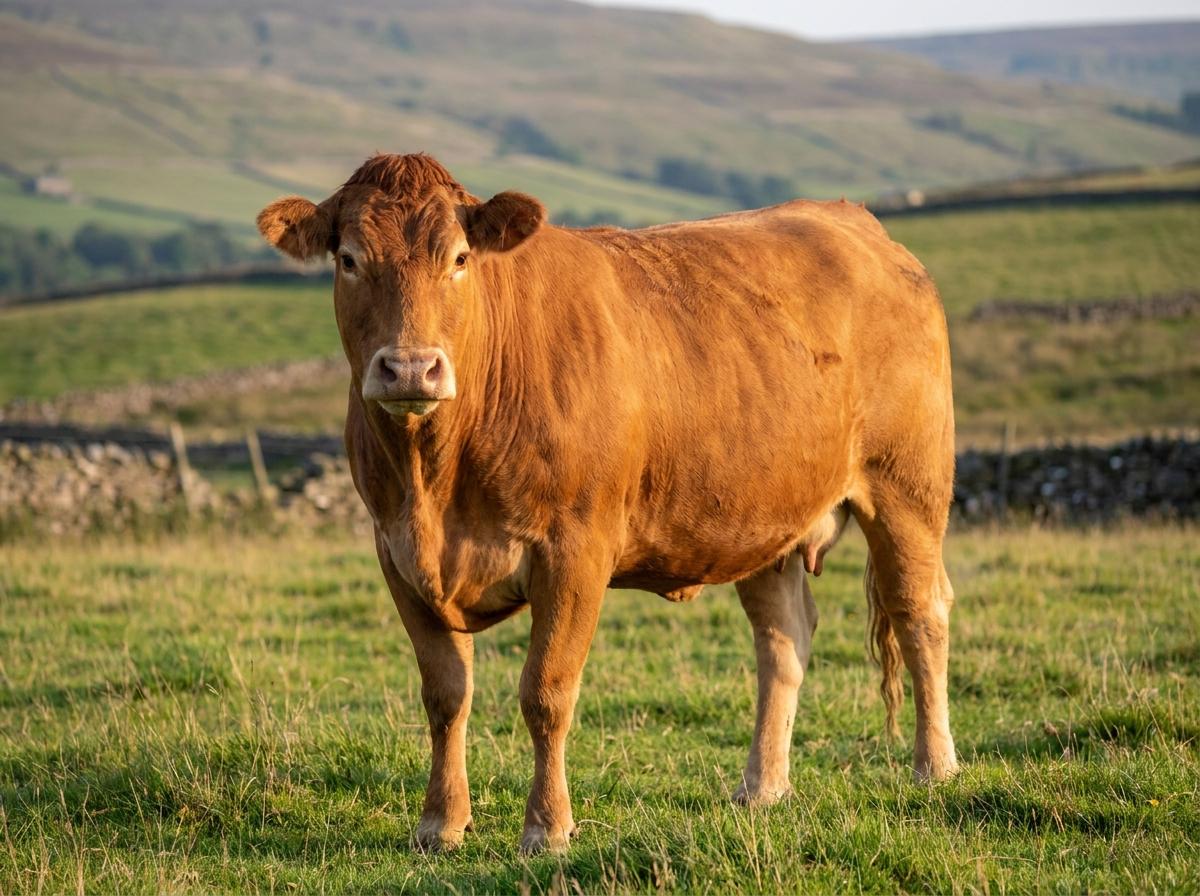
Siri cattle are a mountain-adapted breed associated with Bhutan and the eastern Himalayan borderlands of India, especially Sikkim, Darjeeling, and neighboring hill districts. They are often described as zebu-influenced cattle, with a hump, strong legs, hardy feet, and a thick coat suited to cool, wet uplands and steep tracks. Body color is variable, commonly black, red, brown, or pied, and horns can be broad and outward curving. Traditional households value Siri cattle for draft power, manure, milk for family use, and the ability to make use of rough grazing and cut fodder.
Most Siri management is smallholder based rather than intensive ranching. Animals may graze common land during the day and receive crop residues, tree fodder, and mineral supplements near the home, with shelter from monsoon rain and winter cold. Crossbreeding with dairy breeds can raise milk yield, but it can also dilute traits that make local cattle useful at altitude. Conservation herds and regional breed programs focus on identifying true Siri-type animals, recording village lines, and keeping enough unrelated breeding bulls so the population does not disappear into untracked crossbreds.
Colors: Belted, Black, Black and White, Blaze Faced, Blue Roan, Brindle, Brockle Faced, Brown, Brown and White, Dun, Gray, Grey, Highbelt, Highpark, Lineback, Mottled, Pied, Red, Red and White, Red Roan, Riggit, Roan, Silver, Solid Black, Solid Red, Solid White, Speckled, Spotted, White, White Faced, Yellow