


Spanish Criollo
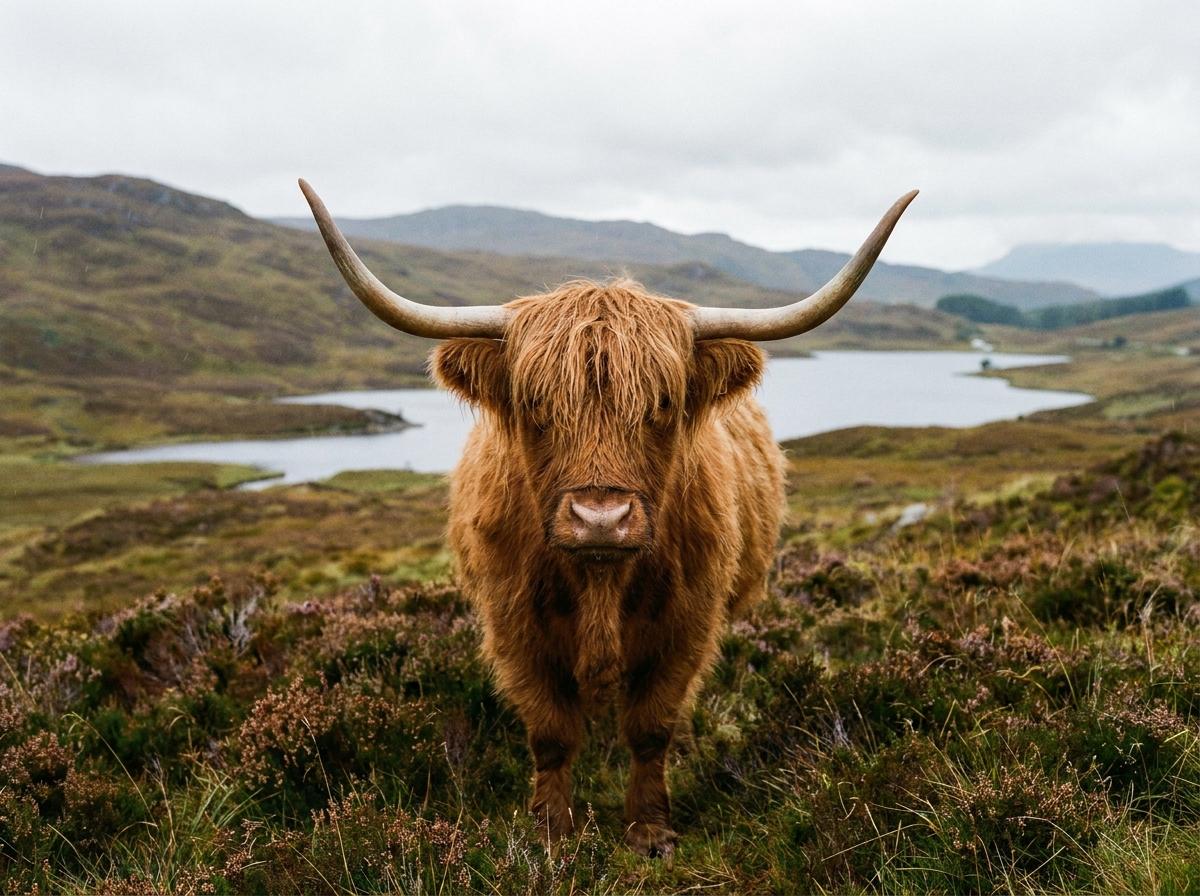
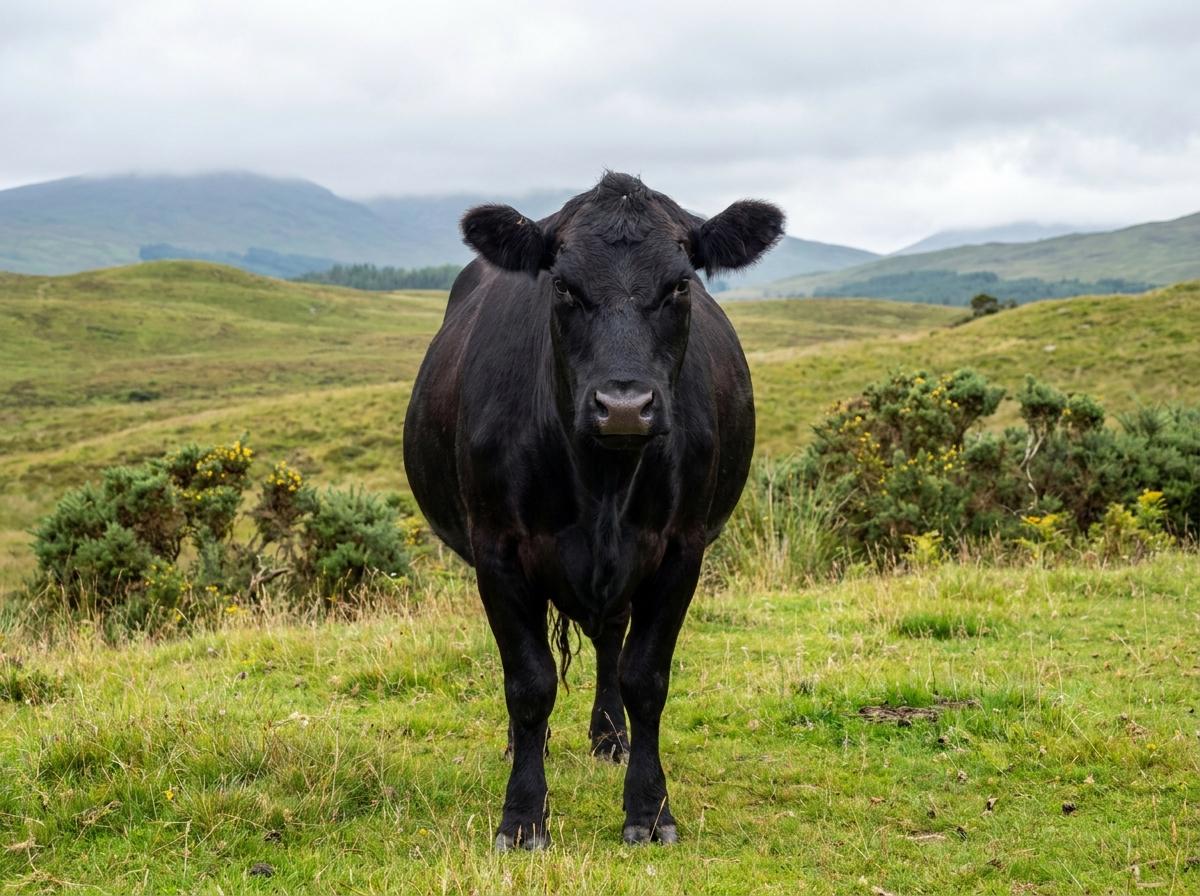
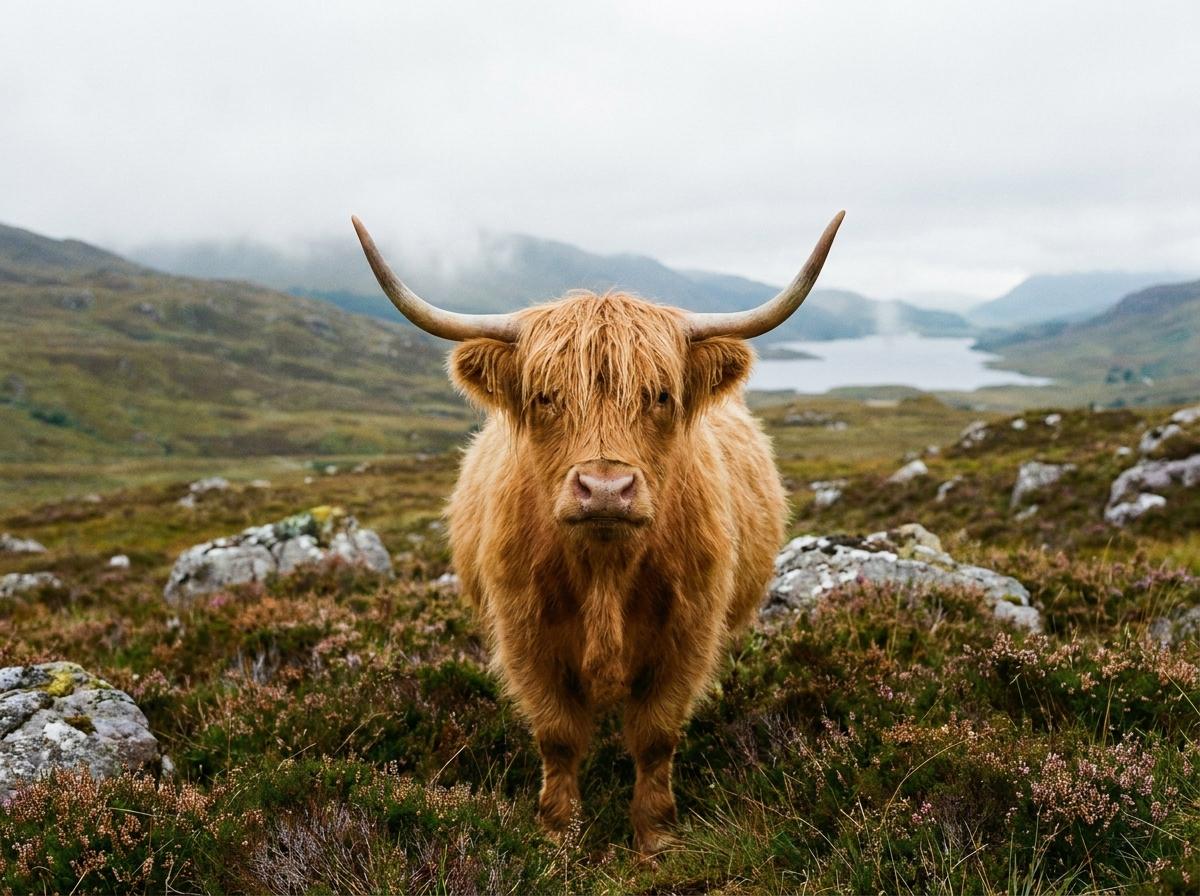
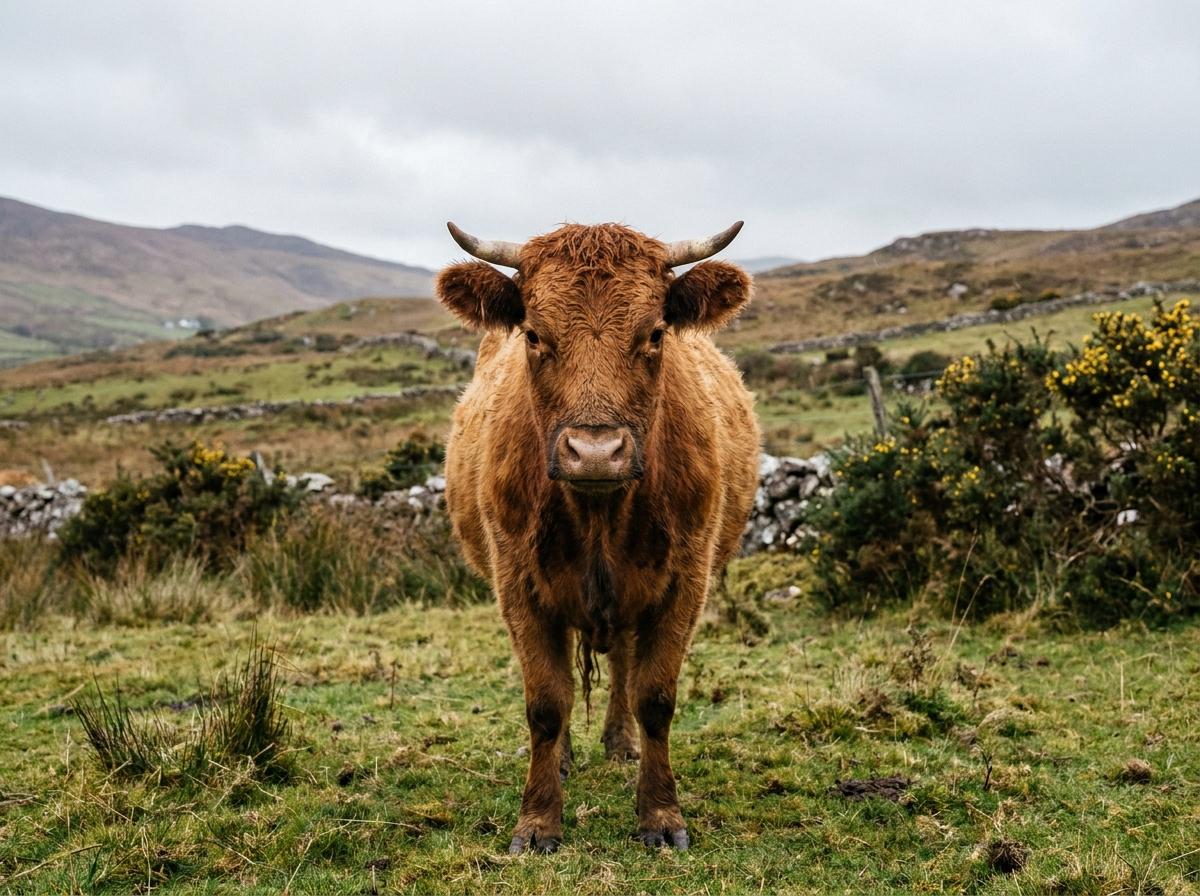
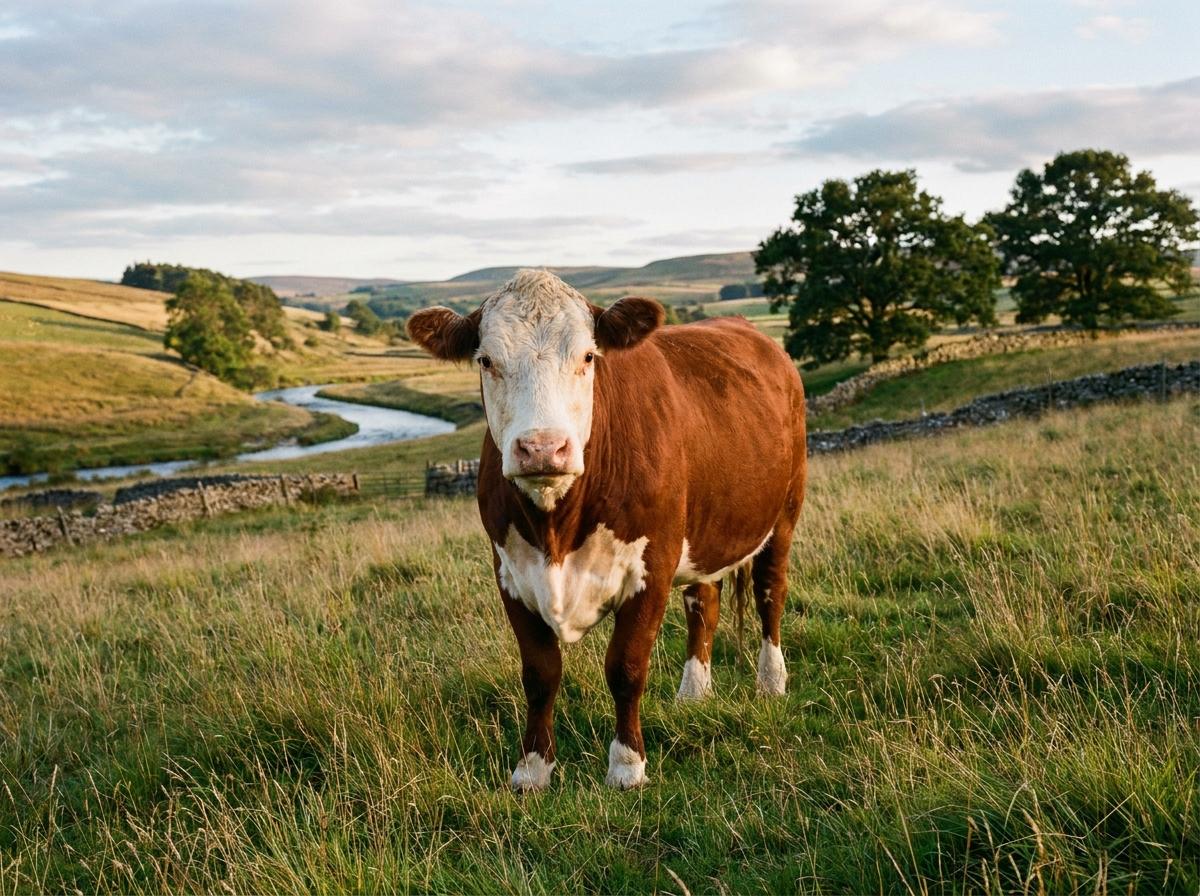
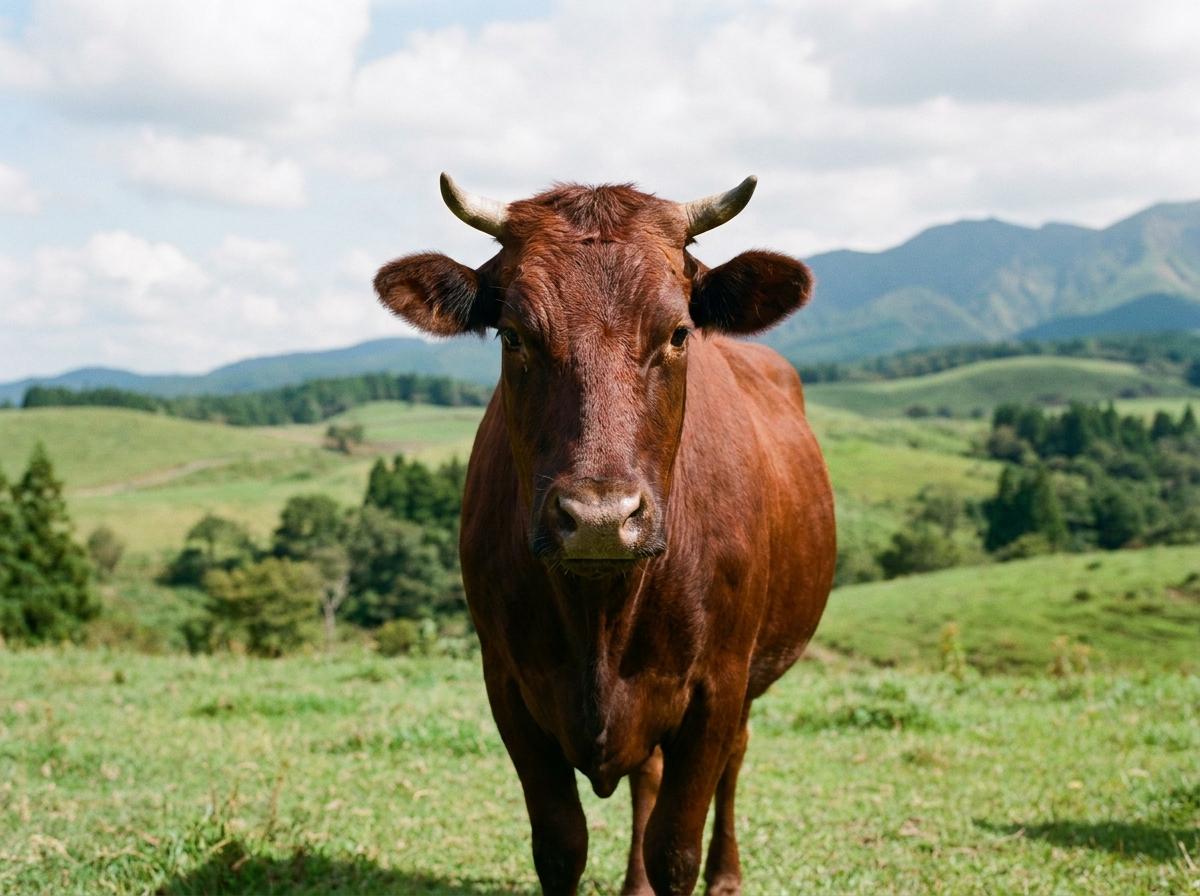
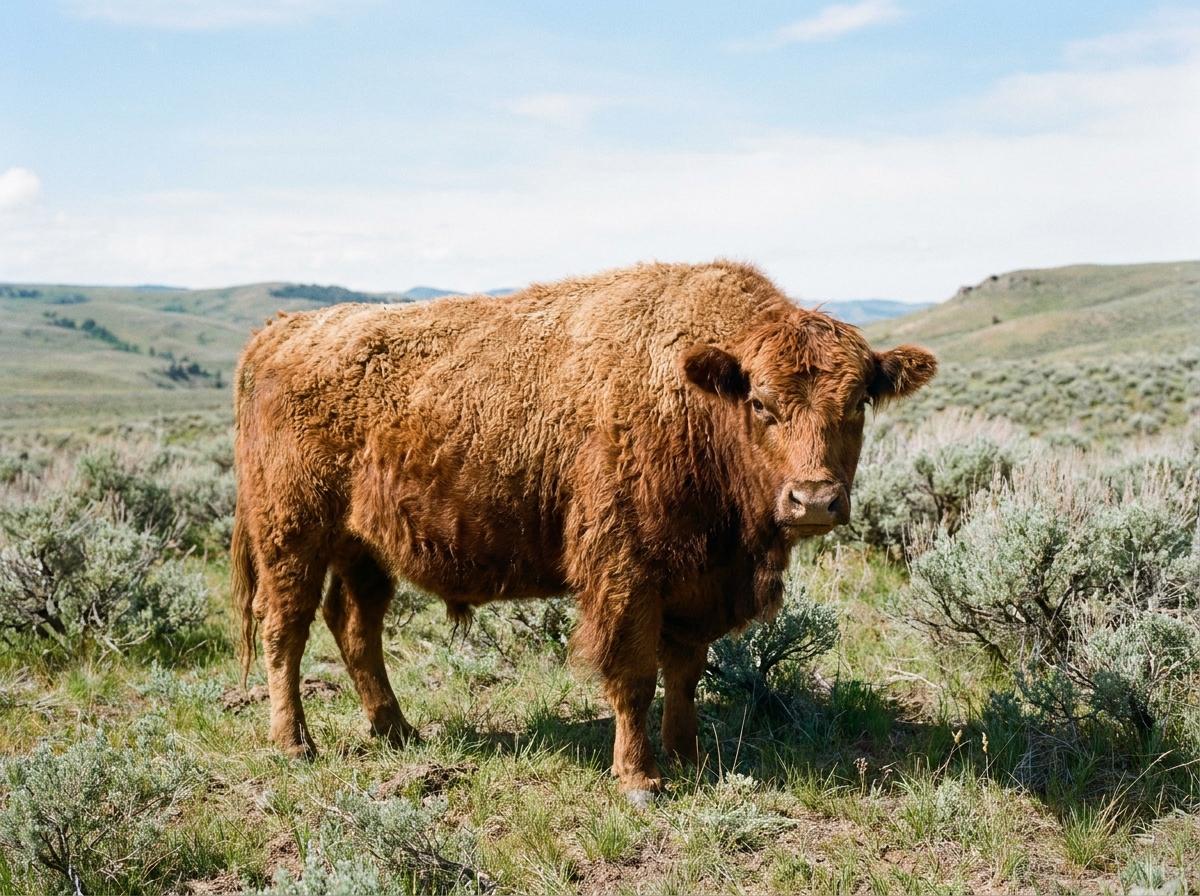
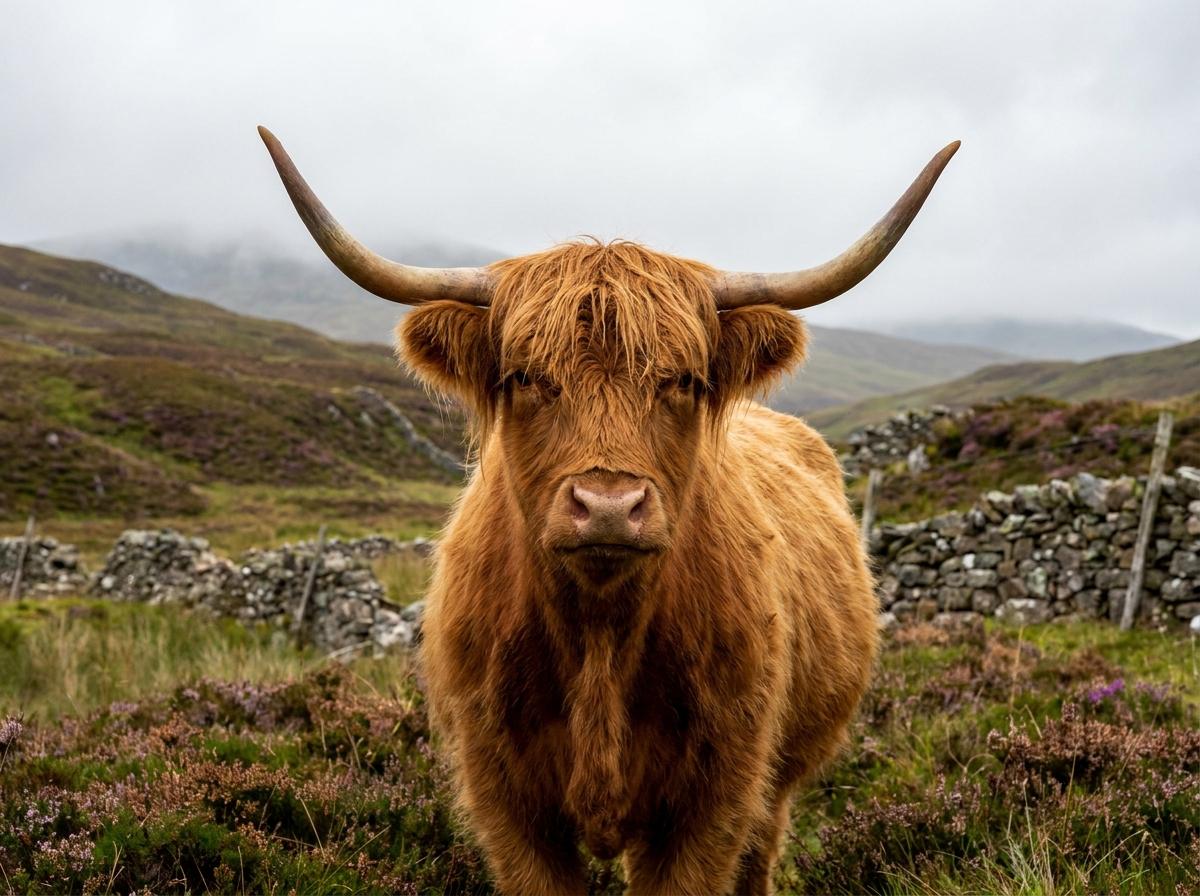
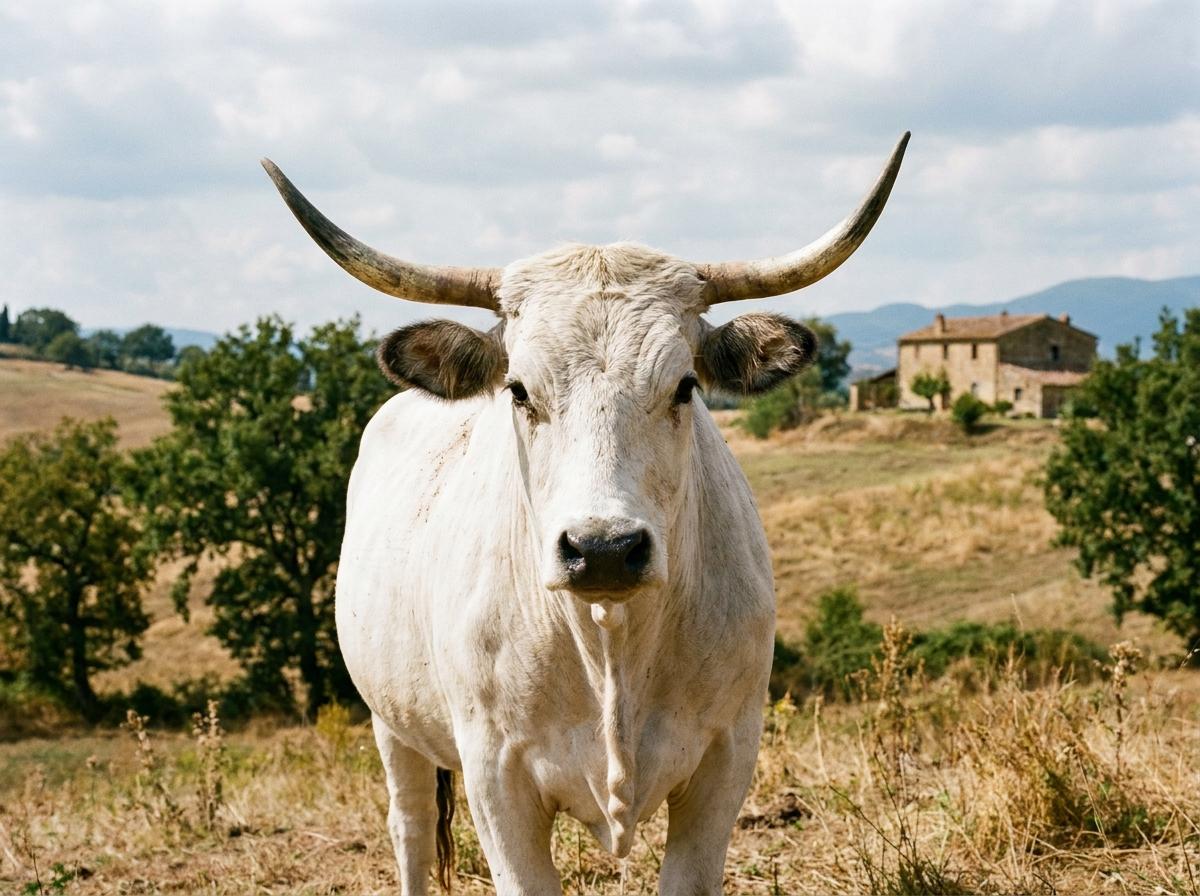
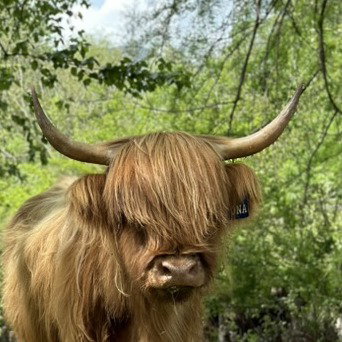
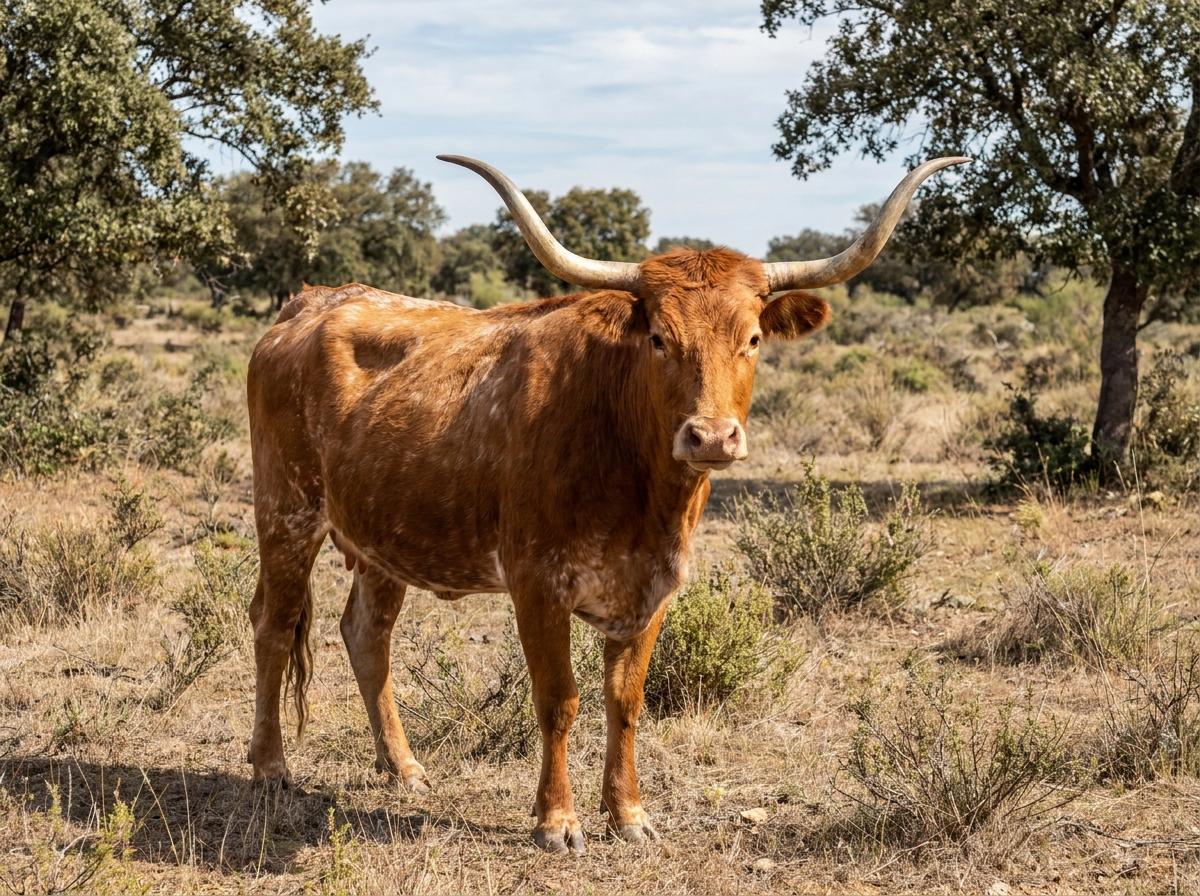
Spanish Criollo cattle are the descendants of Iberian cattle taken to the Americas by Spanish settlers from the late 1400s onward. The name criollo simply means locally developed, so it can refer to several regional landraces in Mexico, the Caribbean, Central America, South America, and the borderlands of the United States. These cattle tend to be small to moderate in size, agile, fertile, and highly variable in color, with horn shape ranging from short to long and sweeping. Related populations influenced better-known types such as Corriente and Texas Longhorn cattle.
Ranchers keep Spanish Criollo cattle where heat, drought, brushy range, and sparse forage punish heavier commercial breeds. They are used for beef, low-input cow-calf production, rodeo stock in some lines, milk for households, and genetic conservation. Their strengths are survival, walking ability, mothering, and disease or parasite tolerance, not maximum feedlot gain. Anyone buying criollo cattle should ask which regional strain is being offered, how much crossbreeding has occurred, and how horned animals are handled. Conservation programs often rely on herd records and bloodline separation to preserve rare local adaptations.
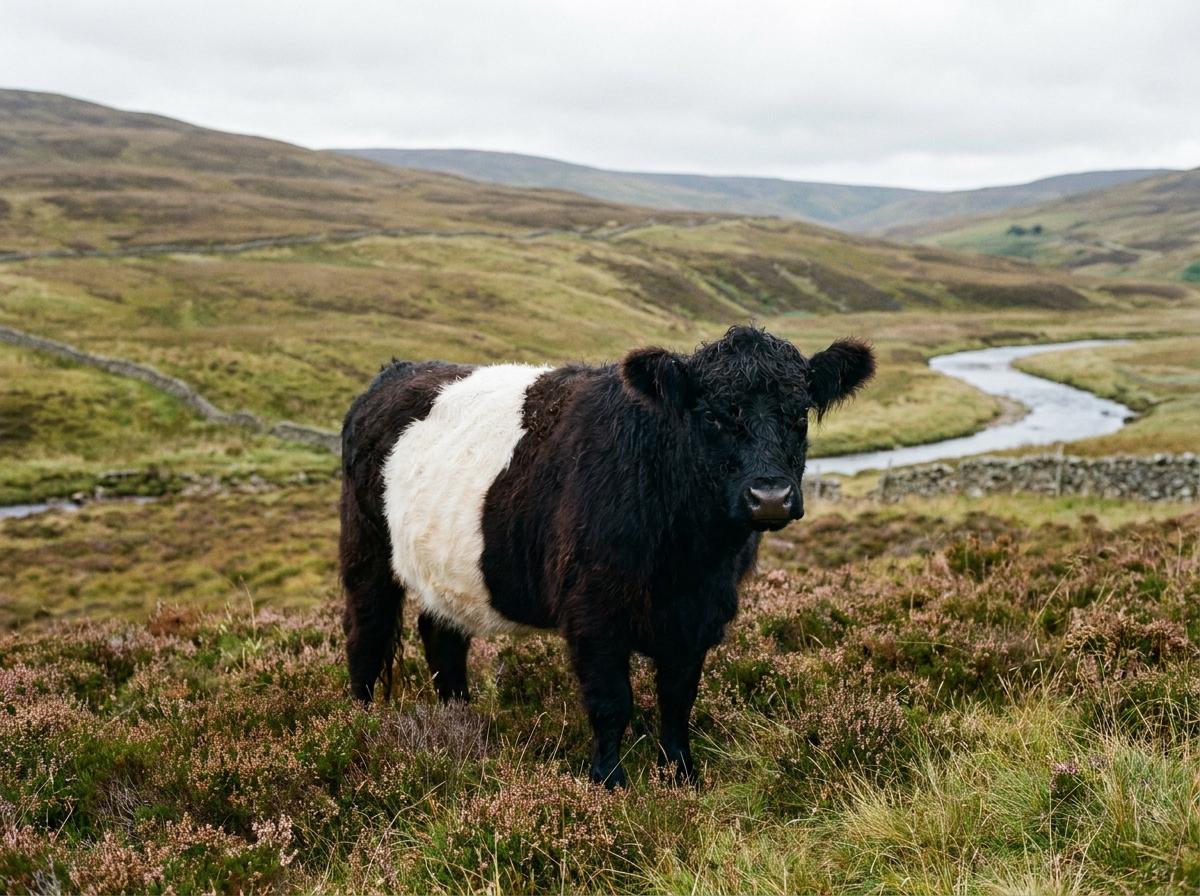
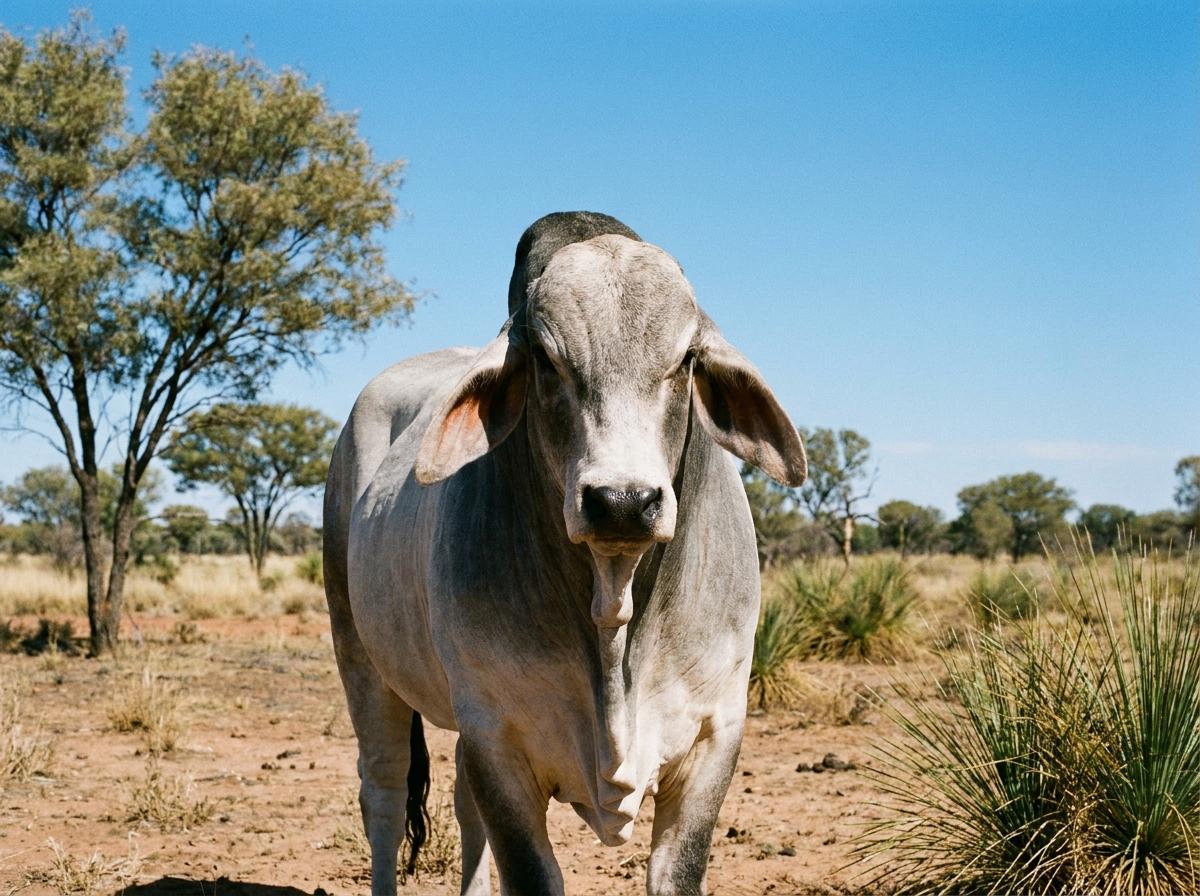
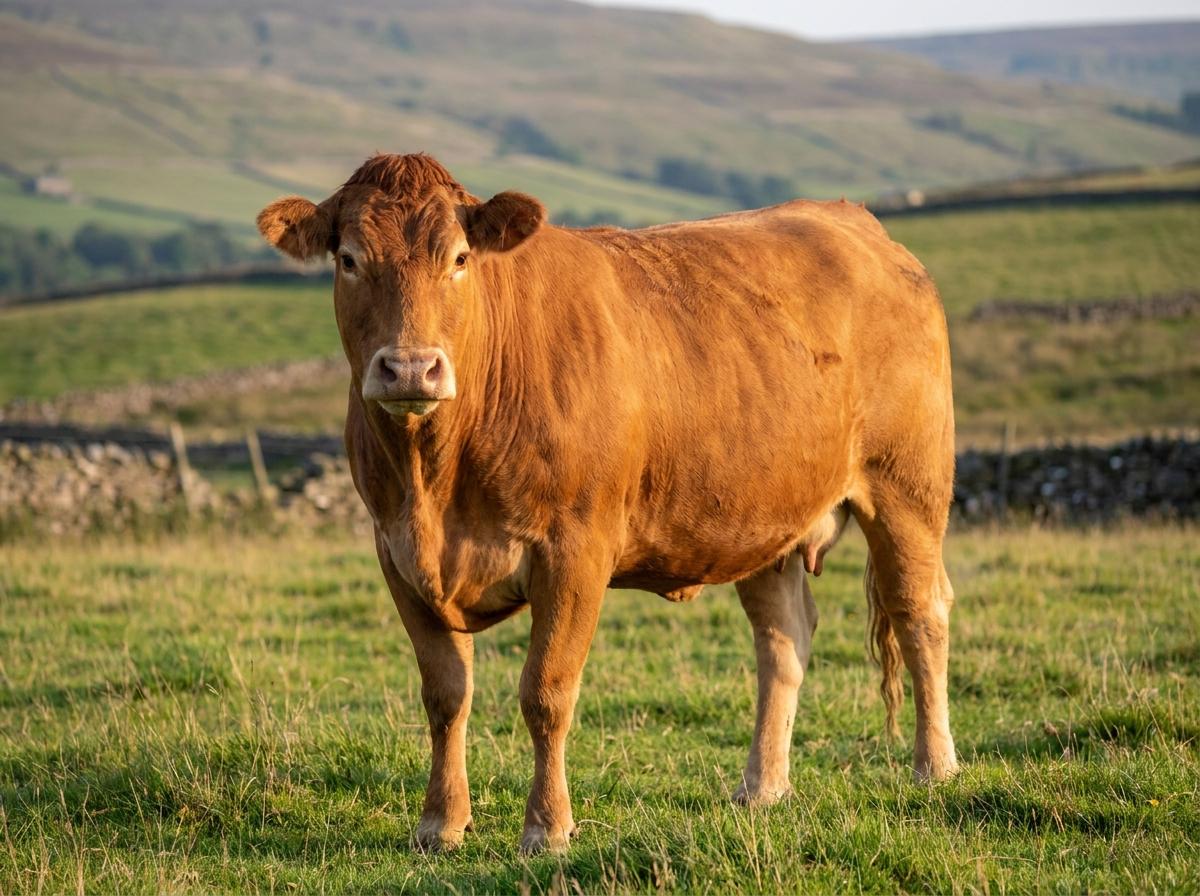
Colors: Belted, Black, Black and White, Blaze Faced, Blue Roan, Brindle, Brockle Faced, Brown, Brown and White, Dun, Gray, Lineback, Mottled, Red, Red and White, Red Roan, Roan, Silver, Solid Black, Solid Red, Speckled, Spotted, White, White Faced, Yellow