

Spanish Fighting Bull
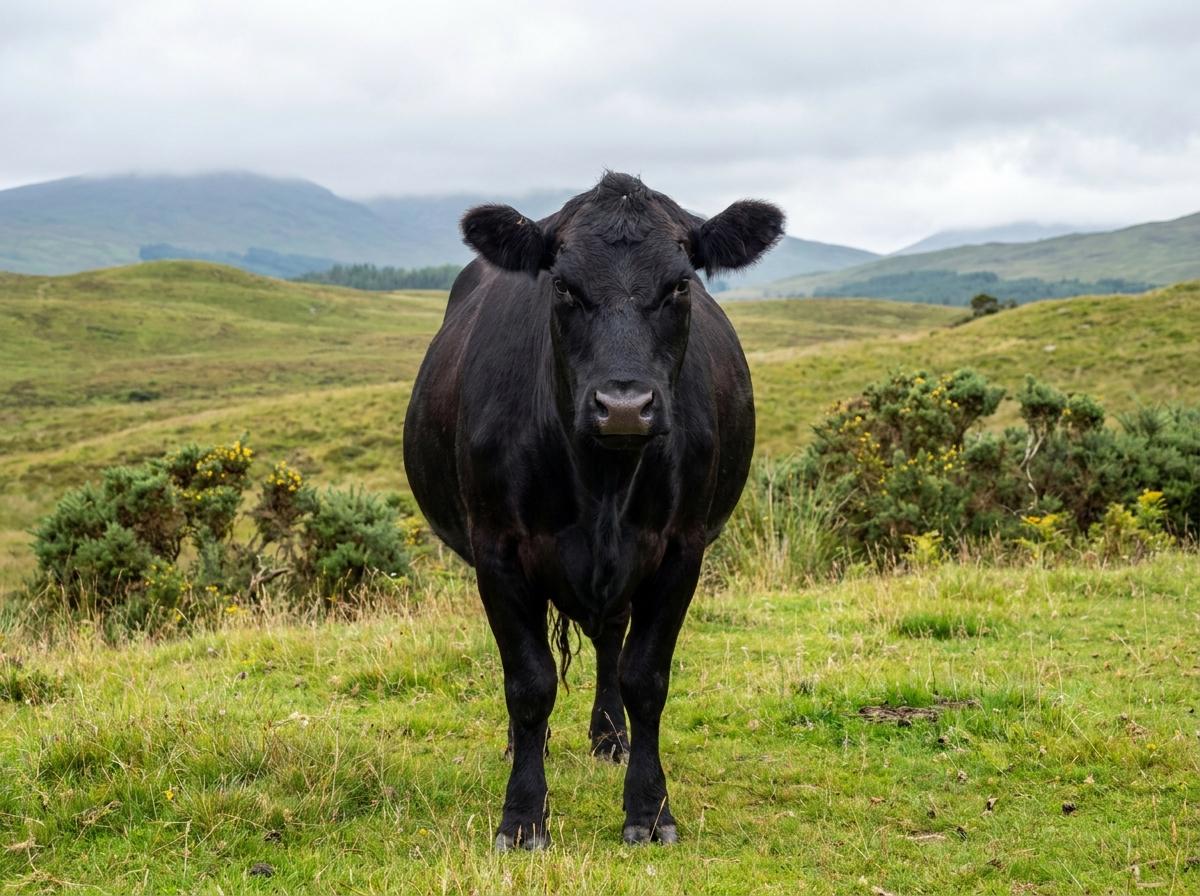
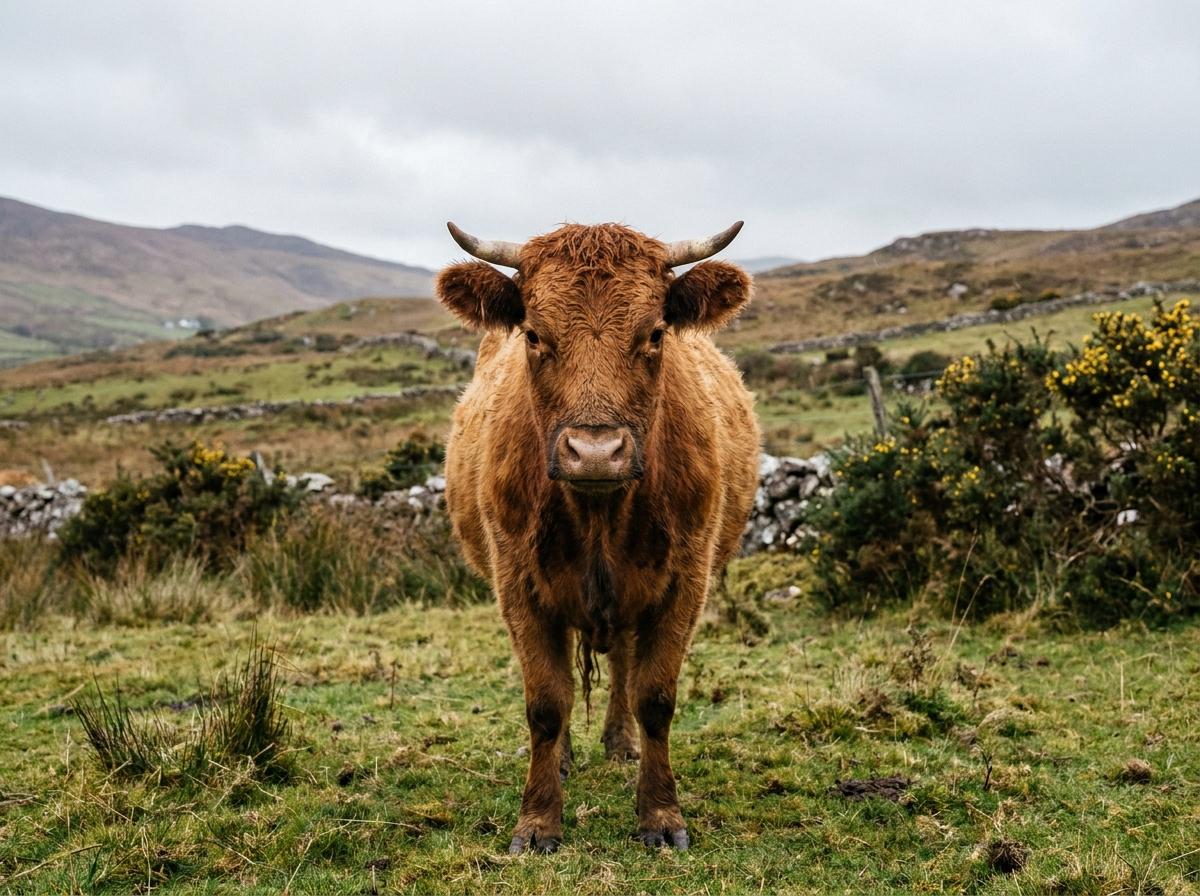
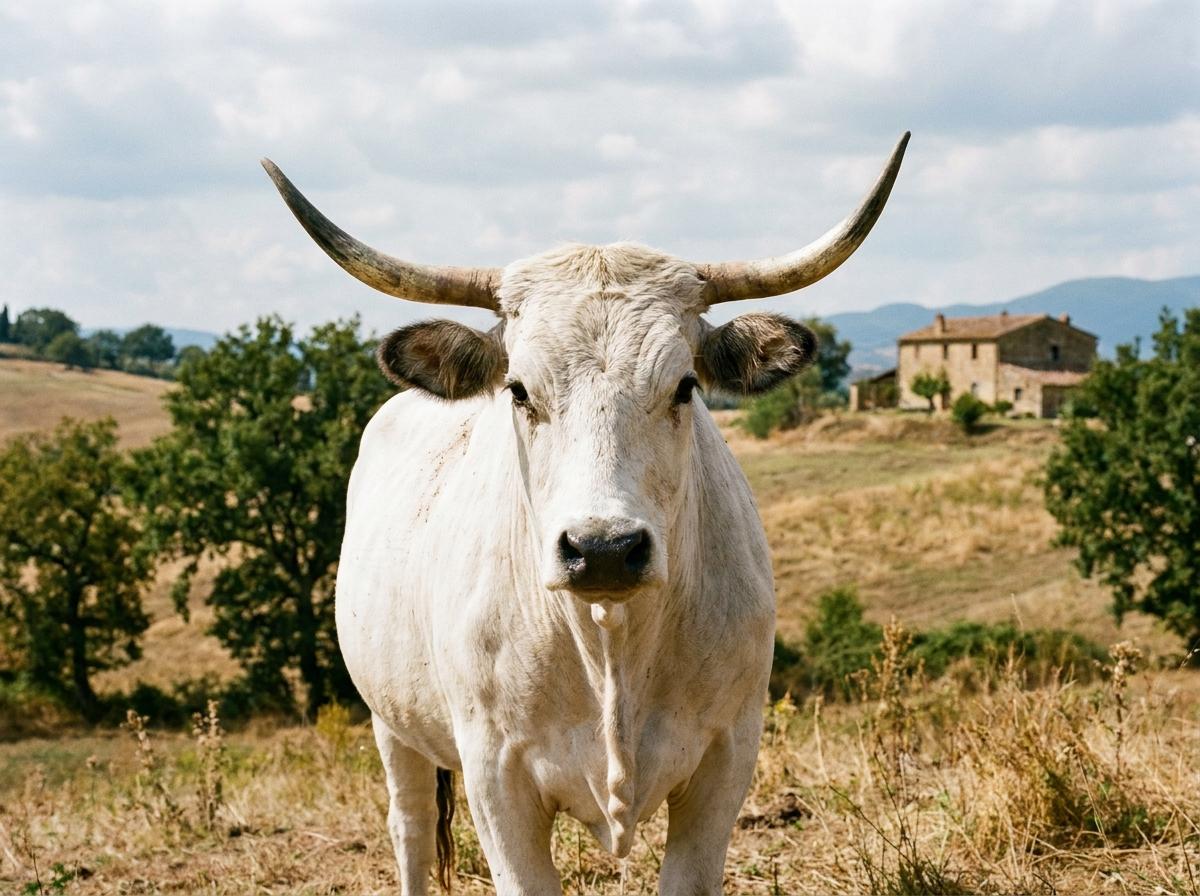
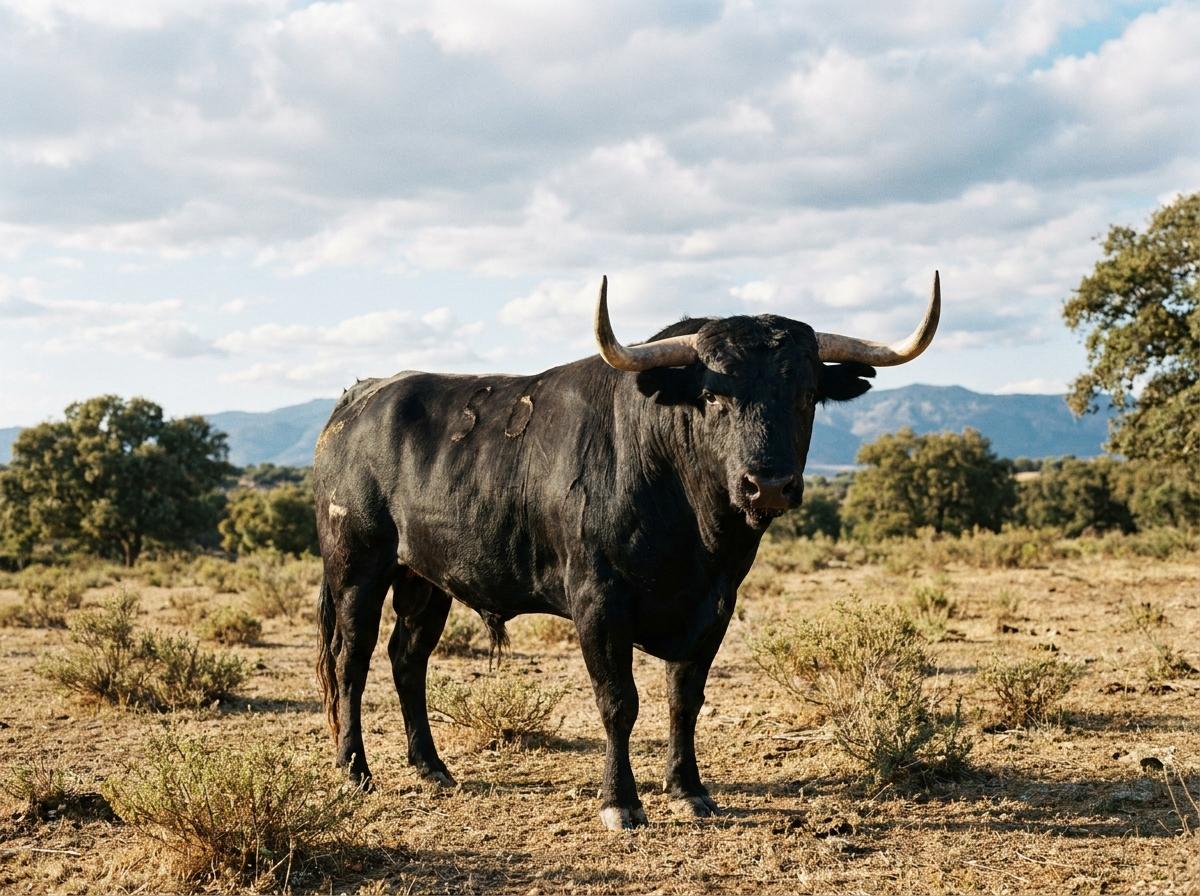
Spanish fighting bull, also called toro bravo or toro de lidia, is a specialized Iberian cattle population selected for bullfighting, running events, and related traditions in Spain, Portugal, southern France, and parts of Latin America. It is managed through old ranch lineages known as ganaderias and encastes rather than as a single uniform farm breed. Animals are usually lean, athletic, high-headed, and strongly horned, with black, red, brindle, gray, or patched coats depending on the line. Selection has emphasized mobility, alertness, and a strong defensive or combative response when pressured.
These cattle are unsuitable for ordinary small farms or hobby herds. Specialist ranches raise them extensively on large fenced estates, often dehesa or rangeland, with minimal close handling until veterinary work or sorting is unavoidable. Staff use heavy facilities, experienced horsemen, and strict safety routines because mature bulls and cows can be dangerous. Breeding decisions are tied to family records, temperament tests, conformation, horns, and the rules of the local spectacle or registry. Welfare law, public policy, and access to events vary by country, so conservation of bloodlines now sits alongside changing cultural and legal pressures.
Colors: Belted, Black, Black and White, Blaze Faced, Blue Roan, Brindle, Brockle Faced, Brown, Brown and White, Dun, Gray, Grey, Highbelt, Highpark, Lineback, Mottled, Pied, Red, Red and White, Red Roan, Riggit, Roan, Silver, Solid Black, Solid Red, Solid White, Speckled, Spotted, White, White Faced, Yellow