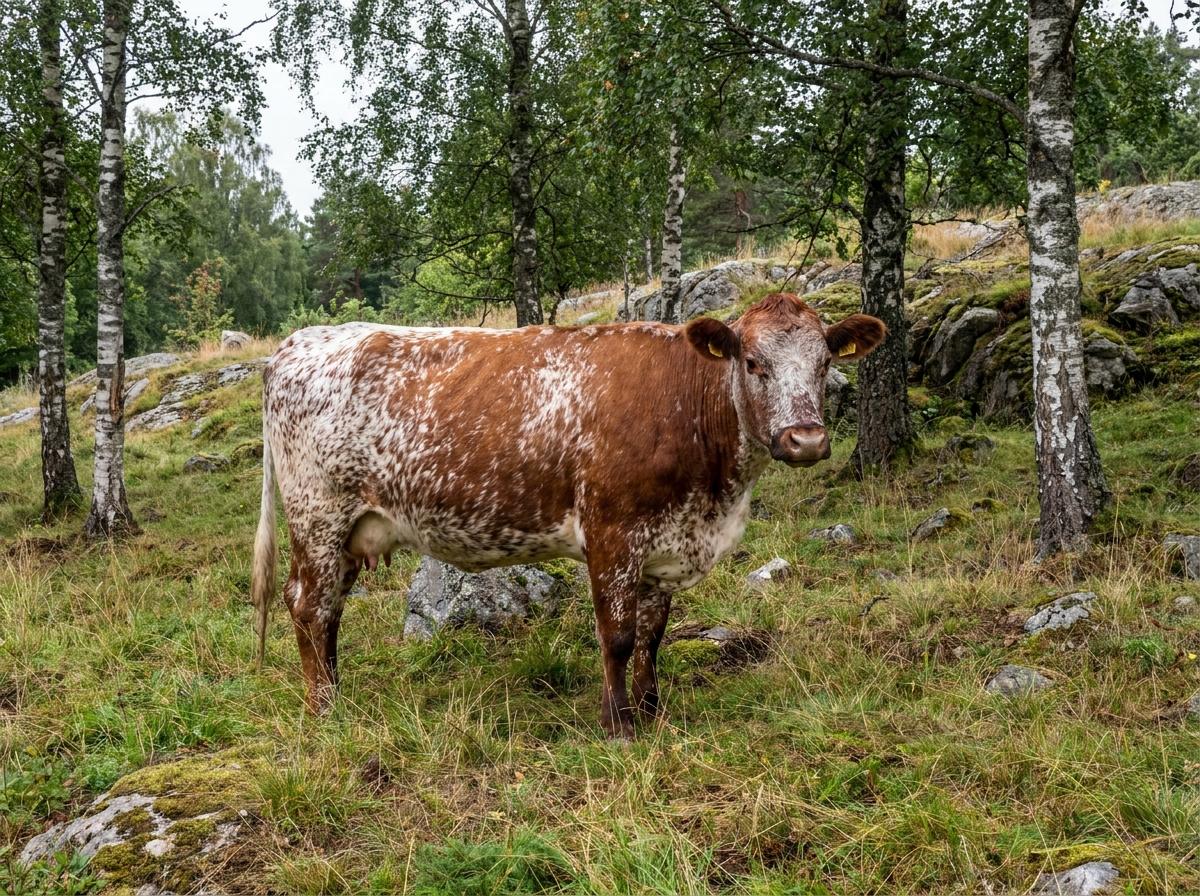
Swedish Polled
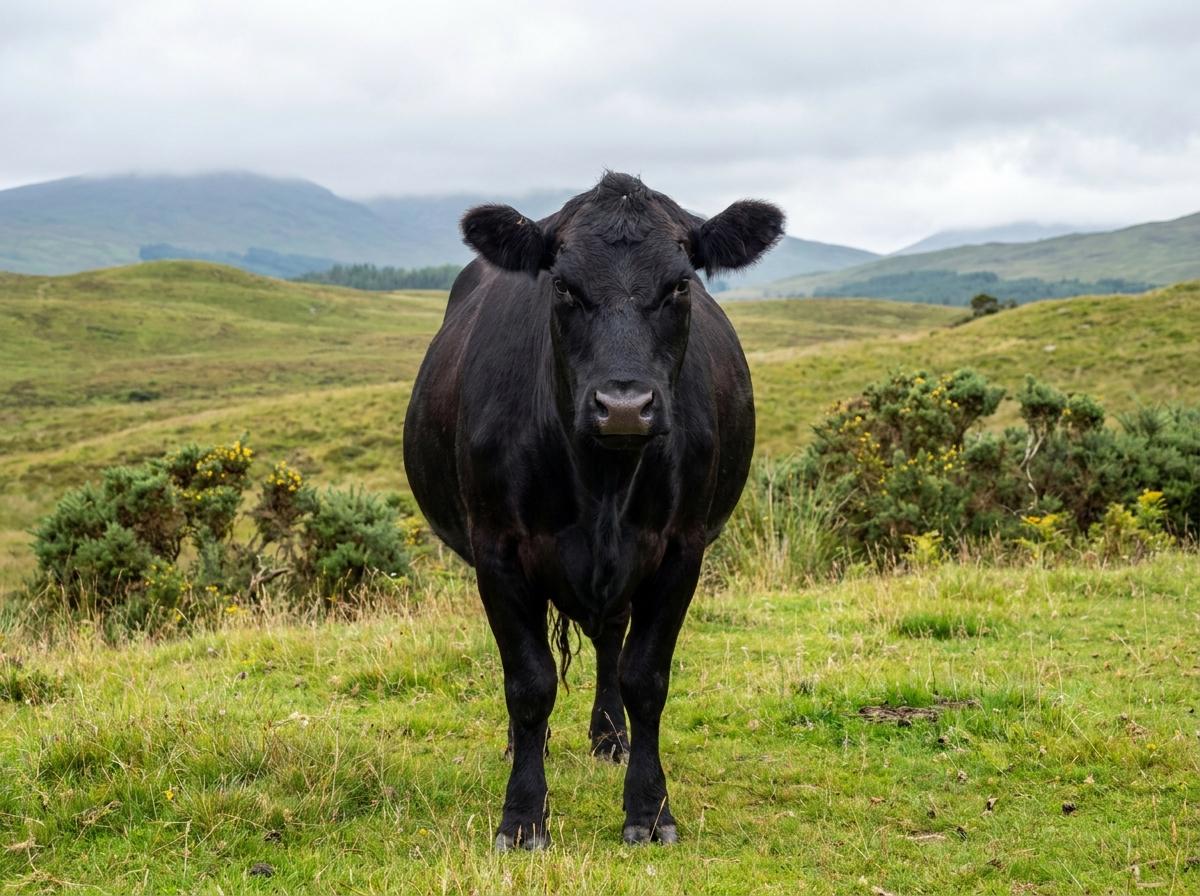
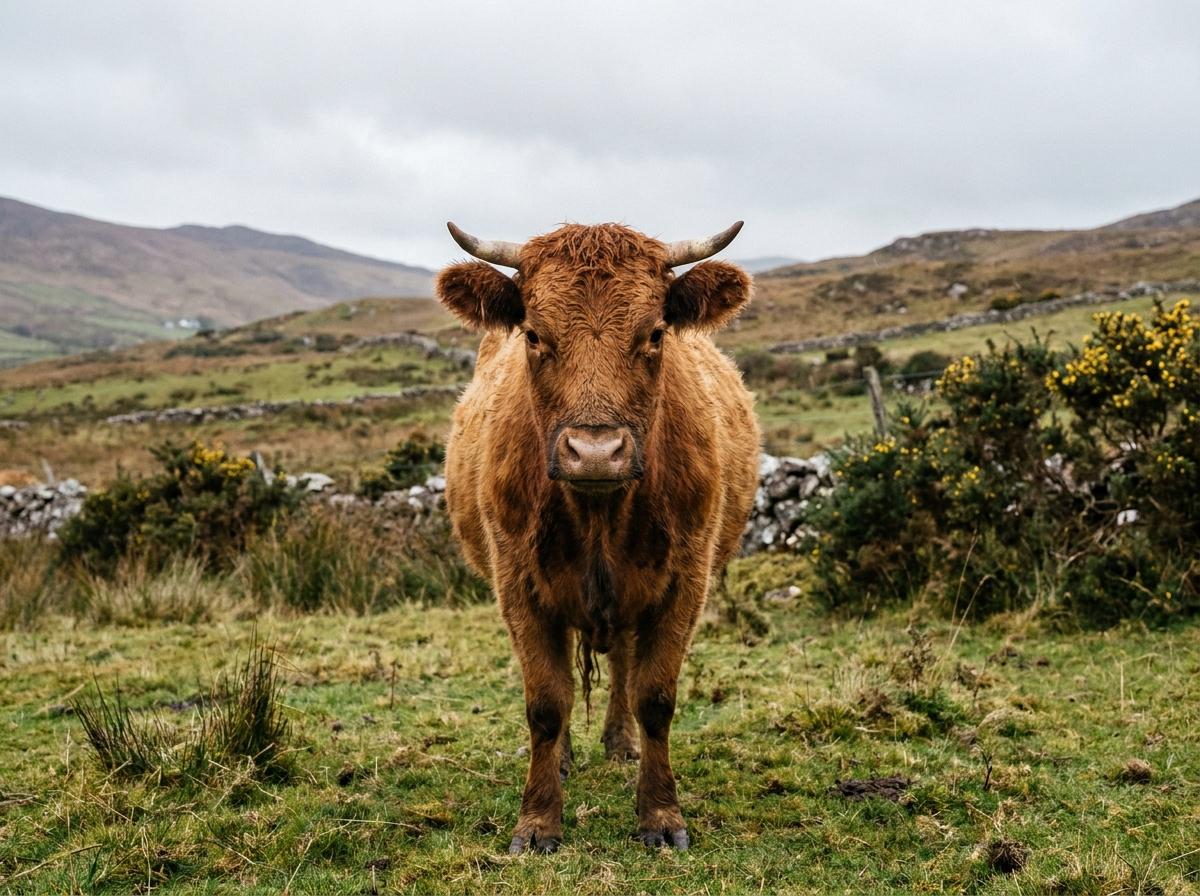
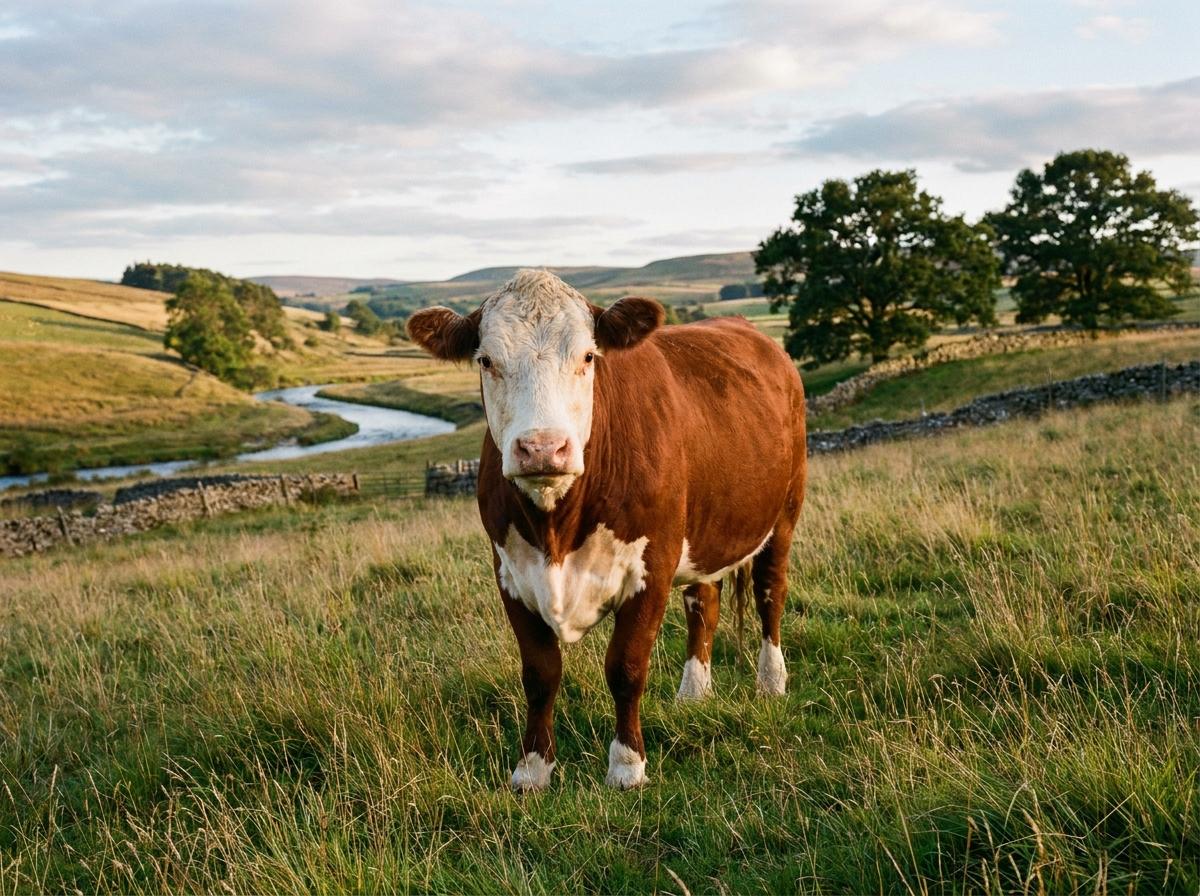
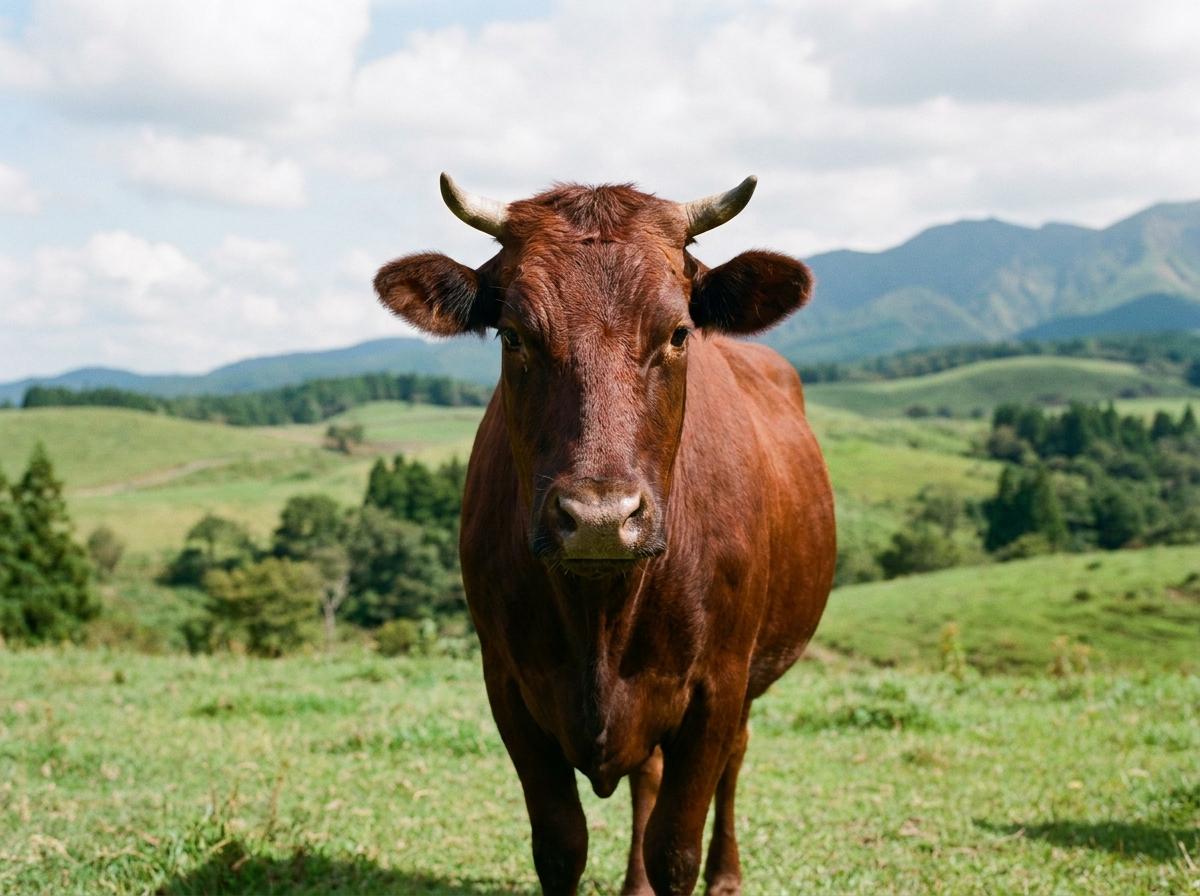
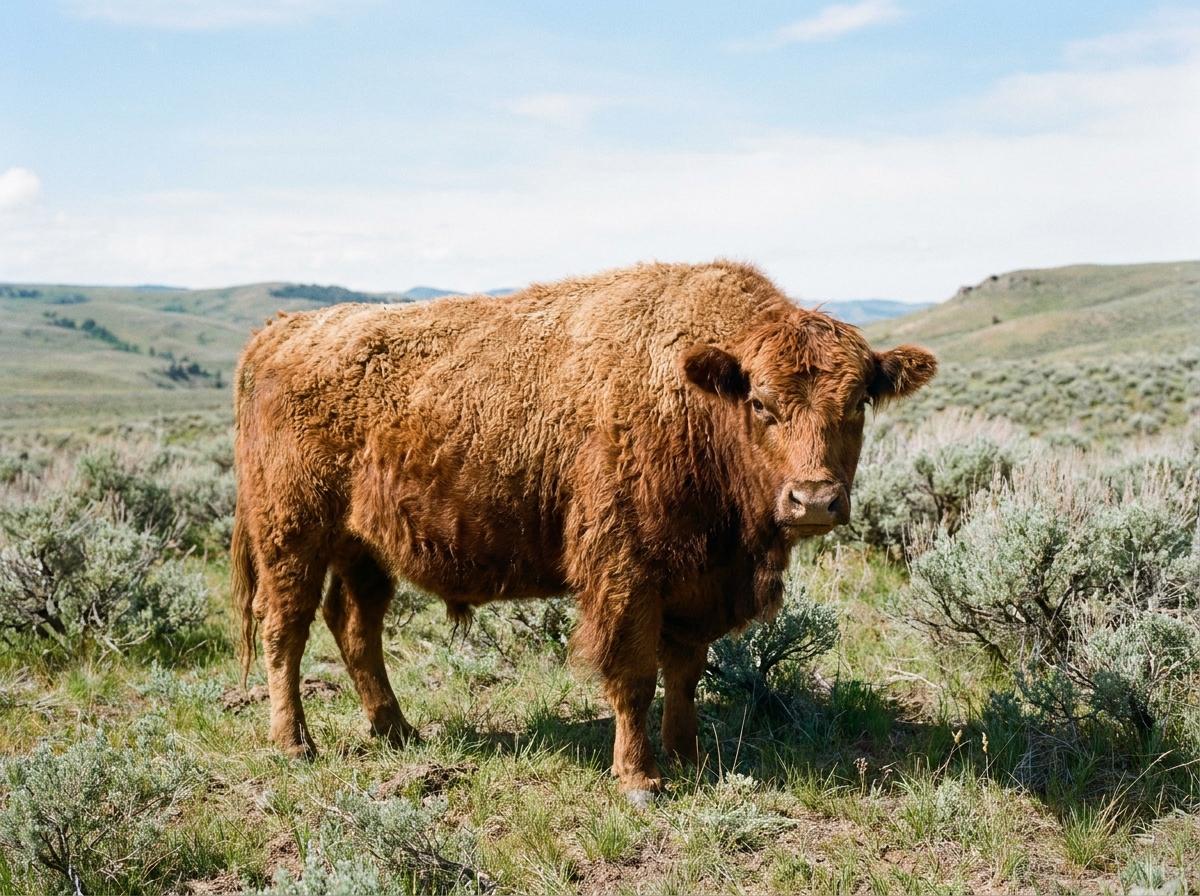
Swedish polled cattle, or Svensk Kullig Boskap, are naturally hornless cattle from Sweden. The breed was formed in the 20th century from native polled stock, especially Swedish Red Polled and Swedish Mountain cattle, so color and body type can vary more than in a narrow show breed. Animals are generally small to medium sized, hardy, and dual-purpose, with red, white, black, pied, or roan patterns appearing in different families. The Swedish word kullig refers to the polled head.
Interest in Swedish polled cattle is often tied to heritage farming, conservation herds, and low-input milk or family-cow use rather than maximum dairy output. Their hornless condition reduces the need for dehorning, though scurs can still occur and should be recorded honestly. Small populations require careful sire choice, exchange between herds, and attention to inbreeding. Practical management is straightforward cattle husbandry in a Nordic setting: adequate winter forage, shelter from wet wind, reliable minerals, and selection for functional udders and feet.
Colors: Belted, Black, Black and White, Blaze Faced, Blue Roan, Brindle, Brockle Faced, Brown, Brown and White, Dun, Gray, Grey, Highbelt, Highpark, Lineback, Mottled, Pied, Red, Red and White, Red Roan, Riggit, Roan, Silver, Solid Black, Solid Red, Solid White, Speckled, Spotted, White, White Faced, Yellow