Swedish Red Polled
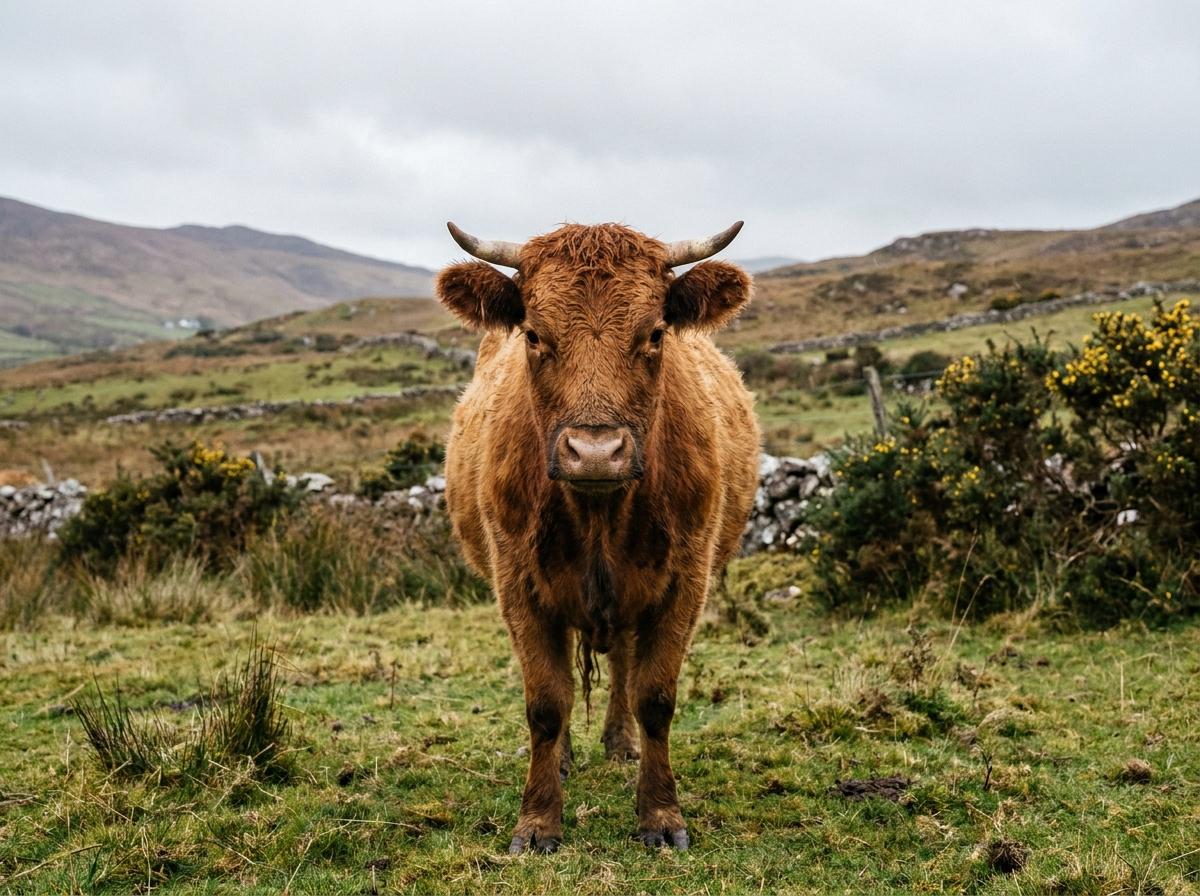
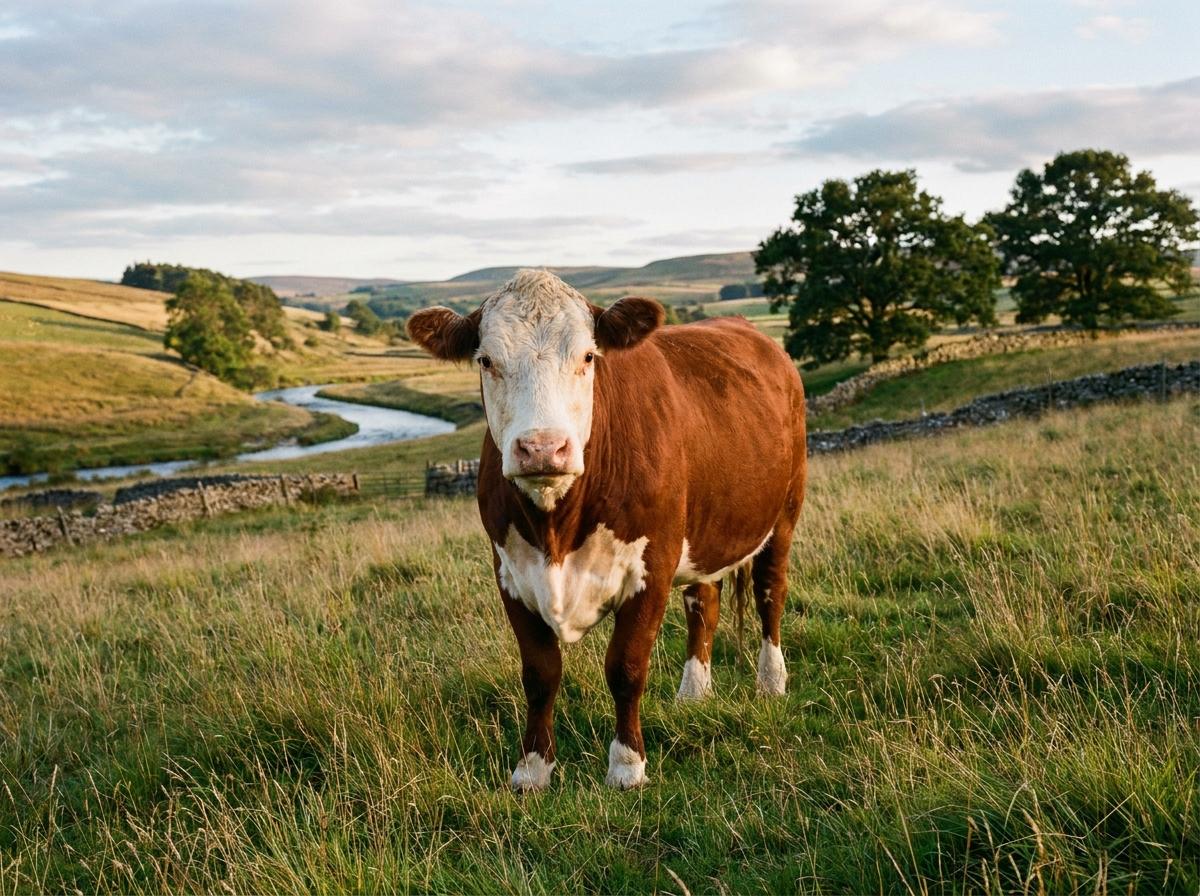
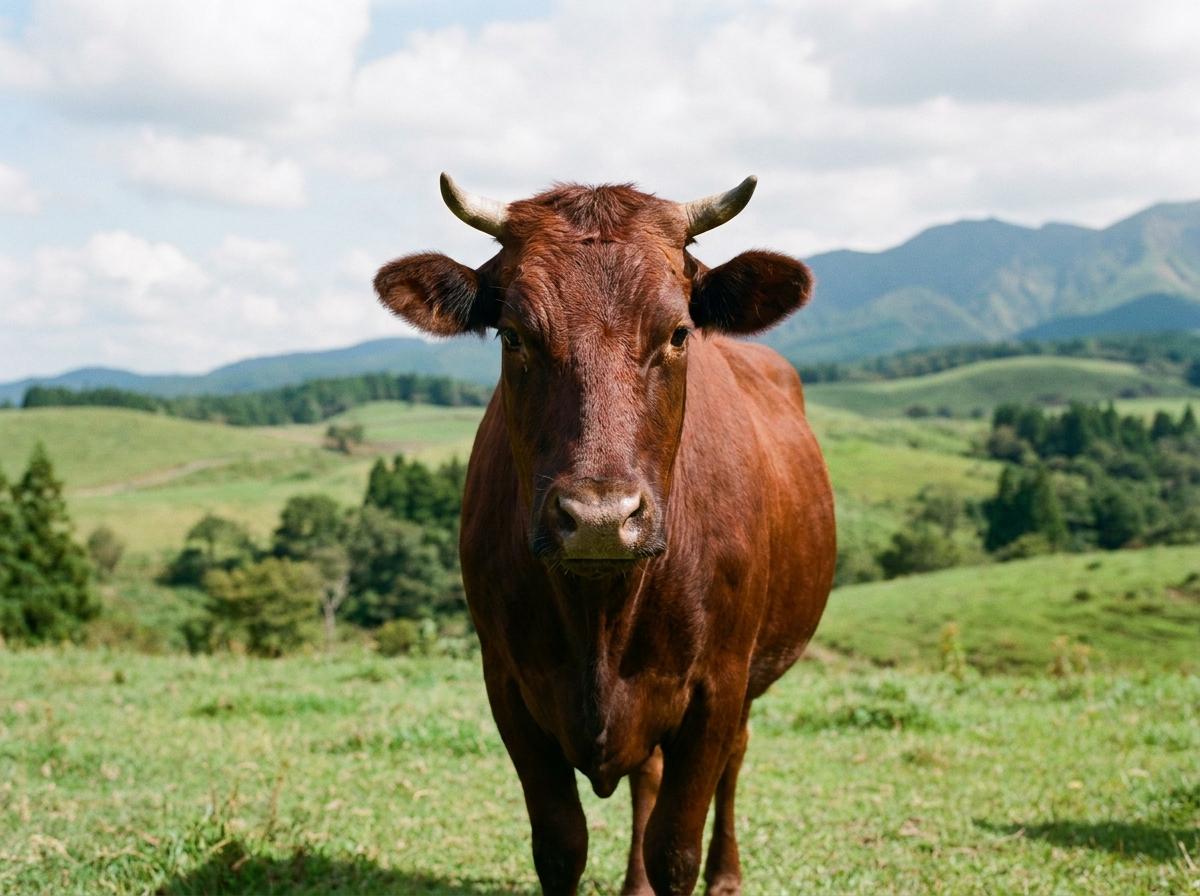
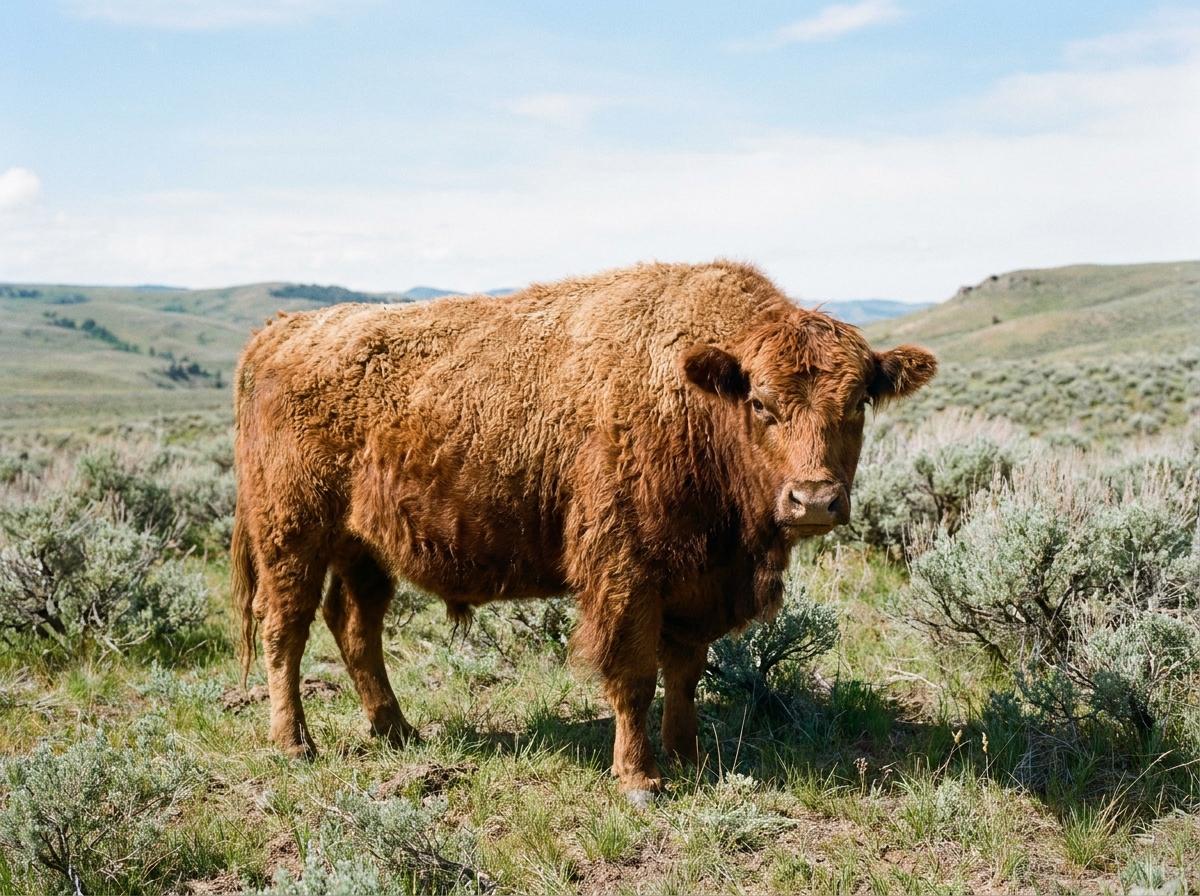
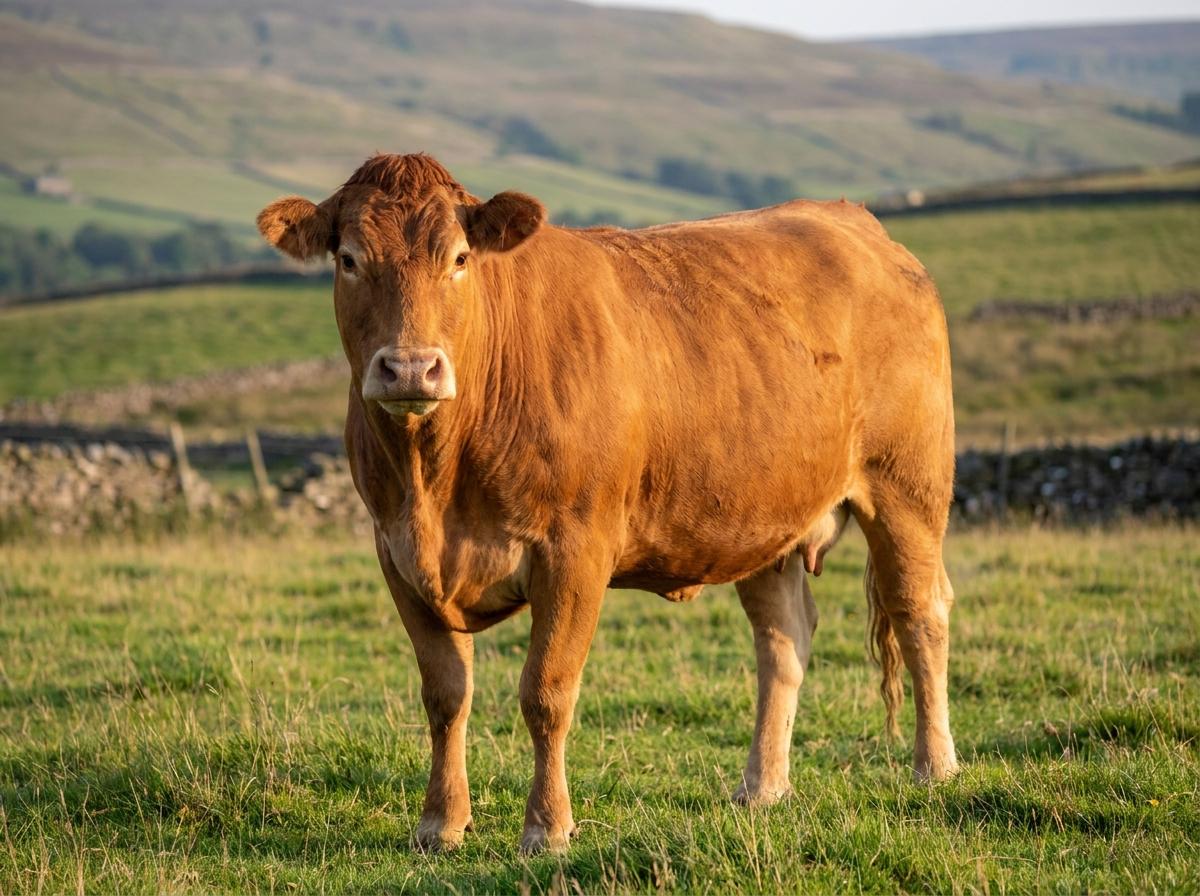
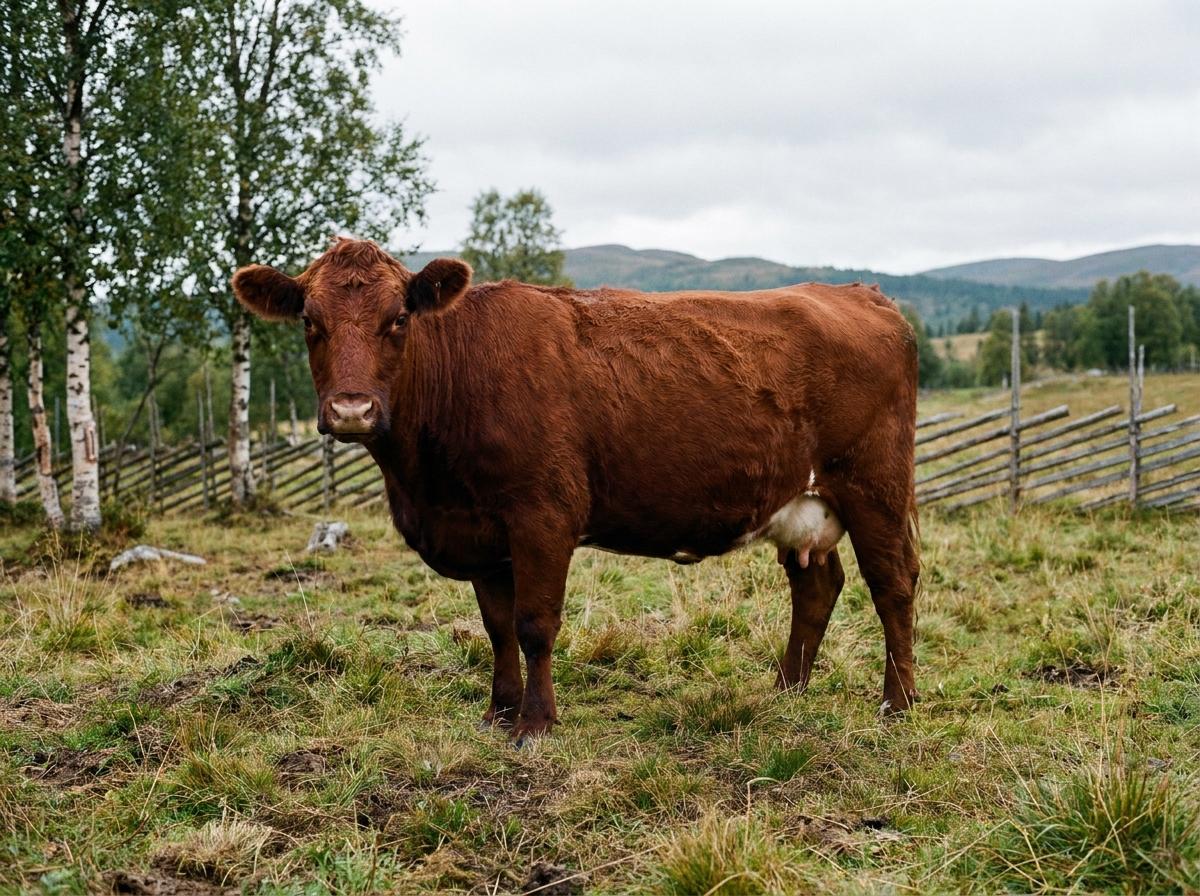
Swedish red polled cattle, known in Sweden as Rödkulla, are a native hornless breed with roots in central and northern farm districts. The name means red polled, and the typical animal is small to medium sized, red or red with limited white, and free of true horns. Rödkulla cows were kept as practical dairy and household cattle, able to use rough forage and fit small mixed farms where winter feed was limited. Compared with commercial dairy breeds, they are lighter framed and less specialized.
Today the Swedish red polled is mainly seen in conservation breeding, small dairies, family-cow herds, and grazing projects that value hardy native genetics. Milk yield is modest by modern standards, but fertility, thriftiness, temperament, and sound udders are important selection points. Because numbers are limited, matings need planning through herd records and breed organizations rather than repeated use of a few convenient bulls. The polled head is useful for handling, but housing, nutrition, and calf care still need ordinary dairy-cattle attention.
Colors: Belted, Black, Black and White, Blaze Faced, Blue Roan, Brindle, Brockle Faced, Brown, Brown and White, Dun, Gray, Grey, Highbelt, Highpark, Lineback, Mottled, Pied, Red, Red and White, Red Roan, Riggit, Roan, Silver, Solid Black, Solid Red, Solid White, Speckled, Spotted, White, White Faced, Yellow