

Tabapuã
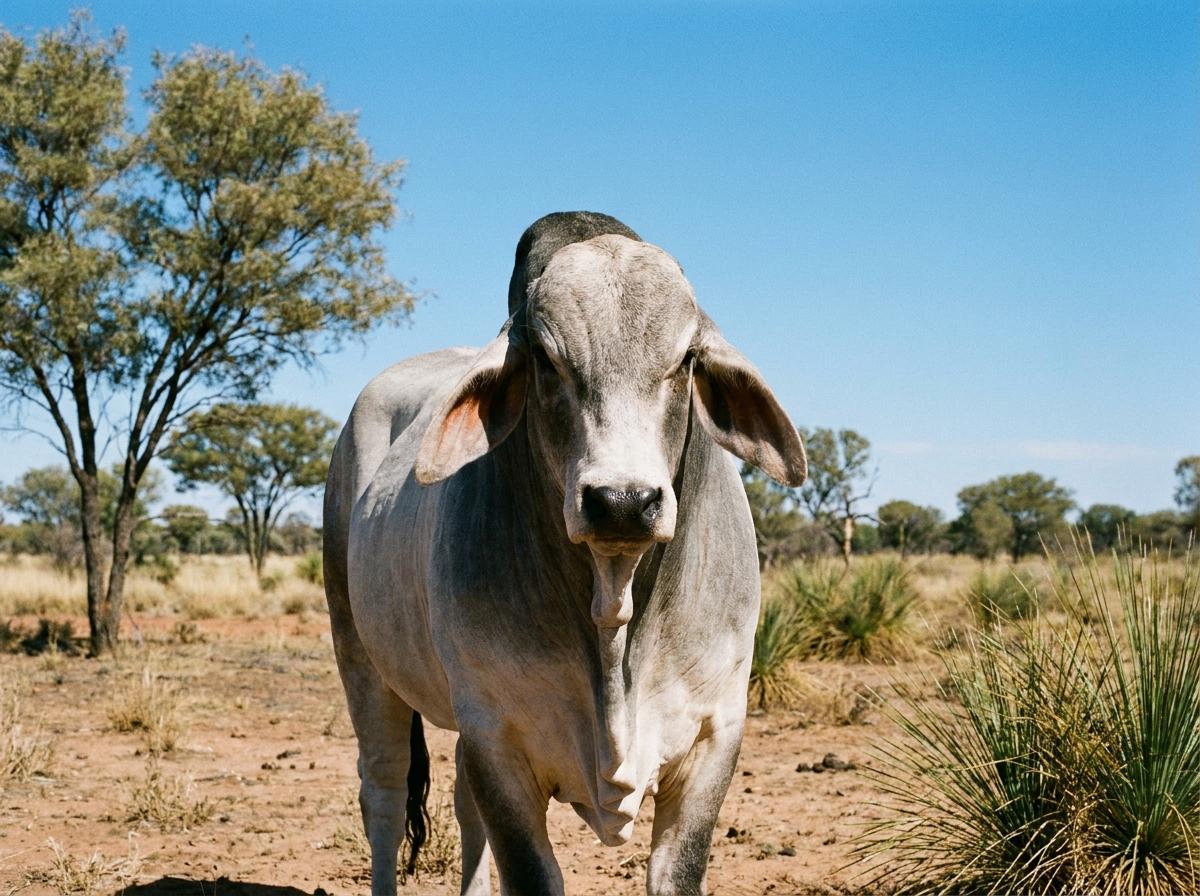
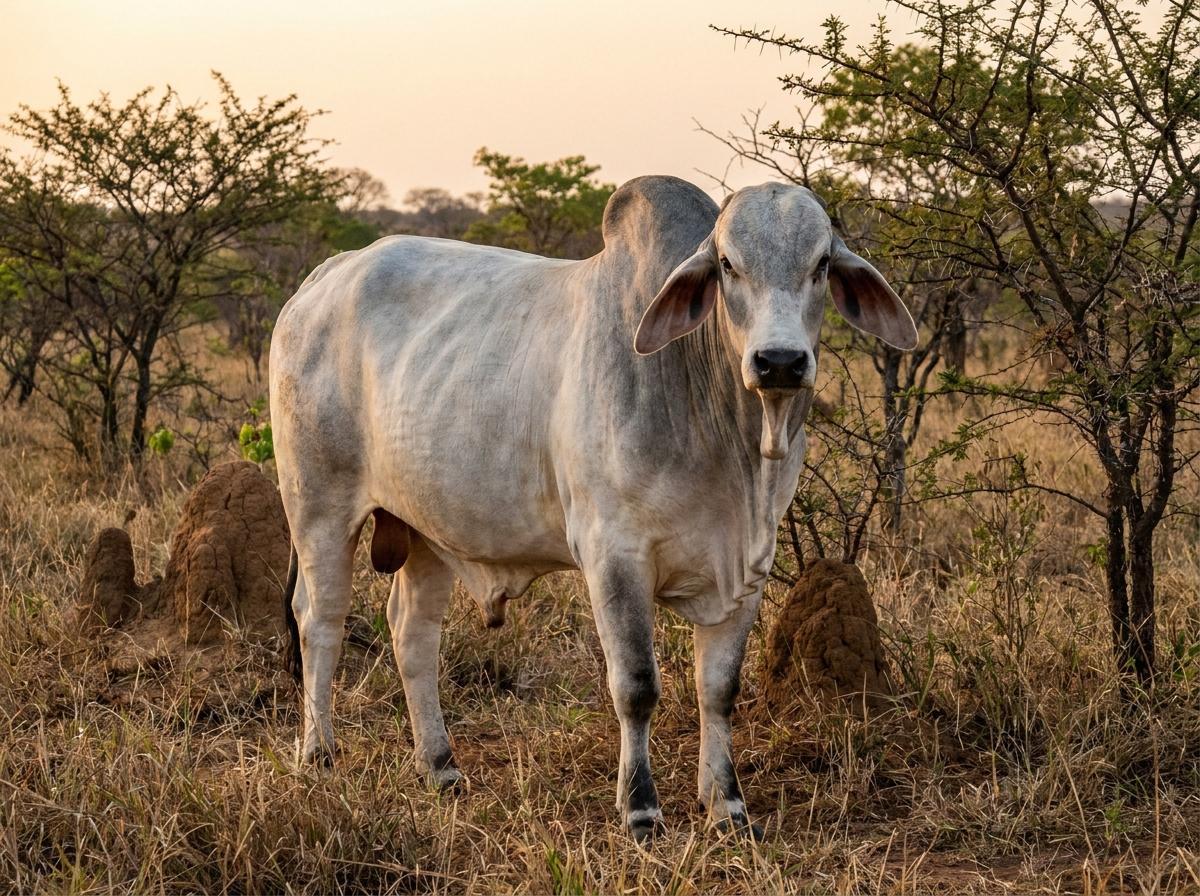
Tabapuã is a Brazilian polled zebu beef breed developed around the municipality of Tabapuã in São Paulo state during the 20th century. It comes from indicine cattle selected in Brazil, with Nelore, Guzerá, and related zebu influence often mentioned in its background. A typical Tabapuã has a hump, loose skin, heat-dissipating ears, and a light grey to white coat, though shade can vary. Its naturally hornless head is a major point of identity in a cattle world where many traditional zebu breeds are horned.
The breed is used mainly in tropical and subtropical beef systems, both purebred and in crossbreeding where heat tolerance, maternal ability, and polled calves are useful. Pasture management, dry-season protein, mineral supplementation, and reliable water have a strong effect on results; zebu adaptation does not remove the need for nutrition. Producers evaluating Tabapuã cattle usually look at reproductive performance, hoof and leg structure, temperament, weights, and whether polledness is consistent or accompanied by scurs. In registered herds, selection data help separate productive cattle from animals chosen only for being hornless.
Colors: Belted, Black, Black and White, Blaze Faced, Blue Roan, Brindle, Brockle Faced, Brown, Brown and White, Dun, Gray, Grey, Highbelt, Highpark, Lineback, Mottled, Pied, Red, Red and White, Red Roan, Riggit, Roan, Silver, Solid Black, Solid Red, Solid White, Speckled, Spotted, White, White Faced, Yellow