

Tswana
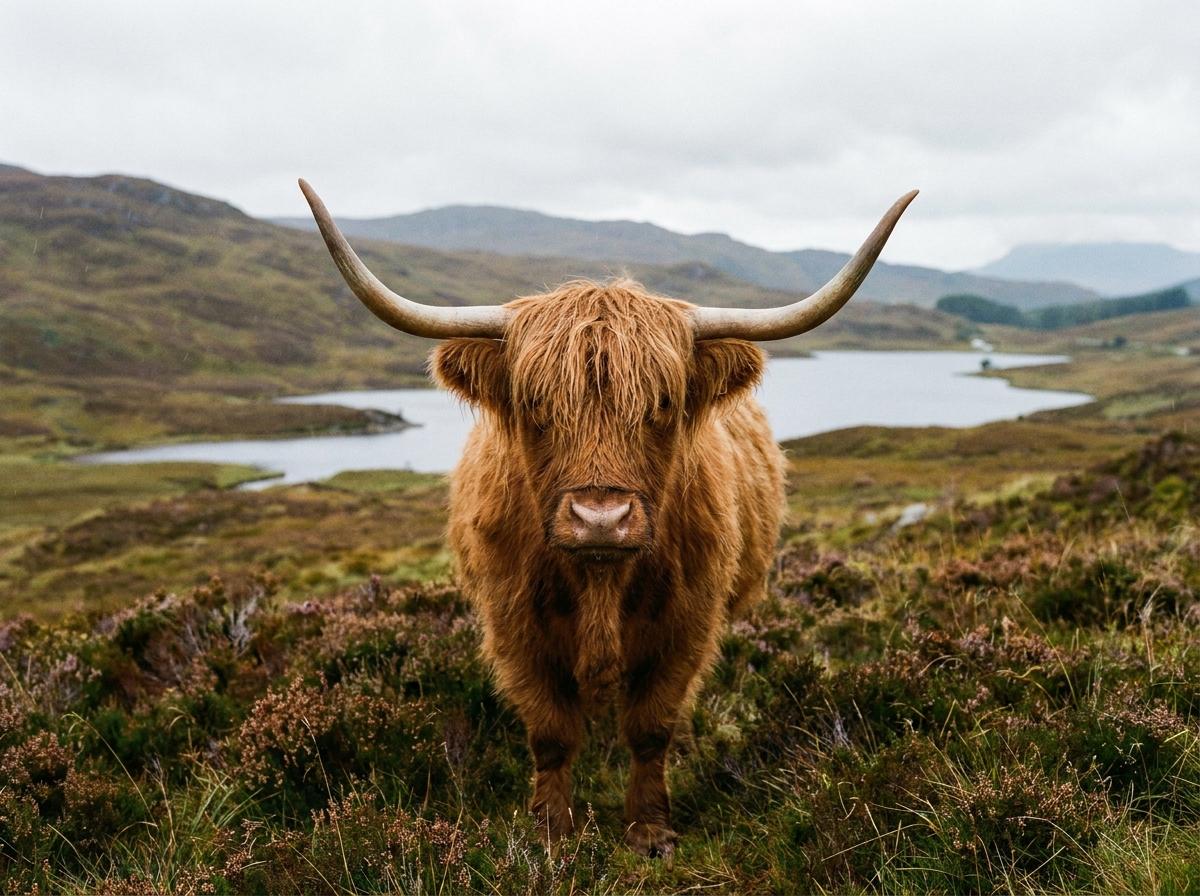
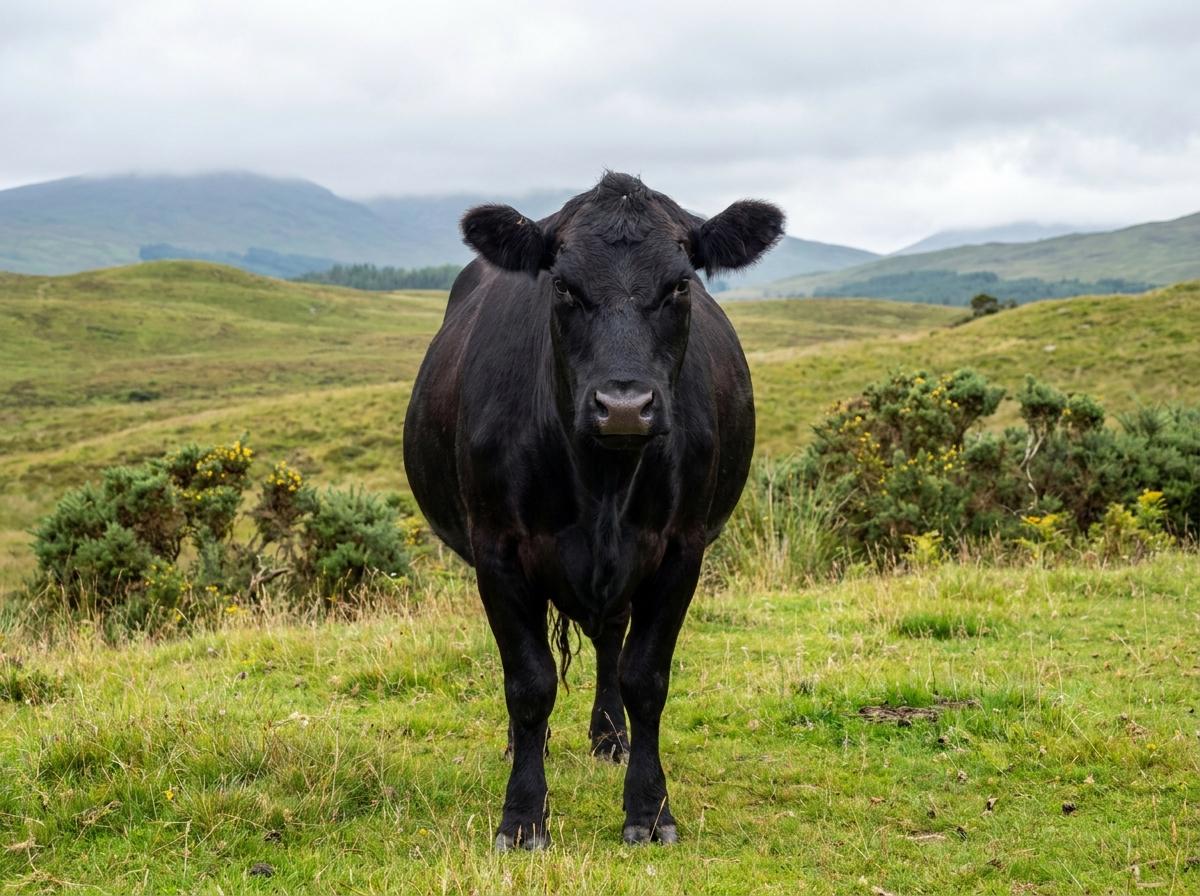
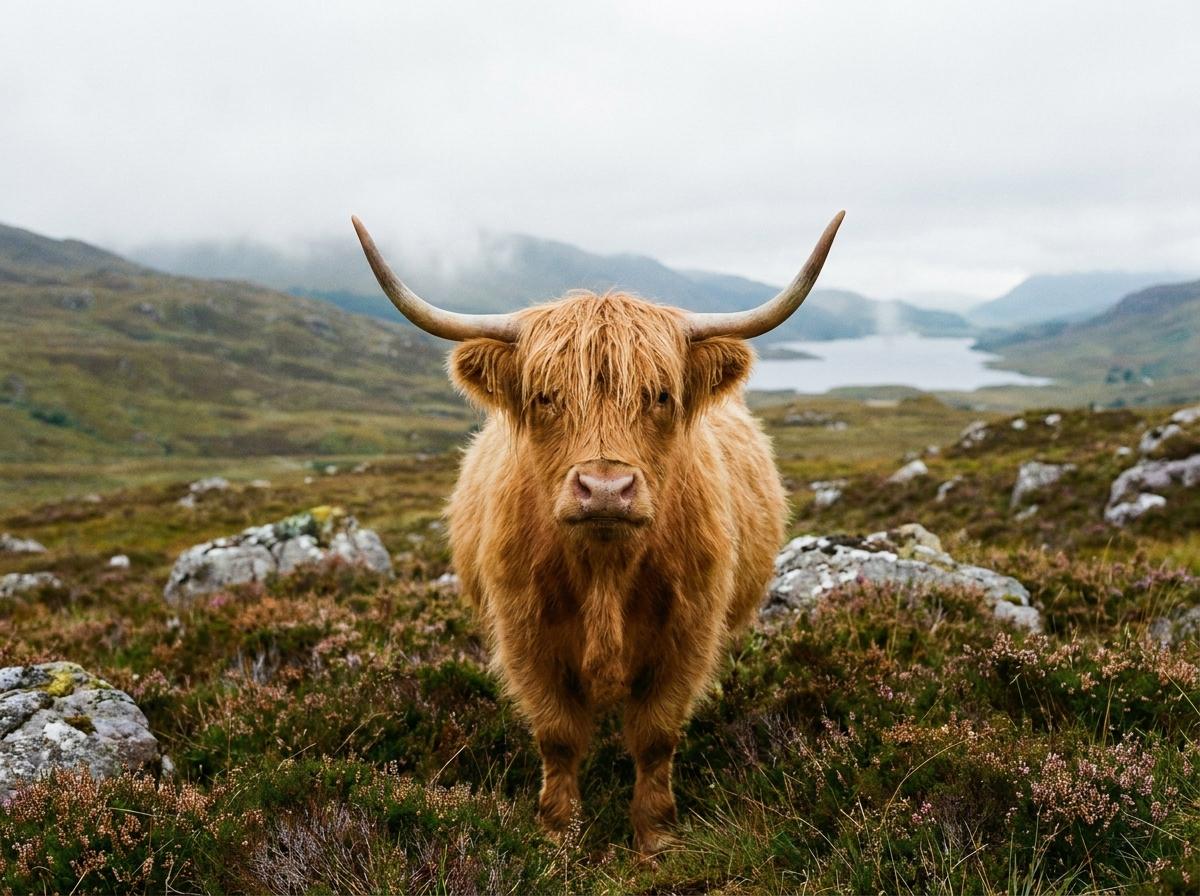
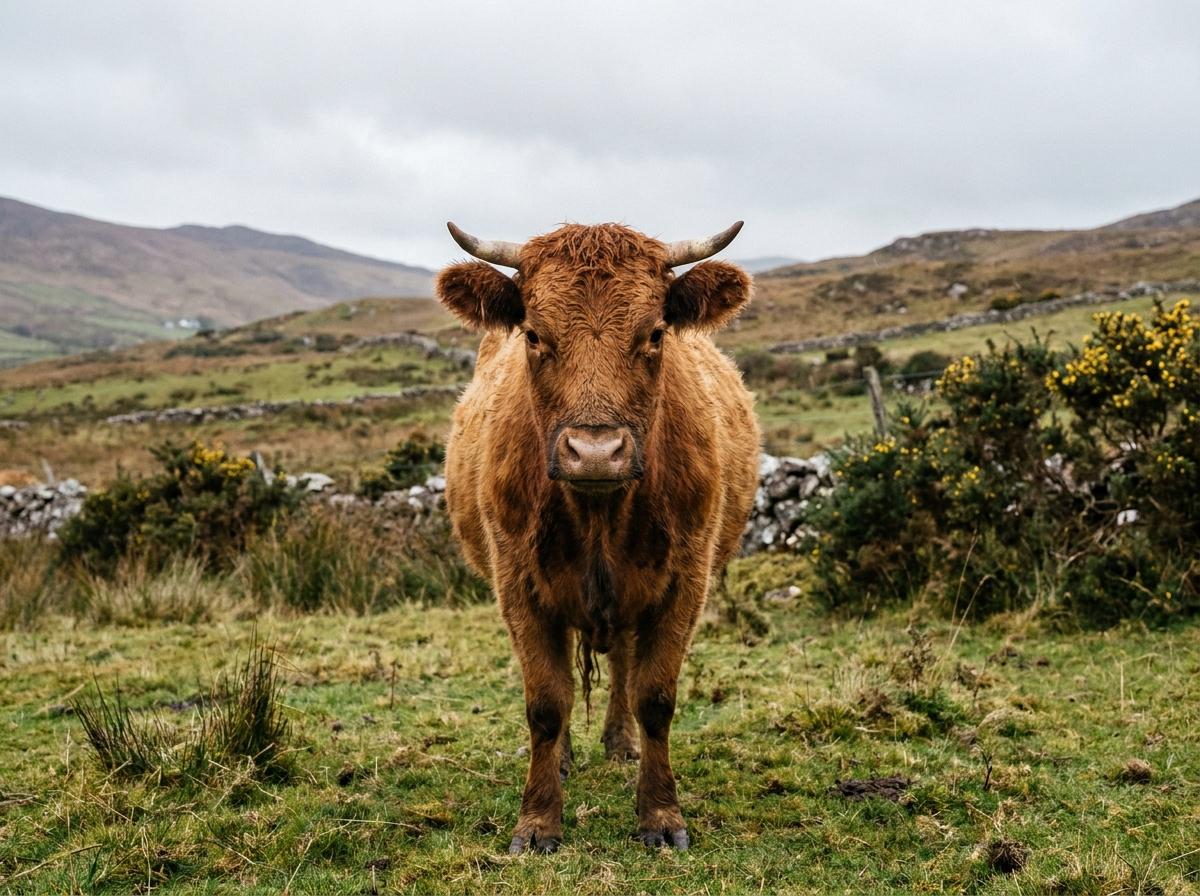
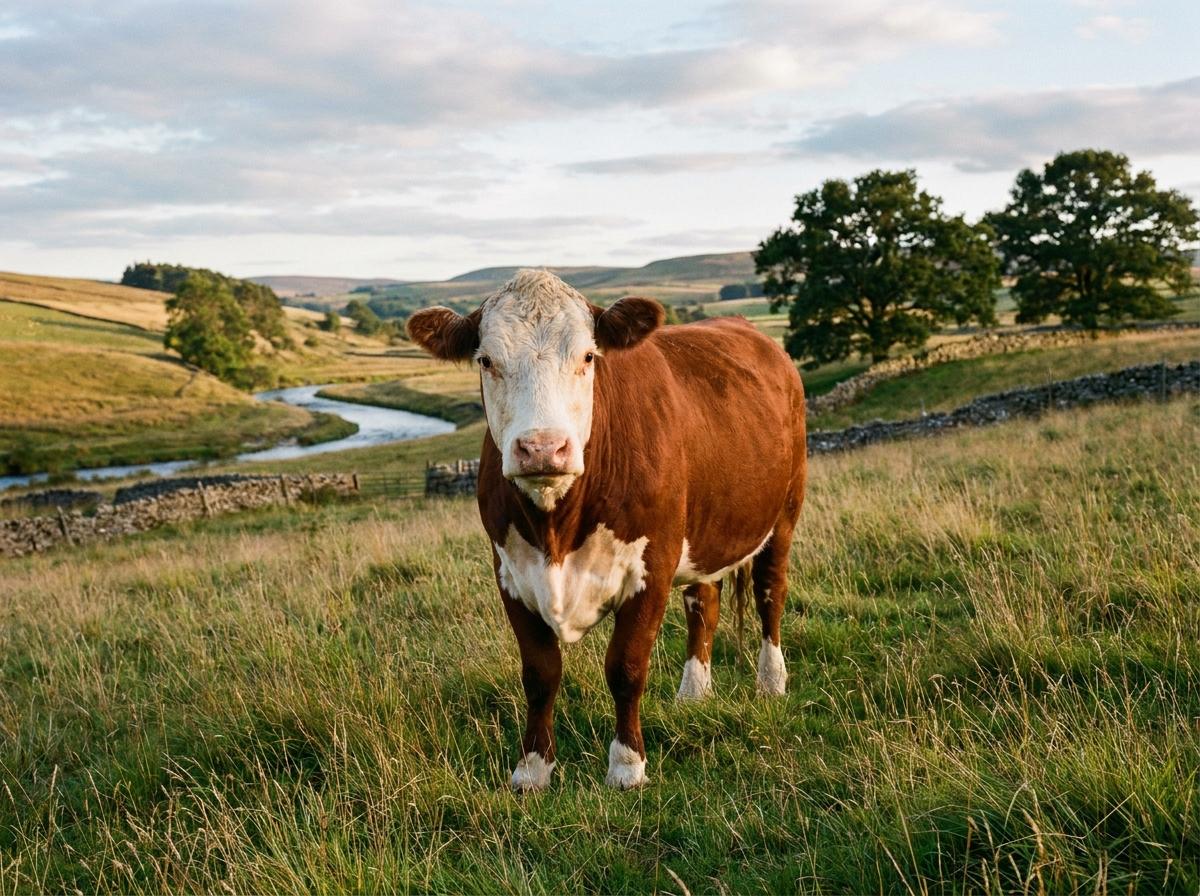
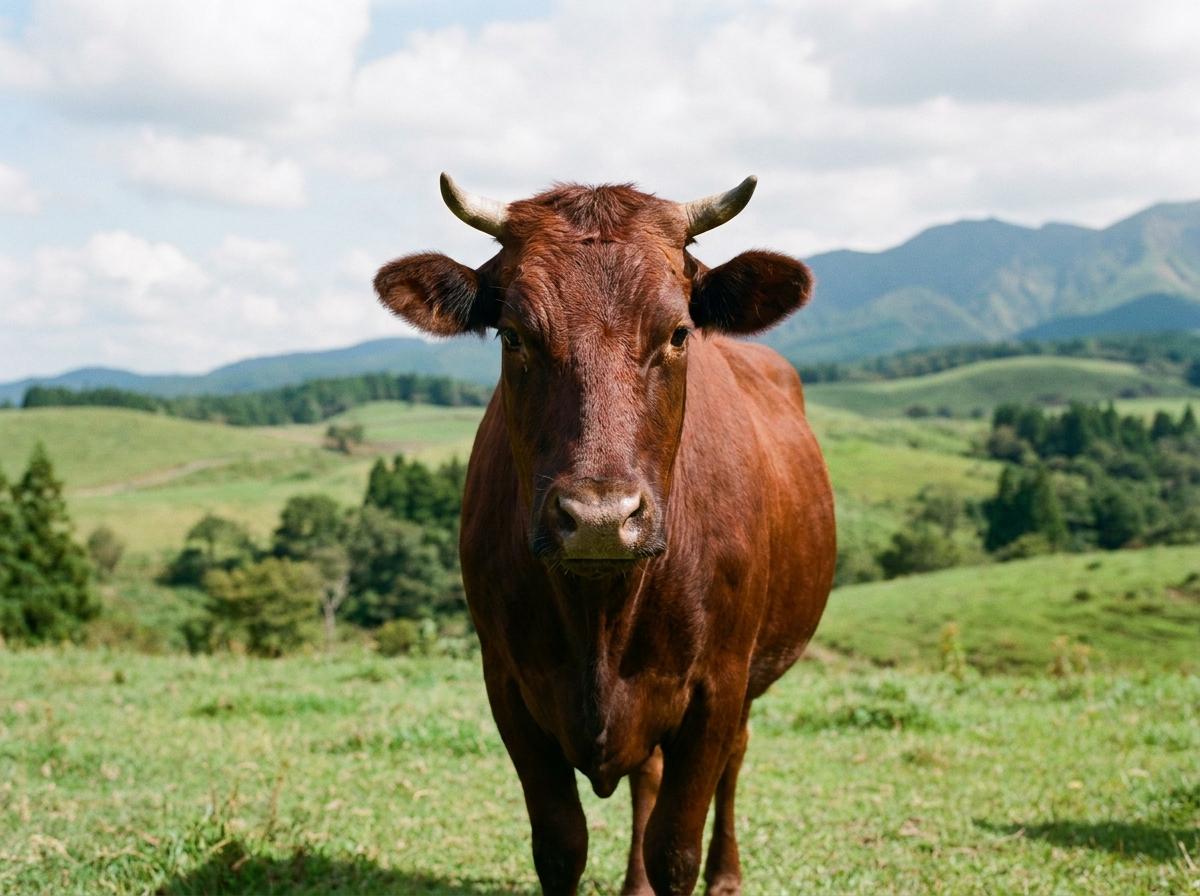
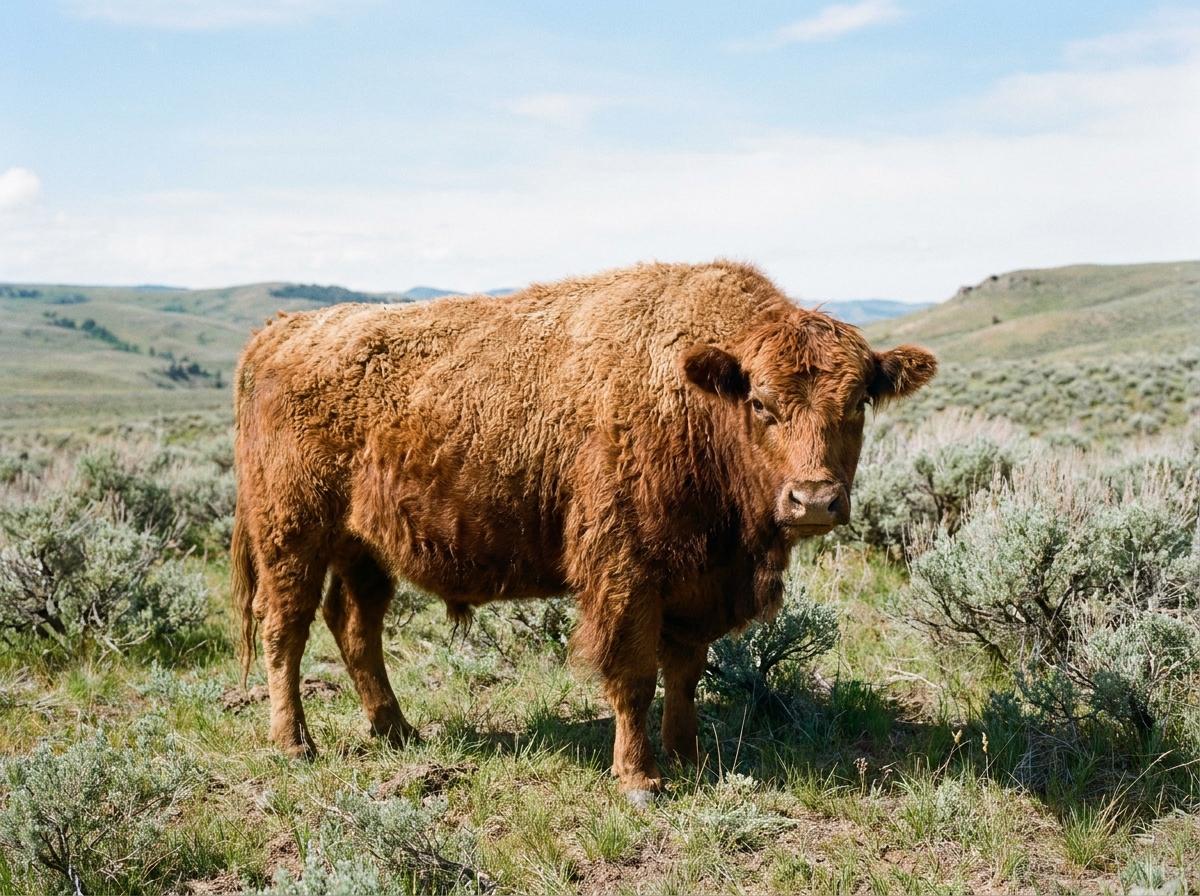
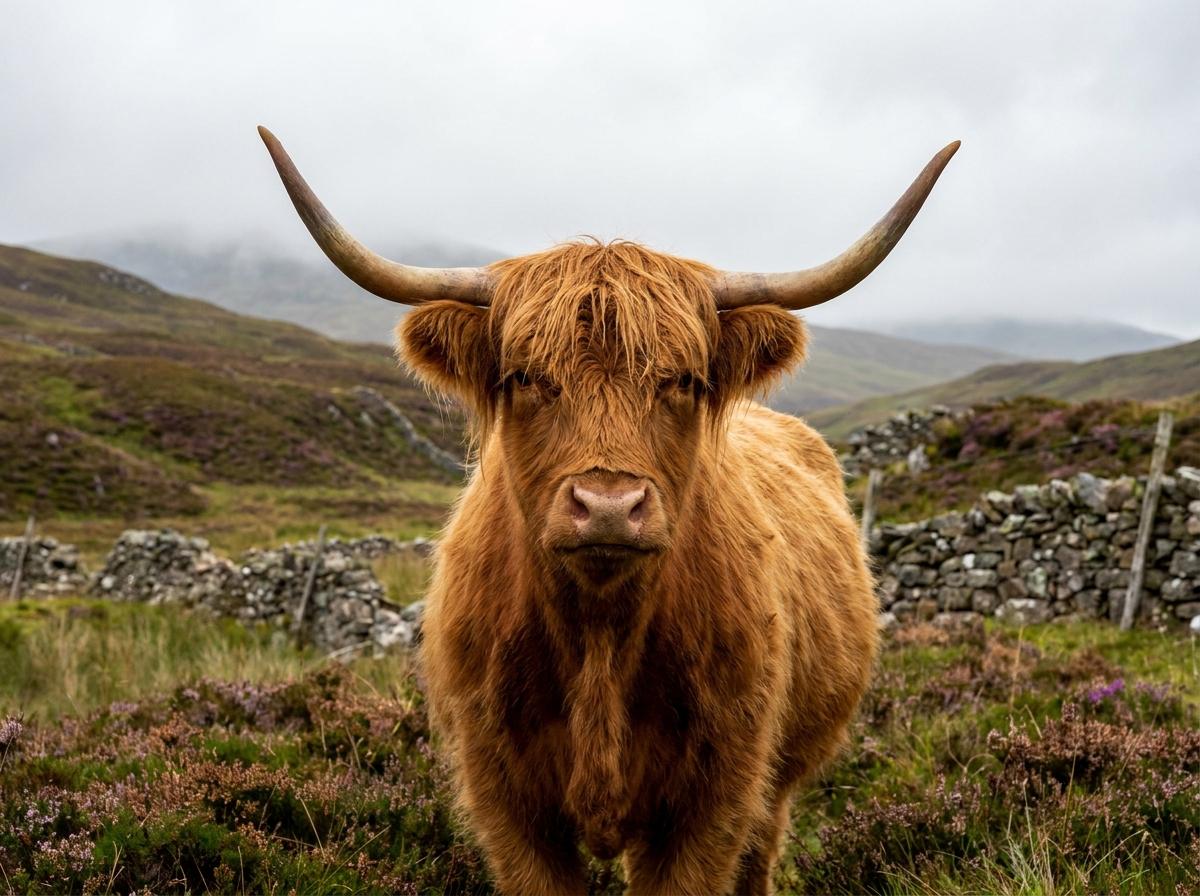
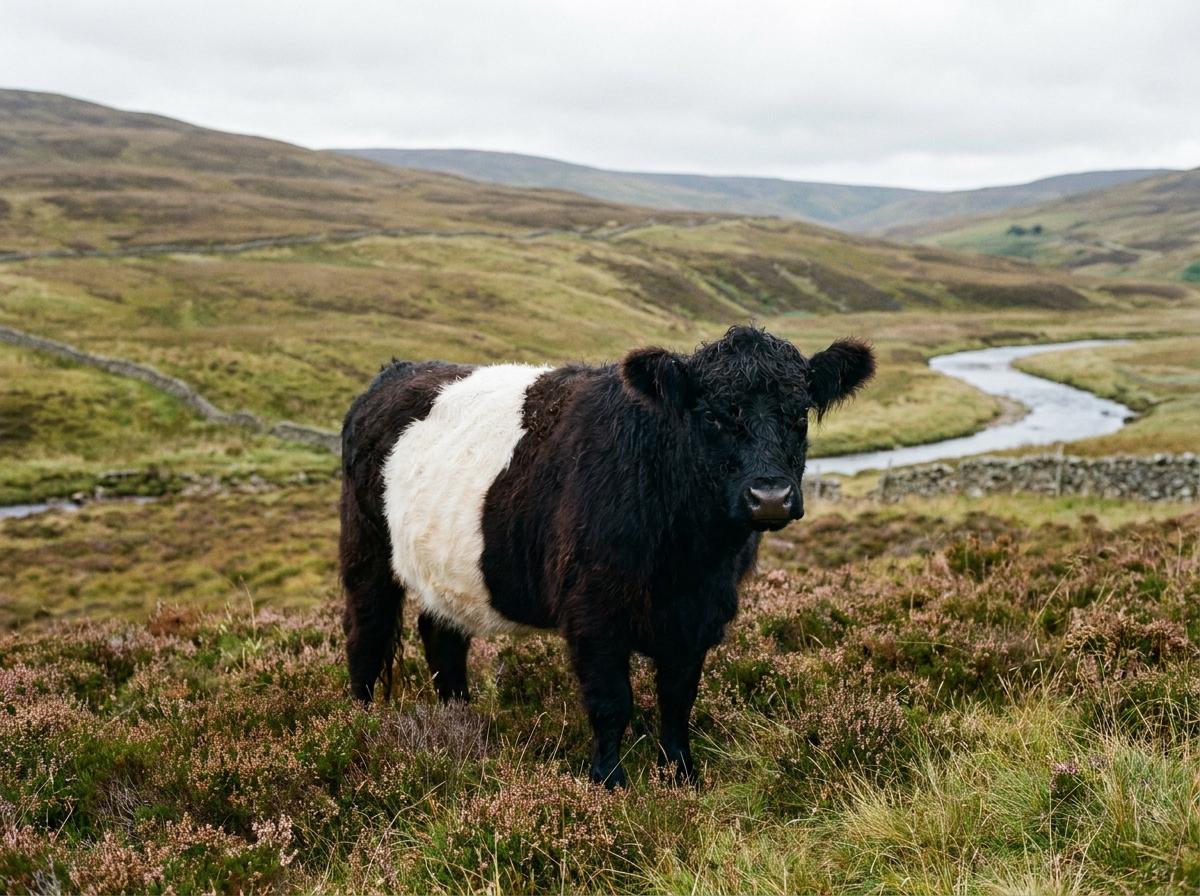
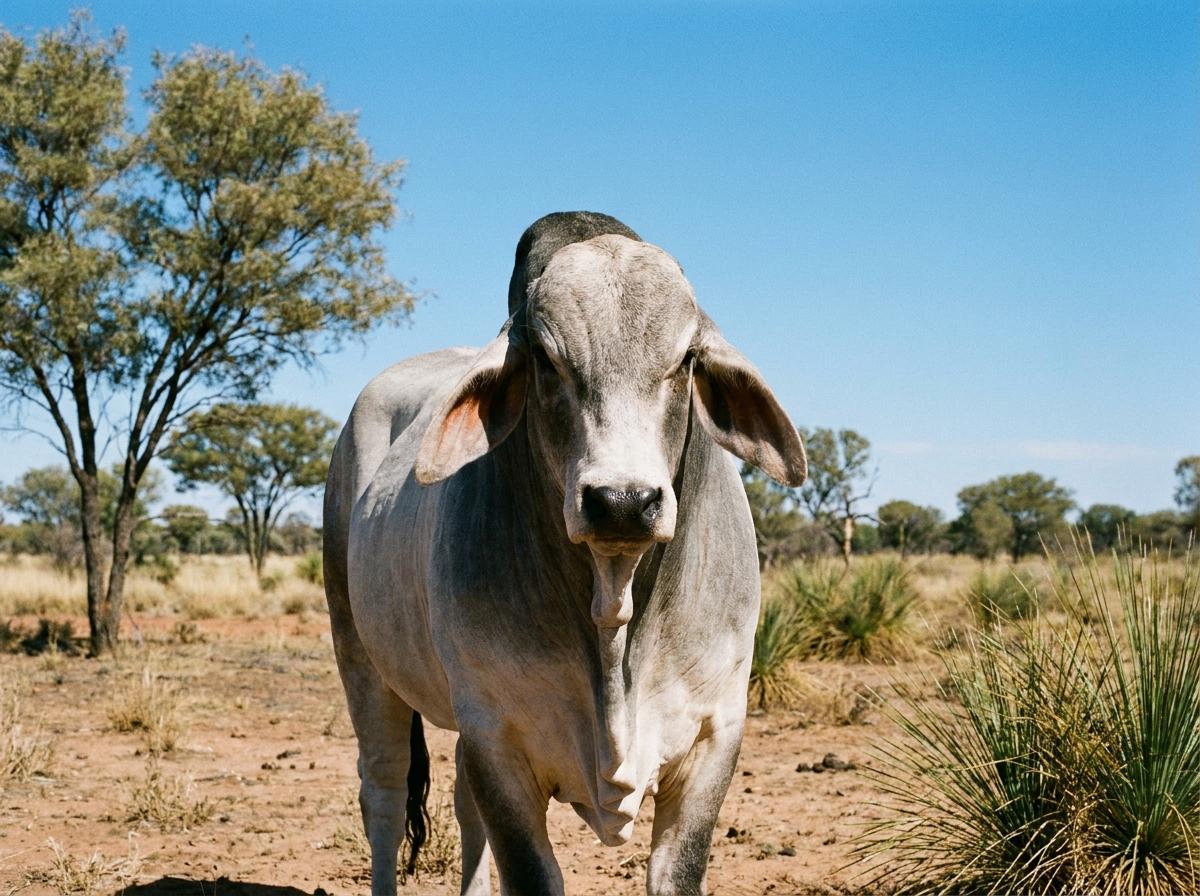
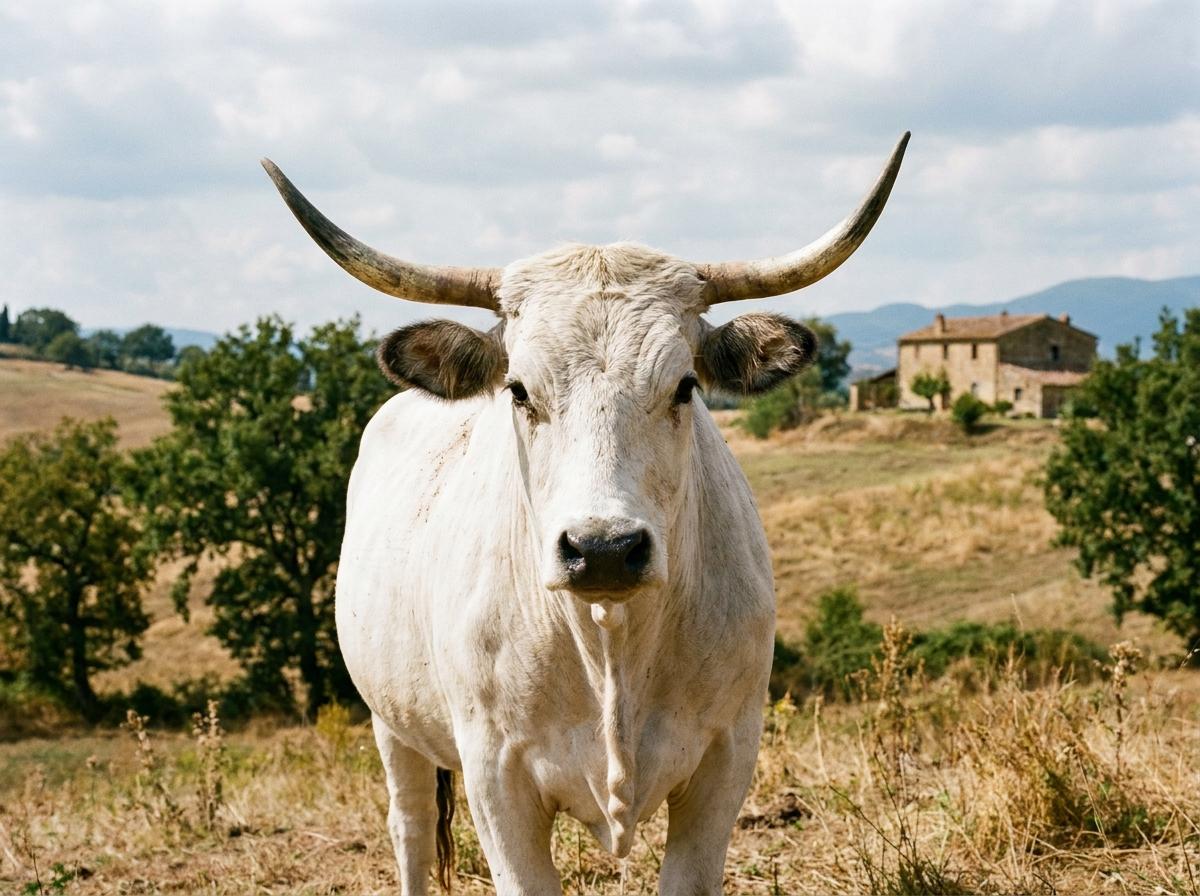
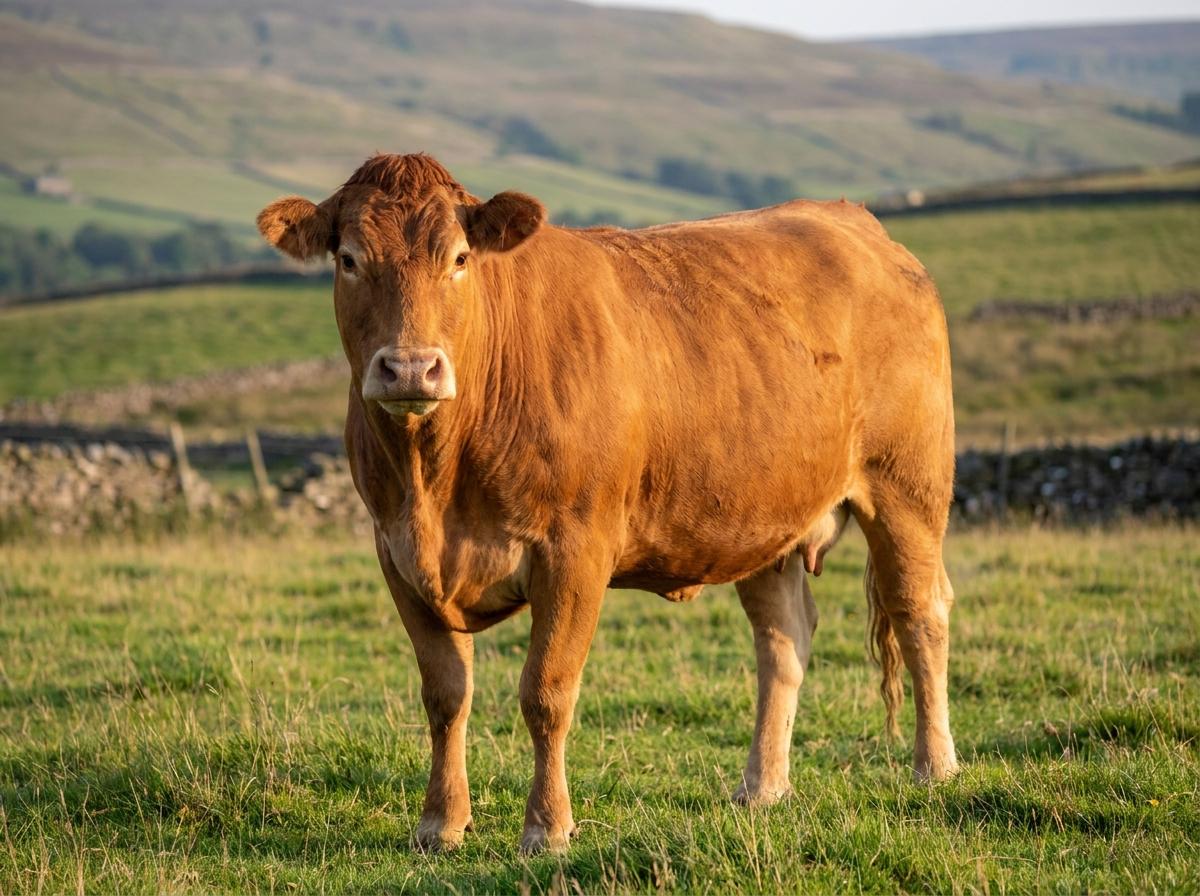
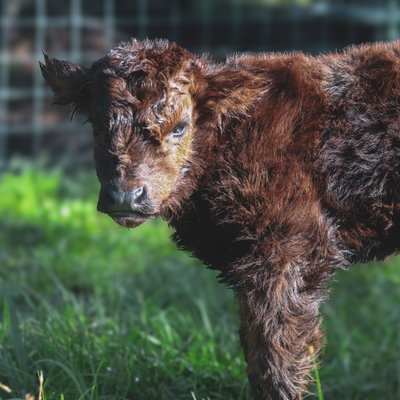
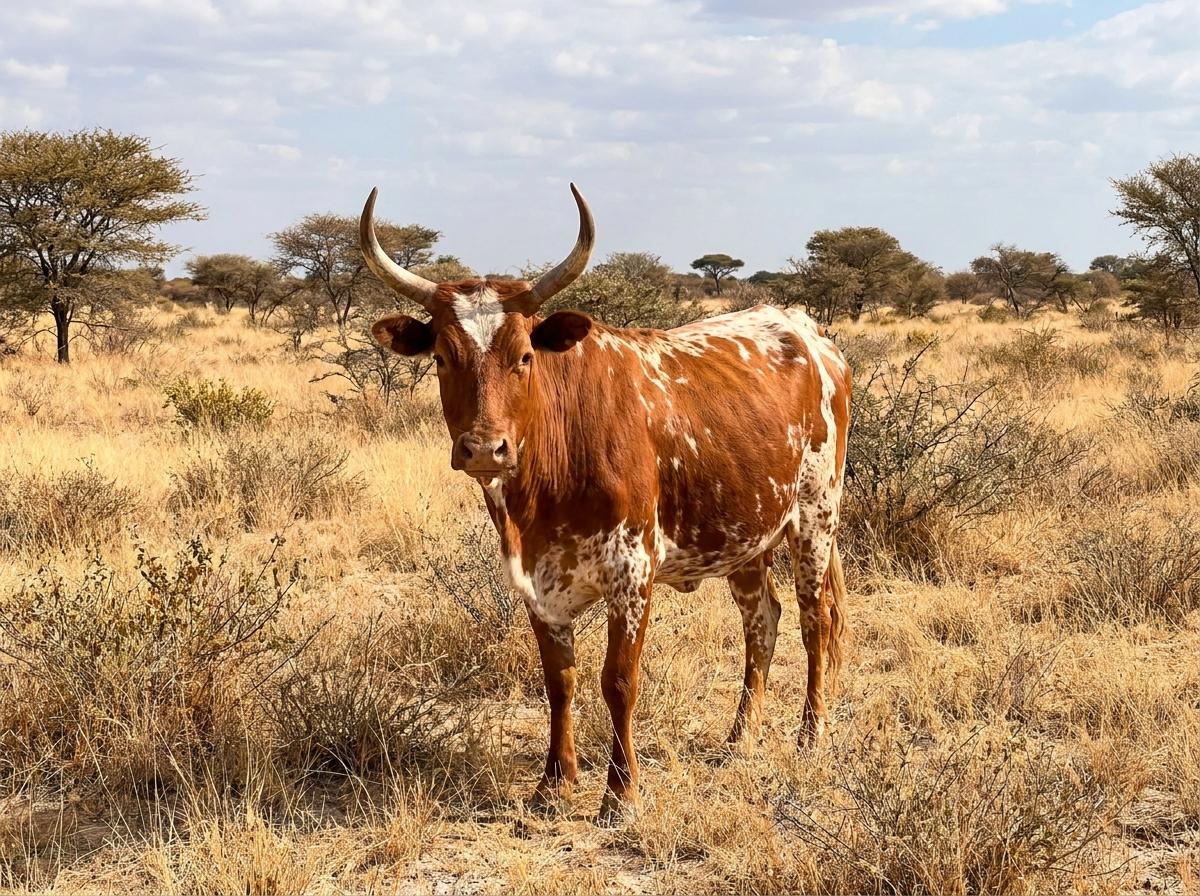
Tswana cattle, often called Setswana cattle, are indigenous Sanga-type cattle of Botswana and neighboring parts of southern Africa. They descend from long-established African cattle that combine taurine and zebu influences, giving them a moderate frame, hardy constitution, and strong adaptation to semi-arid rangelands. Coat colors vary widely, and horn size can range from short to spreading. Tswana cattle have traditionally supplied beef, milk for household use, draught power, manure, and cultural value in communal and family herds.
Their strengths show most clearly under extensive grazing, where cattle must walk, handle heat, and cope with seasonal feed shortages. They are not usually managed for the rapid growth of feedlot breeds, but they can be efficient mothers in low-input systems. Crossbreeding may increase calf weights in some herds, yet uncontrolled replacement of adapted local cattle can reduce drought tolerance and disease resilience. Breeding programs often try to keep the practical rangeland traits while improving growth and carcass quality.
Colors: Belted, Black, Black and White, Blaze Faced, Blue Roan, Brindle, Brockle Faced, Brown, Brown and White, Dun, Gray, Grey, Highbelt, Highpark, Lineback, Mottled, Pied, Red, Red and White, Red Roan, Riggit, Roan, Silver, Solid Black, Solid Red, Solid White, Speckled, Spotted, White, White Faced, Yellow