


Tudanca
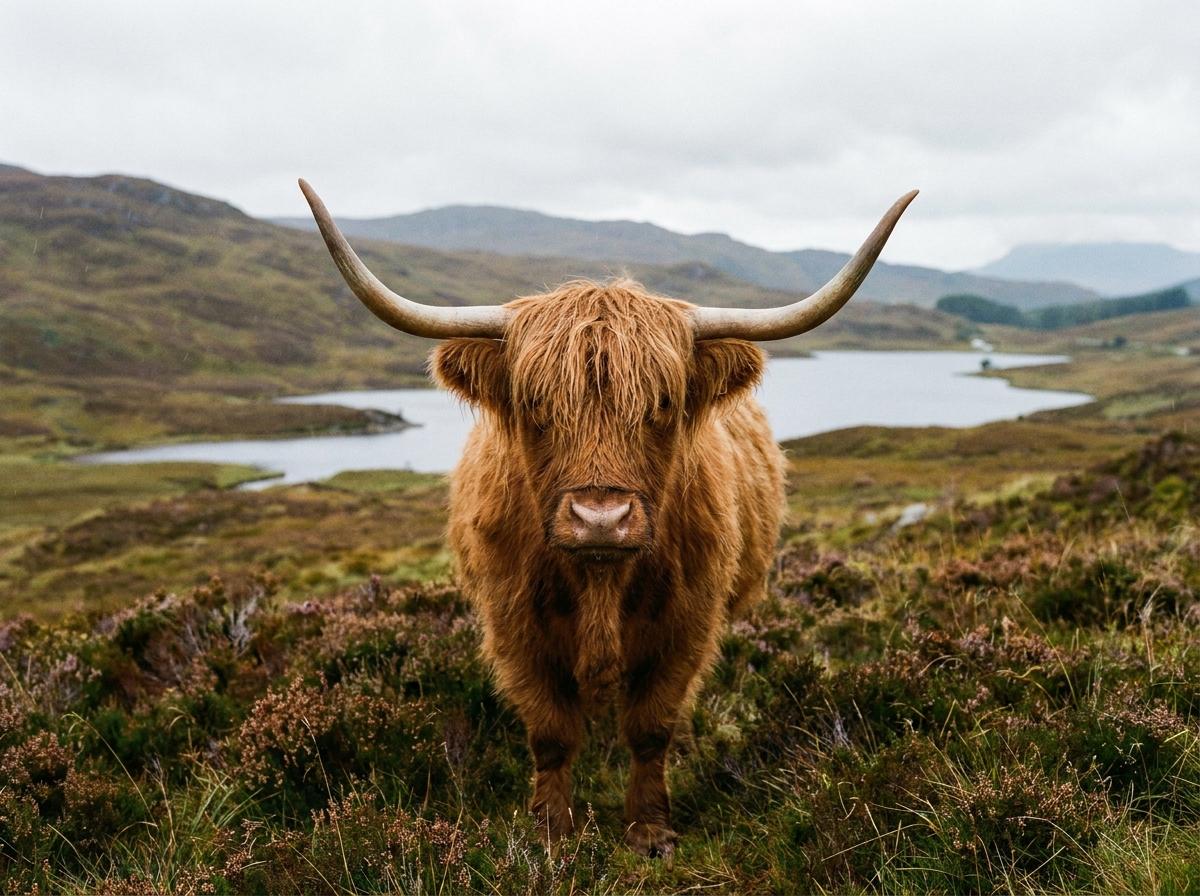
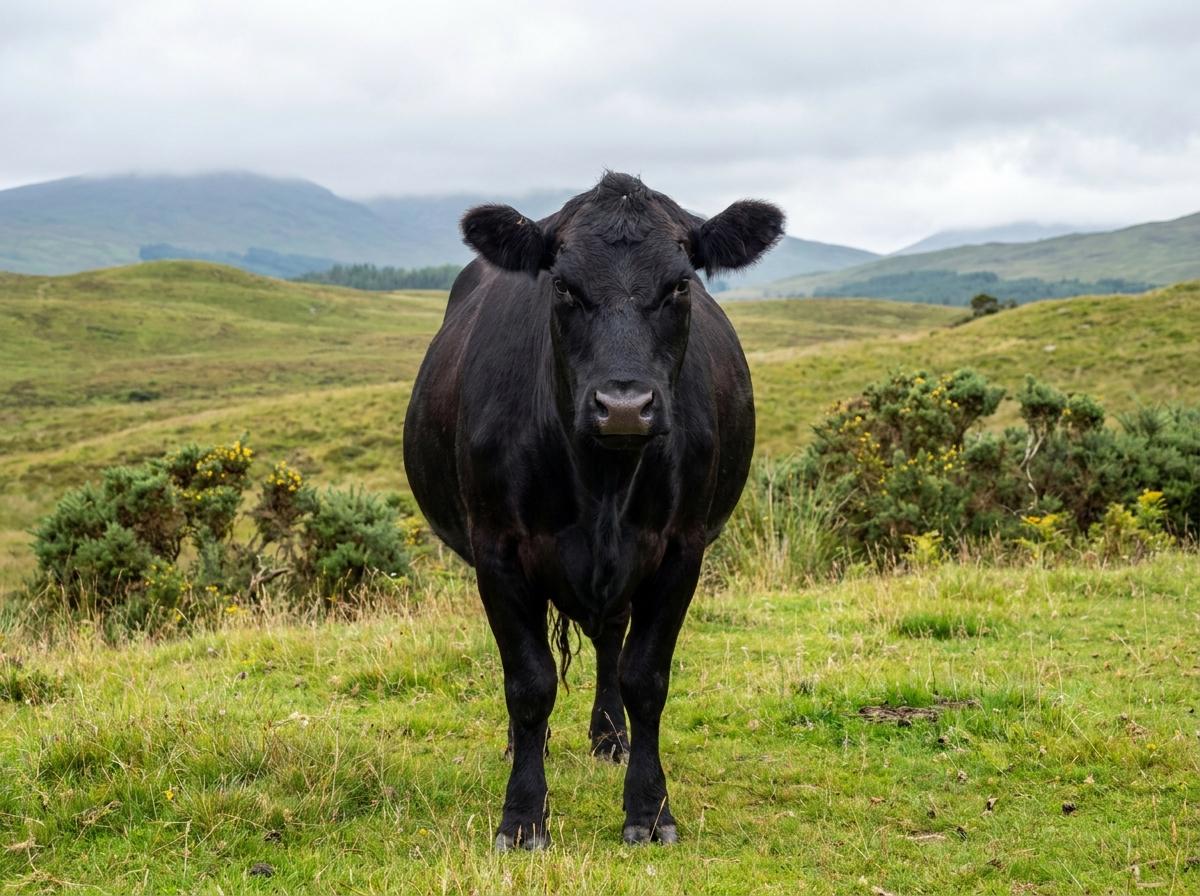
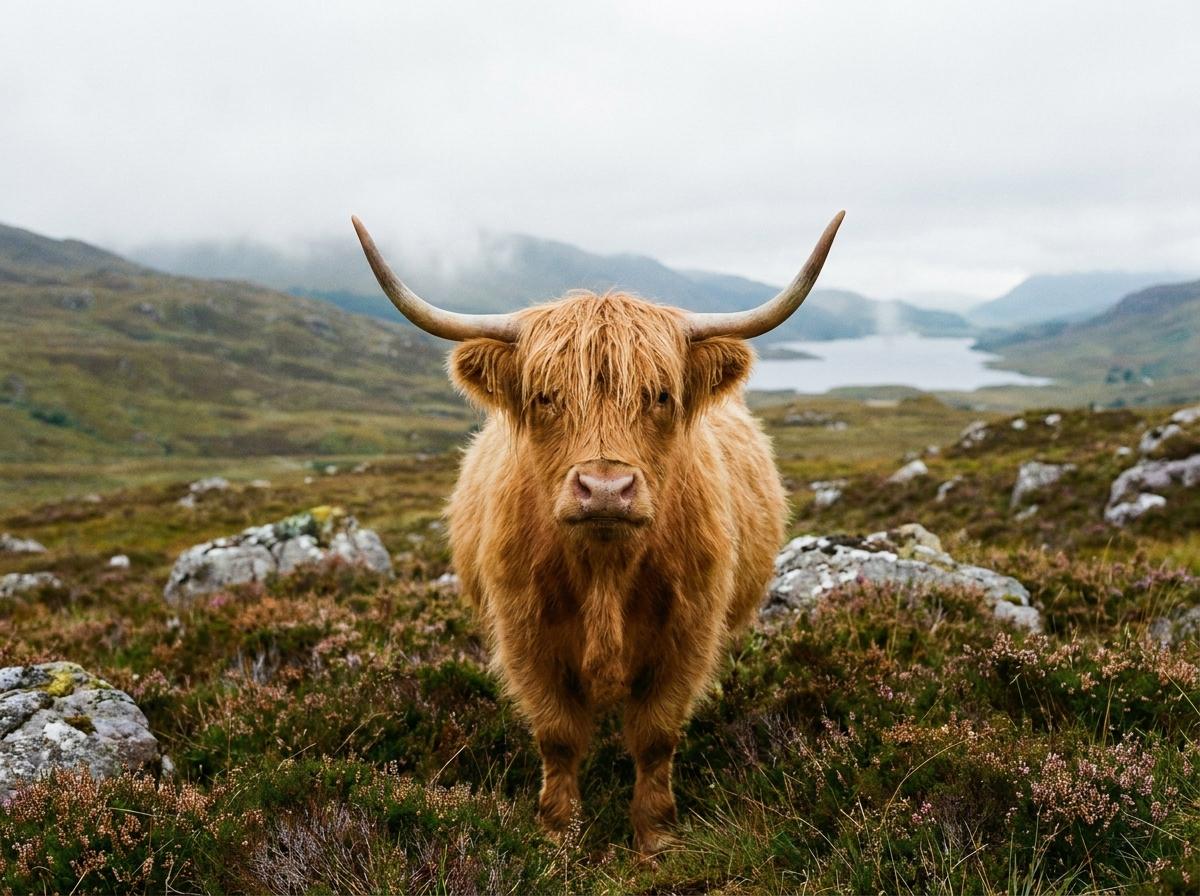
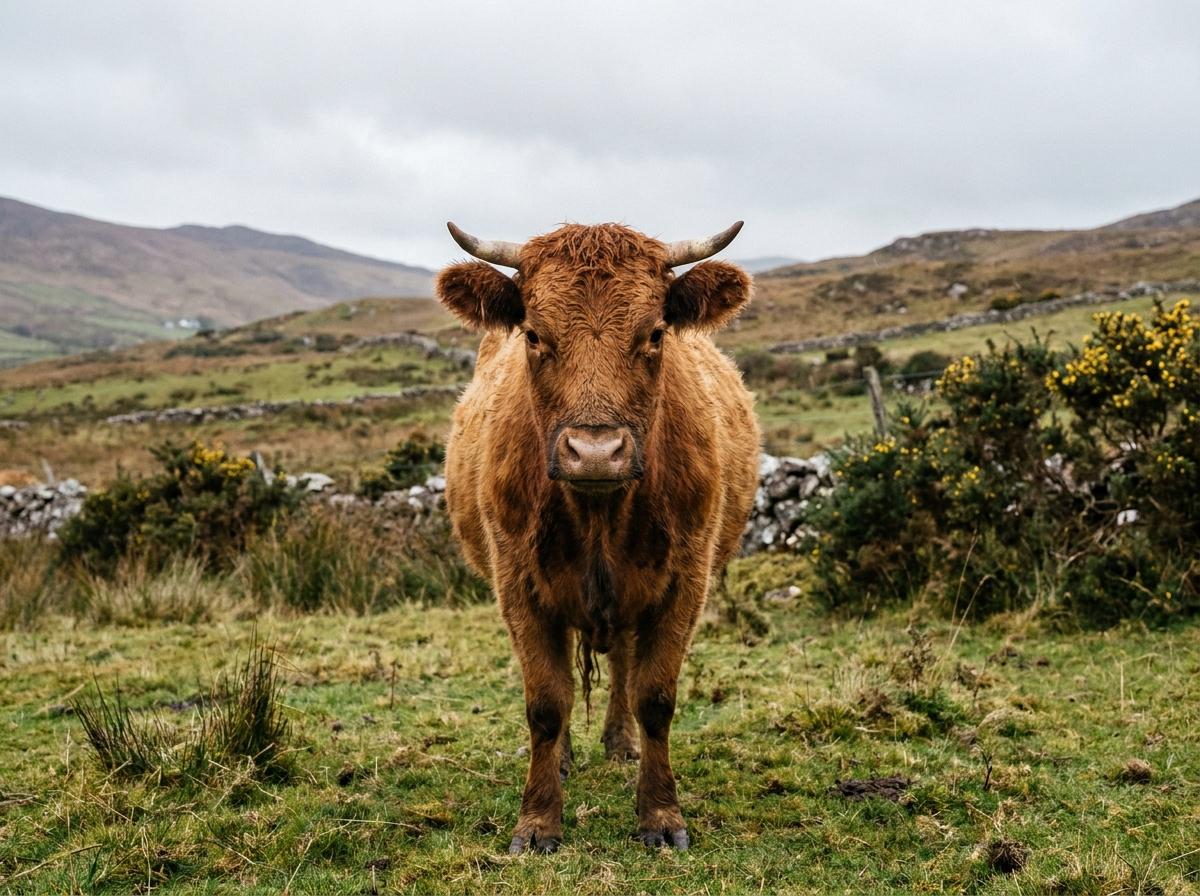
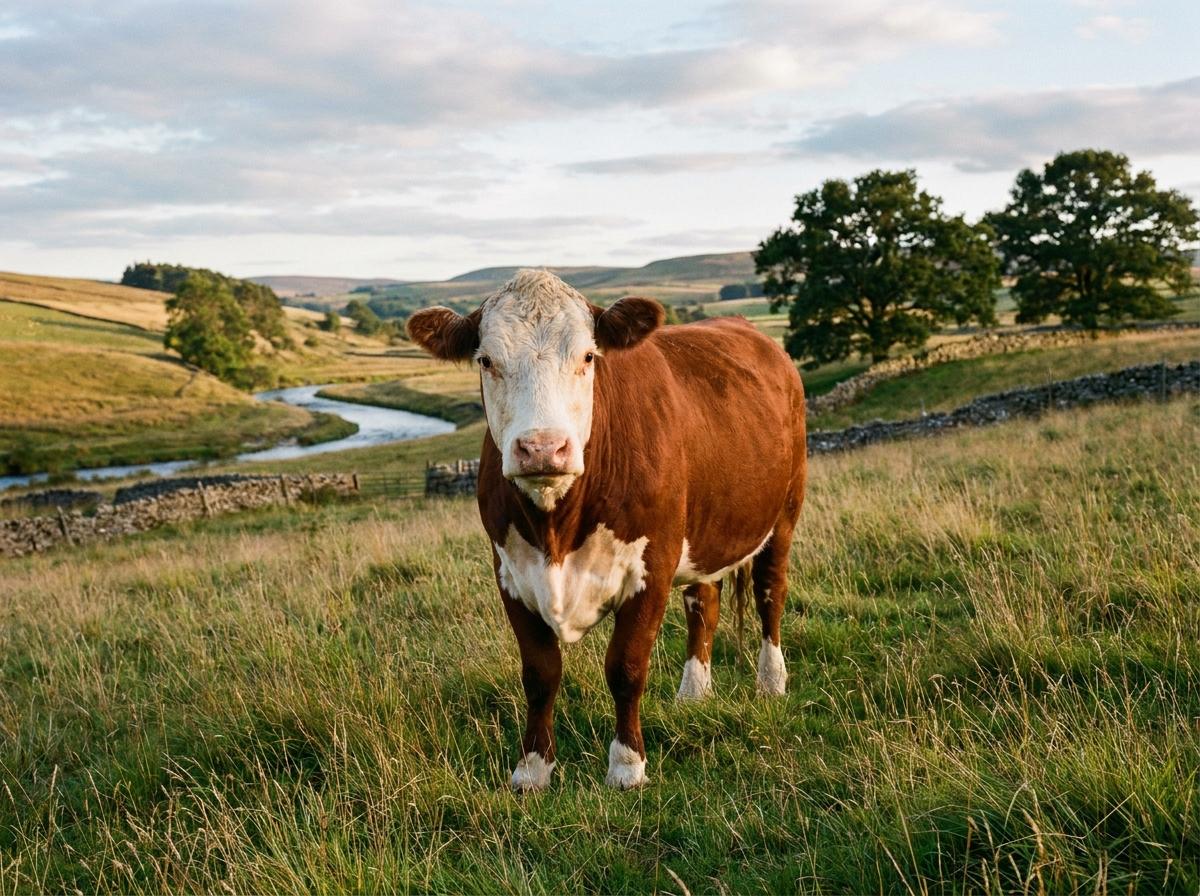
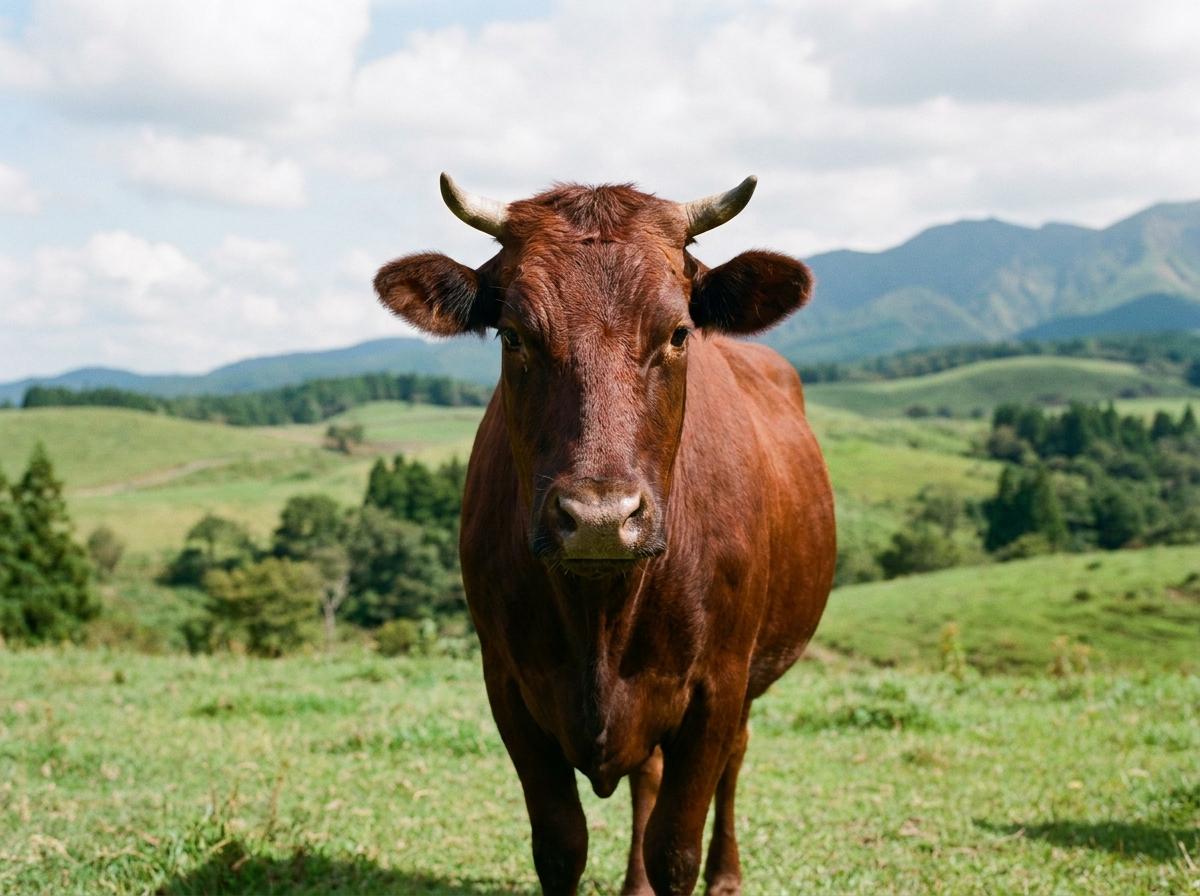
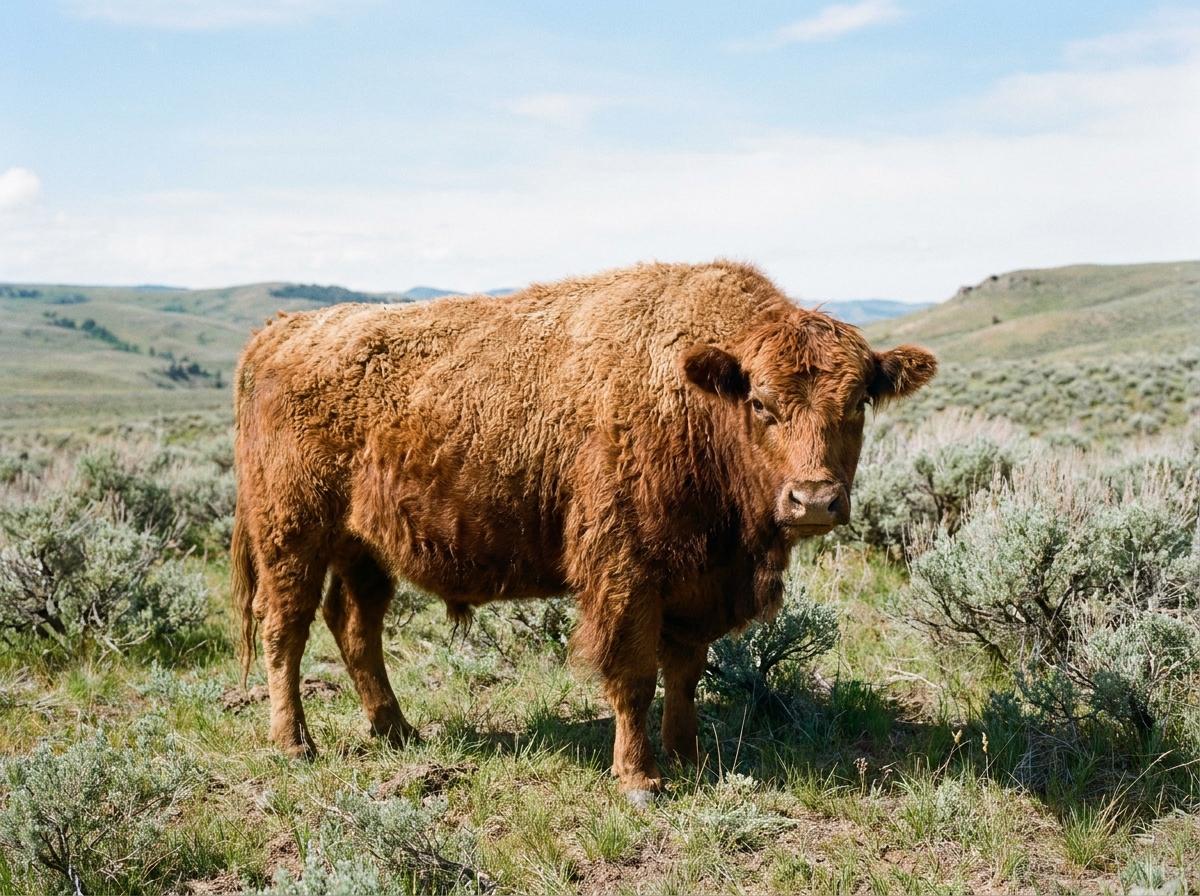
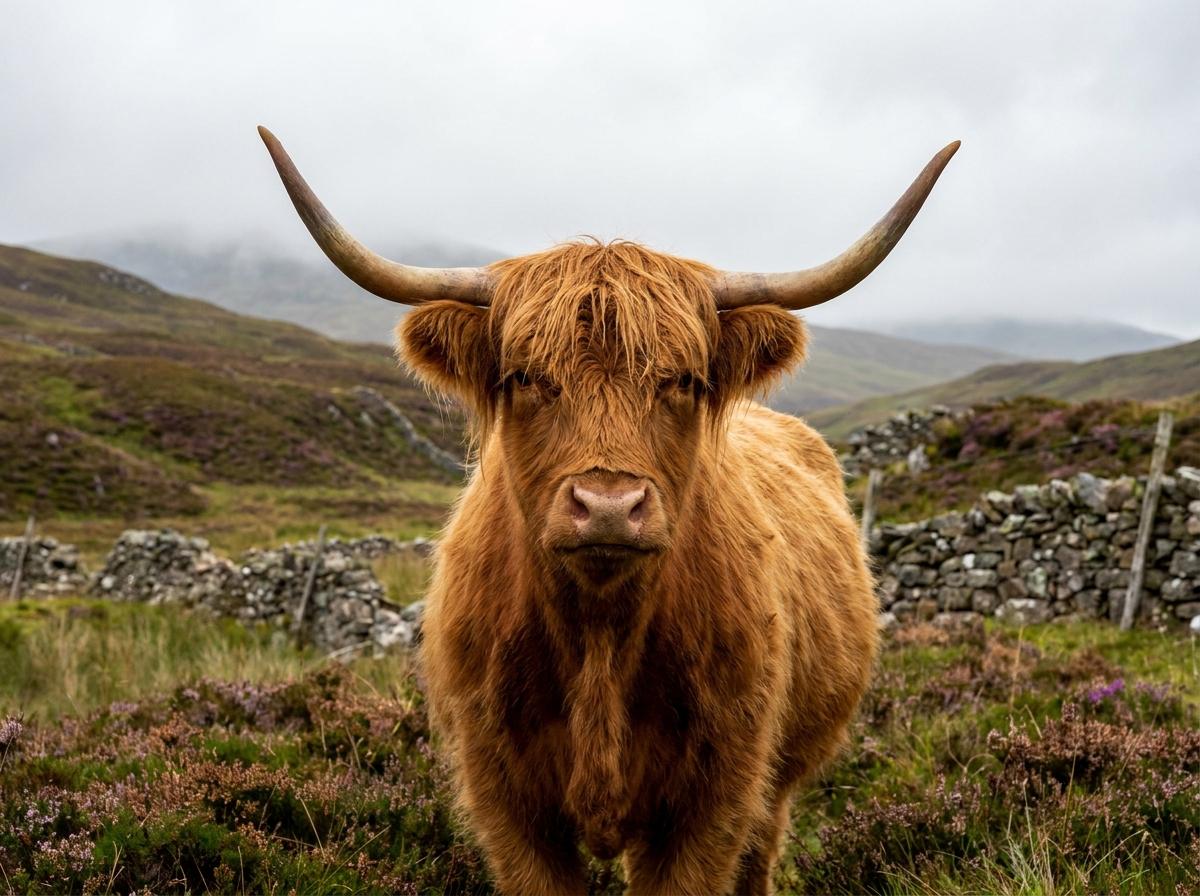
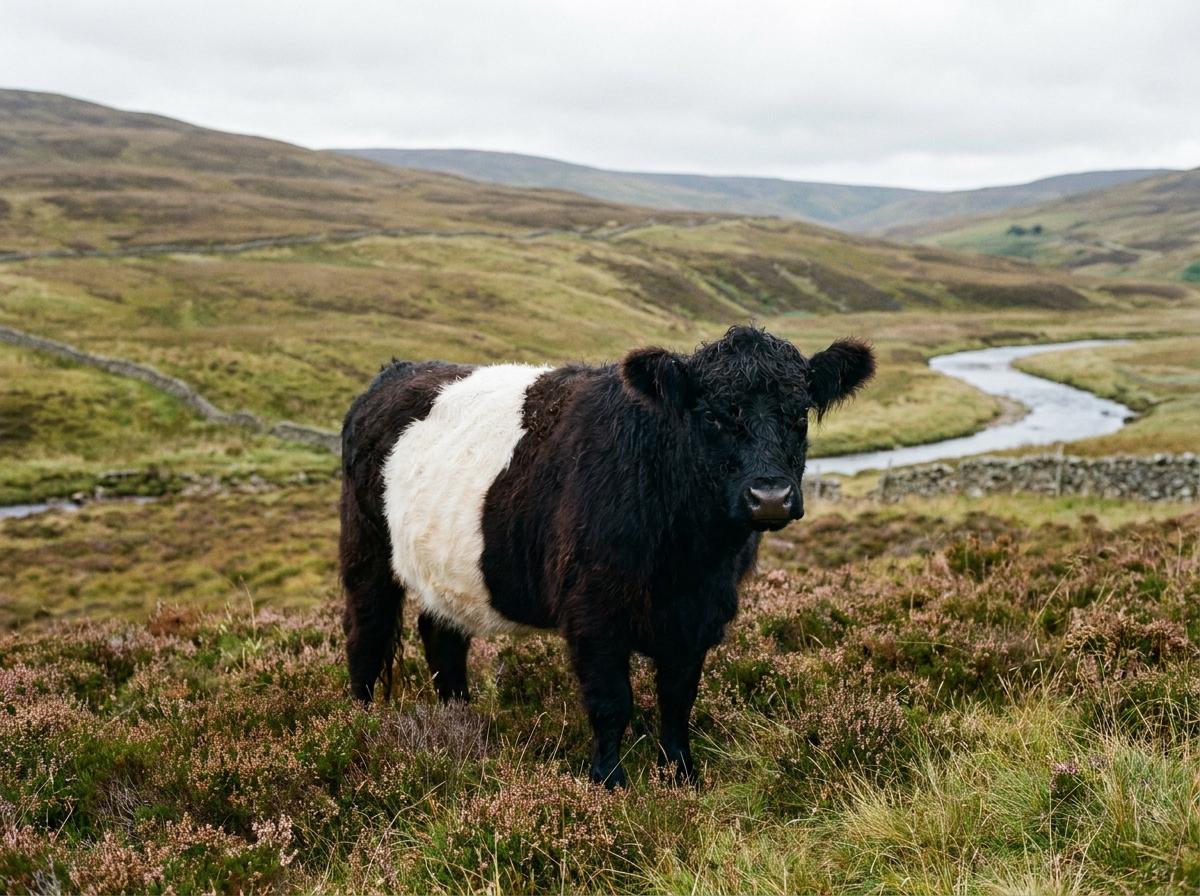
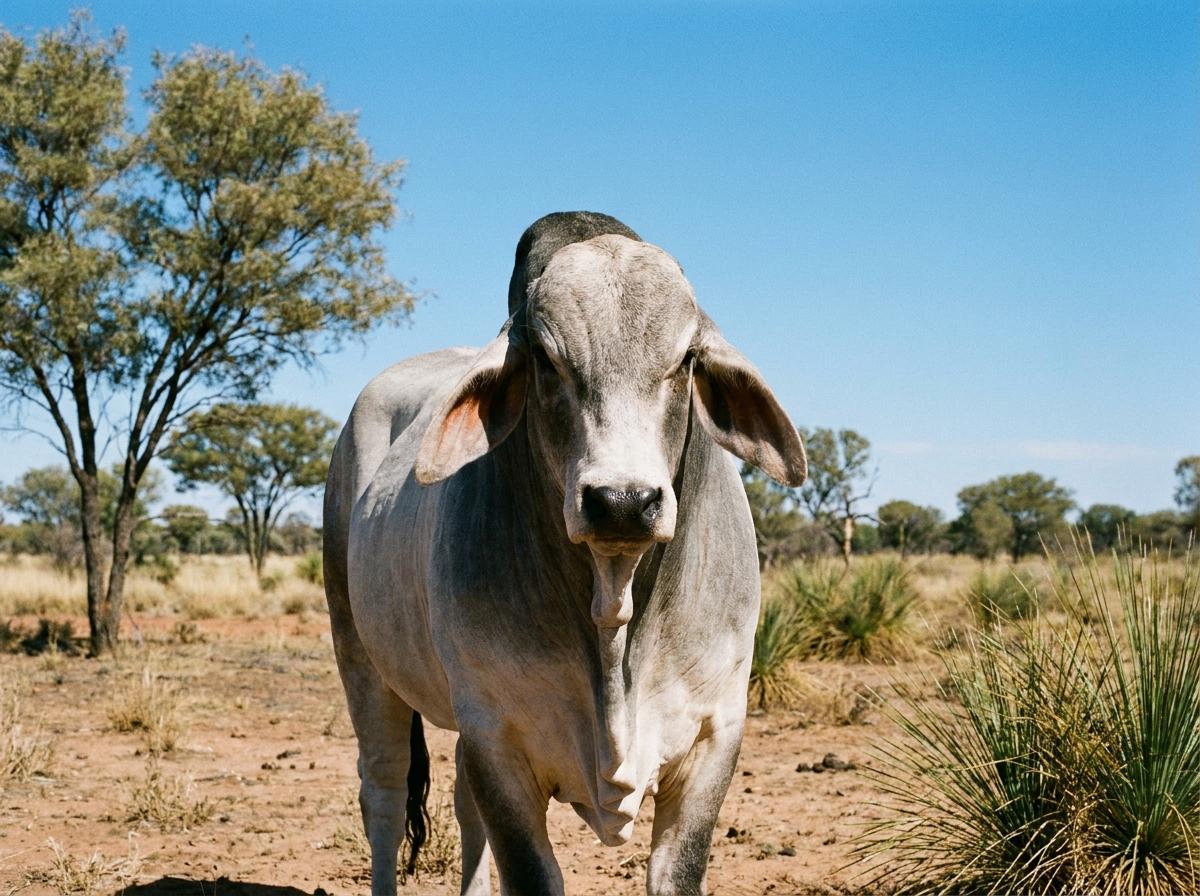
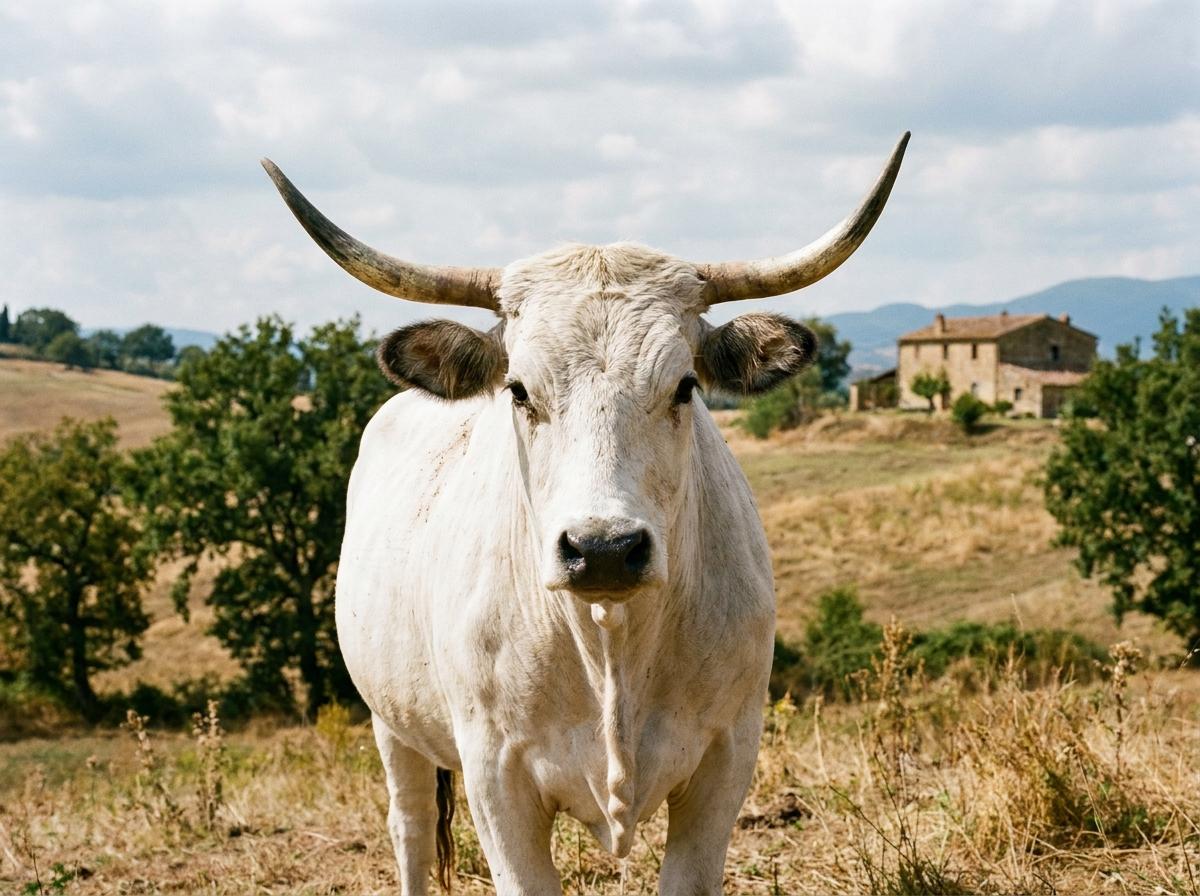
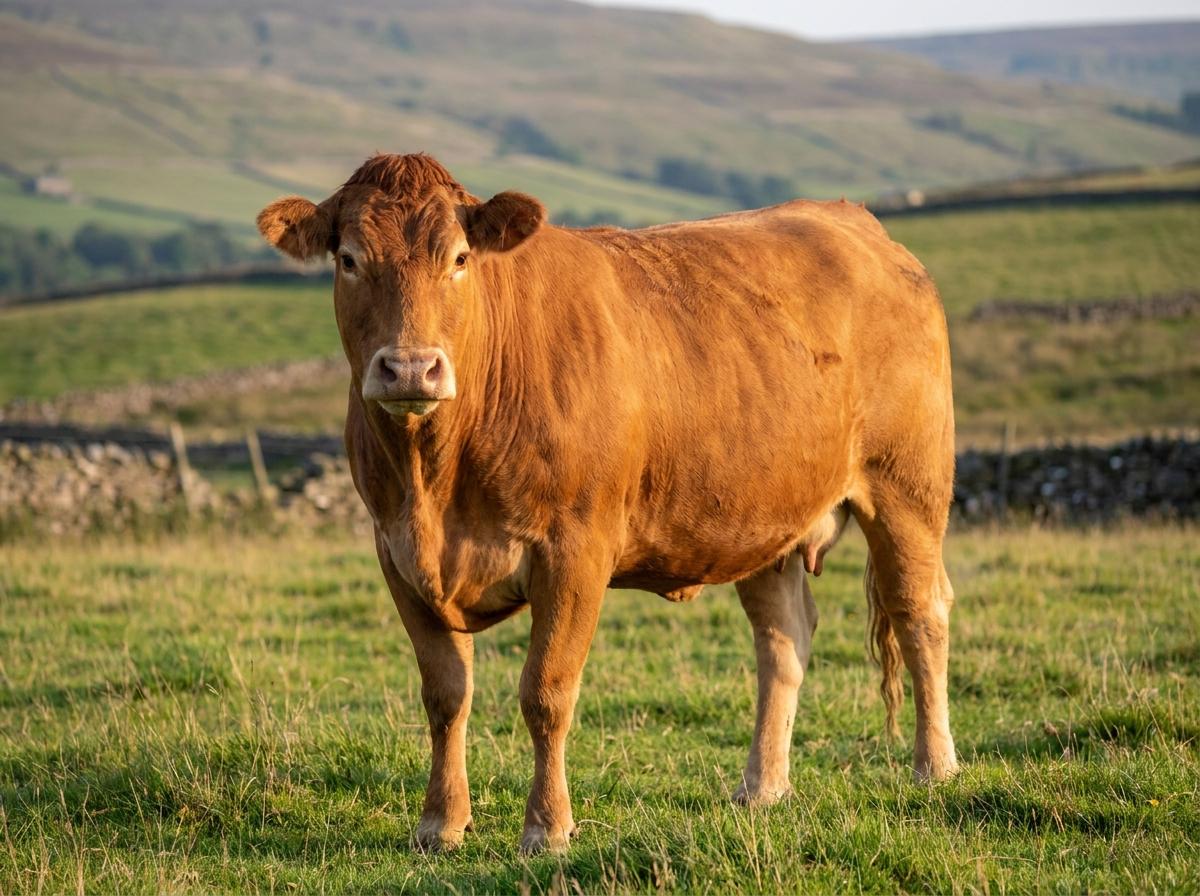
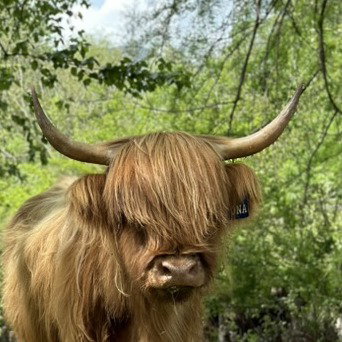
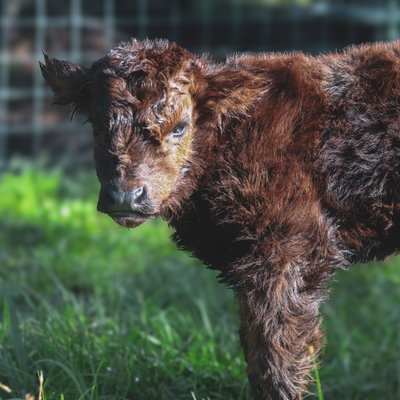
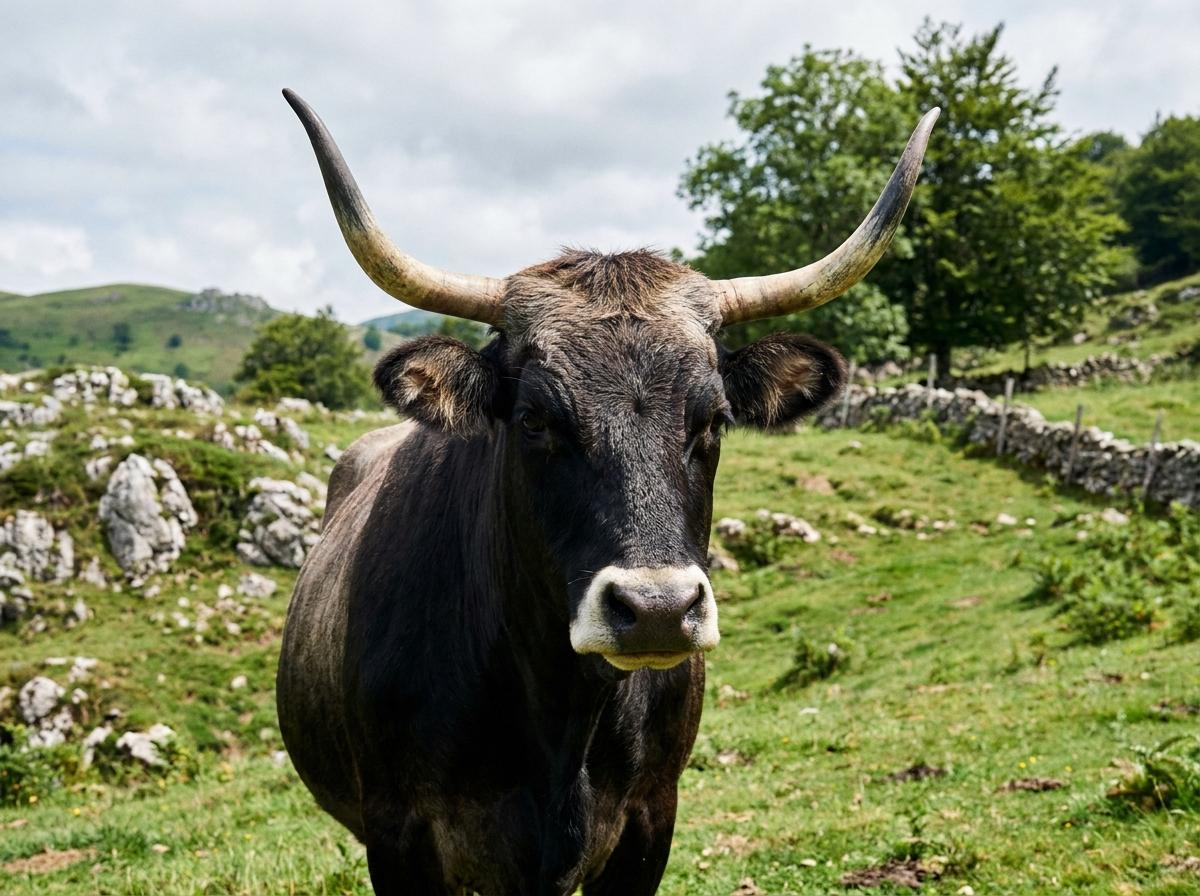
Tudanca cattle are a rustic Spanish breed from Cantabria and the Cantabrian Mountains of northern Spain. They are long-horned, angular cattle with a strong walking ability, historically used for draught work, pack duties, and mountain transhumance. Cows are often grey, brownish, or dark with lighter shading, while bulls tend to be darker, sometimes nearly black. The breed is not a high-yield dairy type; its value lies in hardiness, sure-footedness, maternal ability, and adaptation to rough upland pasture.
Modern Tudanca herds are mostly kept for beef, conservation grazing, cultural tradition, and maintenance of mountain landscapes. Extensive systems fit them best, with summer grazing on high pastures and winter feeding based on hay or conserved forage. Their horns and active nature require calm handling and suitable facilities, especially at gathering and transport. Because Tudanca numbers are limited compared with mainstream beef breeds, conservation breeders pay close attention to maintaining local lines while selecting for fertility, calf survival, and functional soundness.
Colors: Belted, Black, Black and White, Blaze Faced, Blue Roan, Brindle, Brockle Faced, Brown, Brown and White, Dun, Gray, Grey, Highbelt, Highpark, Lineback, Mottled, Pied, Red, Red and White, Red Roan, Riggit, Roan, Silver, Solid Black, Solid Red, Solid White, Speckled, Spotted, White, White Faced, Yellow