

Väneko
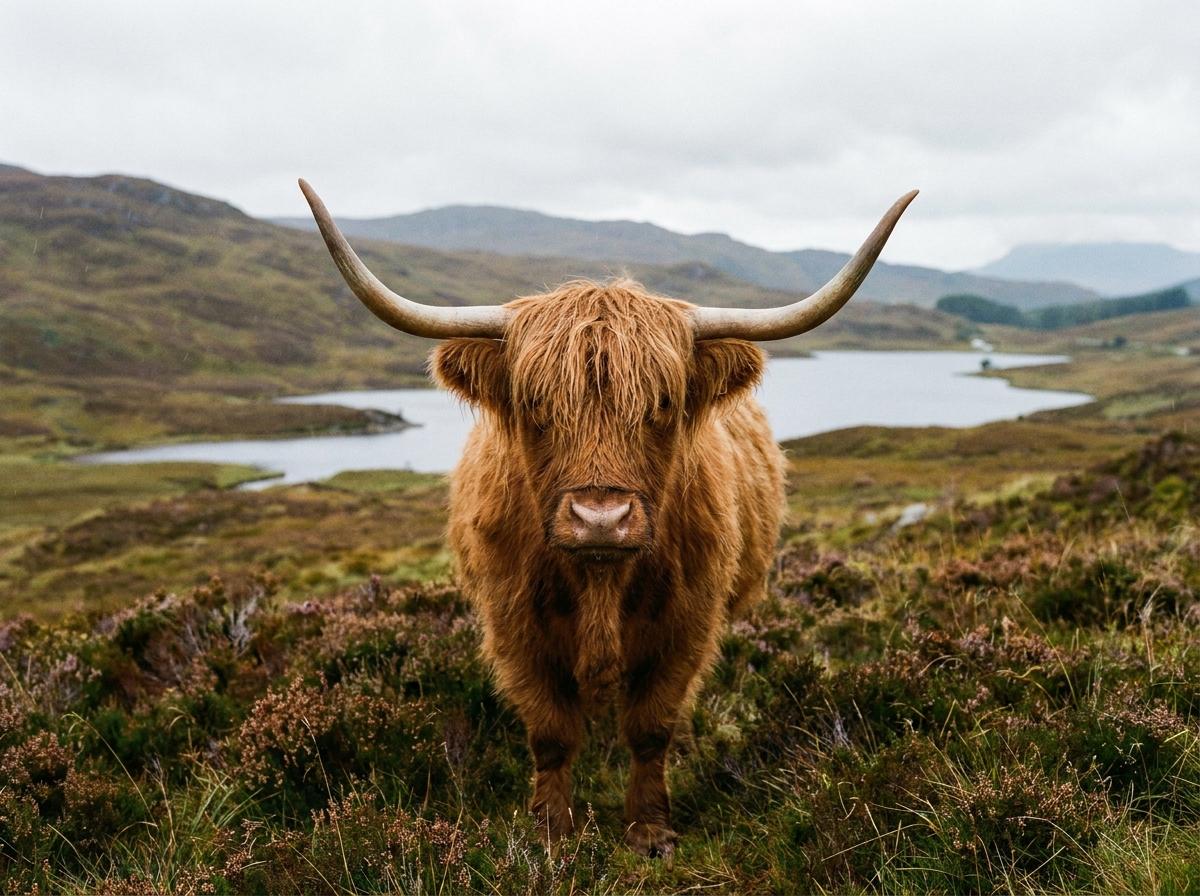
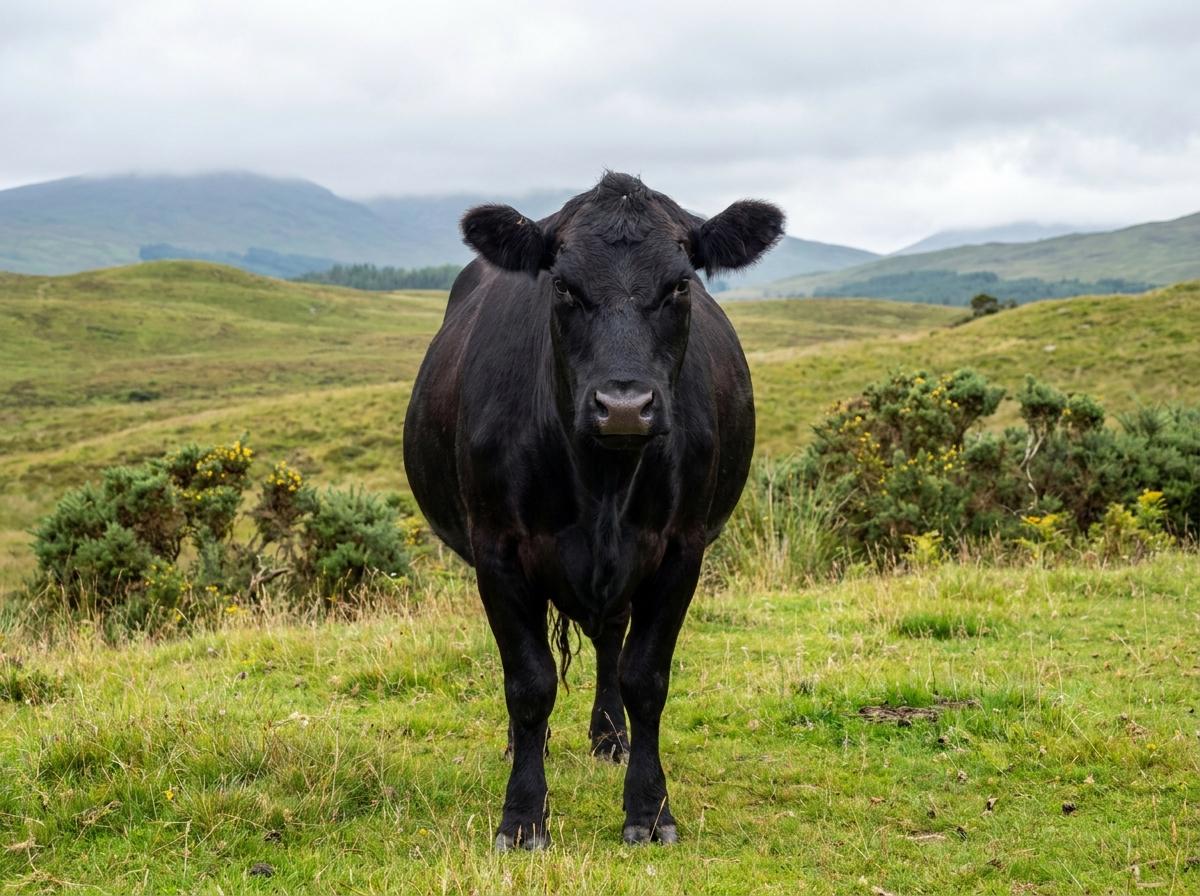
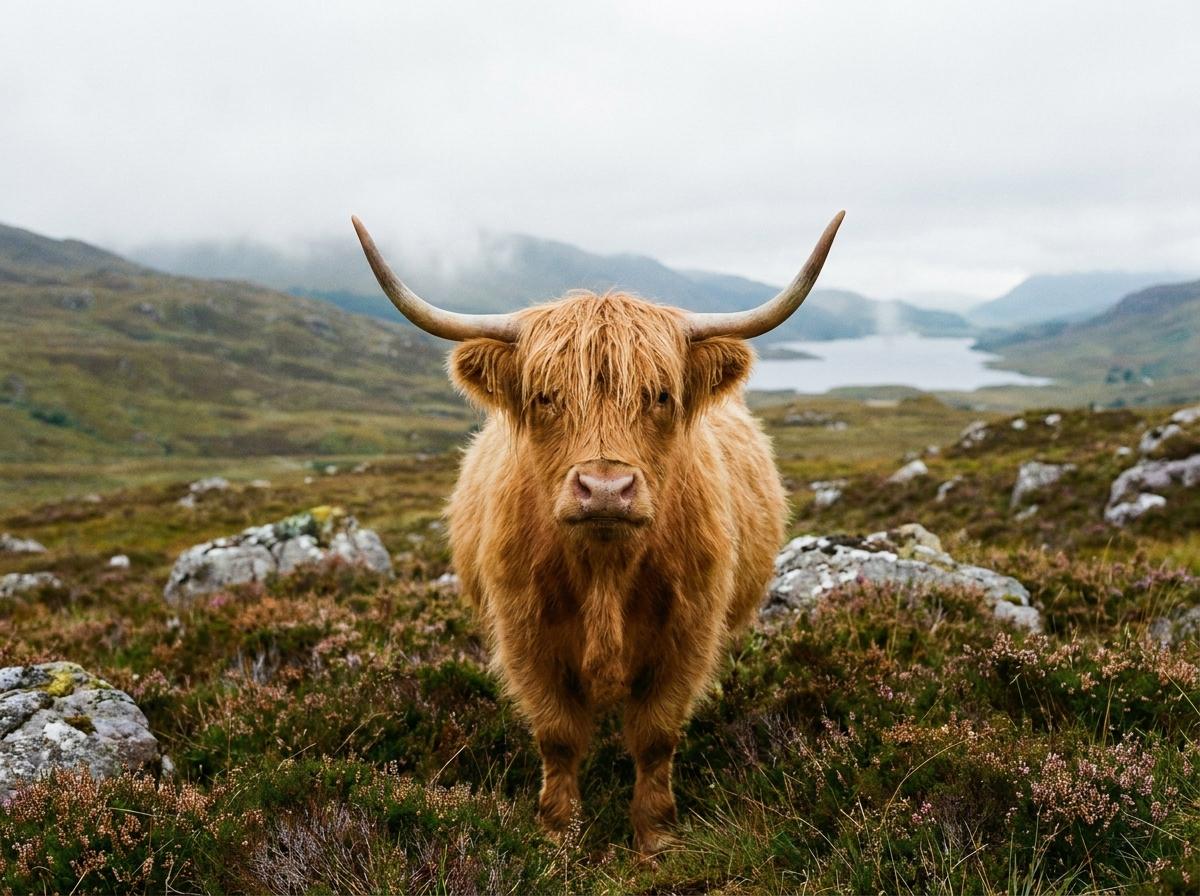
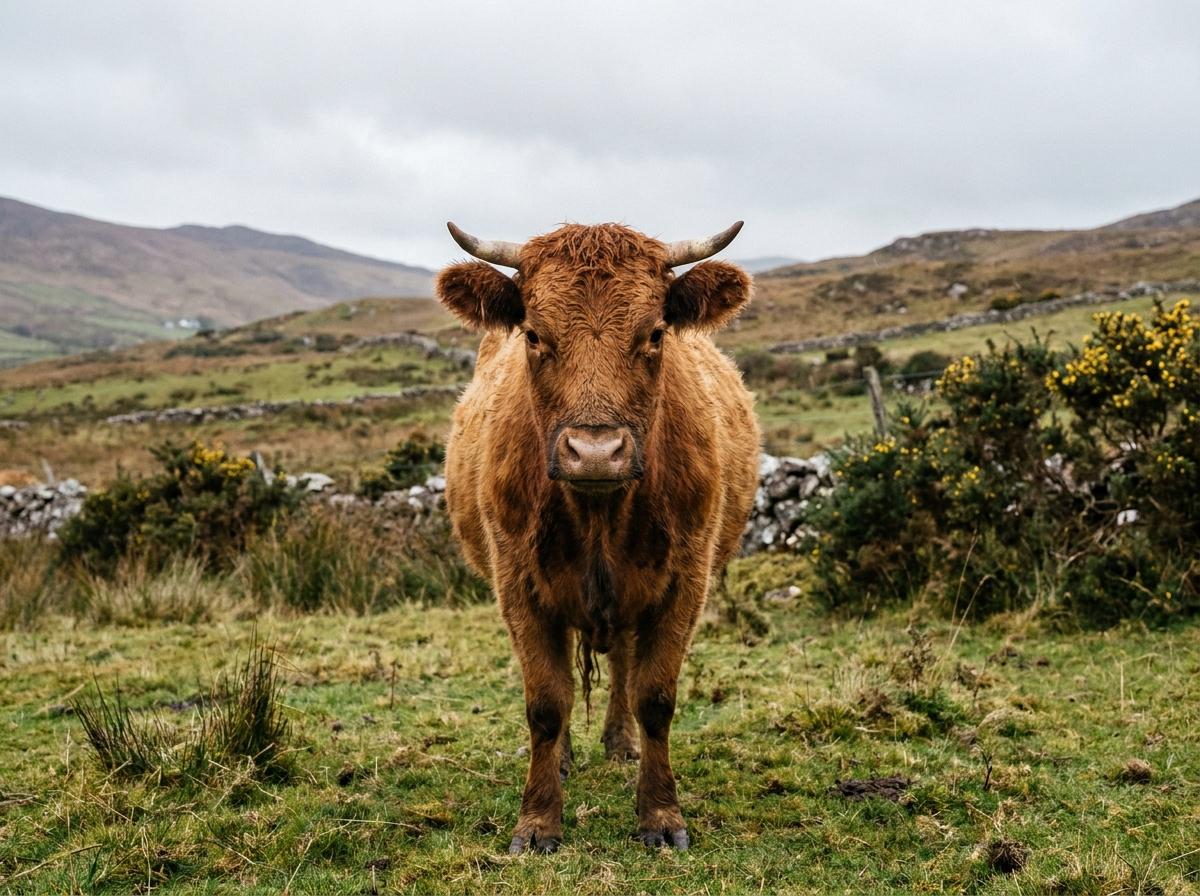
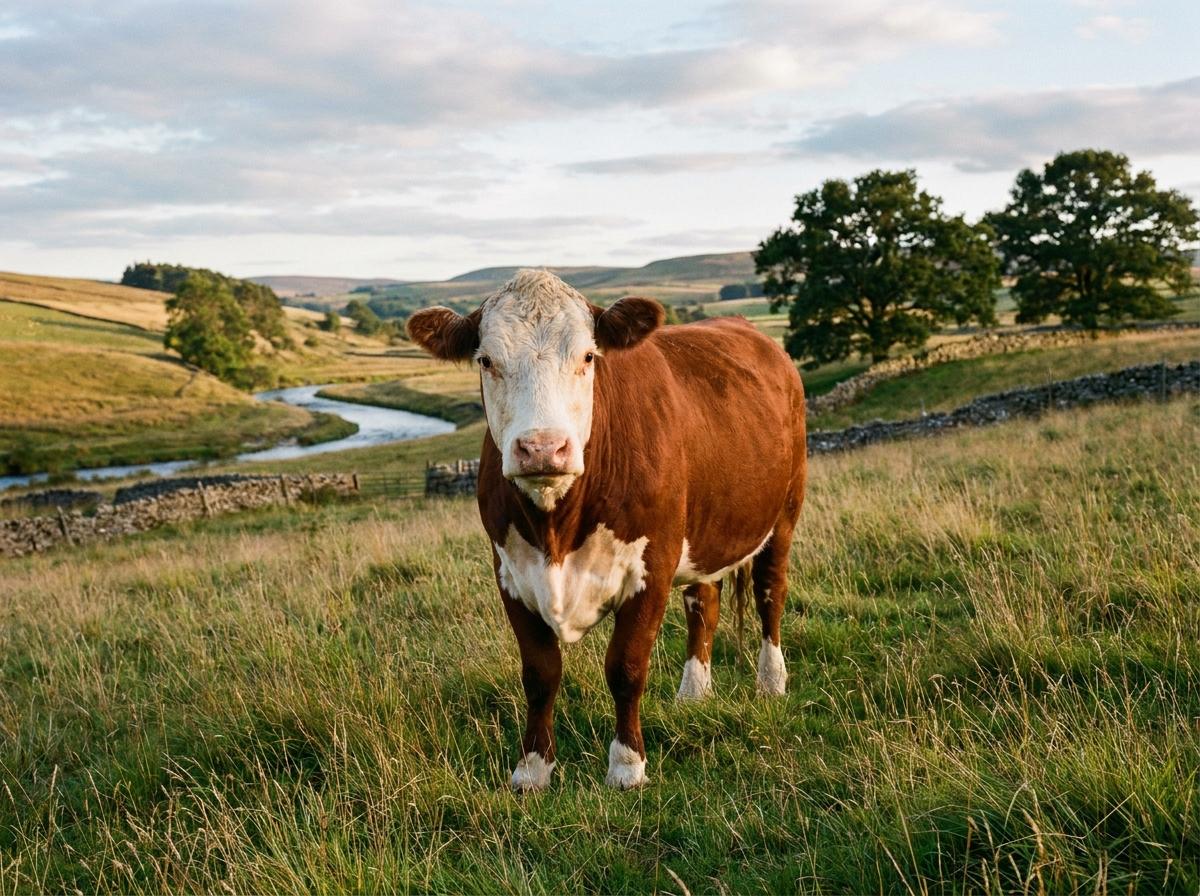
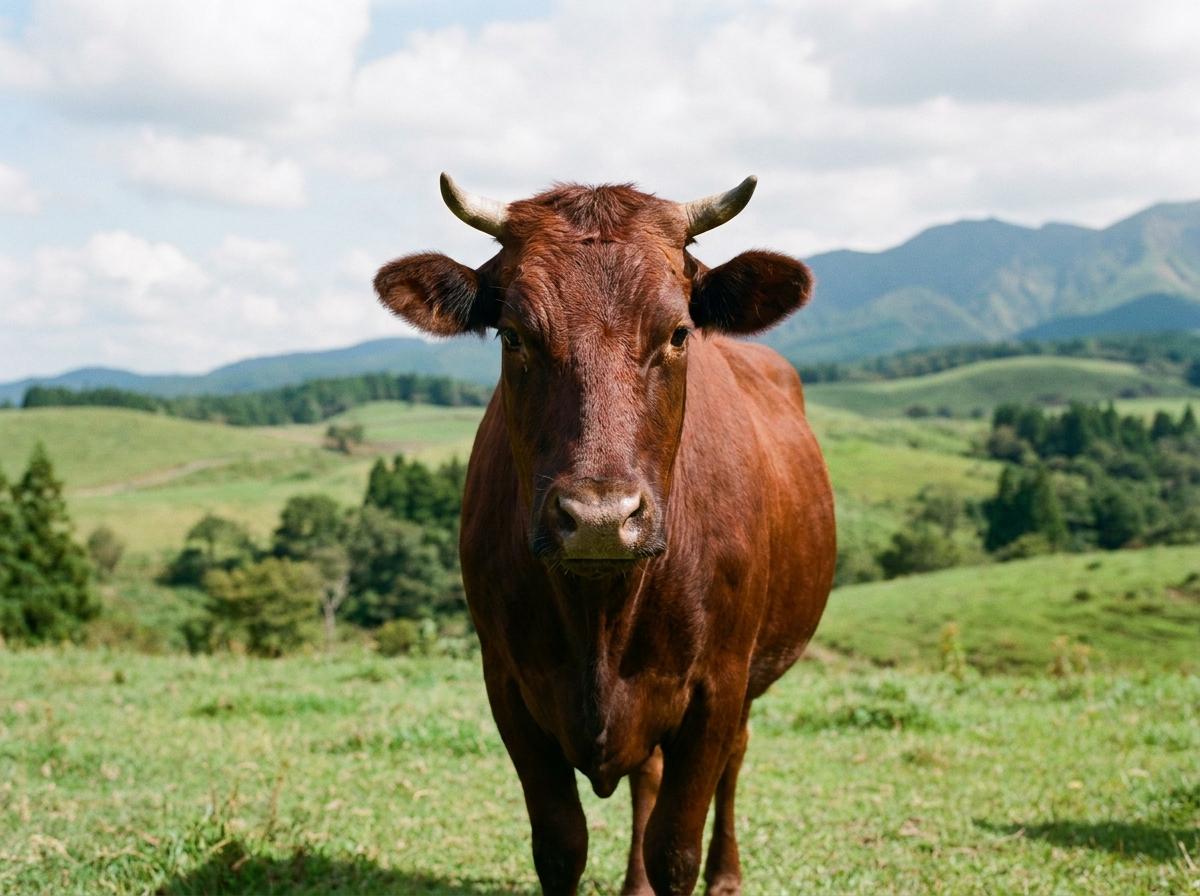
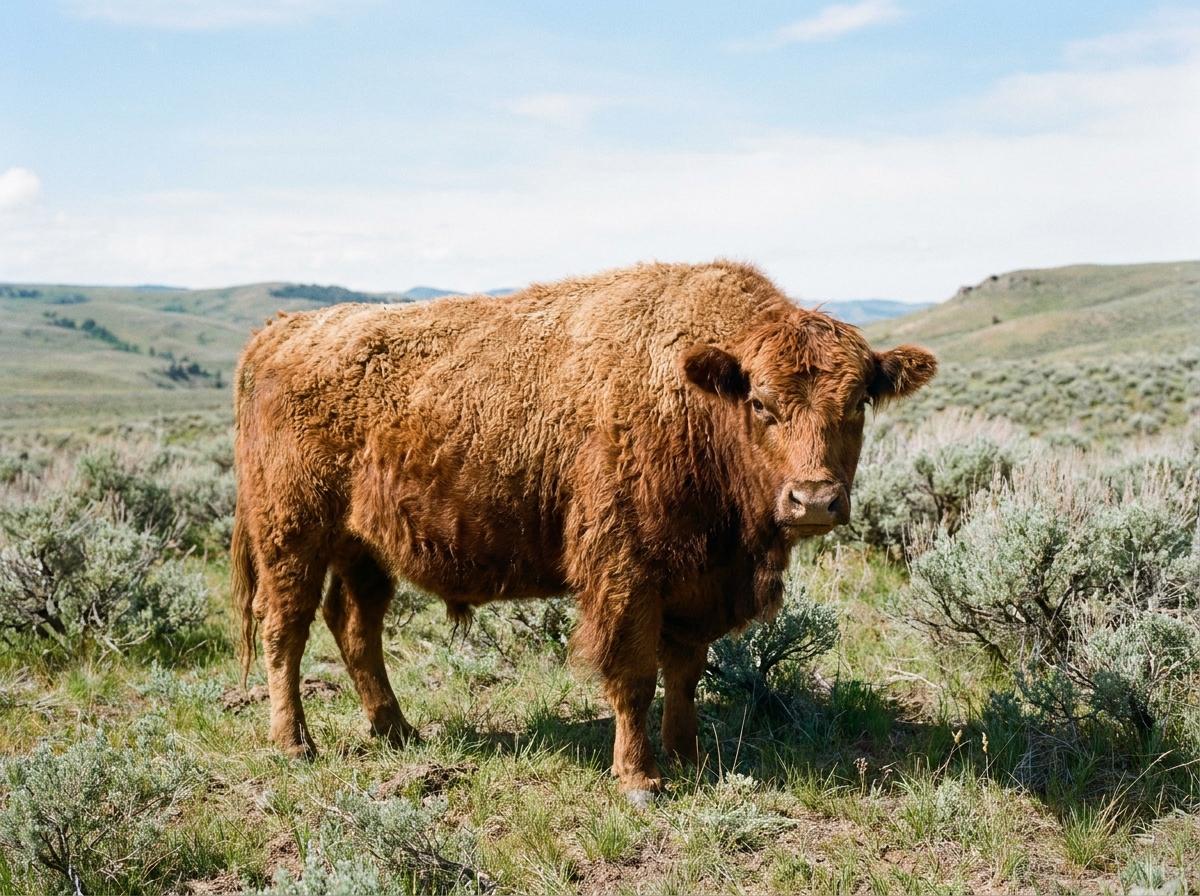
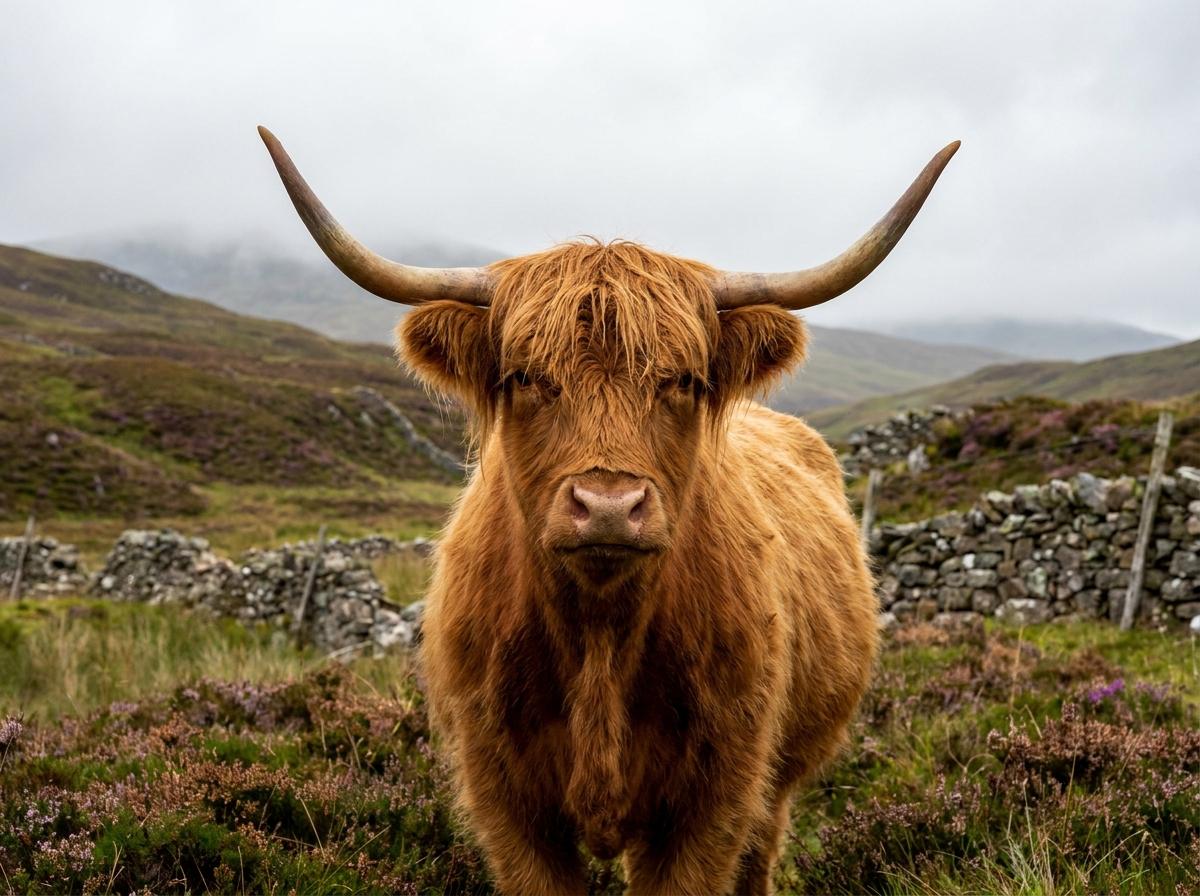
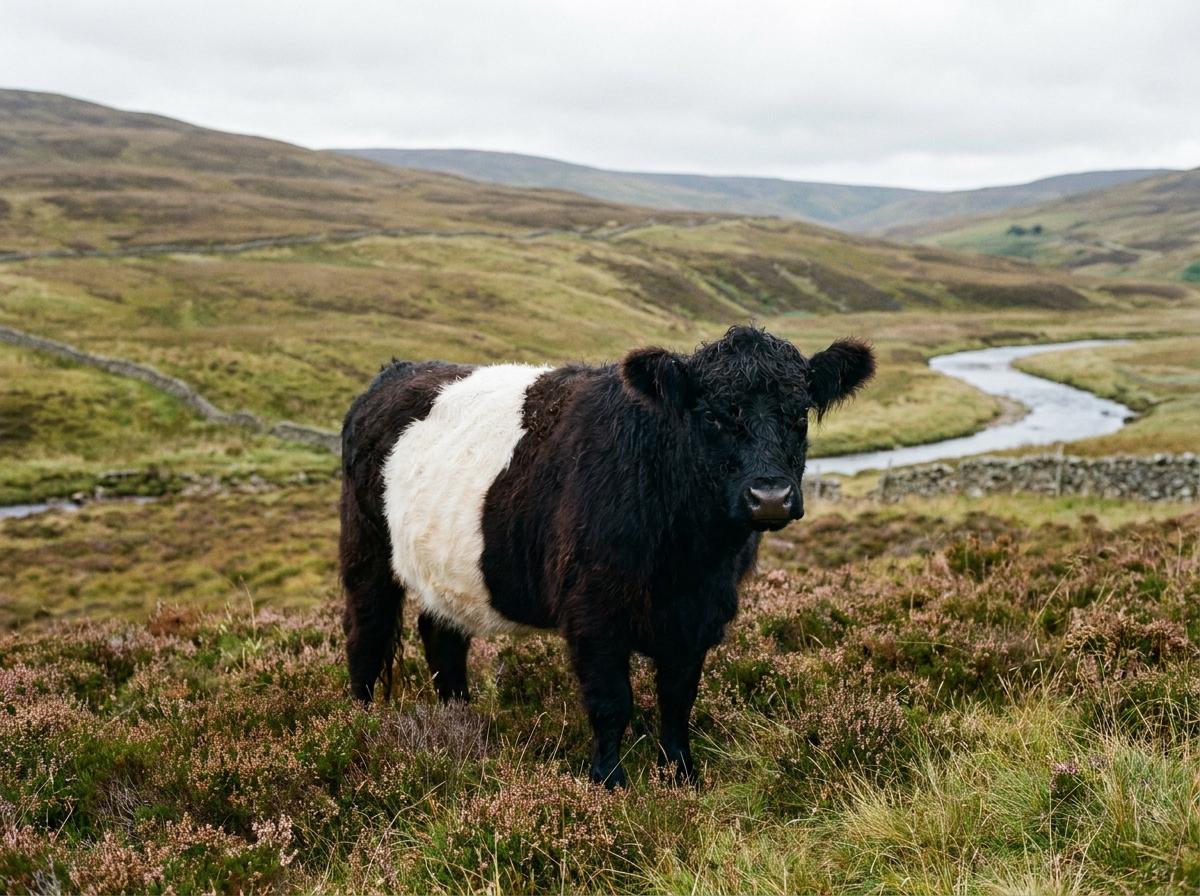
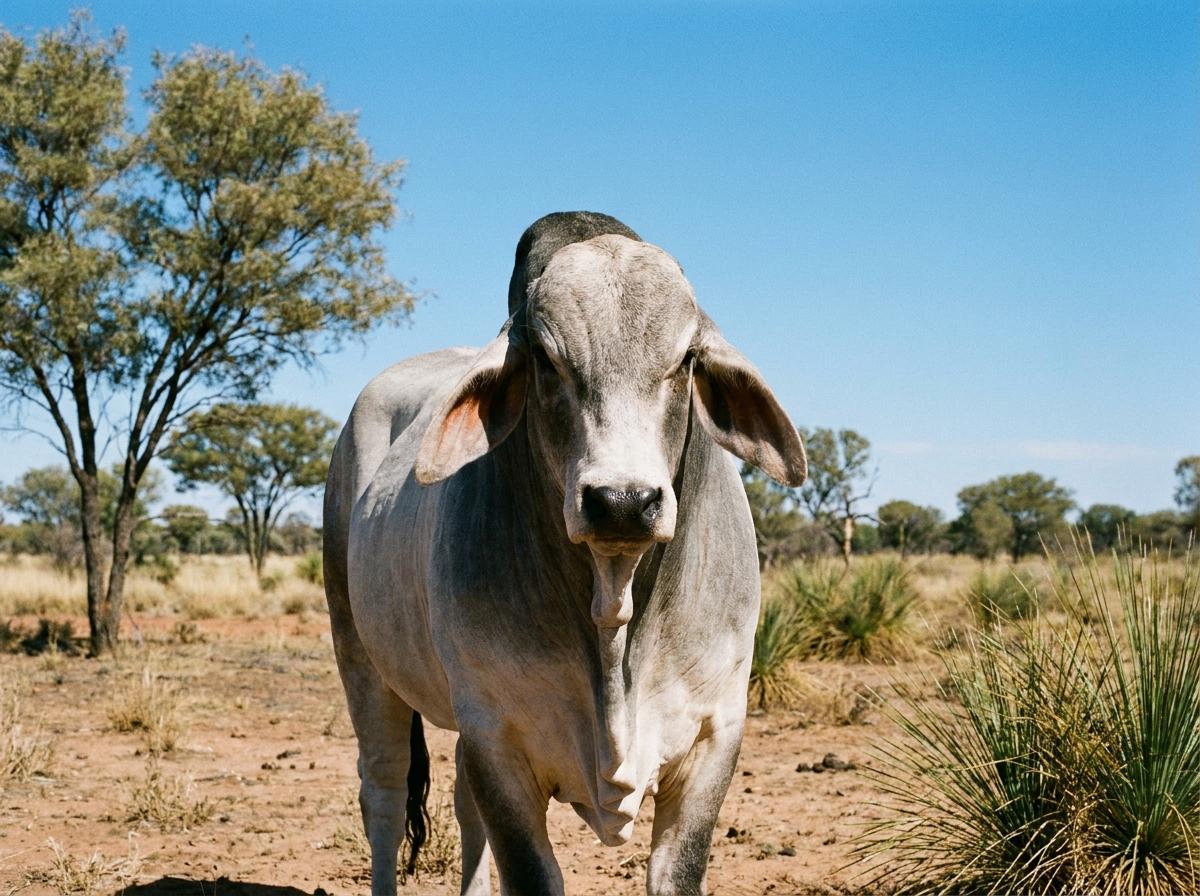
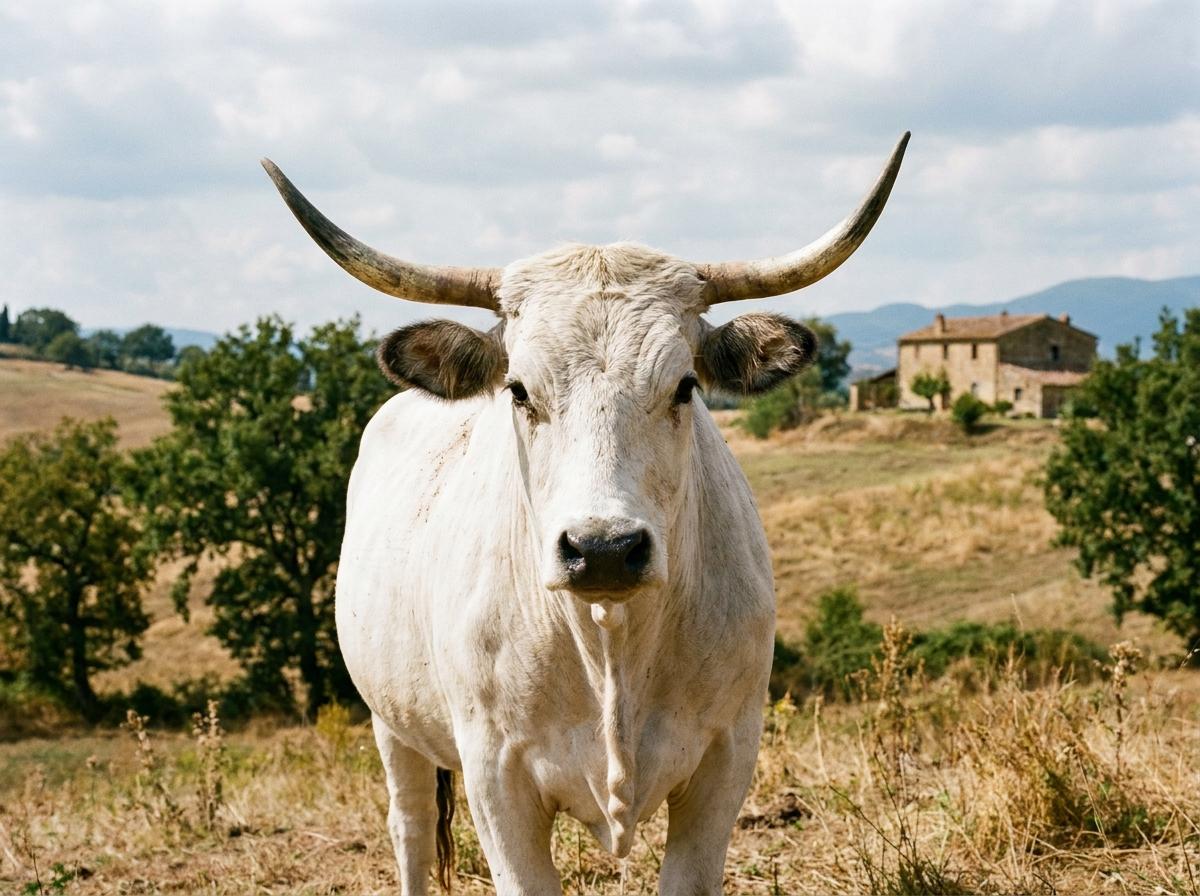
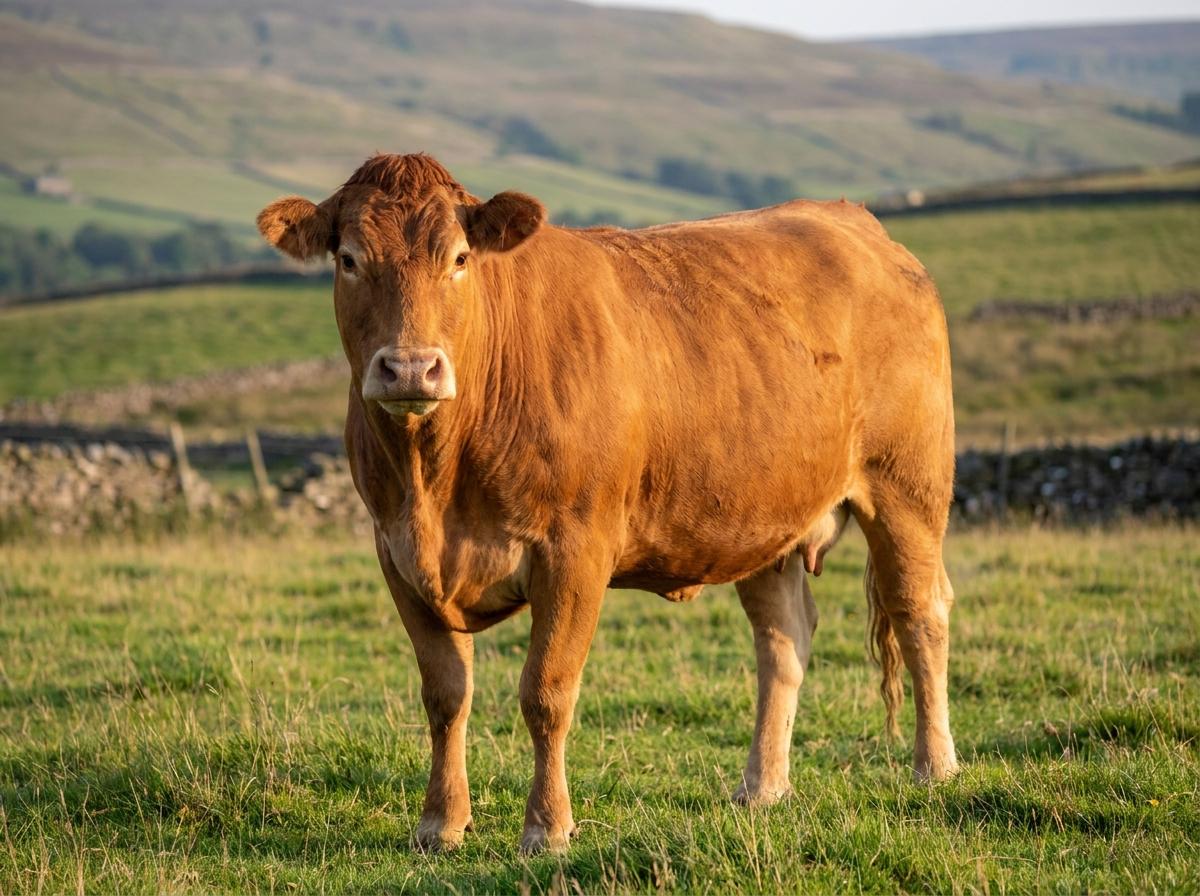
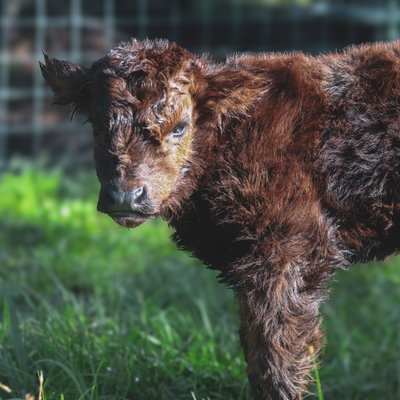
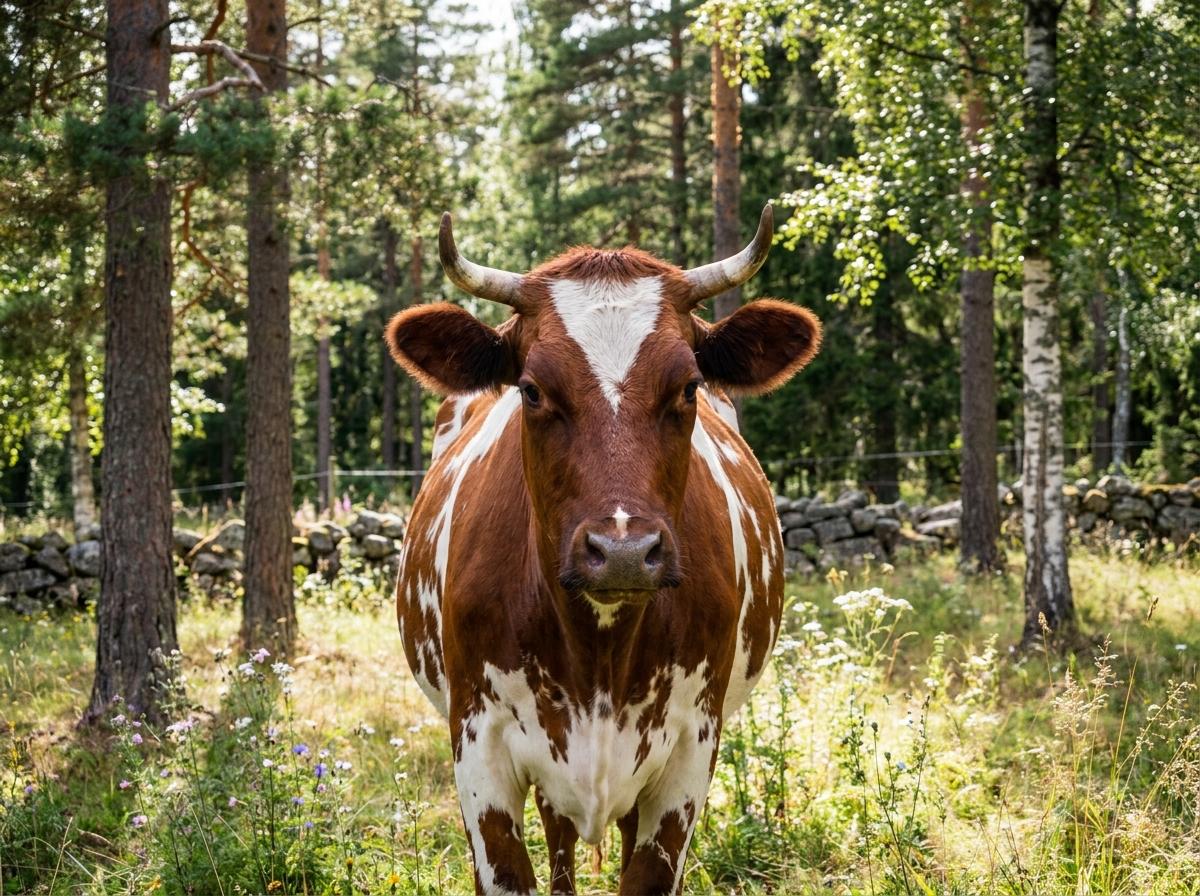
Väneko is a rare Swedish native cattle landrace associated with the Väne district of Västra Götaland. It is one of the allmoge cattle types, meaning old farm cattle that survived outside the main twentieth-century drive toward standardized dairy breeds. Väneko cattle are generally small to medium framed, hardy, and variable in color and markings, with individual animals showing red, black, brown, white spotting, or mixed patterns depending on the family line. Their value lies less in uniform show-ring type than in preserved local genetics and adaptation to modest family-farm conditions.
Today Väneko are kept mainly in conservation herds, small-scale milk and beef systems, and grazing projects where a lighter cow is useful. Breeding is usually coordinated through Swedish native-breed or gene-bank programs, so pedigree documentation and avoiding unnecessary crossbreeding are important. They still need ordinary cattle handling, safe fencing, winter shelter, and balanced feed, but they are not managed as high-output commercial dairy cows. For buyers, the practical questions are availability, registry status, temperament, and whether the animal fits a slow-growing conservation herd.
Colors: Belted, Black, Black and White, Blaze Faced, Blue Roan, Brindle, Brockle Faced, Brown, Brown and White, Dun, Gray, Grey, Highbelt, Highpark, Lineback, Mottled, Pied, Red, Red and White, Red Roan, Riggit, Roan, Silver, Solid Black, Solid Red, Solid White, Speckled, Spotted, White, White Faced, Yellow