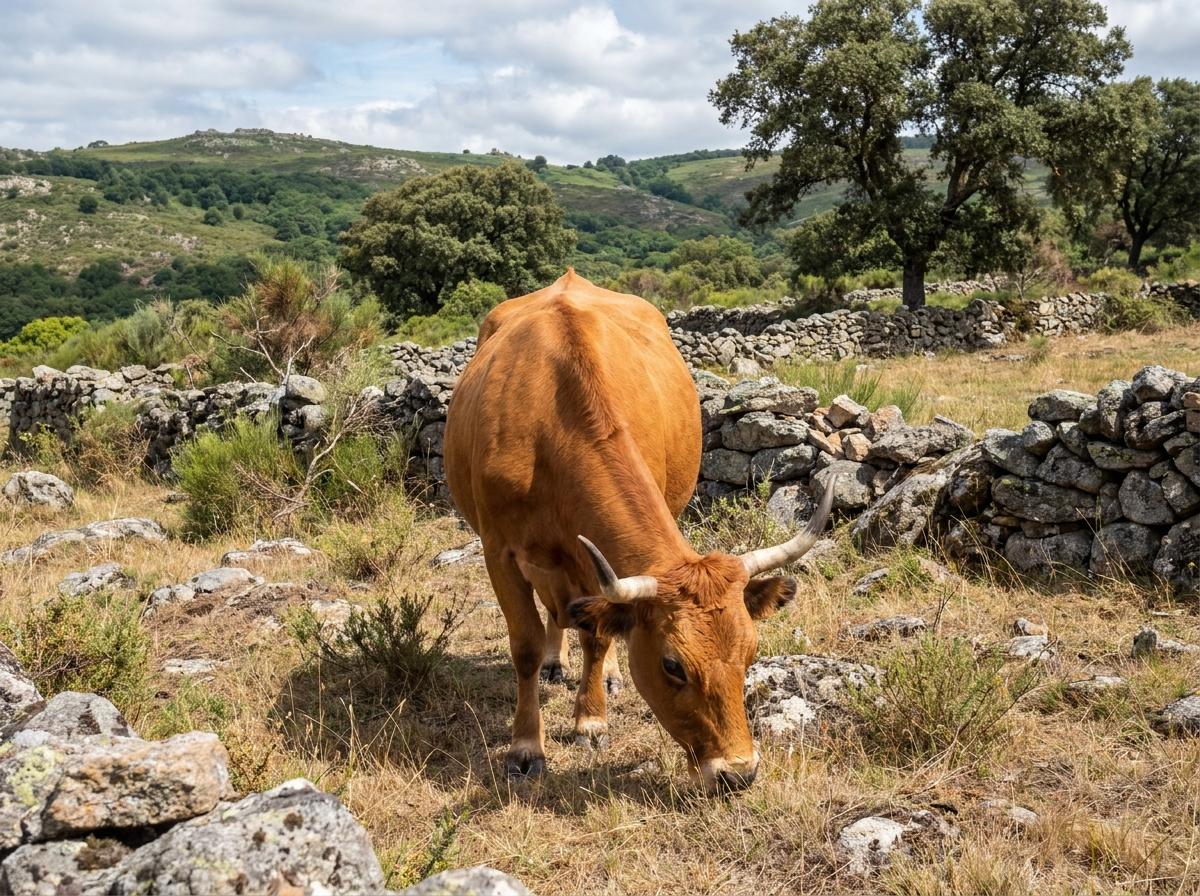
Vianesa
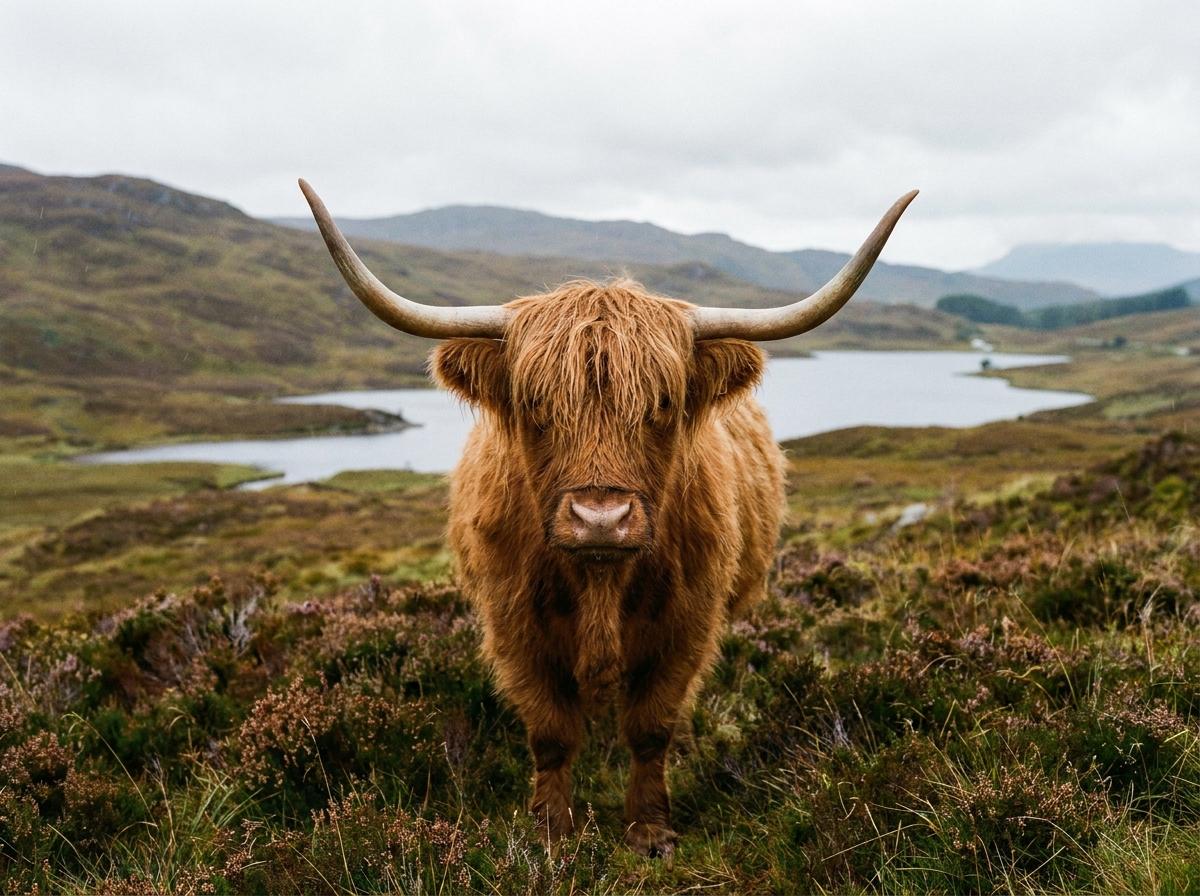
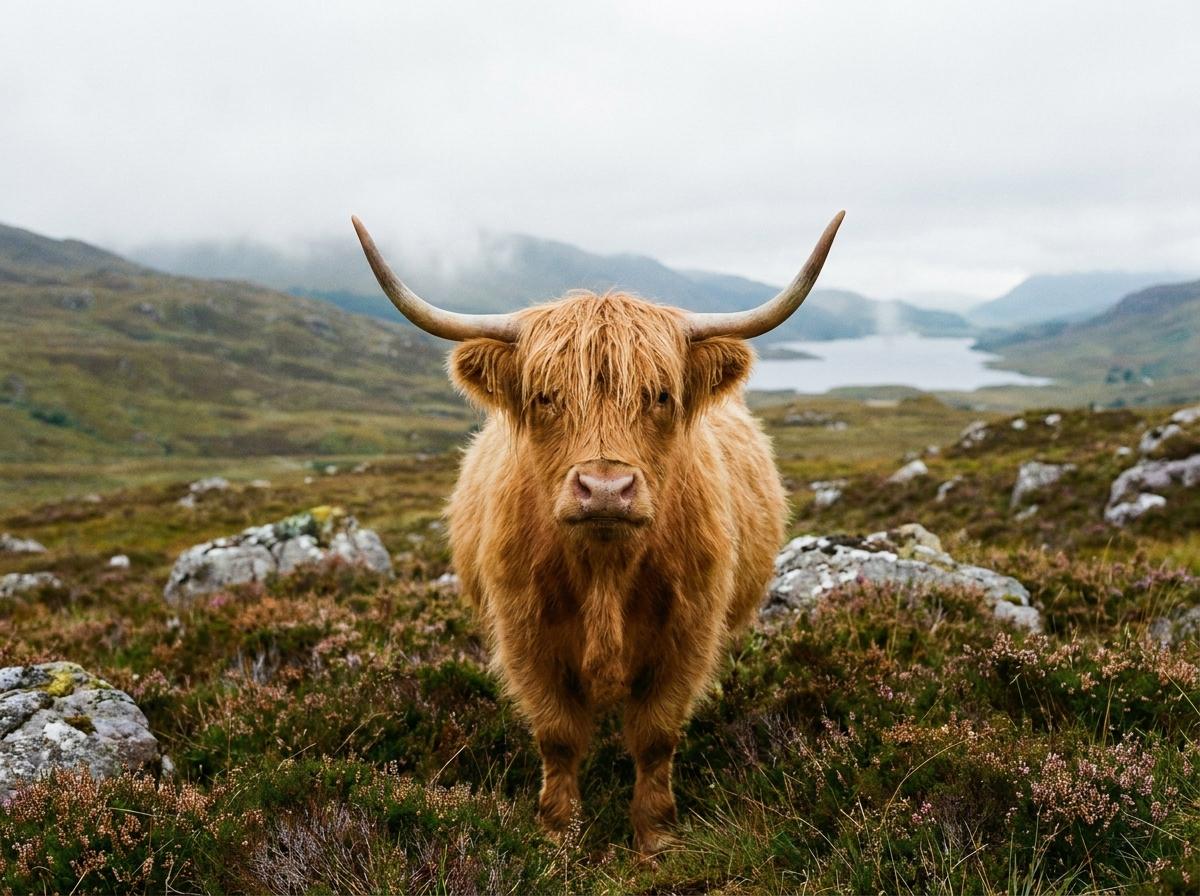
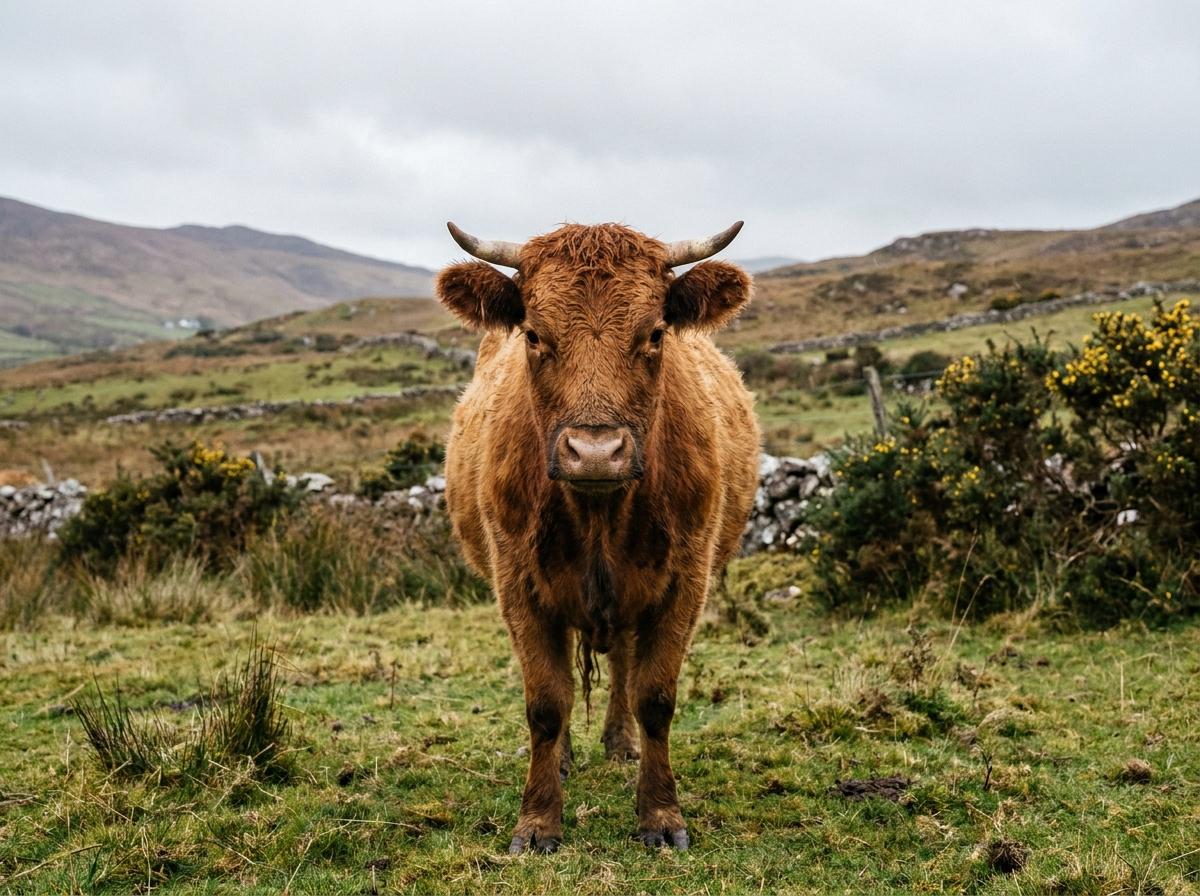
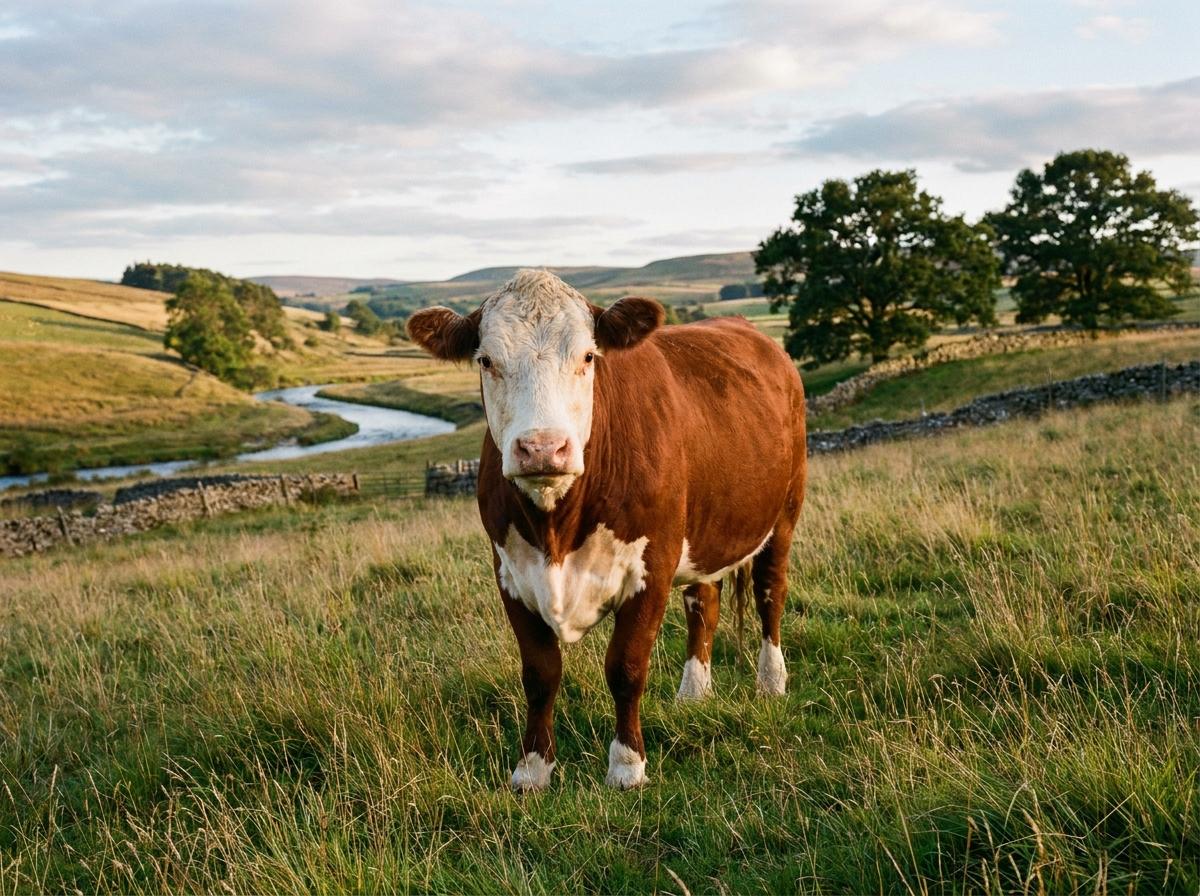
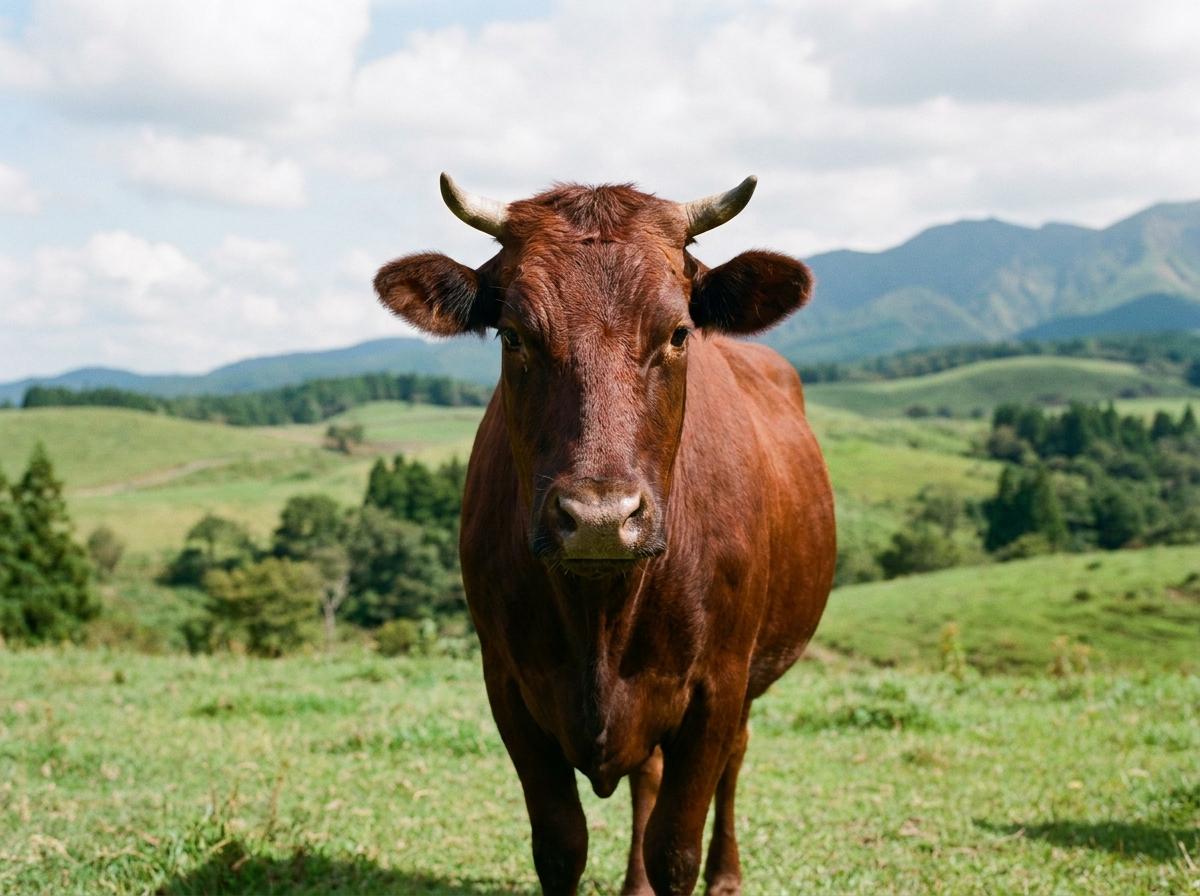
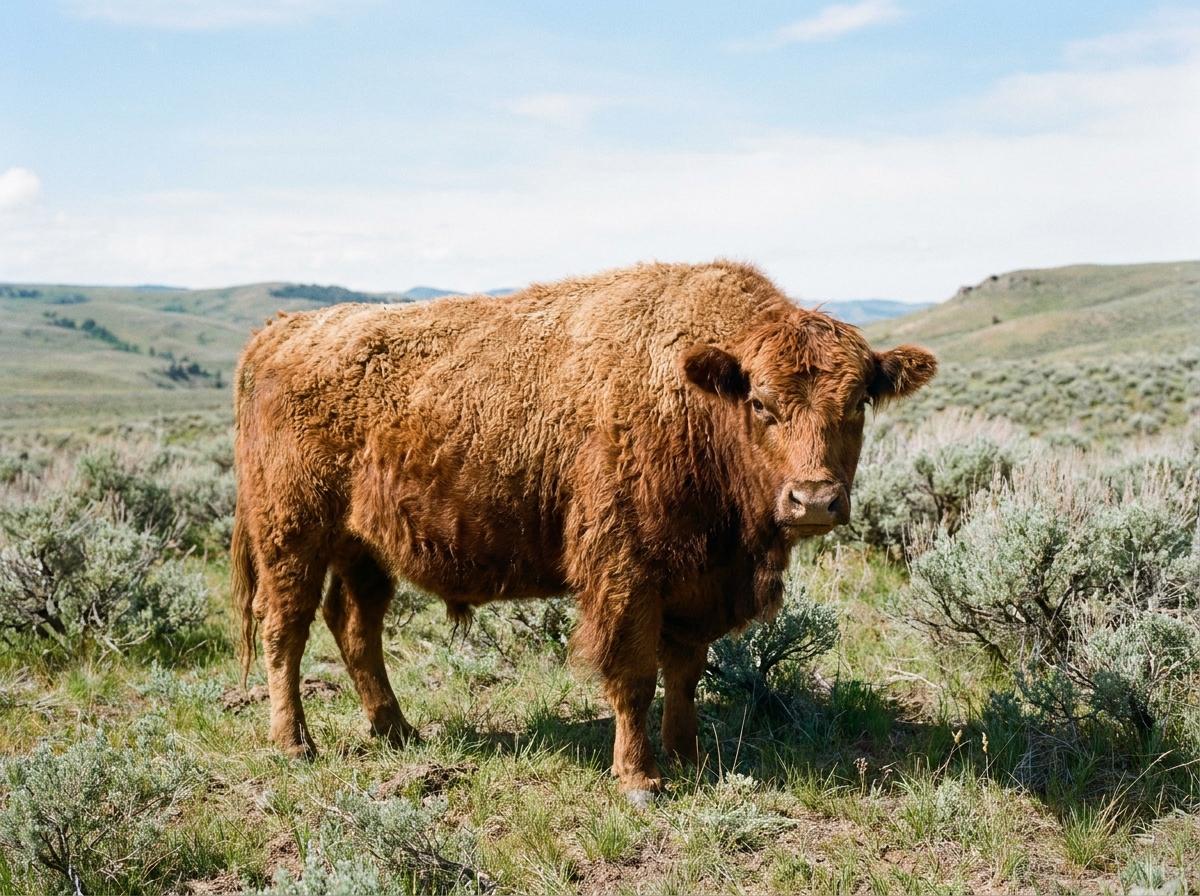
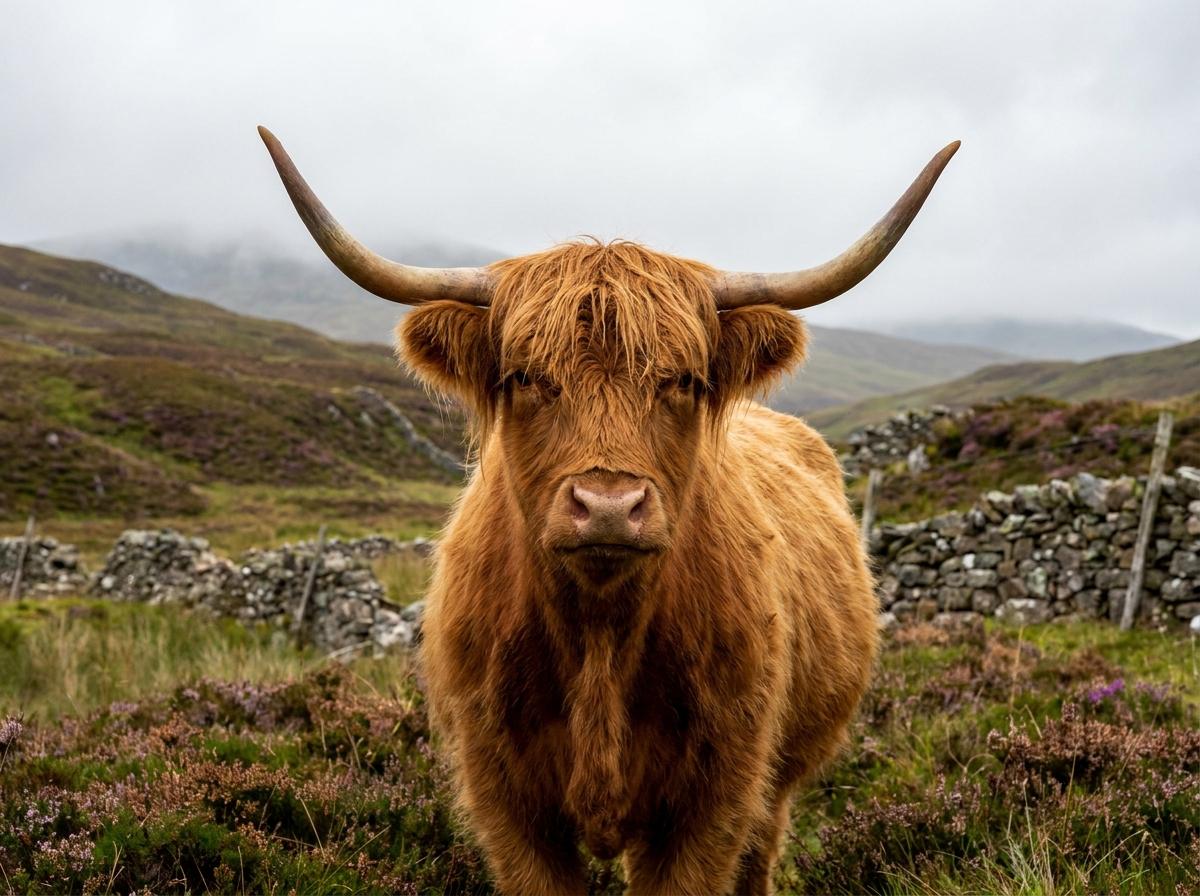
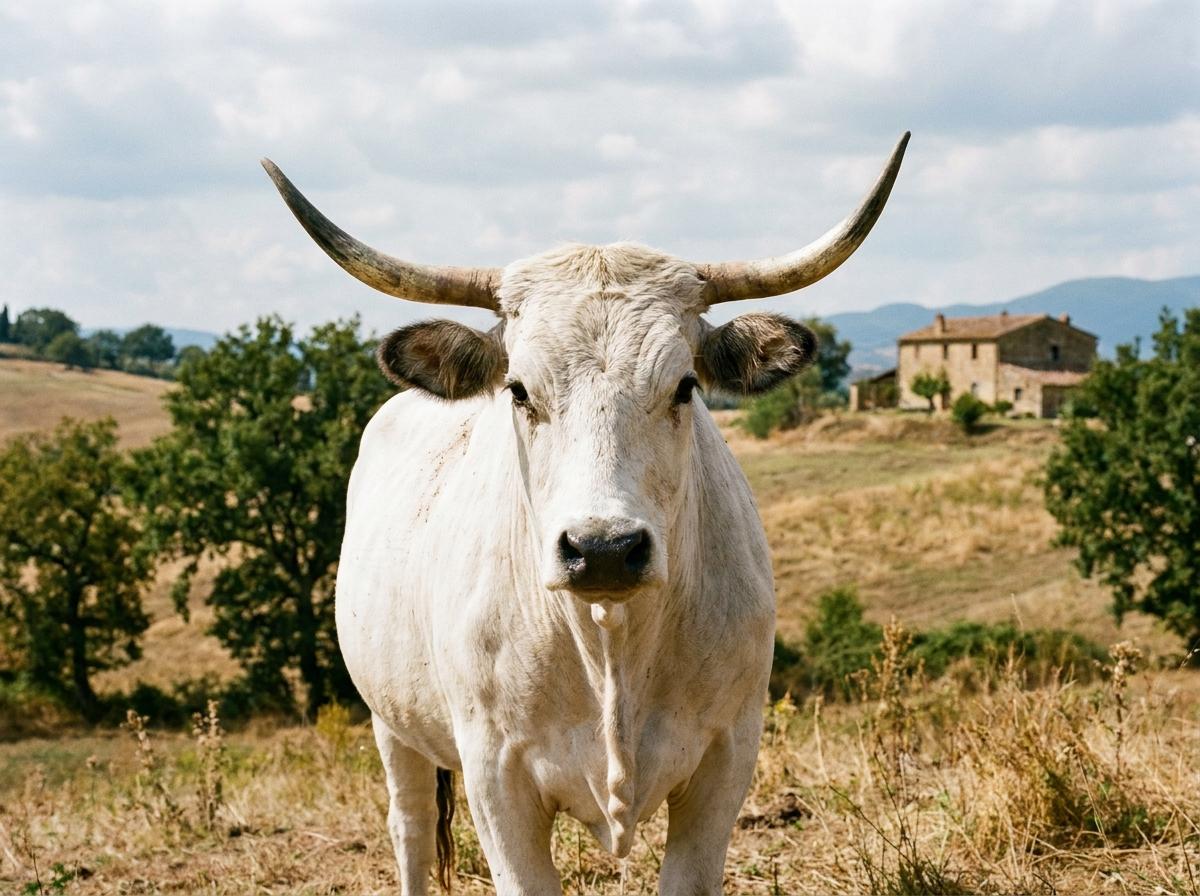
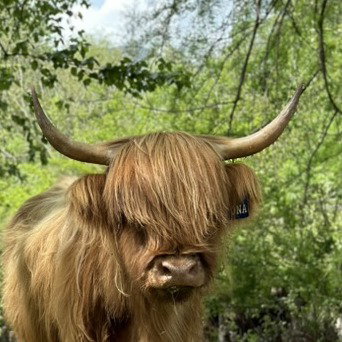
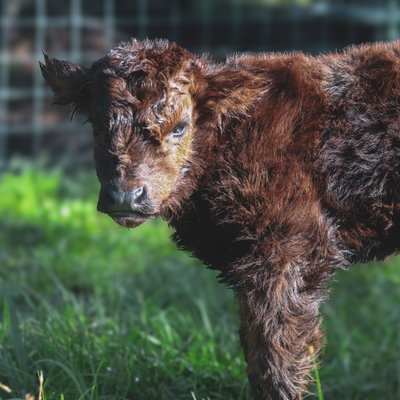
Vianesa cattle are a native Portuguese breed from the northwestern Minho region, especially areas associated with Viana do Castelo and surrounding uplands. They are part of Portugal's group of rustic local cattle shaped by small farms, communal grazing, and work on uneven ground. The cattle are usually medium sized, brown to chestnut or wheaten in shade with darker points, and often have long horns carried outward and upward. Historically they supplied draft power, calves, milk for household use, and meat, though current use is centered mostly on beef and breed conservation.
Farms keeping Vianesa cattle generally use pasture, hay, and local forage rather than high-concentrate systems. Their strengths are hardiness, walking ability, mothering, and suitability for maintaining traditional landscapes where larger intensive breeds may be less practical. Horns call for sensible yard design and calm handling, especially in small herds. Buyers should confirm animals through Portuguese breed records or recognized conservation channels, because names of regional cattle can be confused outside their home area. Selection usually favors fertility, correct legs, manageable temperament, and calves that finish well without losing the old native type.
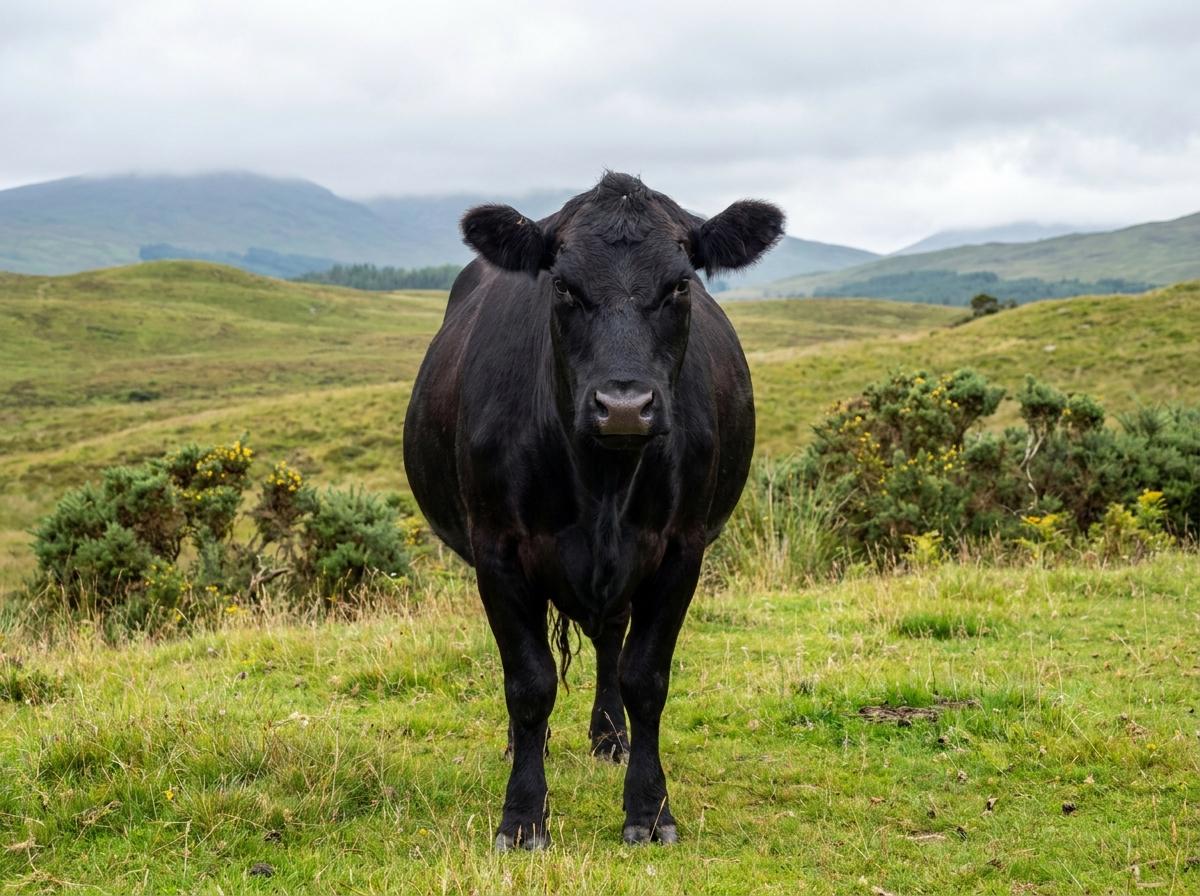
Colors: Belted, Black, Black and White, Blaze Faced, Blue Roan, Brindle, Brockle Faced, Brown, Brown and White, Dun, Gray, Grey, Highbelt, Highpark, Lineback, Mottled, Pied, Red, Red and White, Red Roan, Riggit, Roan, Silver, Solid Black, Solid Red, Solid White, Speckled, Spotted, White, White Faced, Yellow