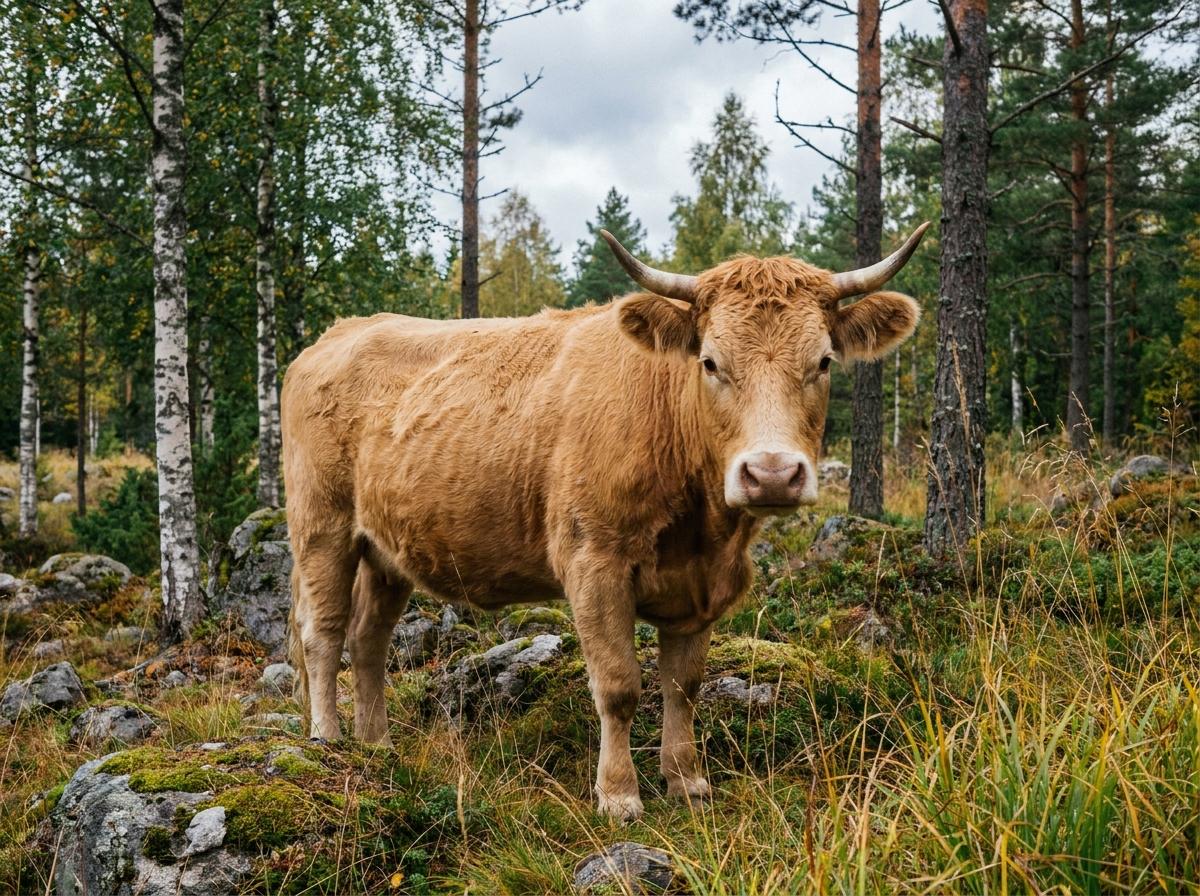
Western Finncattle
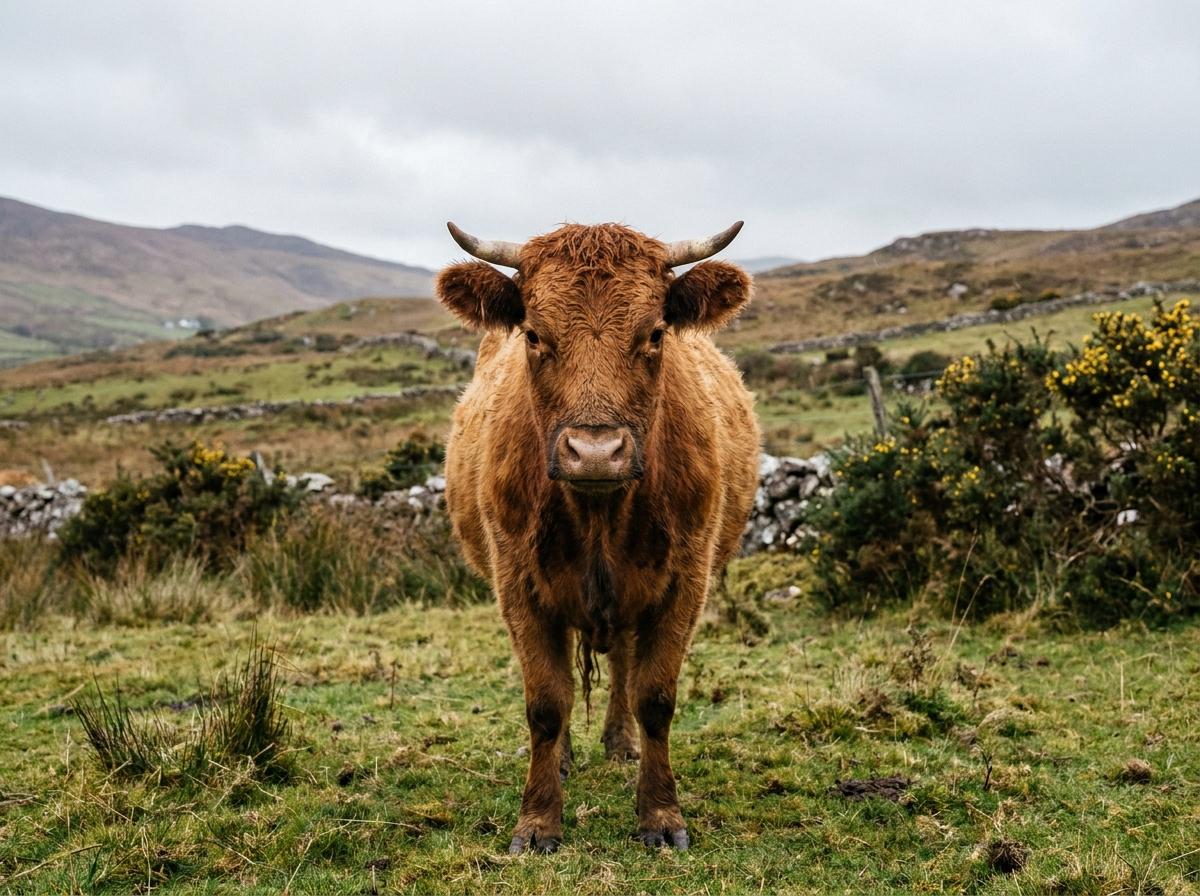
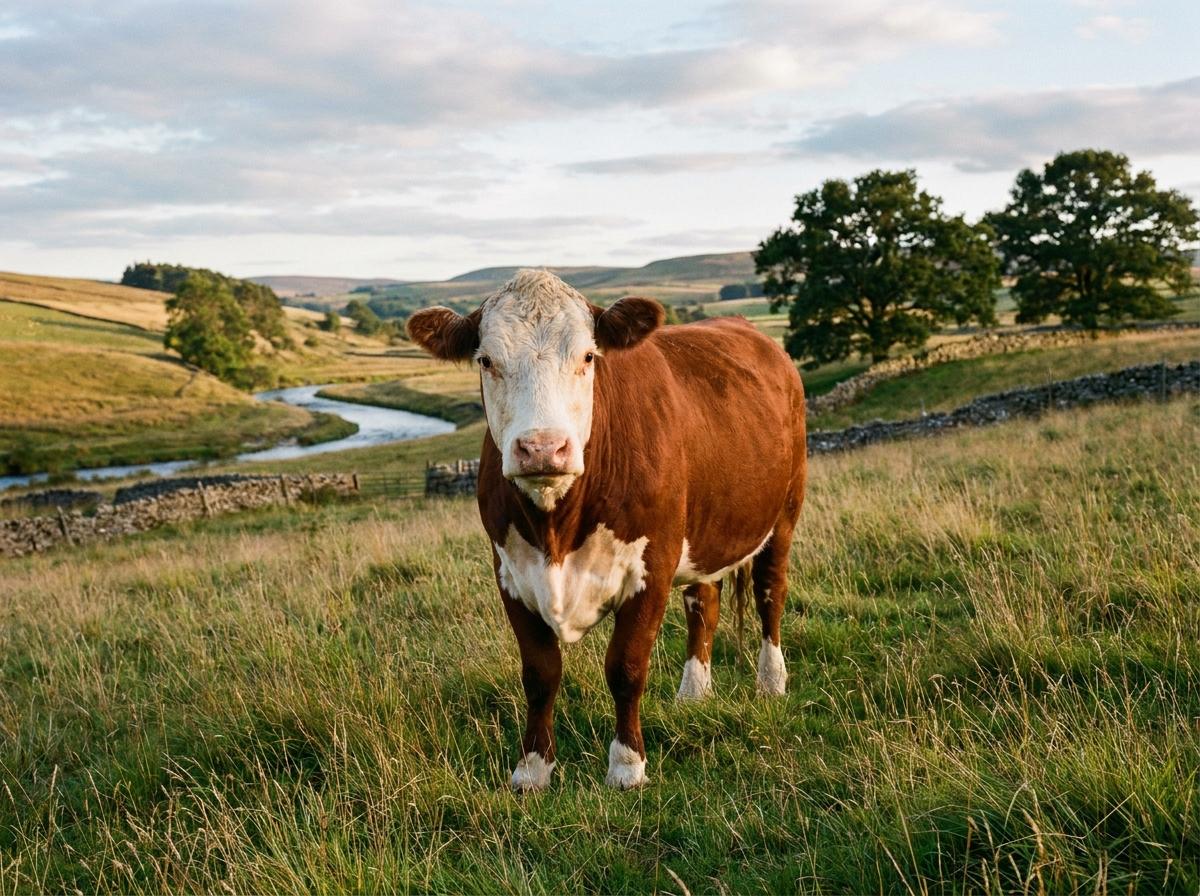
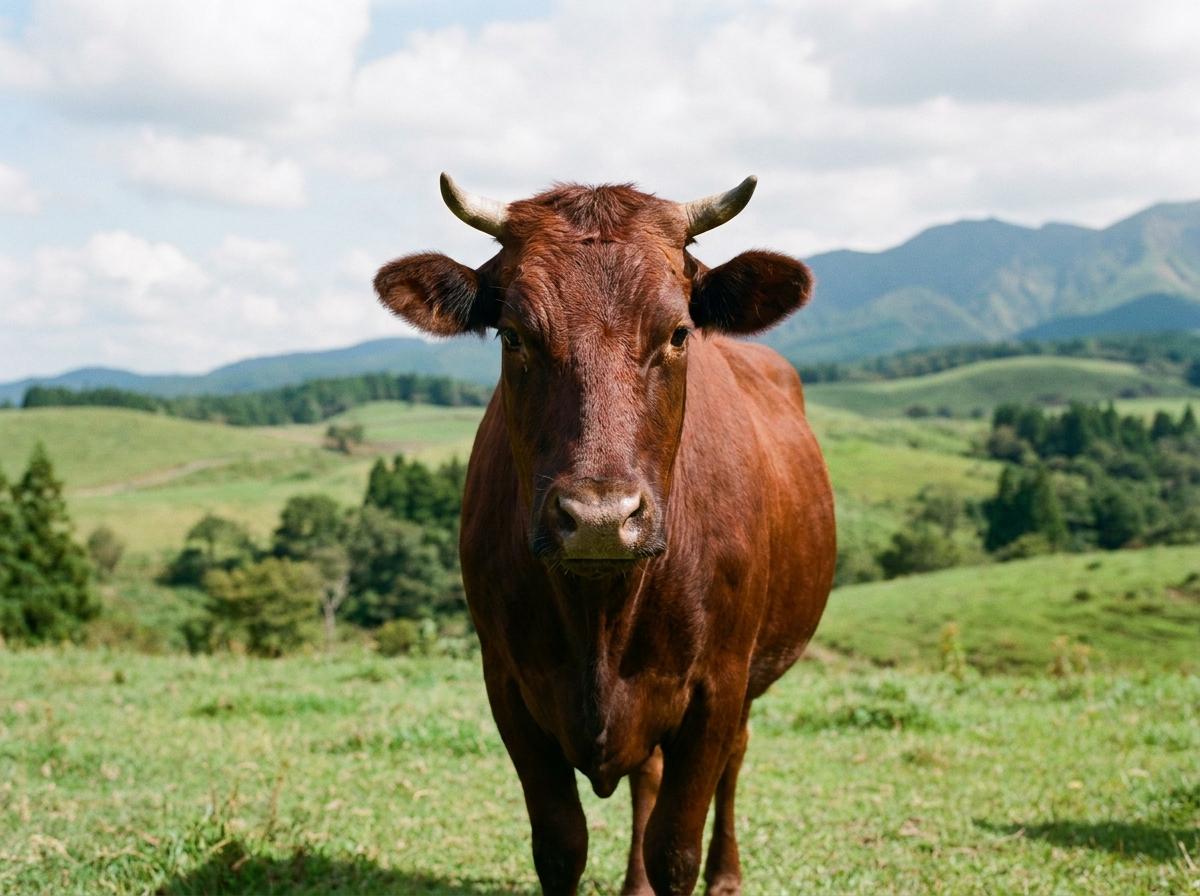
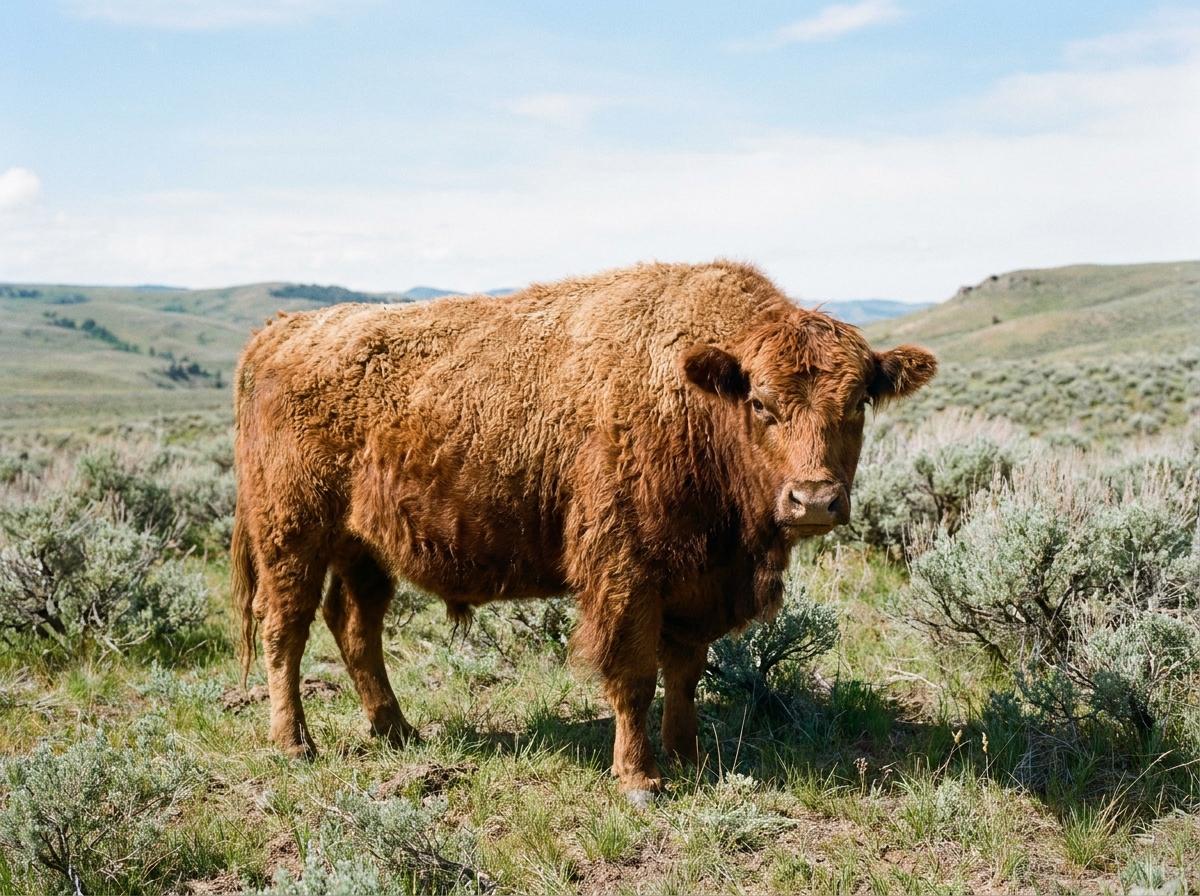
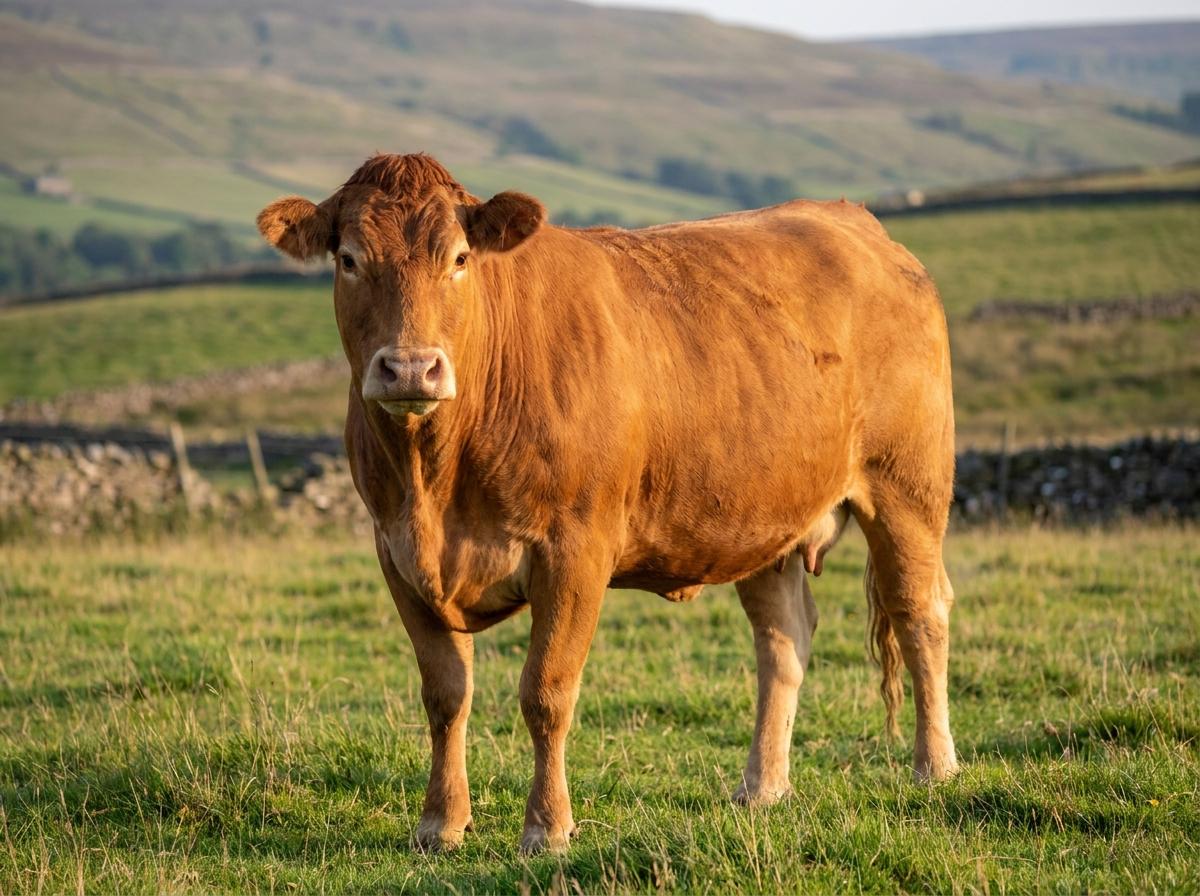
Western Finncattle, or Länsisuomenkarja, is the western Finnish branch of the native Finncattle landrace. It is the most numerous of the three traditional Finncattle types, alongside Eastern and Northern Finncattle, but it remains a conservation-minded dairy breed rather than a mainstream high-output cow. Animals are generally small to medium in size, naturally polled in many lines, and usually solid brown or reddish brown. They were shaped by Finnish family farms, long winters, and the need for a hardy cow that could turn local forage into milk with good components.
Modern herds keep Western Finncattle for milk, farmstead dairy products, cultural heritage, and genetic diversity. They will not match Holstein or Finnish Ayrshire production volume under intensive systems, but they can be efficient on rougher forage and may fit low-input or organic dairies that value fertility and longevity. Conservation breeding relies on avoiding close inbreeding and maintaining semen, herdbook, and farm populations across Finland. Practical care is ordinary dairy cattle care adjusted for cold climates: dry housing, ample winter forage, mineral balance, and gentle handling of smaller-framed cows.
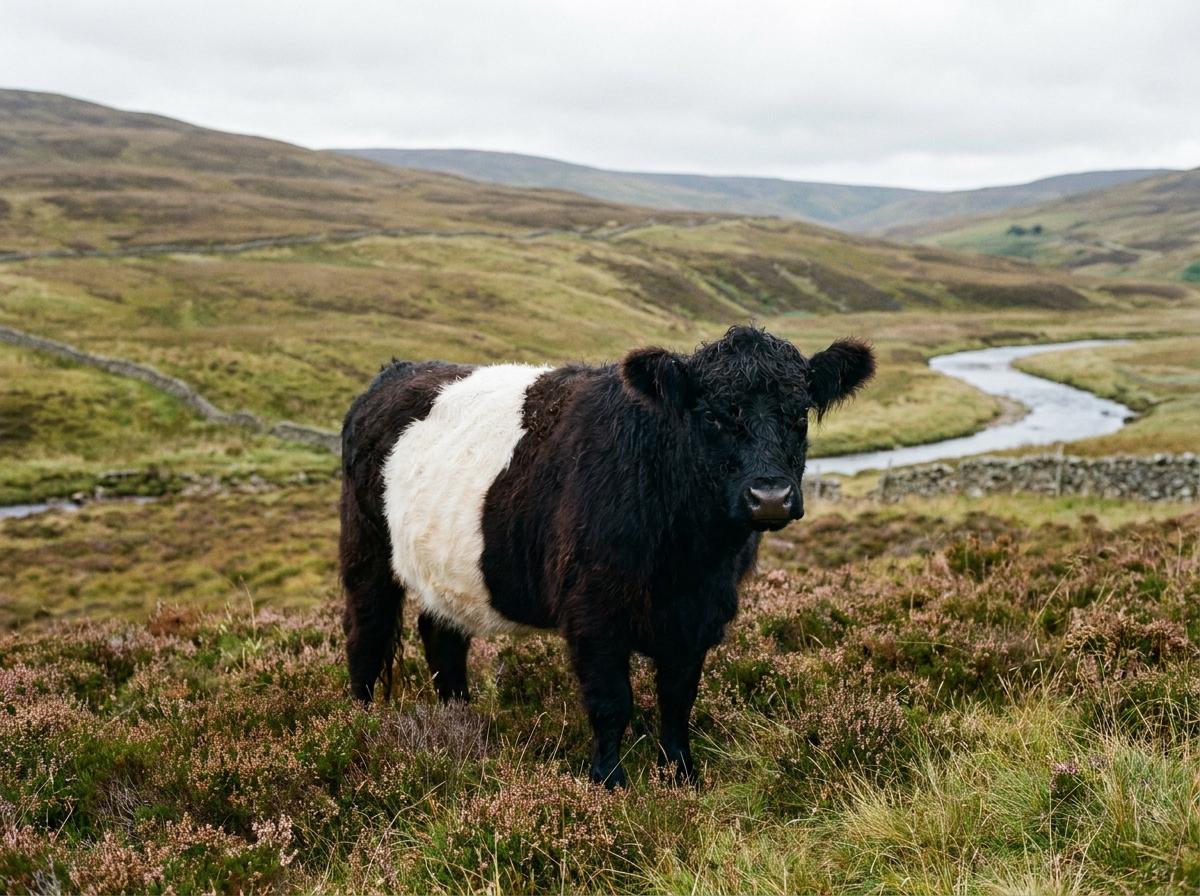
Colors: Belted, Black, Black and White, Blaze Faced, Blue Roan, Brindle, Brockle Faced, Brown, Brown and White, Dun, Gray, Grey, Highbelt, Highpark, Lineback, Mottled, Pied, Red, Red and White, Red Roan, Riggit, Roan, Silver, Solid Black, Solid Red, Solid White, Speckled, Spotted, White, White Faced, Yellow