

Yakutian
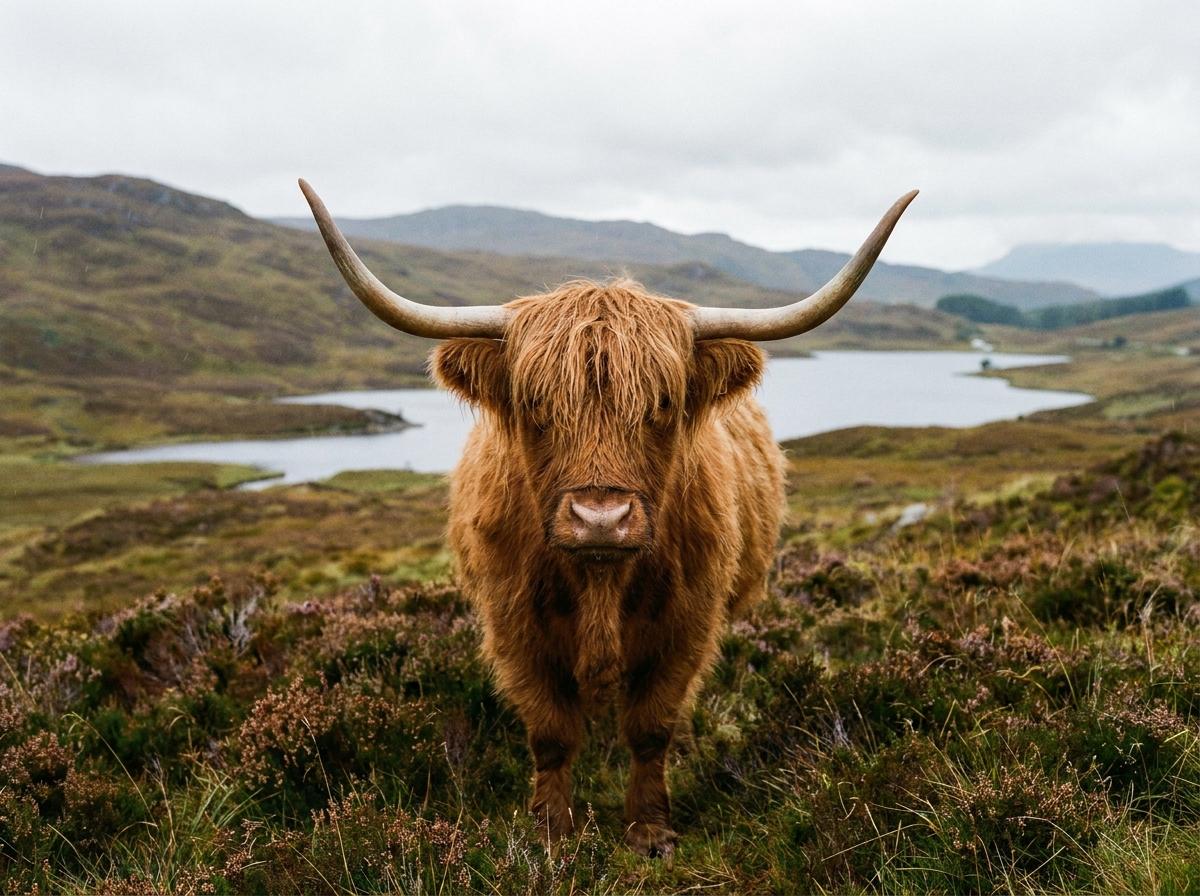
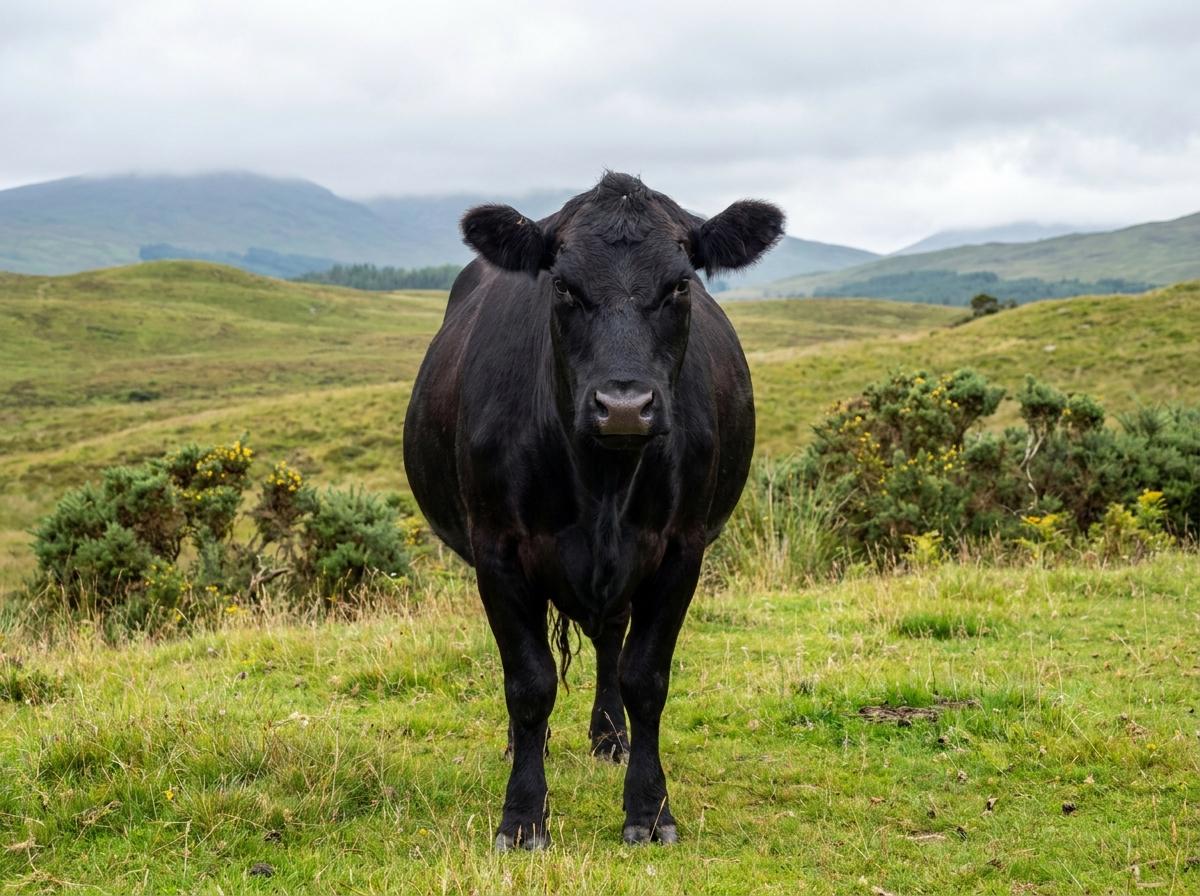
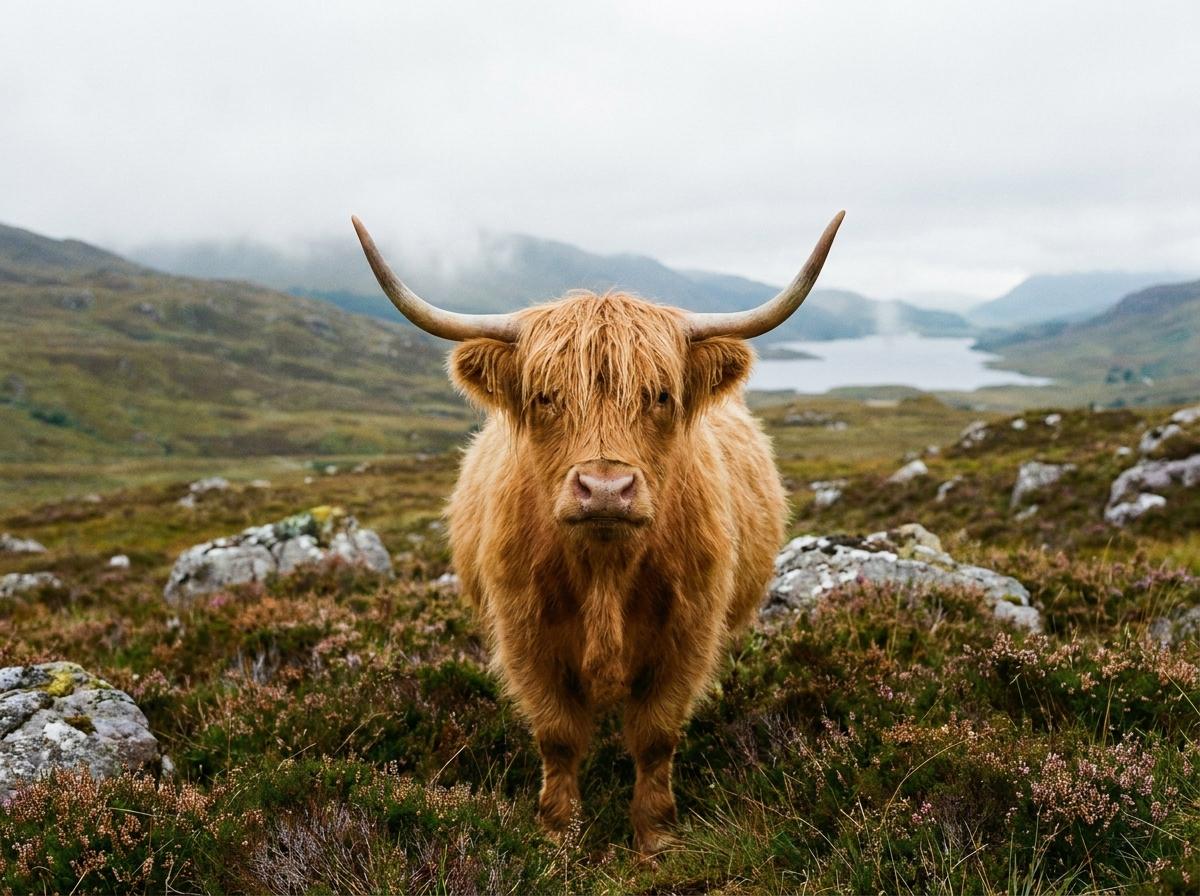
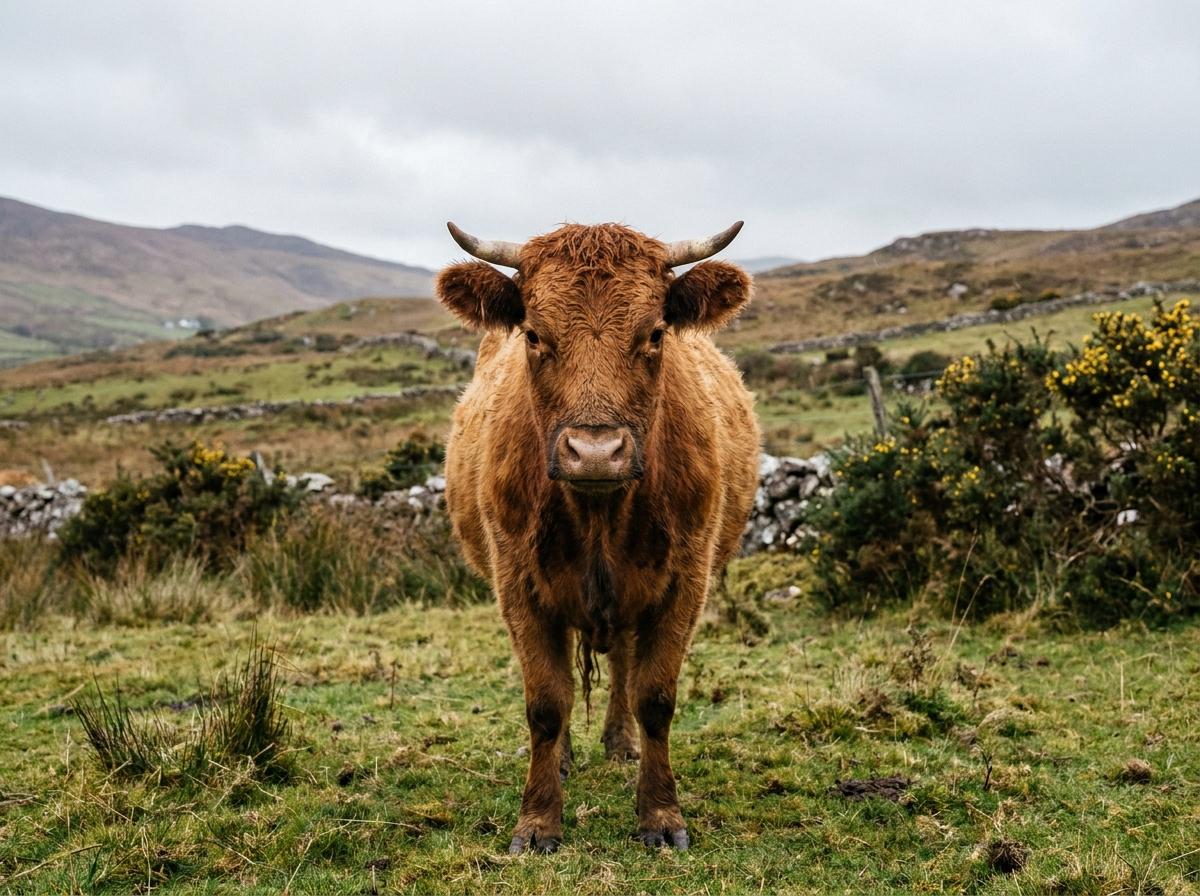
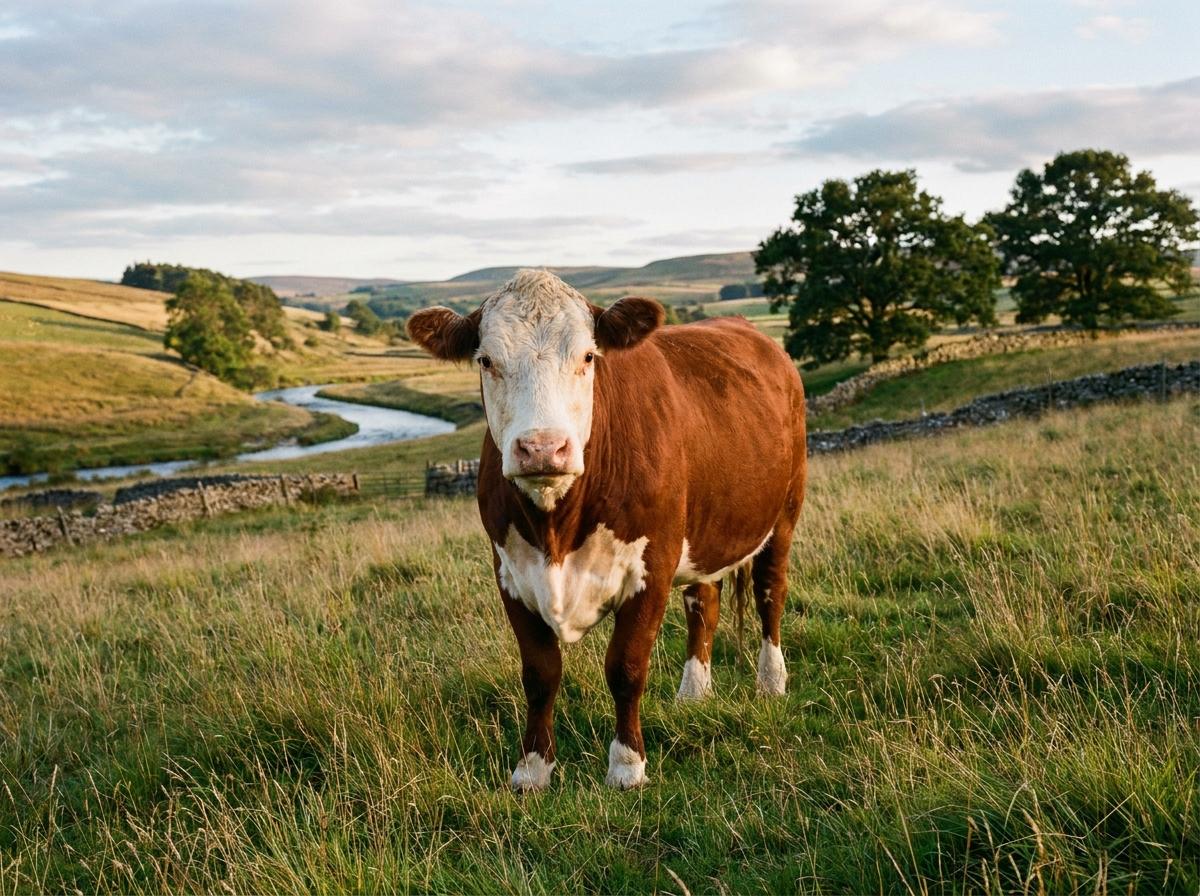
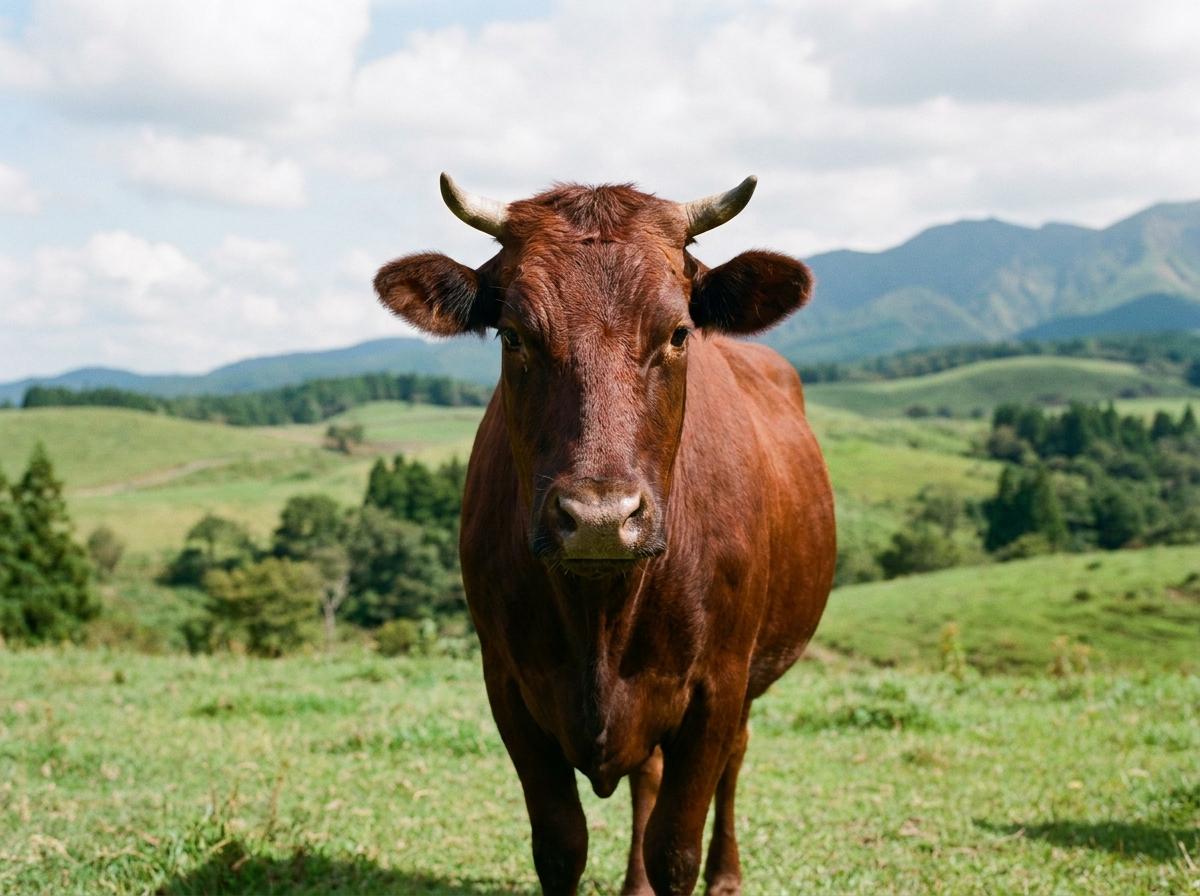
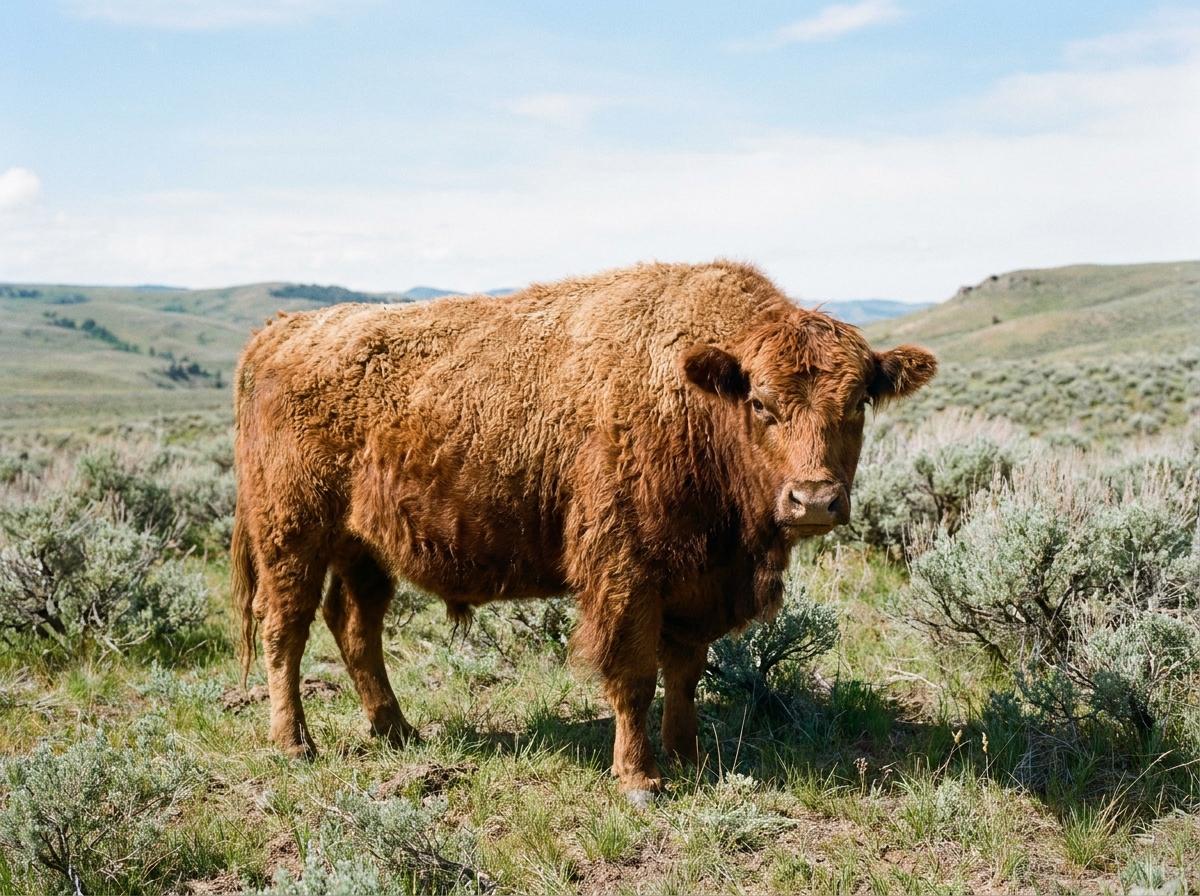
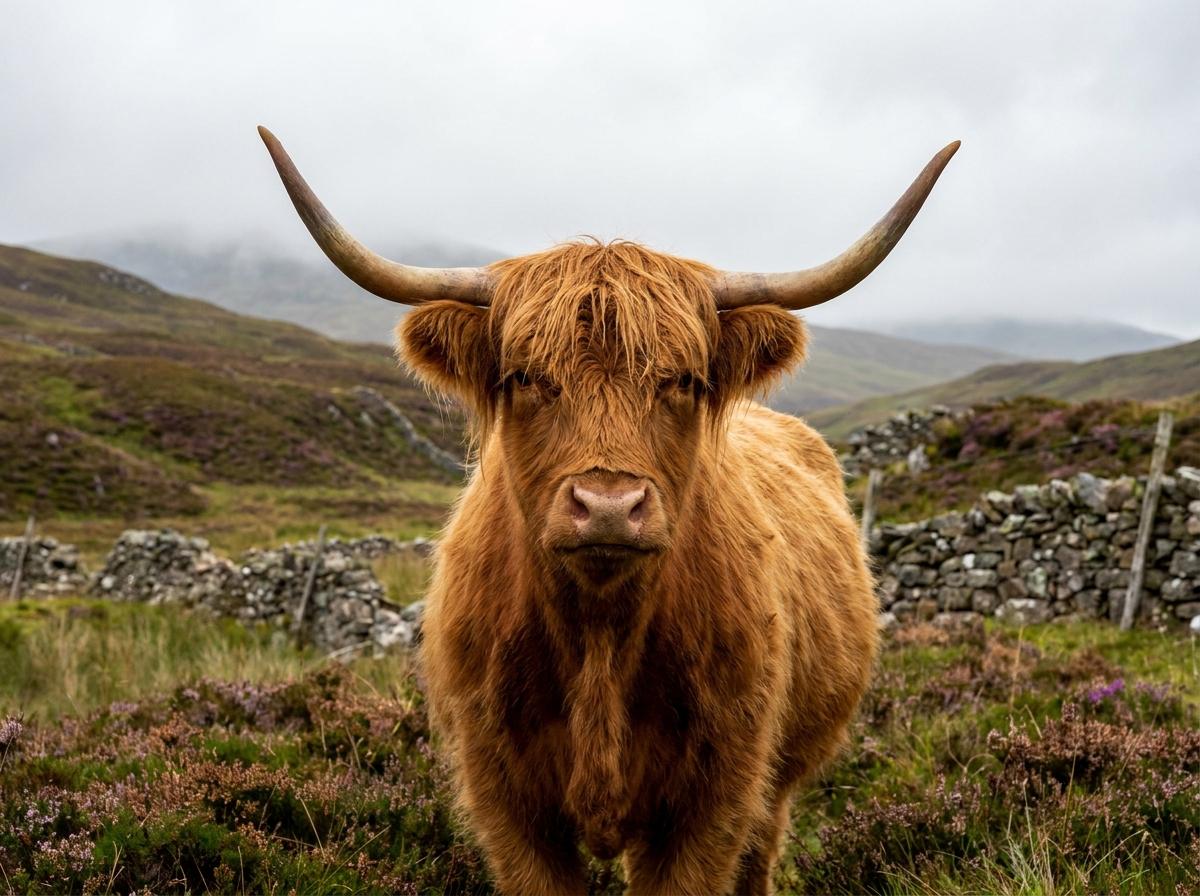
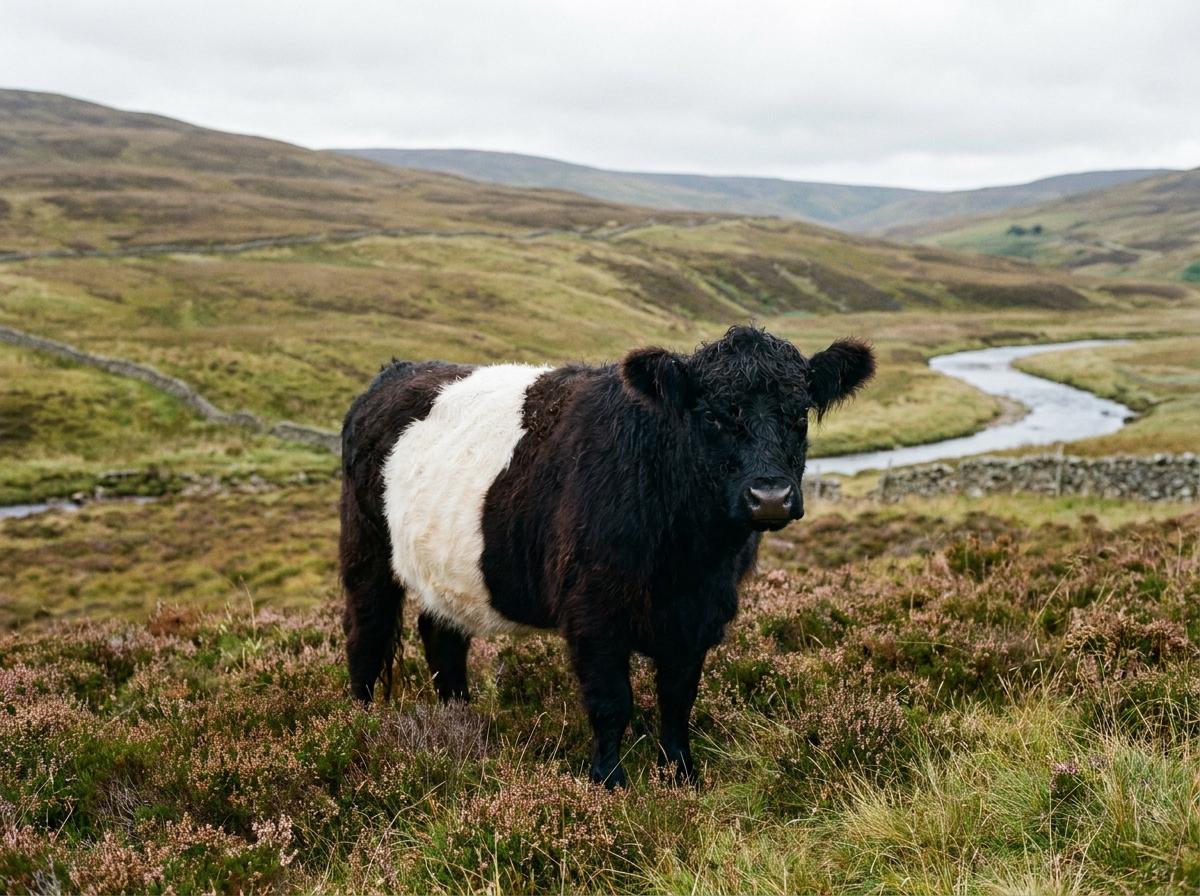
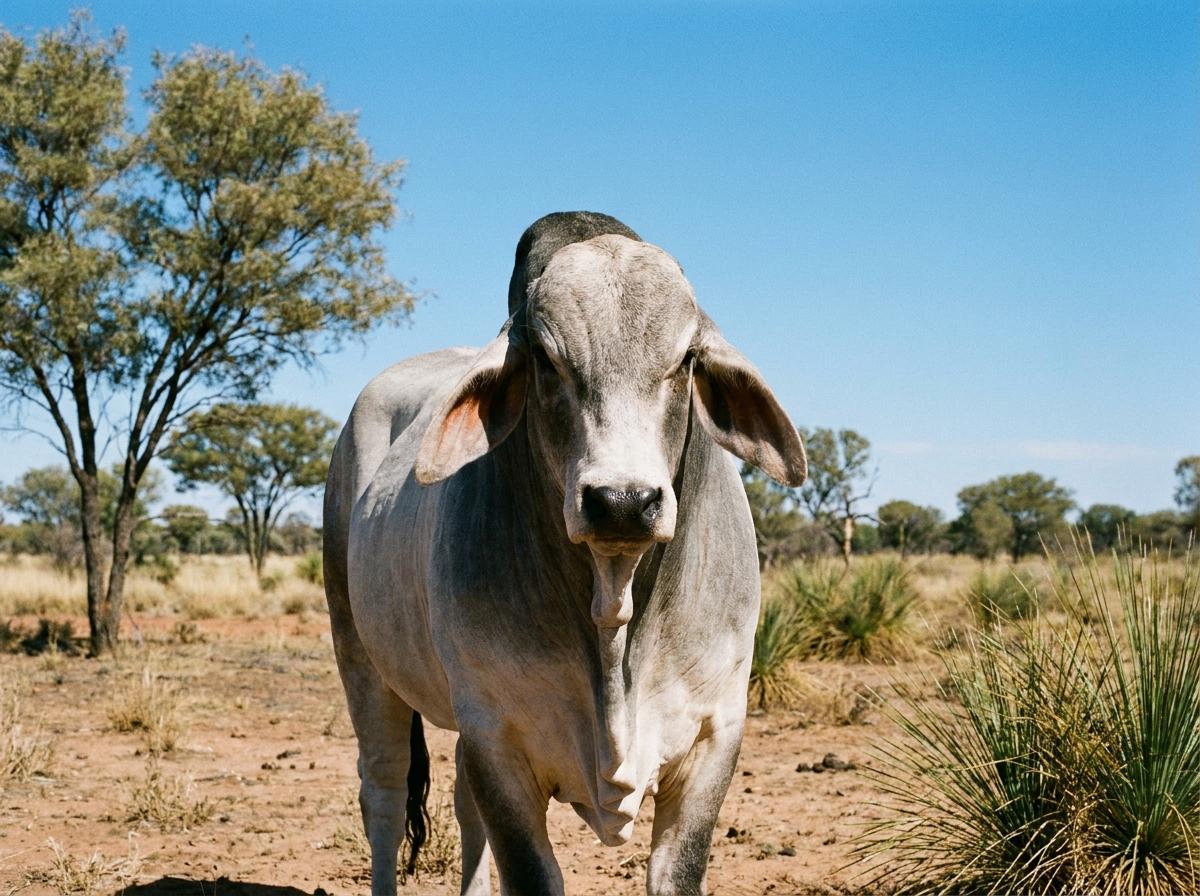
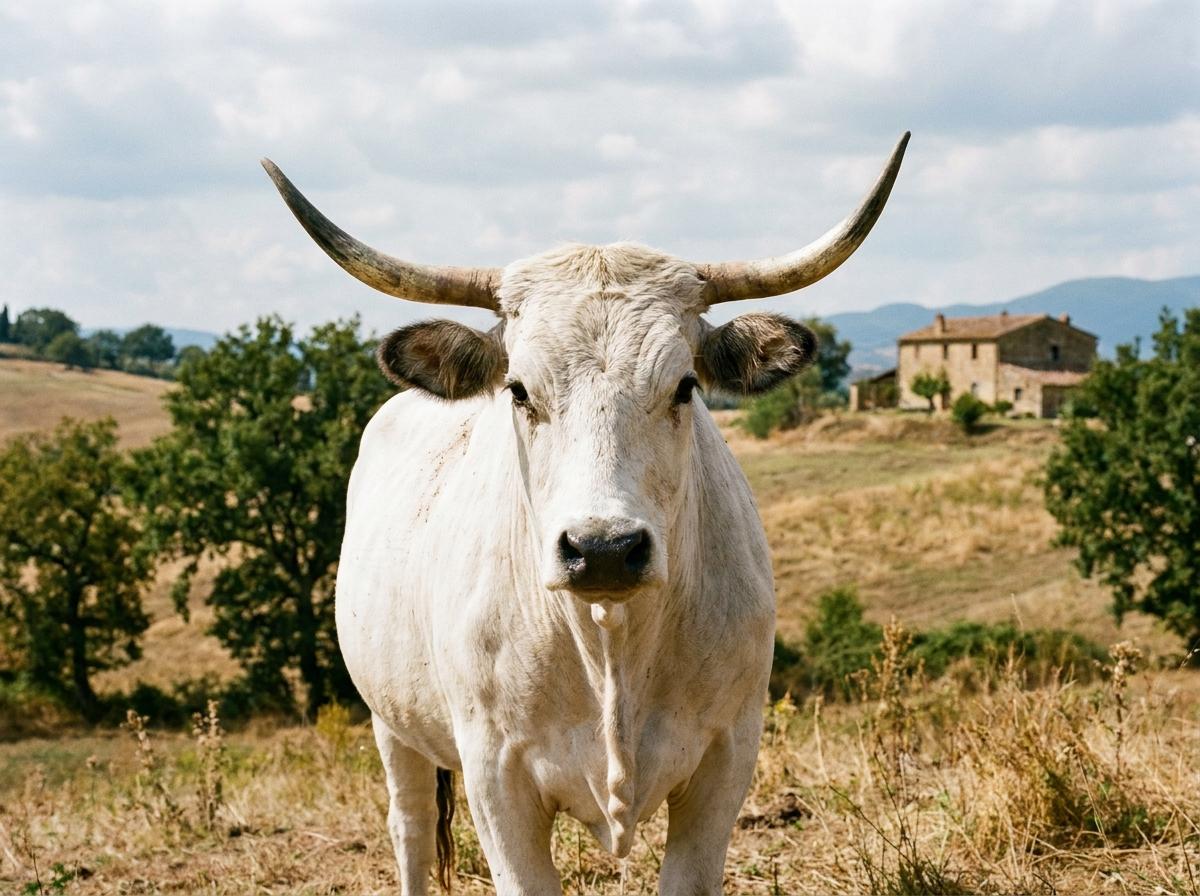
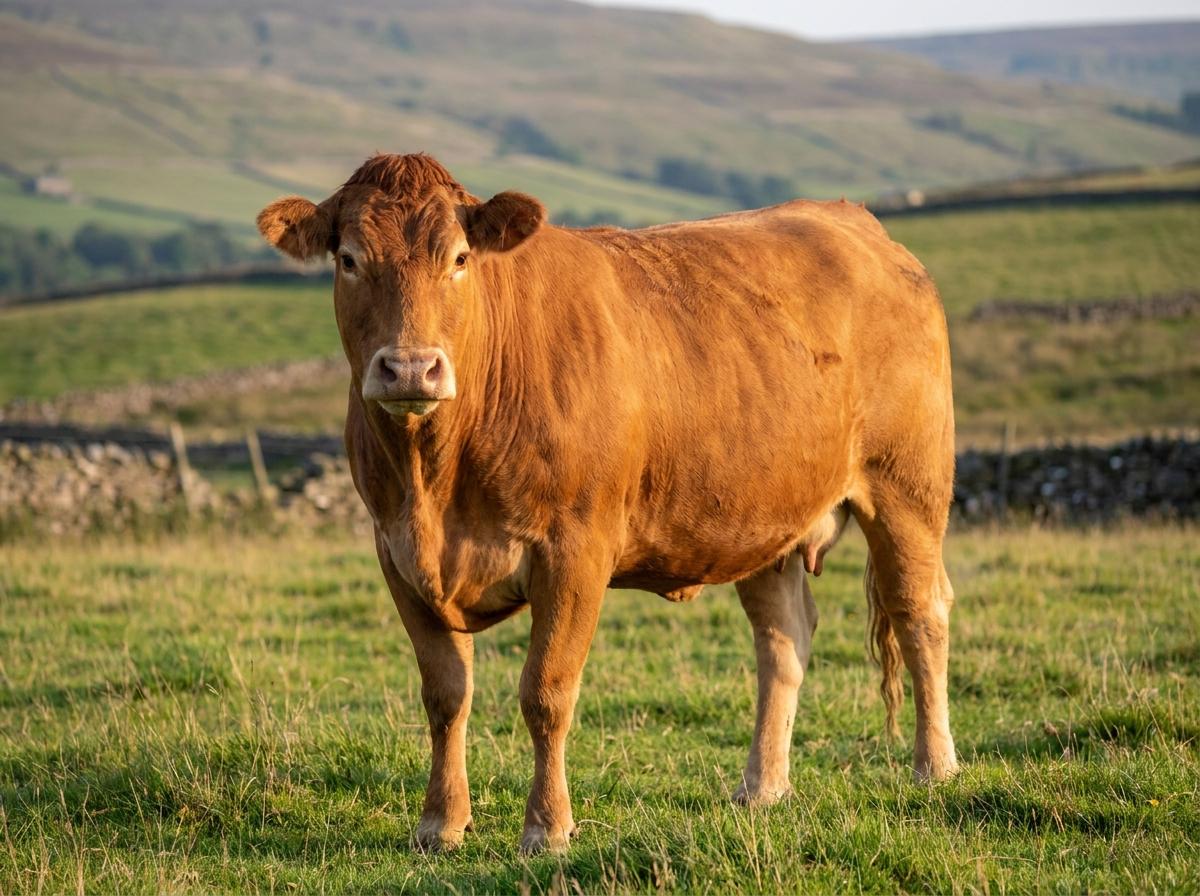
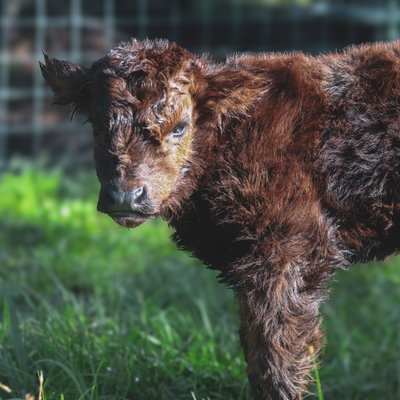
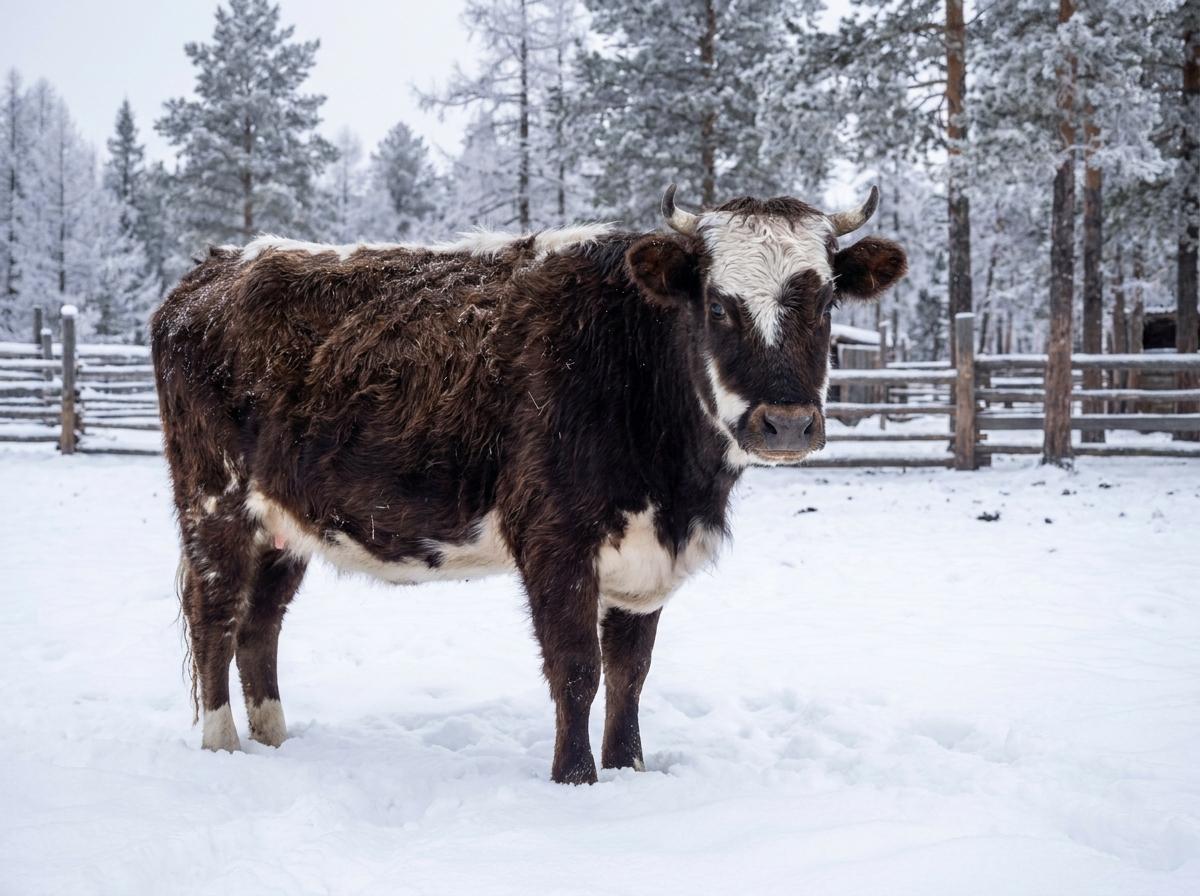
Yakutian cattle, also called Yakut cattle, are an indigenous cattle landrace from the Sakha Republic of northeastern Siberia. They are small, compact, and heavily winter-coated, with short legs and a body shape adapted to conserving heat. Coat color is variable, including black, red, brown, pied, and gray. Historically they supplied milk, meat, hides, and manure for households living in one of the coldest cattle-keeping regions in the world.
Their value lies less in high production and more in survival, fertility, and genetic adaptation to subarctic management. Milk yields are modest, though the milk is often noted for richness, and growth is slower than in commercial beef breeds. Even hardy Yakutian cattle need dry bedding, wind protection, reliable winter water, and enough hay or stored forage when snow covers grazing. They can struggle in hot climates, so relocation should be considered carefully. Because the breed is rare, conservation herds pay close attention to avoiding inbreeding and retaining the traits that make the animals useful in their home environment.
Colors: Belted, Black, Black and White, Blaze Faced, Blue Roan, Brindle, Brockle Faced, Brown, Brown and White, Dun, Gray, Grey, Highbelt, Highpark, Lineback, Mottled, Pied, Red, Red and White, Red Roan, Riggit, Roan, Silver, Solid Black, Solid Red, Solid White, Speckled, Spotted, White, White Faced, Yellow