Azteca Bantam
The Azteca bantam is not a single, formally defined chicken breed so much as a popular name for a group of very small ornamental bantams bred in Mexico, the Caribbean, and Latino backyard flocks across the Americas. You will also see the same small birds called Kikiriki, currito, or simply the Mexican miniature chicken, and the names get used loosely from one region and breeder to the next. If you came here expecting a tidy official standard with a fixed weight, comb, and color, the honest answer up front is that there is not one. These are tiny, lively, game type bantams kept for looks, companionship, and the sheer charm of a chicken that fits in two hands, and below we lay out what is actually documented about them, what is breeder lore, and what to check before you buy.

Browse listings, public profiles, breeders, or add your animal.
What is an Azteca bantam?
An Azteca bantam is a very small ornamental chicken from the Latin American and Caribbean bantam tradition, kept for its appearance and personality rather than for eggs or meat. The word bantam simply means a miniature chicken, and a true bantam is one that has no full sized counterpart. In Spanish, the playful name “kikiriki” is essentially slang for a tiny bantam, which is one reason the same little birds travel under several names depending on who is keeping them.
It helps to be clear about what the name does and does not tell you. “Azteca” here is a marketing and folk label rather than a registered breed name, and the Aztec civilization itself never kept chickens, since chickens reached the Americas with the Spanish. So the name evokes a Mexican identity more than it records a precise origin. Across Mexico, Puerto Rico, Cuba, and Latino flocks in the United States, you will find these small birds sold as Aztecas, Kikirikis, or curritos, and the labels overlap heavily. If you want to compare them against other small fowl, the broader Creatures chicken species page is a useful starting point.
Because there is no single governing standard, exact type varies by country, breeder, and even by individual bloodline. That is not a flaw to hide, it is the central fact about the breed, and it shapes everything from how they look to how you should shop for them.
Origin and history, honestly
The documented history of the Azteca bantam is thin, and most of what circulates online is breeder and hobbyist account rather than peer reviewed record. We will tell you what is reasonably well supported and flag what is not.
The most consistent thread is that these small ornamental bantams were developed by crossing Old English Game Bantams with Japanese bantams, aiming to combine the bright game bird coloration of the Old English with the compact, short legged stature of the Japanese bantam. That cross, refined over generations of selection, is the backbone of the Kikiriki and Azteca type birds kept across the Americas. Some later lines are reported to have added other tiny breeds such as the Serama or the Sebright to sharpen posture or feather pattern, though specifics vary by breeder and are not centrally recorded.
You will also see claims tying the Mexican miniature chicken to a late 1800s origin in the United States, and separate accounts placing the Kikiriki’s development in Puerto Rico. These regional stories are not necessarily in conflict, since “small game type bantam” has been bred independently in several places, but none of them rests on an authoritative herdbook. Treat any precise founding date or single country of origin you see quoted as folk history rather than settled fact. What is clear is that this is a living tradition of small ornamental game bantams in Latin America and the Caribbean, not a breed with a published origin document.
What an Azteca bantam looks like
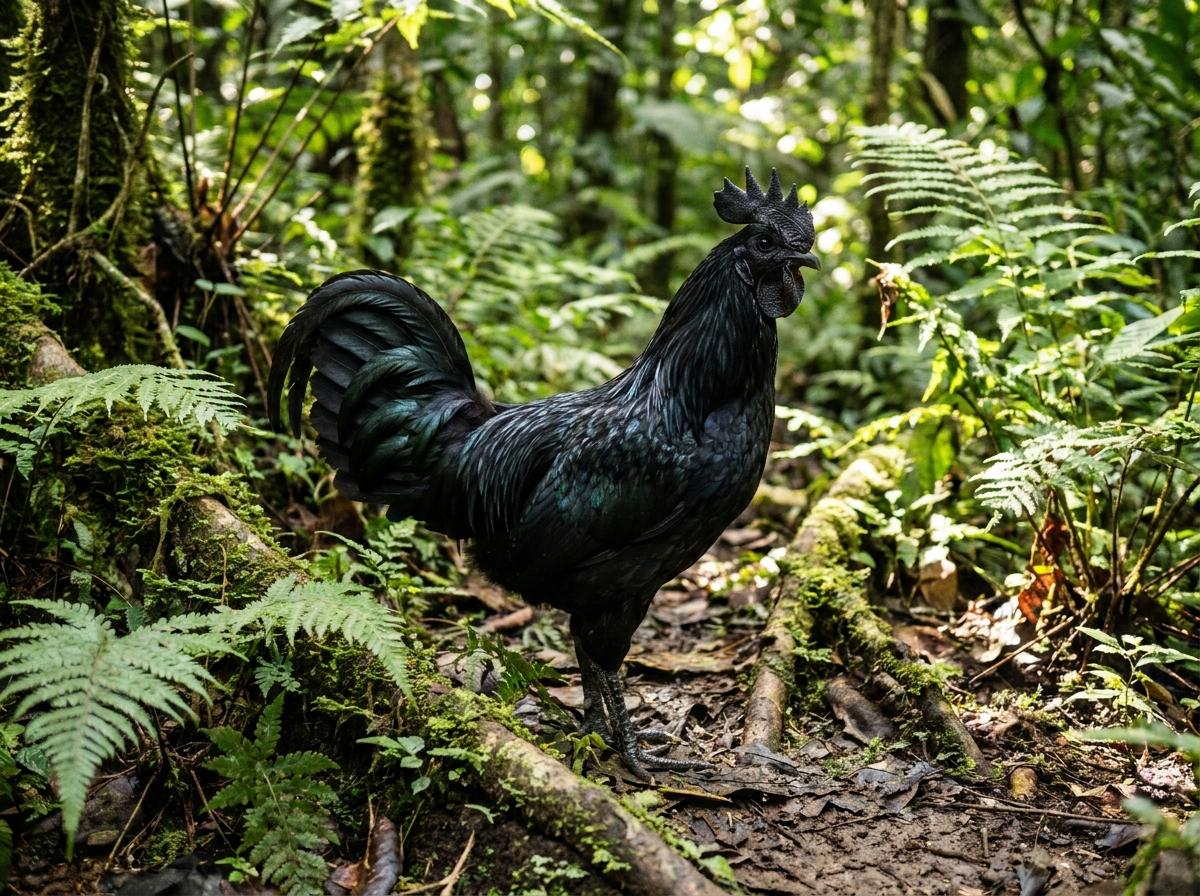
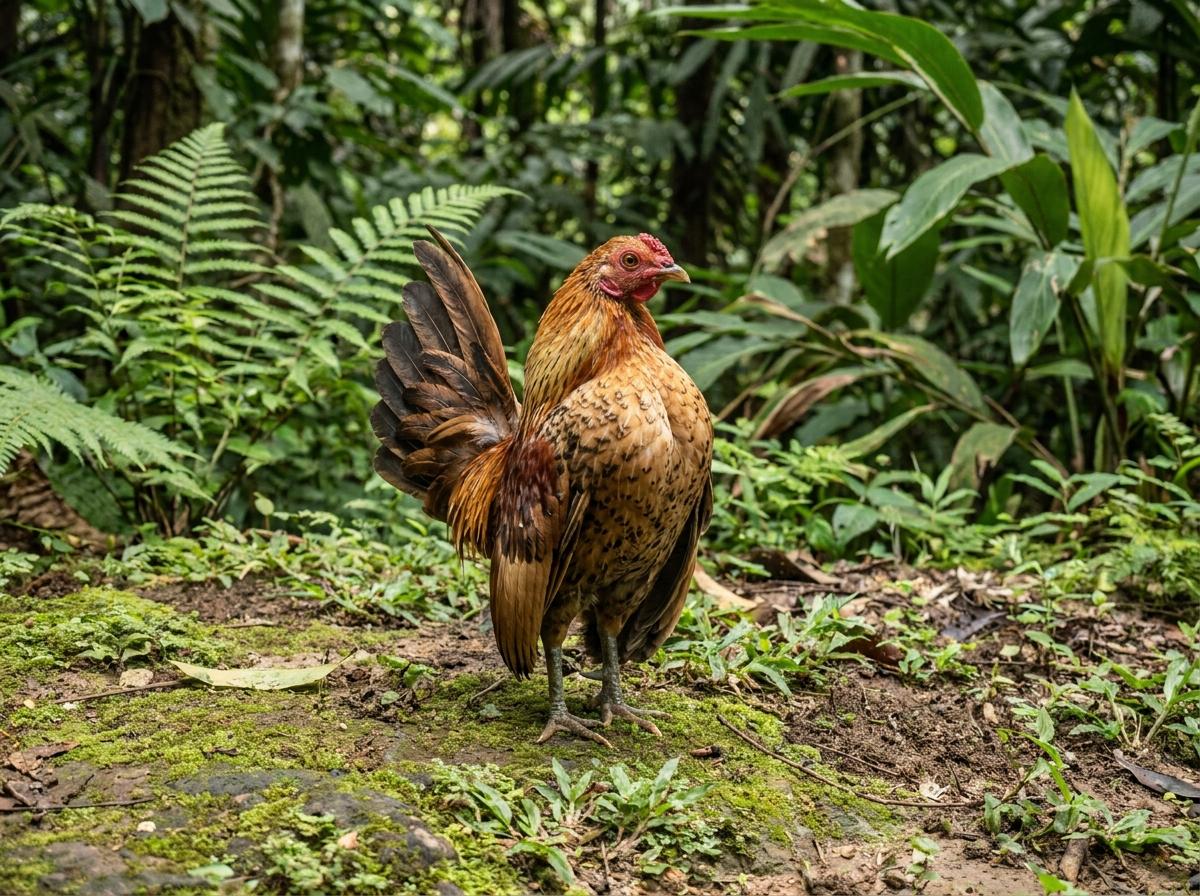
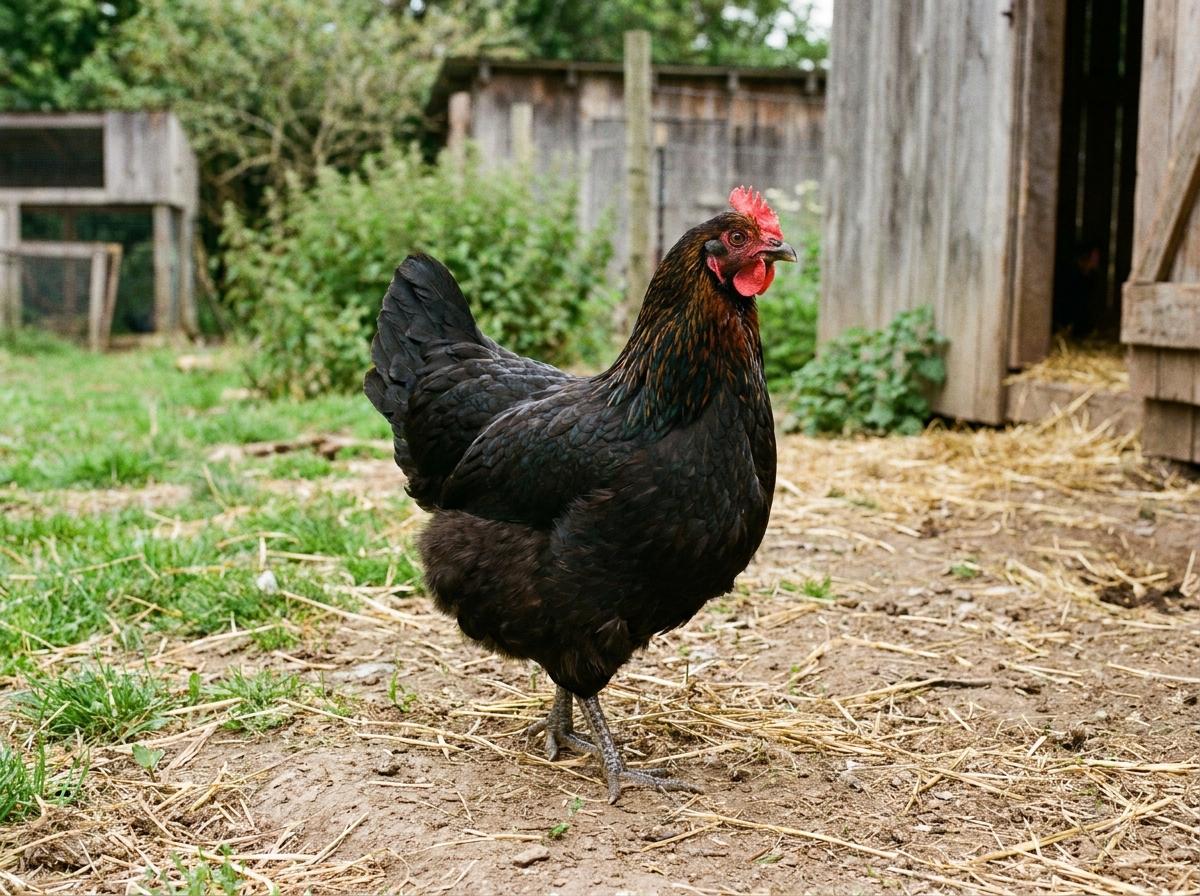
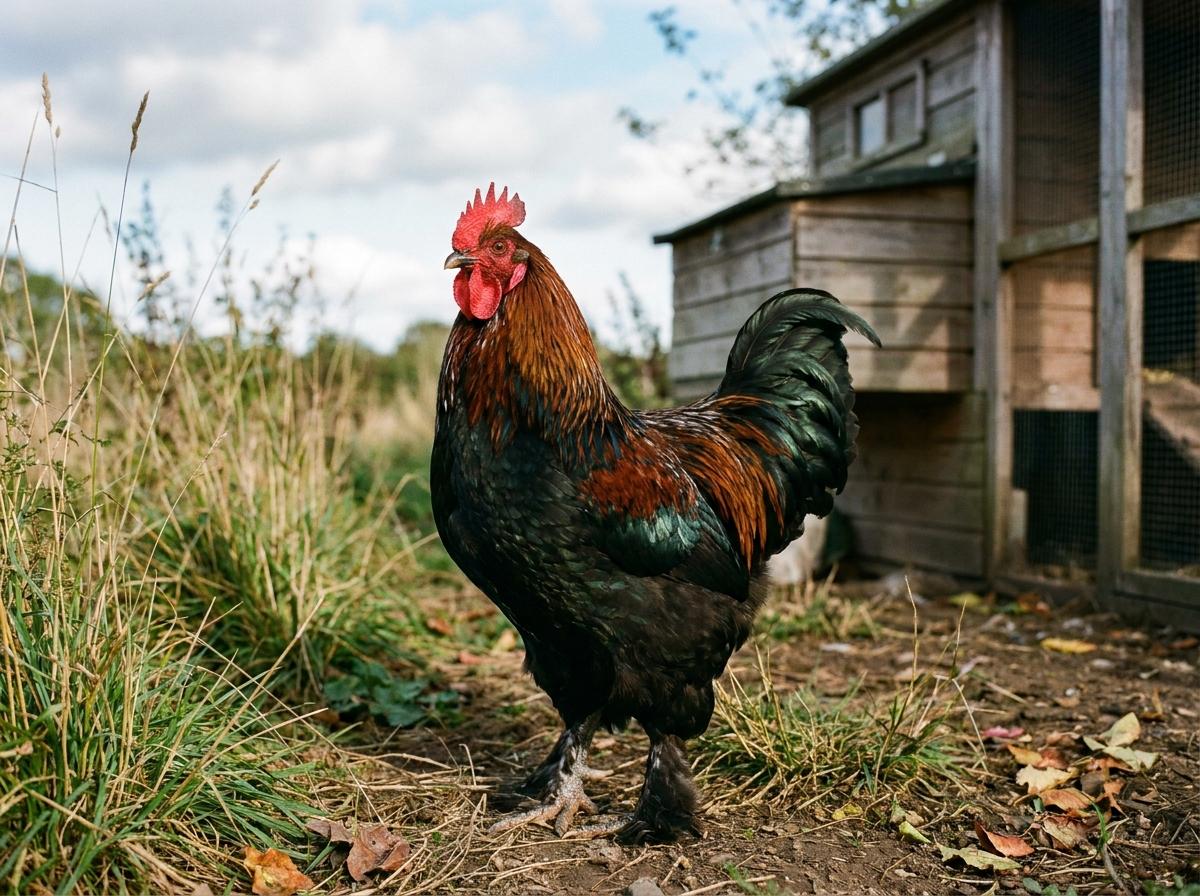
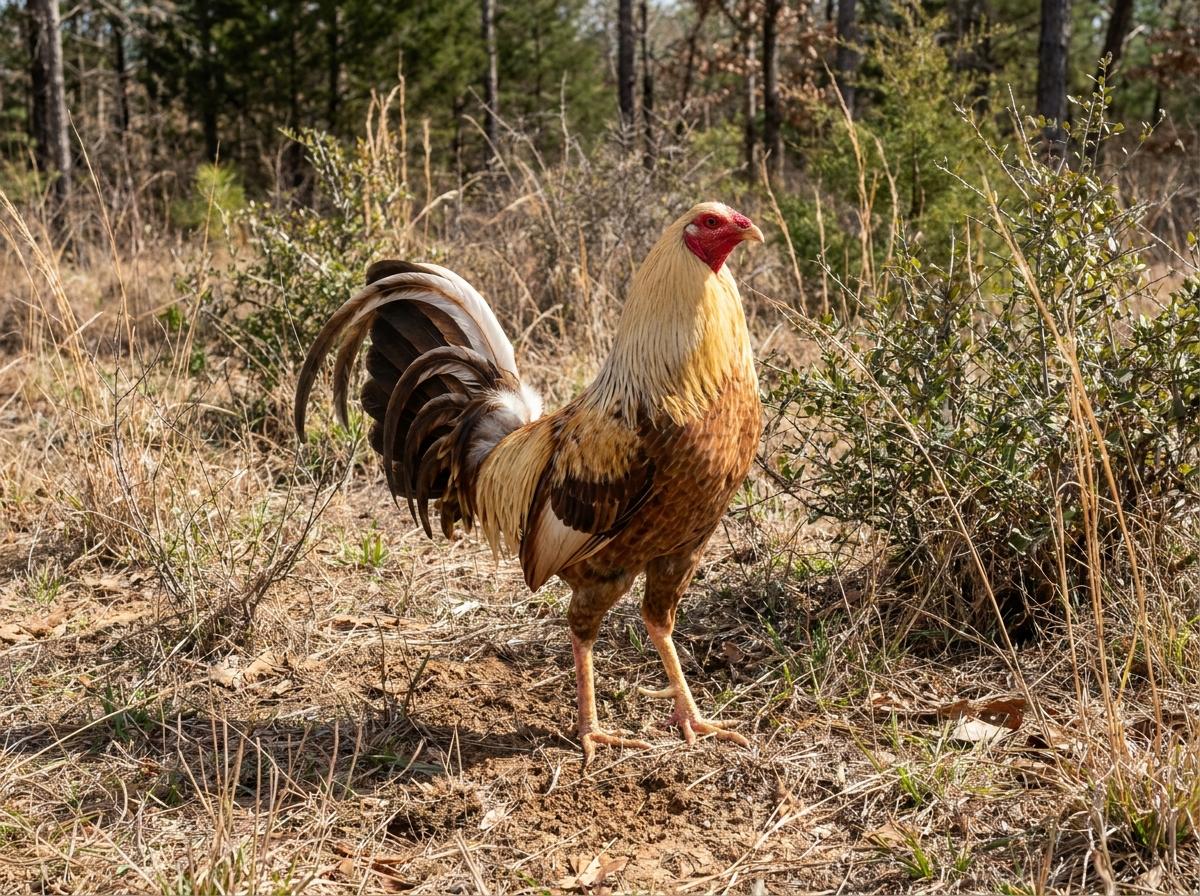
The look people are buying is a chicken in miniature: a small, tidy, upright bird with the proportions and color of a game fowl shrunk down to a fraction of standard size.
- Very small size. These are among the smaller bantams. Reported weights run roughly from 170 to 430 grams, about 6 to 15 ounces, with cocks heavier than hens and short legged lines lighter than long legged ones. For scale, a standard hen often weighs ten times that.
- Game bird coloration. The plumage is the main attraction. Lines are selected in a wide range of game type patterns including black breasted red, the duckwings, wheaten, birchen, brassy back, barred, mottled, and many dilute and blue variations. The Creatures breed page lists dozens of color names in use, which tells you how much variety breeders maintain rather than implying any one is “correct.”
- Single comb, in most game type lines. Birds built on an Old English Game base typically carry a single upright comb and red wattles, though comb detail can vary with the cross behind a given line.
- Legs vary. Many are clean legged, but because the Japanese bantam sits in the background of some lines, you may see short legs or, occasionally, some leg feathering. There is no single mandated leg type.

Because the type is not fixed by a written standard, two birds both honestly sold as Azteca bantams can look noticeably different. That is normal for this group. When you shop, judge the actual bird in front of you and its parents rather than expecting the name alone to guarantee a particular size, comb, or color.
Temperament and behavior
Keepers consistently describe these little bantams as active, alert, curious, and social, which fits their game fowl background. They forage busily, are quick on their feet, and many become tame and personable with regular gentle handling, which is part of why they are popular as pets and with children under supervision.
The flip side of that liveliness is that roosters can be spirited and vocal. In a game derived bantam, cockerels may crow enthusiastically and can be assertive with each other, so keep that in mind for close neighbors and for housing multiple males. We flag temperament as practitioner observation rather than formally studied trait, and as always, individual personality varies with how the bird was raised and handled. Hens are generally calm and can go broody, which some keepers value for hatching.
Eggs and productivity
Set expectations correctly here: the Azteca bantam is an ornamental bird, not a production layer. Hens lay small eggs, and they lay them irregularly compared with a purpose bred laying breed. Like most bantams, the eggs are a fraction of the size of a standard hen’s egg, and output drops in winter and during molt.
If your goal is a steady supply of eggs for the kitchen, this is not the bird for that job, and no honest source will tell you otherwise. If your goal is a charming, low feed, ornamental flock with the occasional tiny egg and some broody hens willing to raise chicks, that is squarely what these bantams are for. Their small size means they eat relatively little, which is a genuine practical advantage for a backyard hobby flock.

Recognition and standards
This is where it pays to be precise. The Azteca bantam, under that name, is not a standardized breed recognized by the major North American poultry bodies. It does not appear on the American Poultry Association’s list of recognized breeds, nor on the American Bantam Association’s recognized breed and variety list. The closely related Kikiriki is likewise described as not formally recognized as a standardized breed.
What that means in practice is simple and worth repeating: there is no official written standard that defines an exact weight range, comb, leg type, or color set for an “Azteca bantam.” Birds are bred and sold to breeder preference and regional tradition. This is not unusual for ornamental landrace type fowl, and it does not make the birds any less enjoyable to keep. It does mean that when someone tells you a bird is “standard” Azteca, you should ask which standard, because there is no single governing one. If you specifically want a bird that conforms to a recognized national standard, an APA or ABA recognized bantam breed (such as a recognized Old English Game Bantam variety) is the surer route.
Housing and care
Caring for an Azteca bantam is, in most respects, caring for any active small bantam. The headlines below cover the structure of good management. Defer any medical decision to a veterinarian who can examine the bird.
Housing
These are tiny birds, so secure, predator proof housing matters even more than usual. A small bantam is vulnerable to cats, hawks, rats, snakes, and dogs, so use small gauge hardware cloth rather than wide chicken wire, cover runs against aerial predators, and lock the coop at night. Keep litter dry, provide low roosts since small light bodied birds do not need high perches, and give enough space and cover that a spirited cockerel cannot corner others. Bantams handle cold reasonably well when dry and draft free, but a small body loses heat quickly, so prioritize a dry, wind protected coop in winter.
Feeding
Feed a balanced poultry ration appropriate to the birds’ life stage, with constant access to clean water and grit. Because these bantams are so small, they eat little, but they still need complete nutrition rather than only scratch grains or kitchen scraps, which are treats, not a diet. Laying hens benefit from a calcium source such as oyster shell offered free choice. Their small size makes it easy to overlook a bird going light, so handle them regularly and watch body condition.
Health
Routine small flock health care applies: a parasite plan suited to your climate including watching for mites and lice in feathered areas, clean dry bedding, biosecurity when adding new birds, and prompt attention to any bird that is hunched, not eating, or isolated from the flock. Tiny birds have little reserve, so a small problem can become serious quickly, and early veterinary advice is worth it. Keeping clear records of each bird’s hatch date, health events, treatments, and breeding lets you make decisions on evidence rather than memory, which matters especially in a group where individuals look alike.
Climate
Their game fowl background makes them hardy and adaptable, and many lines come from warm regions and tolerate heat well with shade, ventilation, and water. In cold climates, the main risks are damp, drafts, and frostbite on single combs, so a dry coop and good ventilation without direct drafts go a long way.
Cost and where to find them
Honest expectation setting again: there is no single reliable published price for an Azteca bantam, and we will not invent one. As ornamental bantams sold mostly through hobbyist and regional breeder networks rather than commercial hatcheries, prices vary widely with locality, color, quality, and whether you are buying chicks, started birds, or proven breeders. As a class, ornamental bantams are typically modestly priced for ordinary chicks and command more for well marked or show quality adults, but treat any exact figure you see quoted with caution.
Availability is uneven. These birds are concentrated in Latino backyard flocks and in Mexico, the Caribbean, and parts of the southern United States, and they trade hand to hand and at swaps and shows more than through big sellers. That makes a saved listing alert one of the most practical ways to catch one when it appears near you. You can browse current listings on the Creatures marketplace for chickens and look for sellers and small farms in the Creatures breeder directory.
Buying considerations
Because the name is loose and the type is not standardized, buy on the bird, not the label.
- Judge the actual bird and its parents. Ask for photos of the parent stock and, if possible, see the birds in person. With no single standard to lean on, the animals themselves are your best evidence of size, color, and health.
- Ask what is behind the line. A seller who can tell you the cross behind their birds (Old English Game and Japanese bantam roots, for example) and their selection goals is more trustworthy than one selling on the name alone.
- Confirm health and biosecurity. Look for bright, active birds, clean vents and nostrils, smooth feathering, and no signs of mites, lice, or respiratory trouble. Ask about the flock’s health history before adding birds to your own.
- Match the bird to your goal. If you want a recognized show bird, understand that “Azteca bantam” is not an APA or ABA recognized breed, so a recognized bantam breed may suit you better. If you want a charming small ornamental flock, these are a delightful choice.
- Plan for roosters. Spirited, vocal cockerels are part of the package. Check local rules on roosters and have a plan before you hatch a straight run.
Frequently asked questions
Is the Azteca bantam a real, recognized chicken breed?
It is a real and popular type of ornamental bantam, but it is not a standardized breed recognized by the American Poultry Association or the American Bantam Association. There is no single official written standard, so type varies by breeder and region.
What is the difference between an Azteca bantam and a Kikiriki?
In practice, very little. The names overlap heavily for the same group of tiny Latin American and Caribbean ornamental bantams, generally built on Old English Game and Japanese bantam crosses. Different keepers use the labels differently, so ask the seller what they mean by the name.
Are Azteca bantams good egg layers?
No, and that is by design. They are ornamental birds that lay small eggs irregularly. Keep them for their looks, personality, and broodiness, not for a steady supply of eggs.
How big do Azteca bantams get?
Very small. Reported weights run roughly 170 to 430 grams (about 6 to 15 ounces) depending on sex and line, which makes them one of the smaller bantam types. For comparison, the Serama from Malaysia is generally regarded as the smallest chicken breed in the world.
Are Azteca bantams good for beginners?
They can be, since they are hardy, eat little, and are often friendly. The main cautions are predator proofing for such tiny birds, spirited and vocal roosters, and the fact that, with no fixed standard, you should buy carefully on the individual bird rather than the name.
Do Azteca bantams have feathered legs?
Some do and many do not. Because the Japanese bantam sits behind some lines, you may see short legs or occasional leg feathering, but clean legged birds are common too. There is no single mandated leg type.
Do this next on Creatures
Whether you are researching these little bantams, hunting for stock near you, or already keeping a small ornamental flock, Creatures is the records, marketplace, and directory layer to do it in one place.
Find stock. Browse Azteca bantams on the marketplace and search trusted breeders and small farms in the Creatures directory. New to searching here? See saving searches and using your watchlist.
Get alerted. These birds trade hand to hand and can be hard to find, so set a free Azteca bantam listing alert and we will tell you when one is posted near you. No account needed to start.
Add your bird. Already keeping Azteca bantams? Create a free animal profile in a few minutes, no account needed to start. The walkthrough is in adding an animal to Creatures.
Track health and hatches. Track health and hatch records on Creatures. The record sheet opens for any visitor to look around, and you will need a free account to save what you enter. See adding a record and health and medical records for the full how-to, which matters for tiny birds with little reserve.
List your flock. Breed or sell these bantams? Create a breeder or organization profile so keepers searching for this hard to find type can reach you. No account needed to start, and getting listed in the breeder directory walks through it.
If you keep other small fowl too, the wider Creatures chicken species page and related pages like the Empordanesa and Rhodebar chicken pages are good places to compare breeds and keep your whole flock’s profiles in one account.