


Black Velvet
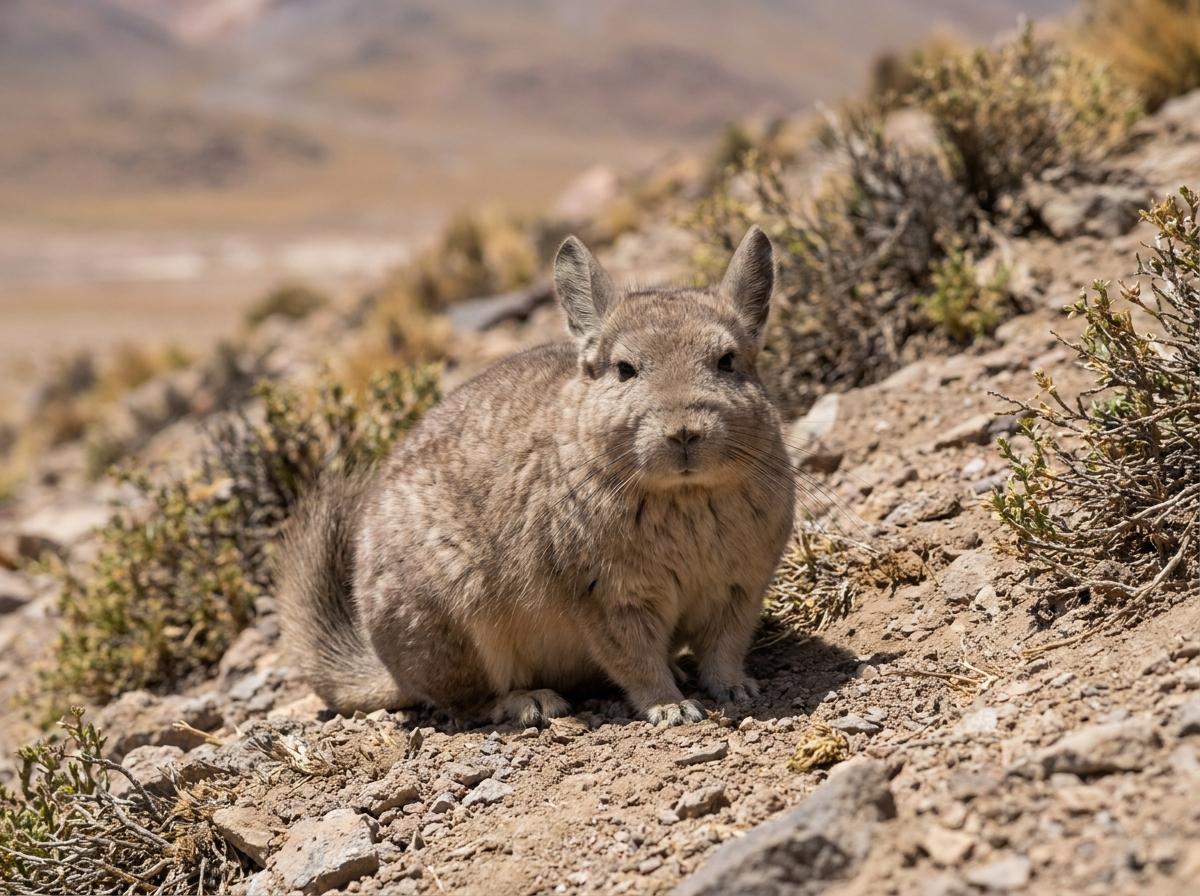
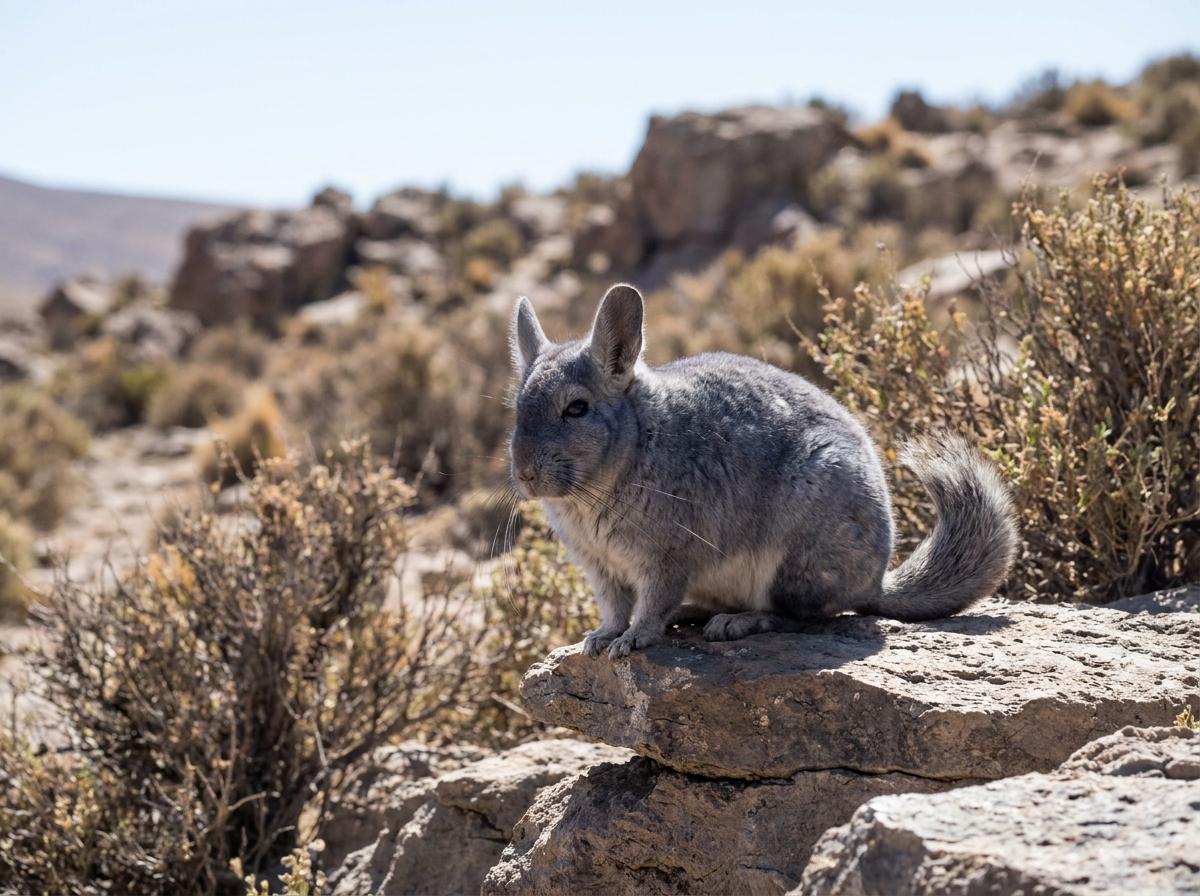
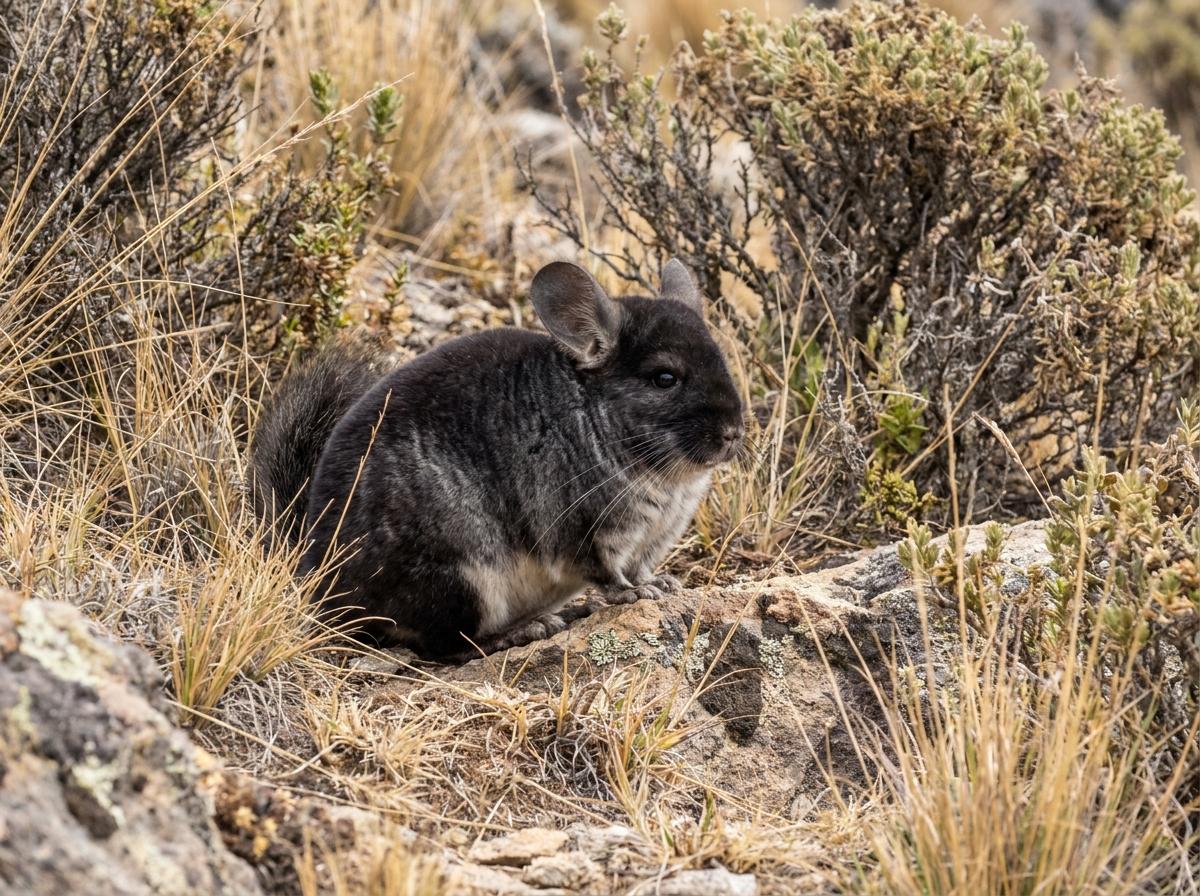
The Black Velvet chinchilla is not a separate breed. It is a color mutation of the domestic chinchilla, marked by a dark charcoal to near-black veiling that lies over the head, back, and sides like a cape, set against a crisp white belly. Breeders also call it TOV Black or Gunning Black, after the man who developed it. The reason people search for this animal specifically is genetics: the Black Velvet carries a dominant gene that behaves differently from the recessive mutations, and it comes with a real breeding hazard, a lethal factor that makes velvet-to-velvet pairings a mistake. This page explains what the Black Velvet is, how to recognize it, where the gene came from, how it is inherited, and what to know before you buy or breed one. For the everyday husbandry that applies to every chinchilla regardless of color, we point you to the standard grey chinchilla guide and the chinchilla cost guide, so this page can stay focused on identity and genetics.

Browse listings, public profiles, breeders, or add your animal.
What is a Black Velvet chinchilla?
A Black Velvet chinchilla is a domestic chinchilla that carries the velvet color mutation. The domestic chinchilla itself descends from the long-tailed chinchilla (Chinchilla lanigera), a rodent native to the Andes of South America. Both wild chinchilla species are listed as Endangered on the IUCN Red List after heavy historical hunting for fur, but the pet and ranch animals you will meet are domestic stock many generations removed from the wild, so keeping one has no effect on wild populations.
The word “breed” gets used loosely for chinchillas, but color varieties are more accurately described as mutations. The baseline is the Standard Grey, the natural wild-type color. Every other color, including Black Velvet, Beige, White, Ebony, Violet, and Sapphire, arose from a mutation in that baseline. The Black Velvet is one of the most striking and popular of them because of the depth of its dark veiling and the sharp contrast it makes against the white belly. If you are comparing colors, the chinchilla species page is the place to see the range, and the Violet chinchilla page covers another well-known recessive mutation.
Two things make the Black Velvet worth its own page rather than a line in a color chart. First, its appearance is unmistakable once you know what to look for. Second, and more important for anyone thinking about breeding, it is inherited as a dominant gene with a lethal factor attached, which changes how it can safely be paired. Both are covered below.
How to recognize a Black Velvet
The Black Velvet’s markings are consistent enough that most people can identify one on sight after seeing a couple.
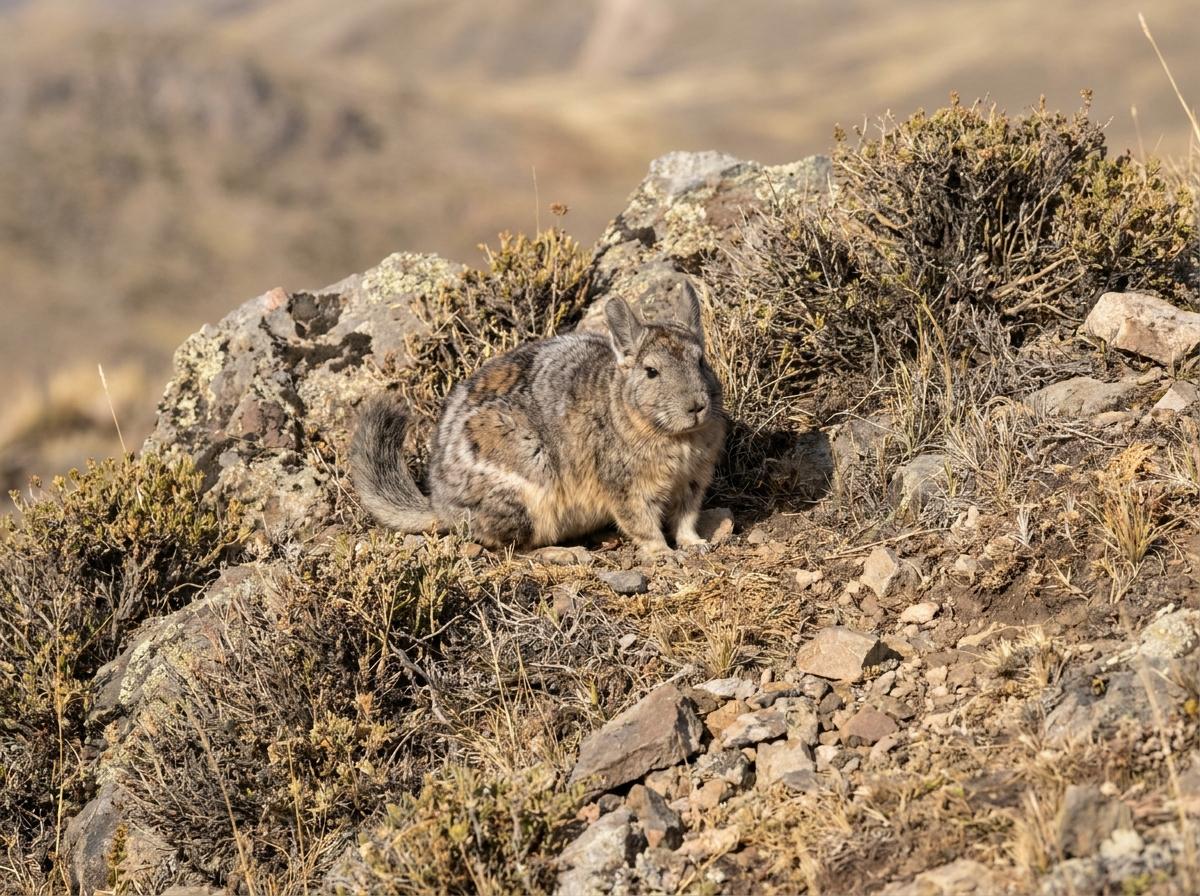
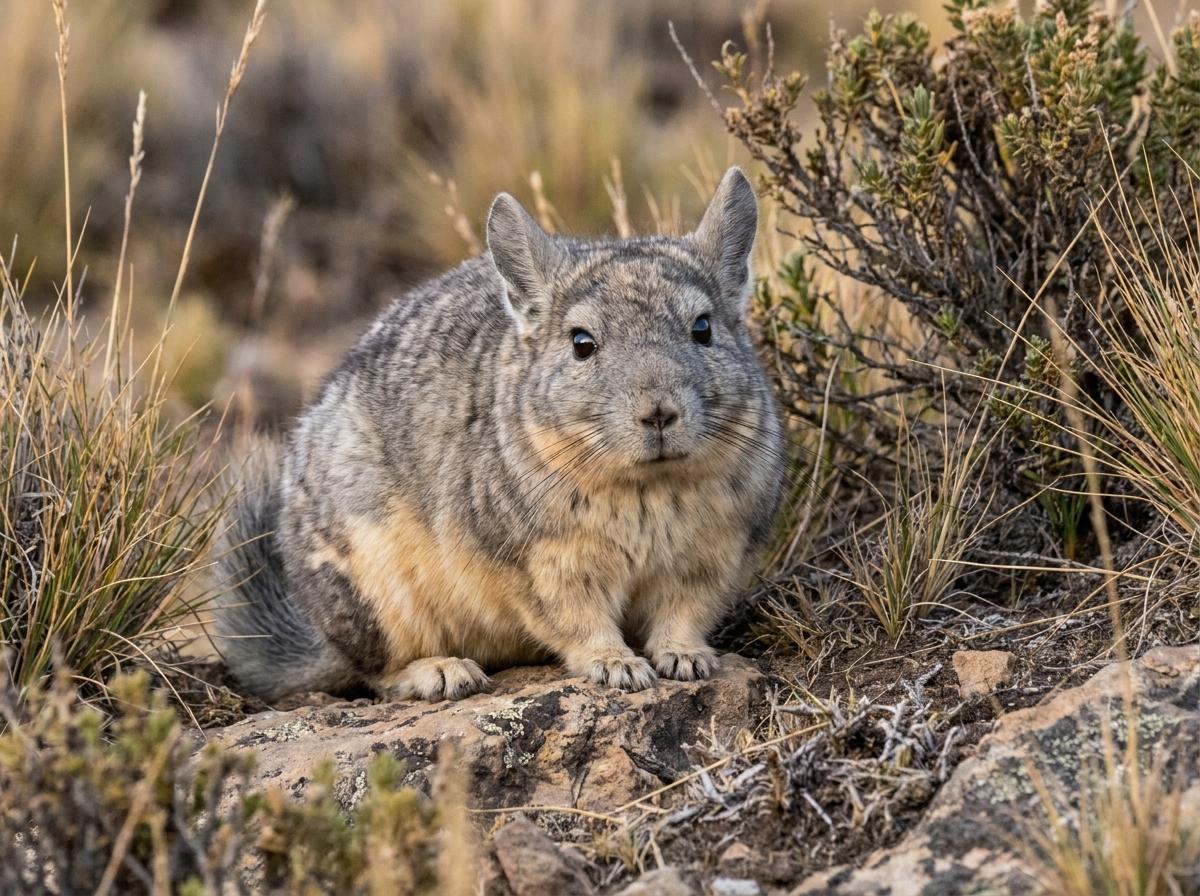
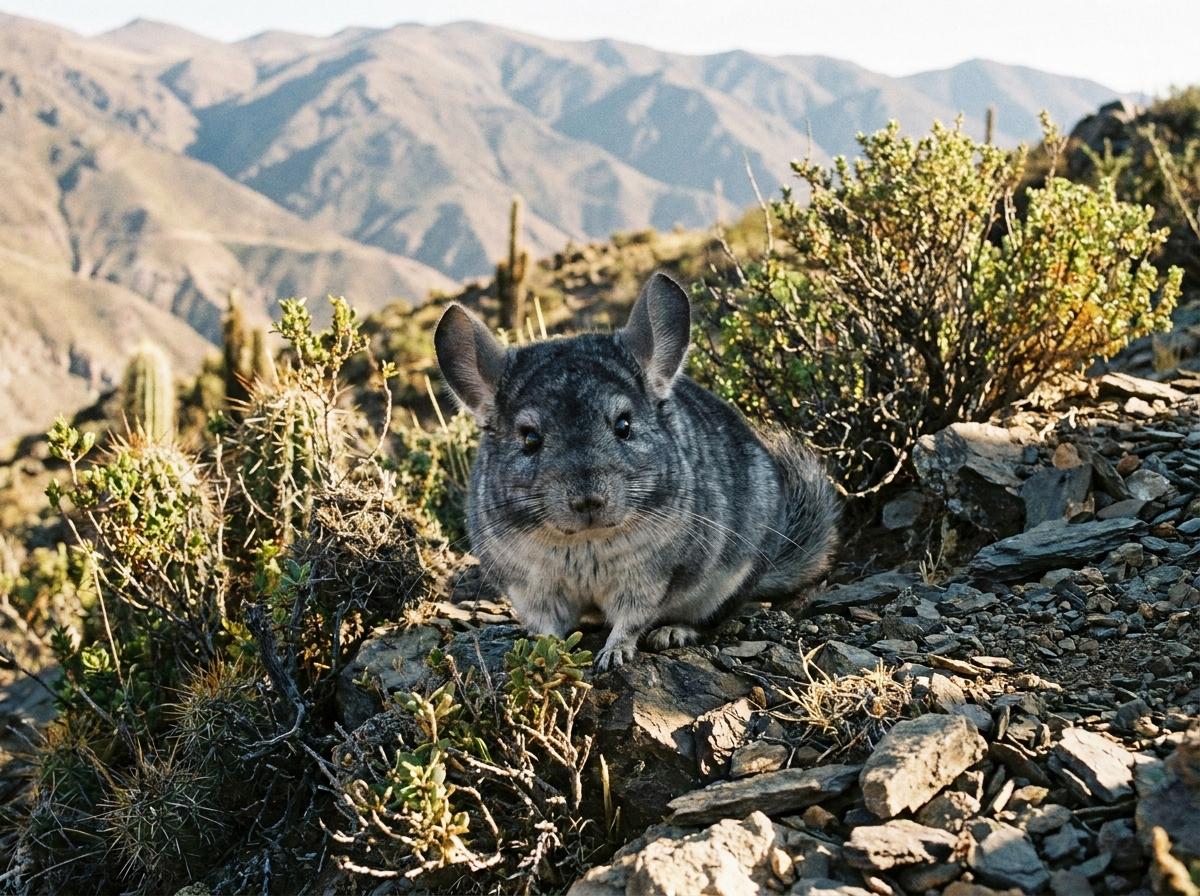
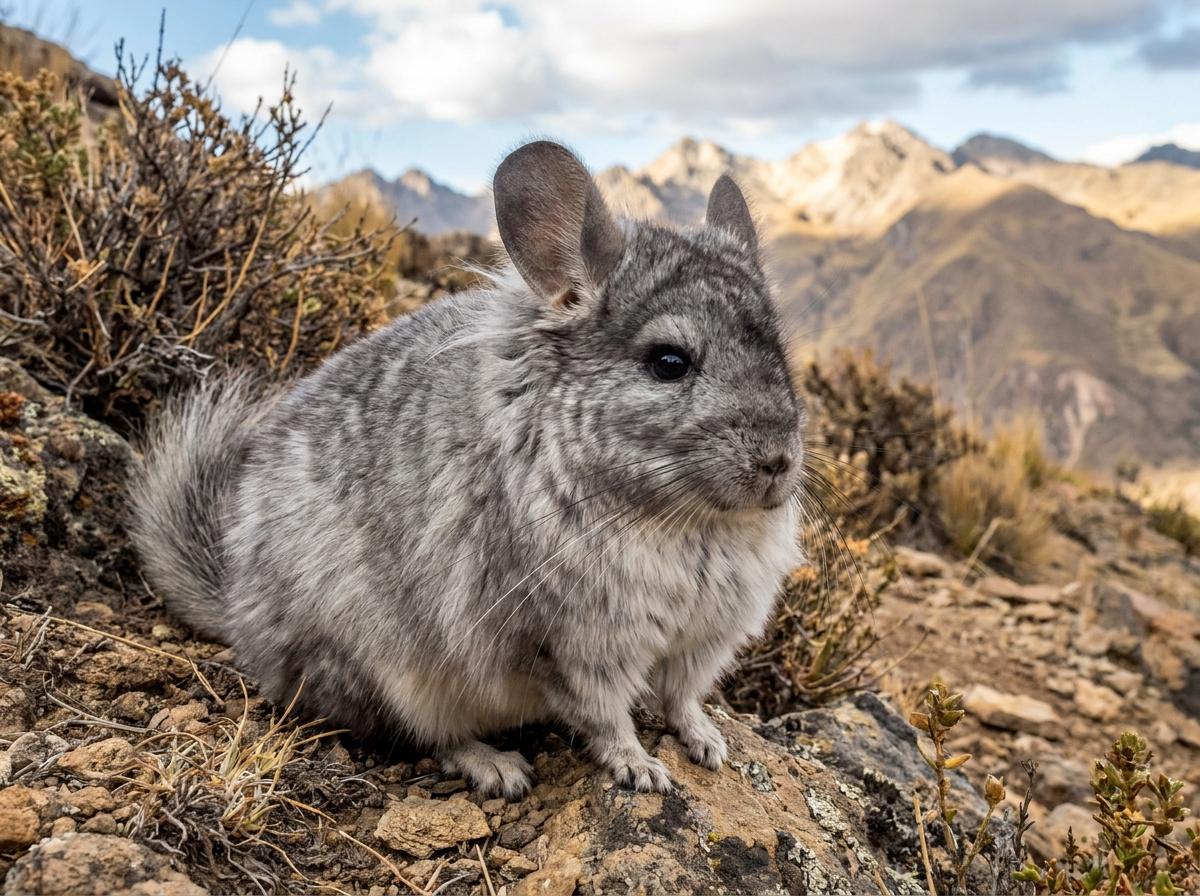
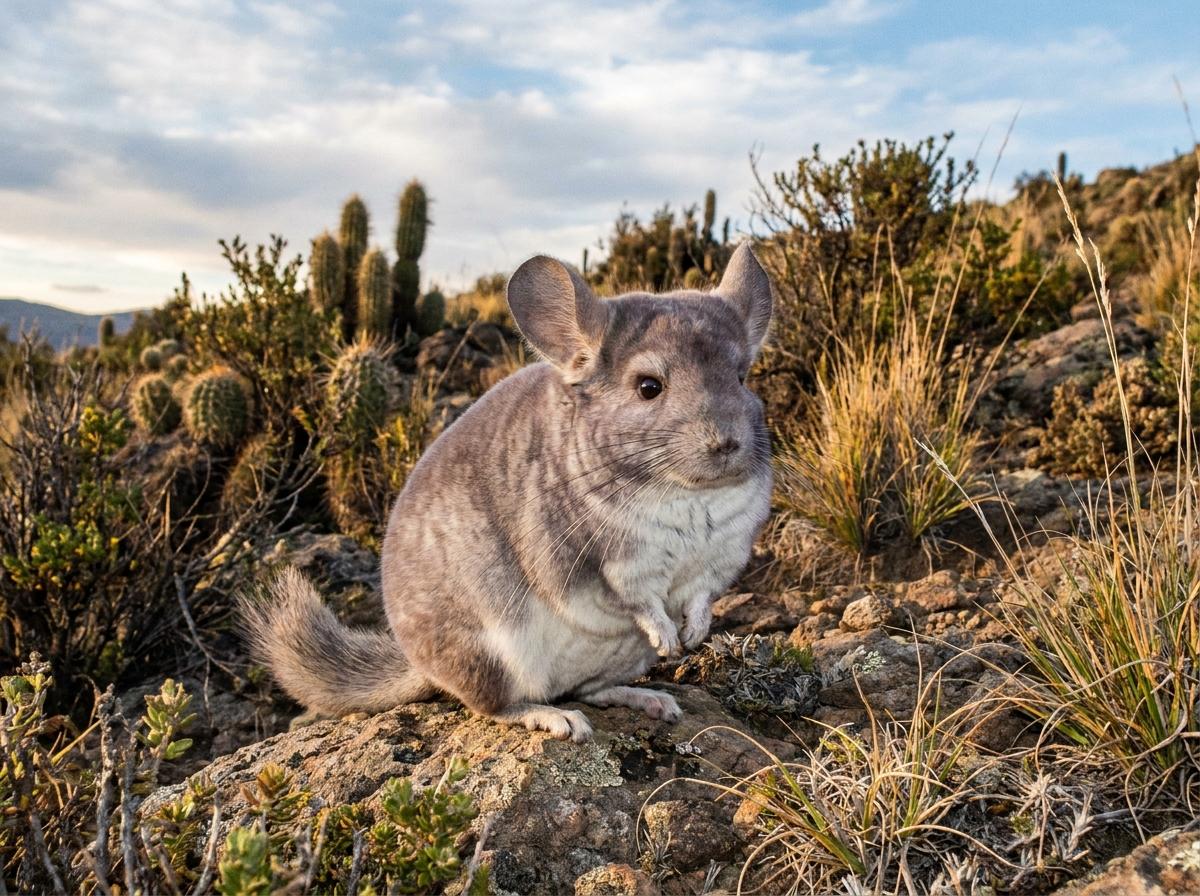
- A dark veil over the top. The signature trait is a charcoal-to-black veiling that lies over the top of the head, runs the length of the back (the grotzen, in breeder terms), and sweeps down the sides. On a good example this veiling is deep and even, and breeders regard the depth of black along the back as unrivaled by other mutations.
- A crisp white belly. Underneath, the belly stays clean, bright white. The transition from dark side to white belly should read as a gradation rather than a hard line, and a truly white (not creamy or greyish) underside is a sign of quality.
- A dark face and cap. The face is dark, with a distinctive dark “cap” over the head and dark ears, so the animal looks masked compared with a Standard Grey.
- Stripes down the front legs. Thin dark diagonal stripes run down the front legs and paws. These paw markings are a classic velvet trait, though they are not a guaranteed proof of the gene on their own.

One point that surprises new owners: the markings develop with age. Kits are often only lightly marked at birth, and the full dark veiling fills in over the first year, frequently taking a year or more to mature completely. A young Black Velvet can look washed out or patchy and still darken into a beautifully veiled adult, so judge the color on a mature animal or on its parents, not on a two-month-old kit.
In every other respect a Black Velvet is a normal chinchilla. Adults weigh roughly 450 to 680 grams (about 1 to 1.5 pounds), with females usually a little larger than males. The head and body run up to about 25 centimeters (10 inches) with another 15 centimeters (6 inches) of tail. The fur is extraordinarily dense, with up to about 60 hairs growing from a single follicle, compared with the one to three a human follicle produces. That density is why the coat feels like velvet and why heat management matters so much, points we return to under care.
Where the velvet gene came from
The velvet mutation traces to a single American rancher. Bob Gunning, of eastern Washington State, is credited with developing the Black Velvet, which is why the mutation is properly called Gunning Black Velvet. Sources place the first velvet-type animal in his herd in the late 1950s to 1960, with the finished, deeply veiled Black Velvet emerging after more than a decade of selective breeding from that first appearance. Because dates vary between accounts, treat the exact year as approximate; what is consistent across sources is Gunning, Washington State, and the mid-twentieth-century timeframe.
The name “Touch of Velvet,” abbreviated TOV, came from the fur trade. It originally described a pelt that combined the beige color with the velvet gene, marketed as “Beige with a Touch of Velvet.” Over time TOV came to be used as a general label for any chinchilla carrying the velvet gene on top of another color. Strictly speaking, a pure black velvet is best called Black Velvet or Gunning Black, and TOV is most accurate for the velvet-on-another-color hybrids, but you will see the terms used interchangeably in the hobby.
The genetics: a dominant gene with a lethal factor
This is the heart of why the Black Velvet is searched for by name, and the part worth reading carefully if you might ever breed.
Most chinchilla color mutations are recessive, meaning an animal needs two copies of the gene to show the color. The velvet gene is different: it is dominant, so a single copy produces the visible veiling. That is convenient for predicting offspring, but it comes with a serious catch.
The velvet gene carries a lethal factor. It cannot exist in the homozygous form, meaning no chinchilla can carry two copies of it. Every living Black Velvet is heterozygous, carrying one velvet gene and one normal gene. Because it has that one normal gene, the animal itself is perfectly healthy and lives a normal life; the lethal factor only becomes a problem in breeding.

When you breed two Black Velvets together, each parent can pass on either its velvet gene or its normal gene. In roughly a quarter of conceptions, the embryo inherits a velvet gene from both parents. That double-velvet combination is not viable: the embryo fails to develop and is reabsorbed, so it is never born. The practical result is a litter size reduced by about 25 percent, with no benefit to offset it, since the surviving kits are the same mix of colors you would get from a safer pairing. For that reason, breeding velvet to velvet is widely considered both wasteful and unethical in the chinchilla community.
The responsible approach is simple: pair a Black Velvet with a non-velvet animal, most commonly a Standard Grey or another mutation that does not carry the velvet or the Wilson White lethal gene. That cross still produces velvet kits, on average about half the litter, without ever risking the lethal double dose. This is one of the clearest cases in the hobby where knowing the genetics directly protects the animals, so it is worth understanding before you pair anything.
TOV combinations
Because the velvet gene sits on top of a base color, it can be layered onto other mutations to produce a family of “TOV” varieties. Common combinations include:
- TOV Beige, also called Brown Velvet, which puts the velvet veiling over a beige base for a warm brown-veiled look.
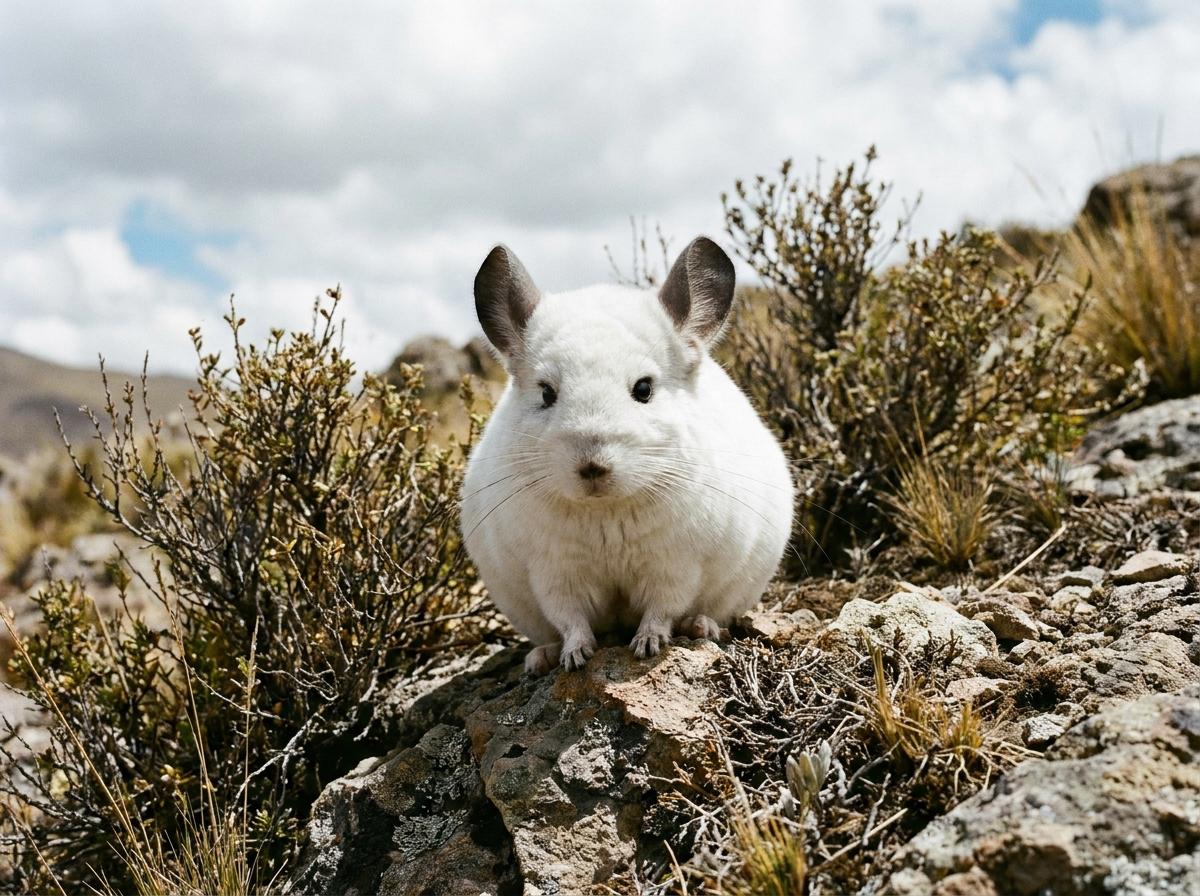
- TOV White, velvet layered onto white, though white tends to lighten and partly mask the dark veiling.
- TOV Ebony, velvet combined with the ebony gene, which can deepen the whole animal and blur the usual gradation to the belly.
- TOV Violet and TOV Sapphire, velvet over the violet or sapphire bases, producing softer grey-toned veiling.
A key breeding caution applies here too: some of these bases, especially white and ebony, can obscure the velvet effect visually, so lineage and test breeding, not appearance alone, are how experienced breeders confirm the gene is present. And crossing velvet with another lethal-factor mutation such as Wilson White compounds the risk, which is why breeders track pedigrees closely.
Temperament and living with a Black Velvet
Coat color has no bearing on personality. A Black Velvet behaves like any domestic chinchilla: crepuscular (most active at dawn and dusk), curious, remarkably agile, and long-lived for a small rodent. They are social and generally do best with company or plenty of interaction, they need daily out-of-cage exercise in a chinchilla-proofed space, and they can live 10 to 15 years, occasionally to 20, so they are a genuine long-term commitment rather than a starter pet.
We flag temperament as general keeper experience rather than a color-specific trait, because there is no evidence that the velvet mutation changes behavior. Individual personality varies far more with handling, housing, and time spent with the animal than with its coat.
Care basics (and where to go deeper)
Every point below applies to all chinchillas, so we keep it brief here and hand off the full day-to-day routine to the standard grey chinchilla guide. The Black Velvet has no special care needs beyond those of the species.

- Temperature is the big one. Chinchillas evolved in the cool, dry Andes and cannot sweat. The Merck Veterinary Manual notes they are prone to potentially fatal overheating and should be kept cool, dry, out of direct sunlight, and out of drafts. Keep the room comfortably cool; heat stress becomes a real danger as temperatures climb into the 80s Fahrenheit (high 20s Celsius), especially with humidity. If a dense-coated animal is going to struggle anywhere, it is in a hot room.
- Dust baths, not water baths. That plush coat is cleaned with fine chinchilla dust, not water, which would mat the fur. A few dust baths a week in a suitable dust is standard.
- Diet is hay first. A chinchilla’s teeth grow continuously (they are open-rooted), so a diet built on unlimited grass hay plus a measured plain chinchilla pellet is what keeps teeth worn down and the gut healthy. Sugary treats and dried fruit are best avoided.
- Housing. A tall, multi-level wire cage with wooden ledges, a hide, a hay rack, and safe chew items suits their need to climb and gnaw. Avoid plastic they can ingest.
Chinchillas hide illness well, and dental disease and gut stasis can turn serious quickly, so any drop in appetite, droppings, or activity is a same-day veterinary matter. Defer all medical decisions to a veterinarian, ideally one experienced with exotic small mammals.
What it costs and where to find one
A Black Velvet usually costs more than a Standard Grey, because the striking dark coat and the popularity of the color put it in demand, but pricing varies widely with age, quality of veiling, pedigree, and whether the animal is pet-quality or show and breeding stock. Rather than quote a precise figure that would go stale, we cover the full picture in the dedicated chinchilla cost guide, including the ongoing costs (cage, dust, hay, vet care) that dwarf the purchase price over a 15-year life.
When you are shopping, buy from someone who can talk about lineage. Because the velvet gene’s markings mature slowly and because lethal-factor pairings must be avoided, a seller who knows the parents’ colors and can confirm the animal is not the product of a velvet-to-velvet cross is worth seeking out. In the United States, the two long-standing organizations are the Empress Chinchilla Breeders’ Cooperative (ECBC) and the Mutation Chinchilla Breeders’ Association (MCBA), which register ranch brands and set color standards; membership in one or both is a reasonable signal of a serious breeder. You can browse current Black Velvet chinchilla listings on the Creatures marketplace and look for breeders in the Creatures directory.
Frequently asked questions
Is a Black Velvet chinchilla a separate breed?
No. It is a color mutation of the domestic chinchilla, not a distinct breed. Under the coat it is the same animal as a Standard Grey, with the same care needs and lifespan.
Why can’t you breed two Black Velvets together?
The velvet gene carries a lethal factor and cannot exist in a double dose. Pairing two velvets means about a quarter of conceptions inherit two velvet genes, and those embryos are not viable and are reabsorbed, reducing the litter by roughly 25 percent for no benefit. Breed a Black Velvet to a non-velvet color instead.
Are Black Velvet chinchillas born black?
Not fully. Kits are often lightly marked at birth, and the dark veiling develops over the first year, sometimes longer. Judge the color on a mature animal or on its parents.
What does TOV mean?
Touch of Velvet. It started as a fur-trade term for beige combined with the velvet gene and is now used broadly for any chinchilla carrying the velvet gene on another base color. A pure animal is most precisely called a Black Velvet or Gunning Black.
Who developed the Black Velvet?
Bob Gunning of Washington State, which is why the mutation is called Gunning Black Velvet. The first velvet-type animals appeared in his herd around the late 1950s to 1960, with the finished color developed over the following years.
Does the black coat mean special care?
No. A Black Velvet needs the same cool, dry, draft-free housing, dust baths, and hay-first diet as any chinchilla. The dense coat makes cool temperatures important for every color.
Do this next on Creatures
Whether you are learning the color, hunting for a well-bred Black Velvet, or already keeping one, Creatures is the records, marketplace, and directory layer to do it in one place.
Compare the colors. Start on the chinchilla species page, read the standard grey guide for full day-to-day care, and see another well-known mutation on the violet chinchilla page.
Know the budget. Read the chinchilla cost guide before you buy, since the 15-year running cost outweighs the purchase price.
Find one. Browse Black Velvet chinchillas on the marketplace and search trusted breeders in the Creatures directory. New to it? See saving searches and using your watchlist.
Get alerted. Well-bred Black Velvets sell quickly, so set a free Black Velvet listing alert and we will tell you when one is posted. No account needed to start.
Add your chinchilla. Already have one? Create a free animal profile in a few minutes, no account needed to start. The walkthrough is in adding an animal to Creatures.
Track health and weight. Log health, weight, and dental records on Creatures. The record sheet opens for any visitor to look around, and a free account saves what you enter. See adding a record and health and medical records for the how-to.
Breed responsibly. Run a chinchilla ranch? List your operation on Creatures so buyers can find you. No account needed to start.
If you already keep chinchillas, you can also start a free profile to keep weight, dental checks, and vet visits in one place, and set reminders for upcoming care.