


Congo Peafowl
Afropavo congensis
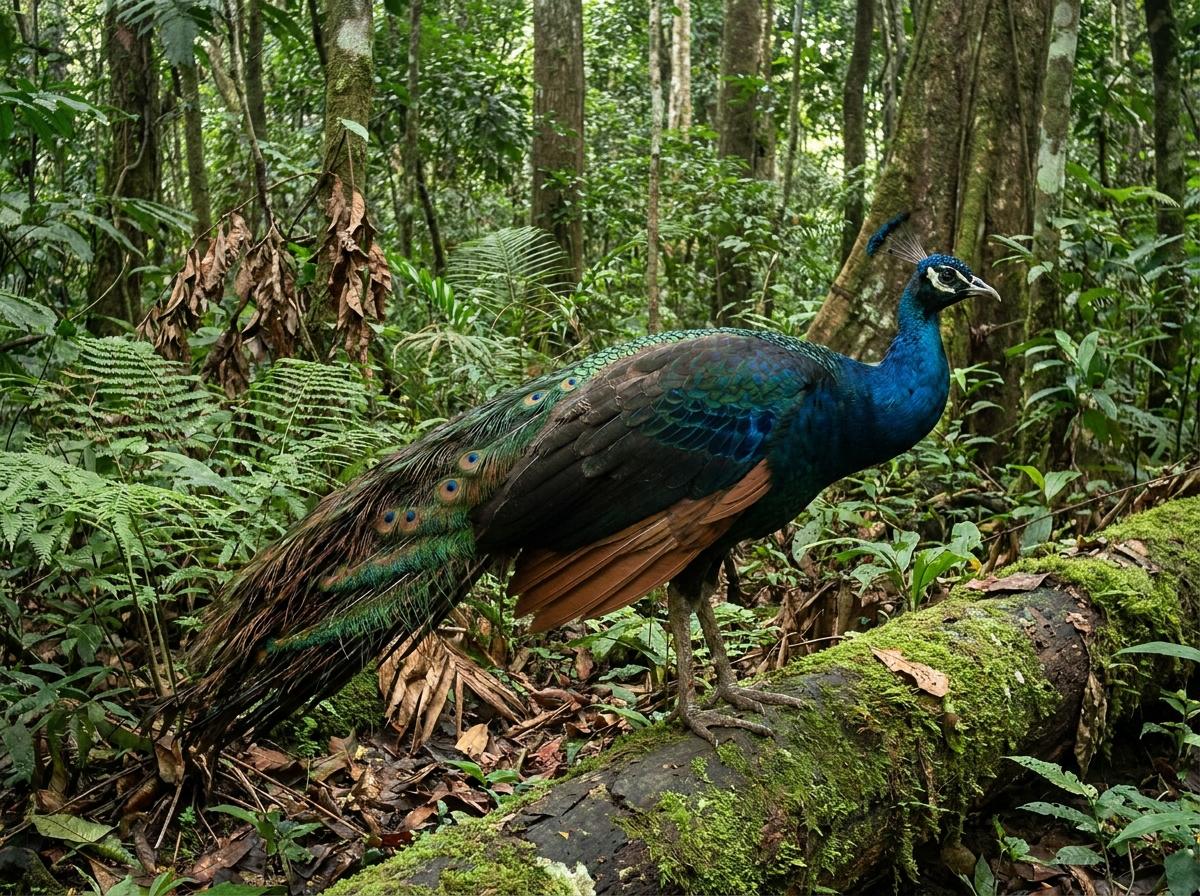
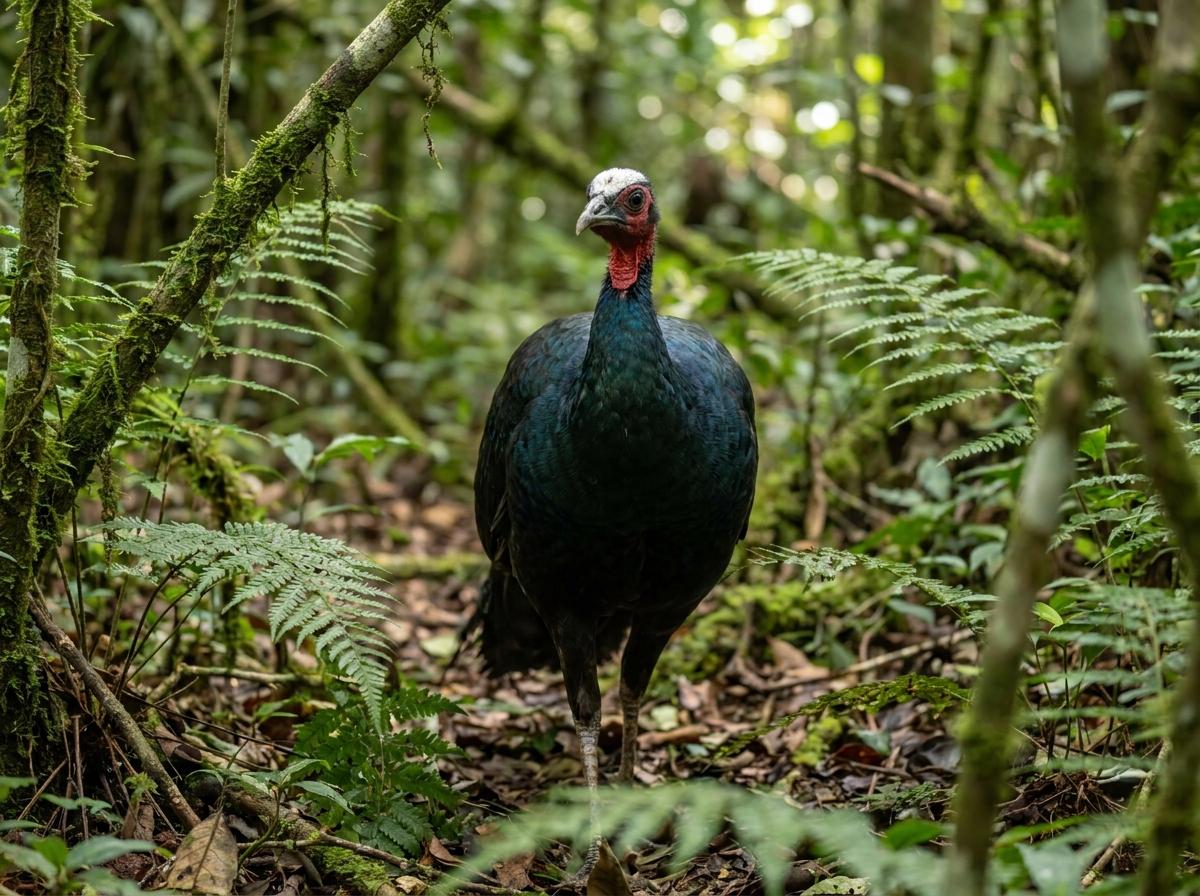
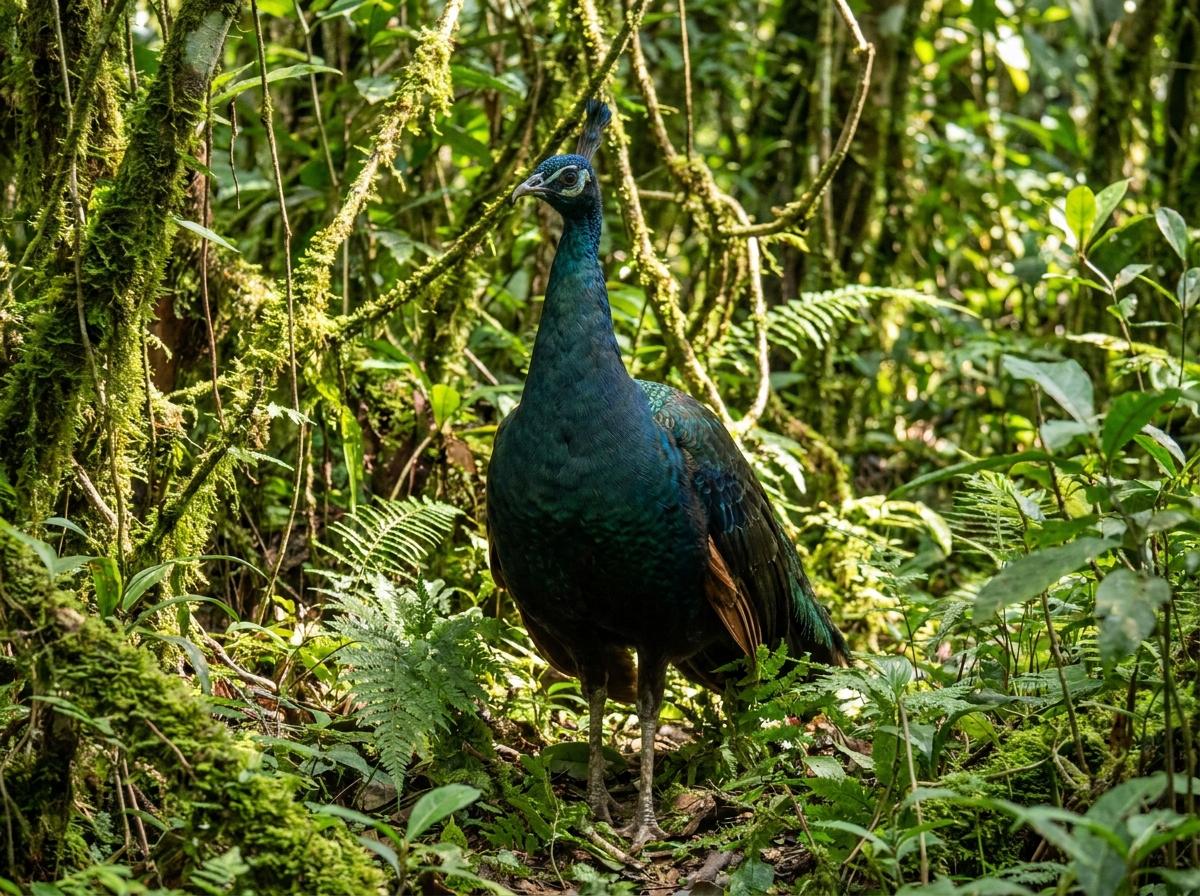
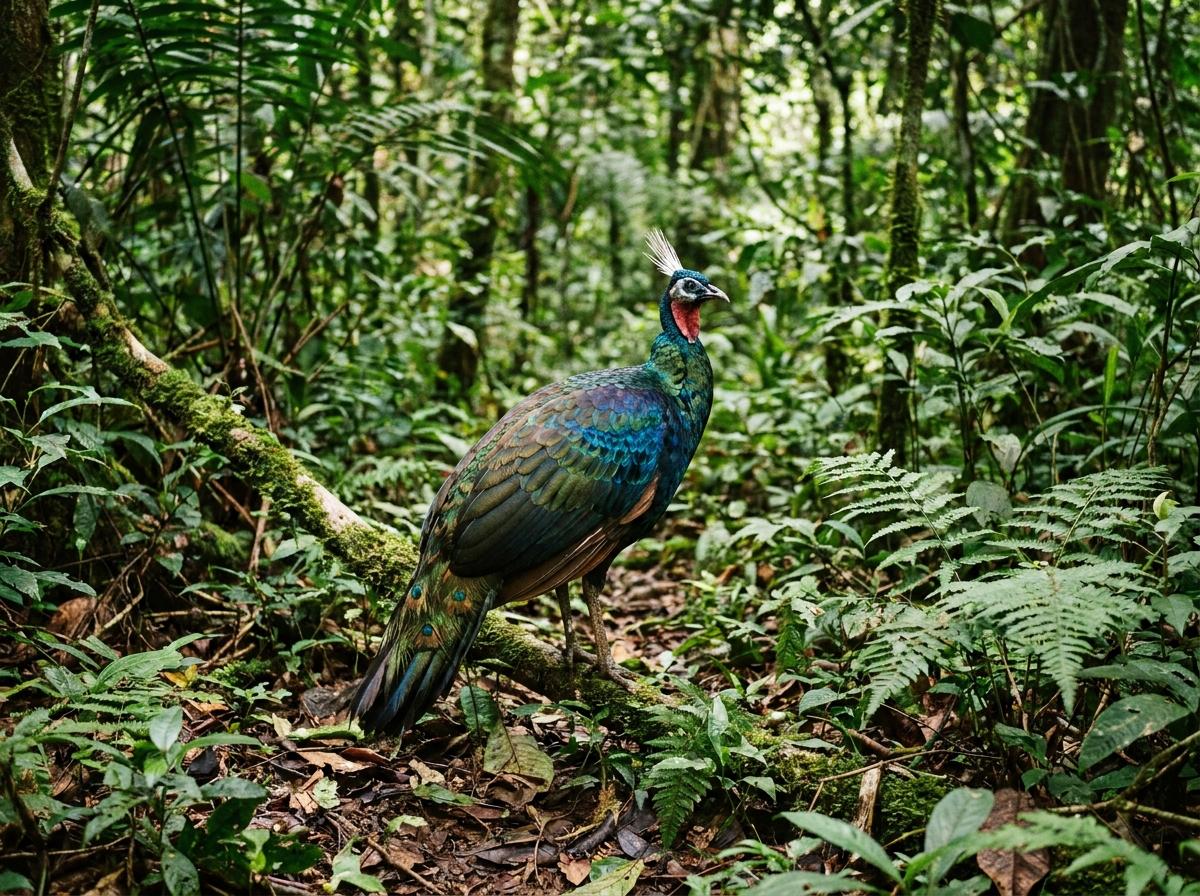
The Congo peafowl (Afropavo congensis) is the only peafowl native to Africa, a shy forest pheasant of the central Congo Basin in the Democratic Republic of the Congo. Unlike the Indian peafowl, the male has no long train; he is compact and dark, with glossy blue-green plumage, a short crest, and a bare red throat patch. Females are chestnut and greenish, also crested, and both sexes are adapted to moving through dense lowland rainforest. The species was described in the twentieth century and remains difficult to survey because it is secretive and often detected by calls, tracks, or local reports.
Zoos and specialist aviculturists manage Congo peafowl as a rare, conservation-sensitive bird rather than a casual ornamental species. Pairs need warm, humid, planted aviaries with sheltered roosts, visual cover, and a diet built around quality gamebird pellets, fruit, greens, and animal protein such as insects. Breeding programs watch compatibility closely because disturbance and aggressive pairing can stop nesting. In the wild, conservation work centers on protected rainforest, hunting pressure, and field surveys in places such as Salonga National Park, with captive records helping maintain assurance populations where they exist.