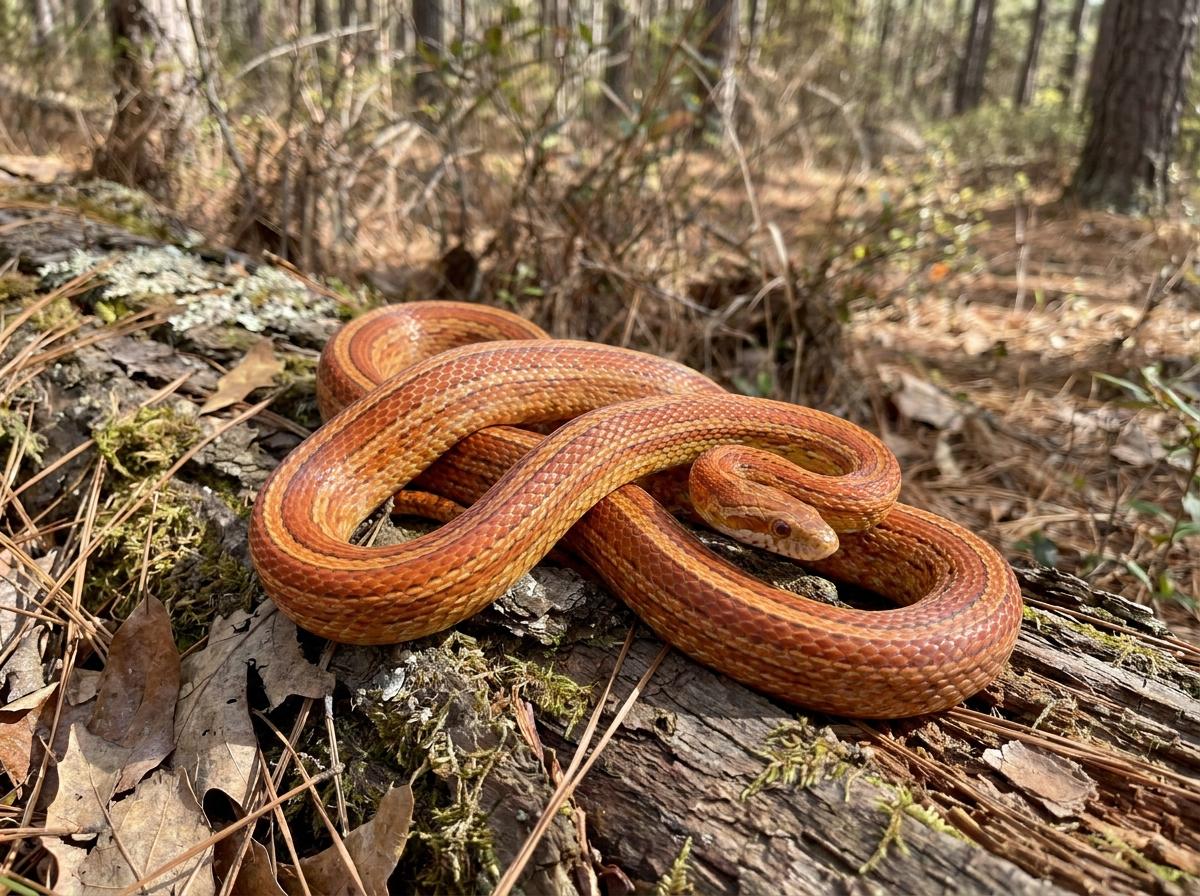
Stripe
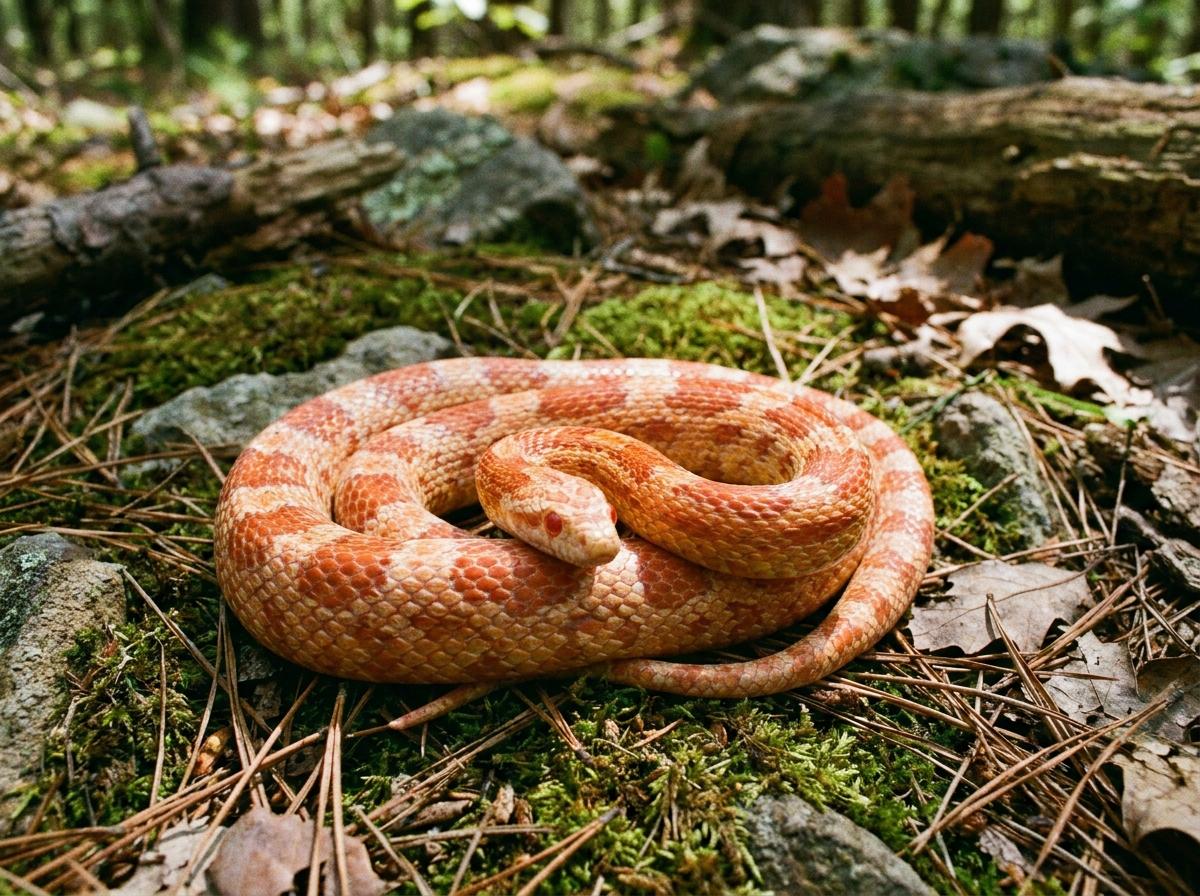
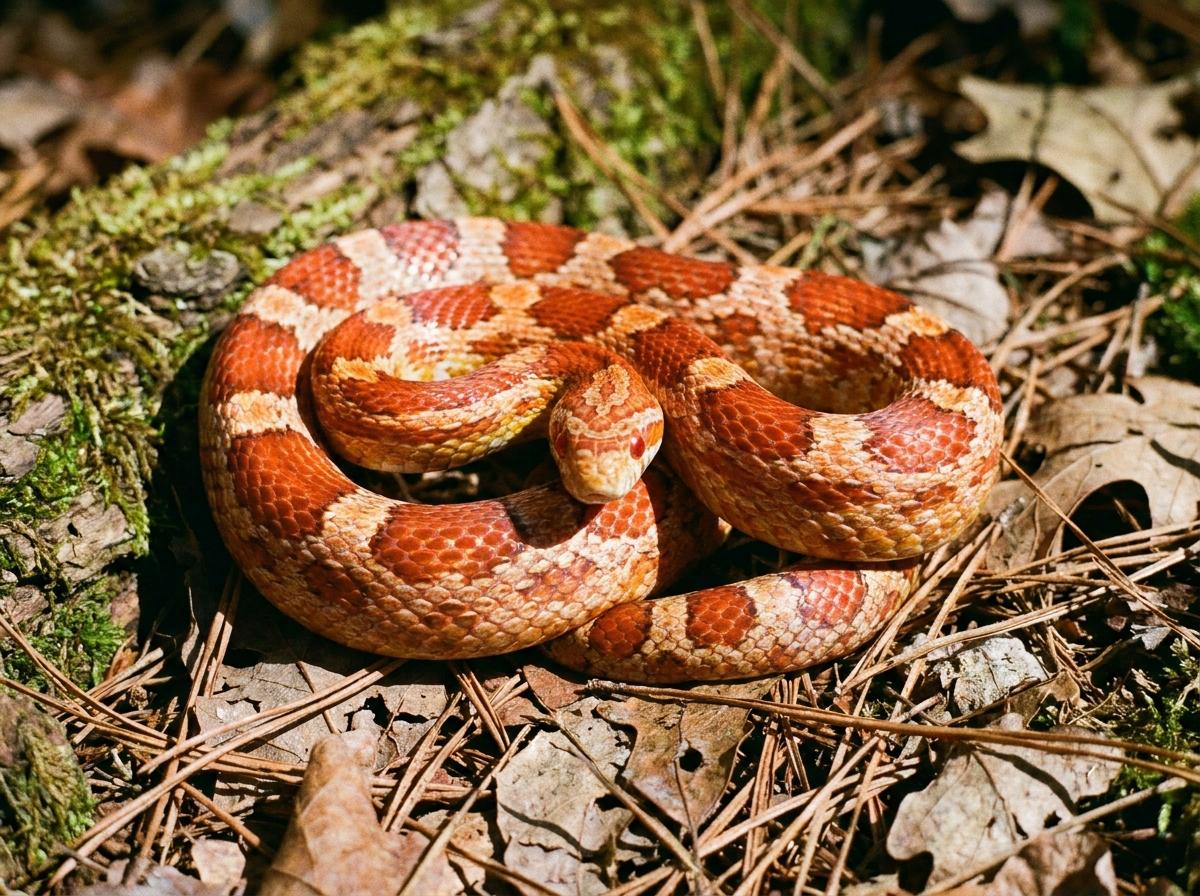
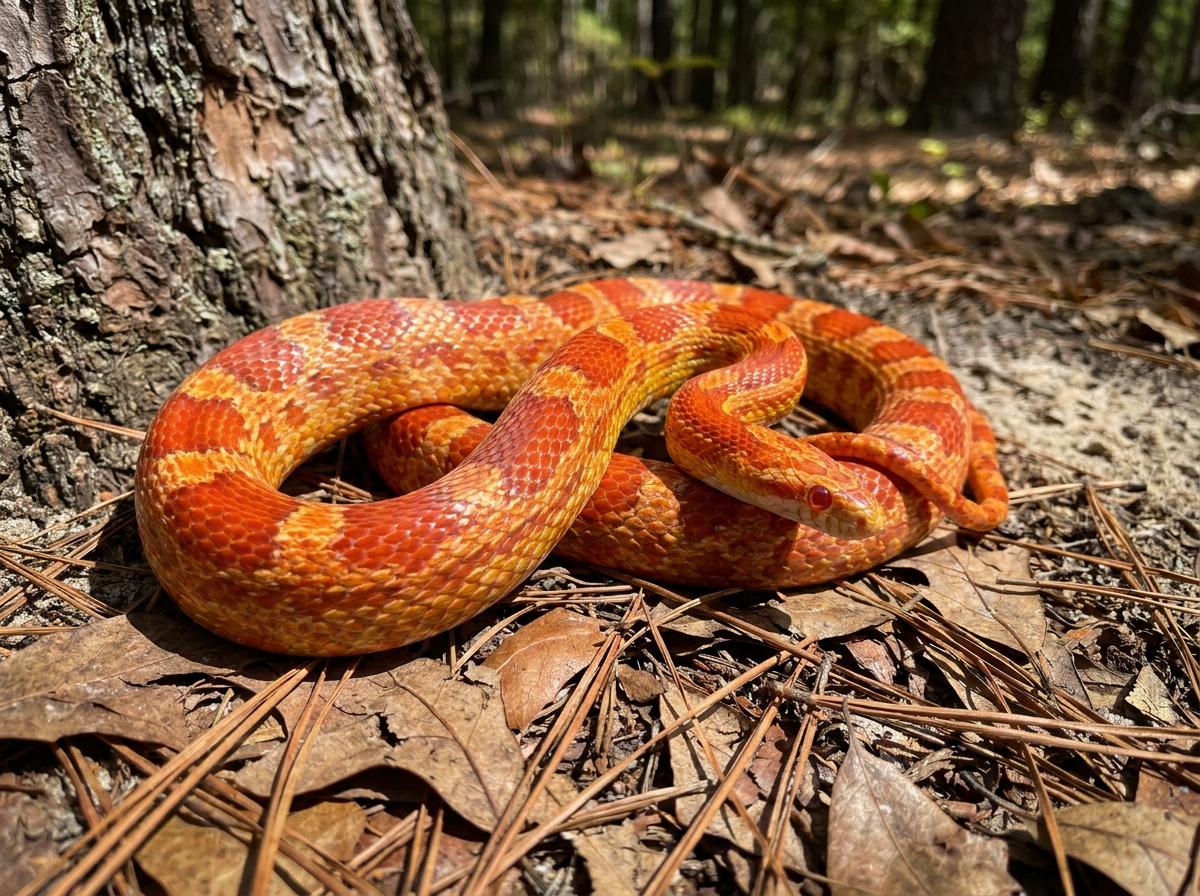
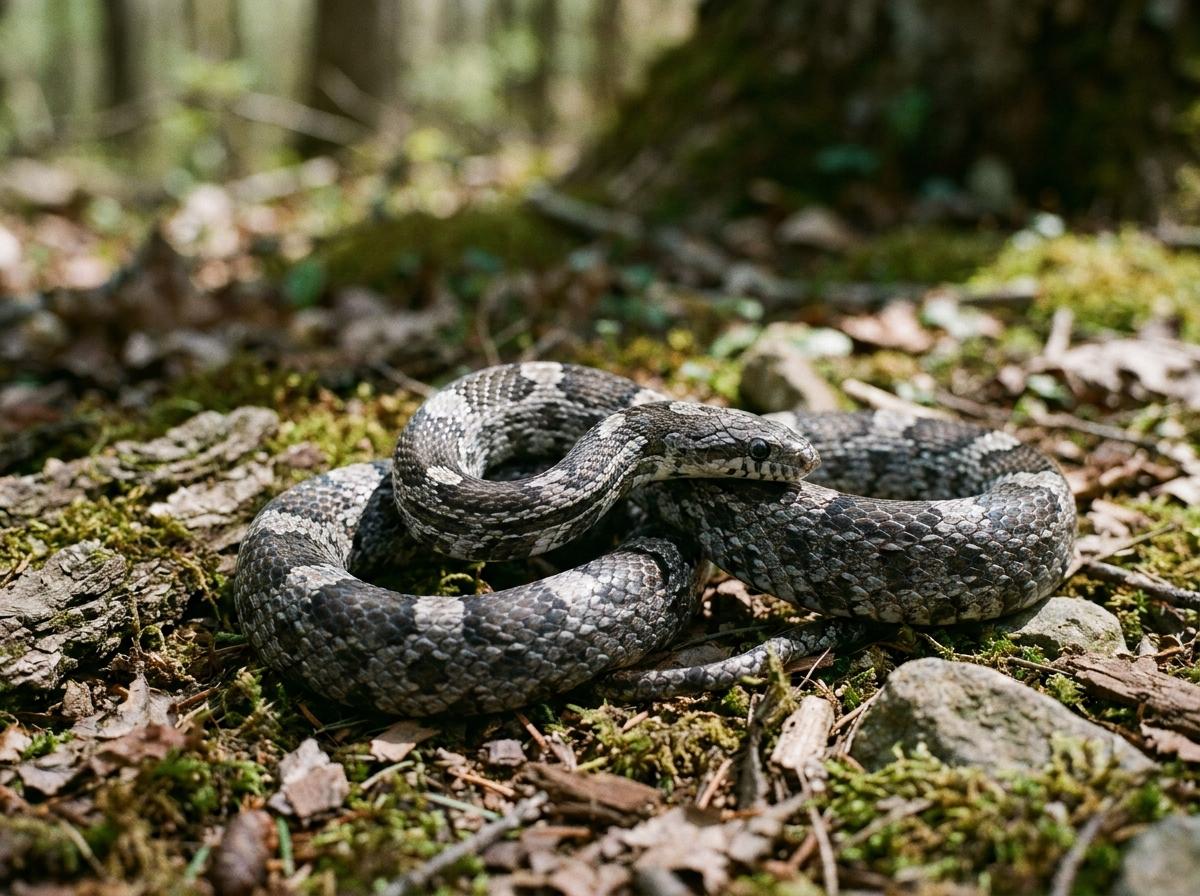
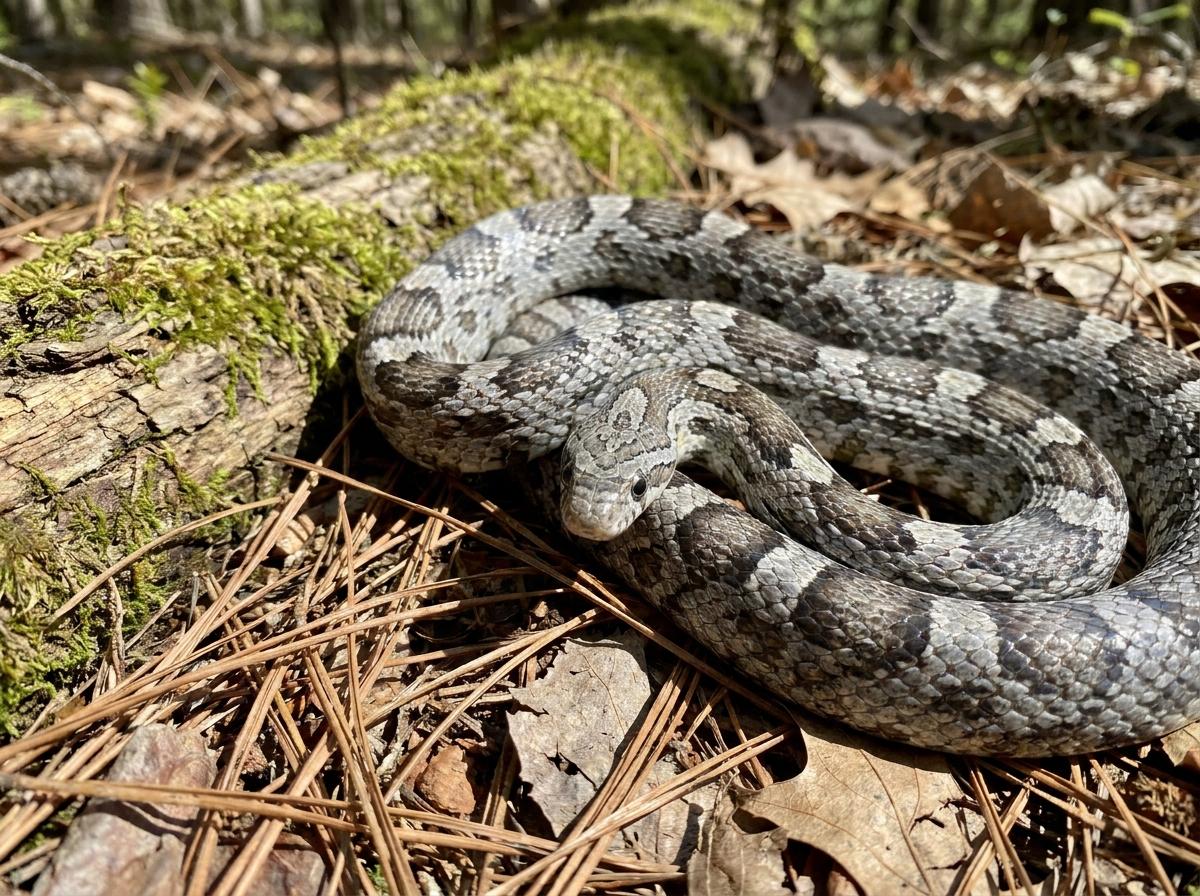
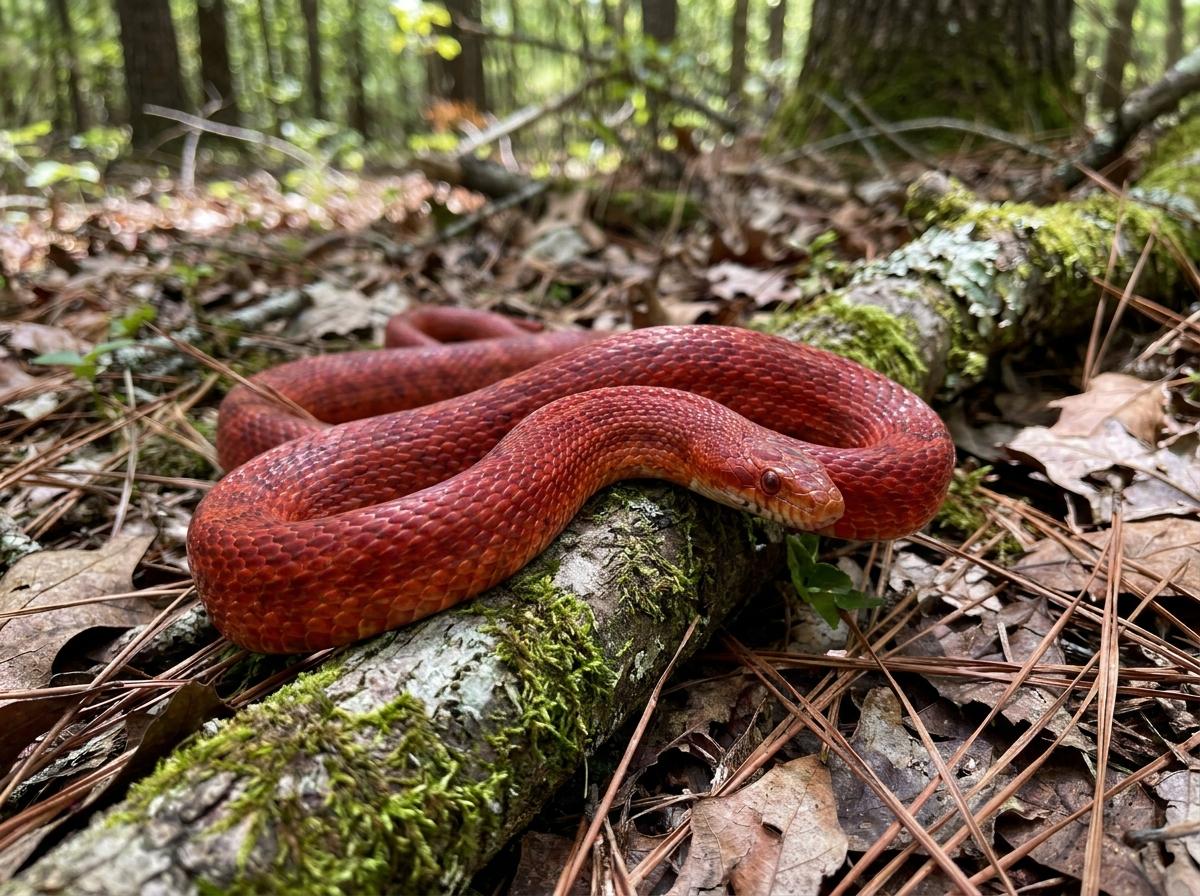
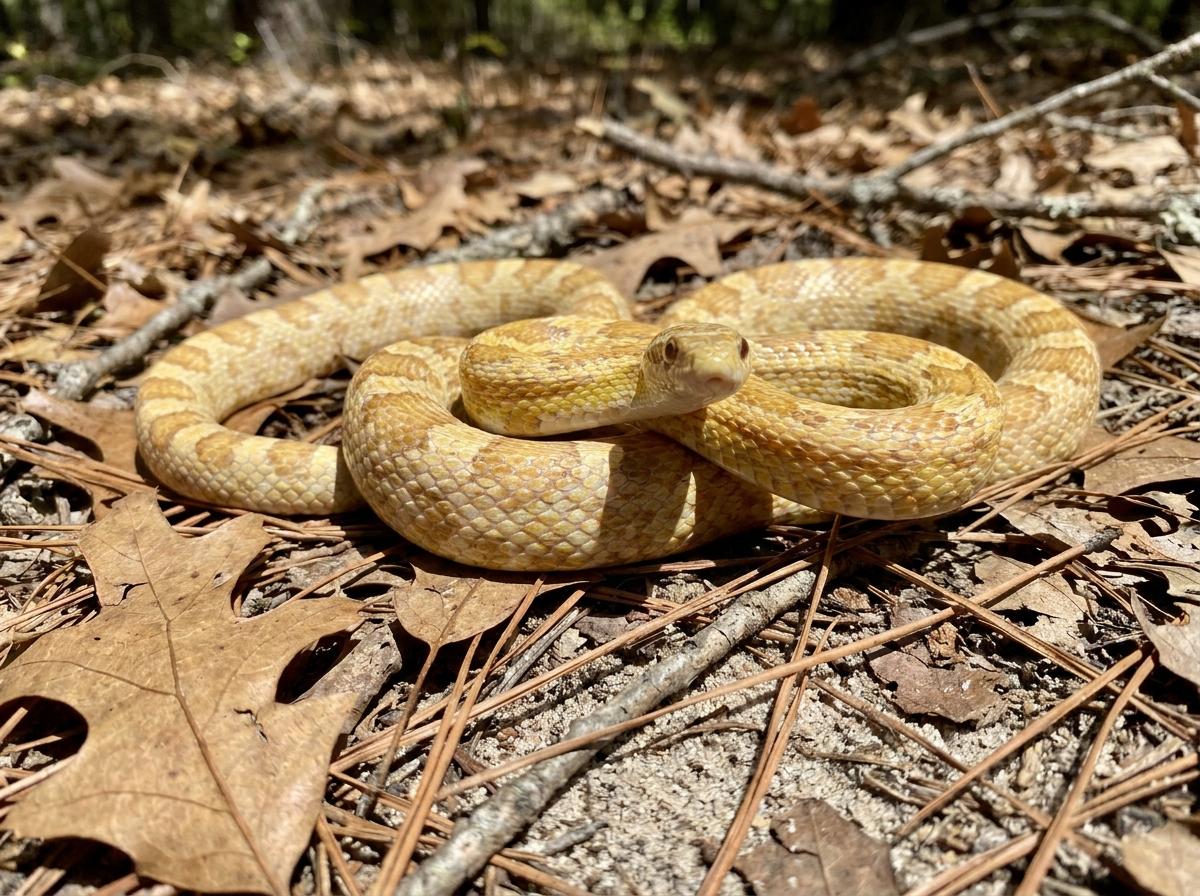
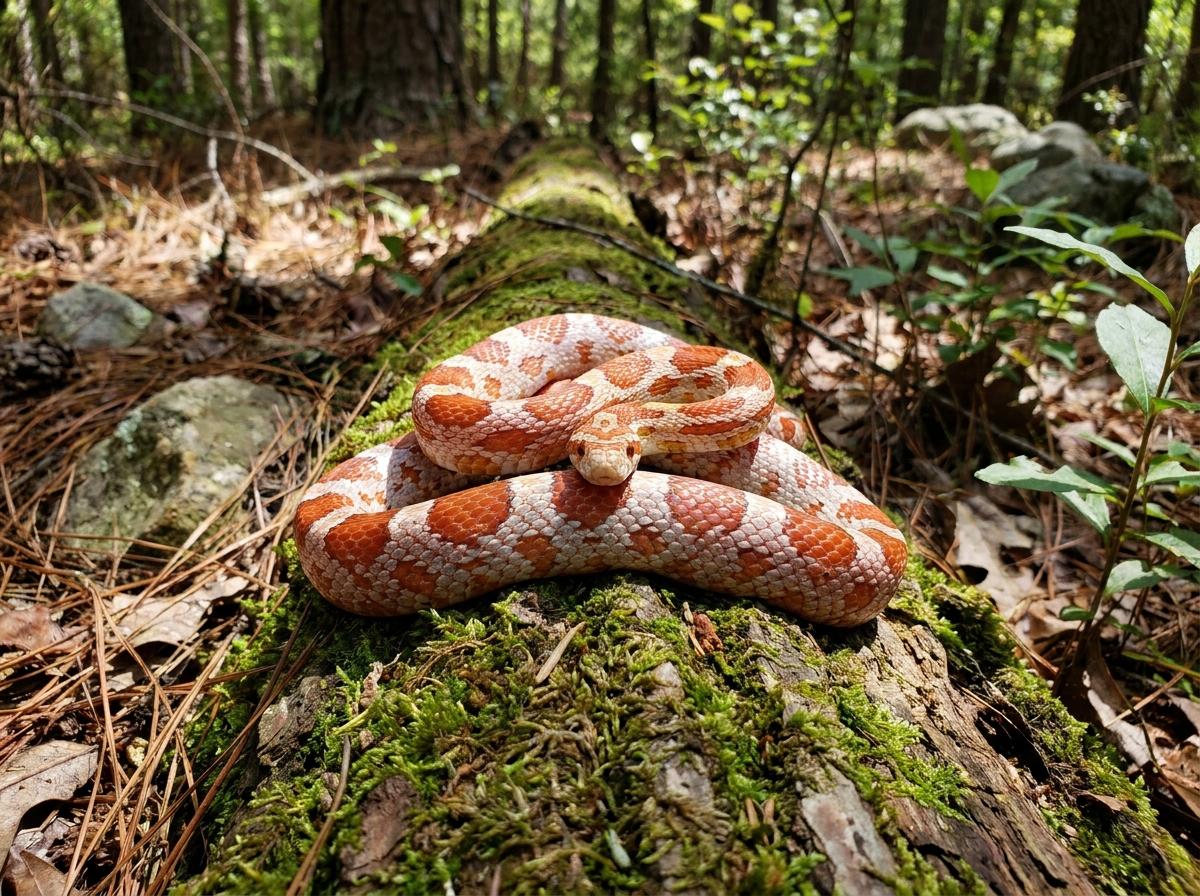
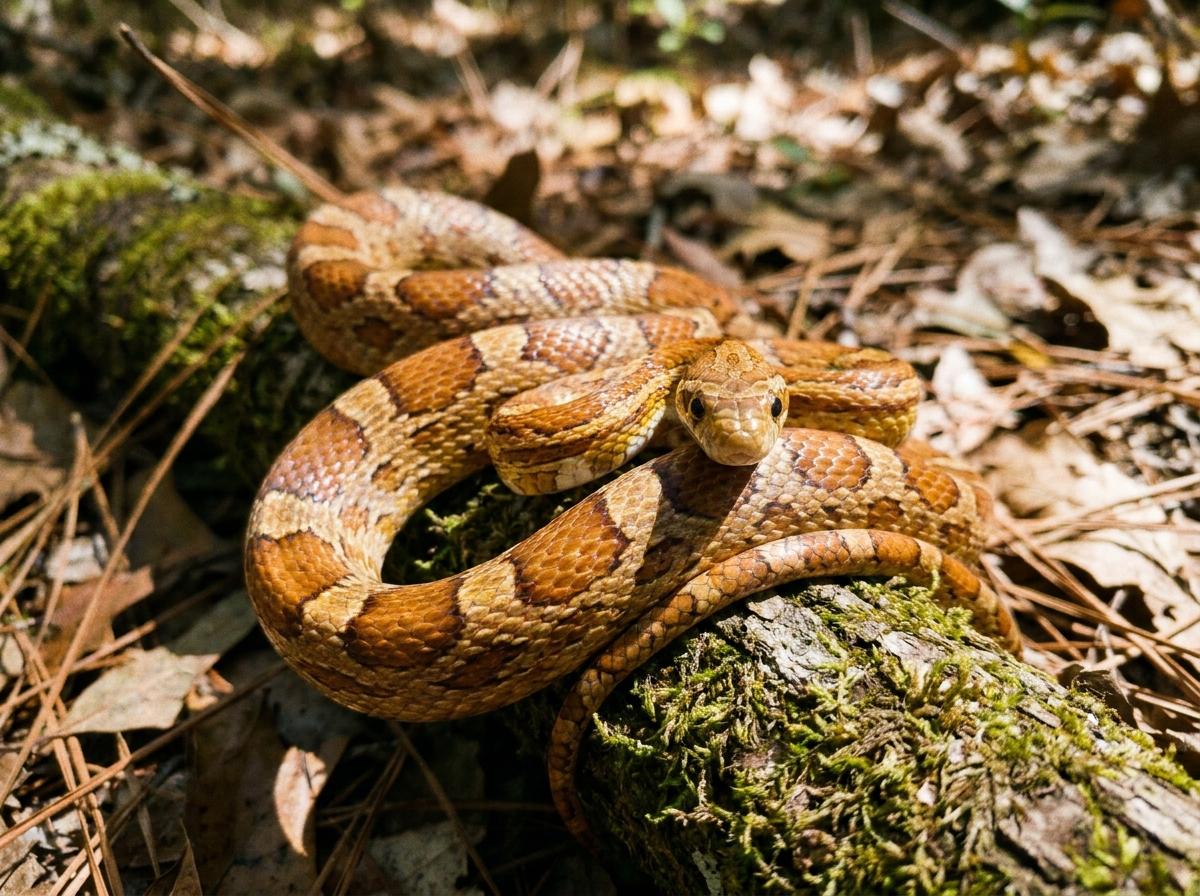
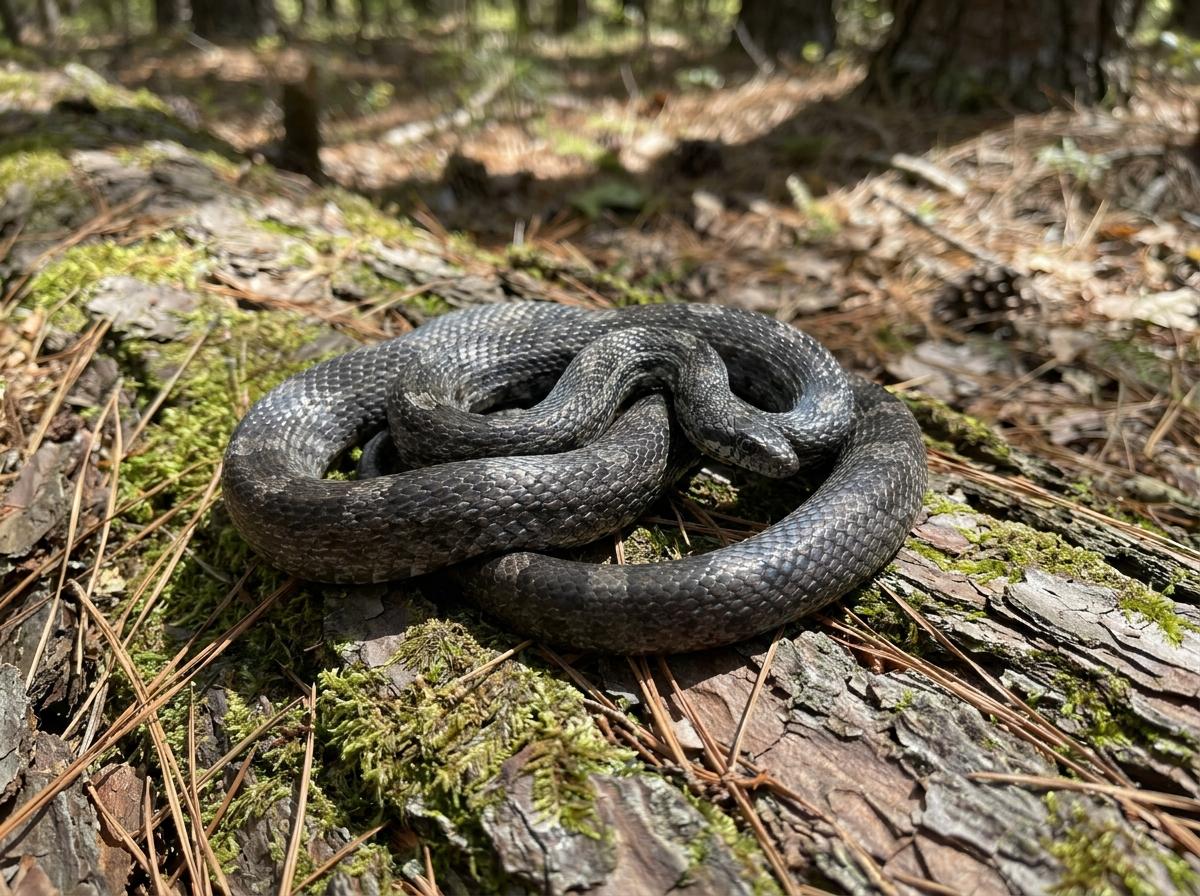
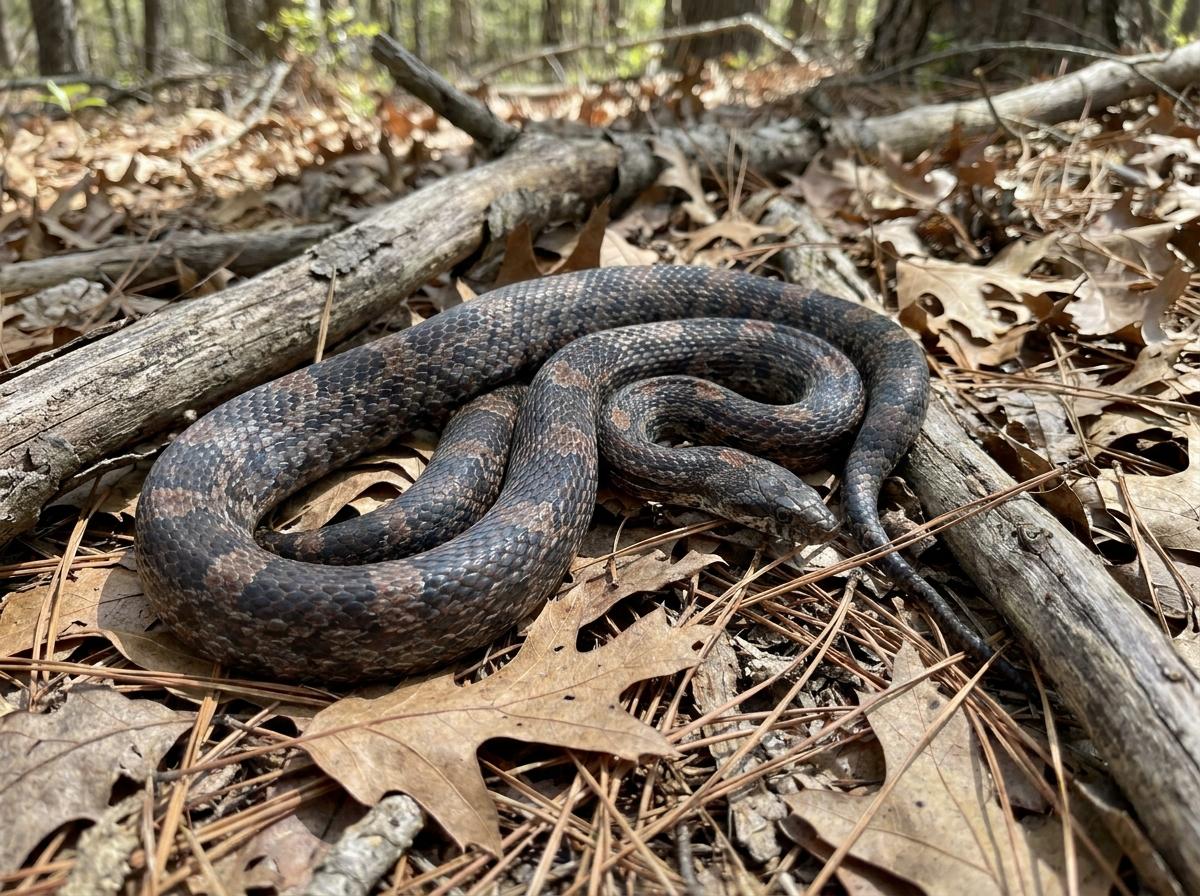
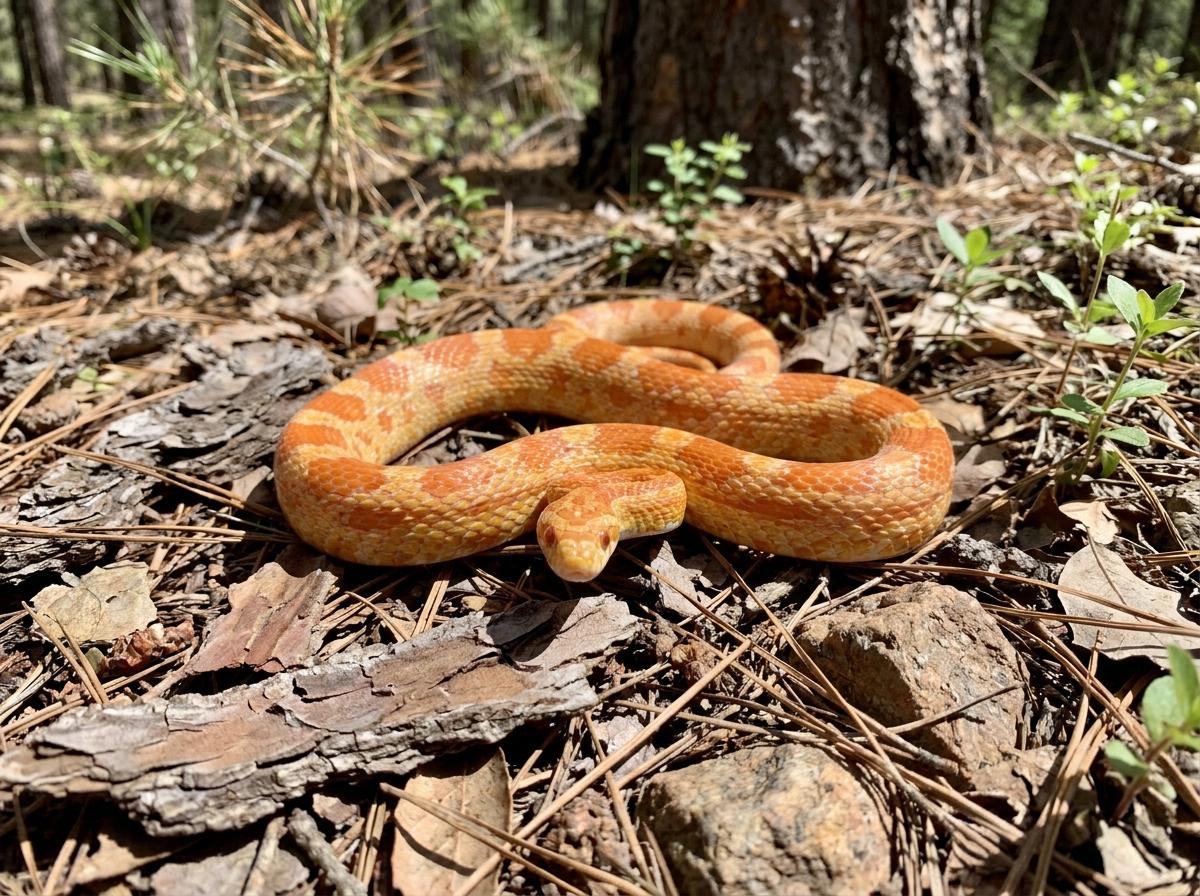
The stripe corn snake is a pattern morph of Pantherophis guttatus in which the usual saddle blotches are replaced or reorganized into lengthwise lines. A good stripe often has two clean dorsal stripes, reduced side blotching, and little to no normal belly checkering. The trait is commonly treated as recessive and is closely associated with the motley pattern complex, so breeding expectations can depend on the parents' exact genetics. Stripe is frequently combined with color morphs such as amel, anery, caramel, butter, and snow.
Husbandry does not differ from a standard corn snake. The practical value of the label is mainly for breeding and identification, not for daily care. A striped hatchling still needs a secure, escape-resistant enclosure, modest humidity, and appropriately sized thawed rodents. Pattern clarity varies by line, and some animals have broken stripes or mixed motley-stripe influence, so photographs of parents and siblings are useful when buying for a project. Animals sold as het stripe may look normal, which makes written pairing records more reliable than visual guesses. For pet keepers, temperament, feeding history, and general health matter more than whether the stripe runs perfectly from neck to tail.
Colors: Albino, Amel, Amelanistic, Anery, Anerythristic, Bloodred, Butter, Candy Cane, Caramel, Charcoal, Cinder, Creamsicle, Dilute, Fire, Ghost, Granite, Hypo, Lava, Lavender, Masque, Miami Phase, Motley, Normal, Okeetee, Opal, Palmetto, Pewter, Plasma, Reverse Okeetee, Scaleless, Snow, Stripe, Sunglow, Sunkissed, Tessera, Ultramel, Wild Type