

Tessera
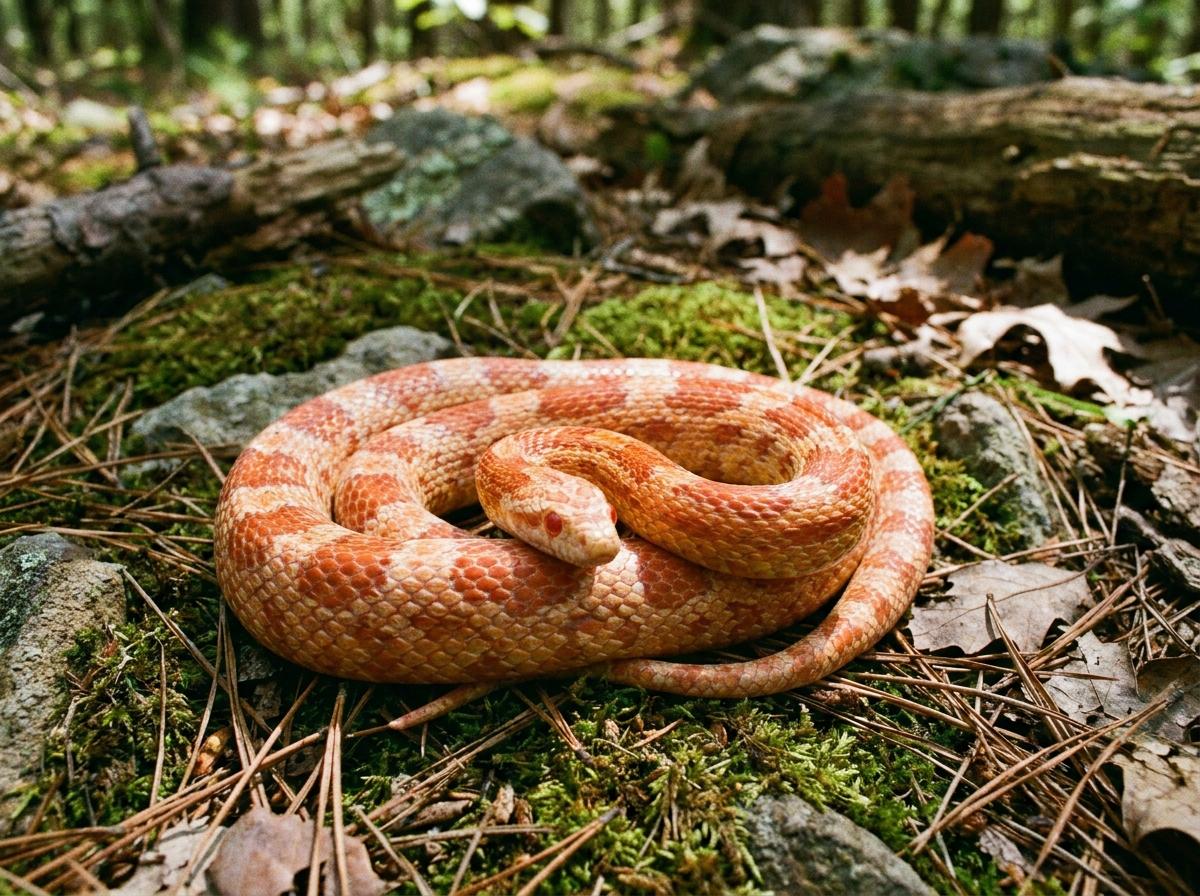
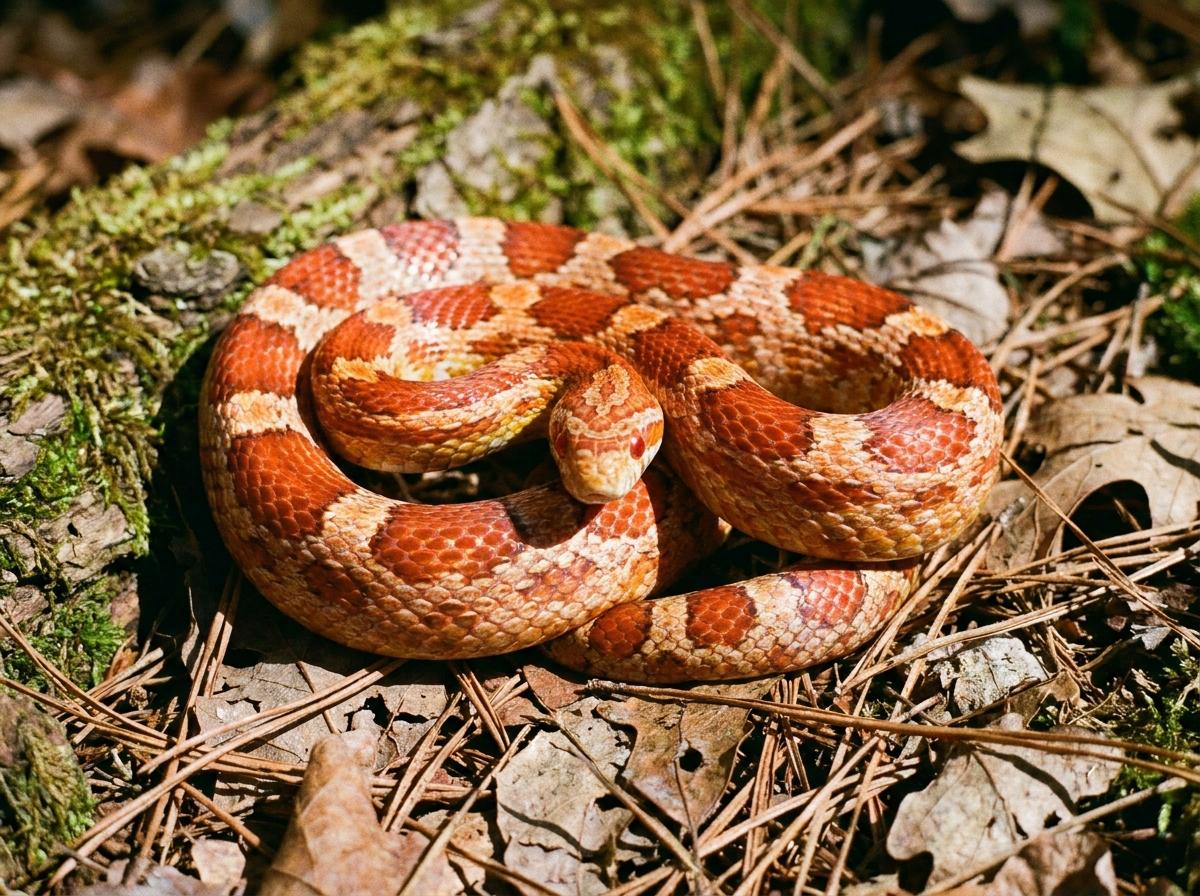
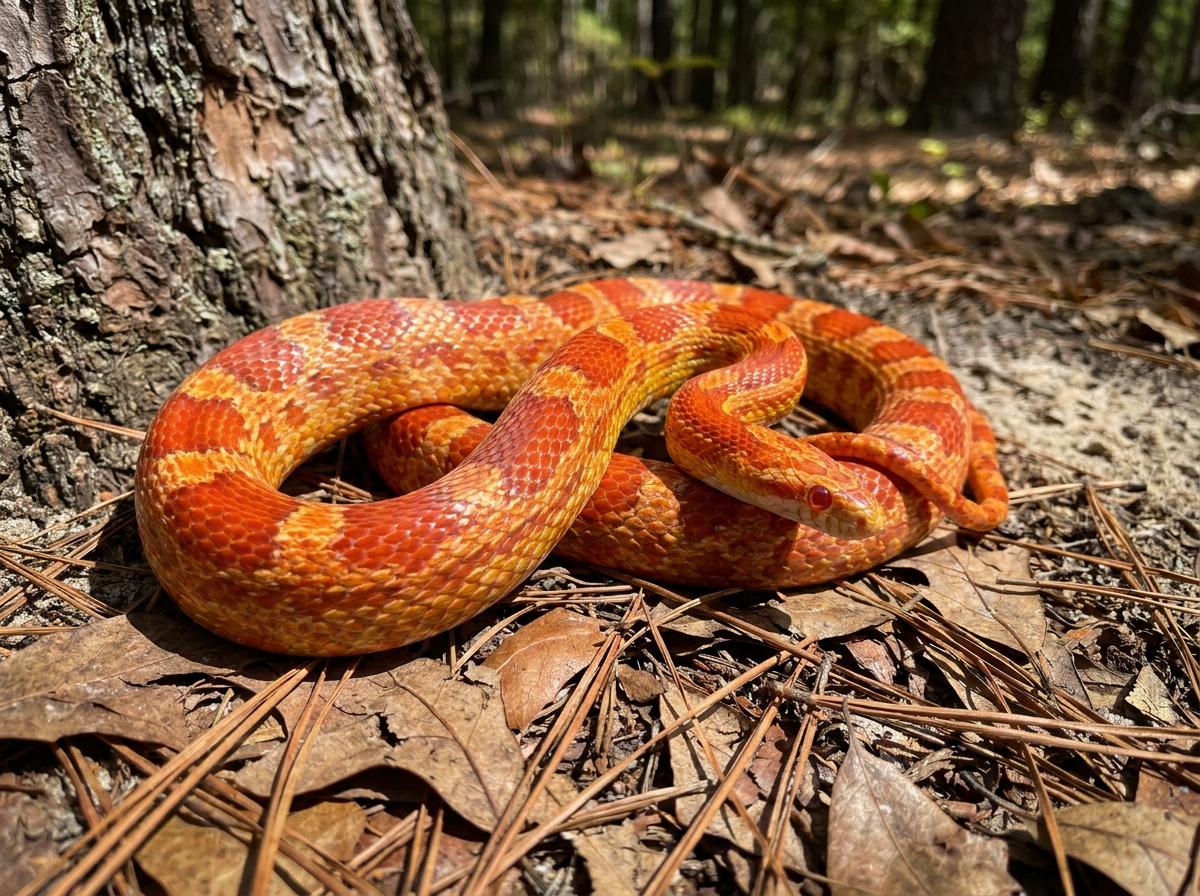
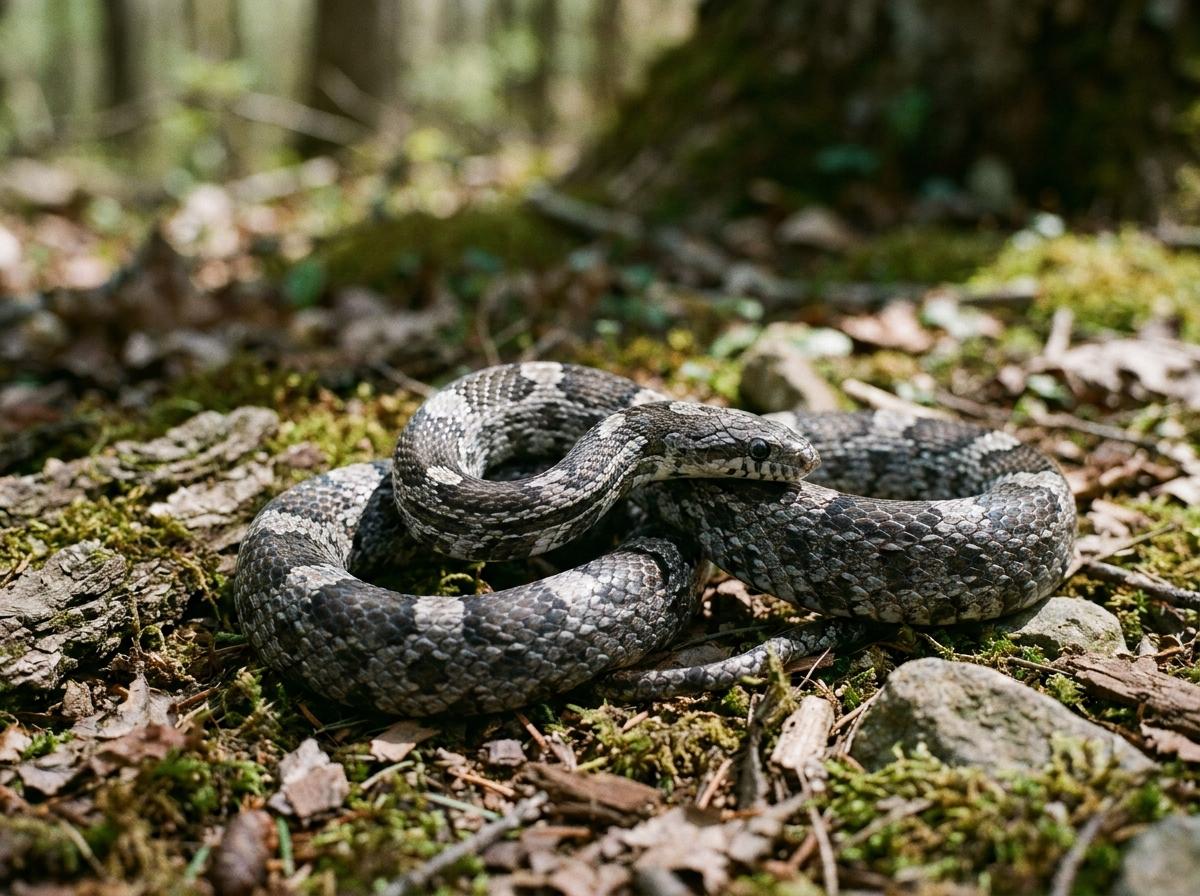
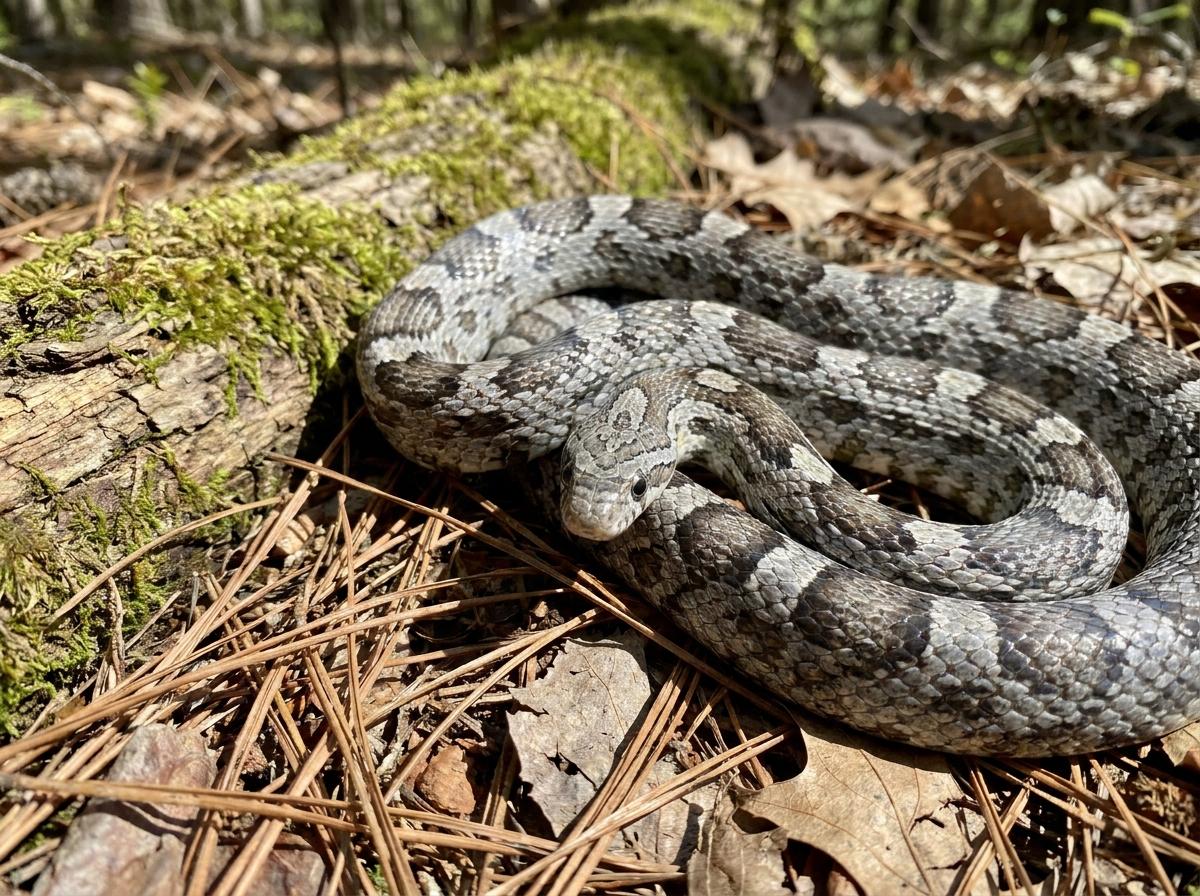
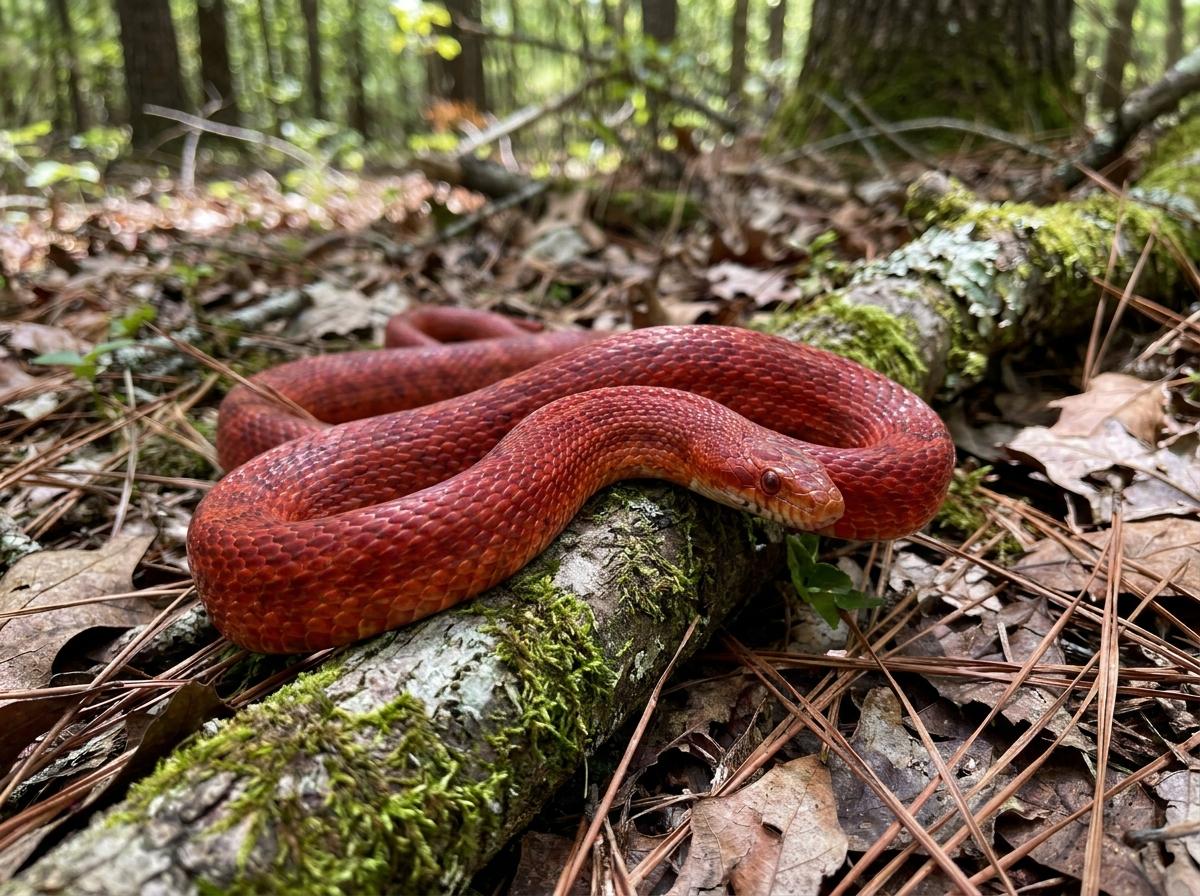
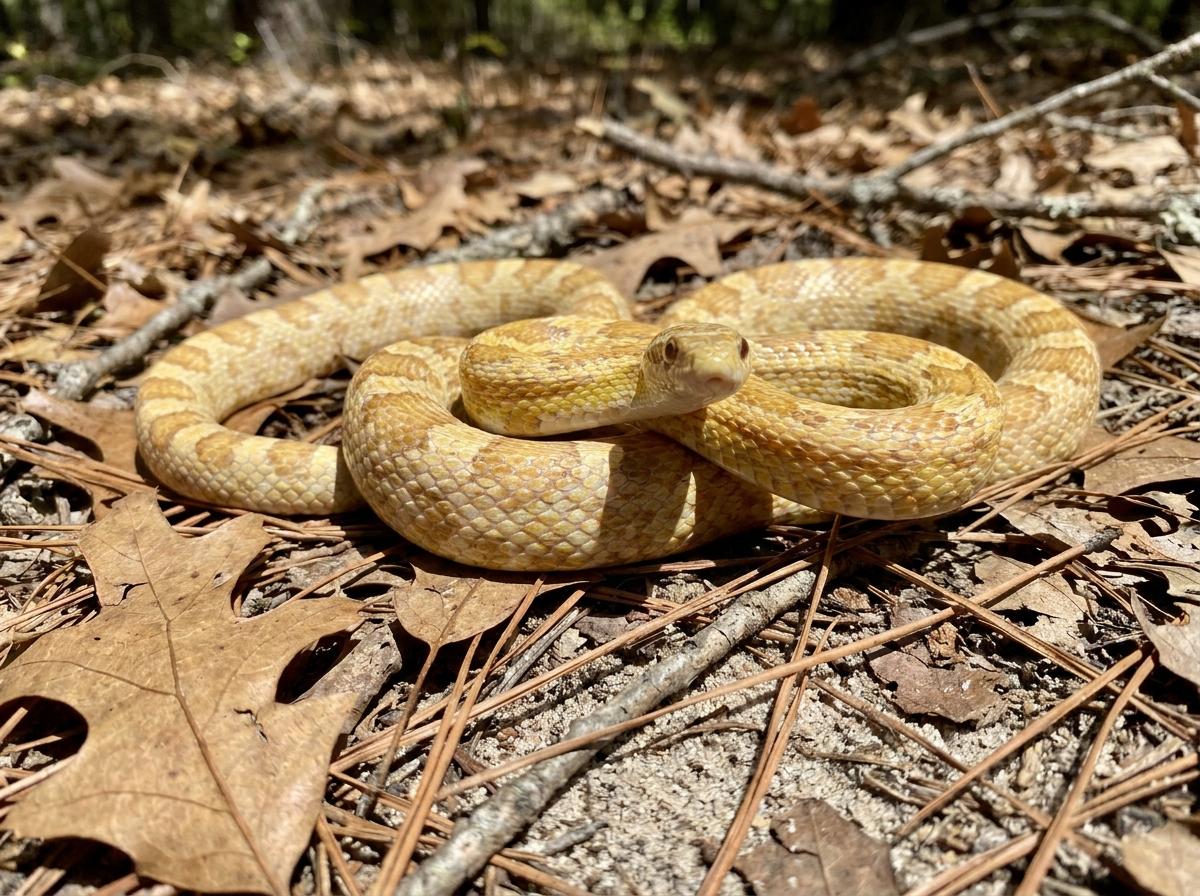
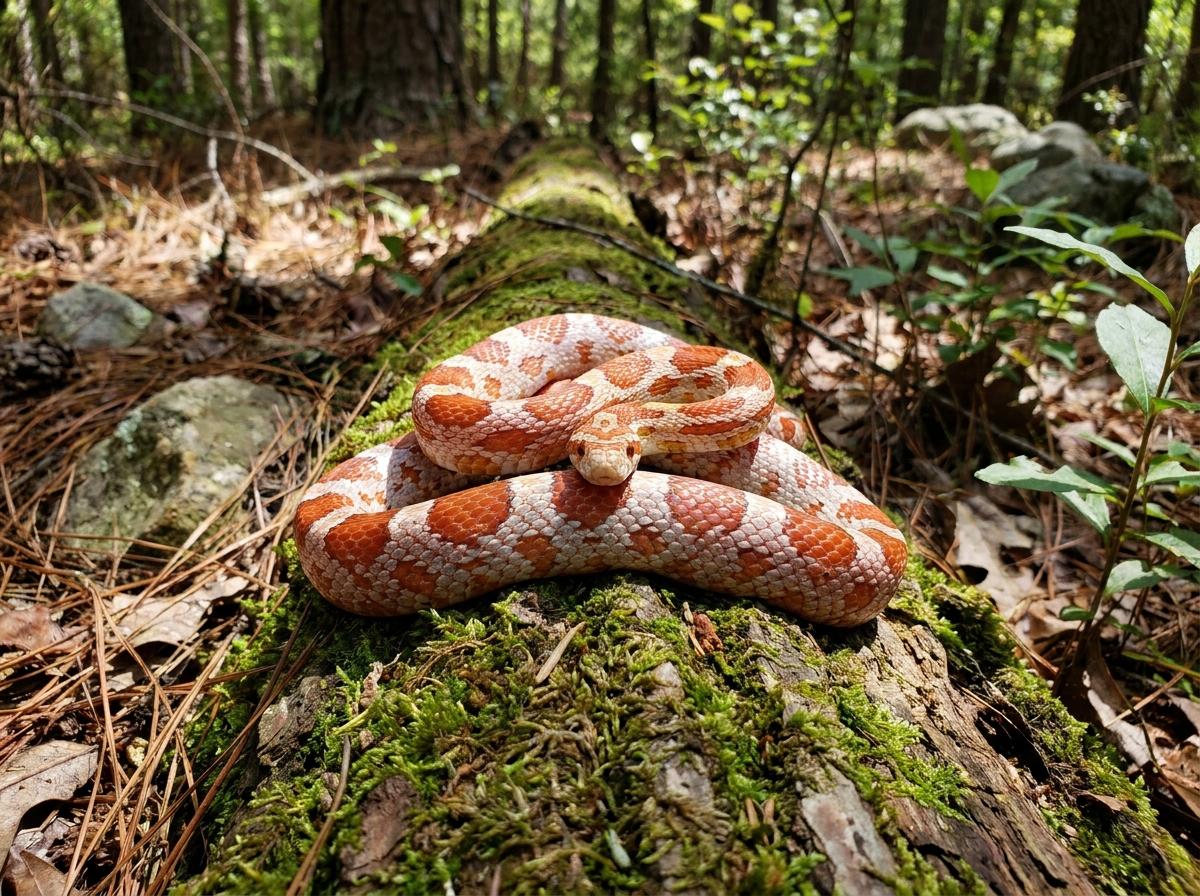
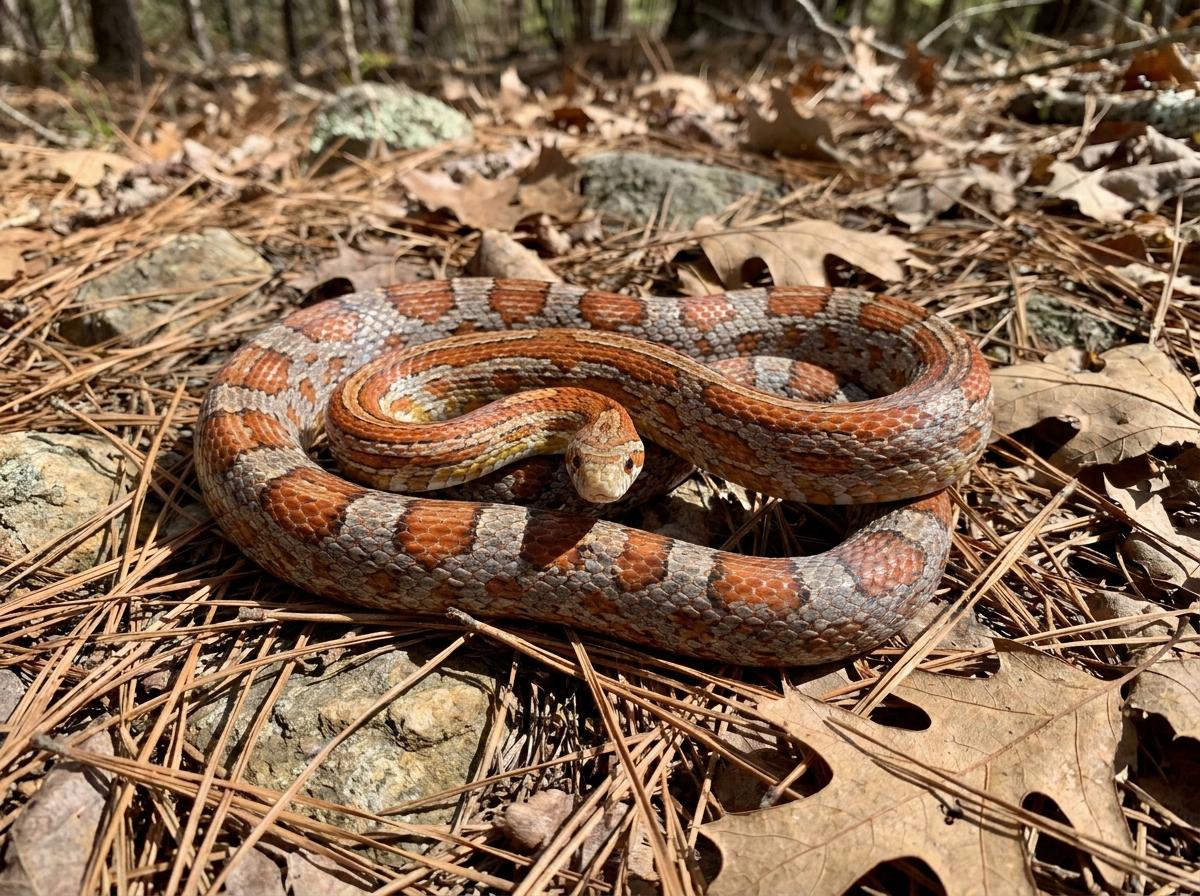
Tessera is a dominant pattern morph in corn snakes, recognized by a strong lengthwise dorsal stripe, broken or pixelated side markings, and a cleaner appearance than the usual blotched pattern. A snake with one copy of the trait can be visual, which made tessera useful in many breeding projects. It is not a color morph by itself; tessera can appear in normal, amel, anery, snow, caramel, bloodred, and many other color combinations. Pattern sharpness varies, with some animals showing an almost continuous stripe and others having interruptions or busier sides.
Because tessera is dominant, pairing a visual tessera to a non-tessera can produce visual offspring without waiting for both parents to carry a recessive gene. That makes record keeping important, especially when tessera is combined with hidden recessives or other pattern traits such as motley and stripe. Care remains standard for Pantherophis guttatus, with an emphasis on escape-proof housing because hatchlings and juveniles are narrow and active. The pattern does not change feeding, shedding, or temperature needs. For buyers, the best indicators are a well-started snake, clear parentage, and photos that show the full body, since a head or close-up image may not reveal the quality of the stripe.
Colors: Albino, Amel, Amelanistic, Anery, Anerythristic, Bloodred, Butter, Candy Cane, Caramel, Charcoal, Cinder, Creamsicle, Dilute, Fire, Ghost, Granite, Hypo, Lava, Lavender, Masque, Miami Phase, Motley, Normal, Okeetee, Opal, Palmetto, Pewter, Plasma, Reverse Okeetee, Scaleless, Snow, Stripe, Sunglow, Sunkissed, Tessera, Ultramel, Wild Type