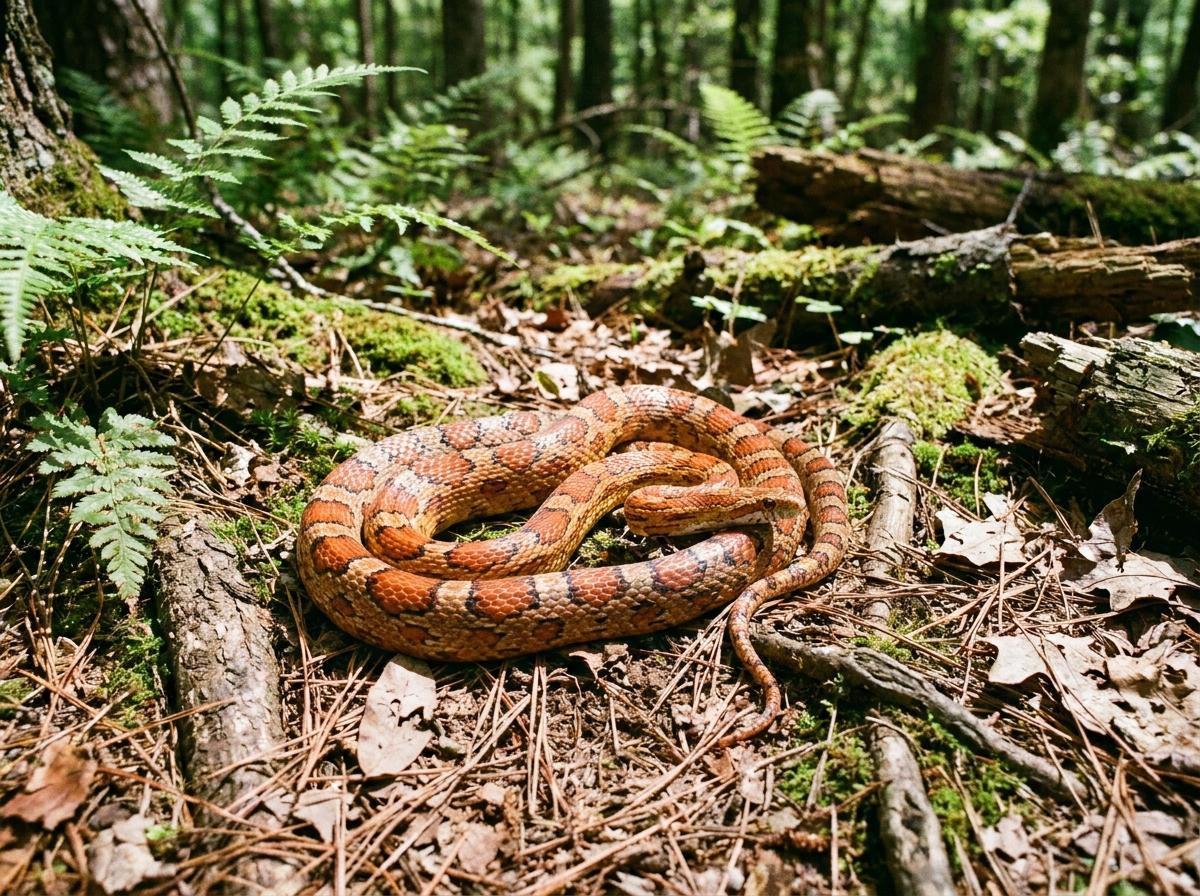
Wild Type
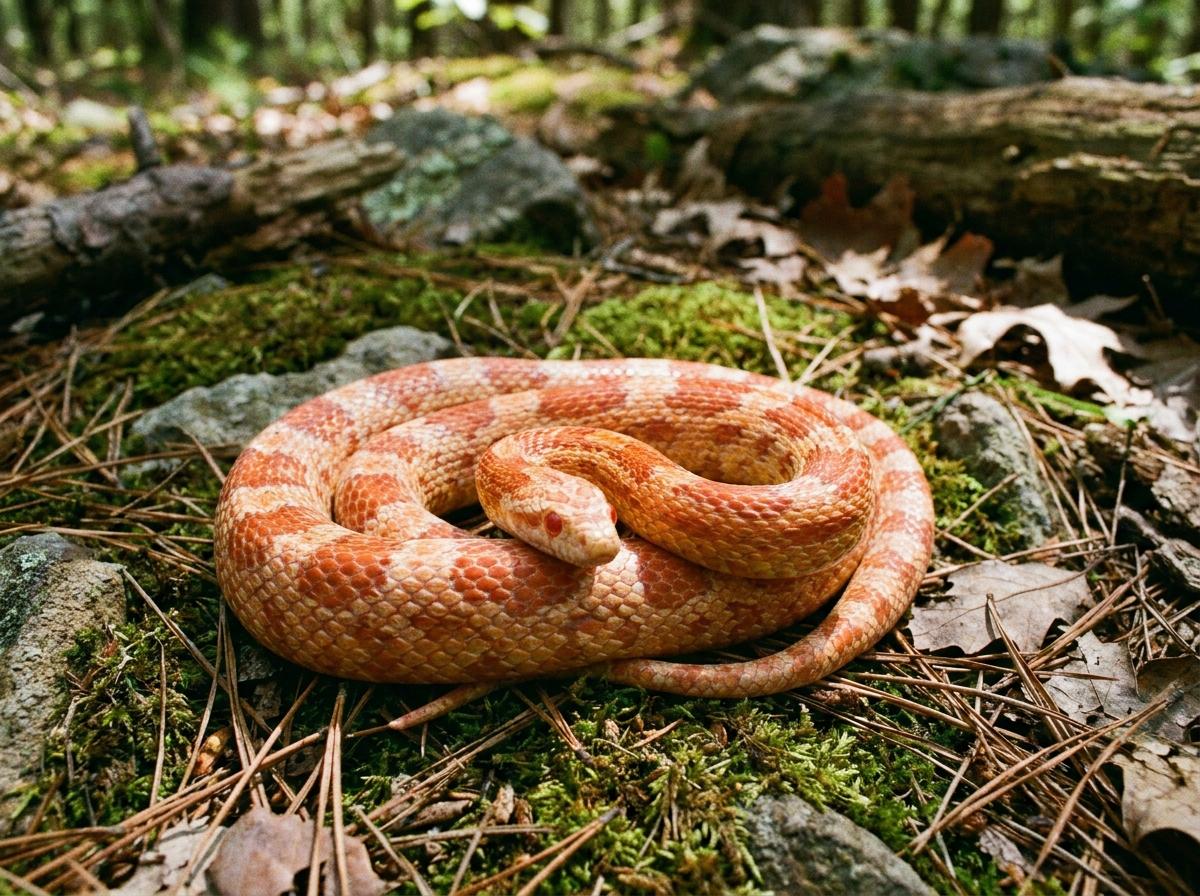
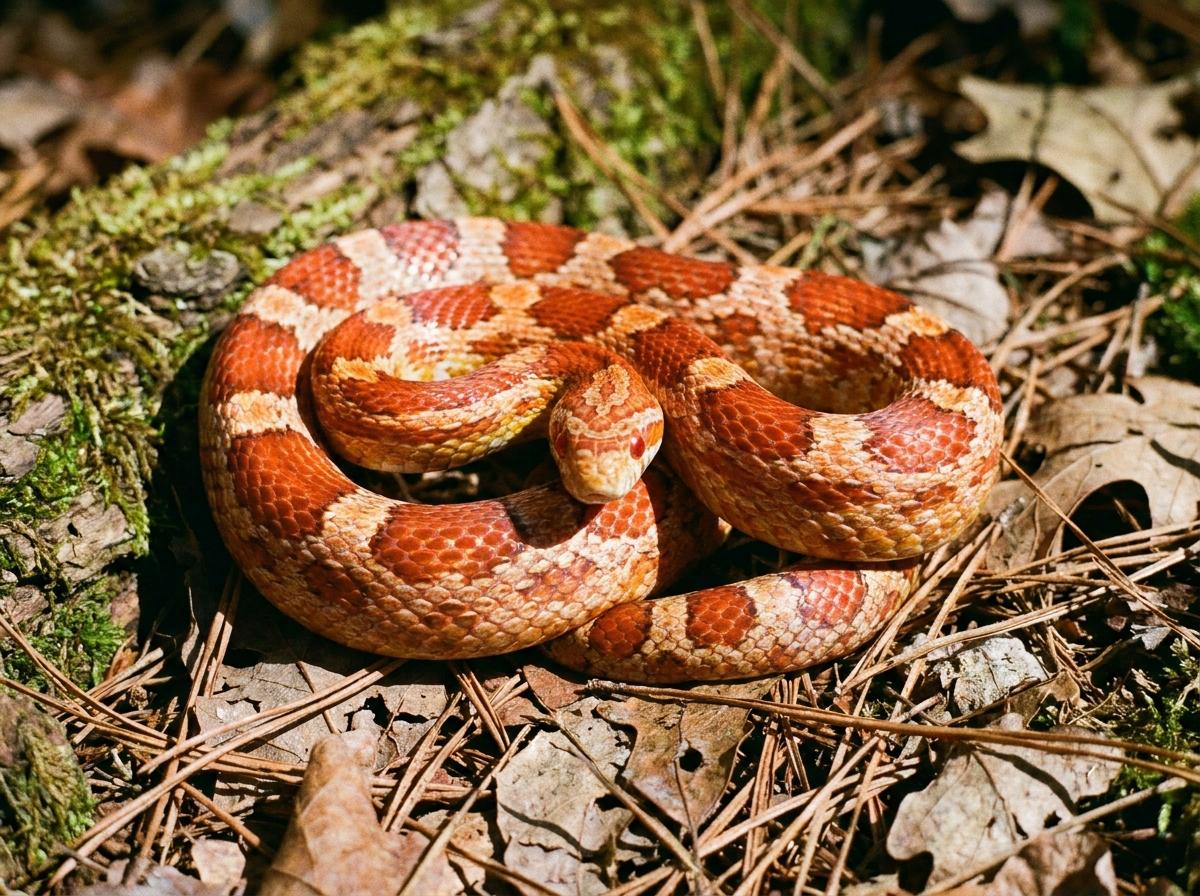
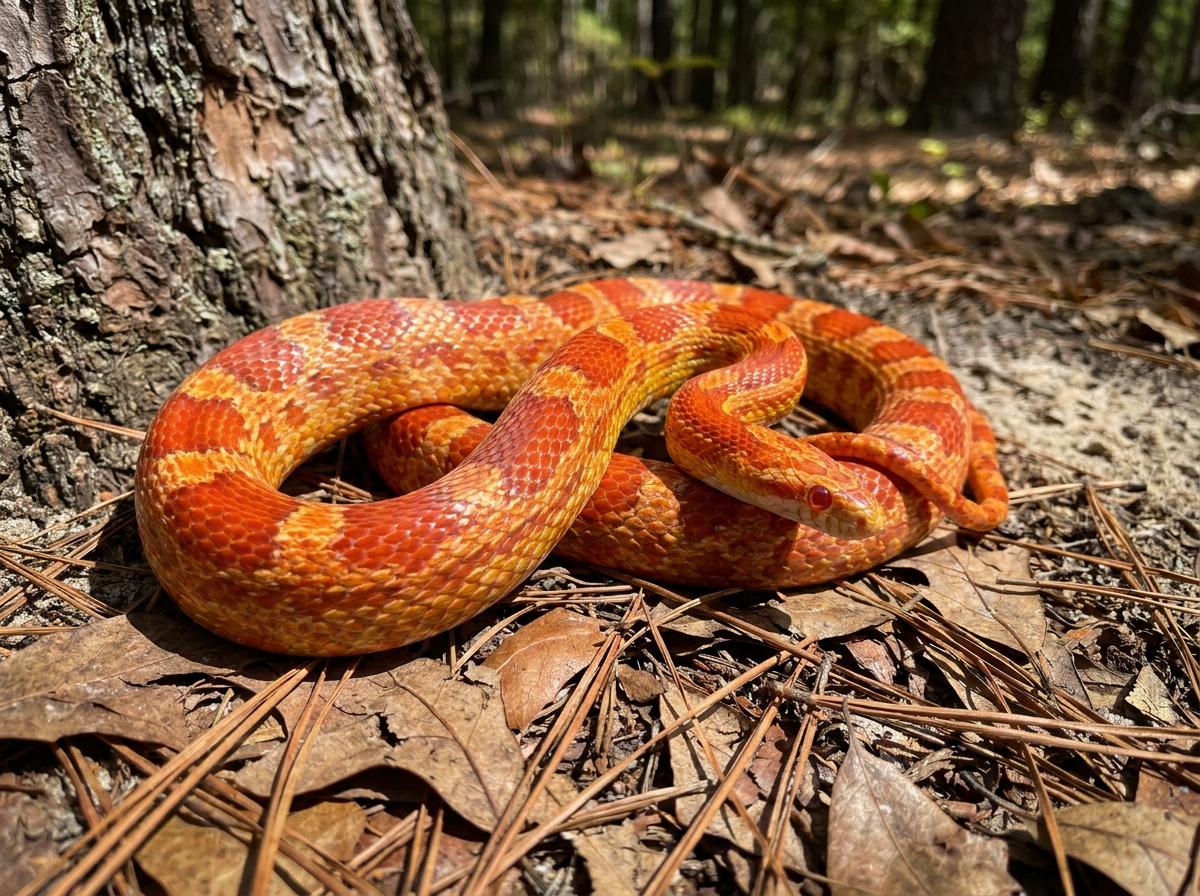
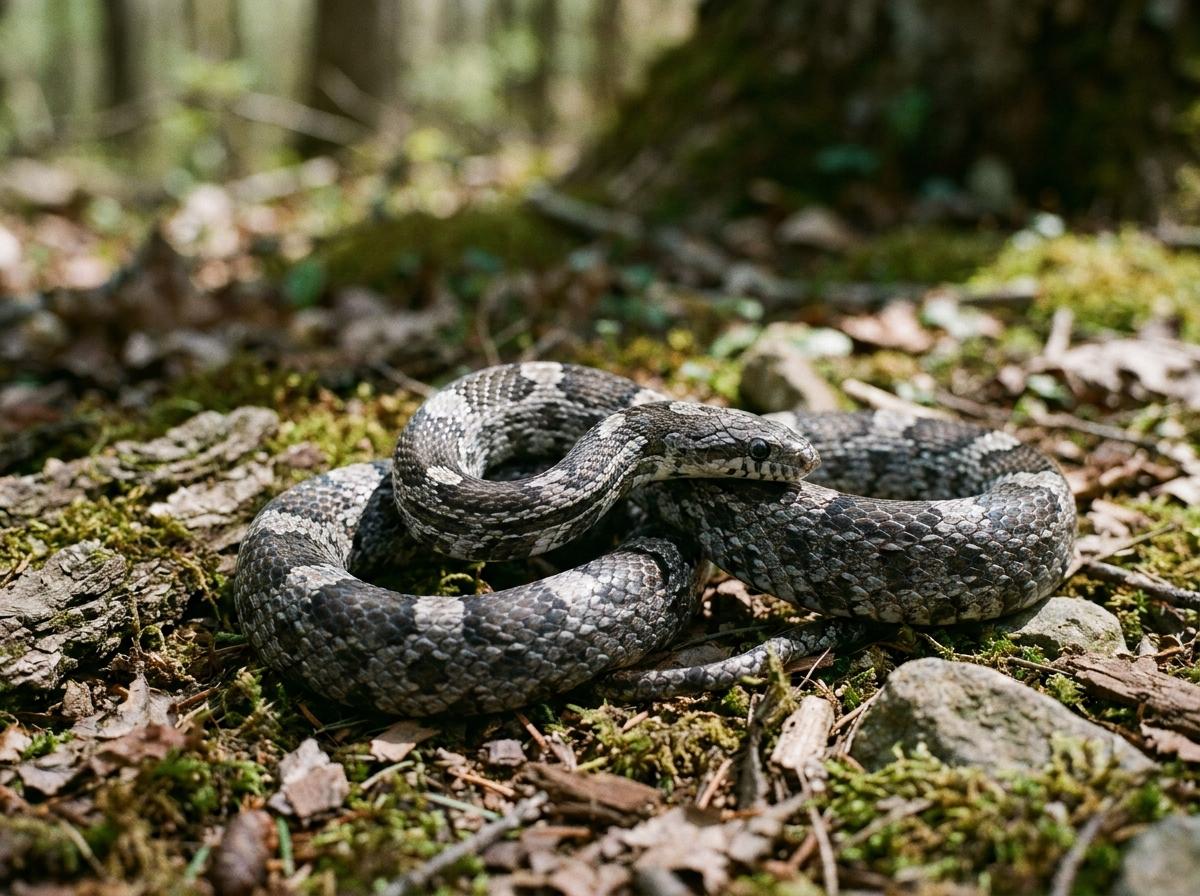
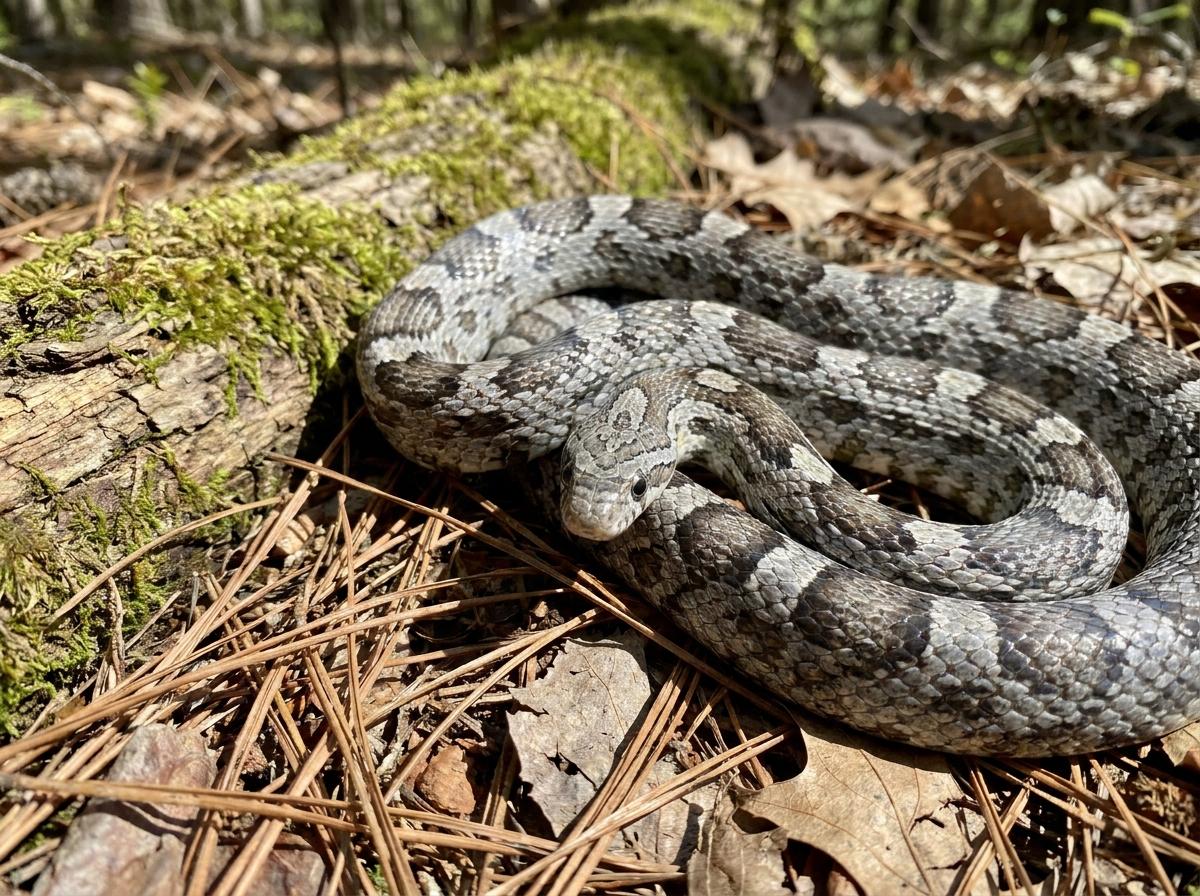
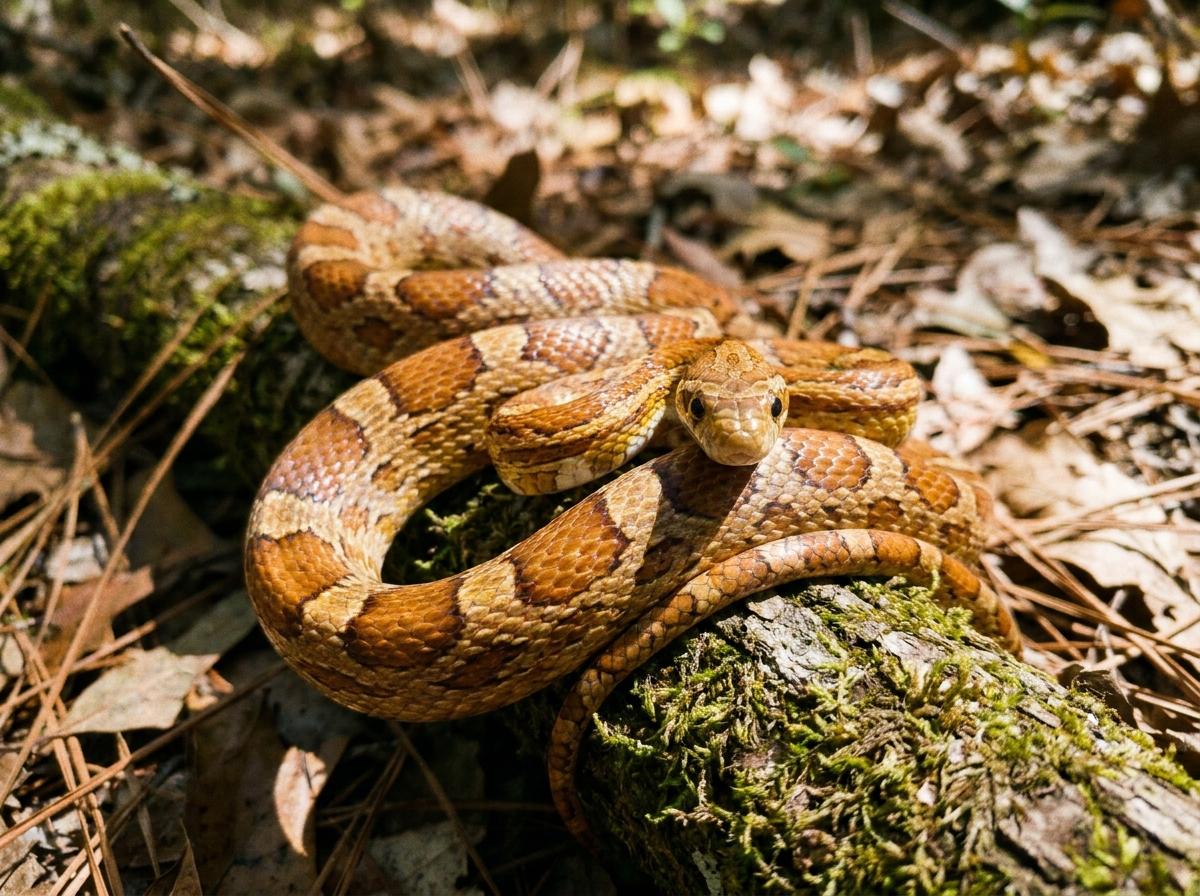
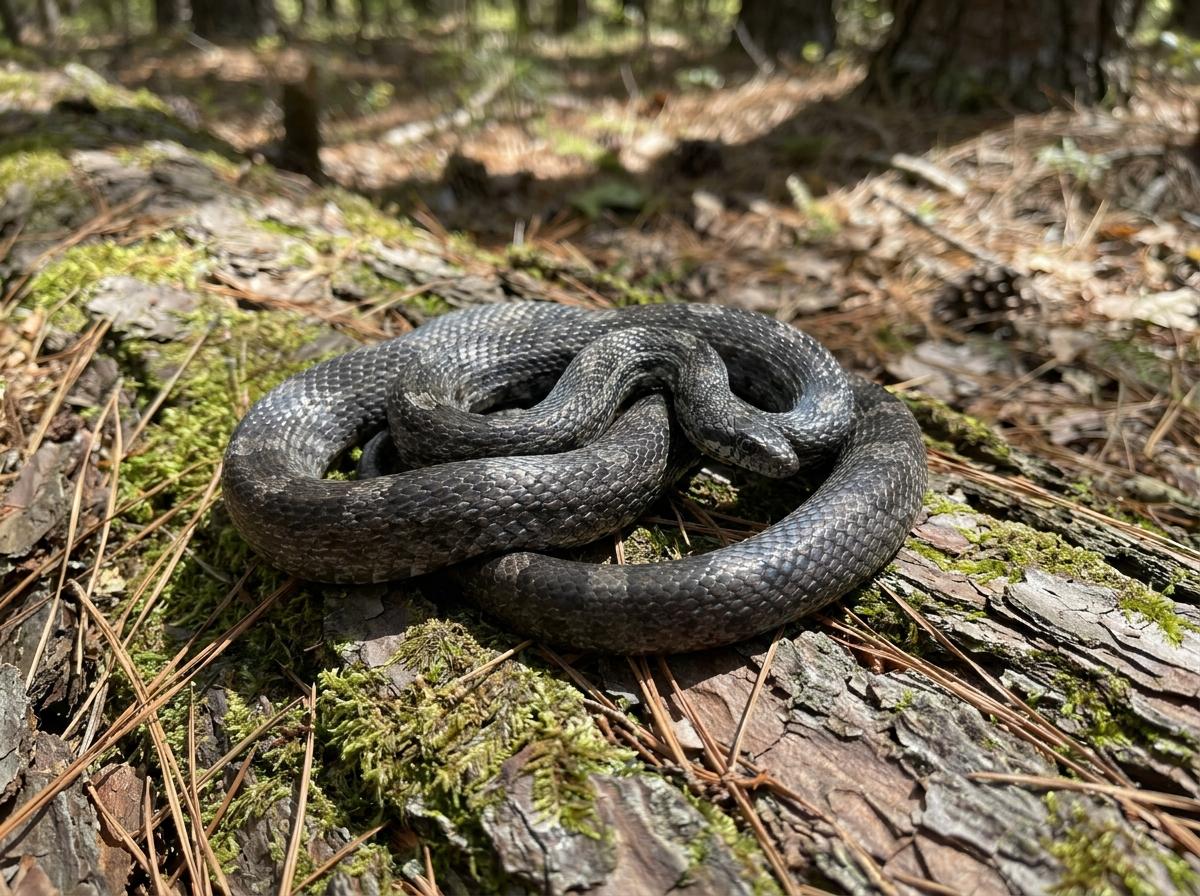
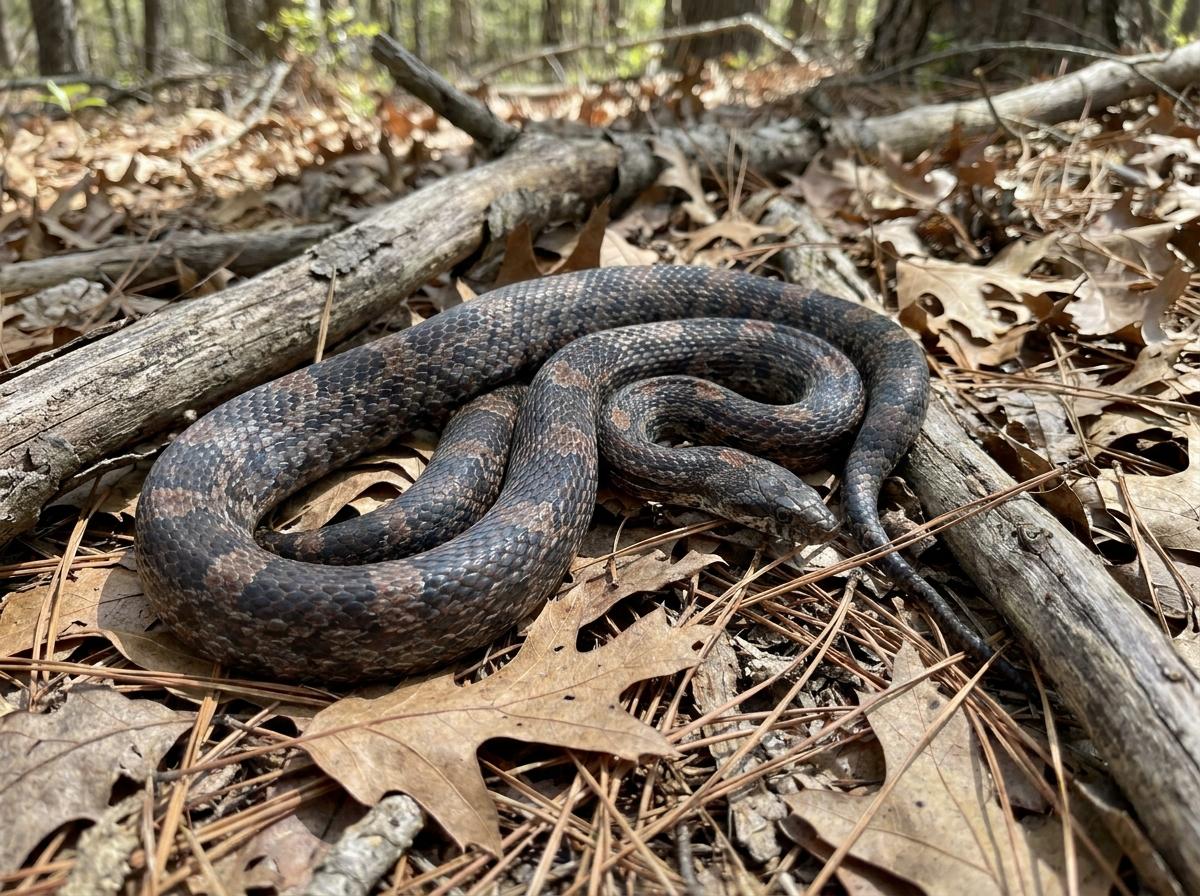
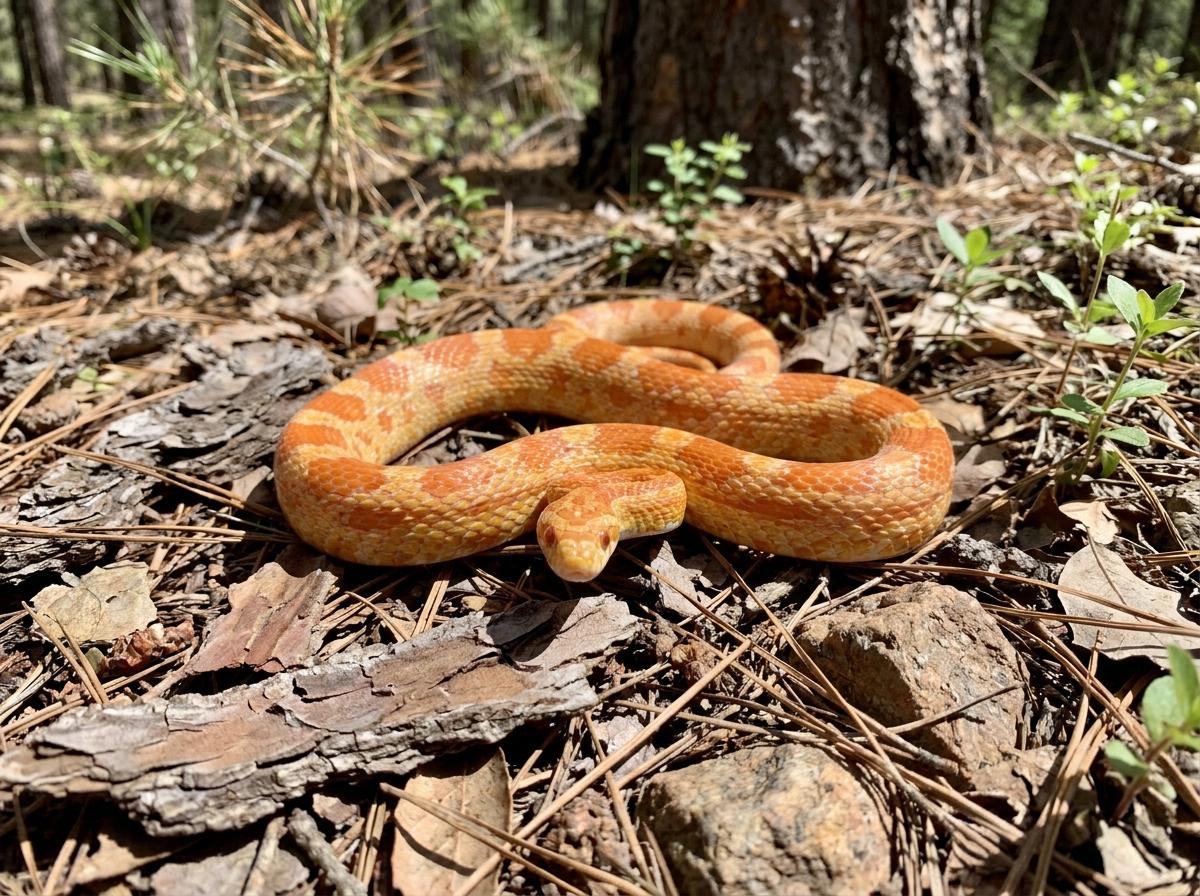
Wild type corn snakes, also called normal or classic corn snakes, show the natural pattern of Pantherophis guttatus rather than a captive color mutation. They typically have an orange, tan, gray, or brown ground color with red to reddish-brown saddle blotches outlined in black and a black-and-white checkered belly. This look reflects the species found across much of the southeastern and central United States, where corn snakes use pine woods, field edges, farm buildings, and other rodent-rich habitats. Captive wild type animals can vary widely, and locality-influenced names such as Okeetee or Miami should not be assumed unless the line is documented.
In captivity, wild type corns are managed the same way as other corn snake morphs: escape-resistant housing, a warm retreat and cooler area, moderate humidity, and a diet based on thawed mice. Their natural color does not mean they are wild-caught; many normal corns are generations removed from the wild and make valuable outcrosses in breeding programs. Breeders use them to maintain body type, contrast, and genetic diversity, as well as to produce hets for recessive projects. Captive snakes should never be released, even if they look native, because they may carry nonlocal genetics, pathogens, or adaptations from long-term captive breeding.
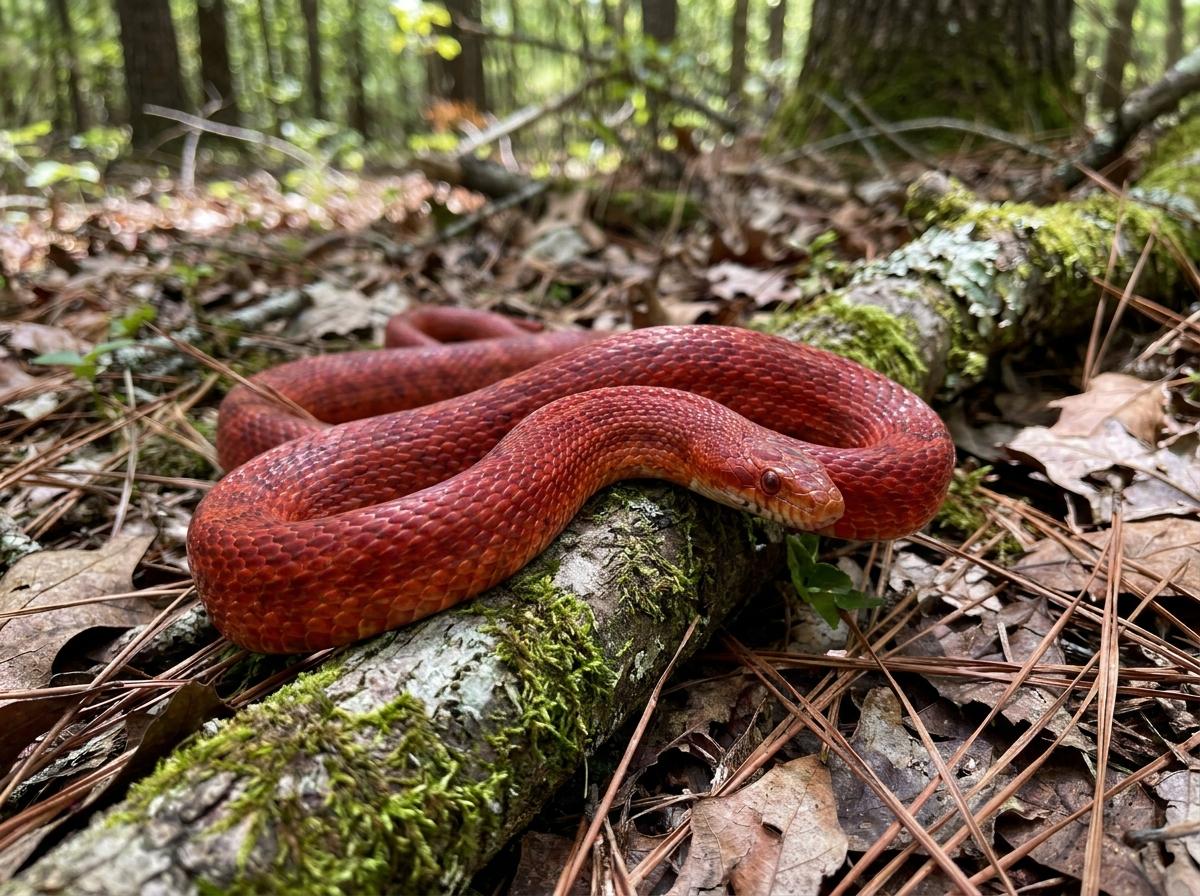
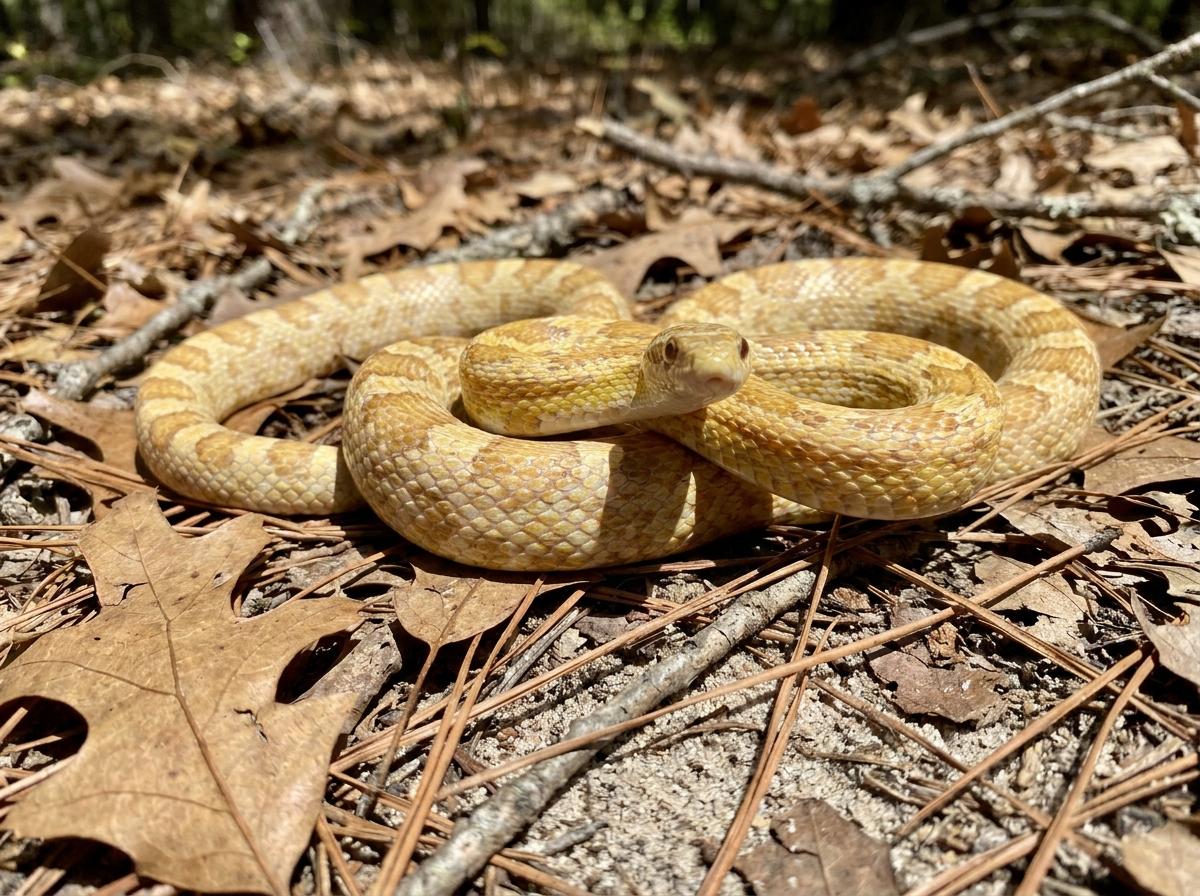
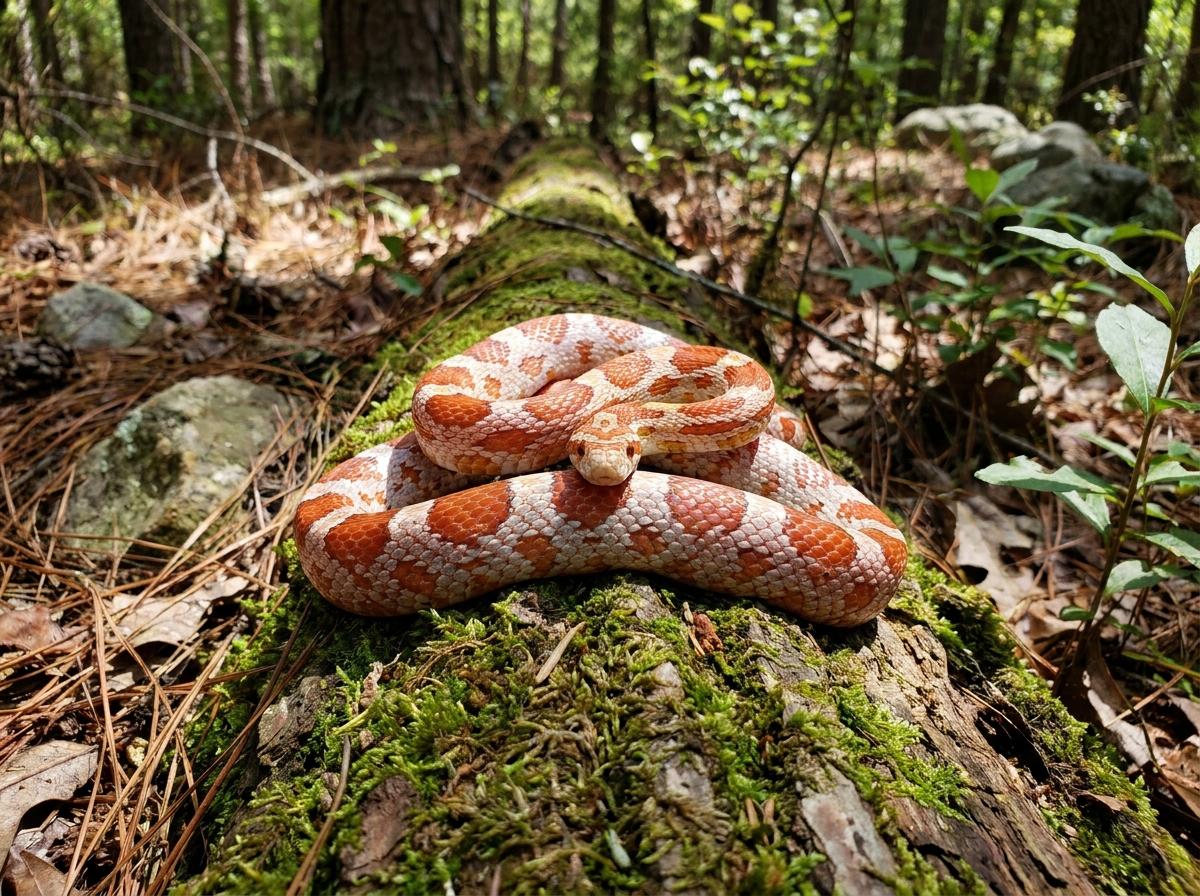
Colors: Albino, Amel, Amelanistic, Anery, Anerythristic, Bloodred, Butter, Candy Cane, Caramel, Charcoal, Cinder, Creamsicle, Dilute, Fire, Ghost, Granite, Hypo, Lava, Lavender, Masque, Miami Phase, Motley, Normal, Okeetee, Opal, Palmetto, Pewter, Plasma, Reverse Okeetee, Scaleless, Snow, Stripe, Sunglow, Sunkissed, Tessera, Ultramel, Wild Type