

German Shepherd Dog
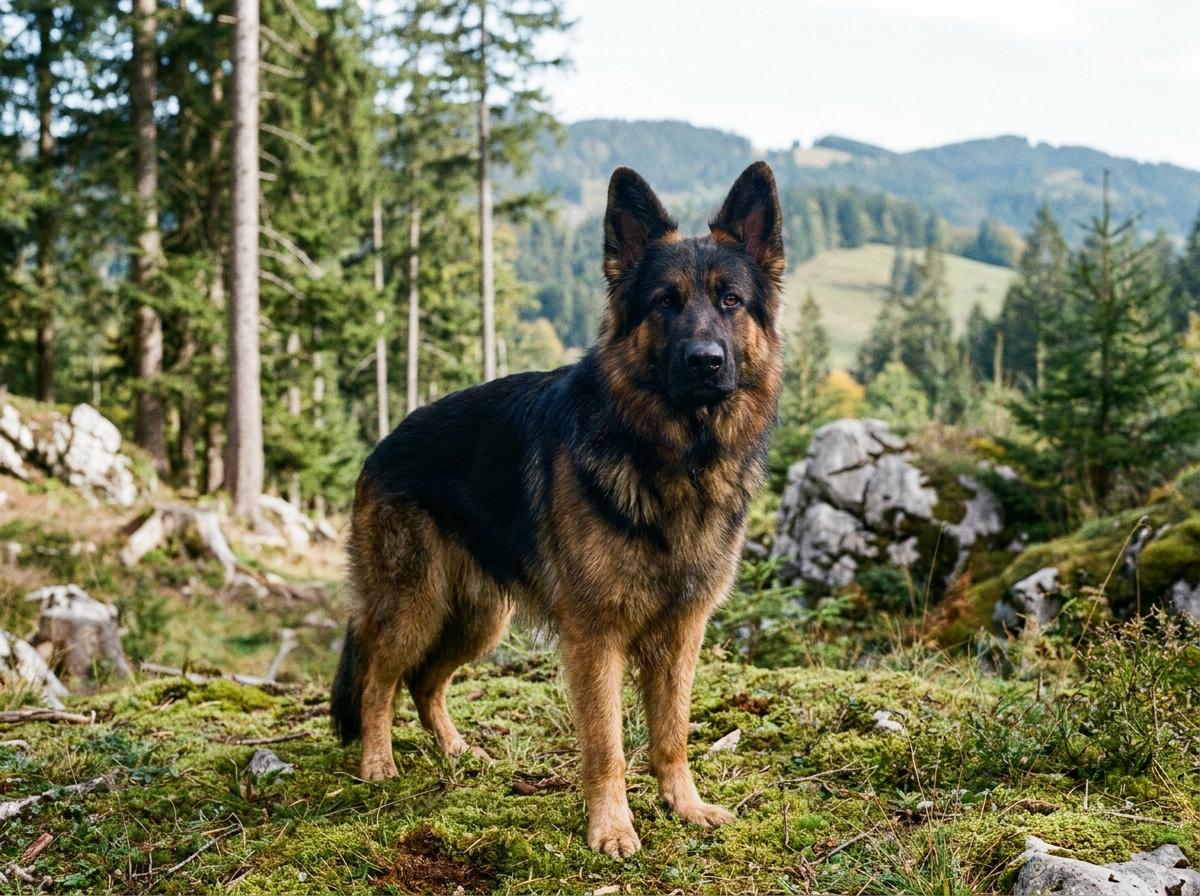
Developed in Germany in the late 1800s, the German shepherd dog was shaped from regional herding dogs into a medium-large, athletic worker with a strong trot, upright ears, a weather-resistant double coat, and a watchful expression. The breed became associated with herding, police and military work, search and rescue, guide work, protection sports, and active family life. Coat patterns differ by registry and line, but black and tan, black and red, sable, and solid black are among the colors most people recognize. Working and show lines can vary noticeably in build, energy, and intensity.
A well-bred German shepherd dog needs more than yard space. Daily training, scent games, tracking, herding, obedience, or another structured job helps keep the dog settled and cooperative. Early socialization is important because the breed can be naturally discerning around strangers. Heavy seasonal shedding is normal, so regular brushing matters. Responsible breeders pay close attention to hips, elbows, temperament, and inherited conditions such as degenerative myelopathy; stable nerves and functional structure matter more than sharpness or an exaggerated outline.
Colors: Apricot, Bicolor, Black, Black and Red, Black and Silver, Black and Tan, Black and White, Black Mask, Black White and Tan, Blue, Blue and Tan, Blue Merle, Blue Roan, Blue Tick, Brindle, Brown, Brown and Tan, Brown and White, Chocolate, Cream, Dapple, Domino, Fawn, Fawn and White, Gold, Gray, Harlequin, Irish Marked, Liver, Liver Mask, Mantle, Mask, Merle, Mottled, Parti-Color, Piebald, Red, Red and White, Red Merle, Red Roan, Red Tick, Reverse Brindle, Roan, Sable, Saddle, Silver, Speckled, Spotted, Tan, Ticked, Tricolor, Tuxedo, White, Yellow