Dromedary Camel
Camelus dromedarius
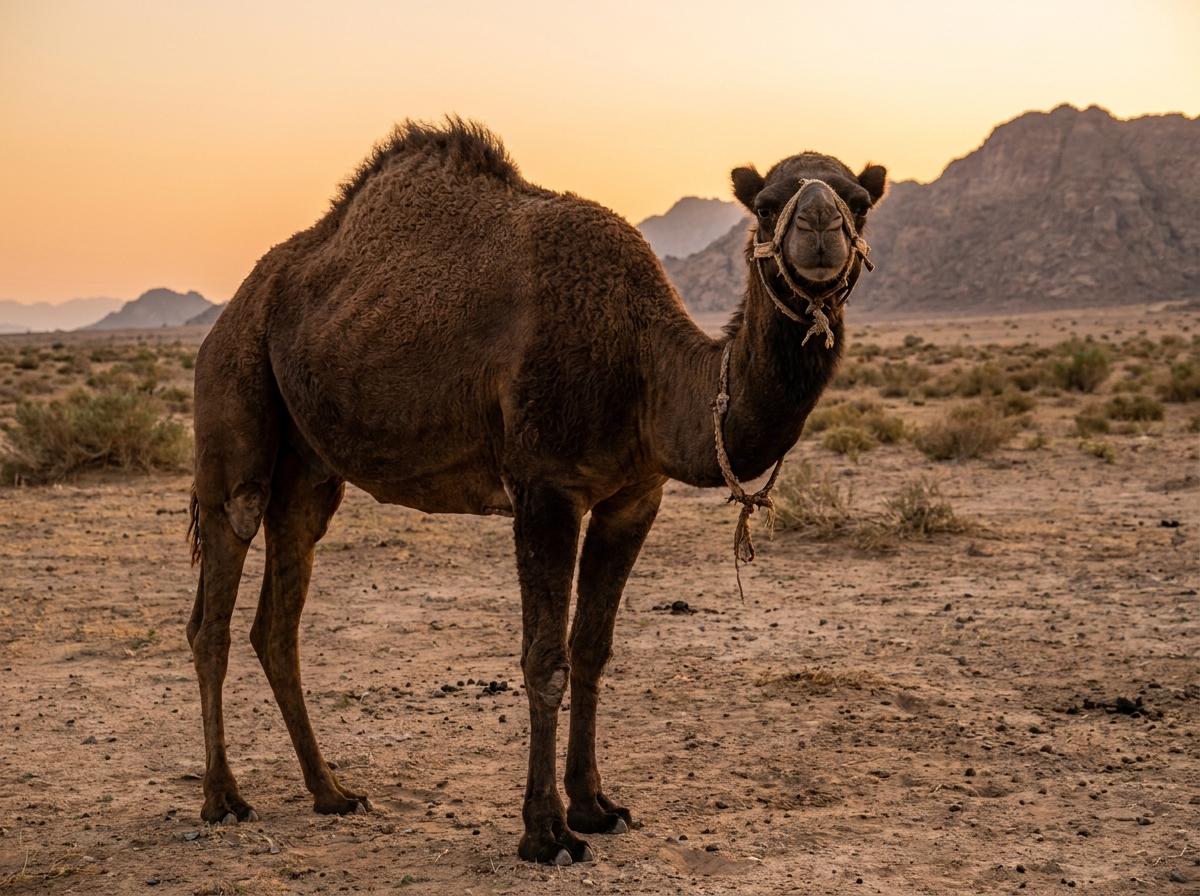
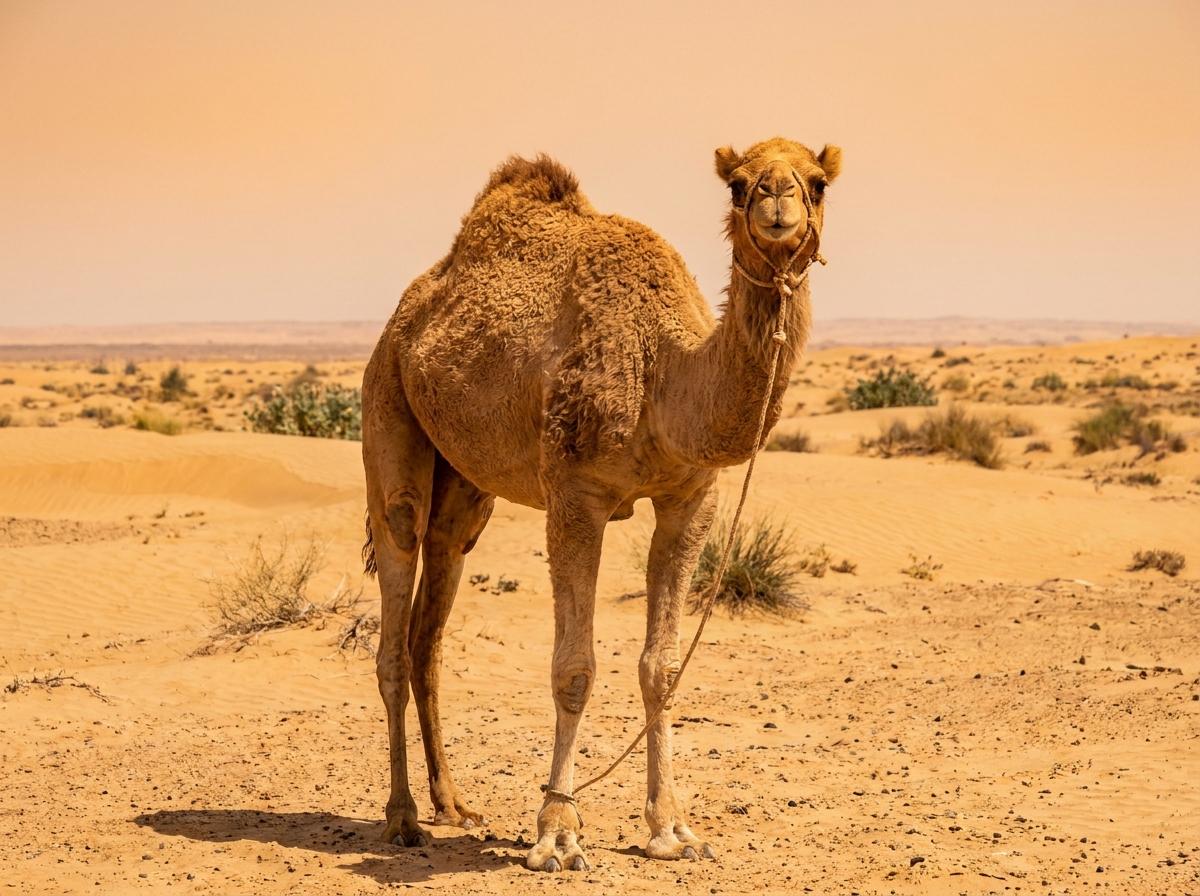
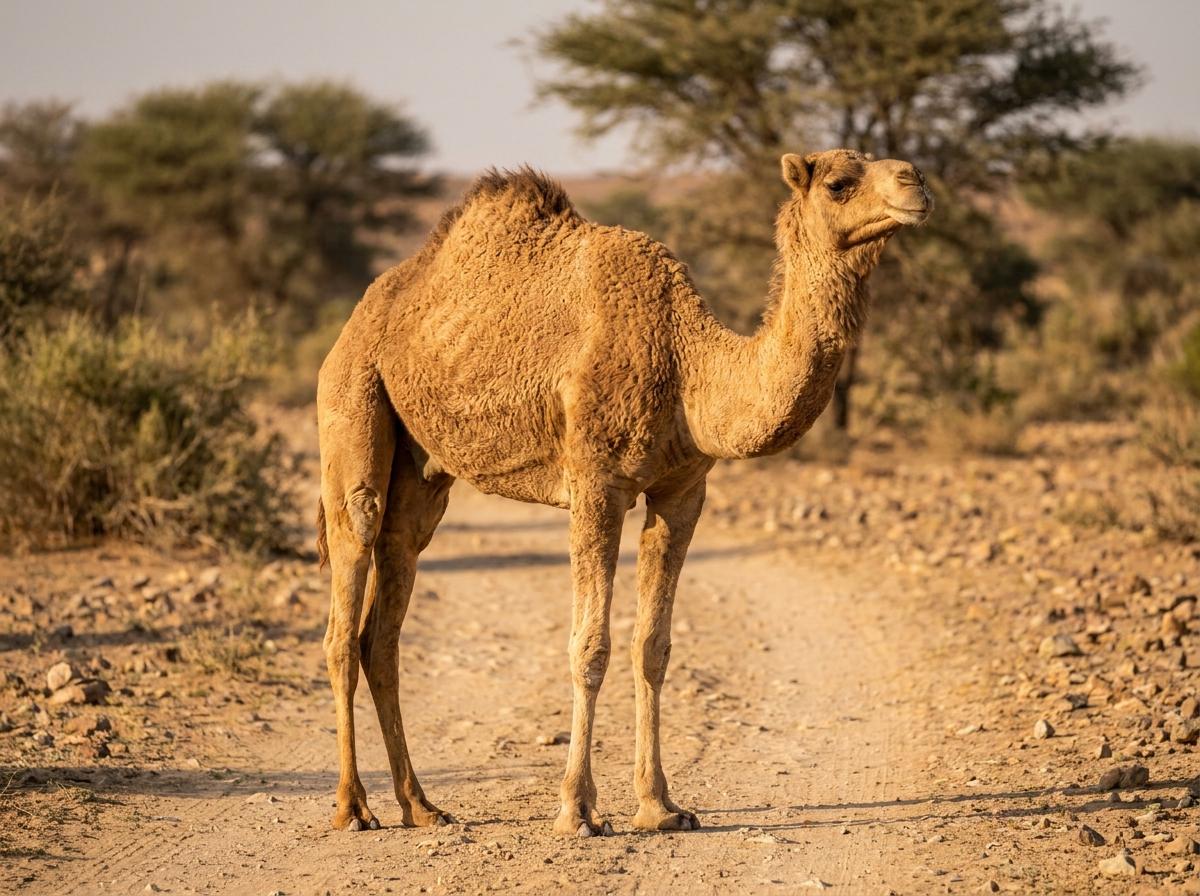
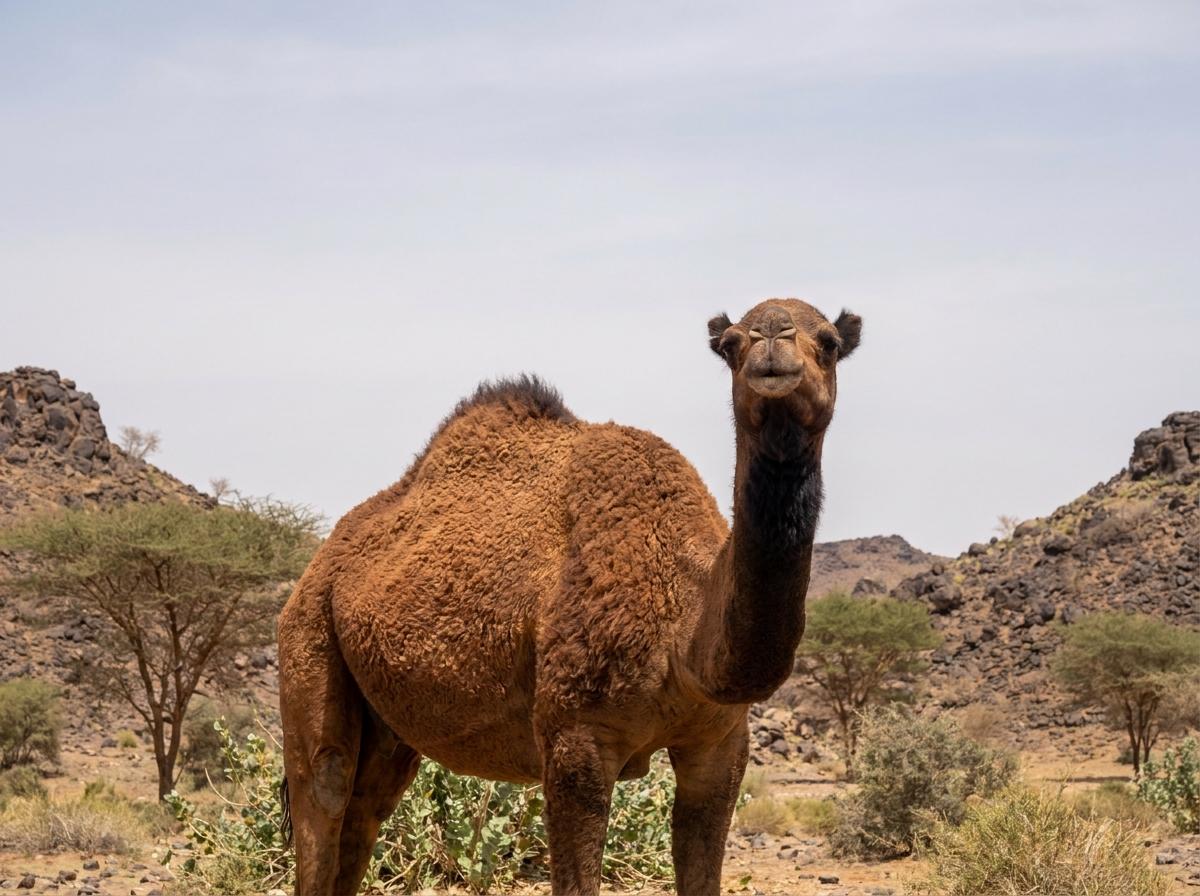
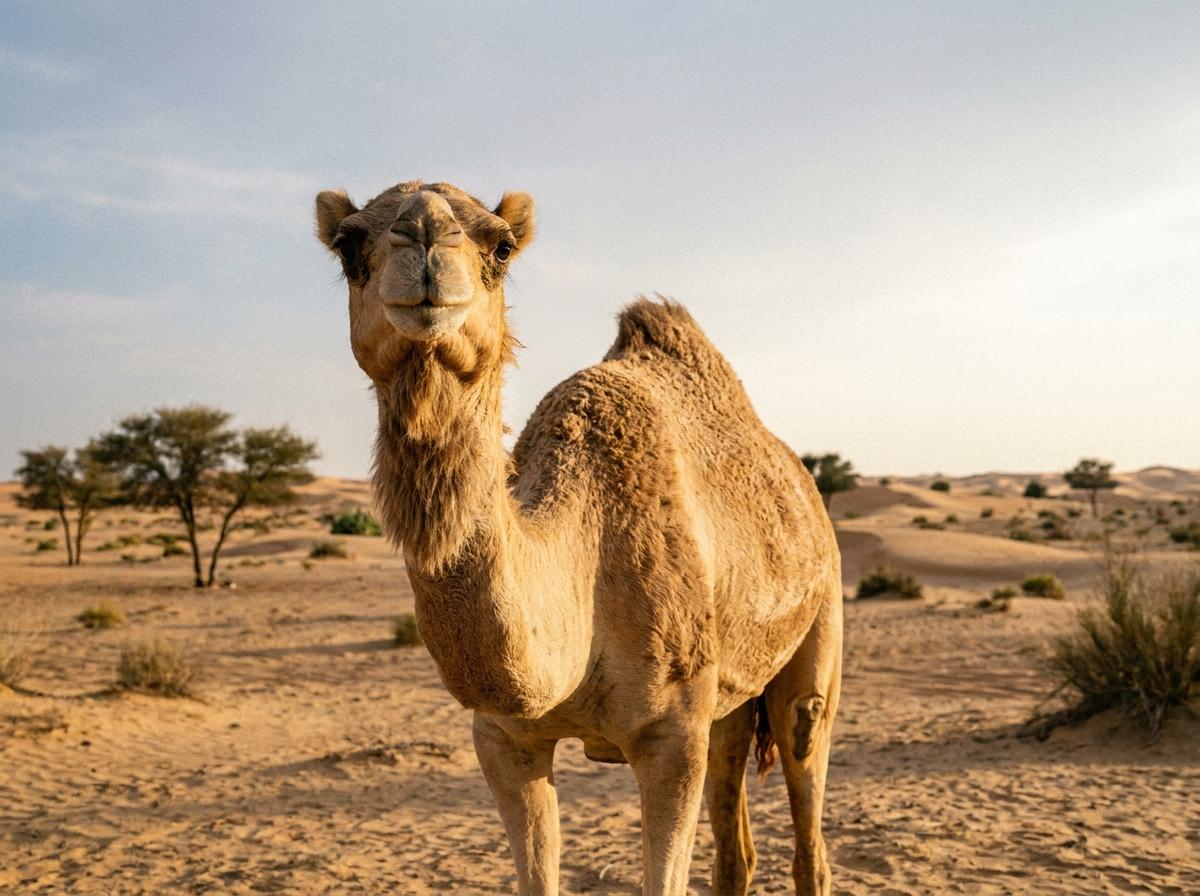
The dromedary camel, Camelus dromedarius, is the one-humped domestic camel of North Africa, the Arabian Peninsula, the Horn of Africa, and parts of South Asia. It is adapted to hot, dry country with long legs, broad padded feet, closable nostrils, protective lashes, and the ability to tolerate water loss that would disable many livestock species. Dromedaries are kept for milk, meat, riding, packing, racing, cart work, hides, and hair. Coat color ranges from pale cream to brown, and regional types differ in size, build, and purpose.
Management is shaped by space, handling, and climate. Dromedaries do best with room to move, dry resting areas, shade, and rough forage such as browse, hay, or desert pasture, along with minerals and reliable water when confined. Trained animals can be calm and useful, but intact males in rut may be dangerous and require experienced facilities. Feet, teeth, parasites, and saddle fit matter in working herds, while dairy systems need clean milking routines and attention to calf management. In countries where camels are uncommon, ownership may be affected by livestock regulations, transport limits, and access to veterinarians familiar with camelids.